10 Signs Your Lawn Needs Dethatching Before Winter
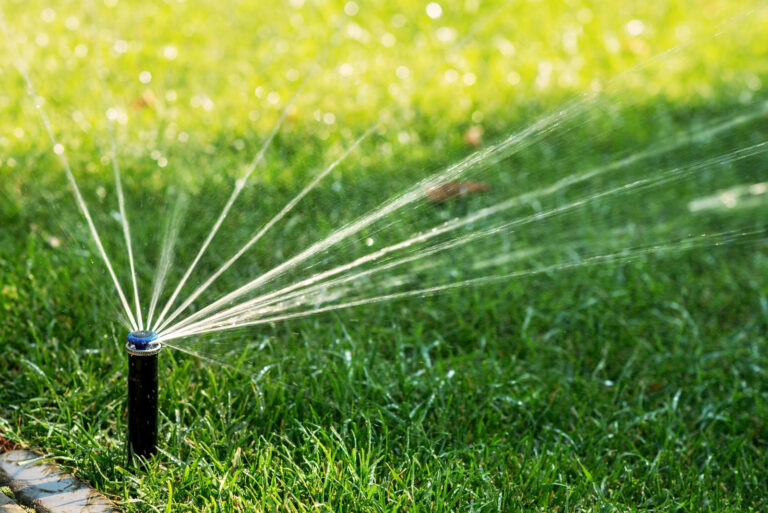
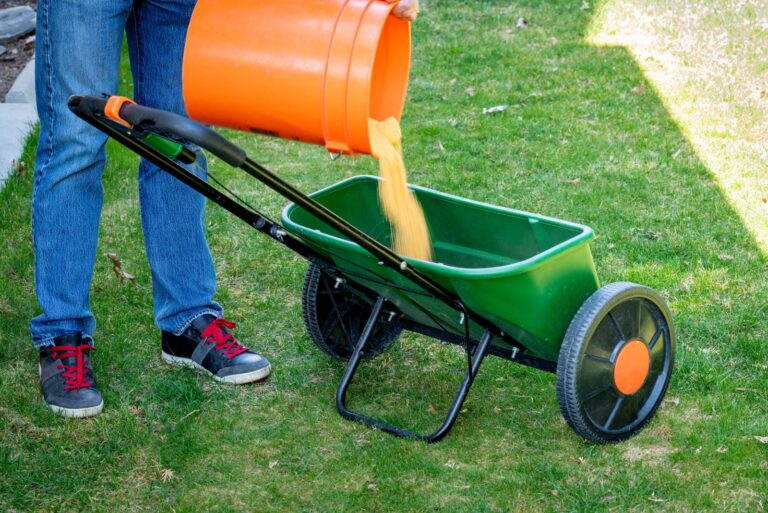
That spongy bounce under your bare feet is a warning, not a luxury. Beneath your green blades, a matted layer called thatch is building up. Blame your fertilizer spreader and sprinkler before you blame the clippings.
Heavy nitrogen and frequent watering push tough stems your soil can’t digest. Water then beads and runs off instead of reaching your roots.
Fertilizer stalls up there too, feeding the mat instead of your lawn. Your roots creep upward into it, where frost bites hardest. Chinch bugs, billbugs, and sod webworms are especially drawn to that mat.
Early fall gives you prime timing, because cool-season roots grow hard right now. Wait until spring, and weeds race you for bare patches.
Scalped spots, lingering puddles, and that mushy step you felt give it away. Now you find out exactly what your grass has been hiding.
1. The Lawn Feels Spongy Under Your Feet

Remember bouncing on a backyard trampoline as a kid, giggling with every hop? Your lawn should not give you that same springy feeling when you walk across it.
A spongy lawn usually means a thick mat of stems and roots has built up above the soil. Grass plants shed old parts, and sometimes they pile up faster than they break down.
Kids and pets may love a soft lawn, but grass roots struggle in it. They get stuck in the mat instead of reaching deep into cool, moist soil.
Try a quick test on your next walk around the yard. Press down firmly with your shoe and notice whether the ground pushes back like a cushion.
Healthy turf feels firm, a bit like a thick rug over a hard floor. Soft, squishy turf is waving a little flag that says help is needed soon.
If you grow cool-season grass such as Kentucky bluegrass or fescue, September is a smart time to act, since cool air and warm soil help it recover quickly. Roots can heal and spread for several weeks before the first hard frost arrives.
Warm-season grasses like Bermuda and zoysia are heading into dormancy now, so dethatch them in late spring or early summer instead.
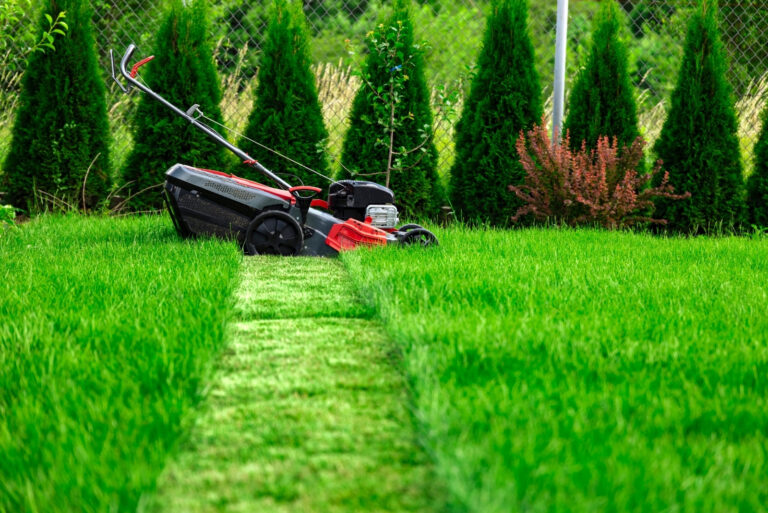
Grab a garden rake or rent a power rake to lift out that matted layer. Your feet will notice the difference, and your grass will thank you by spring.
2. The Brown Layer Is Thicker Than Half An Inch
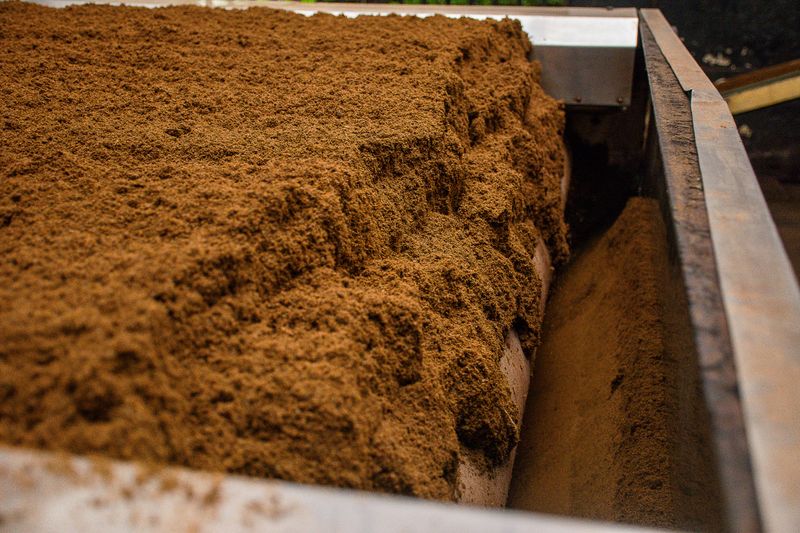
Grab a ruler, because this sign is all about numbers. University extension services recommend dethatching once the layer grows thicker than half an inch.
Checking is easier than you might think. Use a small shovel to cut out a wedge of grass about three inches deep.
Look at the side of that little slice like you would study a layer cake. Between the green blades and the dark soil, you may spot a brownish, woven band.
A thin layer, around a quarter inch, is actually helpful to your yard. It shades the soil, holds a bit of moisture, and cushions the grass from heavy feet.
Once that band grows past half an inch, the good turns bad fast. Water, air, and food struggle to squeeze through, and roots start living in the mat instead.
Check a few different spots, since some areas build up faster than others. Sunny, heavily fertilized areas where grass grows most vigorously often hold the thickest layers.
Grasses that spread by rhizomes or stolons, like Kentucky bluegrass, Bermuda, and zoysia, tend to build up more, while bunch-type grasses like tall fescue rarely do. Write your measurements down so you can compare them again next fall.
3. The Water Puddles Instead Of Soaking In
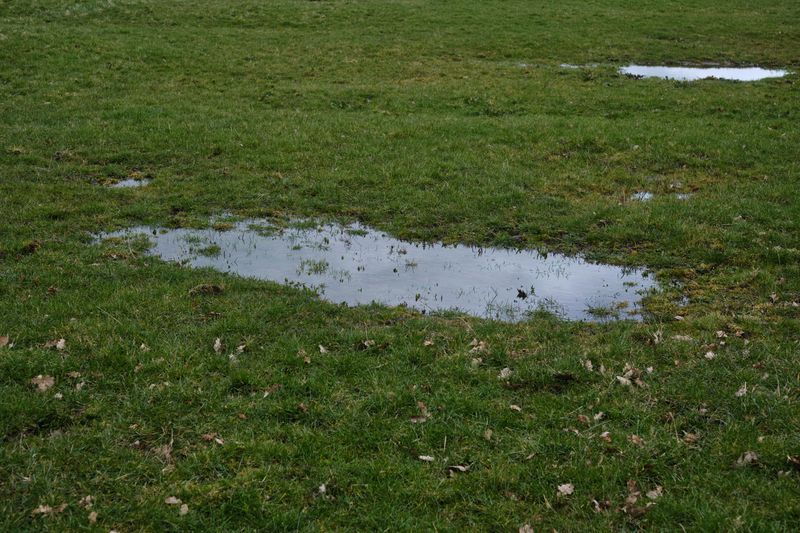
Rain puddles are fun for rubber boots, not for lawns. When water sits on top of your grass for hours, something is blocking its path downward.
That thick, spongy mat acts like a raincoat for the soil below. Thatch is one possible cause, though compacted or clay-heavy soil is often the bigger culprit.
Water beads up, rolls away, or just sits there instead of reaching thirsty roots.
You might notice it after running the sprinkler on a sunny afternoon. The ground looks soaked, yet the soil underneath still feels dry and crumbly.
Here is a simple way to check. Dig a small hole about an hour after watering and see how far the moisture traveled.
If only the top inch is damp, your lawn is losing precious water. That wastes money on your water bill and leaves grass weak heading into cold weather.
Water that lingers also encourages mold and soggy patches that turn to mud. Grass sitting in wet conditions for too long can rot and thin out.
Clearing out that layer in early fall opens the door for rain and snowmelt. Many homeowners pair it with core aeration for an even bigger drink boost.
By spring, your lawn should soak up water like a sponge, the good kind. You will spend less time dragging hoses around the yard, too.
4. The Grass Turns Brown In Random Patches
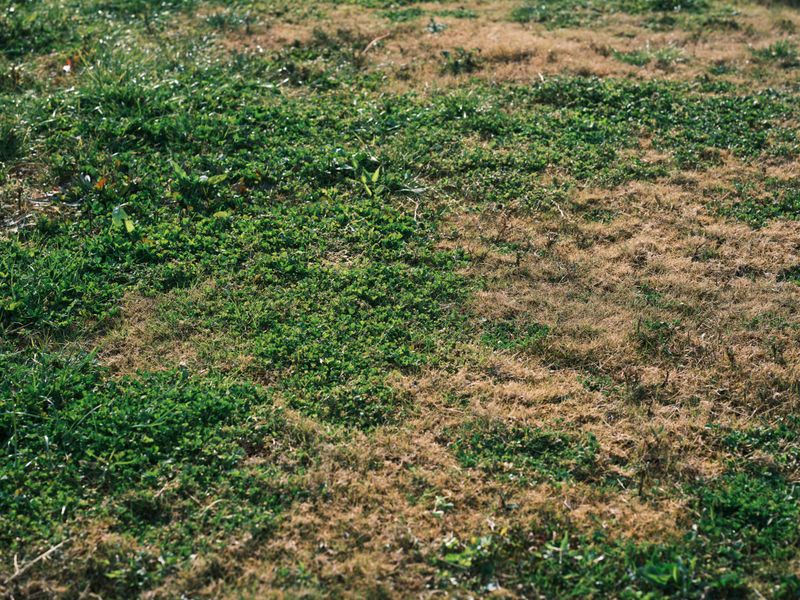
Honestly, a lawn with random brown spots looks like a giraffe wearing a green sweater. Those patches might not be caused by bugs or dogs at all.
When a thick mat builds up, some areas dry out faster than others. Grass in those spots gets stressed, turns tan, and starts to thin.
The patches often show up during hot, dry weeks in late summer. Even after cooler September days arrive, they might stay stubbornly brown.
Before blaming the neighbor’s cat, kneel down and pull back the grass in a brown spot. A thick, dry layer tucked under the blades is a strong clue.
Roots growing in that mat cannot reach cool, moist soil below. They bake in the heat like cookies left in the oven too long.
Watering more is not the fix, because the water struggles to get through. Removing the matted layer lets moisture and air reach the roots again.
For cool-season lawns, spread fresh grass seed over the bare spots after raking in early fall. Seeds sprout best when soil stays warm and nights turn cool.
Keep the new seed damp with light watering once or twice a day. In a few weeks, those giraffe spots should fade into a smooth green blanket.
5. The Mower Scalps The Lawn Easily
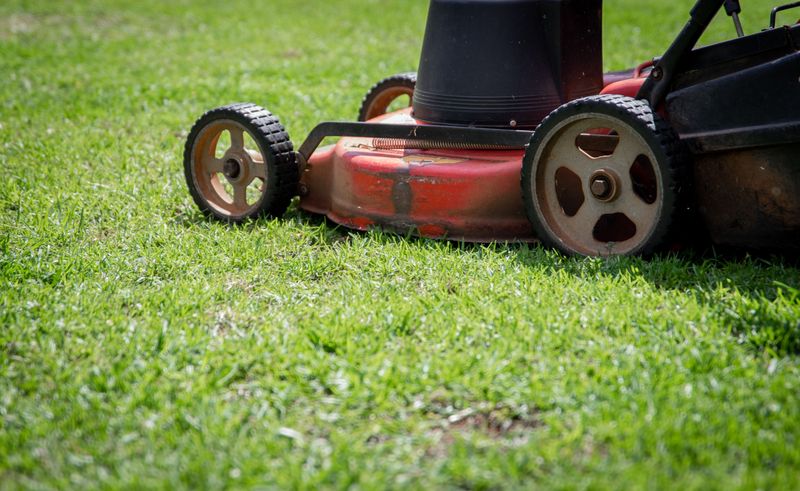
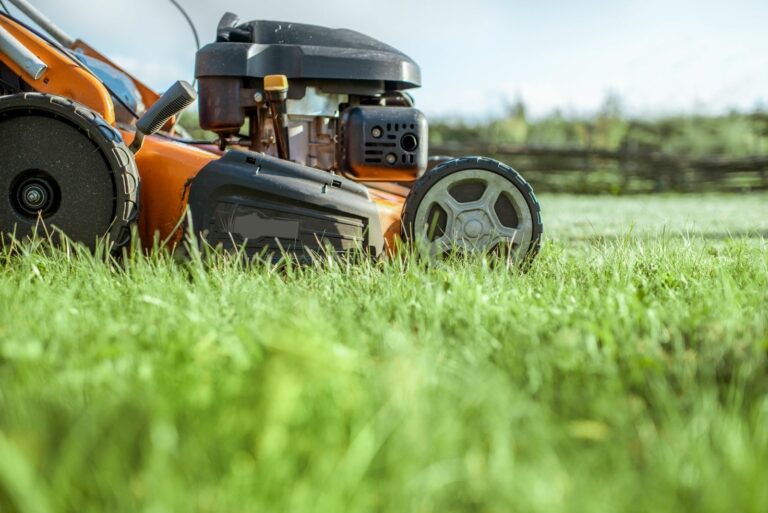
Picture this: you mow at the same height as last month, but the lawn looks bald in spots. Scalping like that can point to a hidden problem.
A thick mat lifts the grass up, making the ground feel soft and uneven. Mower wheels sink into the cushy layer, and the blades cut much lower than planned.
The result is patchy, yellow stripes where the crowns of the grass got chopped. Crowns are the growing centers of each plant, so damage there hurts.
Watch for wheel ruts or sunken tracks after you finish mowing. Those marks show how squishy the surface has become over the summer.
Raising your mower deck can help for now, but it will not solve the real issue. Clearing the layer creates a firm, level surface for clean cuts.
For cool-season grass, September is ideal because it is still growing and can bounce back from the work. Plan to finish at least a month before your first expected frost.
Your final mows of the season will look sharp and even. Neat, healthy grass heads into winter with far better odds of thriving.
6. The Fertilizer Stops Working Well
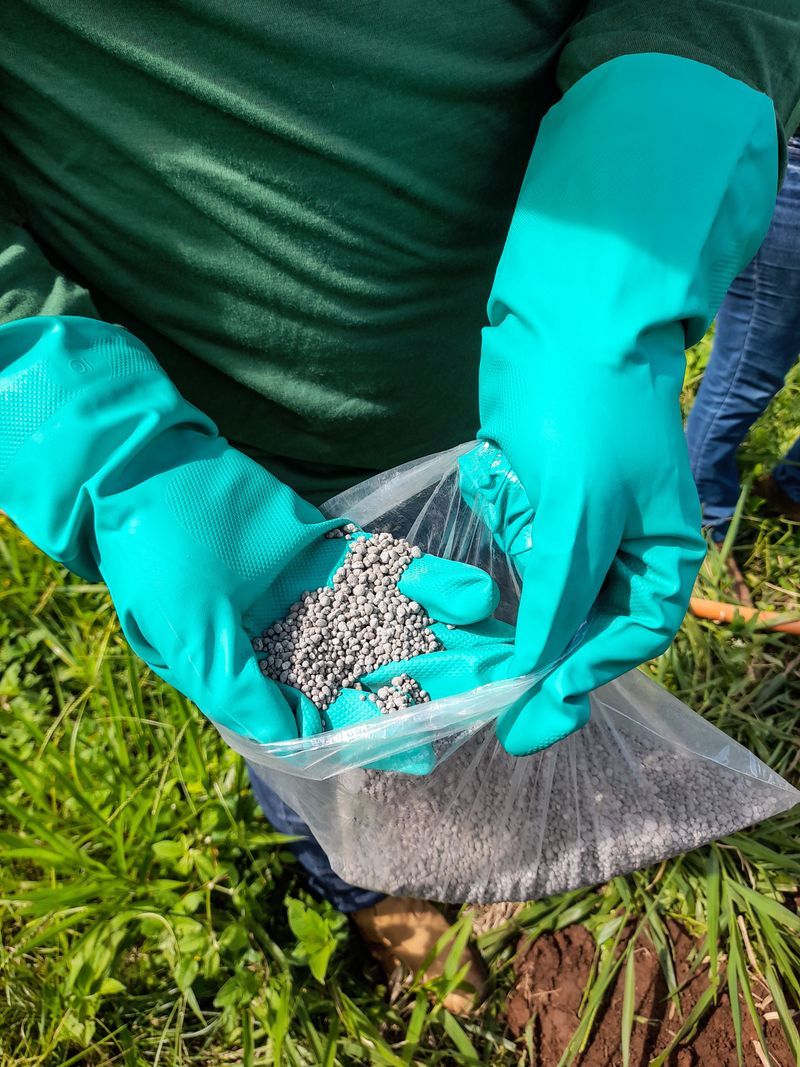
Spending money on fertilizer and seeing little improvement is a common complaint in thatchy lawns. Frustrating, right?
Plenty of homeowners feed their lawns on schedule and still watch the grass stay pale. The food may be getting trapped before it reaches the soil.
A thick mat soaks up fertilizer granules like a kitchen sponge catches crumbs. Nutrients sit up high, where only shallow roots can grab a small share.
Some of that food even washes away during heavy rain. It flows into storm drains instead of feeding your hungry grass.
Fall feeding matters more than many people realize. Grass stores energy in its roots during autumn to survive cold months.
If the fertilizer cannot get through, your lawn goes into winter hungry. That can mean a thin, weak start when warm weather returns.
Remove the matted layer first, then apply a fall fertilizer a week or two later. Look for a bag labeled for autumn or winterizing use.
Quick tip: water lightly after spreading fertilizer so it sinks into the ground. Avoid feeding right before a big storm is in the forecast.
With a clear path to the soil, every pellet does its job. Your wallet and your grass will both be happier next year.
7. The Roots Sit Shallow In The Soil
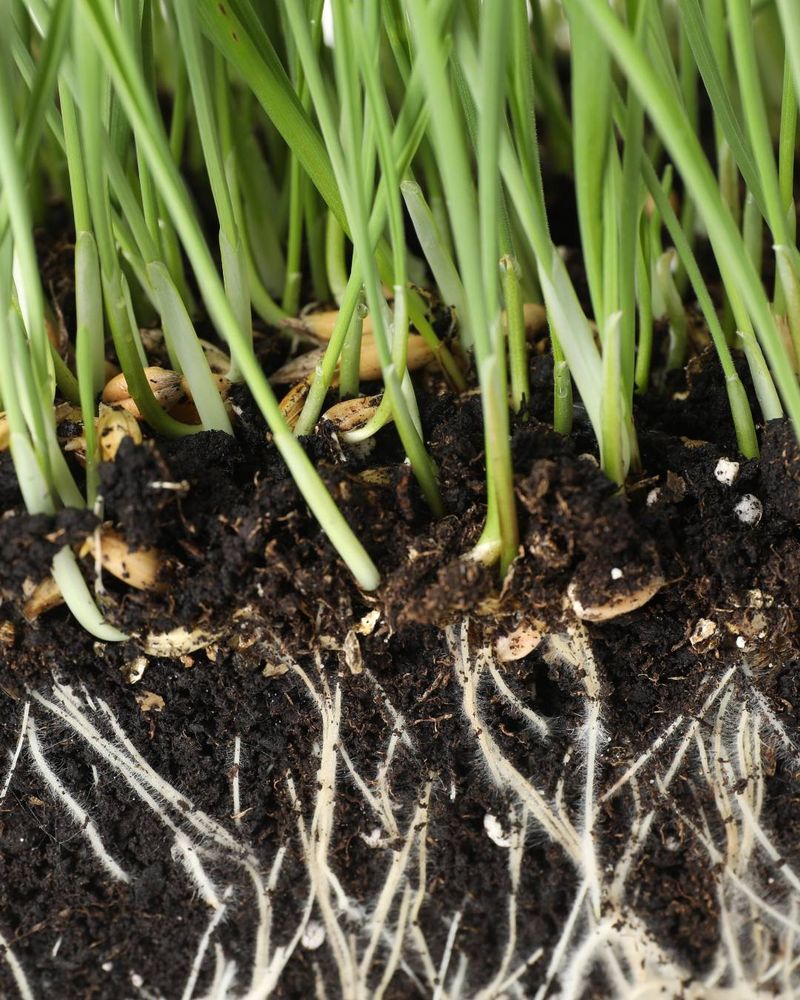
Roots are the secret heroes of any lawn, working quietly out of sight. Deep roots help grass find water, stay strong, and handle freezing weather.
Trouble starts when roots decide to live in the matted layer instead of the soil. That mat stays moist near the surface, so roots get lazy and stop digging.
Shallow roots are a big problem heading into winter. Cold snaps and dry winds can damage grass that has no deep anchor. Want proof? Grab a handful of grass and give it a gentle tug.
If it lifts up easily with barely any roots attached, you have your answer. Healthy grass should hold tight, with white roots reaching several inches down.
In good conditions, Kentucky bluegrass roots can reach six to twelve inches deep, and tall fescue roots can go even deeper.
Think of it like building a house on a solid foundation. Grass with deep roots can handle a lot more stress than shallow neighbors.
Clearing out the mat forces roots to head back down where they belong. Follow up with deep, less frequent watering to encourage that downward growth.
Early fall gives roots plenty of time to stretch before the ground freezes. Strong roots now mean a tougher, greener lawn when spring rolls around.
8. The Bugs And Grubs Keep Showing Up
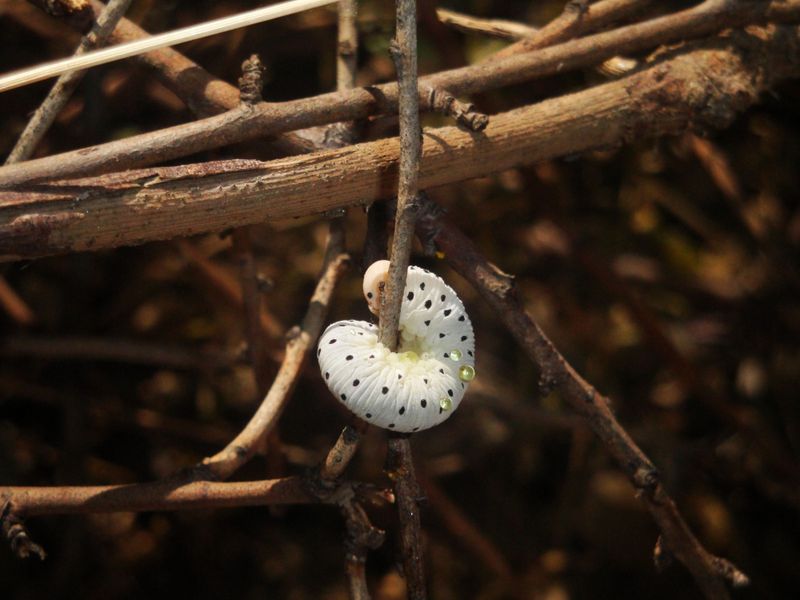
Creepy crawlers love a cozy hideout, and a thick lawn mat is basically a five-star hotel for them. Chinch bugs, billbugs, and sod webworms are especially drawn to it.
The layer stays warm and damp, which is exactly what many insects crave. It also protects them from birds and other hungry predators.
You might spot birds pecking at your yard more than usual. Skunks or raccoons digging holes at night are another sneaky sign of grubs below.
Try the flap test in a brown or weak area. Cut three sides of a small square and peel back the grass like a page.
Count any white, C-shaped grubs you find in the soil. More than about ten per square foot usually means action is needed.
Removing the matted layer takes away their favorite shelter. Grubs live in the soil rather than the mat, but a thinner layer helps treatments reach them.
September is a great month to tackle grubs because the young ones feed near the surface. They are small, hungry, and easier to control before burrowing deep for winter.
A cleaner lawn means fewer uninvited guests next spring. Your grass gets to keep its roots instead of serving them as a buffet.
9. The Mushrooms And Fungus Pop Up Often
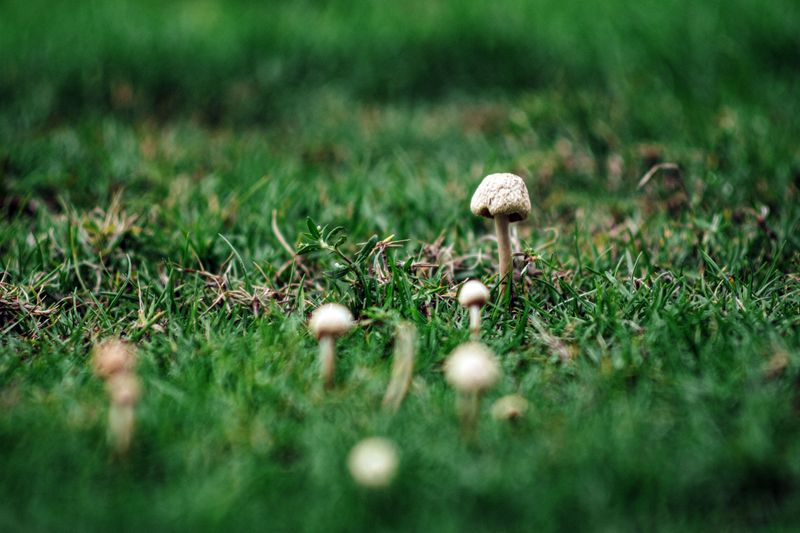
A ring of mushrooms popping up overnight feels a little magical, like fairies threw a party. The real story is less charming, though.
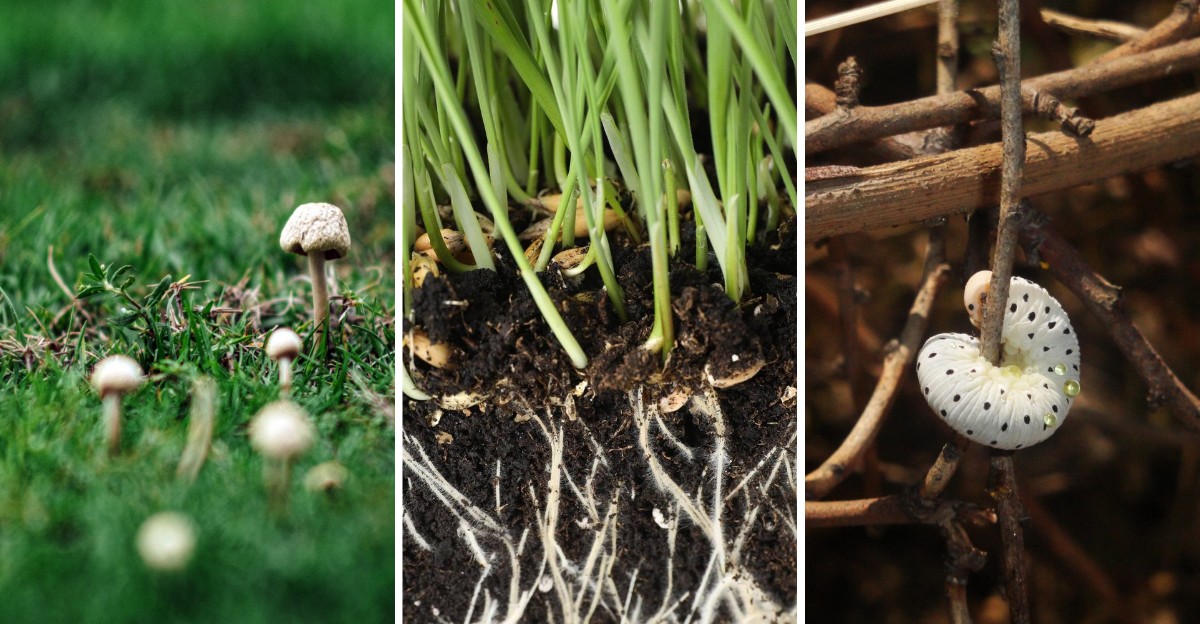
Mushrooms usually grow from buried organic matter like old roots or wood, but a thick mat also gives fungi more material to feed on. Damp fall weather makes the feast even more inviting.
Mushrooms themselves rarely hurt grass much. They are more like a warning light on a car dashboard.
Other fungal problems can do real harm, though. Brown patch, dollar spot, and snow mold often thrive in matted, soggy lawns.
Snow mold is especially sneaky because it grows under winter snow cover. In spring, you might find gray or pink crusty circles across the yard.
Look closely for cottony white threads or small tan spots on grass blades. Early morning, when dew is heavy, is the best time to spot them.
Clearing out the old layer lets sunlight and air dry the lawn faster. Drier grass gives fungi fewer places to grow and spread.
Rake up fallen leaves regularly this autumn too, since they trap moisture. A tidy, breathable lawn is the best defense against moldy surprises.
Feel free to pick and toss mushrooms if kids or pets play outside. Many types are not safe to eat, so wear gloves and bag them.
10. The Grass Pulls Up Like A Loose Carpet
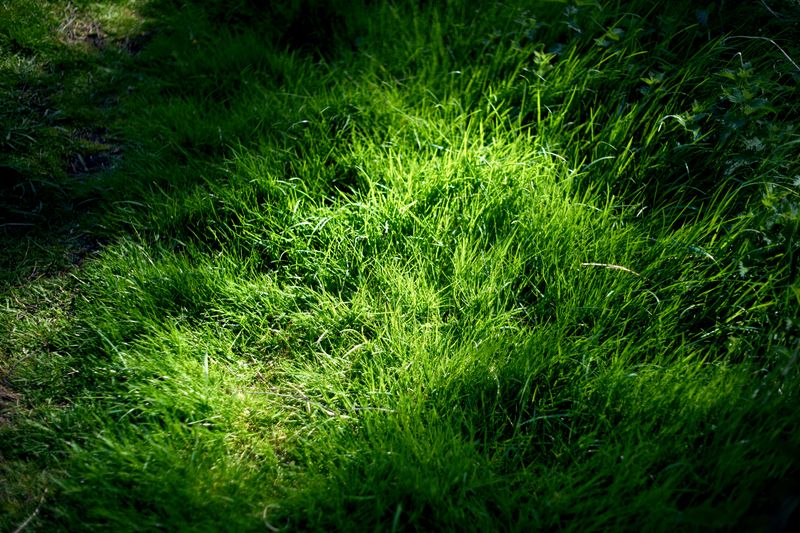
Nothing says trouble quite like grabbing a clump of grass and watching a whole chunk peel up. It is like lifting the corner of an old rug.
Peeling happens when roots grow sideways through the mat instead of down into the soil. The grass basically floats on top, barely hanging on.
Lawn pros sometimes call it a carpet effect. Kids might even find it fun to roll back, but your grass certainly does not.
Test a few areas by pulling gently on the grass with your fingers. Healthy turf holds firm and snaps off at the blade rather than lifting.
Check the soil under a lifted patch for white, C-shaped grubs too, since grub feeding causes the same carpet effect.
Lifting turf is one of the strongest signs that the problem has gone too far. Winter frost can heave loose grass right out of the ground.
Tackle it with a power rake or a vertical mower, which many equipment rental shops and hardware stores offer. Work in two directions for the best results.
Expect a messy pile of brown debris, and do not panic. Your lawn may look rough for two to four weeks before it recovers.
Overseed right away and keep the soil moist. By the time the leaves finish falling, fresh green grass should be knitting back together.