How To Prepare California Container Gardens For Cooler Nights
You grabbed a sweater last night. Your potted plants did not get that option.
That first chilly evening sneaks up on California every fall. The days still feel pleasant. Then the sun drops, and the air has a real bite to it.
So how are your containers handling the shift? Better than you think?
Plants in pots live a different life from plants in the ground. They face the same weather, yet they feel it in a different way. That difference stays invisible until one morning, something on the patio looks a little sad.
The good news is that the fix does not require a greenhouse, a big budget, or a whole weekend. It takes a few smart moves, a sharp eye on the forecast, and maybe a helping hand with the heavier pots.
Some of the tips may surprise you. One popular habit might be working against you right now.
Ready to tuck your patio in for the season? Grab that cozy sweater. Your pots have waited long enough.
Group Pots Together For Shared Warmth
Penguins have the right idea on a frosty night. They huddle close, and each bird stays warmer because its neighbors block the wind. Your pots can pull off the same trick.
A lone container loses heat from every side. Its walls sit fully exposed to cold air. Roots in the ground get a free blanket of soil that holds warmth and slows temperature swings. Roots in a pot have only a thin wall of plastic, clay, or metal between them and the night.
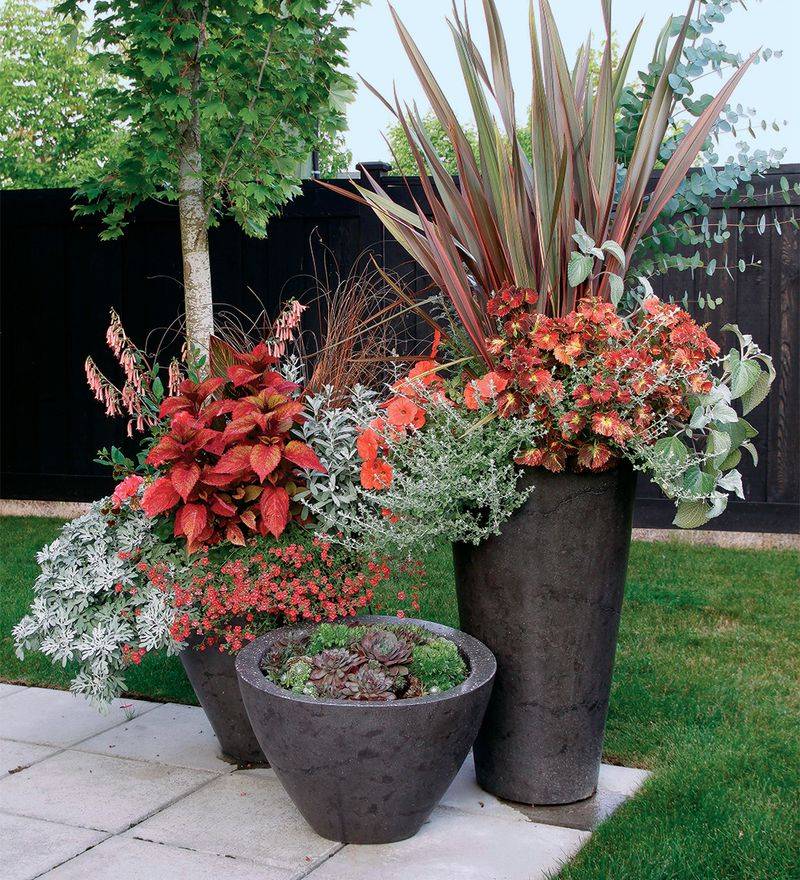
A tight cluster changes the math. Each pot shields part of its neighbor’s walls. Less surface faces open air, so the whole group holds the day’s heat longer.
Now for the fun part, and it feels a bit like a game of patio Tetris. Place the largest, toughest pots on the outer edge. Tuck smaller or more tender ones in the middle.
Push pots close enough that their sides touch or nearly touch. Set the cluster on a patio or beside a wall that soaks up sun all day. Fill gaps with bags of mulch or straw for extra insulation.
The huddle does not need to stay put all season. Spread pots back out on warm, sunny stretches for better airflow. Regroup once the forecast dips into the low 40s.
Your plants get a cozy group hug. The big guys on the outside do not even complain, which already beats most penguins.
Move Sensitive Plants Closer To The House
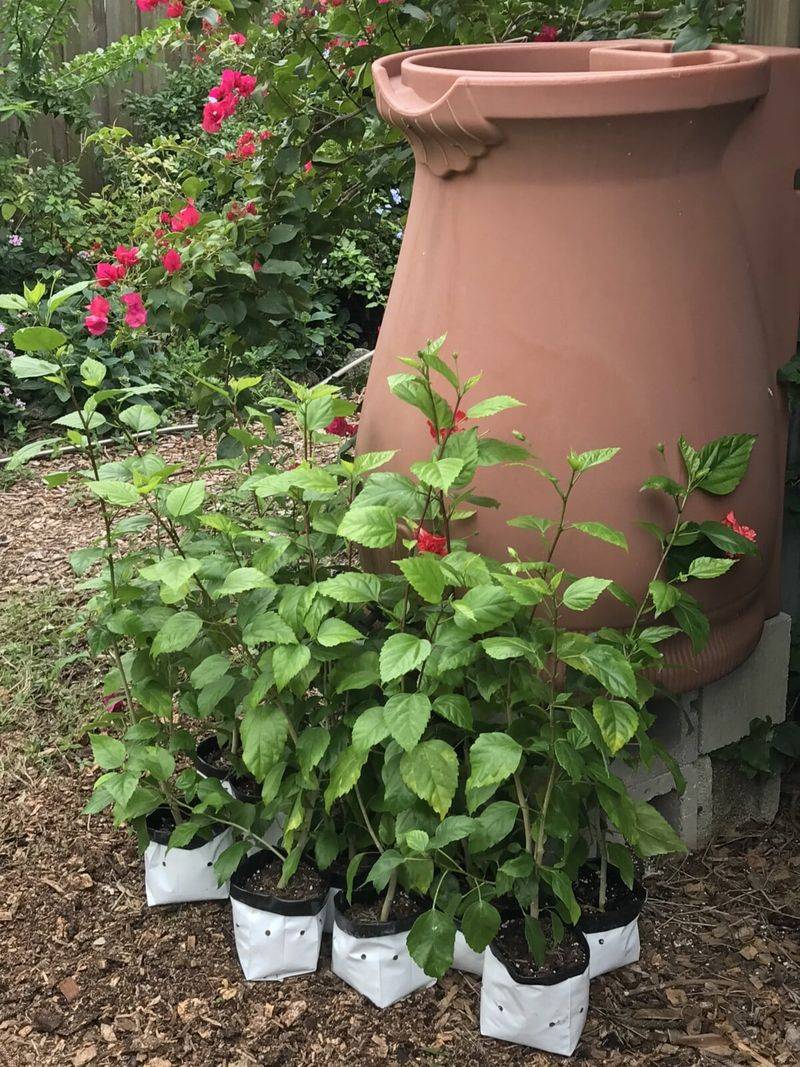
Your house works like a giant heater that runs all night. Walls, stucco, and brick soak up sunshine during the day. After dark, they slowly release that warmth. Even a few feet closer can make a real difference for a tender plant.
Open spots in the middle of a yard tend to be the coldest on clear nights. Heat escapes up into the sky with nothing overhead to trap it. Cold air also settles into low areas. A spot under an eave, porch roof, or patio cover keeps more of that warmth nearby.
Your California Garden Changes Every Week. Your Plan Should Too.
Gardening in California changes quickly throughout the season. Every Friday you’ll receive a simple weekly plan showing exactly what to plant, prune, fertilize, harvest, and protect so you never miss the right timing.
South and west-facing walls usually work best, since they collect the most afternoon sun. An east wall can work too. Still, bright morning sun on chilled leaves may add stress. Skip corners where cold air pools or wind whips through.
Potted citrus, young succulents, hibiscus, bougainvillea, basil, and peppers still holding fruit should move first. Hardy herbs like rosemary and thyme can usually stay put in most coastal and valley areas.
Now spare your back, because this is where a little gadget earns hero status. Heavy pots strain muscles fast. A plant dolly with wheels turns a two-person job into a quick solo task.
Keep an eye on light after the move. Plants still need several hours of sun, so pick a sheltered spot that avoids deep shade all day.
Your tender plants get front-row seats by the house heater. No thermostat battles required.
Insulate Root Zones With A Mulch Layer
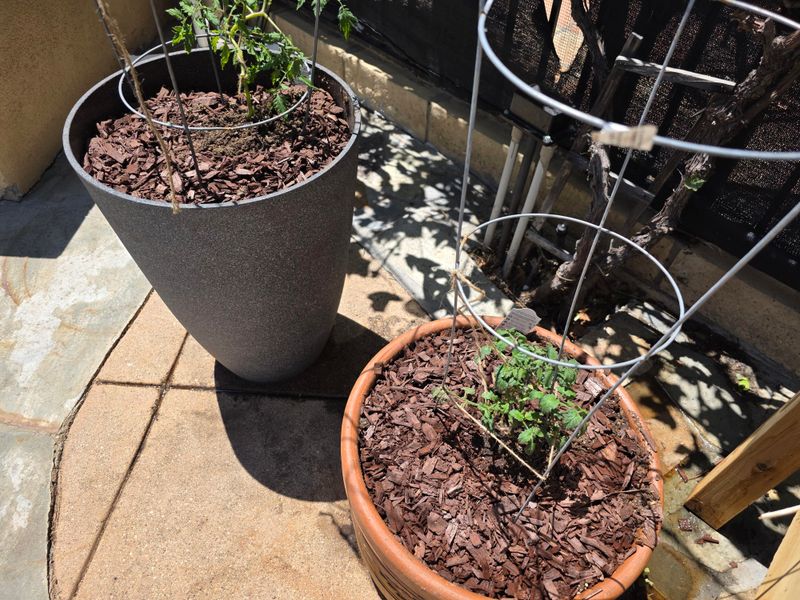
Mulch works like a cozy knit cap for your pot. Most people use it to keep weeds down in summer. On cool nights, though, a layer on top of the soil also slows heat loss from the root zone.
Roots in the ground have deep soil all around them to buffer temperature changes. A container’s soil surface is small and exposed. It can cool quickly once the sun goes down. A mulch layer traps a bit of warmth and moisture right where roots need it.
Shredded bark, wood chips, straw, pine needles, and compost all make good choices. Succulents and cacti prefer a gravel or pebble top dressing, since it holds less moisture against the stems. Aim for about one to two inches, depending on pot size.
Leave a small gap around the main stem or trunk. Mulch piled against the stem can hold dampness and invite rot or pests. A ring shape, like a donut, makes this easy to remember. Mmm, donuts.
Now for a bonus move, and yes, that leftover bubble wrap finally gets a second life. Wrap the outside of exposed pots with burlap, bubble wrap, or an old blanket on the coldest nights.
Refresh the mulch every few weeks, especially after birds scratch it away or rain packs it down.
Your pots now have a hat and a scarf. Honestly, they are better dressed for winter than most of us.
Reduce Watering As Growth Slows
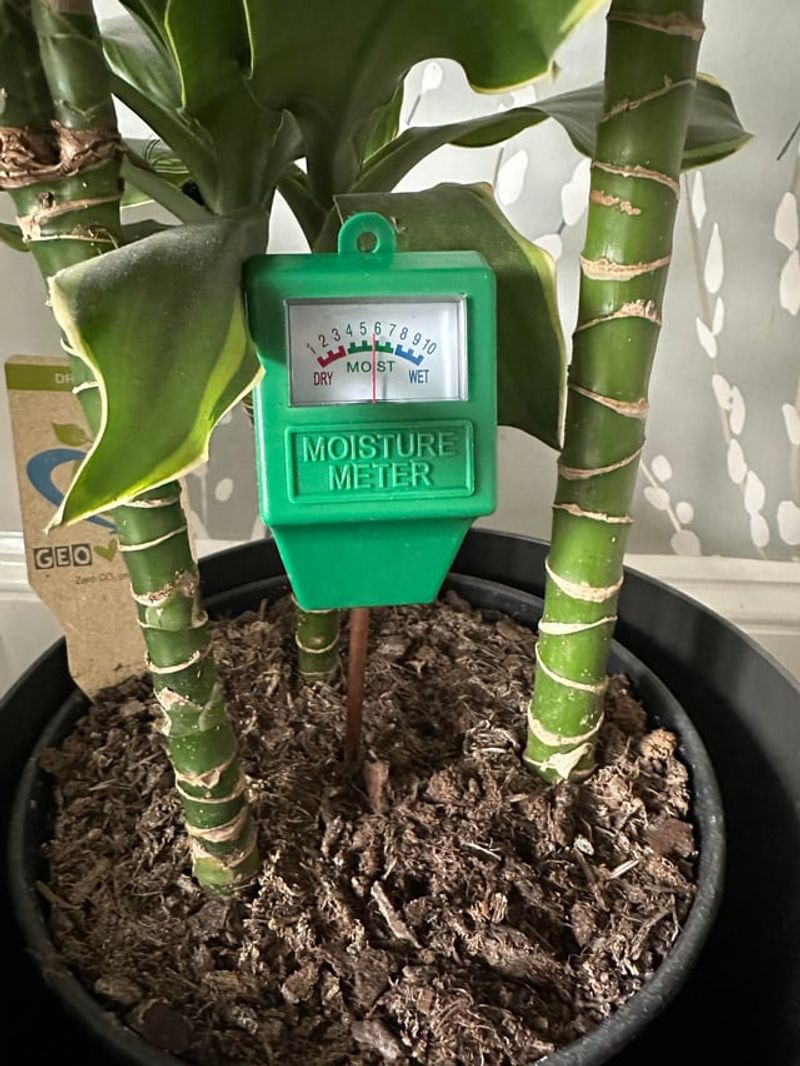
A summer water schedule in October is one of the most common slip-ups on California patios. Shorter days and cooler nights slow plant growth. Roots drink much less. Soggy soil in a cold pot can invite root rot faster than you might expect.
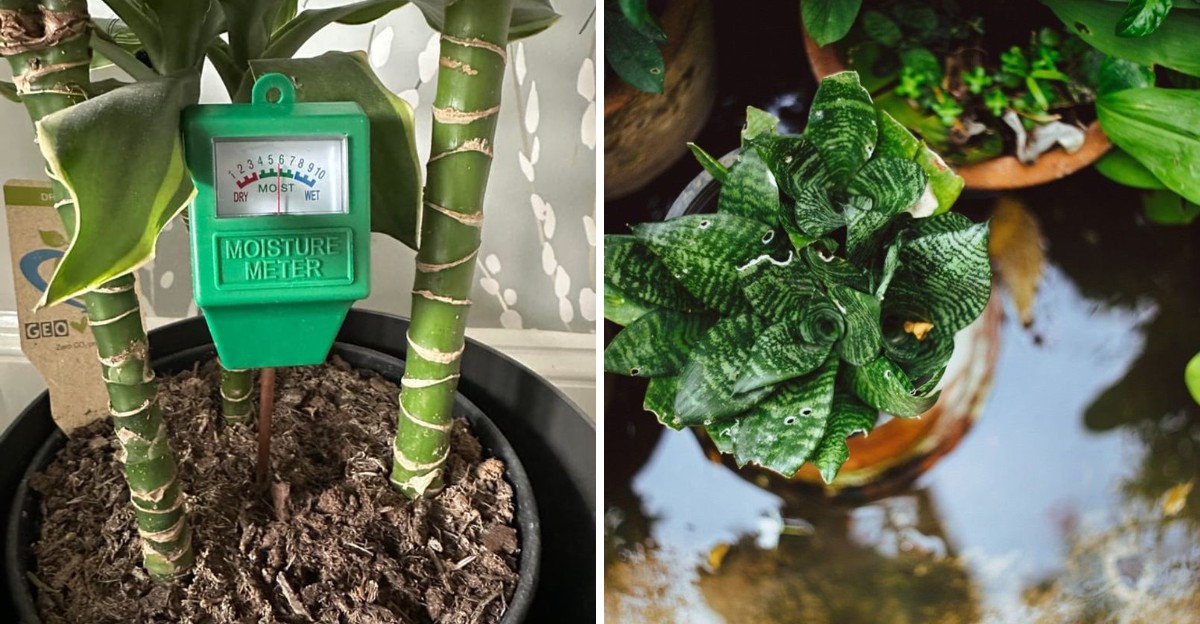
Let the soil, not the calendar, call the shots. Push a finger about two inches into the mix. Dry soil means it is time to water deeply until it drains out the bottom. Damp soil means wait a day or two and check again.
The clock matters too. Water in the morning so the soil has all day to warm up. Extra moisture on leaves can then dry off before dark. Wet foliage heading into a chilly night is more prone to fungal trouble.
Now for a twist that surprises plenty of gardeners. Slightly moist soil holds heat better than bone-dry soil. So give thirsty pots a drink earlier in the day before a cold snap. The goal is evenly moist, not soaked.
Drip systems and timers deserve a quick look. Many controllers still send out summer amounts all winter long. Cut run times or frequency, and switch them off during rainy weeks.
Also ease off heavy fertilizer. Tender new growth right before cold weather gives the chill an easy target.
Your plants get just what they need, and your water bill gets a nice winter vacation too. Even the timer gets a lighter schedule.
Bring True Tropicals Indoors If Needed
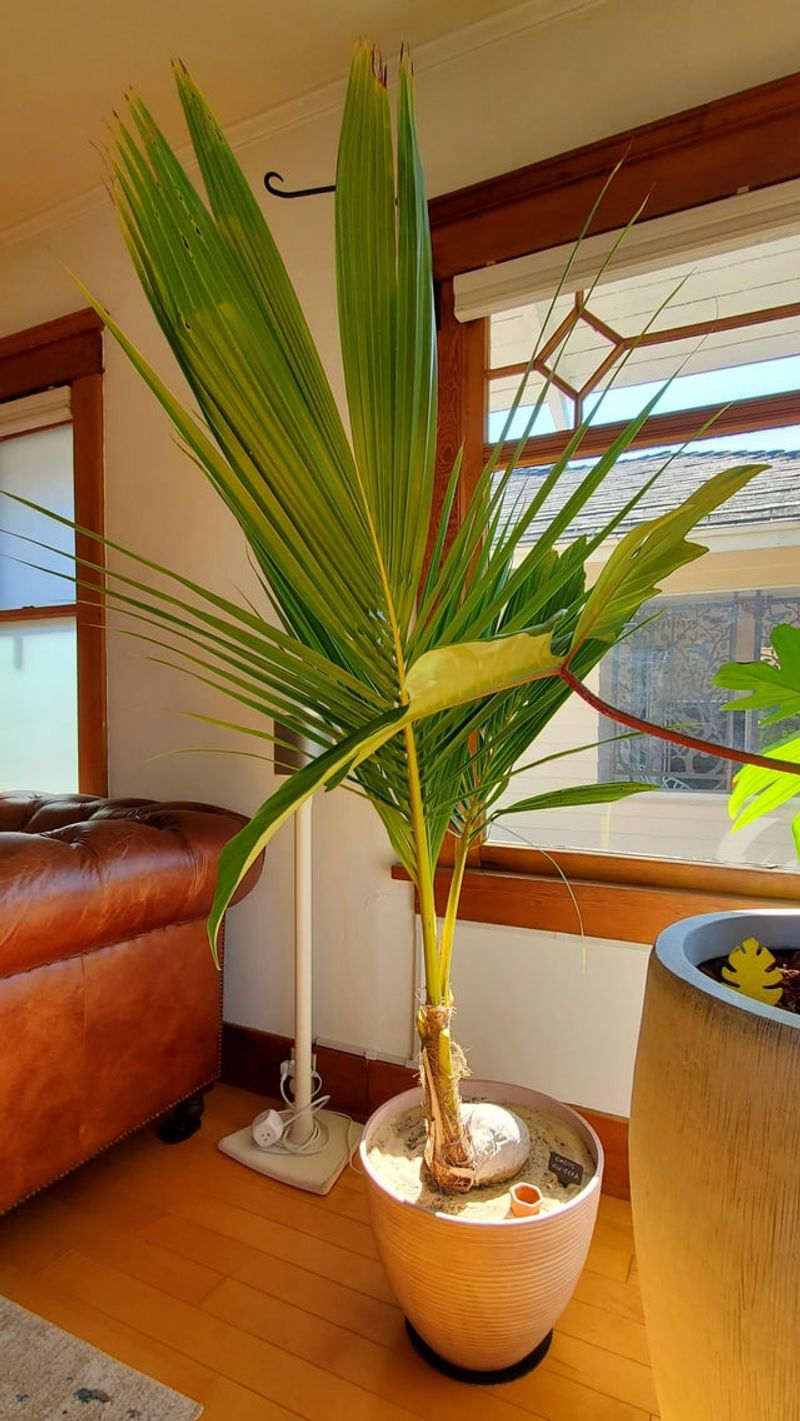
Some plants simply were not built for a California winter, even a mild one. Hibiscus, plumeria, mandevilla, and houseplants on summer vacation outdoors can struggle through long stretches in the 40s. A true frost can wipe them out entirely.
Exact limits vary by plant and variety. Check the label or ask a trusted local nursery about your specific plant. As a general guide, many tropicals start to show chill stress somewhere below about 50 degrees Fahrenheit.
Watch the forecast closely, especially inland, in the foothills, or in high desert areas where nights drop fast.
Before the big move, give each pot a quick checkup. Look under leaves and around the soil for aphids, mealybugs, spider mites, and ants. A gentle rinse with the hose a few days ahead helps keep a bug invasion out of your living room.
Now take it slow, because plants appreciate a gentle transition as much as we do. A few days in a shaded spot or garage helps them adjust to lower light. Then place them by the brightest window you have.
Expect some leaf drop after the move. It usually signals an adjustment, not a disaster. Water less indoors, since growth slows and indoor air changes how fast soil dries.
Plumeria plays by its own rules. Many growers let it go dormant and store the pot fairly dry in a frost-free garage until spring. It basically hibernates like a bear, minus the snoring.
Check Drainage Before Rain Increases
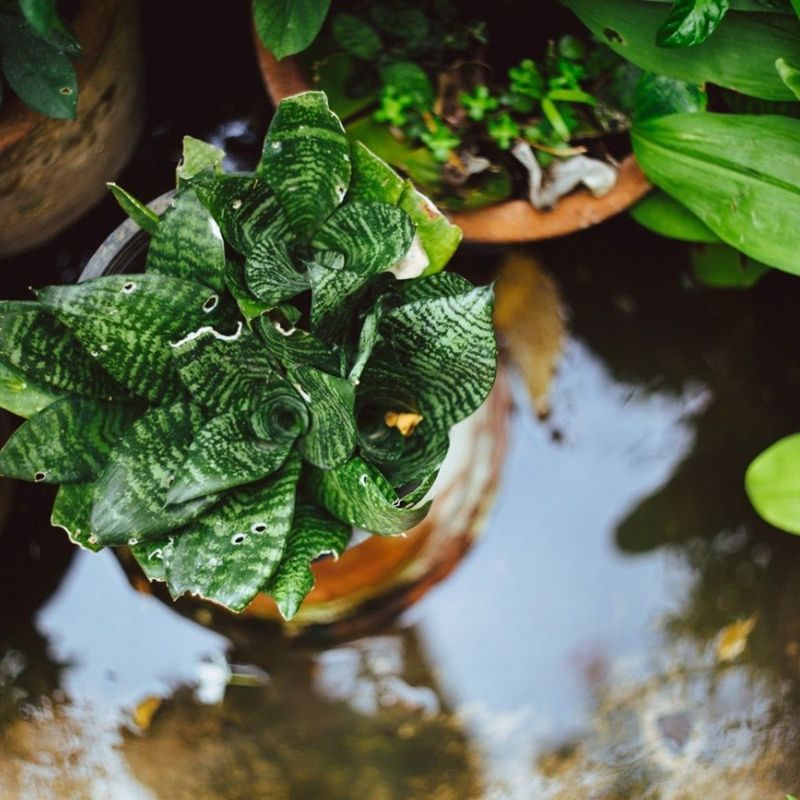
Rain is welcome news in California, but it can quietly swamp a potted plant. Fall and winter storms turn a pot with blocked drainage into a bathtub. Cold, waterlogged roots cannot get the air they need, and rot often follows.
Start with a quick peek underneath each pot. Drainage holes should stay open, not plugged by roots, packed soil, or debris. A chopstick or pencil can clear a clogged hole in seconds.
Next, check what the pot sits on. Saucers that came in handy all summer can hold standing water for days after a storm. Empty them after rain, or store them for the season under outdoor plants.
Pots flat on concrete sometimes drain slowly because the holes press against the ground. Pot feet, bricks, or small wood blocks lift the container just enough for water to escape.
Old container mix can cause trouble too. Over time, it breaks down into fine particles that hold too much water. A pot that stays soggy for days may need fresh container mix in spring.
Now for a myth that deserves retirement, and it may surprise you. A layer of gravel at the bottom of a pot does not improve drainage. Water moving down through soil tends to pause at a layer change. That gravel can actually raise the soggy zone higher.
So skip the rocks and keep the mix consistent. Your pots want good drainage, not a mini aquarium.
Small Changes Now Prevent Cold Damage
None of these steps takes a weekend or a big budget. A tight pot cluster takes minutes. So does a move near the house, fresh mulch, or a lighter hand with the hose. Together, they give container roots some of the protection garden soil offers for free.
That is why prep matters, even in a mild climate. Roots in pots sit above ground with only a thin wall around them. A cold night hits them harder than it hits a plant in a flower bed. Small shifts help close that gap.
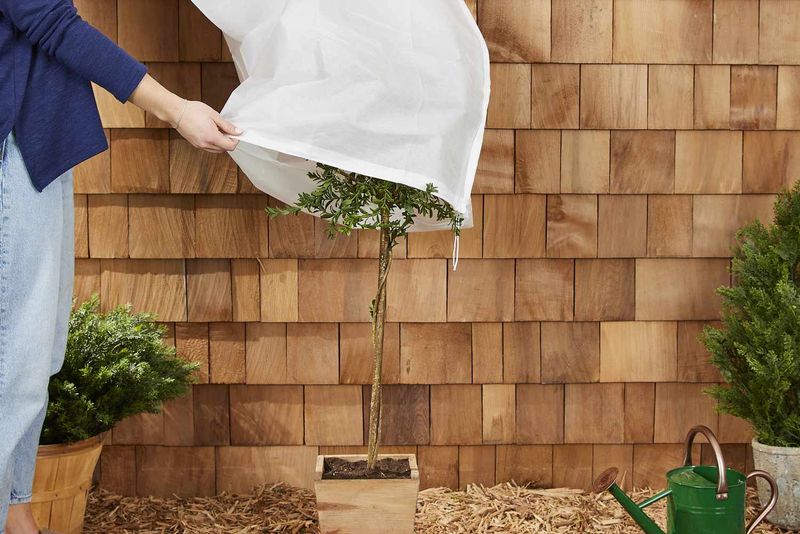
A simple fall routine keeps you ready. Check the ten-day forecast each week. Keep an old sheet, frost cloth, or burlap handy for surprise cold nights. Covers work best when they reach the ground and come off in the morning.
Cold damage often takes its time to show. Blackened or mushy leaves may appear a day or two after a chilly night. Leave damaged growth in place until spring, since those leaves help shield the plant from later chills.
Now for the cheerful part, because cool weather brings its own stars. Pansies, snapdragons, and calendula love this season. Tuck a few into empty pots for a burst of color.
Finally, jot down what worked. A quick phone note about which pots struggled and which spots stayed warm makes next fall even easier.
And that sweater from the other night now has some company. Your plants finally have their own cozy version.