Why California Gardeners Should Check Their Compost Before Using It In Fall
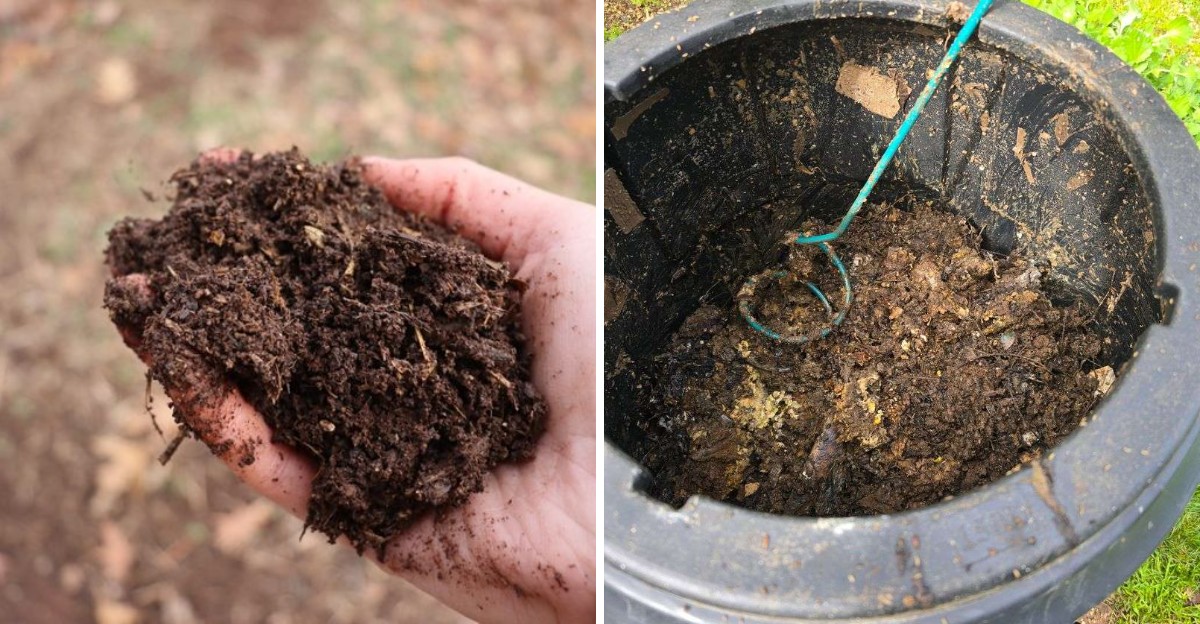
Stop right there. Put the shovel down. That pile in the corner looks ready. Dark. Crumbly. Full of promise. After months of kitchen scraps and fallen leaves, it feels like payday.
But looks can fool even experienced gardeners.
A compost pile can seem finished on the outside while something very different happens inside. Sometimes it hides uninvited guests. Sometimes it holds on to a secret from someone else’s field. And sometimes it just needs more time.
So, how confident are you that your compost is truly ready?
Fall is prime time for new crops in California. Warm soil and mild days make it perfect for tender young plants. That same window makes a small mistake feel much bigger. A bed that starts off wrong can stay behind for months.
The good news is that the answer sits right in your hands, your nose, and a few minutes of attention.
Curious what to look for before you spread a single scoop? Keep that trusty shovel close. You will need it soon.
1. Unfinished Compost Can Rob Soil Of Nitrogen
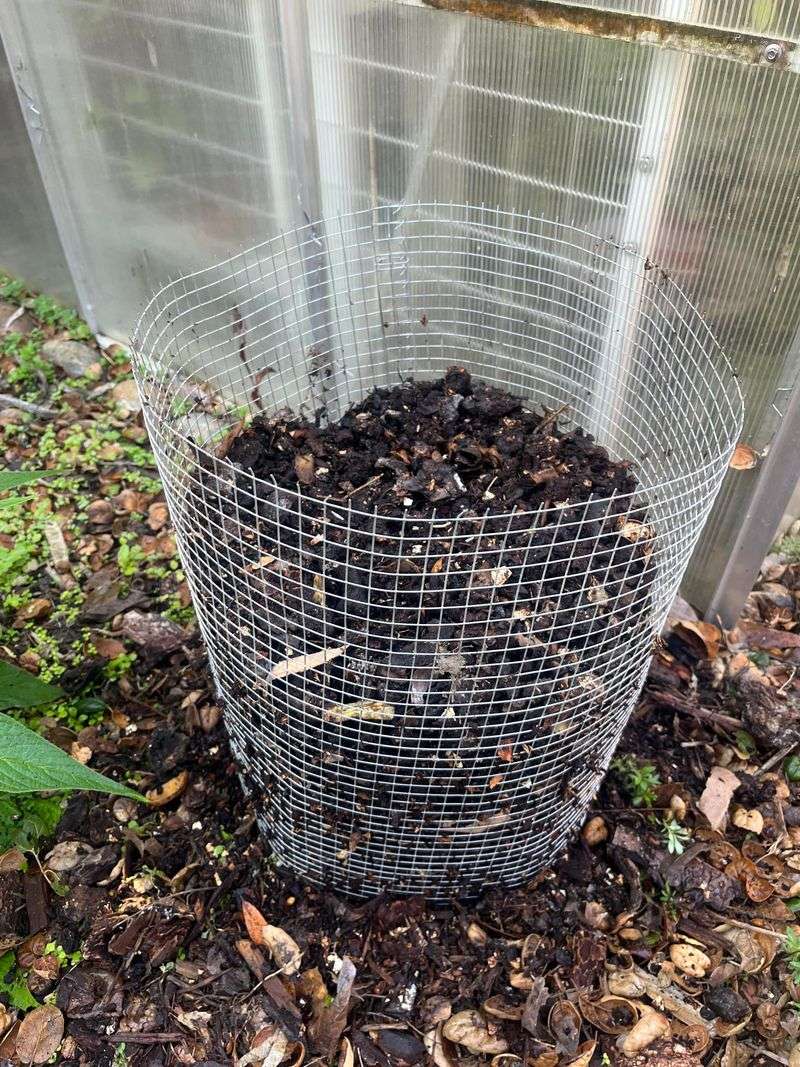
A hungry crowd shows up to eat the same meal your plants planned to enjoy. That is roughly what happens when half-rotted compost goes into a garden bed. Tiny microbes still at work on it need nitrogen, and they grab it from the soil around them.
This is known as nitrogen tie-up, or drawdown. It shows up most with compost full of woody, carbon-rich stuff. Sawdust, wood chips, dry leaves, and straw that has not fully broken down top the list. Those materials carry lots of carbon, so microbes borrow extra nitrogen to balance their diet.
Fall lettuce, kale, and broccoli starts feel that shortage first. Leaves turn pale and yellowish, and growth slows. Luckily, the effect is temporary. Once the microbes finish, that nitrogen slowly returns to the plants.
The catch is the calendar. California fall crops have a limited window before shorter days and cooler nights slow them down. A few hungry weeks can cost a lot.
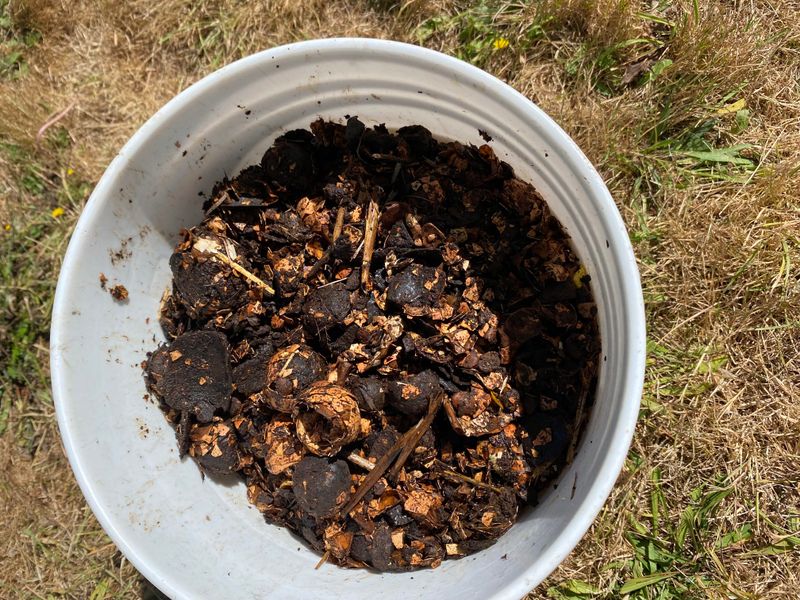
Now grab a trowel and dig in, because the pile will tell you plenty. Recognizable chunks of bark, twigs, or leaves mean the compost needs another month or two.
A tight schedule calls for plan B. Spread it on the surface as mulch instead of deep in the root zone. A nitrogen source like blood meal can also help offset the loss.
Your plants deserve a full plate. Nobody enjoys a dinner party where the guests eat everything before the host sits down.
2. Weed Seeds Survive Piles That Never Heated Enough
A carpet of weeds in November after compost went down in October is a sneaky surprise. The seeds may have come straight from your own pile. Many backyard piles simply stay too cool to wipe out the seeds tossed in with garden scraps.
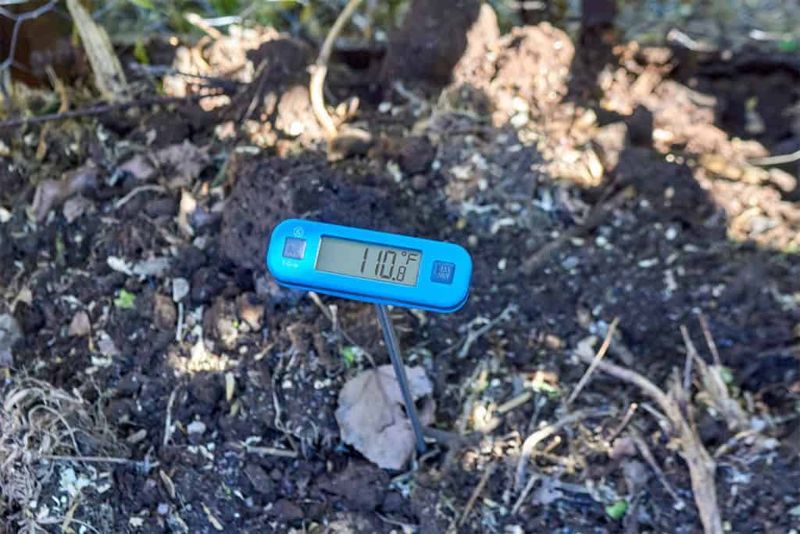
Hot compost needs roughly 131 to 160 degrees Fahrenheit, held for several days. That range knocks out most weed seeds and many plant disease organisms.
The heat takes the right mix of greens and browns, enough moisture, regular turns, and a pile big enough to hold warmth. About three feet on each side works well.
Your California Garden Changes Every Week. Your Plan Should Too.
Gardening in California changes quickly throughout the season. Every Friday you’ll receive a simple weekly plan showing exactly what to plant, prune, fertilize, harvest, and protect so you never miss the right timing.
A small, dry, or rarely turned pile might only get warm. Warm is not hot enough.
Even a hot pile has cool edges. Seeds near the surface can escape the heat unless the pile gets turned so every part spends time in the middle.
Now meet your new favorite gadget. A compost thermometer costs little and gives real numbers instead of guesses. Bonus: you look very scientific.
A pile that stayed cool to the touch may still hold live weed seeds. Scatter a little compost in a tray, water it, and wait a week or two to see what sprouts.
Cool compost still has a job. Use it around established plants and mulch over it. Keep it out of seedbeds, where weeds would crowd tiny fall crops.
Weeds love a free ride. Your compost pile should not be their taxi service.
3. Herbicide Residue Can Linger In Some Materials
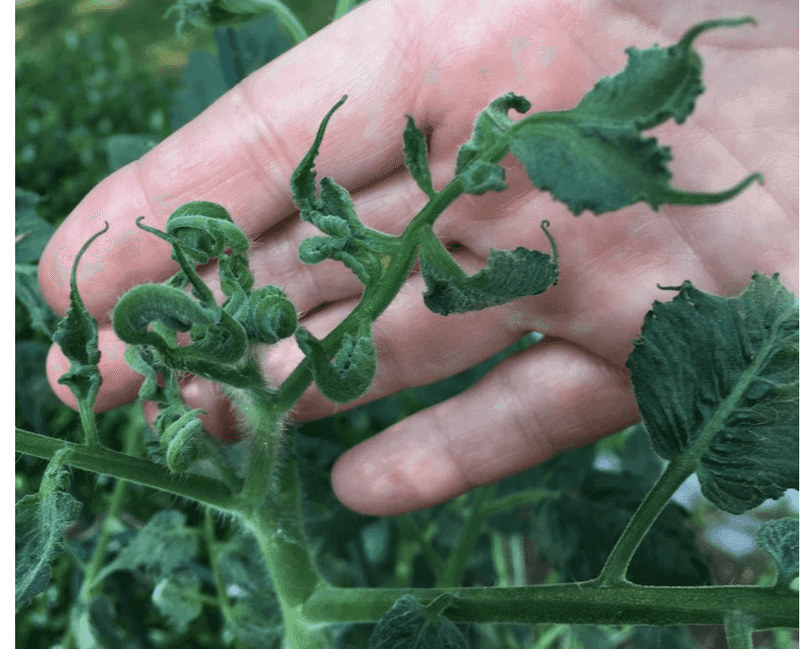
Some herbicides are surprisingly stubborn. Certain products used on pastures, hay fields, and lawns can survive a trip through an animal’s gut. They can then linger in manure and compost for months or longer.
The troublemakers belong to a group that includes clopyralid, aminopyralid, and picloram. They target broadleaf weeds and break down very slowly. Hay from a treated field goes to horses or cattle. Residue ends up in their manure, then in your compost.
Tomatoes, peppers, beans, peas, potatoes, and sunflowers are especially sensitive. Damage often looks like curled, cupped, or twisted leaves and stunted growth. Unfortunately, no quick fix exists once it reaches your soil.
This does not make all manure or hay dangerous. Most of it is perfectly fine. The residue just cannot be seen or smelled.
Ask your supplier where the manure, hay, or straw came from. Ask about long-lasting herbicides on those fields too.
Now for a mini science fair project, and it is easier than any volcano your kids ever built. Fill a few pots with compost and store-bought mix. Fill others with store-bought mix alone. Plant pea or bean seeds in both.
Twisted or stunted plants in the compost pots after a few weeks send a clear message. Keep that batch away from sensitive crops. A local garden expert can help with next steps.
Your beans will appreciate the background check. Honestly, it is more research than most people put into a first date.
4. Finished Compost Smells Earthy, Not Sour
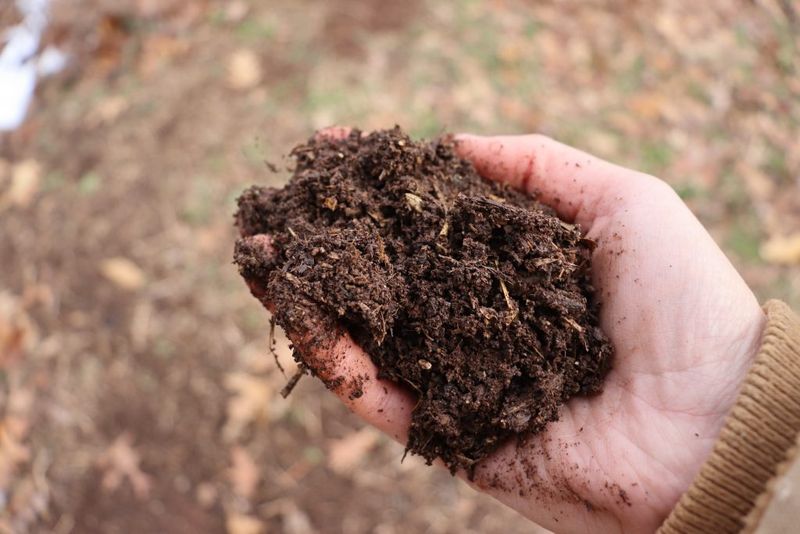
Your nose ranks among the best compost tools you own, and it costs nothing. Grab a handful from the middle of the pile, bring it close, and take a sniff.
Finished compost should smell like a forest floor after rain or a fresh bag of garden soil. That pleasant, earthy scent comes partly from a compound called geosmin.
Fun fact for your next trivia night: human noses are incredibly sensitive to geosmin. That is why many people can smell rain on dry ground before a storm even arrives.
Sour, rotten egg, or vinegar smells tell a different story. Those odors usually mean the pile got too wet and packed down, so air ran short. Without oxygen, different microbes take over. They produce acids and smelly compounds that can bother plant roots.
A sharp ammonia smell, like a bathroom spray, points to extra nitrogen-rich material still at work. Fresh grass clippings or manure are common culprits. In other words, the compost is not done yet.
A funky smell is no reason to panic. Turn the pile to add air. Mix in dry browns like shredded leaves or straw when it feels soggy. Give it a few more weeks, then sniff again after each turn.
Once that sweet, earthy aroma is all you notice, the compost is close to ready for fall beds.
Trust your nose here. It rarely lies about rot, even when your eyes get fooled by a pretty brown pile.
5. A Simple Look And Smell Test Helps
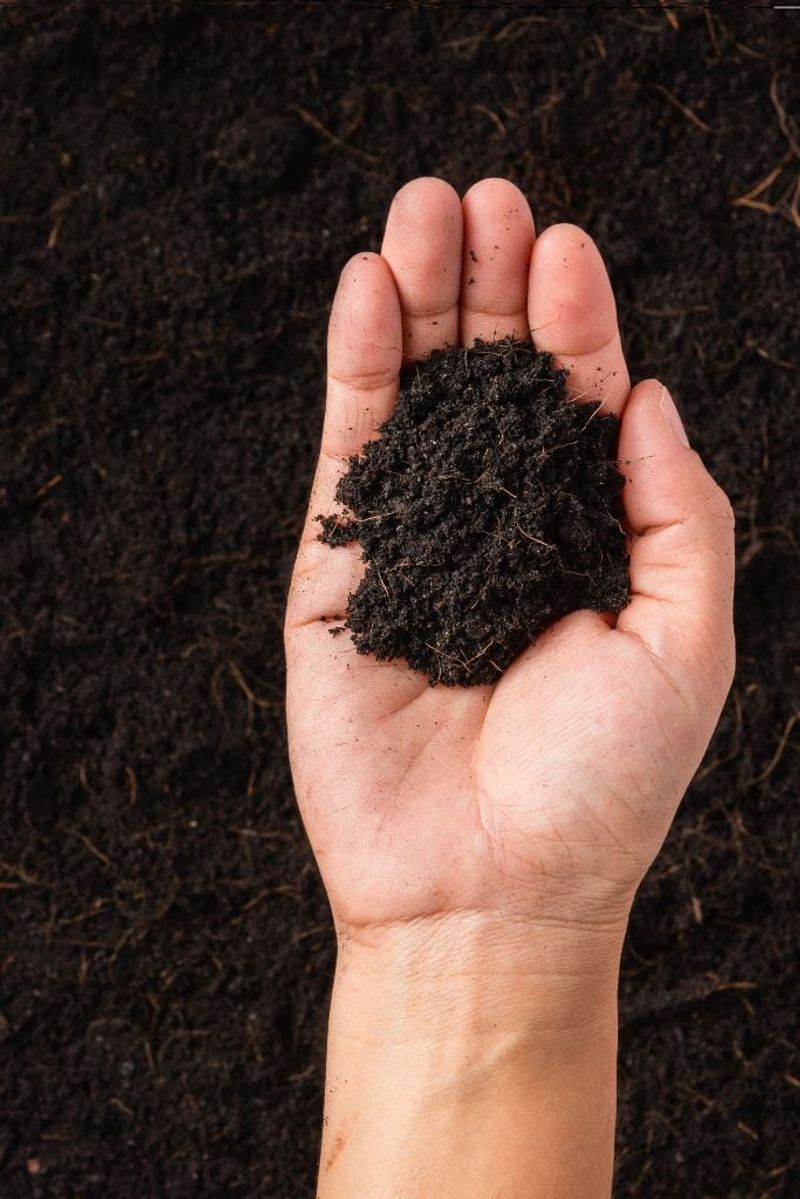
A quick checkup before your compost heads out to work saves a lot of trouble. No lab or fancy gear required. Your eyes, nose, and hands do the job.
Start with color. Mature compost looks dark brown to almost black, and fairly even throughout. Visible eggshell bits, corn cobs, banana peels, or lots of twigs mean the pile needs more time.
Next, check the texture. Squeeze a handful. It should feel crumbly and loose, a bit like moist chocolate cake. Slimy, sticky, or bone-dry compost is not ready.
Yes, the chocolate cake comparison is accurate. No, please do not taste test.
Then feel for heat. Push your hand or a thermometer into the center. Compost is generally ready once the pile stays close to outdoor temperature, even after a turn.
Finally, use your nose. Earthy is good. Sour or ammonia smells mean wait.
For extra confidence, try a seed test. Fill a small container with compost, sprinkle in radish or lettuce seeds, and keep it moist. Healthy green sprouts within a week or so suggest mature compost.
A simple screen made of hardware cloth helps too. Sift the compost through it. Fine material goes into beds, and leftover chunks head back to the pile for more time.
Nothing goes to waste, and your garden gets only the good stuff. It is basically the VIP line for compost.
6. Hot Fresh Compost Can Stress Young Roots
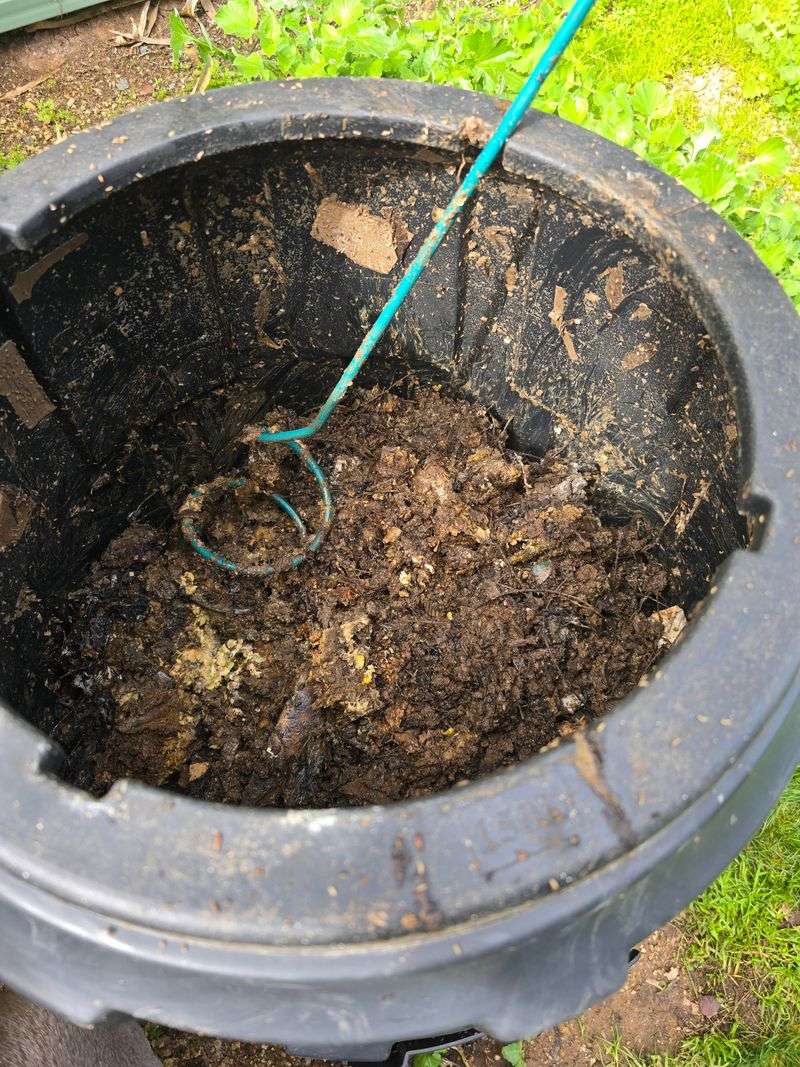
Steam rising from a freshly turned pile on a crisp fall morning looks pretty cool. It signals busy microbes hard at work. It also signals compost that tender transplants would rather avoid.
Compost still in active breakdown can bother young roots in a few ways. It may hold extra heat for a while. It can also release ammonia and certain organic acids. Those effects can harm plants, a problem known as phytotoxicity.
Seedlings feel it most. Fine roots may brown or burn. Seeds may refuse to sprout. New transplants can wilt even in moist soil. Fall crops started from seed, like spinach, carrots, and onions, suffer setbacks especially easily.
Immature compost also eats up oxygen as microbes feed. Heavy clay soil is common in many parts of California, and it can leave roots short on air.
Now take a deep breath, because the fix here is refreshingly low effort. Patience does most of the work. Let hot compost cure for several more weeks, until the heat fades and the smell turns earthy.
Fresh compost that already went into a bed needs a short pause. Wait two to three weeks before seeds or small starts go in. Water the bed a few times during that wait to help things settle.
Meanwhile, let transplants enjoy a little extra time in their pots. Compost, like a good lasagna, needs a rest before it hits the table.
7. A Quick Check Prevents A Bigger Setback
Ten minutes. That is about how long a full compost check takes. Dig in, sniff a handful, check for heat, and look for leftover chunks. Compare that to a whole fall season of yellow leaves, surprise weeds, or twisted plants.
California has a real advantage in fall. Warm soil, mild days, and early winter rains make it a great season to plant. Cool-season vegetables, wildflowers, and natives all thrive. A lost window because of unready compost stings.
Each risk on this list has a simple fix. Unfinished compost can wait a few more weeks. Cool piles can work as mulch instead of seedbed filler. Questionable manure or hay can go through a quick pea or bean test.
Make the check a habit before every use, not just in fall.
Now grab your phone, because your future self will love this tiny trick. Keep a note for each pile with its start date and ingredients. Include where any manure or hay came from.
Once your compost passes the look, smell, feel, and seed tests, spread it with confidence. Your soil gains better structure and holds water longer. Plants get steady nourishment through the cooler months.
A little care now leads to healthier roots and a happier harvest later. Your broccoli will thank you, and honestly, that is the most polite a vegetable ever gets.
8. Spread Finished Compost In The Right Amount
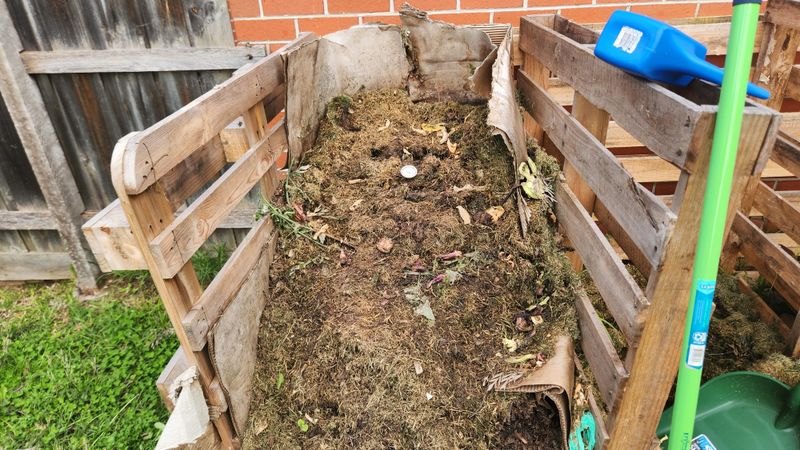
Finished compost feels like garden gold. That makes it tempting to pile it on thick. A little restraint, though, often gives better results.
For a new vegetable bed, spread about one to three inches over the surface. Then mix it into the top six to eight inches of soil. That blend gives roots better structure, more moisture, and a steady supply of nutrients.
Existing beds need less. A top layer of about half an inch to one inch works well each season. Worms and rain carry it down over time, so no heavy shovel work required.
Now for a detail that surprises plenty of gardeners. More is not always better. Very heavy doses, year after year, can build up salts and phosphorus. Compost made with lots of manure tends to carry extra salts. That matters in California, where many soils and water supplies already lean salty.
Salt-sensitive crops like beans, strawberries, and carrots may show crispy leaf edges or slow growth. A lighter hand keeps things balanced.
Around trees and shrubs, keep compost a few inches away from trunks and stems. Spread it out toward the drip line, where most feeder roots live.
Store extra finished compost under a tarp or in a covered bin. Winter rain can wash out nutrients and turn a pile soggy.
Your soil gets a healthy snack, not an all-you-can-eat buffet. Even garden gold works best in moderation, just like chocolate cake.