12 Cold-Loving Vegetables That Improve In Flavor After A Frost
Frost is coming for your garden, and you should want it to. You probably treat that icy bite as the season’s final insult. Wrong.
Kale, carrots, and cabbage fight cold by converting stored starch into sugar. That sugar works as antifreeze inside their cells.
Better yet, you get to eat the defense. Brussels sprouts turn nutty and sweet. Spinach leaves thicken and taste almost buttery. Collards lose their sulfur sting. Parsnips pulled after frost can taste like caramel.
Timing decides whether you enjoy this payoff. Early planting gives roots and leaves enough time to mature before hard cold arrives.
Wait longer, and you hand the season away. Sow quick crops now, and let slower ones wait for frost.
Grandma called these crops winter candy. She was right, even if she drowned them in gravy. Your sweetest harvest starts right here.
1. Kale Turns Sweet And Nutty After A Hard Chill
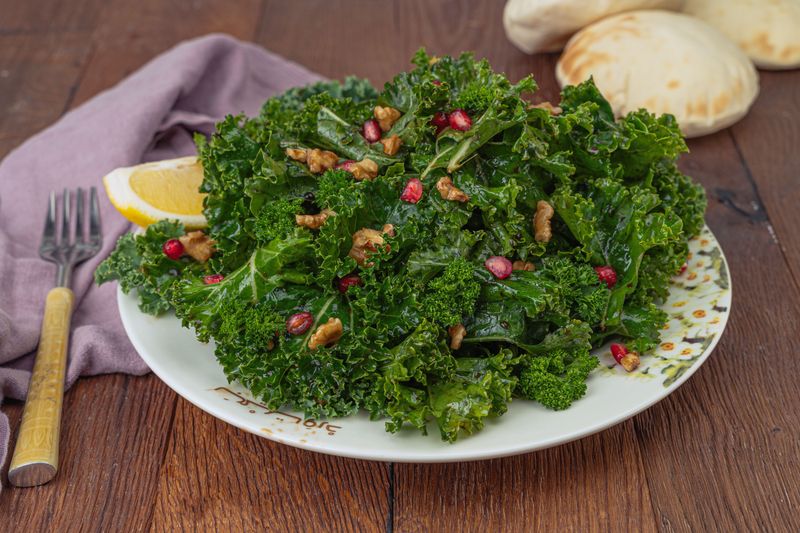
Ask any farmer about kale in November, and you will probably see a big grin. After a hard chill, those tough leaves taste sweet, nutty, and surprisingly mild.
The magic happens when starch stored inside the plant slowly turns into natural sugar. That sugar acts like antifreeze, protecting the leaves from ice damage during cold nights.
Set out young kale plants in a sunny spot about six to eight weeks before your first expected frost. Give them rich soil, steady water, and a light sprinkle of compost around the base.
Winterbor is one of the hardiest varieties, and Lacinato also handles frost well. Some kale plants keep producing leaves well into winter, even under a blanket of snow.
Pick the lower leaves first and let the center keep growing. Toss your sweet harvest into soups, smoothies, or crispy baked kale chips for a tasty snack.
Wait for at least one or two chilly nights before your big harvest. The difference in flavor is so clear that even picky kids might ask for seconds.
2. Brussels Sprouts Lose Their Bitterness In Frosty Weather
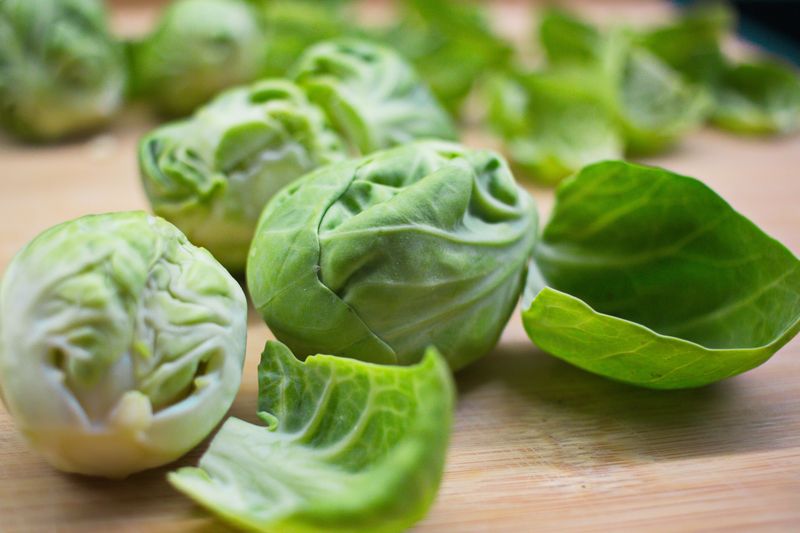
Plenty of people say they dislike Brussels sprouts, often because older varieties tasted more bitter. A frosty spell turns those bitter little balls into sweet, buttery bites.
Named after the city of Brussels in Belgium, they have been grown there for centuries. Each sprout grows along a tall stalk, looking like a green totem pole.
The plants need a long season, often around 90 to 110 days. By September, your plants should already be tall and forming small buds near the bottom.
Snap off the lower leaves as the sprouts swell to give them more room. About a month before harvest, pinch off the top of the stalk to boost sprout size.
Harvest once the sprouts feel firm and reach about an inch wide. Pick from the bottom up, since the lowest sprouts mature first.
Roast them with olive oil and a pinch of salt until the edges turn golden. You might become the person who brags about loving Brussels sprouts at dinner.
3. Carrots Store Extra Sugar When The Ground Turns Cold
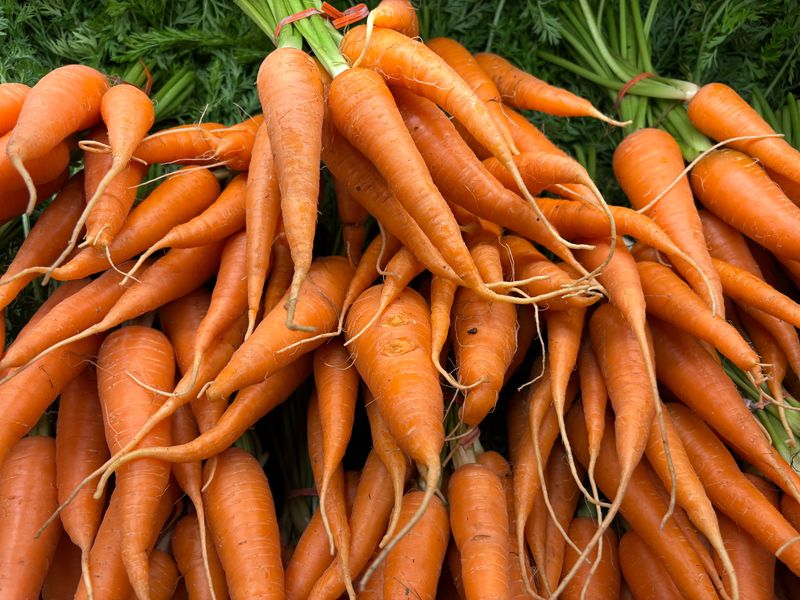
Once upon a time, carrots were purple or yellow, not orange. Today’s orange roots became popular in the Netherlands during the 1600s, and they still love cool weather.
When temperatures drop, carrots pack their roots with sugar to guard against freezing. Gardeners often say a frosted carrot tastes like it was dipped in honey.
Sow fall carrots about ten to twelve weeks before your first hard frost, which means early September only in mild climates. Choose quick varieties like Nantes or Napoli, which mature in about 60 days.
Keep the soil moist until seedlings pop up, since carrot seeds are slow to sprout. Thin the young plants so each one has about two inches of space.
Once cold weather arrives, cover the rows with a thick layer of straw or leaves. The mulch keeps the ground from freezing solid, so you can dig carrots in December.
Rinse them off and bite straight into one right in the garden. Crisp, cold, and sweet, it beats any snack from the grocery store.
4. Parsnips Taste Best After Several Hard Freezes
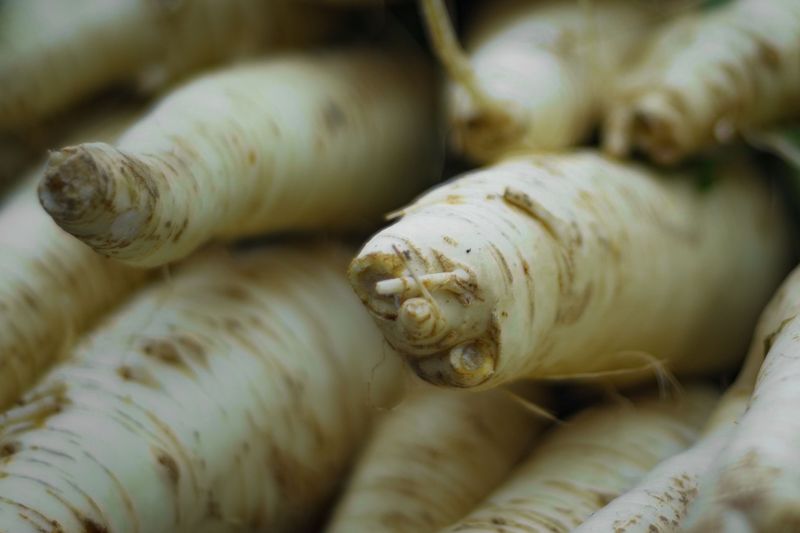
Long before sugar was cheap, people in Europe used parsnips to sweeten cakes and jams. That fact alone tells you how sugary these pale roots can get.
Parsnips look like white carrots, but their flavor is nutty, earthy, and a bit spicy. A few hard freezes bring out their best taste, so patience pays off.
Most parsnips planted in spring are ready to harvest in fall and winter. If yours are in the ground right now, leave them alone for a few more weeks.
Many gardeners wait until after several frosts before digging even one root. Some leave them in the soil all winter and harvest fresh ones in early spring.
Use a garden fork to loosen the soil, because parsnip roots can grow over a foot long. Pulling them straight up often snaps the root in half.
Roast parsnips with honey, or mash them with potatoes for a cozy side dish. One bite, and you will understand why grandparents get misty-eyed about them.
5. Collard Greens Grow Mellow And Sweet After Frost
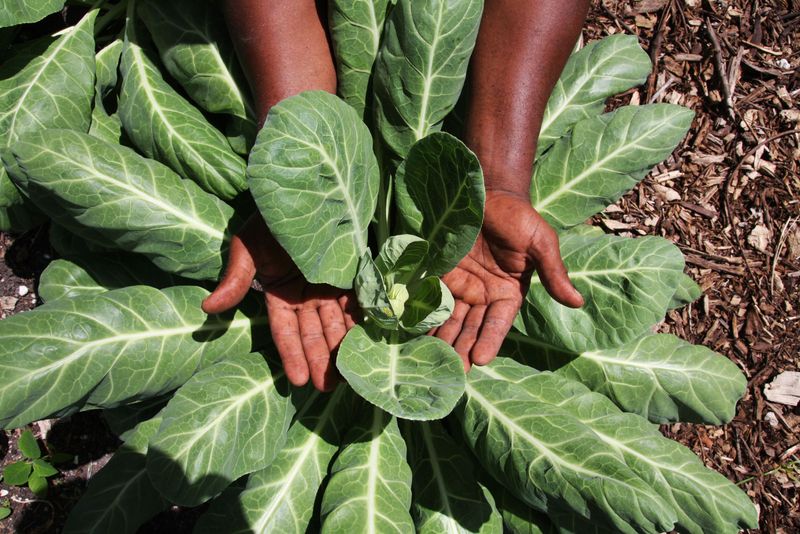
In many Southern kitchens, nobody touches the collards until after the first frost. That old rule is backed by science, not just family tradition.
Cold weather helps the big leaves trade their bitter bite for a mellow, sweet flavor. The plants can handle temperatures down into the teens without much fuss.
Collards are some of the toughest greens you can grow in a fall garden. Set out transplants in September, spacing them about 18 inches apart for big leaves.
Watch for cabbage worms, the small green caterpillars that chew holes in the leaves. A lightweight row cover keeps white butterflies and moths from laying eggs on your crop.
Harvest the outer leaves when they are about the size of your hand. Leave the top growing, and the plant will keep making new leaves for months.
Slow-cook them with onions, garlic, and a splash of vinegar for a classic dish. Many families eat collards on New Year’s Day, hoping for good luck and money.
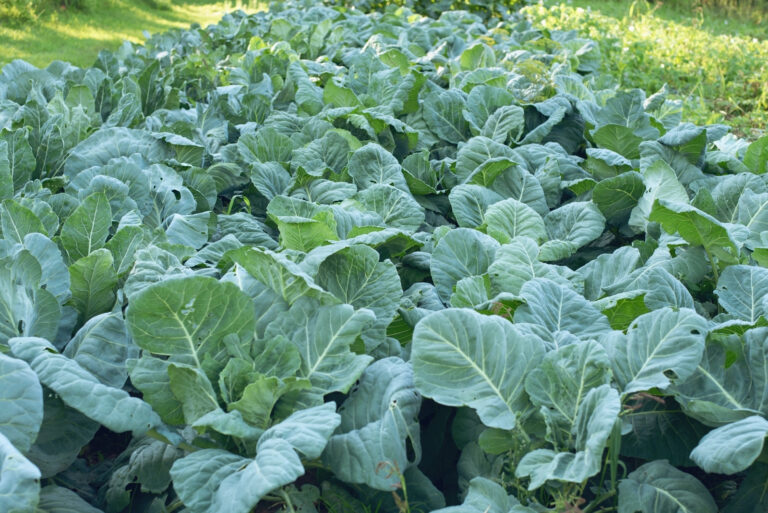
6. Cabbage Heads Firm Up And Sweeten In The Cold
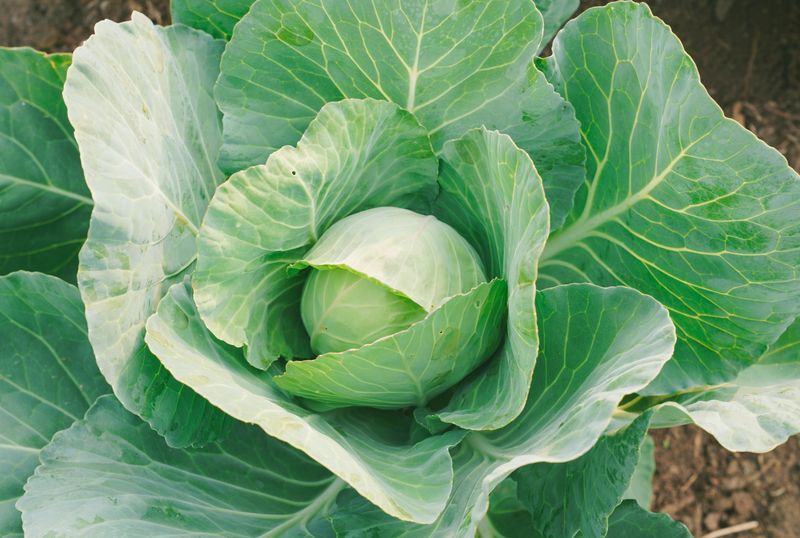
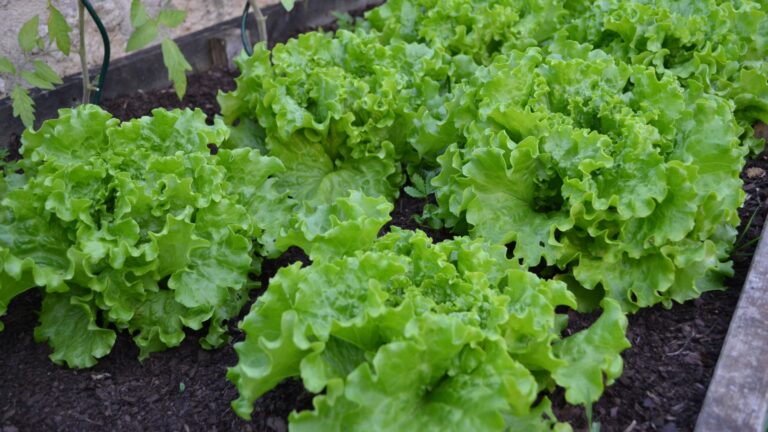
Big, round, and a little bit stubborn, cabbage laughs at chilly weather. A light frost firms up the heads and makes the leaves taste crisp and sweet.
Cabbage descends from wild plants along Europe’s coasts, and the ancient Greeks and Romans grew it widely. Sailors once packed sauerkraut, a type of fermented cabbage, on long voyages to prevent scurvy.
For a fall crop, pick smaller or quick varieties like Golden Acre or Early Jersey Wakefield. Set out transplants about ten to twelve weeks before your first hard frost so heads form before the deep cold.
Keep the soil evenly moist, since uneven watering can make heads crack open. A thick layer of mulch helps hold in moisture and keeps weeds under control.
Squeeze a head gently to check if it is ready. A firm, solid feel means it is time to cut the head off at the base.
Leave the stump and roots in the ground after harvest for a bonus. Small side heads often sprout from the stem, giving you extra mini cabbages to enjoy.
7. Spinach Grows Sweeter Through Fall And Winter
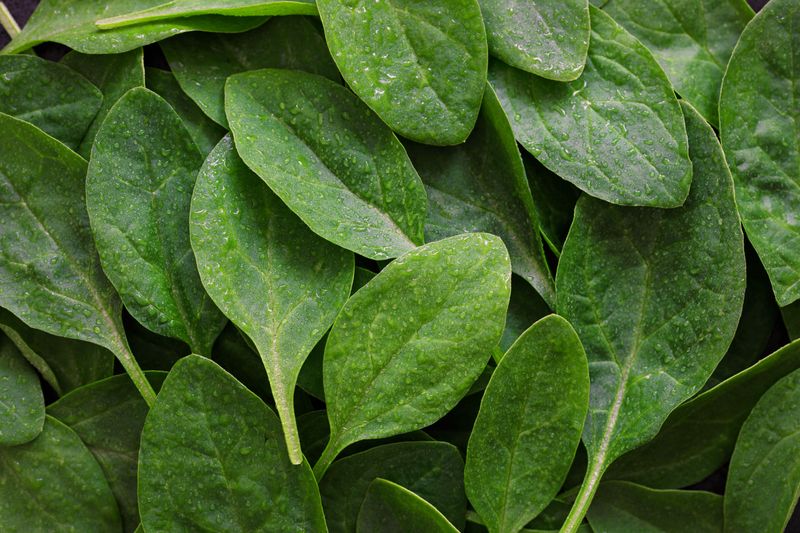
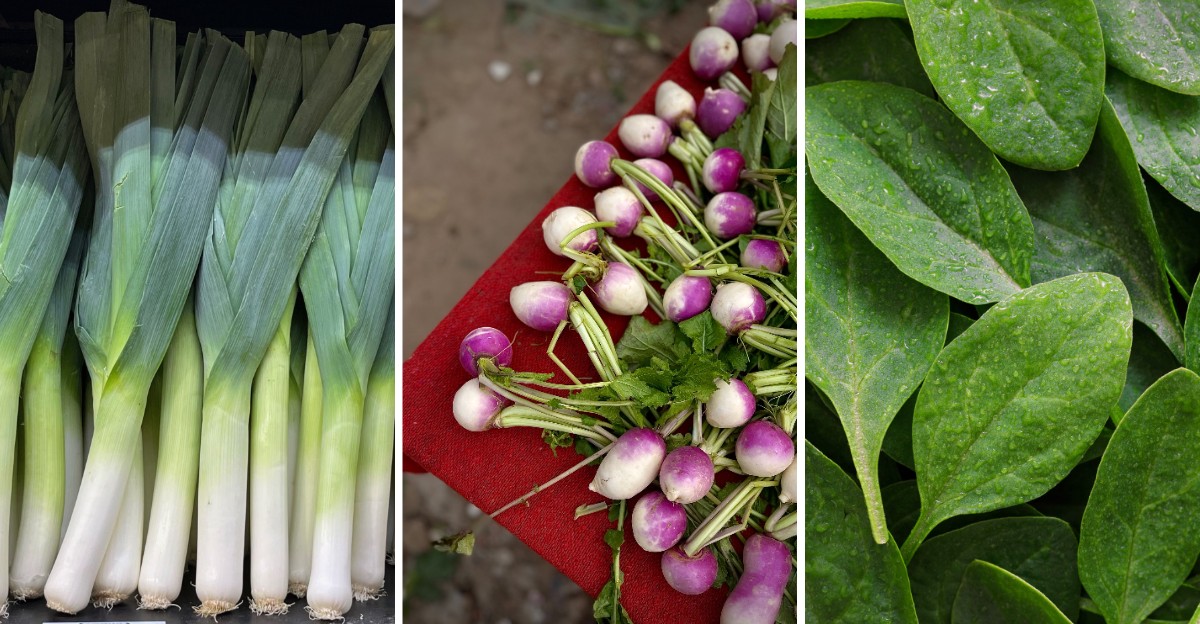
Popeye had the right idea, but he probably should have waited for colder weather. Spinach grown in fall and winter tastes far sweeter than any summer batch.
The leaves build up sugars when nights turn cold, which also helps them resist freezing. Some hardy types can even survive temperatures as low as 15 degrees Fahrenheit.
September is an ideal time to sow spinach seeds directly in the garden. Cool soil helps them sprout, while hot soil often stops them from growing at all.
Try savoyed varieties like Bloomsdale, which have crinkly leaves that stand up to cold. Space seeds about two inches apart and keep the soil damp.
With a little cover, spinach can keep growing through winter and bounce back in spring. A simple cold frame or plastic tunnel works wonders on icy nights.
Harvest tender baby leaves for fresh salads, or let them grow bigger for cooking. Sweet winter spinach tastes amazing wilted into pasta, eggs, or warm soups.
8. Turnips Mature Fast And Sweeten With A Touch Of Frost
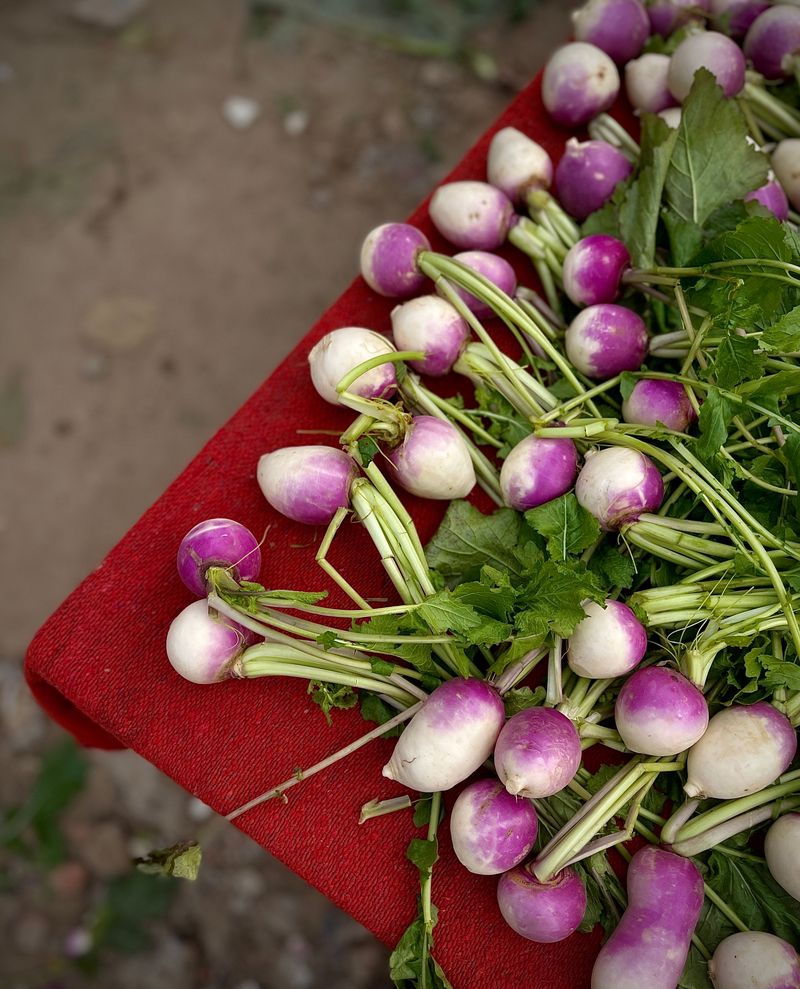
Did you know early jack-o’-lanterns in Ireland and Scotland were carved from turnips? Irish immigrants later switched to pumpkins in America, where they were easier to carve.
Turnips grow fast, often ready in just 40 to 60 days. That speed makes them one of the best crops to plant in early September.
A touch of frost sweetens both the roots and the leafy tops. The sharp, peppery taste softens into something mild and almost buttery.
Sow seeds in loose soil and thin the plants to about four inches apart. Crowded turnips stay small and woody, so give each one room to grow.
Pull roots when they are about the size of a tennis ball for the best flavor. Larger turnips can turn tough and stringy, especially if left too long.
Do not toss those greens, because they are delicious sauteed with garlic. You basically get two vegetables for the price of one seed packet.
Try roasting the roots with butter and a pinch of salt. Picky eaters may change their minds after one sweet bite.
9. Leeks Grow More Tender And Sweet In Cold Weather
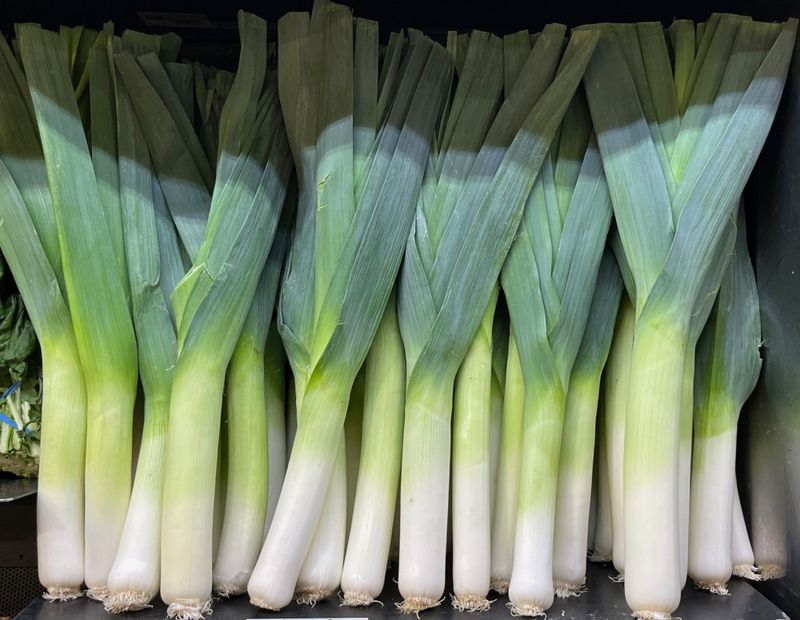
Leeks are so loved in Wales that they became a national symbol. Legend has it that Welsh soldiers wore leeks in their caps to recognize one another on the field.
Picture a giant green onion that tastes softer, sweeter, and a little bit garlicky. Cold weather deepens that sweetness and makes the stalks extra tender.
Most leeks need a long growing season, so spring plantings will be ready this fall. Winter-hardy types like American Flag handle frosty weather with ease.
To grow long white stalks, pile soil or mulch around the base as they grow. Farmers call this hilling, and it keeps the stems pale and mild.
Leeks can stay in the garden through much of winter in many mild areas, even under snow. Just dig them up whenever you need a few for dinner.
Rinse them well, since dirt loves to hide between the tight layers. Simmer sliced leeks with potatoes for a creamy soup that feels like a warm hug.
10. Beets Build Sweeter Roots As Nights Turn Cool
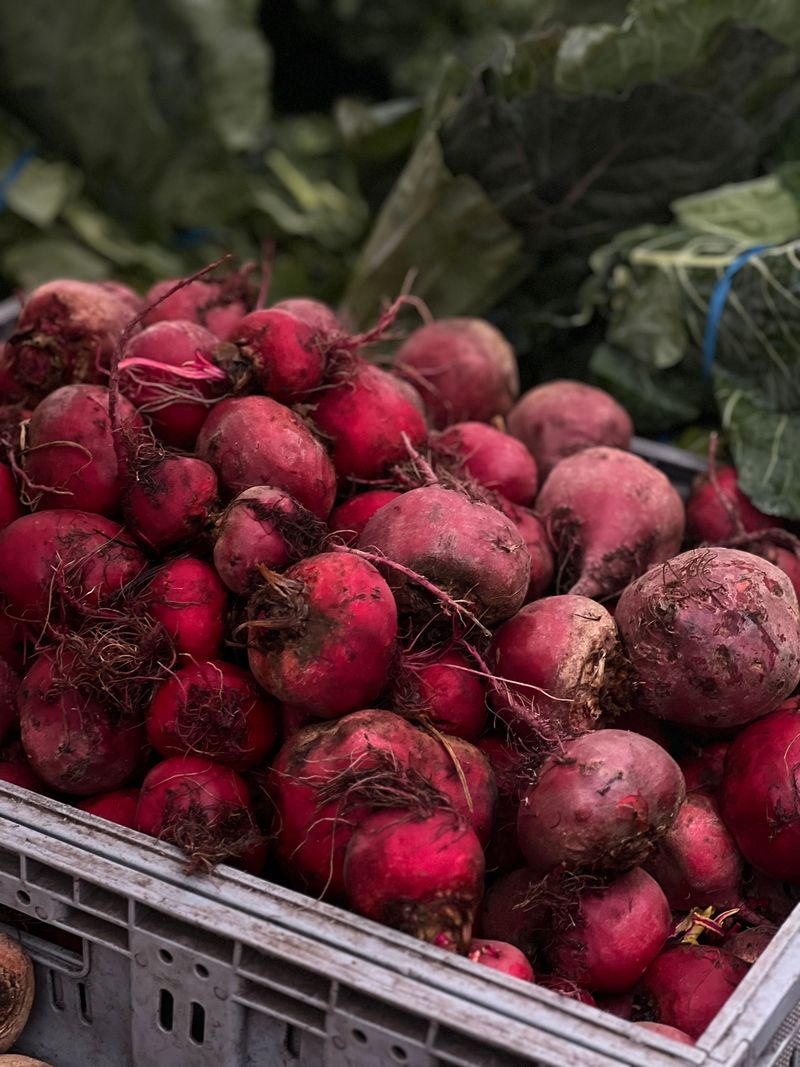
Earthy, bright, and full of surprises, beets are the rock stars of fall gardens. Their roots grow sweeter as the weather turns cool and crisp.
Beets actually contain so much sugar that one type, the sugar beet, makes table sugar. Sugar beets supply more than half of the sugar produced in the United States.
Sow a final crop about eight to ten weeks before your first hard frost. Choose fast varieties like Detroit Dark Red, which are ready in about 55 days.
Each beet seed is really a cluster holding several seeds together. Thin the seedlings carefully so each root has space to swell.
A light frost will not hurt them, but a hard freeze can damage the roots. Cover the plants with straw or a blanket when temperatures dip into the low 20s °F (around -6°C).
Roast beets whole in foil, then slip off the skins once they cool. The leaves taste great in salads, and they even look pretty with their red veins.
11. Rutabagas Turn Golden And Nutty After Cold Snaps
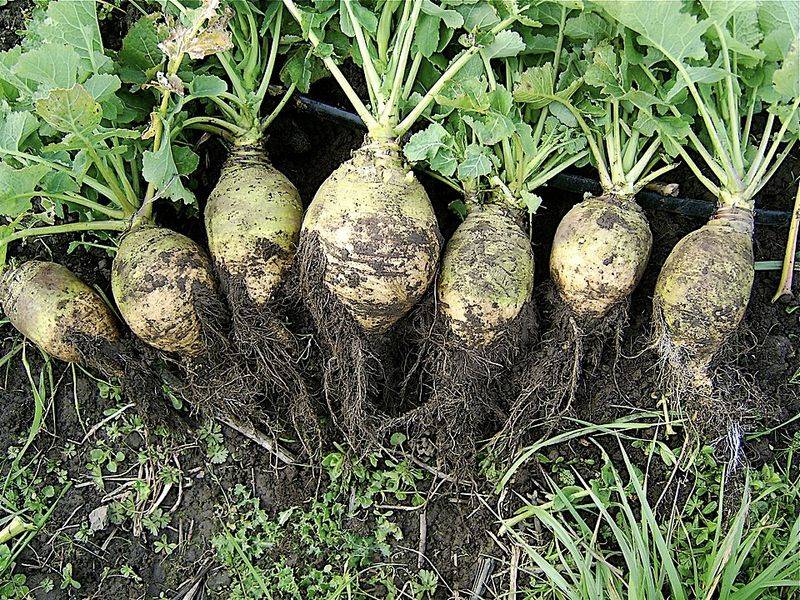
Here is a vegetable with a funny name and a very serious sweet tooth. Rutabagas are a cross between turnips and cabbage, likely first grown in Scandinavia or Russia.
English speakers once called them Swedish turnips, and many Brits still call them swedes. Their golden flesh turns sweet and nutty after a few cold snaps.
Rutabagas take longer than turnips, usually around 90 days to mature. Plants started in midsummer will be sizing up nicely during September and October.
Keep watering steady so the roots grow smooth instead of cracked. A little extra compost gives them the energy to bulk up before winter.
Wait until after a couple of frosts before harvesting for the sweetest taste. The roots store well for months in a cool basement or refrigerator drawer.
Mash them with butter and black pepper for a golden side dish. In Scotland, mashed swedes are served with haggis on Burns Night each January.
Some grocery store rutabagas are coated in wax to keep them fresh. Homegrown ones skip the wax and taste even better straight from the garden.
12. Broccoli Forms Tighter, Sweeter Heads In Fall
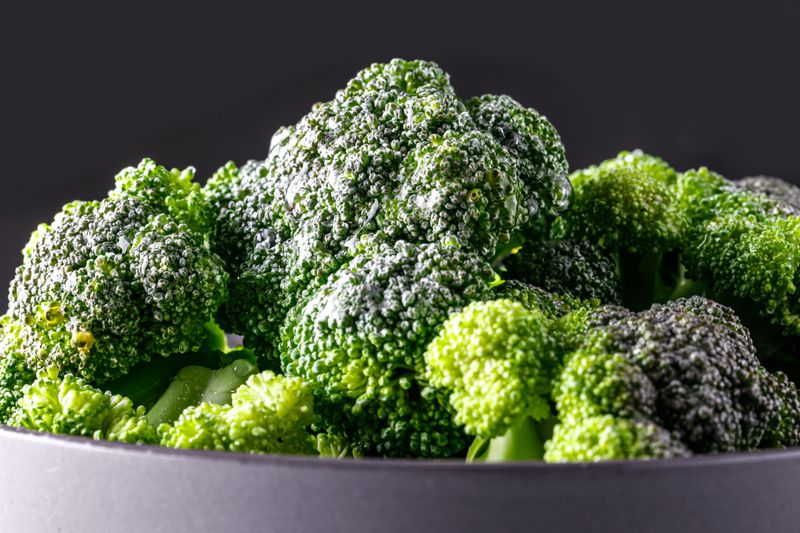
Summer broccoli often tastes a little bitter and bolts into yellow flowers too quickly. Fall broccoli, on the other hand, grows tight heads with a sweet, clean crunch.
Cool nights slow the plant down, giving it time to build flavor. A light frost adds even more sweetness, turning each floret into a tasty treat.
Set out transplants about eight to ten weeks before your first expected frost, spacing them about 18 inches apart for big leaves. Packman matures quickly, while Arcadia takes a bit longer but handles cold especially well.
Feed plants with compost or a gentle fertilizer to keep leaves green and strong. Broccoli is a heavy eater, so hungry plants make tiny heads.
Cut the main head when the buds are tight and dark green. Leave the plant standing, because it will send out smaller side shoots for weeks.
Protect plants with a row cover if a hard freeze is on the way. Most broccoli handles light frost fine, but deep cold below 25°F (about -4°C) can hurt it.
Steam florets lightly or toss them in a stir-fry for a quick dinner. Fresh fall broccoli might even outshine dessert.