10 Vegetable Seeds Worth Saving From Your Garden This Fall
Late summer smells like warm dirt, crushed leaves, and sunshine baked into every row. Your garden is slowing down, and honestly, it looks a little sleepy.
Before you yank everything out and call it a season, pause for a second. Some of the best treasures in that messy patch are smaller than your fingernail.
Gardeners have tucked these tiny prizes into jars and paper envelopes for thousands of years. Grandmas traded them over backyard fences like secret family recipes.
Doing the same thing costs nothing, takes little time, and feels a bit like magic. You get to hold next summer’s harvest right in the palm of your hand.
Best of all, friends will think you have turned into some kind of garden wizard. Just keep quiet that the plants did nearly all the work.
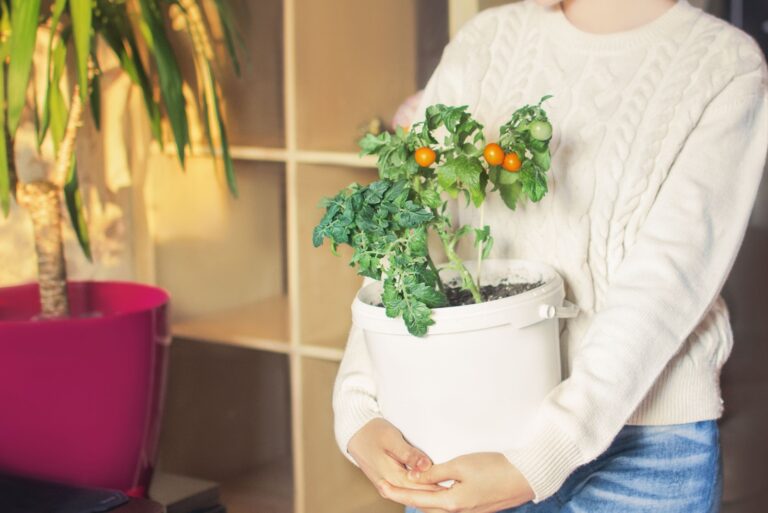
1. Heirloom Tomatoes Bring Back Summer Flavor
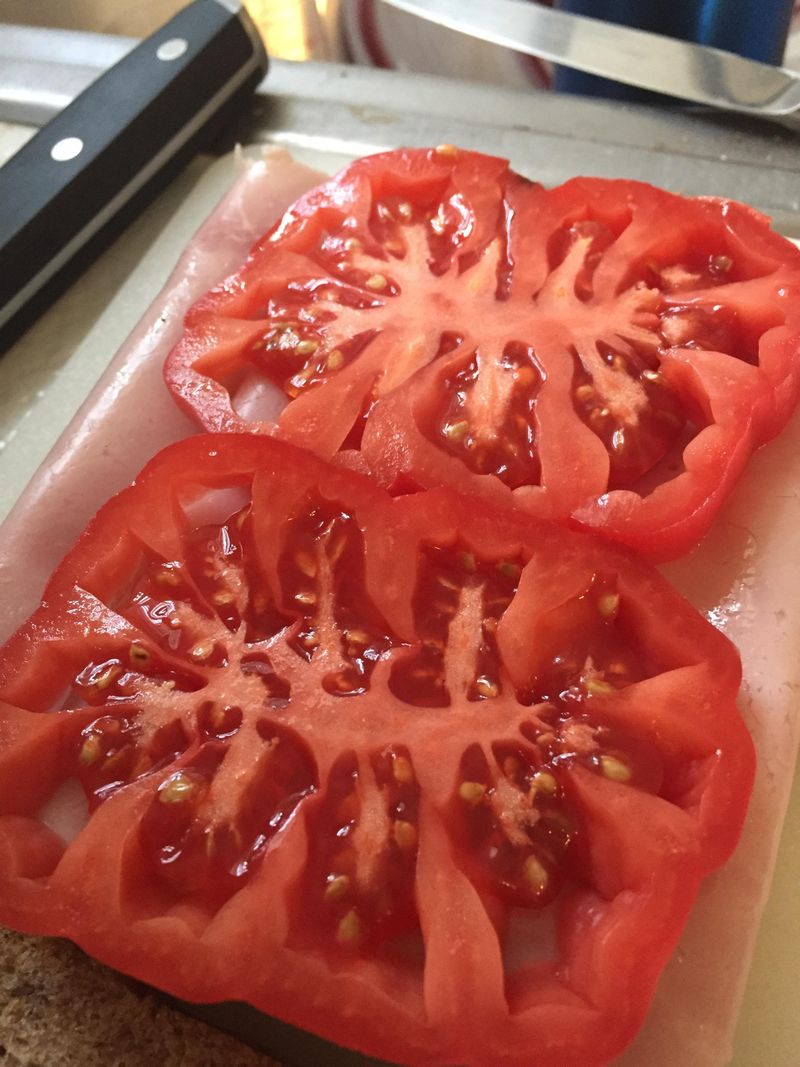
My neighbor still grows a pink tomato her grandmother carried from Italy in 1952. Every slice tastes like a family story, and you can start one too.
Pick your best open-pollinated or heirloom plant, not a hybrid. Hybrid seeds often grow into plants that look and taste nothing like their parent.
Let a few fruits ripen fully on the vine, even a little past eating stage. Scoop the seeds and their goopy gel into a jar with some water.
Set the jar somewhere warm for three or four days, and yes, it will smell funky. That mold layer on top breaks down the gel coating each seed.
Pour off the floating junk, since good seeds sink to the bottom. Rinse the keepers in a strainer until they look clean and pale.
Spread them on a paper plate or coffee filter to dry for about a week. Stir them daily so they do not clump together.
Store dry seeds in a labeled envelope inside a cool, dark drawer. Tomato seeds can stay good for five years or longer when kept this way.
Write the variety name and year on every packet. Future you will be grateful when spring planting season sneaks up.
Swap extras with friends at a garden club or library seed exchange. Sharing spreads great flavors across your whole town.
2. Snap Beans Practically Save Themselves
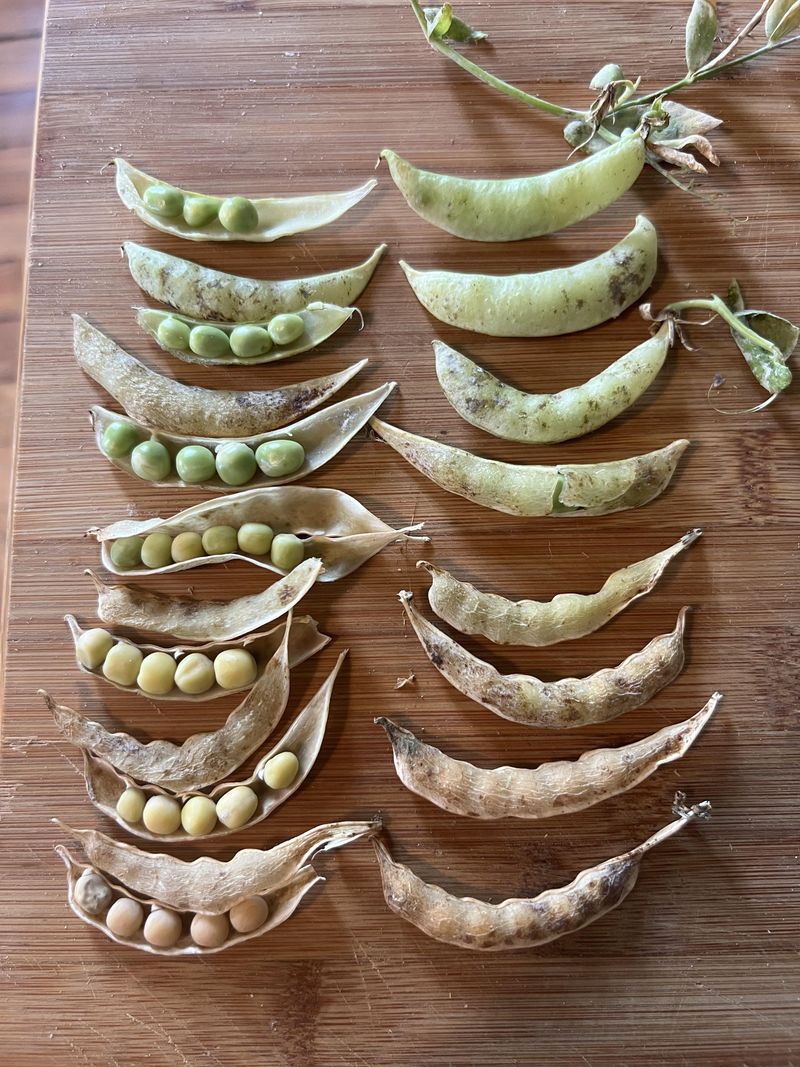
Beans might be the laziest seeds to save, and that is a compliment. They do most of the hard work while you relax.
Most bean flowers pollinate themselves before they even open. Your saved seeds will grow true, even if another variety sits nearby.
Pick a few healthy plants and simply stop harvesting from them. Let the pods hang until they turn brown, papery, and rattle when shaken.
Rattling pods are like tiny maracas telling you the beans are ready. Pull them on a dry afternoon so moisture does not cause mold.
If rain threatens in September, pull up the whole plant instead. Hang it upside down in a garage or shed to finish drying.
Shell the pods by hand while watching a movie or chatting with family. Kids usually love this job because it feels like opening treasure.
Test for dryness by biting a bean gently. If your tooth leaves no dent, the seed is dry enough to store.
Freeze the beans for two days before storing them. Cold temperatures stop tiny weevils that sometimes hide inside the seeds.
Keep them in a glass jar with a tight lid. Properly stored beans can sprout happily for three to four years.
Fun fact, some heirloom beans like Kentucky Wonder have been passed down for well over a century. Your jar could start a legacy just as long.
3. Sweet Peas Fill Your Pockets For Spring
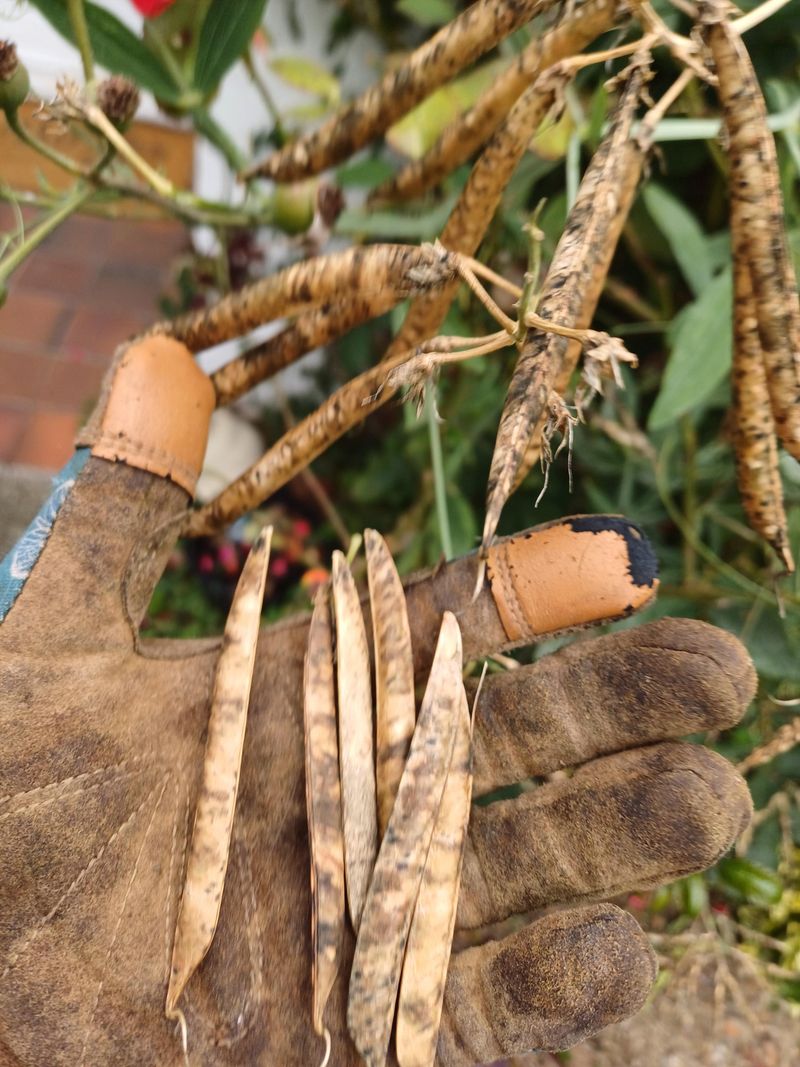
Shelling peas straight from the pod is one of gardening’s sweetest snacks. Saving a handful for next year is almost as satisfying.
Peas, like beans, mostly pollinate themselves. That means saved seeds from open-pollinated types grow the same plant next spring.
By fall, most pea vines have finished their season in the heat. Any pods you skipped during summer might already be drying on the vine.
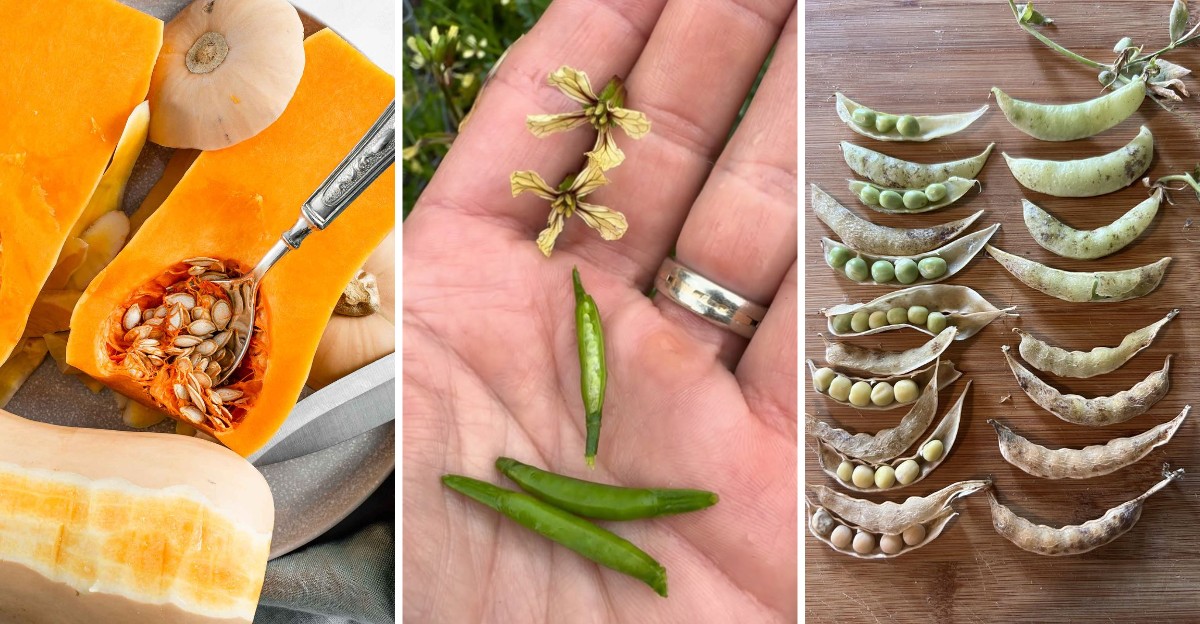
Look for pods that feel crinkly and have turned tan or light brown. The peas inside should be hard, wrinkled, and slightly shrunken.
Wrinkled is a good sign for sweet types, so do not worry. Smooth, round peas are normal for soup and field varieties.
Pick the pods and lay them on a screen indoors for another week or two. Good airflow helps them finish drying without spoiling.
Once shelled, sort out any peas with holes, spots, or mushy patches. Only plant the strongest seeds, since weak ones rarely sprout well.
Just like beans, a quick freezer stay helps prevent bug trouble. Afterward, store the peas in a paper envelope or small jar.
Gregor Mendel studied pea plants in the 1800s to learn how traits pass down. Your little seed stash is part of a very famous science story.
Plant them early next spring, as soon as the soil can be worked. Peas love cool weather and will reward you quickly.
4. Bell Peppers Hide Treasure Inside
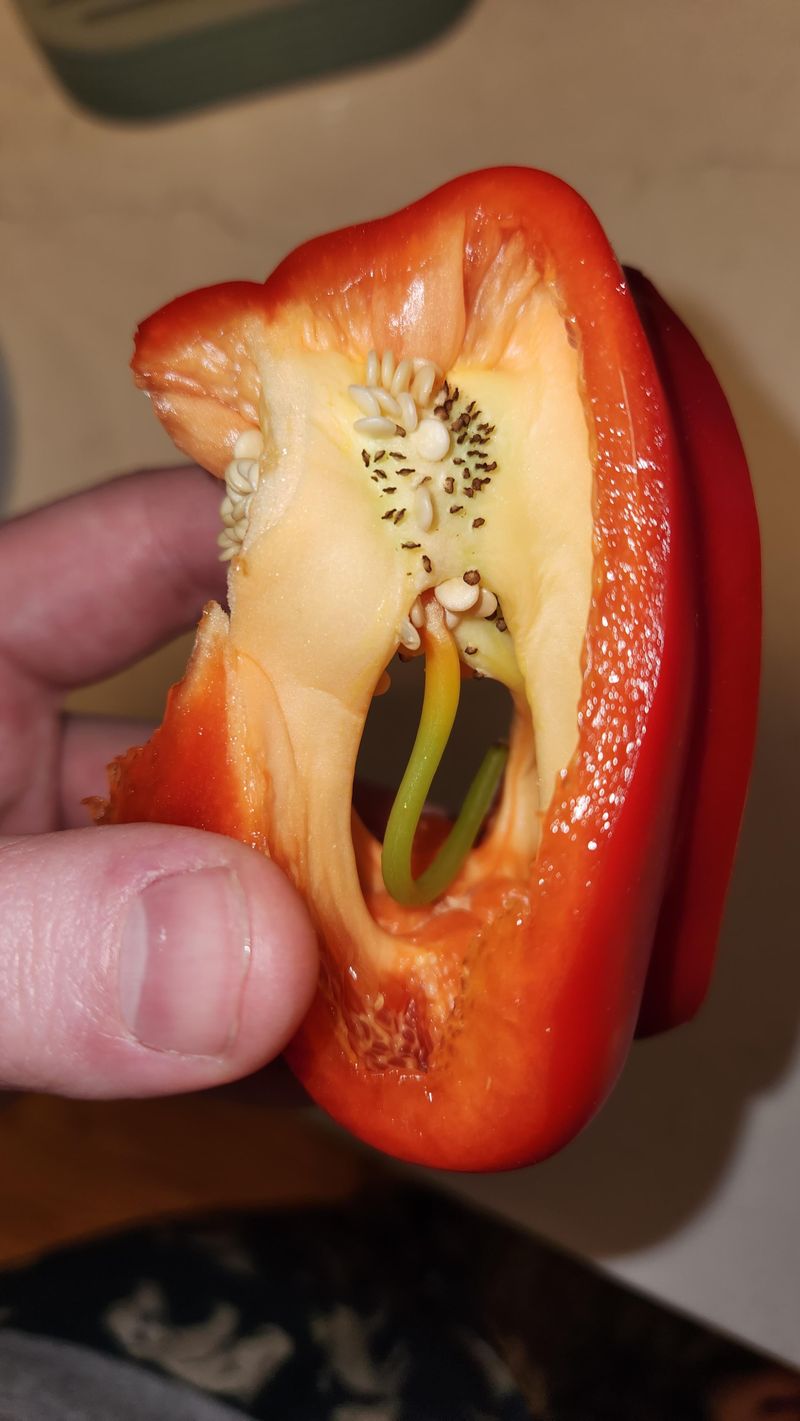
Ever cut a pepper and noticed that pale cluster of seeds in the middle? That little core is basically a free packet waiting to happen.
Unlike tomatoes, pepper seeds need no smelly soaking. You simply pull them out and let them dry.
Wait until peppers reach their full mature color, like red, orange, or yellow. Green peppers are picked early, so their seeds are often not ready.
Leave the chosen fruit on the plant until it softens slightly. Then slice it open and rub the seeds off the core onto a plate.
Wear gloves when handling hot peppers like jalapenos or habaneros. Trust me, rubbing your eyes afterward is a mistake you only make once.
Dry the seeds in a single layer for about two weeks. They are ready when they snap instead of bend.
Peppers can cross with other peppers when bees visit different plants. Keep varieties far apart, or cover a few blossoms with mesh bags.
A sweet bell crossed with a hot pepper might surprise you next summer. That could be fun, but it can also shock your taste buds.
Store the seeds in a cool, dry spot away from sunlight. They usually stay good for two to three years.
Label hot and sweet packets clearly with bold marker. Mixing them up is funny only until someone bites the wrong salsa.
5. Leafy Lettuce Blooms Into A Bonus Crop
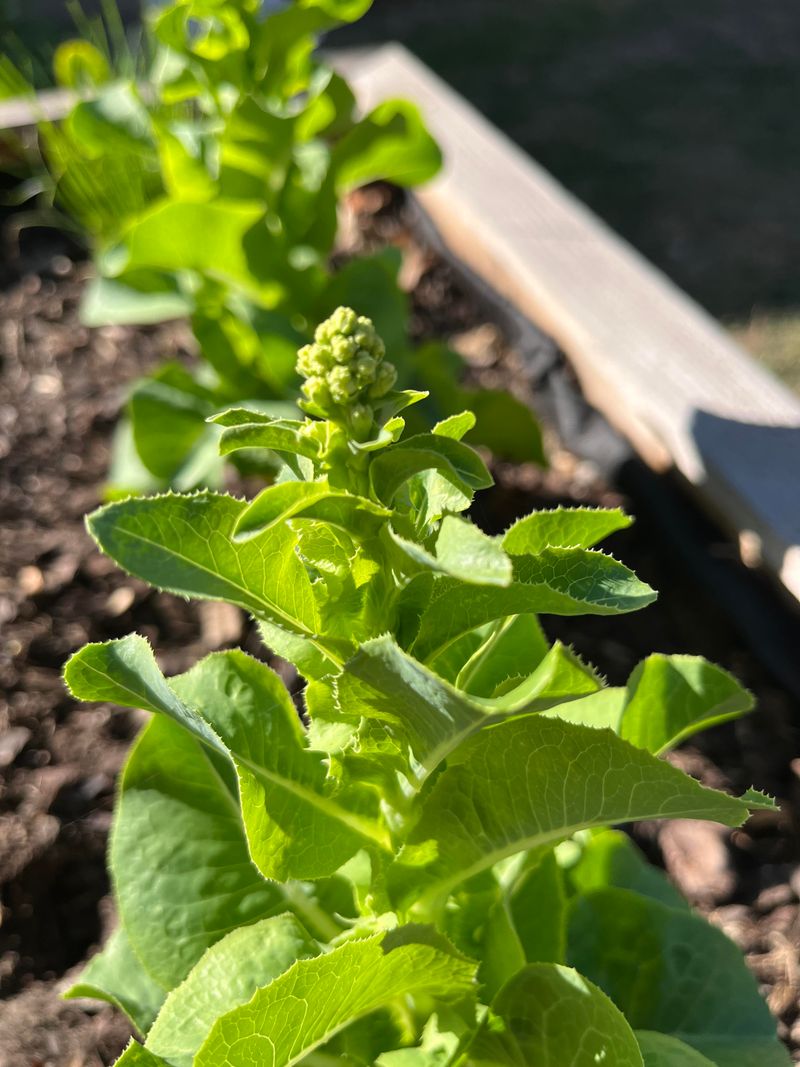
Lettuce that bolts in hot weather usually frustrates gardeners. Here is a secret, though, because that tall, bitter plant is quietly making next year’s salad.
Let one or two of your best heads keep growing. Pick plants that bolted last, since slow bolting is a trait worth keeping.
Tall stalks will shoot up and form small yellow flowers. Soon those blooms turn into fluffy white tufts, a bit like tiny dandelions.
The fluff signals the seeds are ripe and ready to fly. Check the plants daily, because wind can scatter them fast.
Place a paper bag over the flower heads and shake gently. Ripe seeds will fall right into the bag with little mess.
You can also cut the whole stalk and hang it upside down in a bag. The seeds will drop as the plant dries.
Rub the collected fluff between your hands to loosen everything. Then blow softly across a bowl to float away the chaff.
Lettuce seeds are tiny, so a single plant can produce thousands. One stalk might supply your whole neighborhood with greens.
Store them in a sealed envelope in a cool place. They generally keep well for three years or even a bit longer.
Scatter a few seeds in September for a quick fall harvest too. Lettuce loves cooler days and often grows sweeter as nights chill.
6. Winter Squash Pays You Twice
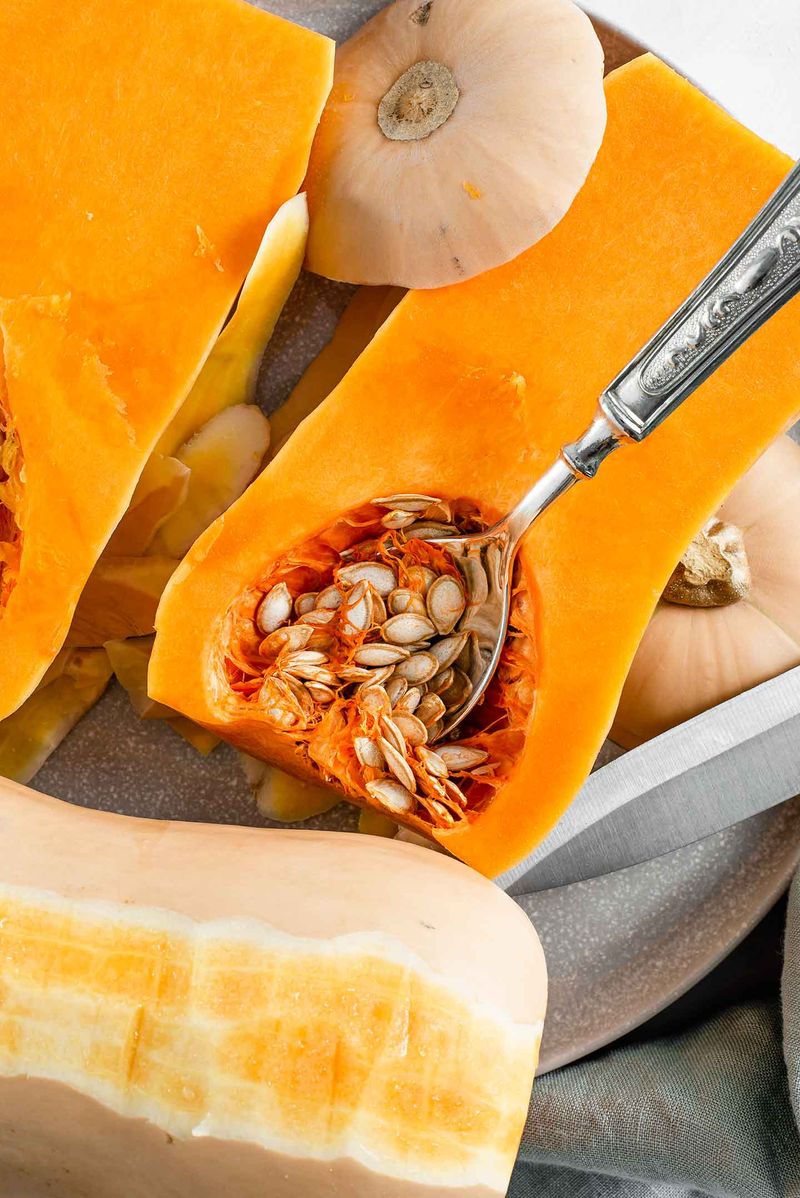
Carving a butternut for soup gives you dinner and a pile of seeds. That is a two-for-one deal worth grabbing.
Squash seeds come with one big warning, though. Bees happily cross different squash types in the same family, creating odd mixes.
Zucchini, acorn squash, and many pumpkins belong to one species and cross easily. A zucchini crossed with a pumpkin may grow a strange, lumpy surprise.
To keep seeds true, grow just one variety from each species. You can also hand-pollinate flowers and tape them shut afterward.
Winter squash should cure for several weeks after harvest before you scoop it. That extra time lets the seeds inside fully mature.
Scoop out the seeds and wash off the stringy pulp in a bowl of water. Pick out the plump ones and toss any flat, empty shells.
Dry them on a screen or towel for two to three weeks. They should feel hard and break rather than bend.
Save extra seeds for roasting with a little salt and oil. Your saved stash and your snack bowl can come from the same squash.
Stored cool and dry, squash seeds often last four to six years. That long shelf life makes them a smart backup plan.
Native Americans grew squash with corn and beans in a trio called the Three Sisters. Saving these seeds keeps that clever tradition growing.
7. Okra Pods Turn Into Nature’s Rattles
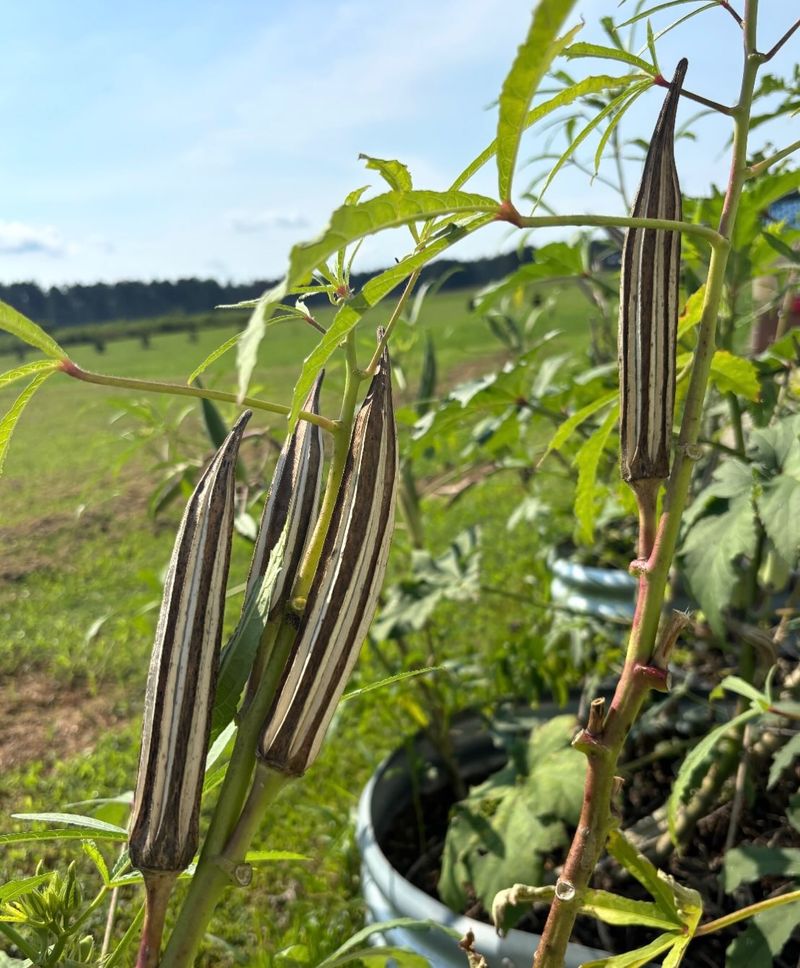
Okra grows so fast that some pods hide and turn into woody clubs overnight. Those overgrown giants are actually perfect for seed saving.
Southern gardeners have saved okra seeds for generations, and it is easy to see why. The plant does almost all the work.
Pick a few strong plants and let their lowest pods keep growing. They will stretch long, turn brown, and harden on the stem.
Wait until the pods look dry and start splitting at the seams. You may hear seeds rattle inside when the wind blows.
Snip them off with pruners, because dry okra stems get tough. Bring the pods inside to finish drying on a tray.
Twist or split each pod open over a bowl. The round, dark seeds pop out like tiny peppercorns spilling from a shaker.
Okra flowers can cross with other okra types if bees get busy. Grow one variety or space plantings far apart for true seeds.
Before planting next spring, soak seeds overnight in warm water. Their hard coats soften, and they sprout much faster.
Keep them in a labeled jar in a cool closet or pantry shelf. Okra seeds typically stay strong for about three years.
Some folks once roasted and ground okra seeds into a coffee substitute just for the fun of it. Your jar holds planting seeds and a quirky bit of history.
8. Cucumbers Turn Golden For Good Seeds
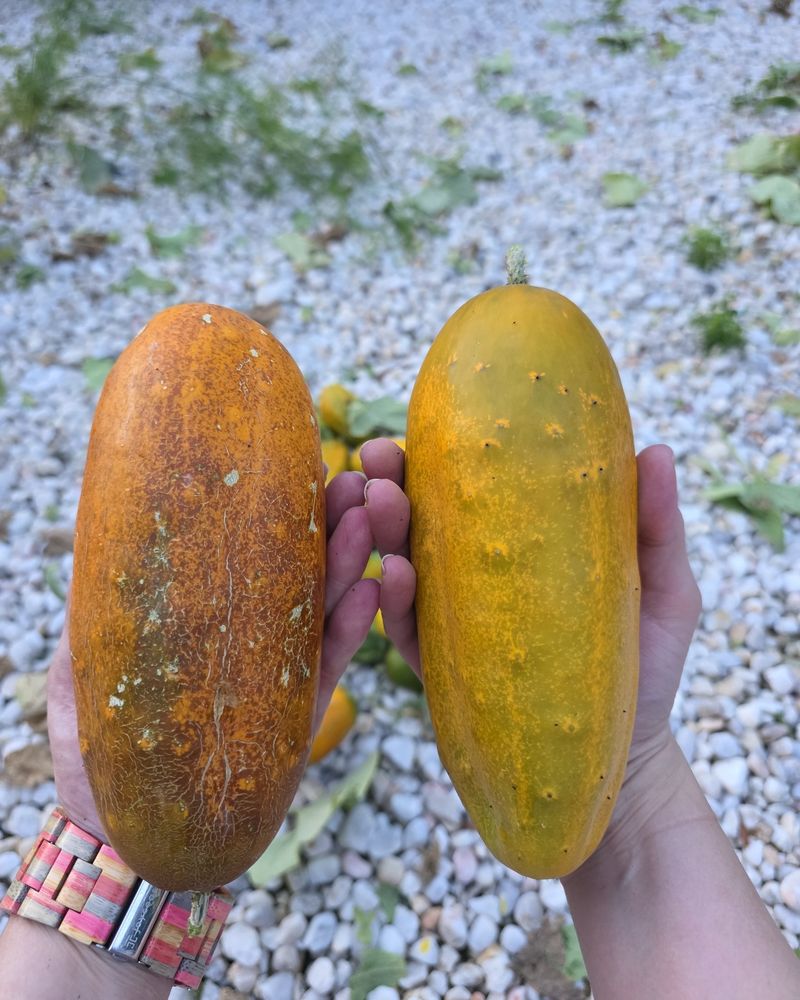
Picture a cucumber so big and yellow it looks like a small football. That ugly overgrown fruit is exactly what seed savers want.
Cucumbers you eat are picked young, when seeds are soft and immature. For saving, you must leave a few on the vine much longer.
Wait five weeks or more after the fruit reaches eating size. It will turn yellow or orange and feel firm, almost like a melon.
Pick it and let it rest indoors for another week or two. That rest gives the seeds a final boost of strength.
Slice the fruit lengthwise and scoop the seeds into a jar with water. Much like tomatoes, they benefit from a short, stinky soak.
After two or three days, good seeds sink while bad ones float. Rinse the sinkers well and spread them out to dry.
Cucumbers can cross with other cucumbers, but not with melons or squash. That old garden myth about mixed-up melons is simply false.
Choose open-pollinated types like Marketmore or Lemon cucumber for dependable results. Seedless and hybrid kinds will not give you reliable seeds.
Store the dried seeds in a cool, dark place kept away from humidity. Cucumber seeds can last up to five years or more.
Pickle lovers, take note of your crunchiest plants this season. Saving their seeds could mean even better pickles next summer.
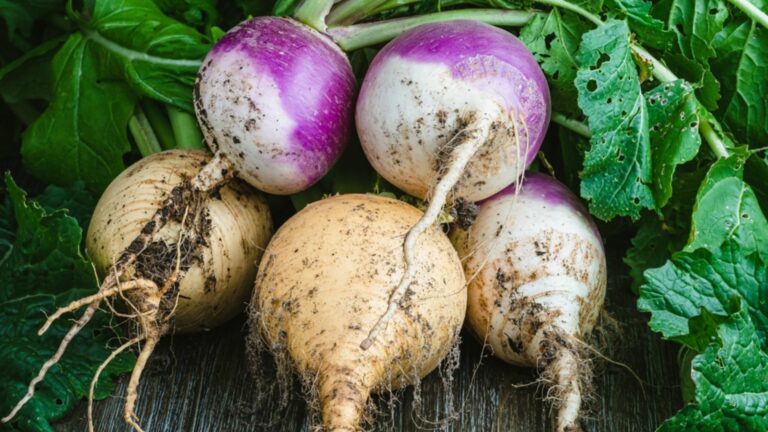
9. Radish Pods Surprise Hungry Gardeners
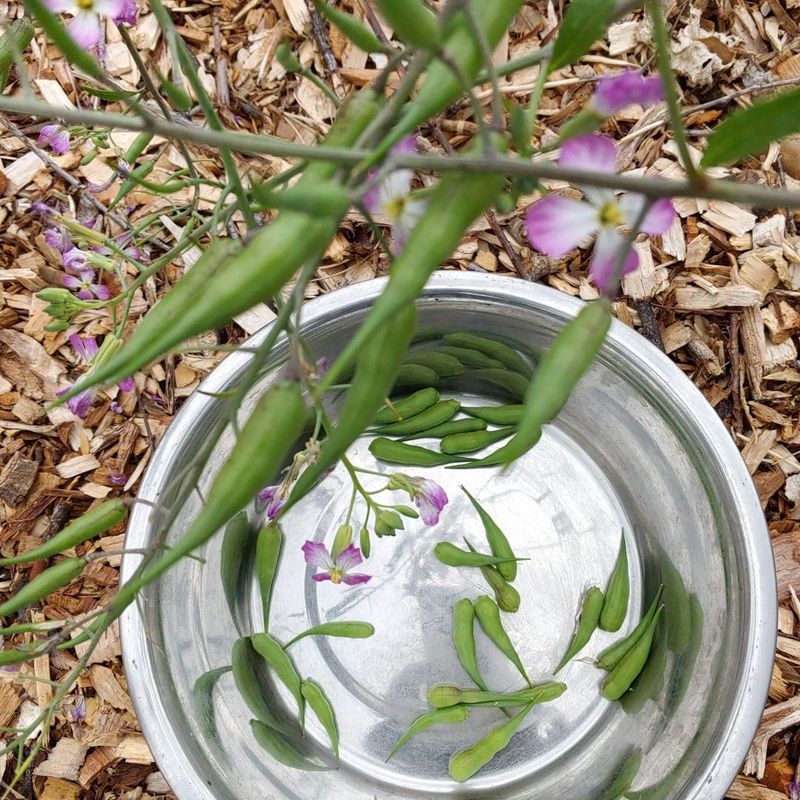
Forgotten radishes do something wonderful when left in the ground. They shoot up flowers, then crunchy green pods you can actually eat.
Those pods taste like mild, spicy radish in snap pea form. Try them in stir-fries, but leave plenty on the plant.
Radishes rely on bees and cross easily with other radish varieties. Let only one type flower at a time for true seeds.
Spring-planted radishes usually flower by midsummer, and pods mature later in the season. Late summer and September are prime time for gathering.
Wait until the pods turn brown and papery on the stalk. Then cut the whole plant and hang it somewhere dry for two weeks.
Radish pods are stubborn and do not split open easily. Place them in a pillowcase and stomp on it gently.
Yes, you really get to stomp your seeds free, which kids find hilarious. Afterward, pour everything into a bowl and pick out the round seeds.
Choose roots from plants that grew the biggest and slowest to flower. Those traits get passed along to next year’s crop.
Store the small brown seeds in a labeled paper envelope in a cool drawer. They typically stay good for around four years.
Radishes sprout in just three or four days, which makes them great for beginners. Your homegrown seeds will prove it quickly next spring.
10. Arugula Sets Seed Before You Notice
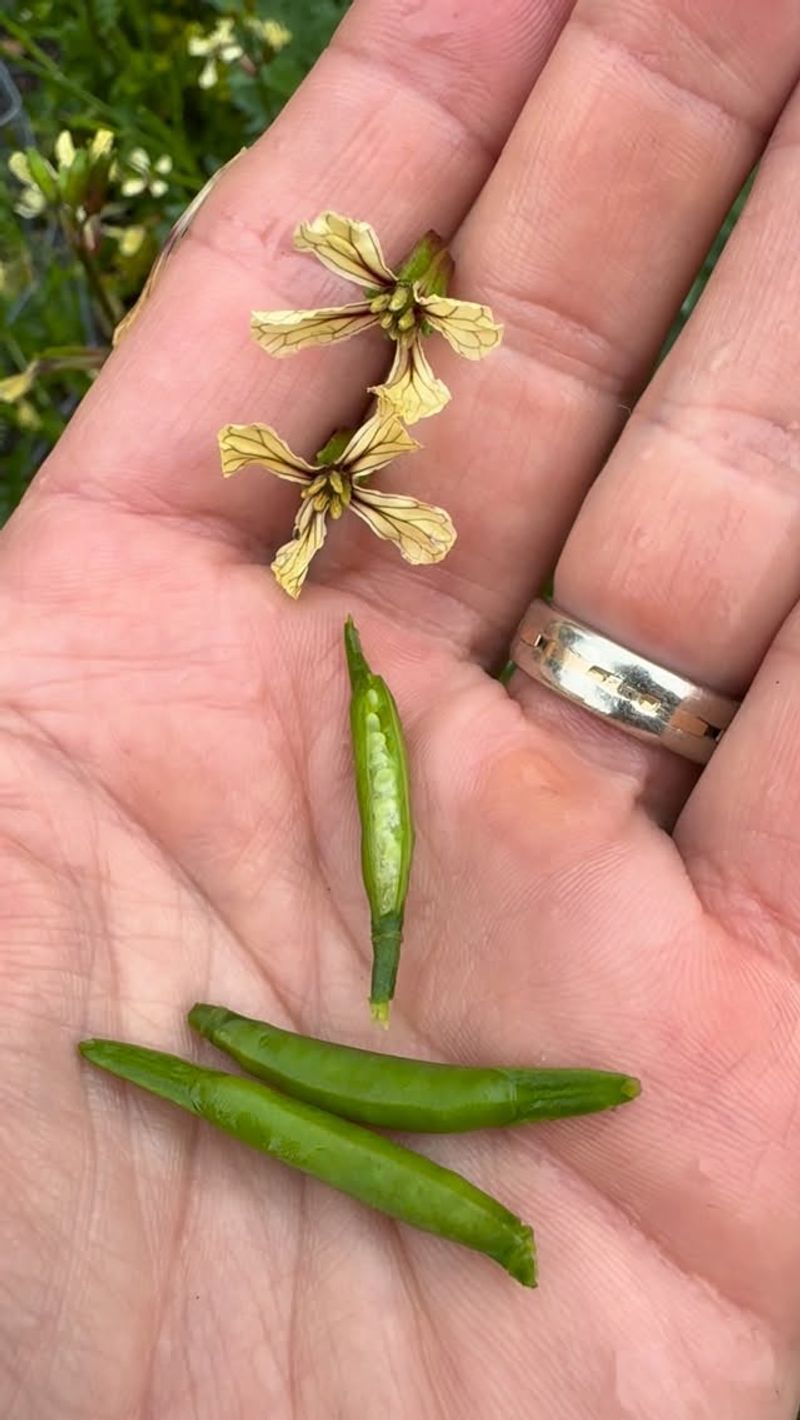
Arugula is the speedy friend who shows up early and leaves before dessert. Within weeks, it can go from salad leaves to flowering stalks.
Luckily, that quick schedule makes it one of the fastest seeds to save. You might collect a crop before the first frost arrives in your area.
Let a few plants flower freely, and enjoy their creamy white blossoms. Pollinators adore them, so your garden gets extra buzz too.
Slim pods form along the stems after flowering. When they turn tan and dry, the seeds inside are ready.
Watch closely, because ripe arugula pods can burst and scatter seeds on their own. A paper bag tied over the tops catches runaways.
Snip the stems into a large bowl and crush the pods with your hands. Tiny seeds tumble out, looking like specks of pepper.
Arugula can cross with other arugula varieties but not with lettuce. Grow one type to keep your spicy flavor true.
Seeds that escape often become volunteer plants next spring. Some gardeners let this happen on purpose for free, peppery greens each year.
Store collected seeds in a small jar in a cool, dry place. They usually stay viable for about four years.
Ancient Romans grew arugula and prized its peppery bite. Your fall harvest connects you to gardeners from over two thousand years ago.