10 Fast-Growing Privacy Shrubs Best Planted In Fall
Your backyard should feel like a cozy hideout, not a stage for the whole street. Yet every time you sip your morning coffee on the patio, someone next door waves hello.
Tall fences cost a small fortune and can look plain and uninviting to visitors. Living green walls, on the other hand, quietly rustle in the breeze and smell like fresh, cool pine.
September air carries that crisp, golden apple-cider feeling that makes digging in the dirt a real joy. Warm soil and cool days give young roots a secret head start.
By next summer, your little saplings could already be taller than your teenager. Birds will move in, bees will buzz by, and the busy street noise will fade to a quiet hush.
Grab a shovel, a sturdy pair of gloves, and a little extra patience. Soon the only one still peeking into your yard will be a very confused squirrel.
1. Green Giant Arborvitae Shoots Up Like A Green Rocket
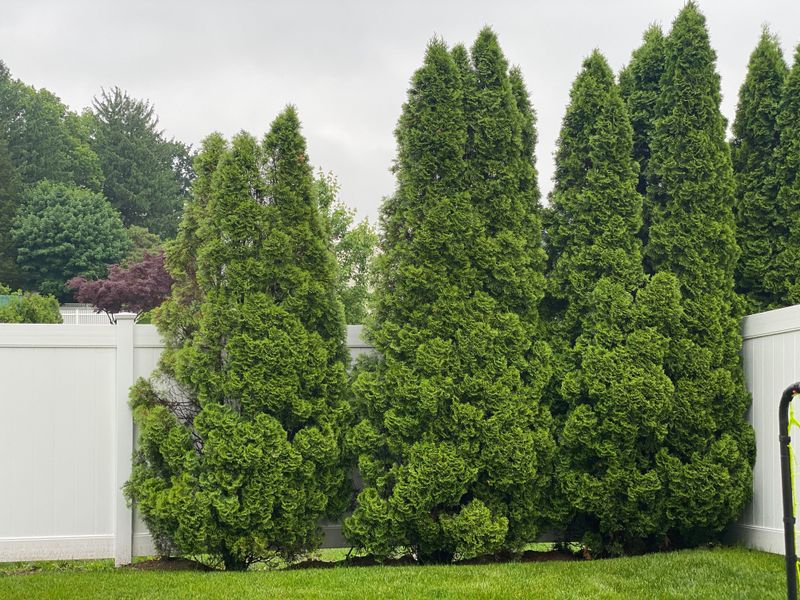
Picture a neighbor peeking over the fence one spring, then suddenly seeing nothing but a wall of soft green. That kind of surprise is exactly what Green Giant arborvitae delivers in just a few seasons.
This evergreen can grow three to five feet per year once its roots settle in. Mature plants often reach thirty feet tall and about ten feet wide, so give them room.
Fall is the sweet spot for planting because the soil stays warm while the air cools down. Roots keep growing underground for weeks, even after the top of the tree looks like it is resting.
Space each plant about five to six feet apart for a thick screen. Dig a hole twice as wide as the root ball, but no deeper than the container.
Water deeply once or twice a week until the ground freezes, especially if autumn turns dry. A three-inch layer of mulch helps hold moisture and keeps roots cozy through winter.
Most gardeners in zones five through eight find this tree easy to please in sun or light shade. Just avoid soggy spots, since standing water around the roots can cause trouble over time.
Here is a fun bonus for busy families who hate yard chores. Deer tend to leave Green Giants alone more than other arborvitae, and the plants rarely need trimming to stay tidy.
2. Leyland Cypress Races To The Sky In Record Time
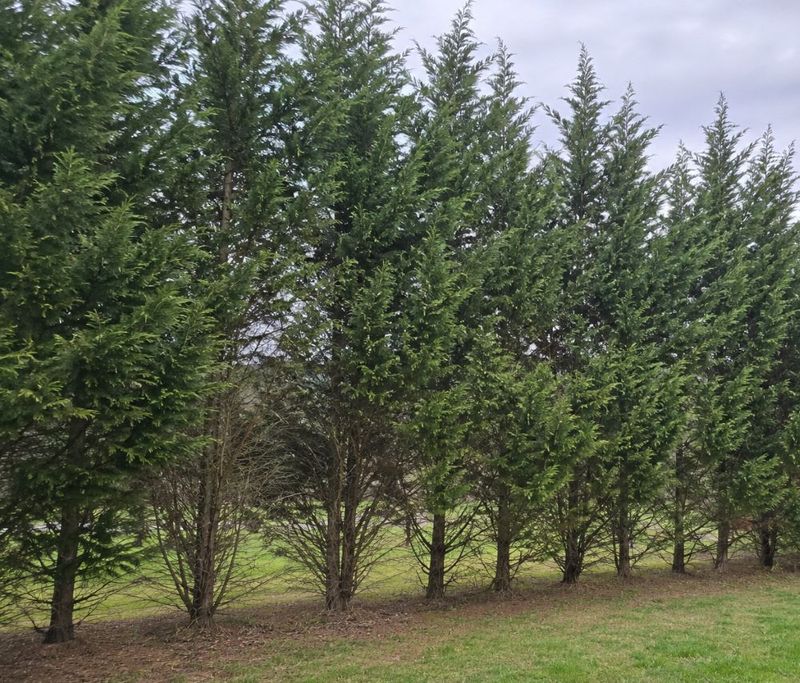
Few shrubs can match the raw speed of Leyland cypress. Gardeners have watched this feathery evergreen stretch four feet in a single growing season.
Its soft, gray-green branches create a thick screen that blocks nosy views and noisy traffic. Many homeowners use it along long property lines where they need coverage fast.
Here is a fun history bit worth sharing at dinner. This tree is a natural hybrid that first appeared in Wales in 1888, when two cypress species crossed by chance.
Planting in September or October lets roots settle before summer heat returns. Cool air means less stress on the needles, so young trees look healthier by spring.
Space plants six to eight feet apart, since each one can spread fifteen feet wide someday. Crowding them too tightly invites fungus problems and weak, thin branches down low.
Pick a sunny spot with soil that drains well after a heavy rain. Leyland cypress handles clay better than many evergreens, but soggy ground makes it unhappy quickly.
Plan on trimming the sides once a year if you want a neat hedge. Left alone, this speedy grower can top sixty feet, which is taller than most houses.
Water weekly through fall and during dry winter spells when the ground is not frozen. A thirsty cypress turns brown fast, while a well-watered one stays fresh and full.
3. Skip Laurel Fills Gaps With Glossy Green Leaves
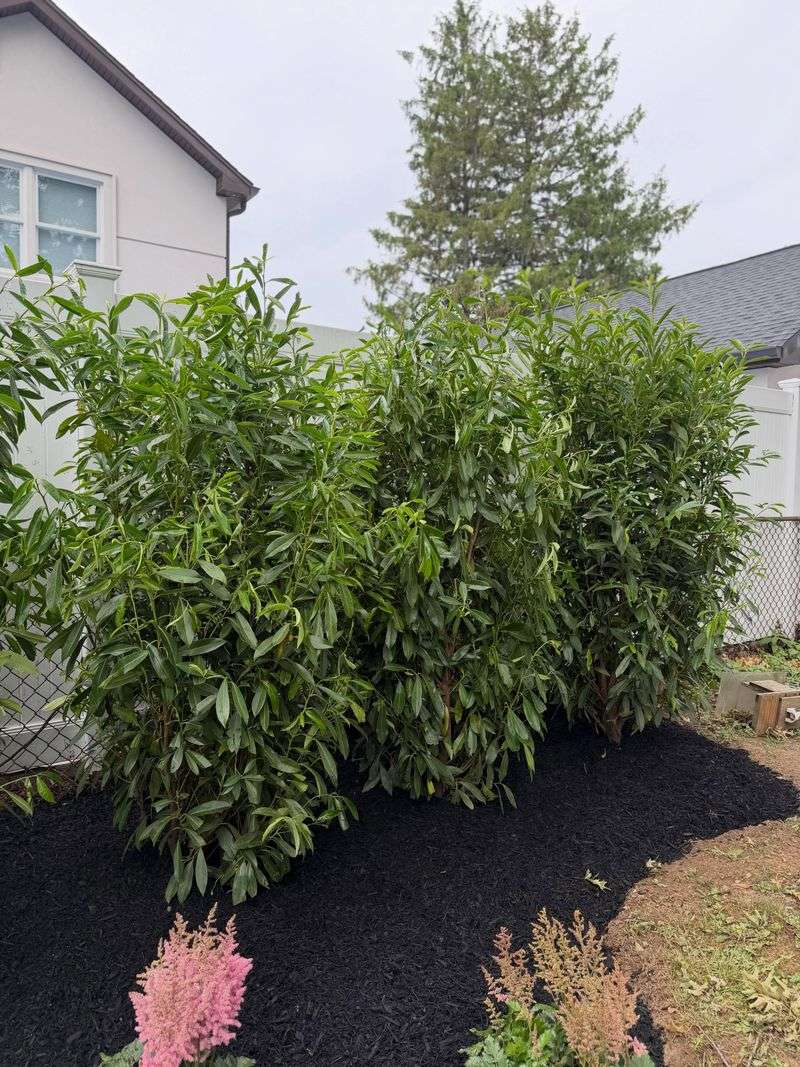
Shiny leaves that sparkle after rain make skip laurel feel a little fancy. Yet this evergreen shrub is tough enough for busy yards and forgetful gardeners.
Also called Schip laurel, it grows about two feet per year in good conditions. Most plants settle at ten to eighteen feet tall, making a perfect living wall.
Unlike picky evergreens, skip laurel handles both bright sun and fairly deep shade. That makes it handy for spots under tall trees or beside a shady garage wall.
In spring, spikes of tiny white flowers pop up and smell sweet. Birds later snack on the dark purple berries, so your hedge doubles as a bird cafe.
Fall planting gives the roots a head start before winter slows everything down. Aim to plant at least six weeks before your first hard freeze arrives.
Set shrubs about three to four feet apart for a thick, fast screen. Mix some compost into the planting hole, then water until the soil feels like a damp sponge.
Pruning is simple, since the shrub bounces back quickly from a good trim. A light shaping after it blooms keeps the hedge tidy and encourages fresh, leafy growth.
One quick warning for pet owners is worth knowing ahead of time. The leaves and seeds are toxic if eaten, so keep curious dogs from chewing on fallen trimmings.
4. Wax Myrtle Laughs Off Salty Wind And Soggy Soil
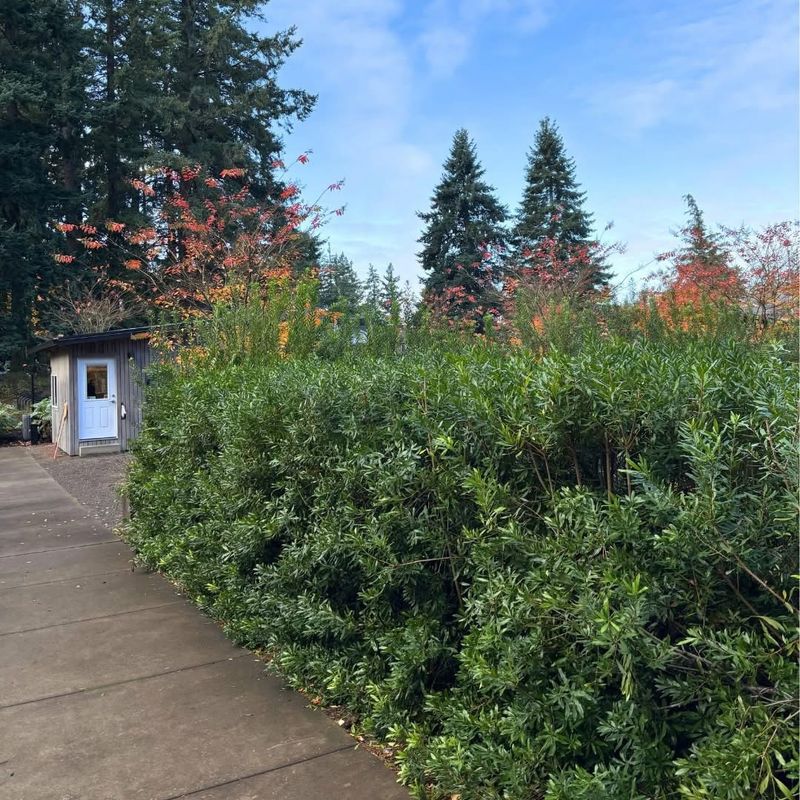
Coastal gardeners have a secret weapon, and it smells like a spice cabinet. Crush a wax myrtle leaf between your fingers, and you get a fresh, piney scent.
This native evergreen grows three to five feet each year in warm climates. It can reach fifteen to twenty feet, forming a dense, bushy screen with very little help.
Salt spray, sandy soil, and soggy spots do not bother it much. That toughness makes wax myrtle a favorite near beaches, ponds, and low areas that stay wet.
Early American colonists boiled the waxy gray berries to make fragrant candles. The name bayberry comes from this plant family, and those holiday candles still carry its scent.
Plant in fall across zones seven through eleven for the best results. Cooler weather lets roots spread out without the stress of blazing summer sunshine overhead.
Space plants about five feet apart if you want them to knit together quickly. Full sun gives the thickest growth, although partial shade works fine too in most yards.
Only female plants make berries, so buy a mix if you want to feed birds. Yellow-rumped warblers and bluebirds love the grayish fruit during chilly months.
Trim lower suckers each year to keep the base neat and full. A quick shearing in late winter shapes the hedge nicely before spring growth takes off again.
5. California Privet Builds A Hedge Faster Than You Think
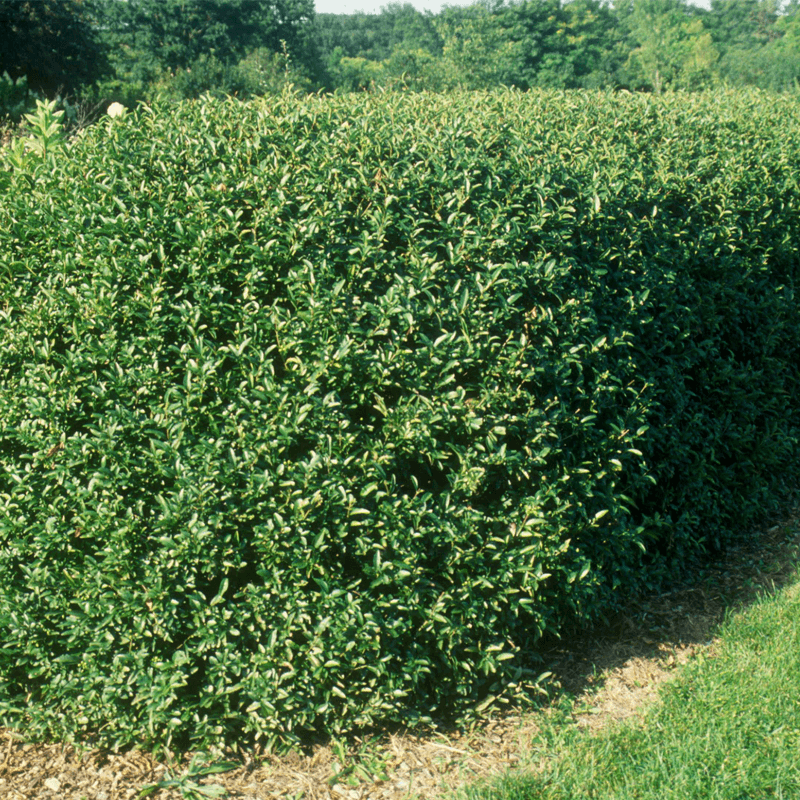
Ask an old-school gardener about hedges, and privet usually comes up first. Grandparents across the country planted it for a reason, and that reason is speed.
California privet can grow up to three feet in a single year. It handles heavy pruning so well that people shape it into boxes, arches, and even animals.
Mature plants reach about ten to fifteen feet if nobody trims them. Most folks keep it between five and eight feet for a crisp, classic look.
The shrub stays mostly green in mild areas but may drop leaves in harsh winters. Zones six through nine suit it best, especially in spots with plenty of sun.
Fall is a great time to plant bare-root privet, which costs much less than potted shrubs. Buying in bulk makes long hedges affordable for families watching their budget.
Dig a trench instead of single holes, then set plants about a foot and a half apart. Water them well and cut the tops back by a third to encourage bushy growth.
Trim your hedge so the bottom is slightly wider than the top. Sunlight then reaches the lower branches, which keeps the base thick instead of bare.
One heads-up is that privet can spread into wild areas in some regions. Check with your local extension office, and remove berries if invasiveness is a concern.
6. Nellie Stevens Holly Screens Your Yard With Style
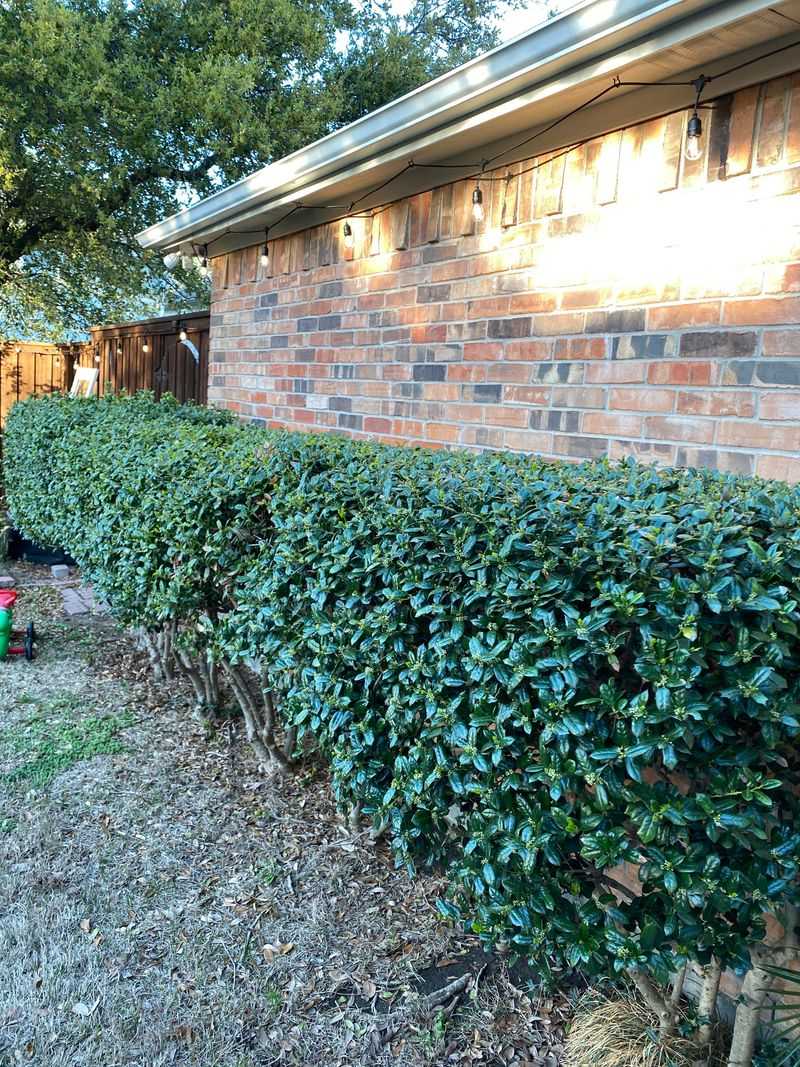
Imagine a hedge that looks like a holiday card all winter long. Nellie R. Stevens holly brings glossy leaves and bright red berries right to your backyard.
It grows about two to three feet per year, which is quick for a holly. Over time, it forms a thick, handsome pyramid fifteen to twenty-five feet tall.
Those pointy leaves do much more than just look pretty. It also creates a natural boundary that keeps pets in and casual foot traffic out.
Here is a quirky fact for trivia fans and history buffs. The original plant grew from a seed collected by Miss Nellie Stevens in Maryland around 1900.
Planting in early fall lets roots grow before cold weather arrives in zones six through nine. Pick a sunny or partly shady spot with rich, well-drained soil.
Space each holly about six feet apart to create a solid screen. Water deeply every week for the first year, especially during dry fall and winter stretches.
Most hollies need a male partner for berries, but this one is different. It can produce plenty of fruit on its own, which saves space and money.
Birds such as cedar waxwings and robins will happily visit for a winter snack. Prune lightly in late winter, and save the clippings for festive holiday decorations indoors.
7. Arrowwood Viburnum Brings Birds And Blooms Together
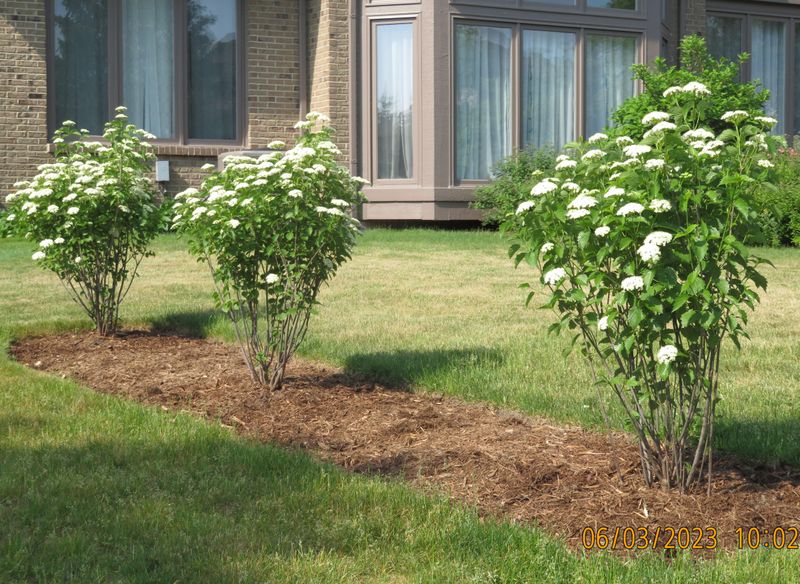
Native Americans once used the straight stems of this shrub to make arrow shafts. That is how arrowwood viburnum got its name, and it still earns respect today.
This native shrub grows one to two feet a year and reaches six to ten feet tall. Its many stems create a thick, rounded screen that looks natural and relaxed.
Late spring brings flat clusters of creamy white flowers that buzz with bees. By late summer, deep blue berries appear, and songbirds swoop in to feast.
Autumn is when this shrub shows off the most. Leaves turn shades of red, orange, and purple, so your privacy hedge doubles as a fall color show.
Since it drops its leaves in winter, arrowwood works best for summer privacy. Many gardeners mix it with evergreens for a layered look that stays interesting year-round.
Hardy from zones three to eight, it handles cold winters like a champ. Sun or part shade both work, and it does not mind heavy clay soil at all.
Plant it in fall about five feet apart, and water until the ground freezes. Planting two different varieties nearby helps each shrub produce more berries for wildlife.
Pruning takes just a few minutes each year after flowering ends. Cut a few of the oldest stems to the ground, and fresh shoots will quickly replace them.
8. Silverberry Shrugs Off Heat And Drought With Ease
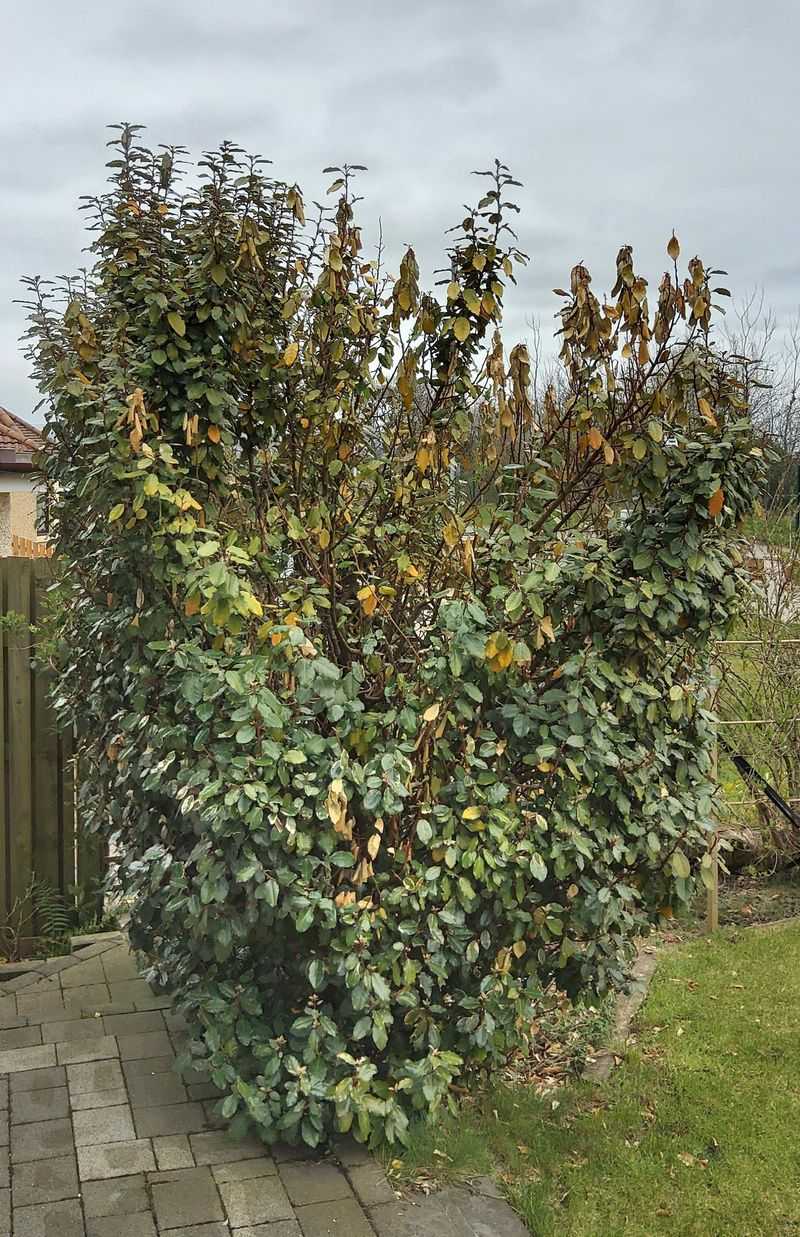
Walk past a silverberry hedge in October, and a sweet smell might stop you in your tracks. Tiny hidden flowers bloom under the leaves in fall, perfuming the whole yard.
Also known as elaeagnus, this evergreen can easily grow over two feet per year. It reaches about ten to fifteen feet tall and just as wide if left alone.
The leaves have a silvery underside that shimmers when the wind blows. Up close, they look like they have been sprinkled with tiny silver flecks of glitter.
Hot summers, poor soil, and dry spells barely slow this tough shrub down. It also handles salty air, making it popular along busy highways and coastal neighborhoods.
Fall planting works great in zones seven through nine, where winters stay fairly mild. Space plants about six feet apart, since each one spreads wide over time.
Long branches sometimes shoot out in odd directions, like a wild bad hair day. A quick trim two or three times a year keeps the hedge looking neat.
Some varieties produce small reddish berries that birds and even people can eat. Thorny varieties also form a natural barrier that keeps deer and curious passersby out of the yard.
Before buying, check whether elaeagnus spreads too aggressively in your state or region. Sterile or well-behaved varieties like Gilt Edge give you speed without the worry.
9. Red Tip Photinia Paints Your Fence Line In Ruby
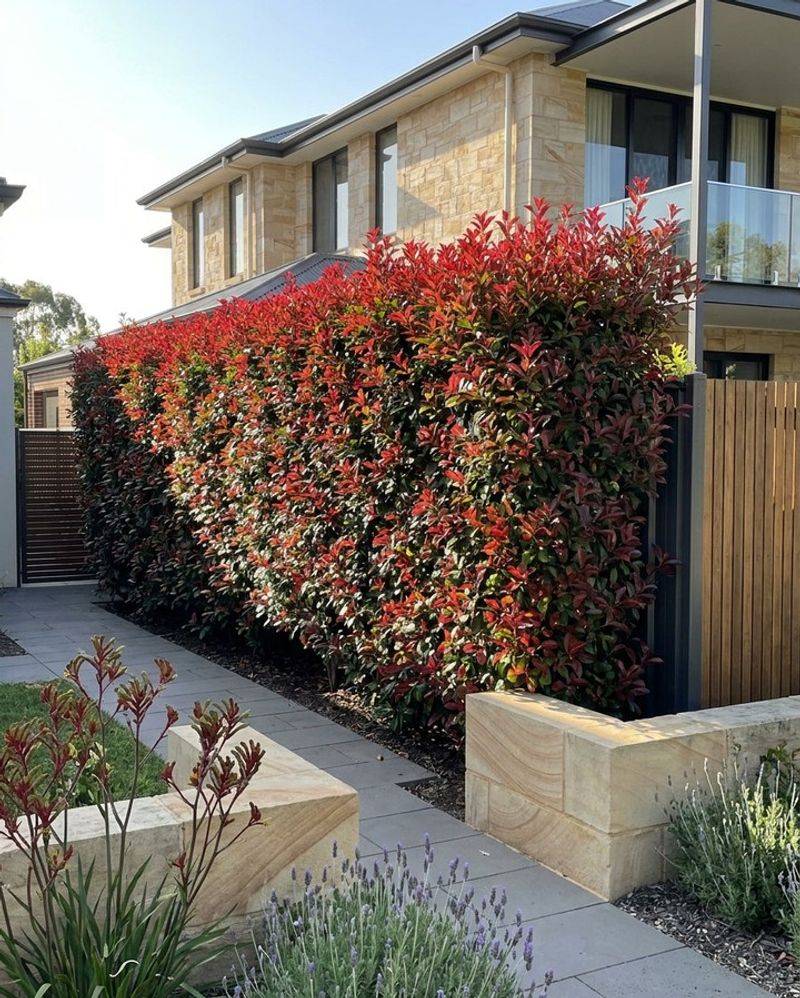
Who says a privacy hedge has to be plain green? Red tip photinia bursts with bright red new leaves every spring and again after each trim.
Those fiery leaves slowly fade to deep green as they mature. The mix of colors gives your yard a lively look without planting a single flower.
This evergreen shrub grows two to three feet per year in the right spot. It reaches ten to fifteen feet tall, perfect for blocking a neighbor’s second-story window.
Leaf spot disease is the main trouble photinia faces, especially in crowded, damp conditions. Give each shrub plenty of air by spacing them about five feet apart.
Fall planting helps a lot because cooler, drier weather means fewer fungus problems. Roots settle in quietly, ready to support a burst of red growth next spring.
Choose a sunny spot with soil that drains well, and water at the base. Wet leaves invite disease, so skip the sprinkler and use a soaker hose instead.
Zones seven through nine suit photinia best, since it prefers mild winters. Newer varieties like Red Robin and Fraser photinia tend to resist leaf spot better.
Small white flower clusters show up in spring, though some people find their smell a bit funky. Birds happily munch the red berries later.
Want more red on display? Trim lightly a few times each season, and fresh crimson leaves will pop out like fireworks.
10. Clumping Bamboo Whispers Privacy Into Tiny Spaces
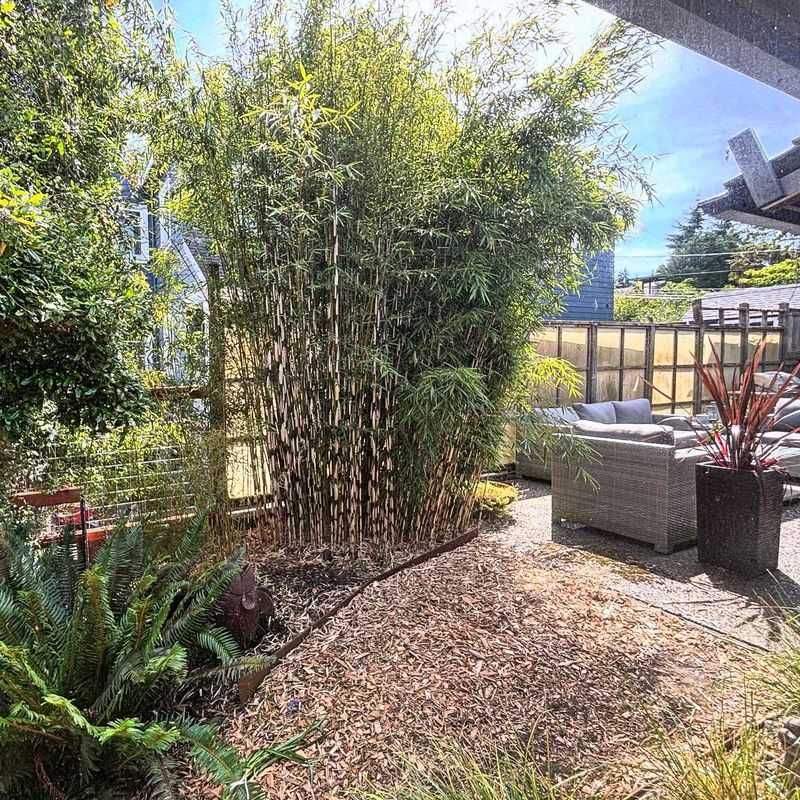
Listen closely on a breezy day, and a bamboo screen sounds like soft rain. Clumping bamboo brings that calm, spa-like feeling to patios and narrow side yards.
Unlike running bamboo, clumping types stay in tidy bunches instead of invading the neighborhood. Varieties like Fargesia spread only a few inches each year at the base.
Once established, new shoots can shoot up several feet in just a few weeks. Most clumping kinds reach eight to fifteen feet tall, forming a leafy green curtain.
Here is a wild fact to share with friends. Some bamboo species grow over thirty inches in a single day, making them among the fastest plants on Earth.
Fall planting lets the roots grow while cooler weather protects the tender leaves. Plant each clump about three to five feet apart for a thick screen.
Cold-hardy Fargesia handles winters down to zone five and prefers some afternoon shade. Warmer regions can try Bambusa types, which love heat and full sun.
Keep the soil moist but not soggy during the first year. A layer of mulch, or even its own fallen leaves, helps hold water in place.
Bamboo also works wonderfully in large containers on balconies or rooftop decks. Just remember that potted plants dry out faster and need extra water in windy weather.
Thin out a few older canes each spring to keep the clump airy and bright. Your patio will feel like a hideaway soon.