Ignoring Crabgrass Before Fall Means A Bigger Problem Next Year
Late summer lawns have a certain smell, like warm hay mixed with sprinkler water. Kick off your shoes, and the grass feels crunchy, soft, and a little suspicious right underfoot.
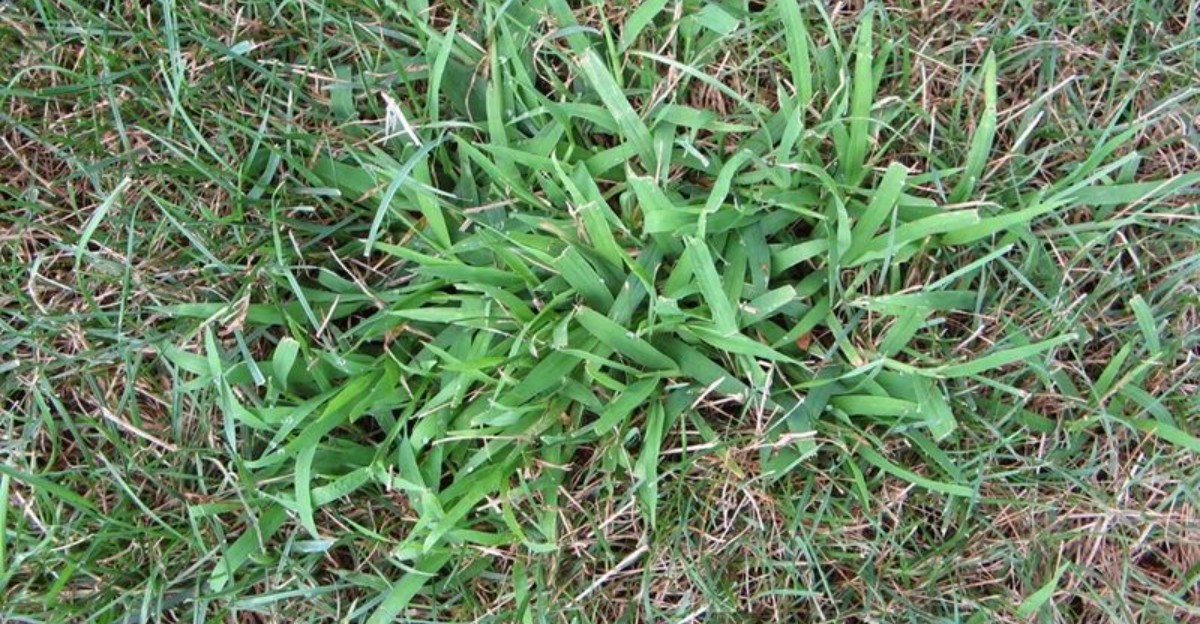
Look closer and you might spot sprawling green fingers hugging the sidewalk. They spread out low along the ground, like tiny octopuses sunbathing after a long vacation.
Most folks just shrug and figure the cold weather will handle it soon enough. After all, the first hard frost does sweep away plenty of summer mischief.
Nobody really mentions the catch at backyard barbecues, but it’s there. Those sneaky sunbathers are already quietly packing their suitcases full of seeds for next year.
So while you sip cold lemonade, your lawn is quietly running a secret seed bank. Honestly, it has better savings habits than most of us ever do.
A Single Plant Can Leave Thousands Of Seeds Behind
Picture one scrappy clump of crabgrass sitting in the corner of your yard, looking pretty harmless. By September, that single plant may be holding as many as 150,000 tiny seeds.
Crabgrass is an annual, which means it lives for only one growing season. Its whole plan is to leave behind plenty of babies before cold weather arrives.
Those seeds drop quietly into the soil and settle in for a long winter nap. Many of them can stay alive in the ground for three years or more.
So ignoring the weed now does not just mean one messy patch this fall. It means planting a surprise crop that pops up across the lawn next May.
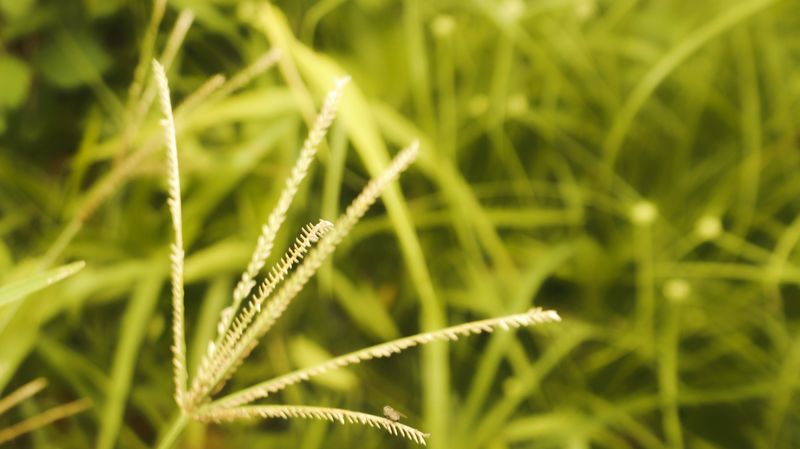
Seed heads look like skinny purple or green fingers spreading out from the top of a stem. Once you notice them, you will start seeing them everywhere.
Mowers, shoes, and even pets can carry loose seeds to fresh spots in your yard. A small problem by the driveway can quickly become a whole front lawn issue.
The good news is that you can break the cycle before seeds scatter. Pulling or bagging plants with seed heads in early September makes a real difference.
Think of it as cleaning up before the party guests multiply. Every clump you remove now means hundreds fewer weeds fighting your grass next summer.
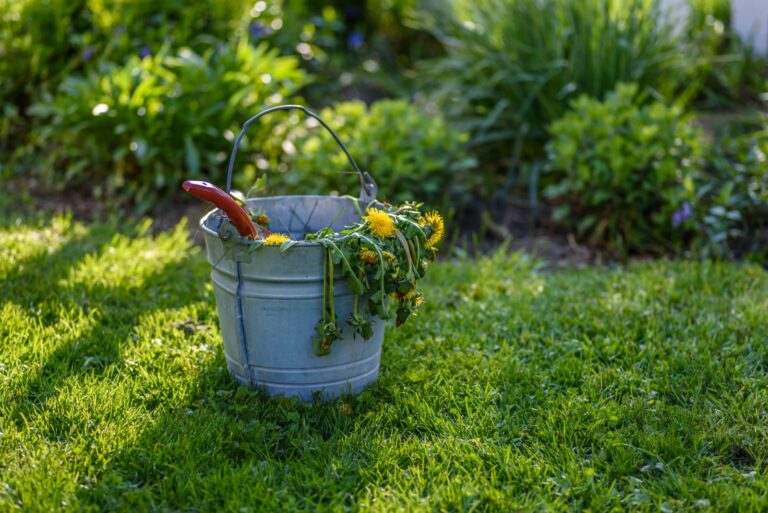
Grab a bucket, put on some gloves, and make it a quick weekend chore. Your future self will thank you when spring arrives looking tidy.
The Late Summer Seed Rush
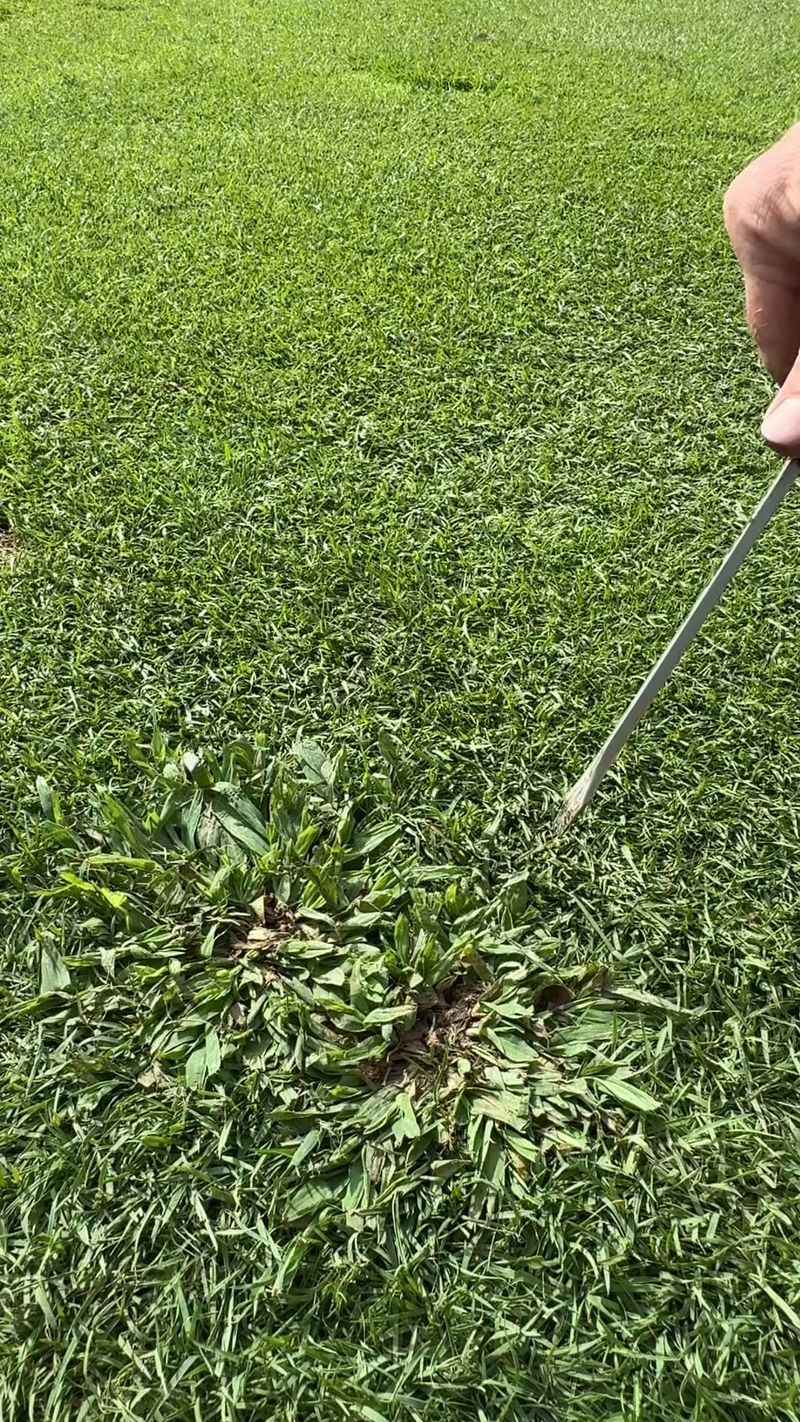
Here is a funny thing about crabgrass: it gets busier as summer winds down. Shorter days act like an alarm clock telling the plant to make seeds fast.
Through July, the weed spends its energy growing wide and flat. Once August rolls around, it switches gears and pushes up those finger-like seed heads.
By early September, many seeds are ripe and ready to fall. A strong breeze or a quick mow is enough to shake them loose.
That timing is what makes this month so important for homeowners. You have a narrow window before the plant finishes its big job.
Hot, dry weather also plays a part in the rush. Crabgrass loves heat, while cool-season lawns like fescue and bluegrass slow down in summer stress.
When your turf is tired and thin, the weed happily fills every open gap. Those gaps give seeds a perfect spot to land and wait for spring.
A quick walk around the yard this week can tell you a lot. Look along sidewalks, driveways, and sunny edges where soil warms up fastest.
If you see seed heads, act soon rather than later. Snipping them off before they open helps stop the rush in its tracks.
Did you know crabgrass got its name from the way it sprawls like crab legs? Once you picture it, that image tends to stick around.
Much like a crab at the beach, it is quick to scuttle into any open space. Beat it to the punch while you still can.
The Costly Mistake Of Waiting For Frost
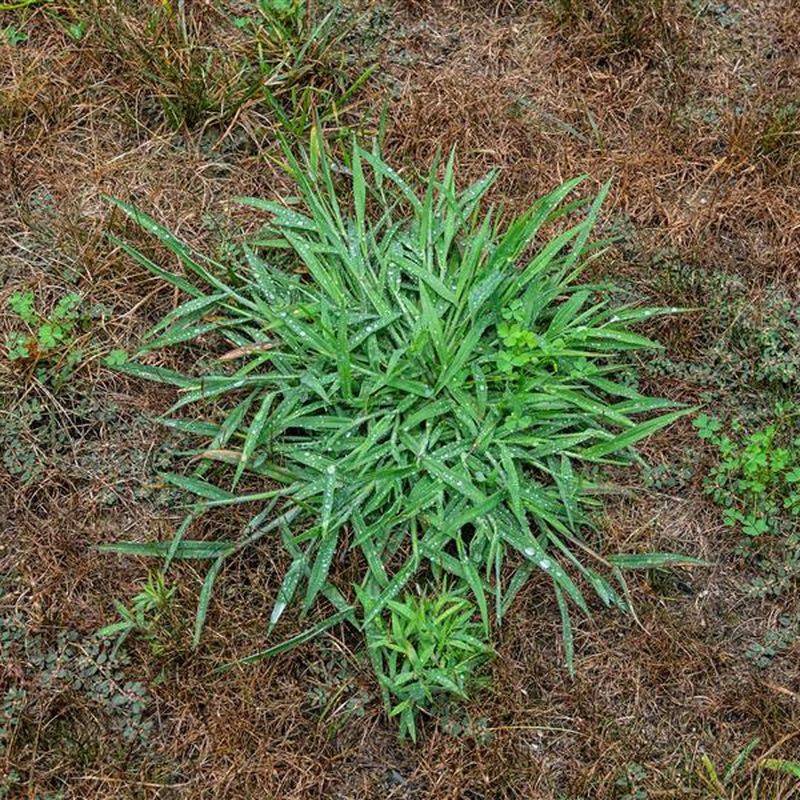
Plenty of people treat the first frost like a free cleanup crew. Sure enough, crabgrass turns brown and fades away once nights get chilly.
It feels like a win, but the weed has already done its sneaky work. Frost only ends the parent plant, not the thousands of seeds tucked in the soil.
Waiting it out is a bit like ignoring a leaky faucet because you are leaving town. The mess is still there when you come home.
Another common slip is spraying weed treatments late in the season. Mature crabgrass is tough, and most sprays barely bother it by September.
You end up spending money on products that do very little. Worse, harsh chemicals can stress your lawn right when it needs to recover.
Mowing too short is another trap people fall into during late summer. Grass cut too short lets sunlight hit bare soil, which crabgrass seeds adore.
Instead, set your mower higher, around three to four inches for most cool-season lawns. Taller grass shades the ground and makes life harder for weeds.
Bagging clippings from weedy areas also helps a lot right now. Otherwise, you may be spreading seeds across the yard with every pass.
Small choices like these add up faster than you might think. A little effort in September saves a lot of frustration next June.
So skip the wait-and-see plan this year. Frost is a helpful neighbor, but it is not the superhero your lawn is quietly hoping for.
Bare Patches Left Behind In Autumn
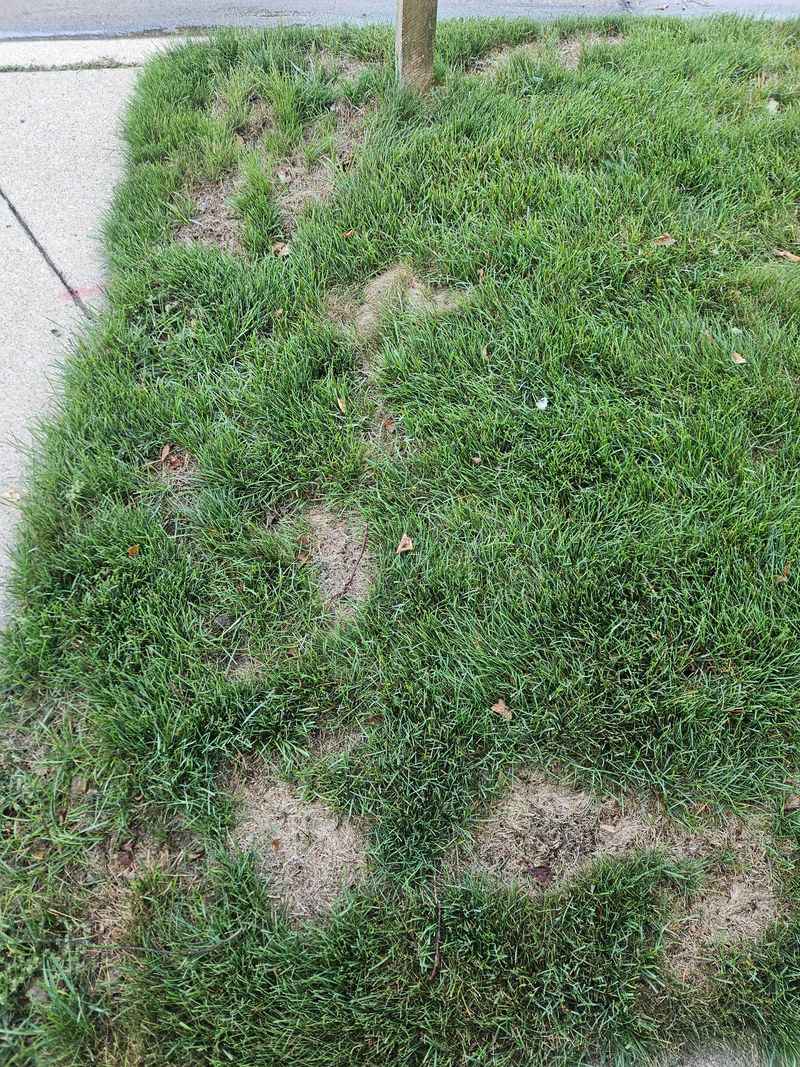
Walk across a weedy lawn in late October and you may notice something odd. Brown, flattened spots appear where green clumps used to sprawl.
Those spots are what crabgrass leaves behind after cold weather ends its season. Since the weed pushed your real grass aside, nothing healthy remains underneath.
Bare soil through winter is an open invitation for trouble. Rain can wash it away, and spring weeds find it easy to move right in next year.
It is a sneaky cycle that repeats year after year. More bare ground means more room for seeds, which means even more patches later.
Many homeowners are surprised by how big these gaps can be. A lawn that looked full in August can look patchy and tired by November.
Curb appeal takes a hit too, especially in front yards. Neighbors might not say anything, but those brown blotches are hard to miss from the street.
The upside is that autumn is the best time to fix bare ground. Soil stays warm while the air cools, which helps new grass sprout fast.
Rake away the brown weed remains so seeds can touch the soil. Loosen the top layer a bit with a garden rake before planting.
Even small patches deserve attention, since they tend to grow wider over time. Treat each spot like a tiny garden bed waiting for a fresh start.
Filling those holes now takes away the welcome mat for next year’s weeds. Healthy turf is the toughest barrier any lawn can have.
A September Rescue Plan For Thin Turf
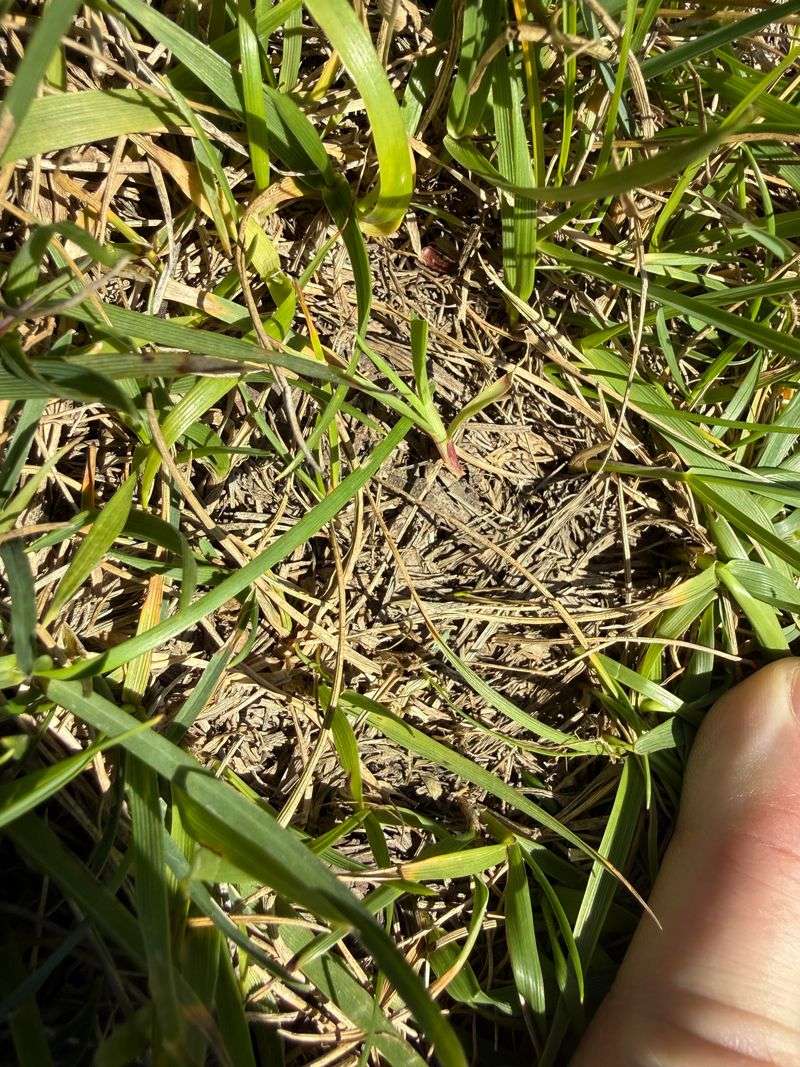
September turns out to be the golden hour for grass repair, lawn lovers. Warm soil and cool nights give new seed a perfect start.
Begin by pulling any crabgrass that still has seed heads attached. Bag them up instead of tossing them in the compost pile.
Next, give the lawn some breathing room with a core aerator. It pulls out small plugs of soil so water and air reach the roots.
Overseeding comes right after aerating, and it makes the biggest difference in this repair plan. Spread a quality seed that matches your region and sun levels.
For northern yards, tall fescue and Kentucky bluegrass are popular picks. They grow thick in fall and crowd out space weeds want.
Keep the new seed damp with light watering once or twice a day. After two or three weeks, you can water deeper and less often.
A fall fertilizer adds a helpful boost for young grass. Look for a starter blend that supports strong roots before winter sets in.
Skip any preemergent weed products during this repair step. They stop grass seed from sprouting too, which would undo all your hard work.
Stay off freshly seeded areas as much as possible for a few weeks. Tiny sprouts are fragile and flatten easily under shoes or bikes.
By late October, you should see a soft green carpet filling in. That thick turf becomes your best defense against next spring’s crabgrass.
Think of this plan as a fall tune-up for your yard. A little attention now keeps your lawn strong for seasons to come.
A Preemergent Barrier For Next Spring

Gardeners have an old trick tied to a cheerful yellow shrub. When forsythia blooms in spring, it is usually time to stop crabgrass before it starts.
That trick works because crabgrass seeds sprout once soil reaches about 55 degrees. Forsythia flowers around the same time, giving you a handy natural reminder.
A preemergent product creates a thin barrier in the top layer of soil. Seeds that try to sprout under it simply cannot grow roots.
Timing matters more than anything else with this step. Apply too late, and many seeds will already be up and growing strong.
Water the product in lightly after spreading so it settles into the soil. Then avoid digging or heavy raking, which can break the barrier.
Remember your fall overseeding, though, because young grass needs time to mature. Most experts suggest waiting until new turf has been mowed several times.
Healthy habits keep working all year long for your lawn. Mow tall, water deeply, and feed your grass on a regular schedule.
Thick grass shades the soil, and crabgrass seeds hate sitting in the dark. They need sunlight to wake up, so a dense lawn keeps them sleepy.
Jot down a reminder on your calendar for early spring right now. It takes only a minute but can save a whole season of weeding.
Putting in the effort this September sets the stage for next year. Pair fall repairs with spring prevention, and crabgrass will struggle to find room.