More Arizona Kingsnakes In Your Yard Means Fewer Rattlesnakes And Rats (How To Attract Them)
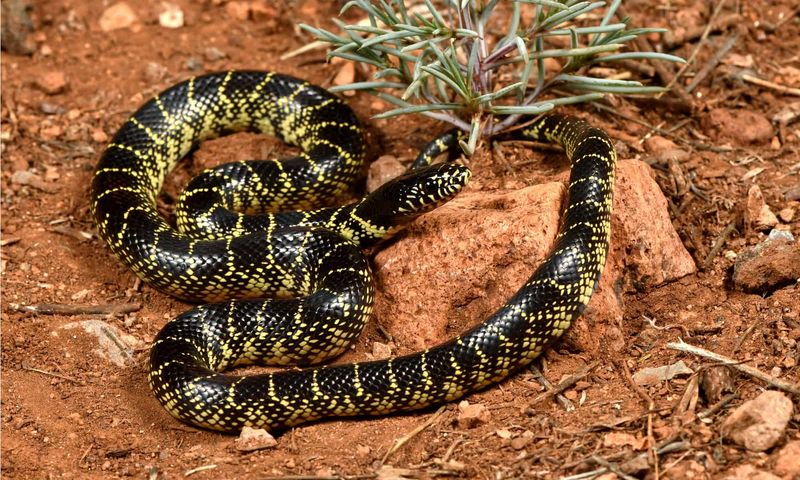
A sleek, glossy kingsnake slipping through your yard sounds like a dream if you have rattlesnakes or rats on your mind. These nonvenomous desert predators do eat both, which has given them a reputation as living pest control.
But the real story is a bit more complicated, and knowing the difference between what kingsnakes eat and what they can actually promise your yard matters a lot. Here is what the evidence actually shows, and how to think about kingsnakes as neighbors rather than hired help.
Which kingsnakes fit a low-desert yard?
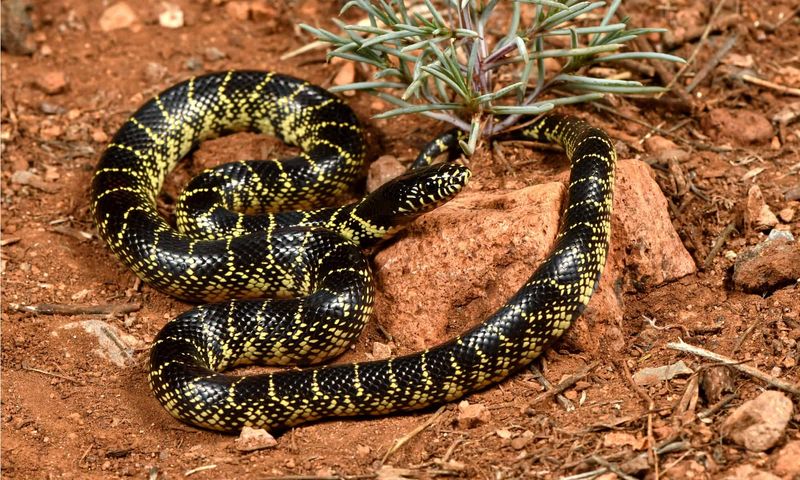
Not every snake called an “Arizona kingsnake” is the same animal, and the distinction matters if you live in Phoenix or Tucson. The name gets applied to more than one species, and mixing them up leads to real confusion about where these snakes actually live.
For low-desert yards, the relevant snake is the common kingsnake group. Arizona’s common kingsnake field account confirms the species occurs across most of the state, turning up in a wide range of habitats from valley floors to mid-elevation zones.
It is a stout, glossy snake with banded or striped patterning, well suited to the warm, dry conditions of the Sonoran Desert lowlands.
The Arizona mountain kingsnake is a very different animal. Brightly banded in red, black, and white, it is associated with rocky woodland and forest canyons at higher elevations, not the flat desert neighborhoods spreading across the Phoenix or Tucson metro.
Treating these two snakes as the same species, simply because both carry “Arizona kingsnake” as a common name, leads to bad assumptions about where each one lives and what to expect. If you spot a kingsnake in a low-desert yard, the common kingsnake group is the far more likely candidate.
What kingsnakes eat—and what venom tolerance means
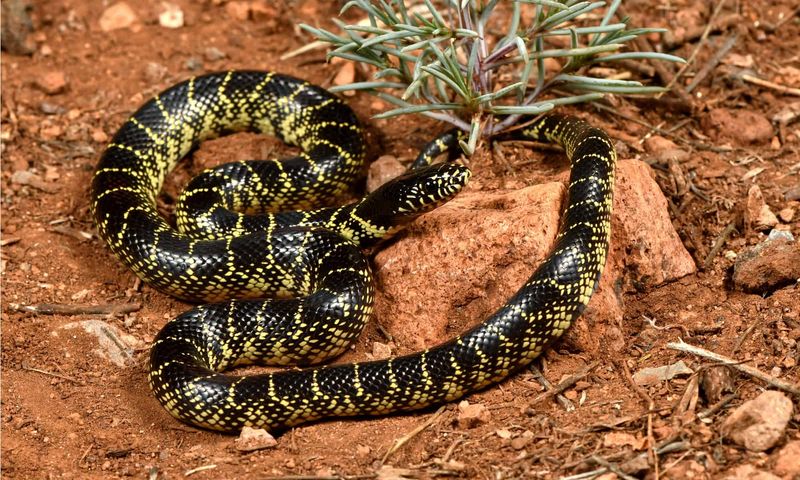
Common kingsnakes are not picky eaters. Arizona’s common kingsnake field account lists rattlesnakes, other snakes, lizards, mice, rats, amphibians, birds, and eggs among documented prey.
The National Park Service similarly describes them as opportunistic feeders with a broad diet that includes small mammals and other snakes. That breadth is actually key to understanding them: kingsnakes eat whatever they can catch and overpower, not just the two pests homeowners most want gone.
One of the most remarkable things about common kingsnakes is their relationship with rattlesnake venom. They are believed to be immune to, or at least highly tolerant of, rattlesnake venom, which allows them to take on prey that would be dangerous or lethal to most other predators.
That tolerance is real and well-documented, but “believed to be” is the honest framing here, not a guaranteed absolute.
Venom tolerance explains how a kingsnake can physically win an encounter with a rattlesnake. It does not mean kingsnakes seek out rattlesnakes as a preferred food source, or that they will patrol your property for them.
Rattlesnakes are one item on a long menu, and a kingsnake’s next meal is just as likely to be a lizard or a mouse as it is another snake.
Your Arizona Garden Changes Every Week. Your Plan Should Too.
Gardening in Arizona changes quickly throughout the season. Every Friday you’ll receive a simple weekly plan showing exactly what to plant, prune, fertilize, harvest, and protect so you never miss the right timing.
Eating pests does not guarantee fewer pests
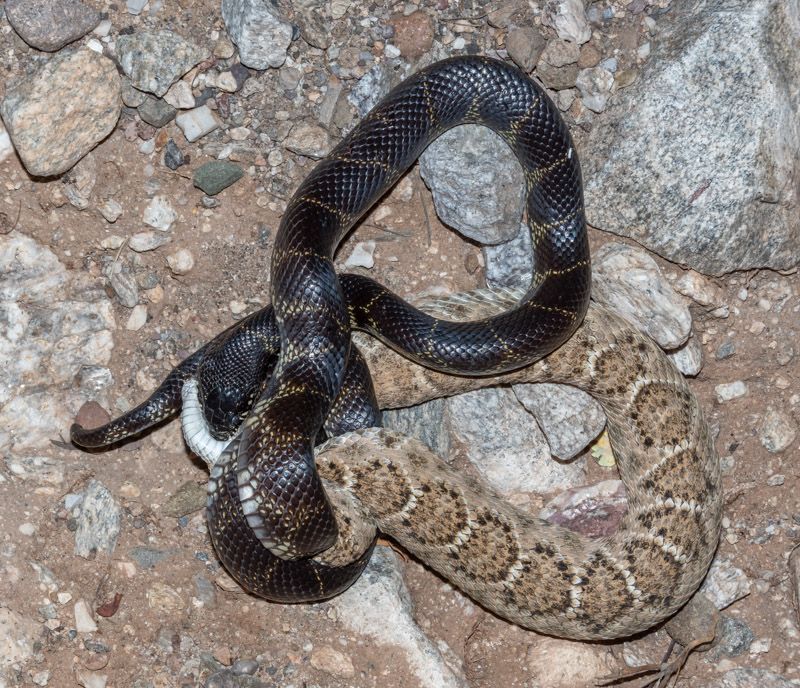
Here is the honest answer to the question the title raises. Yes, common kingsnakes eat rattlesnakes.
Yes, they eat rats and mice. No, having one in your yard does not reliably mean you will end up with fewer of either.
Diet records tell us what a kingsnake can eat, not how many rattlesnakes or rodents it removes from a specific neighborhood in a given season. A single kingsnake passing through a yard may eat one rat or none at all.
It may encounter a rattlesnake or never cross paths with one. The sources that document kingsnake prey, including the field accounts from the Reptiles of Arizona and the National Park Service’s Saguaro site, describe what these snakes are capable of eating, not predictable population reductions around homes.
Rodent and rattlesnake numbers around a house are shaped by food sources, shelter, seasonal movement, and neighboring habitat, none of which a visiting kingsnake controls. Expecting a kingsnake to function as residential pest management puts a lot of weight on an animal that moves through a territory, eats when it can, and has no interest in the specific problems your yard presents.
Appreciating a kingsnake for what it is, a capable native predator, is more accurate than treating it as a solution to a pest problem.
Where common kingsnakes are more often found
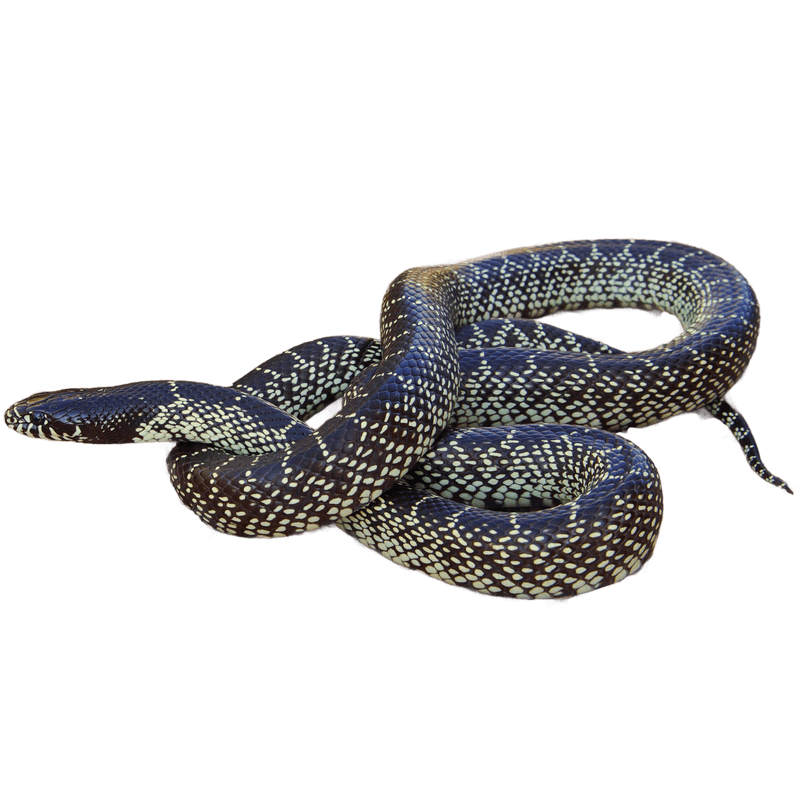
Common kingsnakes do show up across most of Arizona, but they are not equally likely everywhere. Field records show they turn up more often near water, seasonal drainages, agricultural edges, orchards, mesquite bosques, and grasslands than in open, baked-flat desert.
That pattern makes sense for a predator that depends on finding prey, and prey concentrates where there is water and vegetation.
For Phoenix and Tucson homeowners, this means a yard near a wash, a canal, a park with dense native plantings, or a neighborhood that backs up to natural desert has a better chance of a kingsnake passing through than a yard surrounded by concrete and gravel. Arizona’s common kingsnake account describes these habitat associations clearly, and they are worth knowing because they explain where sightings cluster.
What these patterns do not do is give you a formula for pulling a kingsnake into your yard on demand. Habitat associations describe where the snakes tend to be found across a landscape, not a checklist you can replicate in a suburban lot to guarantee a visit.
A yard near good habitat has more opportunity, but opportunity is not the same as a sure thing. Kingsnakes move on their own schedule for their own reasons, and a favorable location simply improves the odds, nothing more.
Support native wildlife without trying to lure snakes

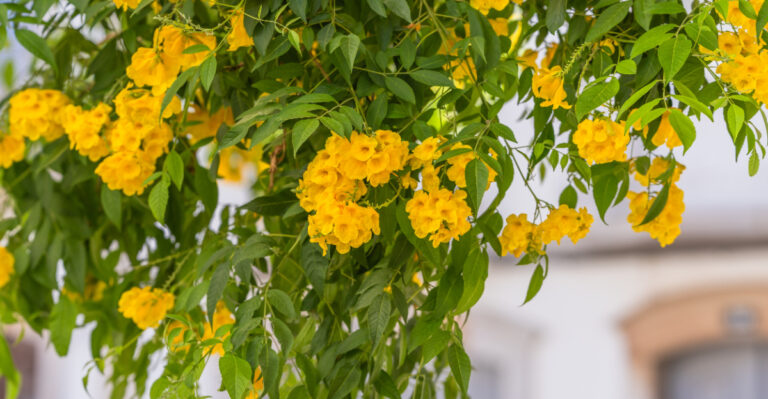
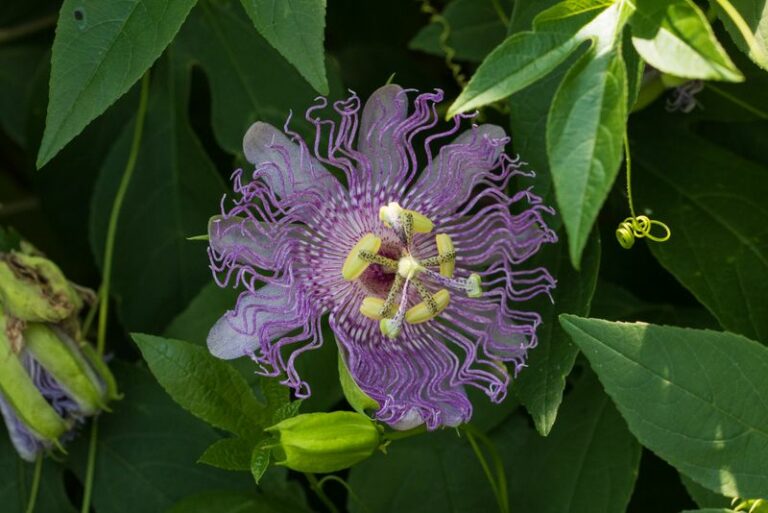
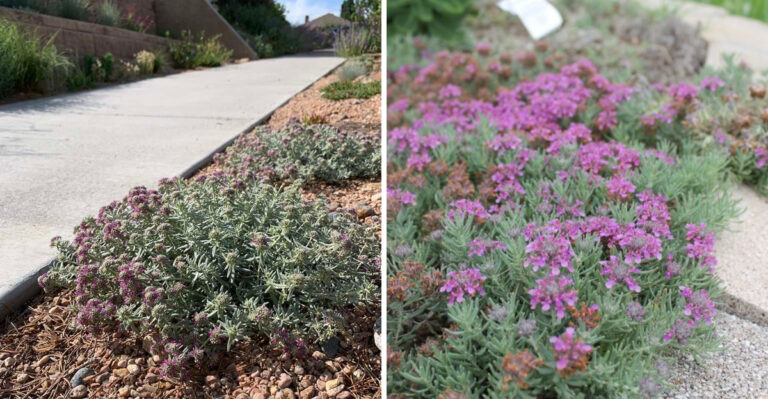
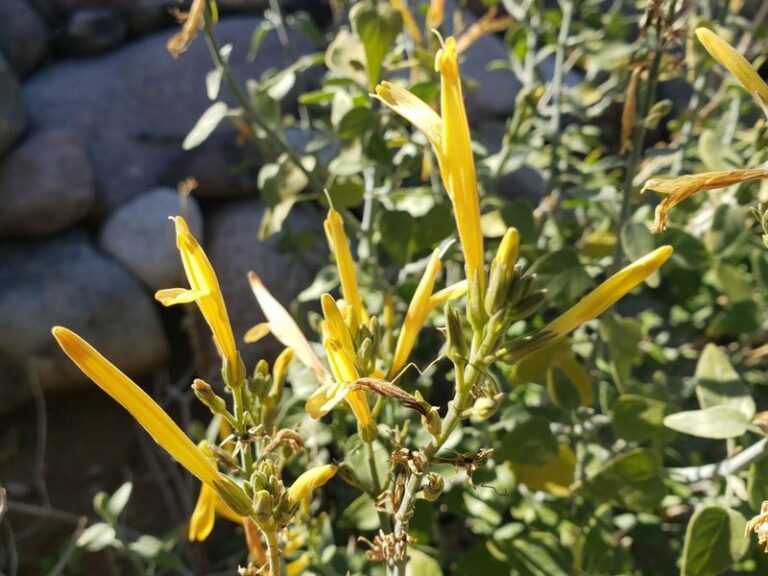
Planting native species and reducing lawn coverage genuinely helps native wildlife in low-desert Arizona. Palo verde, desert willow, native penstemon, and similar plants support insects, birds, and small animals that form the base of a healthy local food web.
University of Arizona Cooperative Extension guidance on landscaping for wildlife explains that native plants benefit native animals broadly, making them a sound choice for anyone who wants a yard that functions as habitat.
That said, no specific plant or landscaping arrangement has been shown to reliably draw kingsnakes to a Phoenix or Tucson yard. Native planting supports the whole local community of wildlife, and a kingsnake might eventually pass through, but the planting itself is not a kingsnake magnet.
Frame any habitat work as an investment in the broader ecosystem, not as a strategy aimed at one particular species.
A few cautions are worth keeping in mind. Adding food sources like birdseed or leaving dense brush piles near doors, paths, and play areas can attract wood rats and other rodents, which creates a different problem.
Any habitat improvements are better placed away from high-traffic areas of the yard. General, thoughtful native landscaping is a real benefit; targeted baiting or shelter-building aimed at snakes is not recommended and is not backed by evidence as a safe or effective approach.
Give any snake space and get help when needed
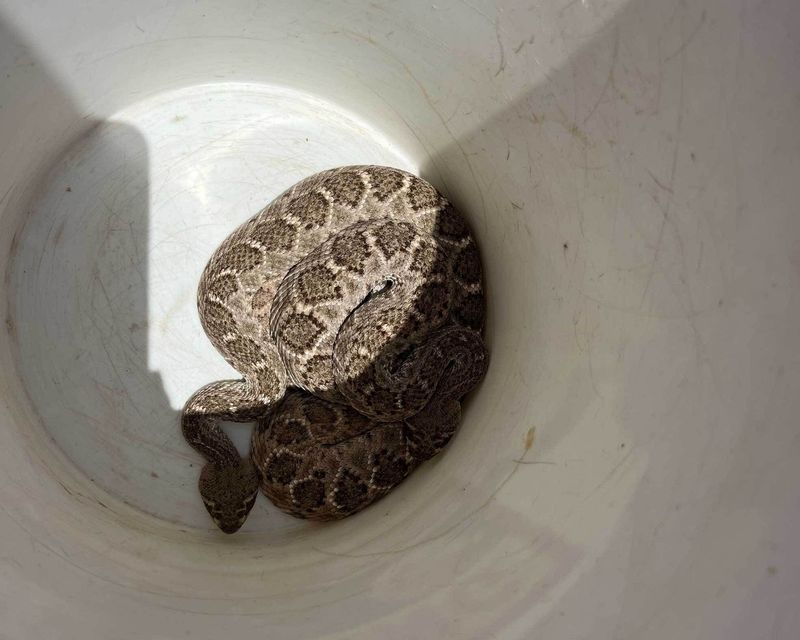
Spotting a snake in your yard, any snake, calls for one immediate response: back away and leave it alone. Most snakes that turn up in Arizona yards are nonvenomous and harmless, but trying to identify a snake at close range or picking it up to check puts you at unnecessary risk.
A kingsnake and a young rattlesnake can look similar to an untrained eye.
The Arizona Poison and Drug Information Center advises leaving wildlife alone and seeking professional help if a venomous snake in the yard is a concern. Do not attempt to capture, handle, or relocate a snake yourself.
That applies even if you are fairly sure it is nonvenomous. Bites happen most often when people try to interact with or move a snake.
If a snake is in a location that feels unsafe, keep children and pets indoors and give the snake time to move on its own. Most snakes pass through quickly once left undisturbed.
For a snake that does not leave or that you believe is venomous, contact a licensed wildlife removal professional or your local animal control office. Kingsnakes and rattlesnakes alike deserve the same response from you: respectful distance and a phone call if help is needed.
That habit protects both you and the snake.