September Is The Time To Prepare For Arizona’s Spring Wildflower Display
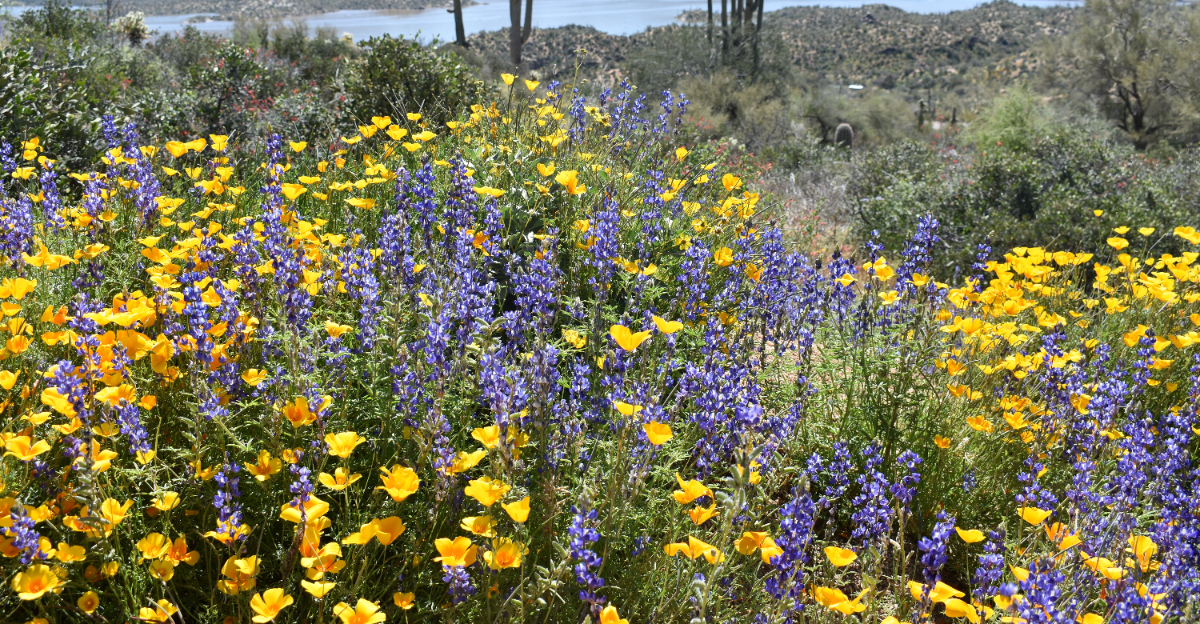
Spring wildflowers may feel months away, but September is when planning can begin making that colorful display possible.
Waiting until spring to think about them can leave you watching the planting window pass.
Arizona gardeners can use fall conditions to work with the natural growing cycle of many native wildflowers. Cooler weather ahead gives seeds time to settle in before their spring show begins.
Start thinking about location and timing while summer heat is still easing. Good preparation now can make the process much simpler later.
Your soil also deserves attention before any seeds go into the ground. Small choices made this month can influence how well those flowers establish.
Give your wildflower plans attention in September, and you can set the stage for a brighter landscape when spring finally arrives.
1. Spring Wildflower Color Starts With Fall Preparation
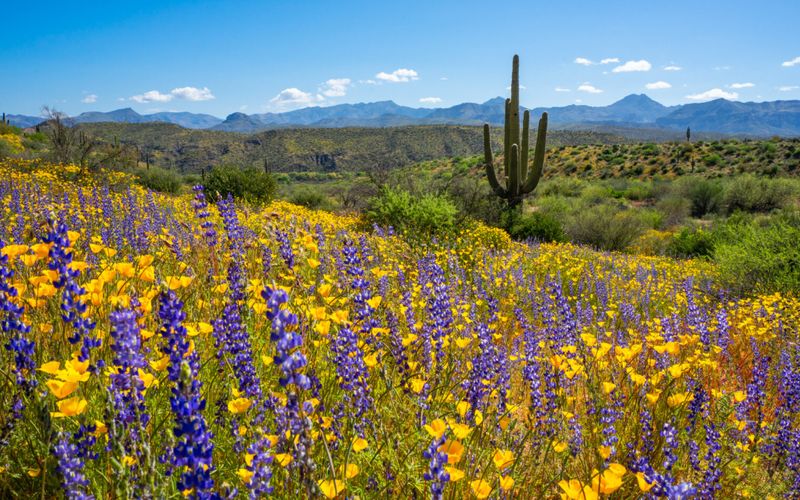
Color in spring is earned in fall. Most people do not realize that the window for planting wildflowers is long before the first bloom appears.
Wildflower seeds need time to settle into the soil, absorb moisture, and go through a natural cold period before they sprout.
Planting in September gives seeds exactly that head start. Soil temperatures in the low desert are still warm enough to encourage germination, but the brutal summer heat has passed.
That balance is key for seeds to wake up at the right pace.
Skipping fall prep usually means a thin, patchy display in spring. Seeds tossed out in January or February often struggle because they miss the gradual conditioning that fall planting provides.
Some may sprout, but results tend to be inconsistent.
A little effort in September sets the stage for something worth seeing. Clearing space, choosing the right seeds, and watering on schedule are all part of the process.
None of it is complicated, but each step matters. Gardeners who treat fall as the start of wildflower season tend to be the ones with the most rewarding spring shows.
2. September Opens The Fall Seeding Window
September hits differently in the low desert. Temperatures start dropping from their summer peaks, and afternoon monsoon rains begin winding down.
That shift creates a narrow but reliable window for getting wildflower seeds into the ground.
Seeding too early, in July or August, risks losing seeds to intense heat and standing water from monsoon storms. Waiting until November may mean seeds sit dormant without enough time to establish roots before cold nights arrive.
September sits right in the middle.
Aim for mid-to-late September in lower elevations like the Sonoran Desert zone. Higher elevations may need to start a bit earlier since cooler temperatures arrive sooner.
Local conditions vary, so checking with a nearby cooperative extension office can help you narrow down the best timing for your specific area.
Seeding during this window gives plants roughly four to six months of gradual growth before they need to produce flowers. That timeline lines up well with the natural bloom cycle of many native wildflowers.
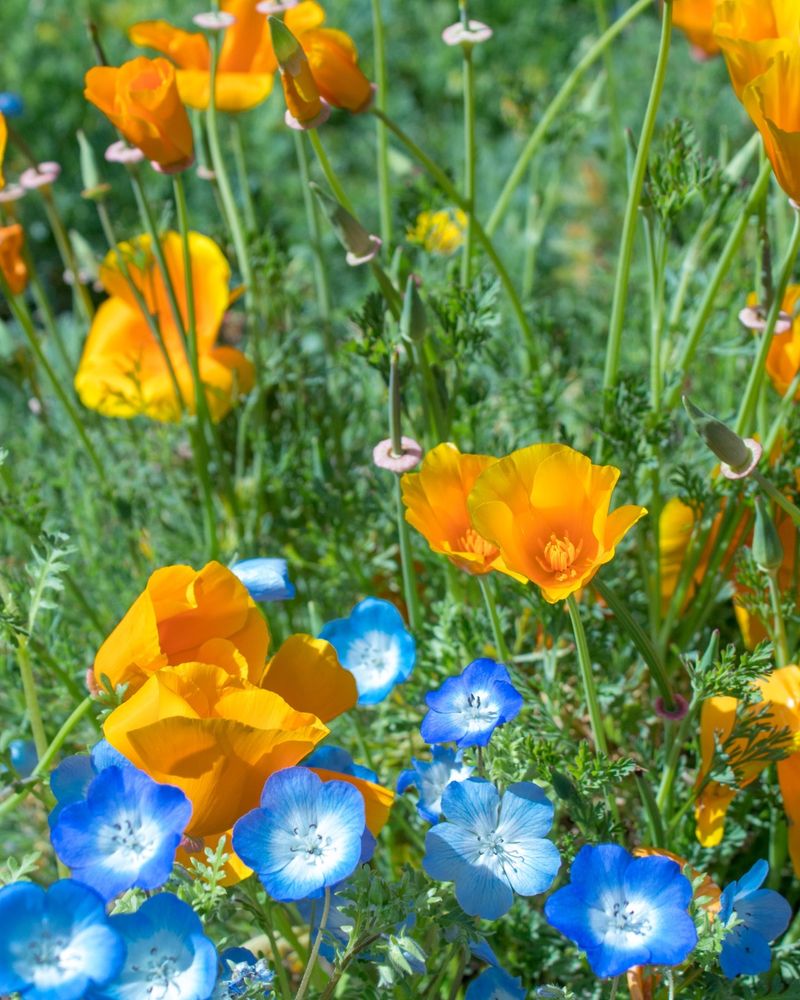
Poppies, owl clover, and globe mallow are good examples of species that benefit from early fall seeding in Arizona. Getting seeds down at the right time is one of the most impactful decisions you can make for a strong spring display.
Your Arizona Garden Changes Every Week. Your Plan Should Too.
Gardening in Arizona changes quickly throughout the season. Every Friday you’ll receive a simple weekly plan showing exactly what to plant, prune, fertilize, harvest, and protect so you never miss the right timing.
3. Choose Seeds That Match Your Local Growing Conditions
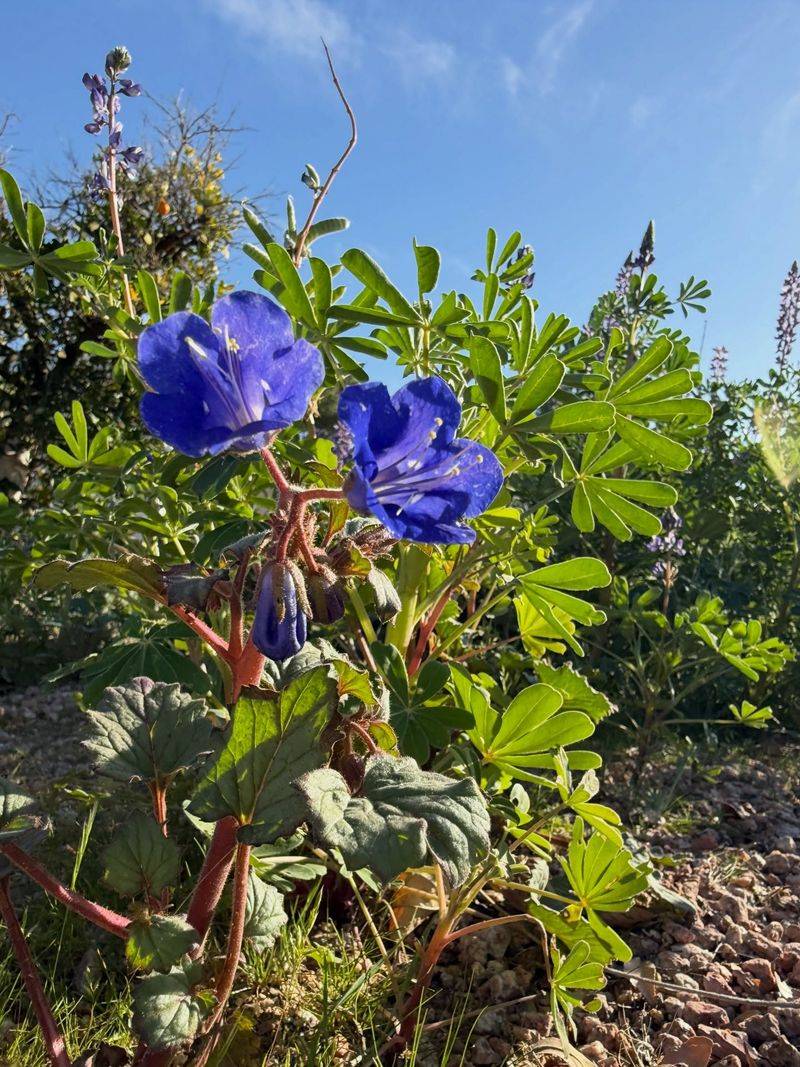
Not every pretty flower on a seed packet will thrive in your yard. Matching seeds to your local soil type, sun exposure, and elevation makes a real difference in what actually blooms come spring.
Native species tend to perform more reliably because they evolved in local conditions. Mexican gold poppies, desert bluebells, and Penstemon parryi are popular choices in lower desert areas.
Lupines and globe mallow also do well across a range of desert elevations when planted at the right time.
Soil drainage matters more than most people expect. Sandy or gravelly soils drain quickly, which suits many native wildflowers.
Heavy clay soils hold moisture longer and may not work as well without some amendment. Observe how water moves through your planting area after rain before committing to a seed mix.
Sun exposure is another factor worth checking. Most desert wildflowers want full sun, meaning at least six hours of direct light daily.
Shaded spots under trees or along north-facing walls may need different plant selections. Buying seeds from a local nursery rather than a generic online retailer often means getting varieties tested for regional performance.
Staff at a good local shop can point you toward mixes that have worked for other gardeners in your neighborhood.
4. Clear Weeds Before They Compete With New Seedlings
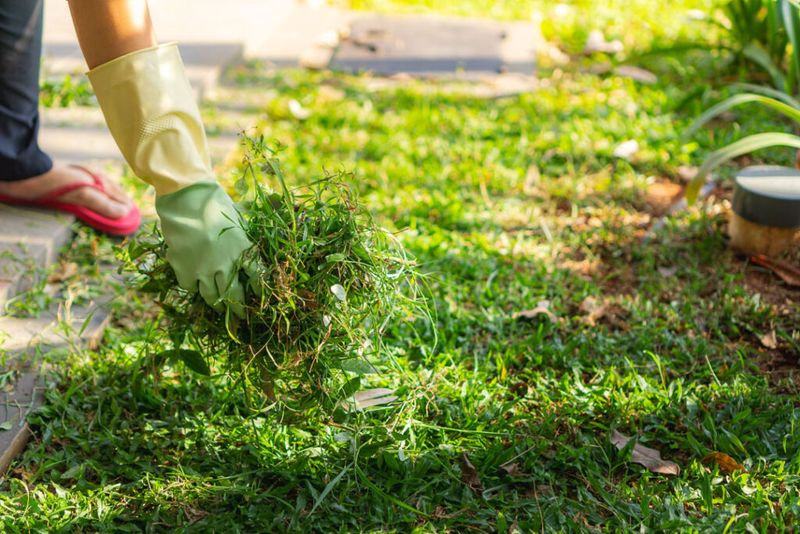
Weeds are fast and aggressive. If they are already in the soil when you scatter wildflower seeds, they will likely outpace your seedlings for water, nutrients, and light.
Getting ahead of them before planting is one of the most practical steps you can take.
Start by pulling or cutting existing weeds down to the root. Hand-pulling works well for smaller areas.
For larger patches, a hoe or stirrup weeder can speed up the process without disturbing too much soil. Avoid deep tilling if possible, since turning soil can bring buried weed seeds to the surface where they germinate more easily.
Bermuda grass is a common problem in desert yards. It spreads through underground runners and can be stubborn to remove.
Repeated removal over several weeks before seeding gives you a cleaner starting point. Patience here pays off.
After clearing, wait a week or two and check for new weed growth before scattering your wildflower seeds. A second pass to remove any new sprouts gives your seeds a much better chance.
Watering the cleared area lightly beforehand can actually trigger weed seeds to germinate early, letting you remove them before your wildflowers go in. Fewer weeds at the start means less competition throughout the growing season.
5. Light Soil Preparation Gives Seeds Better Contact
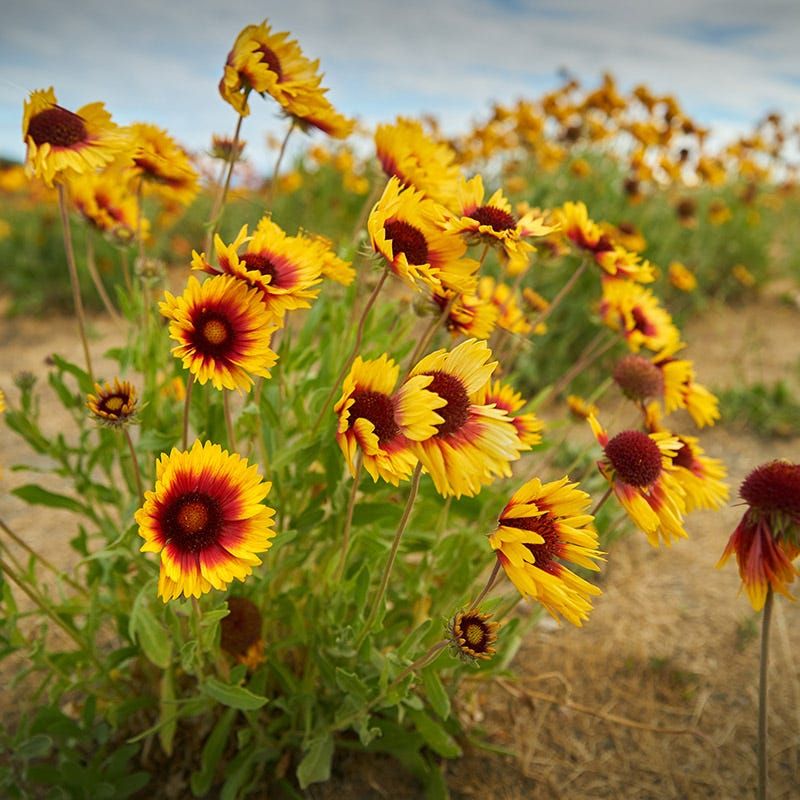
Seeds need to touch soil to sprout. Sounds simple, but a hard-packed or rocky surface can keep seeds from making that contact.
Light preparation before seeding improves your odds without requiring a lot of equipment or effort.
Raking the surface lightly loosens the top inch or so of soil. That is usually enough.
Wildflower seeds are small and do not need deep, fluffy beds. Over-preparing the soil can actually work against you by creating an environment that dries out too quickly or invites more weed growth.
In rocky desert soils, you may need to clear out larger stones from the planting area. Small pebbles are fine and can even help hold moisture near seeds.
Aim for a surface that looks roughed-up rather than perfectly smooth.
After raking, scatter seeds evenly across the prepared area. Mixing seeds with a small amount of sand can help distribute them more evenly, especially if you are covering a large space.
Press seeds lightly into the soil surface after scattering by walking over the area or using a flat board. That gentle pressure improves seed-to-soil contact without burying seeds too deep.
Most wildflower seeds sprout best when they sit right at or just below the surface, no deeper than a quarter inch.
6. Keep The Seeded Area Moist During Early Growth
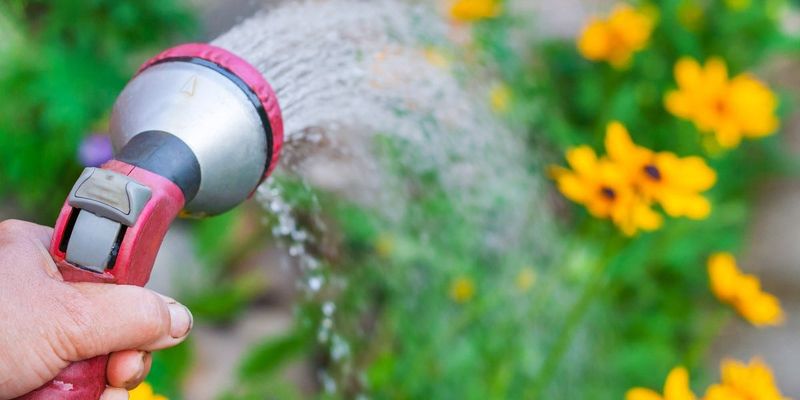
Water is what wakes seeds up. After scattering and pressing seeds into the soil, consistent moisture becomes your most important job for the next several weeks.
Letting the surface dry out completely before seeds sprout can stall or set back germination.
Light, frequent watering works better than deep, infrequent soaking during this early phase. Aim to keep the top inch of soil consistently damp.
Watering once or twice a day in short sessions is usually more effective than one long session that pushes water past the seed zone.
Morning watering tends to work well because it gives moisture time to soak in before afternoon heat causes evaporation. Evening watering can work too, though it sometimes encourages fungal issues if the surface stays wet overnight.
Adjust based on your local conditions and how quickly your soil drains.
Once seedlings appear and reach about an inch tall, you can begin stretching out the time between waterings. Gradually reducing frequency encourages roots to grow deeper in search of moisture.
That deeper root development builds stronger plants heading into winter. Rainfall during November and December can sometimes handle much of this watering naturally, but do not count on it.
Monitor soil moisture regularly and supplement with irrigation whenever the surface stays dry for more than a day or two.
7. Young Wildflowers Stay Small Until Spring Warms Up
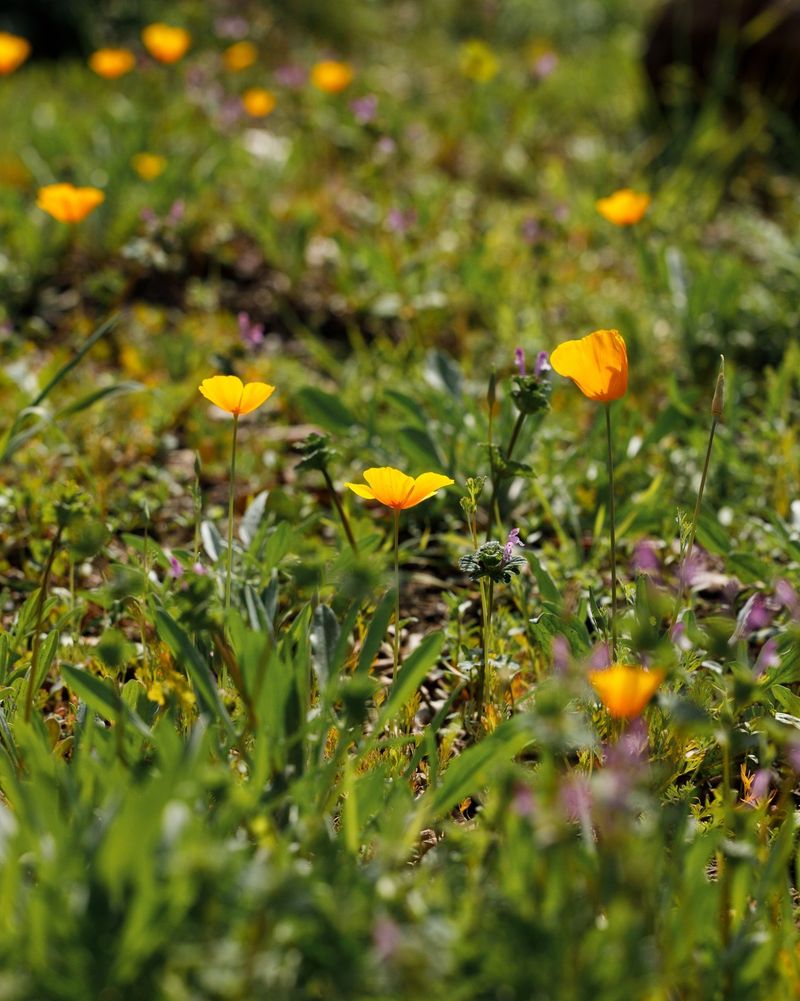
Patience is part of wildflower gardening. After germination, seedlings often sit as small rosettes through December and January, barely looking like they are doing anything.
That quiet phase is normal and does not mean something went wrong.
Cool temperatures slow above-ground growth on purpose. During this time, roots are spreading and strengthening underground.
Seedlings are building the foundation they need to send up stems and flowers quickly once temperatures rise in late winter and early spring.
Resist the urge to add fertilizer during this slow phase. Pushing fast growth in cool weather can actually weaken plants by encouraging tender growth that gets damaged by frost.
Wildflowers adapted to desert conditions generally do better without heavy feeding.
By late February in lower elevations, warmer days start triggering visible growth. Stems extend, leaves multiply, and buds begin forming on healthy plants.
The shift from tiny seedling to flowering plant can happen surprisingly fast once conditions align. Areas in Arizona that receive good winter rainfall often produce the most dramatic spring displays.
Supplemental watering during dry stretches in January and February can help fill that gap. Keep an eye on the forecast and water when needed, but avoid overwatering once plants are established and actively growing toward bloom.