7 Warning Signs Of Snakes In Your Pennsylvania Yard
Snakes are masters of hide-and-seek. You could share your yard with one for weeks and never catch a glimpse of it.
Pennsylvania is home to about 21 species of snakes. Most of them are harmless and even helpful, since they keep mice and other pests in check.
But three of them are venomous, and nobody wants a surprise encounter while pulling weeds or grabbing firewood.
The good news? Snakes almost always leave clues behind. A papery skin tucked under the deck.
A strange, musky smell near the shed. A smooth, winding trail in the dust or dirt. These little hints are easy to miss if you don’t know what to look for.
Spotting them early gives you the upper hand. Here are the warning signs that a snake might be hanging around your Pennsylvania yard.
1. Shed Skins Left Behind
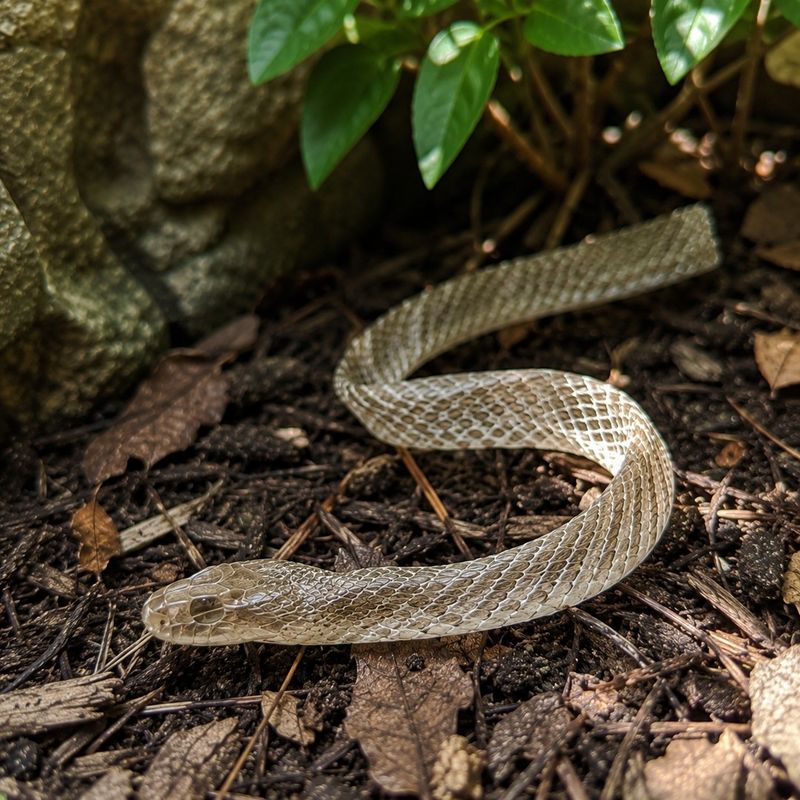
Finding a ghostly, see-through tube in your garden can stop you in your tracks. That crinkly thing is a shed snake skin, and it is one of the clearest clues that a snake has been hanging around. Snakes grow all their lives, so they slip out of old skin several times a year.
Young snakes shed more often because they grow fast. An adult might shed three or four times a year, while a baby may shed almost every month.
Look for skins near rocks, woodpiles, fences, and thick bushes, since snakes rub against rough surfaces to peel the old layer off.
A shed skin can tell you more than you think. Check the eye caps, which look like tiny clear lenses at the head end. Look at the pattern of scales too, because the skin keeps a faint print of the snake’s markings.
Size matters as well. Keep in mind that skins stretch a bit, so the real snake is usually a little shorter than the skin you find. A small skin in spring often means babies were born nearby last summer.
Wear gloves if you pick one up, since skins can carry germs like salmonella. Snap a photo first, then compare it with pictures from the Pennsylvania Fish and Boat Commission, which manages reptiles in the state.
Fun fact: a snake’s eyes turn cloudy and bluish right before it sheds. During that time, it can barely see, so it often hides and acts more defensive.
If you find several skins in one spot, you likely have a regular resident, and it may be time to clear out its favorite hiding place.
2. Squiggly Tracks In Dirt Or Sand
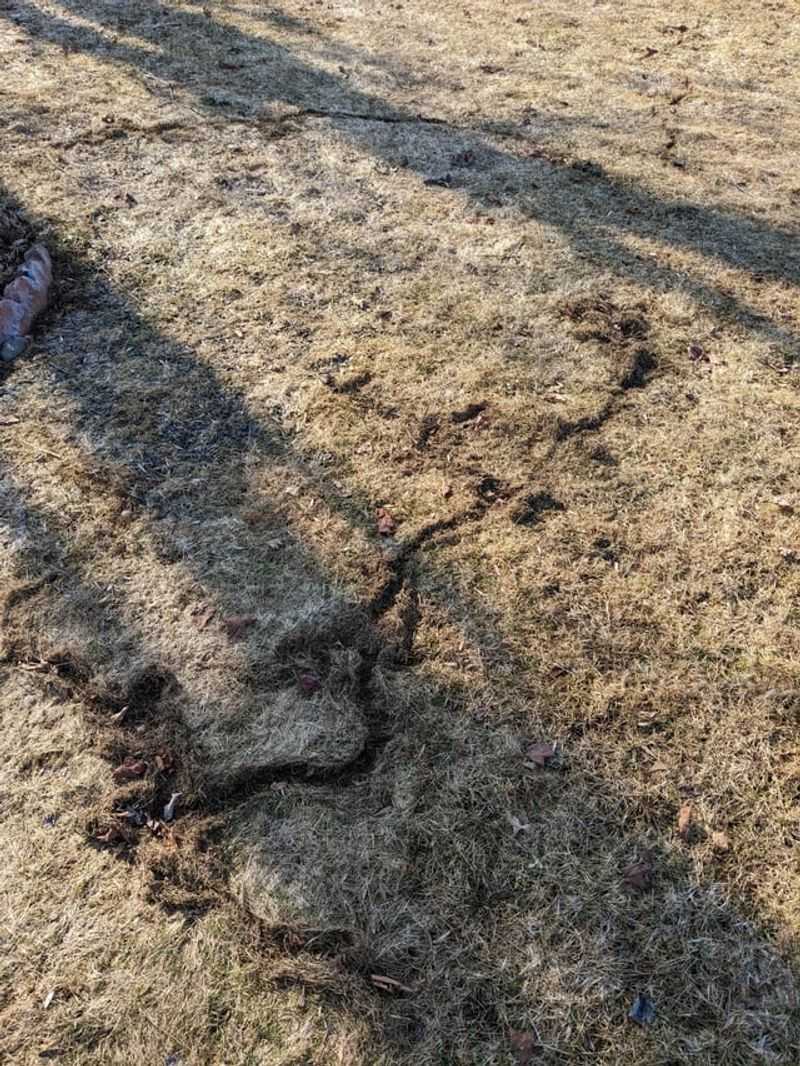
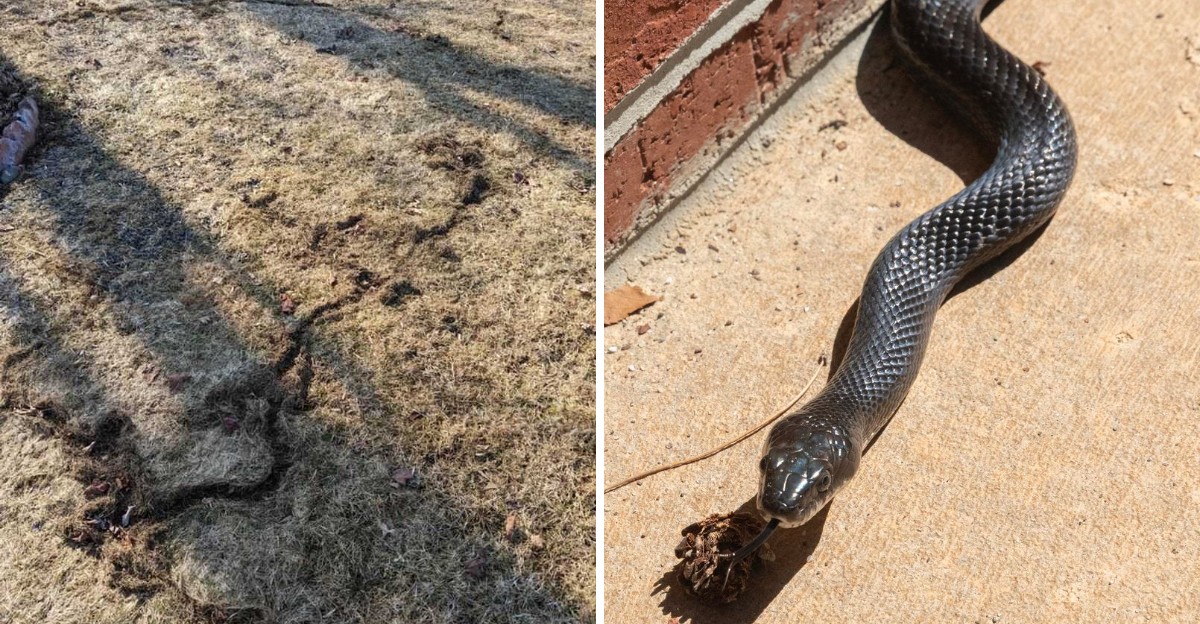
Ever notice a wavy line in the dust that looks like someone dragged a garden hose across it? You might be looking at a snake trail.
Snakes do not have feet, so they leave smooth, winding marks instead of footprints.
Most snakes move by pushing their bodies side to side against the ground. That motion creates a curvy S-shaped track.
Heavier snakes, like rattlesnakes, sometimes crawl in a straight line, which leaves a wider, flatter mark that looks more like a tire track from a toy.
Your Pennsylvania Garden Changes Every Week. Your Plan Should Too.
Gardening in Pennsylvania changes quickly throughout the season. Every Friday you’ll receive a simple weekly plan showing exactly what to plant, prune, fertilize, harvest, and protect so you never miss the right timing.
The best places to check are soft spots. Try sandy garden beds, dusty corners of the garage, muddy edges near a pond, or the dirt under your deck.
Early morning is a great time to look, since fresh tracks show up clearly before wind, rain, or people wipe them away.
Here is a handy trick many wildlife pros use. Sprinkle a thin layer of flour or fine sand across a spot where you suspect snake traffic, like along a wall or near a gap in the foundation. Check back the next morning for any new trails.
Tracks also show you which way a snake was heading. If the marks lead toward a crack under your steps or a hole near the house, you have found a possible entry point.
Seal small openings with hardware cloth, caulk, or weather stripping once you are sure nothing is inside.
Keep in mind that other animals, like worms or dragging tails from lizards, can leave similar lines.
Look for a steady width and long, smooth curves. Those details point strongly toward a snake instead of another backyard visitor.
3. A Sudden Drop In Mice And Rodents
Funny thing about mouse problems. Sometimes they just seem to vanish overnight, and you never lifted a finger. Before you celebrate, think about who might be doing the job for you.
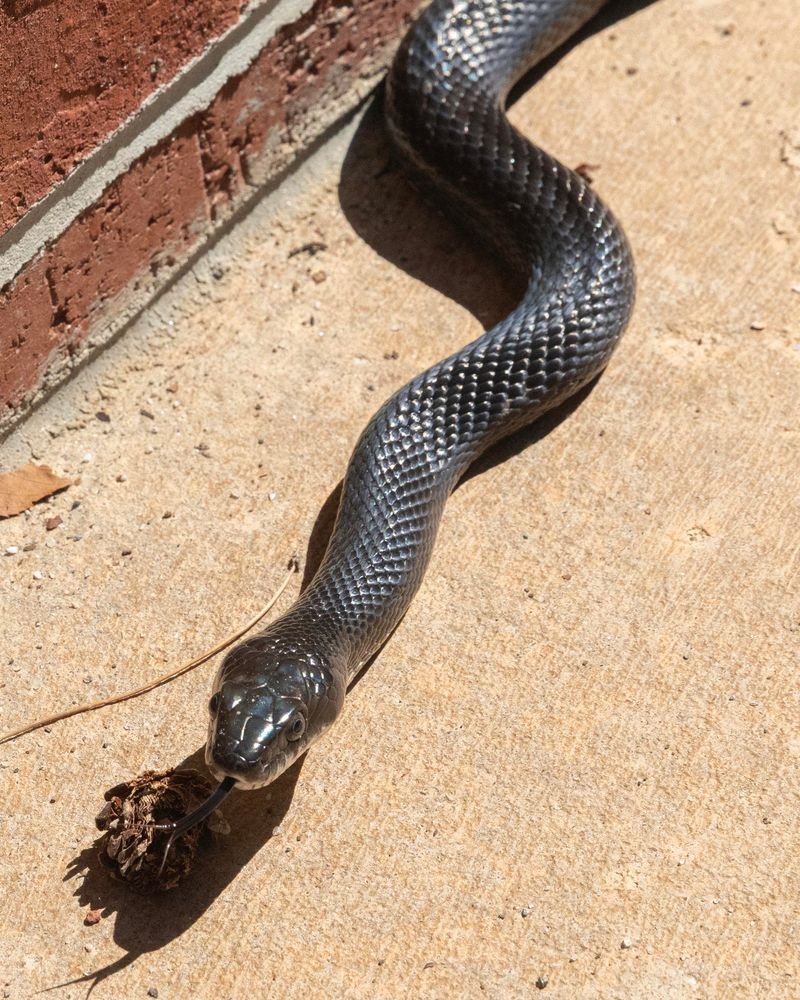
Snakes are natural pest control. In Pennsylvania, the eastern rat snake is famous for hunting mice, rats, and chipmunks around barns and sheds.
Milk snakes got their name because farmers once saw them in barns and thought they drank milk from cows. In truth, they were there to eat the rodents.
So if the squeaking in your garage stopped, the droppings disappeared, and the traps stay empty week after week, a snake may have moved in.
The same goes for chipmunks that used to dart around your porch but suddenly seem to be gone.
That is not always a bad thing. Many snakes help farmers and homeowners by keeping rodent numbers low. Still, you probably do not want one living inside your home or garage.
The smartest fix is to go after the food source. Store birdseed, pet food, and grass seed in metal bins with tight lids. Pick up fallen fruit, clean up spilled feed, and keep garbage cans sealed.
When rodents have nothing to eat, they move on, and snakes usually follow them. Take a look around your yard for rodent burrows too, because snakes like to slip into those holes to rest and hunt.
A quick tip from pest experts: fixing a rodent problem is often the fastest way to fix a snake problem. Solve one, and the other tends to take care of itself.
4. Strange, Musky Smells
Your nose can be a surprisingly good snake detector. Some homeowners describe a sharp, musky odor, a little like cucumbers or old garbage, coming from a basement corner or crawl space. That smell could be a sign of snakes nearby.
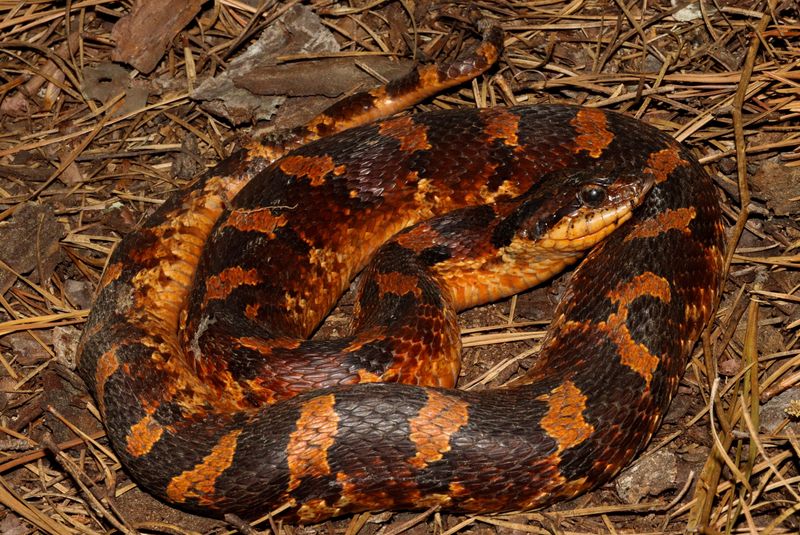
Many snakes release a stinky liquid called musk when they feel scared or grabbed. Garter snakes, which are the most common snakes in Pennsylvania, are well known for this trick.
Northern water snakes do it too, and trust me, the scent sticks to your hands for hours.
Copperheads are sometimes said to smell like cucumbers. Scientists still debate how often that is true, so do not rely on your nose alone. Still, an odd odor that you cannot explain is worth checking out.
Where do smells usually show up? Look in cool, damp, dark places. Crawl spaces, old stone foundations, root cellars, and gaps under porches are all favorite snake hangouts, especially in the hot part of summer.
Grab a flashlight and take a careful look. Never reach into dark spaces with bare hands. Use a long stick or tool to move items, and wear thick gloves and boots.
If you find the source, stay calm and back away. You can call a local wildlife removal service if you want help. Many Pennsylvania companies handle snakes safely and humanely.
To keep smells and snakes away for good, fix leaks and use a dehumidifier in basements. Snakes love moisture because it keeps their skin healthy and draws in the frogs, slugs, and bugs they like to eat.
5. Small Holes With Smooth Edges
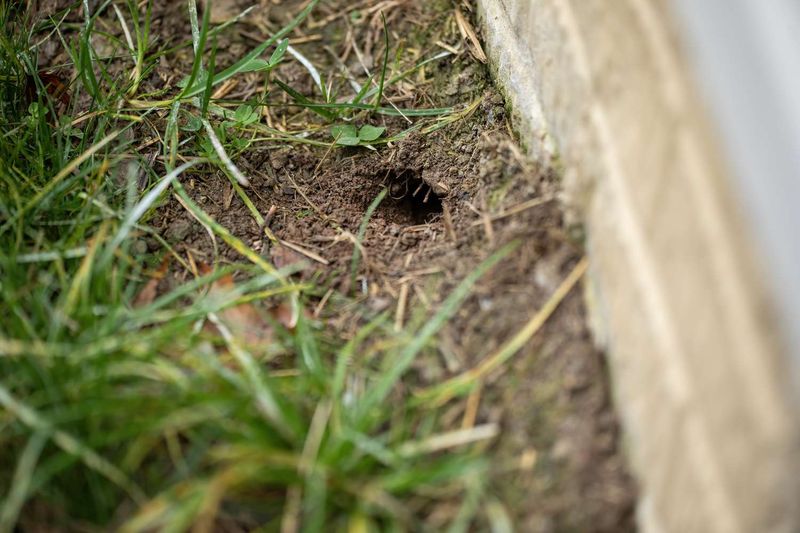
A neat little hole in the ground might look like nothing special. However, if the edges are smooth and there is no pile of dirt around it, pay attention. That kind of hole may be a snake’s front door.
Here is the interesting part. Snakes do not dig their own burrows. They are more like renters, moving into holes that other animals made.
Chipmunks, voles, moles, and groundhogs all leave behind tunnels that snakes love to borrow.
Snake holes are usually round and range from about the size of a coin to a few inches wide. You will often find them under rocks, near tree roots, beside walls, or at the edge of a garden bed. A shed skin or fresh tracks nearby make the clue even stronger.
Want to test if a hole is being used? Place a thin spider web or a few blades of grass loosely over the opening. If they are disturbed the next day, something has been going in or out.
Once you are certain the hole is empty, you can fill it with gravel or soil and pack it down tight. Do this in late morning on a warm day, when most snakes are out basking rather than hiding inside.
In Pennsylvania, some snakes spend winter together in deep holes called dens or hibernacula. Rocky hillsides are classic spots.
If you live near wooded ridges, especially in the northern and central parts of the state, you may notice more snakes coming and going in spring and fall.
6. Overgrown Grass And Messy Piles
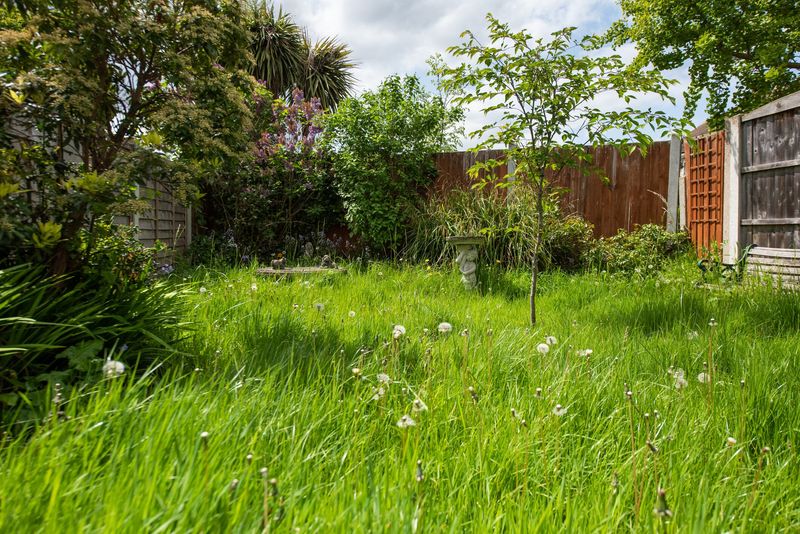
Let us be honest, everybody lets the lawn go a little long sometimes. The trouble is that snakes adore messy yards. Tall grass, leaf piles, and cluttered corners are like a five-star hotel for them.
Snakes need two things above all else: shelter and food. Thick weeds hide them from hawks and foxes.
Brush piles, stacked lumber, and old tarps keep them cool on hot days. Those same spots also attract mice, crickets, and toads, which gives snakes an easy meal.
So even if you have not seen a snake, a yard full of cover is a warning sign all by itself. It means your property is ready for them to move in.
The fix is simple, though it takes some effort. Mow your grass regularly and keep it short, around three inches or less.
Trim bushes so the lowest branches sit a few inches off the ground. Rake up leaf piles and haul away old boards, bricks, and junk.
Firewood deserves special attention. Stack it on a rack at least a foot off the ground and keep it away from your house. Snakes and their prey love tucked-away gaps between logs.
You should also look at the edges of your property. Many Pennsylvania homes border woods, fields, or creeks.
A clean strip of short grass between your yard and wild areas makes snakes feel exposed, so they are less likely to cross it.
Bonus tip: gravel or rock paths may look neat, but big stones create hiding spots. Smaller gravel is a better choice if snakes worry you.
7. Nervous Pets And Birds
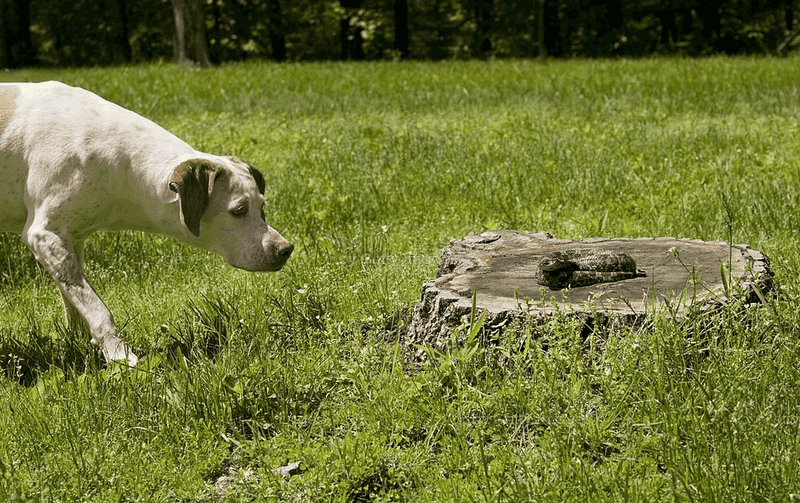
My neighbor’s beagle once barked at the same bush for twenty minutes straight. Everyone thought he had lost his mind, until a big black rat snake slid out and headed for the woods. Pets often notice snakes long before we do.
Dogs may sniff hard at one spot, bark, or dig near a woodpile. Cats sometimes crouch and stare at the ground or bat at something in the grass. If your pet keeps returning to the same place, take a careful look from a safe distance.
Birds can be great alarm systems too. Robins, blue jays, and wrens will fuss and scold loudly when a snake is close to their nests. You may see them diving, flapping, or hopping around a bush while making sharp chirping sounds.
Chickens are another clue. If you keep backyard hens, missing eggs or broken shells may mean a snake has been visiting the coop. Rat snakes are well known egg thieves in Pennsylvania.
Keep your pets safe by walking dogs on a leash in tall grass and along wooded trails. Copperheads and timber rattlesnakes can bite curious noses. If your pet is bitten, call your vet right away and keep the animal calm and still.
For chicken owners, seal gaps in coops with half-inch hardware cloth and collect eggs every day. That small habit removes a big reward for hungry snakes.
Paying attention to how animals act around your yard is free and easy. They see, hear, and smell things we miss, so let them be your early warning team.