What Every New York Pond Owner Should Finish Before The First Freeze
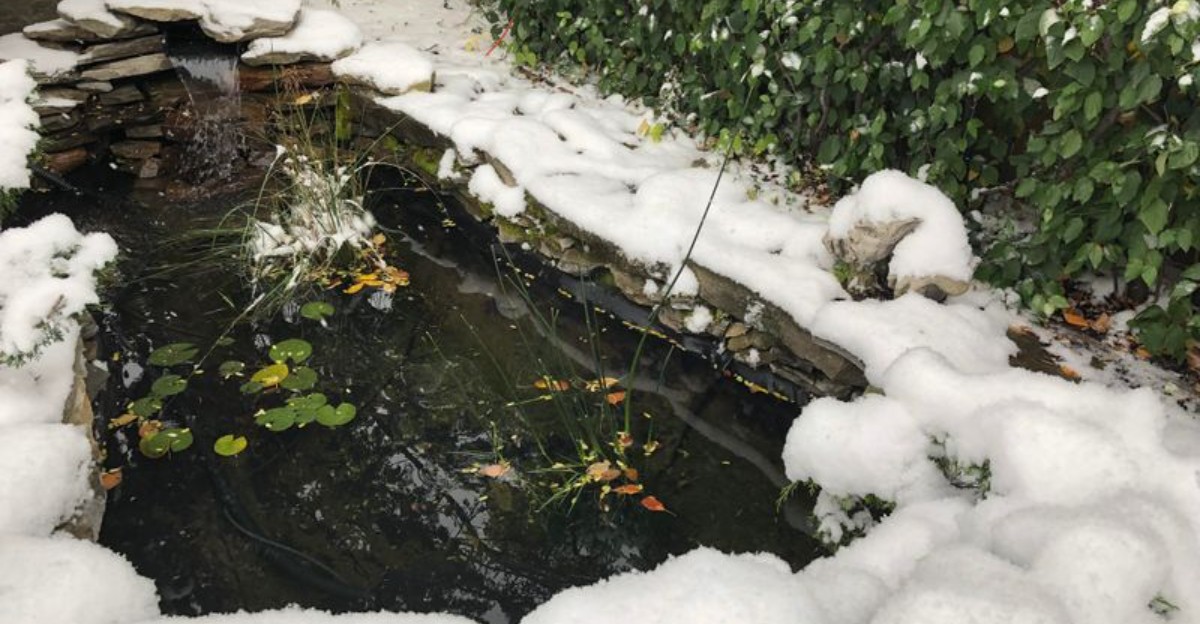
Crunchy leaves and frosty mornings send a clear message to every backyard pond owner. Winter is on its way, and that little patch of water needs attention first.
Across New York, the first hard freeze can sneak in faster than a squirrel raiding a bird feeder. Once ice covers the surface, most fixes get much harder to pull off.
A few smart chores this fall protect your fish and plants through the cold months. They also spare you a smelly, murky surprise when spring arrives.
Some tasks take a full weekend, while others need just ten minutes and a thermometer. One might surprise you, especially if your winter plan involves a hammer.
1. Stretch A Net Before The Leaves Come Down
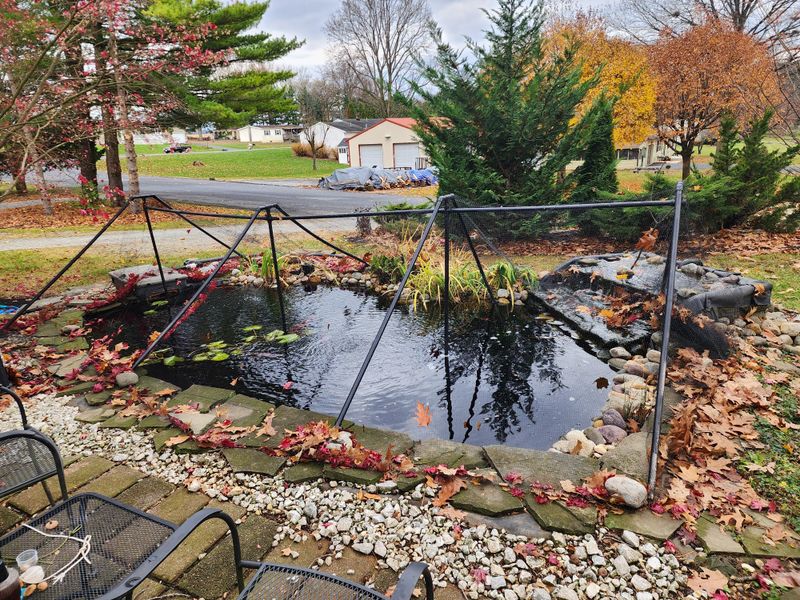
Picture a single maple dropping thousands of leaves straight into your water garden. Every one of them sinks, softens, and slowly turns into a brown, smelly mess by spring.
Early fall is the sweet spot for netting, usually late September through mid-October in New York. Getting it up before the big leaf drop saves you hours of scooping later.
Rotting leaves eat up oxygen that your fish need all winter long. They also release extra nutrients that feed thick green algae blooms once the weather warms again.
A tight net does double duty by blocking hungry herons and curious neighborhood cats. Your koi and goldfish get a safer season, and you get more peace of mind.
Aim for mesh with holes between one-half and three-quarters of an inch wide. Smaller holes catch more leaves, while larger ones let debris slip right through.
Shape matters too, so build a simple dome or tent frame over the pond. PVC pipes or rebar stakes work well for holding the net above the surface.
A sagging net dips into the water and turns into a soggy leaf hammock. Pin the edges down with rocks, landscape pins, or sod staples to keep everything snug.
Once the trees are bare, usually late November or early December, take the net down. Heavy snow can collapse it onto the water and trap fish underneath.
Shake the net out, dry it, and roll it up for next autumn. A little care now helps it last through several more seasons of leaf patrol.
2. Scoop Out Muck And Sunken Debris
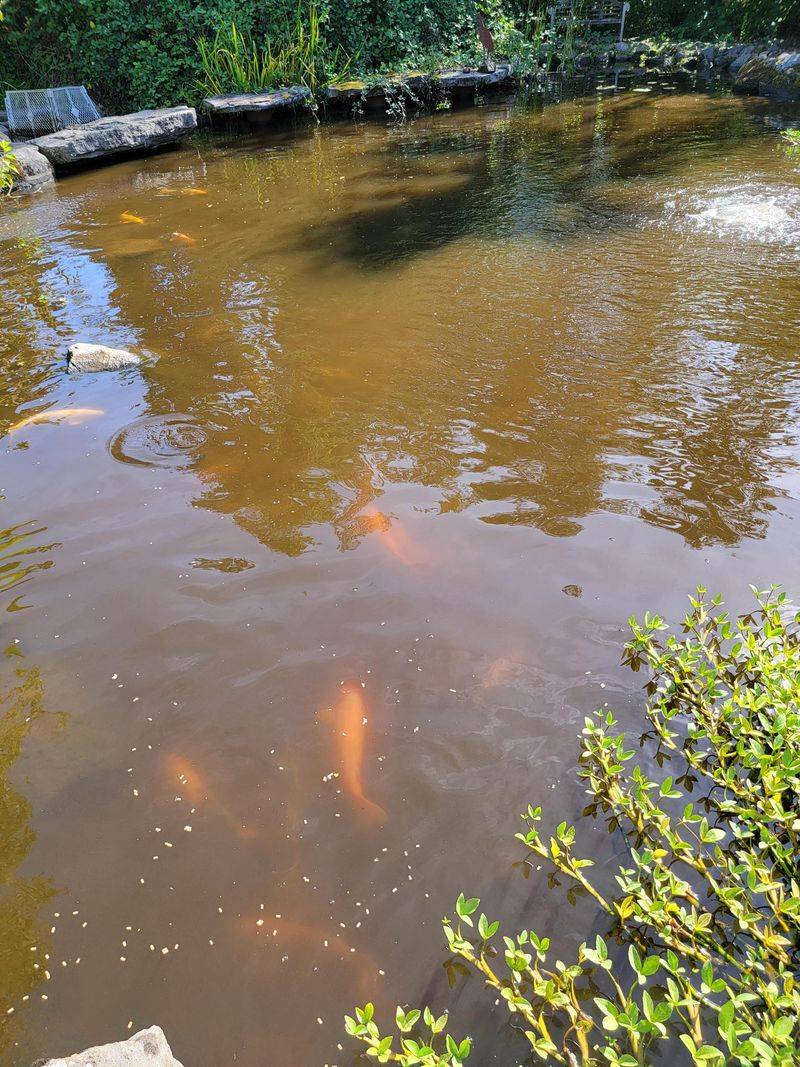
Nobody brags about pond muck at dinner parties, but everyone who owns a pond has some. It is the dark sludge of old leaves, algae, fish waste, and spent plants.
As that layer breaks down, it uses up oxygen and gives off gases like ammonia and methane. Under a solid sheet of winter ice, those gases have nowhere to go.
Trapped gases can turn the water toxic and put your fish in serious trouble. Muck also leaks nitrogen and phosphorus, which fuel ugly algae blooms in spring.
Depth is another big reason to clean house before the cold arrives. Fish ride out the cold near the bottom, where the water stays a bit warmer.
A thick sludge layer steals that precious space and squeezes fish into colder, riskier zones. It can also clog pumps and air diffusers when you need them most.
Your New York Garden Changes Every Week. Your Plan Should Too.
Gardening in New York changes quickly throughout the season. Every Friday you’ll receive a simple weekly plan showing exactly what to plant, prune, fertilize, harvest, and protect so you never miss the right timing.
For the hands-on approach, grab a pond vacuum, a long-handled net, or a sturdy bucket. Work slowly so you do not stir the whole pond into brown soup.
Leave a thin layer behind, since helpful bacteria and tiny critters live there. Scraping away every last bit can upset the natural balance you worked hard to build.
Beneficial bacteria products offer a lower-effort helper for finishing the dirty job. Those tiny microbes munch on organic sludge and slowly shrink it over several weeks.
Good aeration gives the bacteria the oxygen they need to work faster. Many pond owners pair a quick vacuum session with a bacteria dose each October.
3. Cut Back Fading Plants Before They Rot
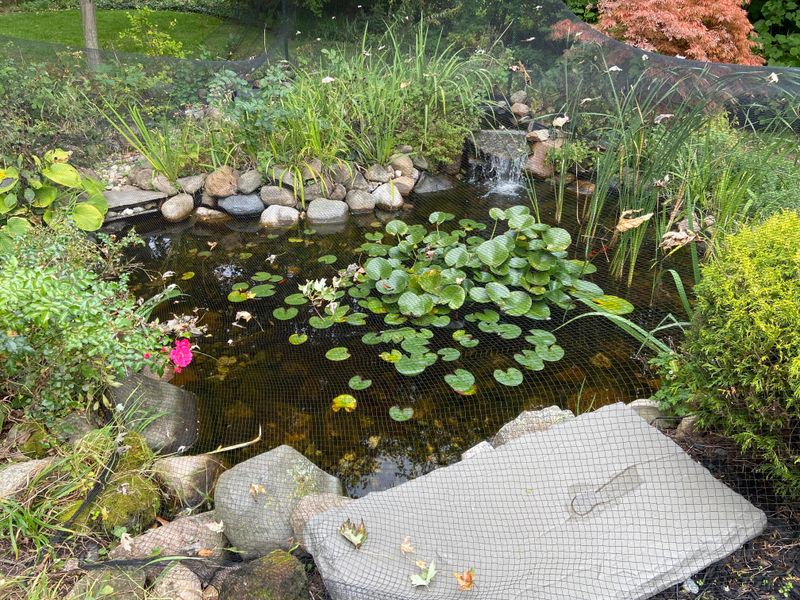
Those tall cattails looked amazing in July, but by November they flop over like tired party guests. Brown leaves sinking into the water are an early warning sign worth noticing.
Rotting foliage releases nutrients and burns through oxygen as it breaks apart. The result can be ammonia buildup, cloudy water, and stressed fish heading into winter.
Late fall, right before the first hard freeze, is the best window for trimming. On eastern Long Island, many gardeners wait until after the first frost or into November.
Hardy marginals like pickerelweed, blue flag iris, and cattails need a light haircut. Trim them to about one to three inches above the waterline.
Leaving short stubs above the surface matters more than you might think. Hollow stems cut below the water can flood and rot the roots over winter.
Hardy water lilies deserve a little extra attention before the cold sets in. Snip off yellowing leaves and old stems just above the crown of the plant.
Next, lower potted lilies to the deepest spot, usually around 18 to 24 inches down. Keeping the crown below the ice line helps them wake up healthy in spring.
Tropical plants are a different story in upstate and downstate New York alike. Water hyacinth, taro, papyrus, and tropical lilies cannot handle freezing temperatures.
Pull them out once the water stays below about 50 to 55 degrees. You can bring favorites indoors under a sunny window or simply replace them next spring.
Also, stop fertilizing aquatic plants as soon as the weather turns cool. Extra food at this point only feeds algae instead of your greenery.
4. Stop Feeding Fish Once Water Drops Below 50 Degrees
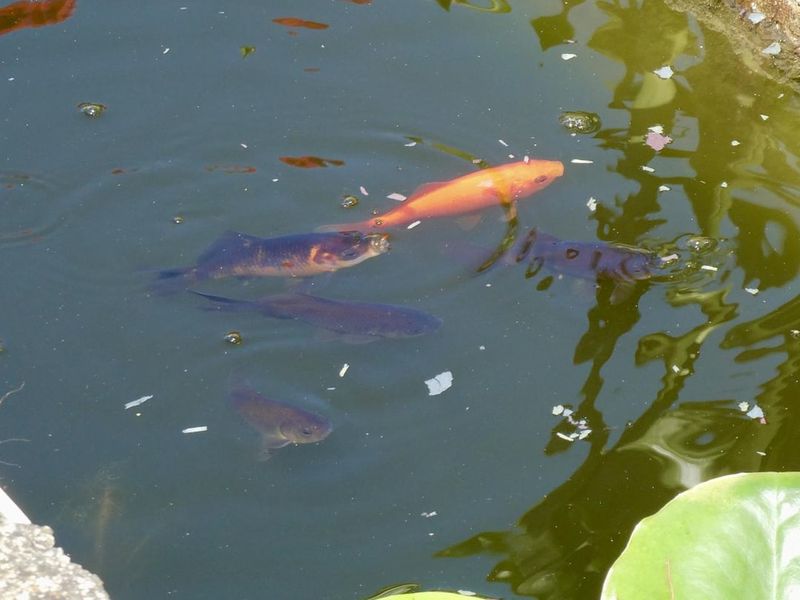
Fish are cold-blooded, which means their bodies run at the same speed as the water around them. When the pond cools, their whole system shifts into slow motion.
Below about 60 degrees, digestion starts to drag like a car stuck in snow. At this stage, switch to a low-protein wheat germ food and feed a little less often.
Once the water stays at 50 degrees or colder, put the food container away for the season. Fish simply cannot break down meals properly at that temperature.
Their digestive enzymes slow way down or stop working altogether. Food left sitting in their gut can rot and lead to blockages, infections, or worse.
Uneaten pellets create a second problem by fouling the water. Extra waste lowers oxygen and adds to the nasty gases that collect under ice.
Here is a comforting thought for soft-hearted fish keepers who worry about hungry pets. Fish enter a sleepy state called torpor and do not truly feel hungry during winter.
Stored fat reserves built up over summer carry them through the cold months just fine. A well-fed fish in September is a strong fish in March.
Skip guessing based on the air, because a chilly morning tells you little about the pond. A floating pond thermometer gives you the real number in seconds.
Brief warm spells happen often in a New York December, so resist the urge to feed. Wait until steady spring warmth returns before offering food again.
Start back slowly in spring with that same easy-to-digest wheat germ food. Small portions help their sleepy systems wake up without strain.
5. Raise Or Remove The Pump For Winter
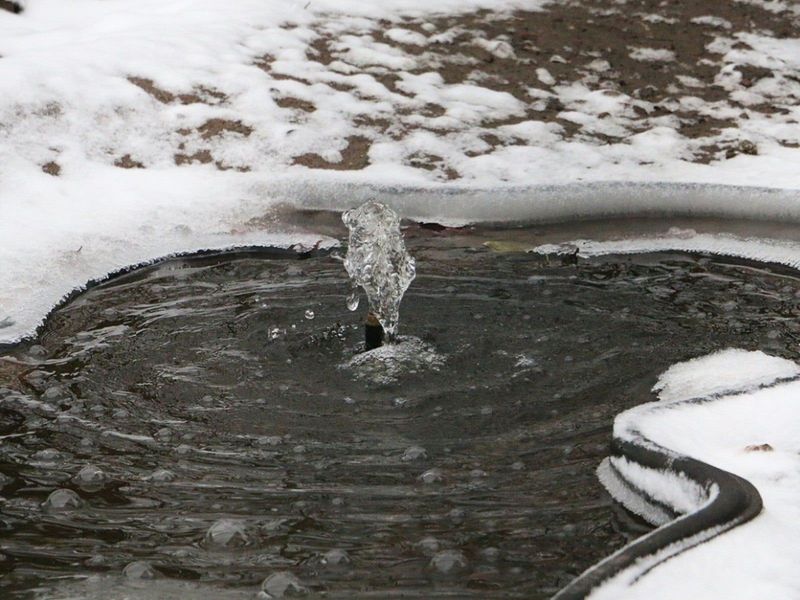
Ask any pond veteran about cracked pump housings, and you might hear a sad story. Water left inside a pump can freeze, expand, and wreck the impeller or seals.
Hoses and plumbing lines face the same risk when trapped water turns to ice. A burst line in January is not a fun repair job.
Running a waterfall all winter can also chill the pond more than you expect. Fish rest in a warmer layer near the bottom, and strong currents mix it away.
Ice dams are another headache from winter waterfalls. They can push water outside the liner, dropping the level until the pump sucks air and burns out.
Plan to pull the pump once the water hits about 45 to 50 degrees. For most of the state, that lands in late fall before hard frosts begin.
After unplugging it, disconnect every hose and let them drain fully. Make sure any waterfall reservoir empties back into the pond as well.
Clean the intake screen and impeller so gunk does not harden over winter. Then store the pump in a bucket of clean water somewhere frost-free, like a basement.
Keeping it submerged stops the seals from drying out and cracking. Next spring, you will thank yourself when it starts right up.
Many owners swap in a small aerator or circulation pump for the cold months. Set it on a shallow shelf, not the bottom, so the warm layer stays undisturbed.
Raising the pump to a shelf is an option if you must keep it running. Just watch it closely during deep freezes and cold snaps.
6. A Floating De-Icer Keeps An Air Hole Open
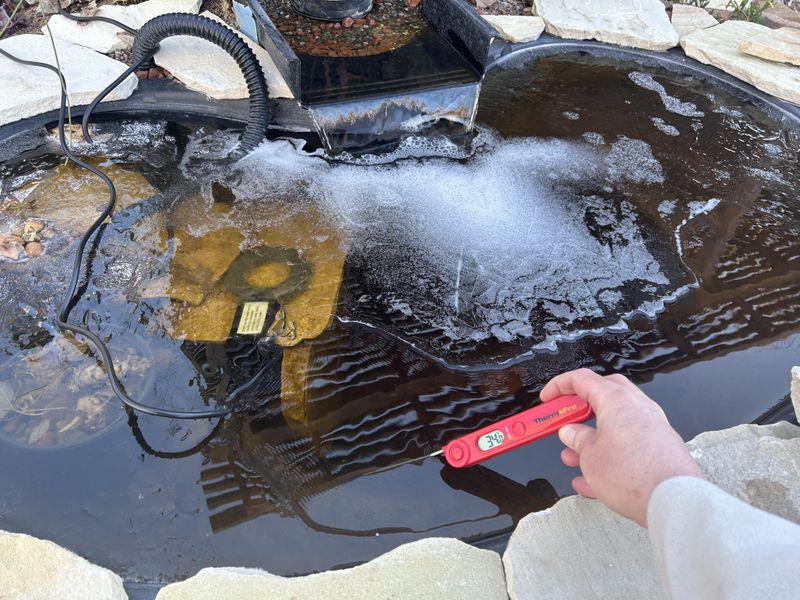
Think of a floating de-icer as a tiny snorkel for your entire pond. Its job is simple: keep one small patch of water open when ice takes over.
Heating the whole pond is not the goal, and it would cost a fortune anyway. A single open spot is enough to let the pond breathe.
Under solid ice, gases from rotting leaves and fish breathing slowly build up. Ammonia, carbon dioxide, methane, and hydrogen sulfide can reach harmful levels with no escape.
An open hole lets those gases drift out while fresh oxygen slips in. Your fish will not notice, but they benefit every single day.
Most models use a small heating element or propeller to keep water moving. A built-in thermostat switches it on near freezing and off when things warm up.
That automatic control is a nice money saver on your winter electric bill. Quality de-icers are also safe for fish and for flexible pond liners.
Aerators, often called bubblers, work a little differently. They push air from below, adding oxygen and stirring the surface to help keep a hole open.
In the snow belt near Buffalo and Syracuse, one tool may not be enough. Many Upstate New York keepers run both a de-icer and an aerator together.
The de-icer holds the opening during brutal cold, while the bubbler keeps oxygen flowing. Place the bubbler on a shallow shelf so the warm bottom layer stays calm.
Plug everything into a GFCI outlet and test the setup before the first cold snap. Finding a problem in November beats discovering it during a January blizzard.
7. Test The Water Before Winter Locks It In
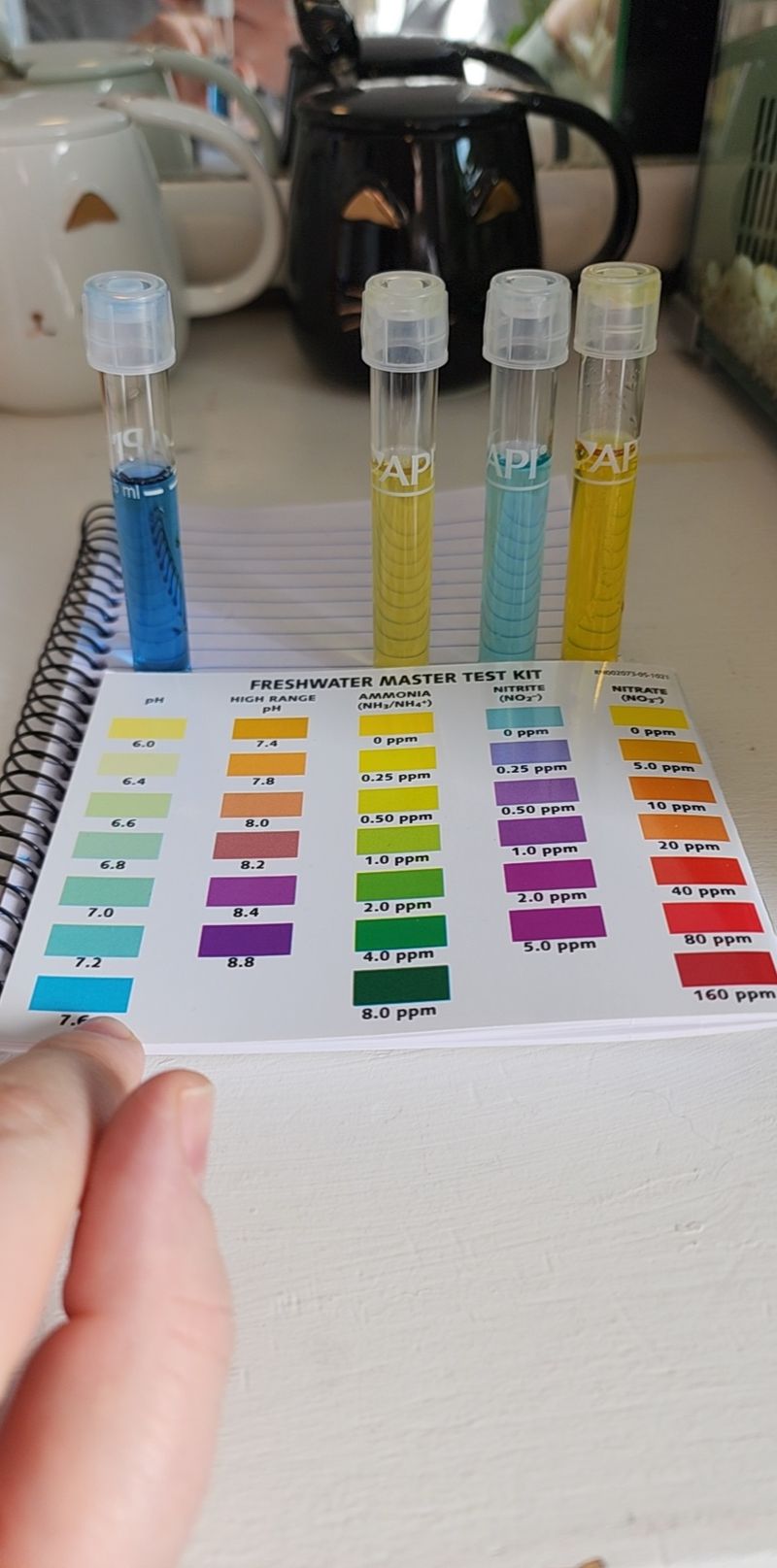
Clear water can still hide trouble, much like a calm face hiding a stomachache. A quick fall test shows what is really going on before ice seals the surface.
Problems caught now are cheaper and easier to fix than surprises in spring. Stressed fish in poor water have a much harder time making it through winter.
Start with pH, which tells you how acidic or alkaline the water is. Fish do best around 7.4, though a range of 6.5 to 9 is generally healthy.
Ammonia and nitrite should read close to zero in a healthy, balanced pond. Nitrates can climb higher, but big numbers fuel algae and signal too much waste.
Alkalinity, also called KH, acts like a shock absorber for pH swings. Beneficial bacteria need it too, so low KH can weaken your natural filtration.
Dissolved oxygen matters more than ever once ice forms and gas exchange slows. Some test kits include an oxygen check, or you can buy a simple meter.
A basic pond test kit from a garden center covers most of these readings. Pair it with a floating thermometer to time your other fall chores.
For deeper answers about microbes or pollutants, a lab test is worth considering. Cornell Cooperative Extension in Monroe County lists water testing drop-off sites run by a private lab.
Once you have results, act while the water is still reasonably warm. Partial water changes or a dose of helpful bacteria work best before temperatures plunge.
Jot your numbers in a notebook or phone app for future reference. Comparing each fall helps you spot slow changes before they become big problems.
8. A Small Water Change Dilutes Built-Up Waste
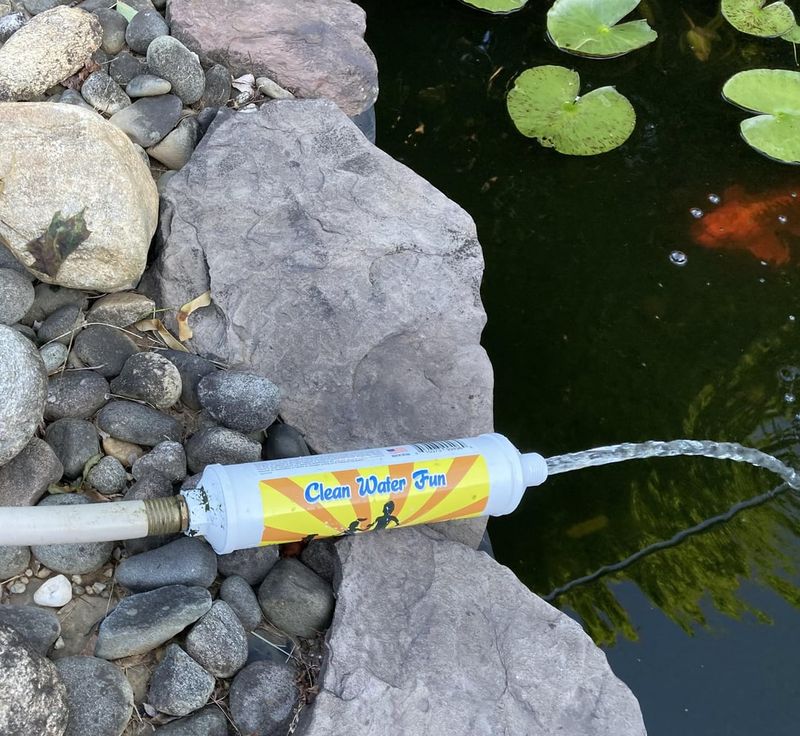
Topping off a pond is a bit like adding fresh coffee to a stale pot. The cup gets fuller, but the old flavor sticks around.
Evaporation removes water yet leaves waste behind, so the leftovers get more concentrated. Only removing old water and adding new actually lowers those levels.
All summer, fish waste, leftover food, and rotting plants add nitrates, phosphates, and ammonia. A fall water change thins out that buildup before winter traps it.
Lower nutrient levels now mean fewer algae blooms when spring sunshine returns. Your fish also get cleaner, steadier water heading into their long winter rest.
For regular upkeep, many experts suggest swapping 10 to 20 percent of the water weekly. Some recommend one larger change, up to half, before water drops below 60 degrees.
If tests show serious trouble, a bigger change of one-third to one-half may be needed right away. Smaller, steady changes are usually gentler on fish and helpful bacteria.
Most municipal tap water in your area likely contains chlorine or chloramine. Both are harmful to fish, so treat new water with a dechlorinator every time.
Temperature is the next thing to check before refilling. Try to keep new water within about two degrees of the pond to avoid shocking your fish.
Add the fresh water slowly, ideally through the last stage of your filter. A gentle trickle mixes evenly and keeps the pond calm.
A garden hose, a small submersible pump, and an hour on a crisp Saturday are all you need. Your fish get a fresher home for a very small effort.
9. Never Smash The Ice Above Your Fish
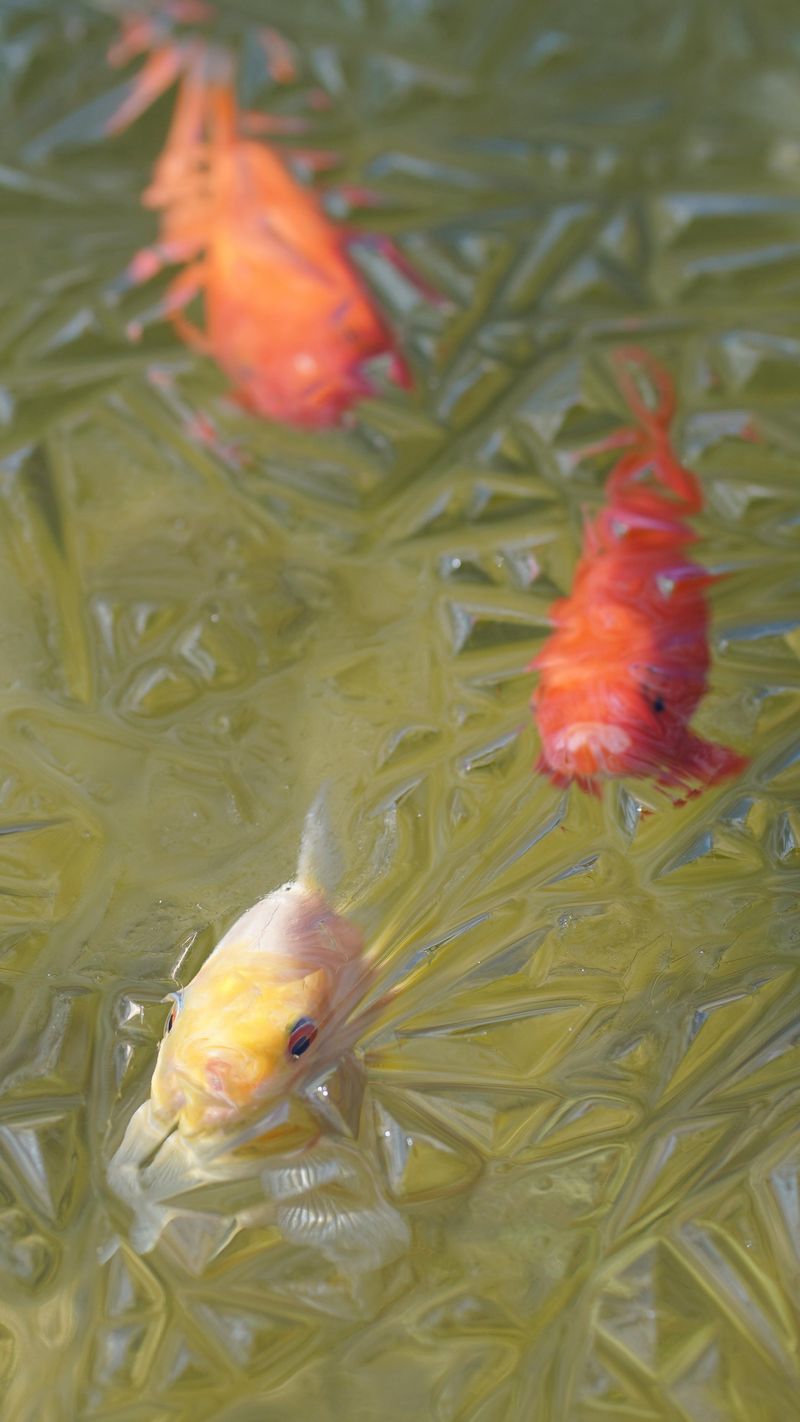
When a pond freezes over, the urge to grab a hammer can feel almost heroic. Please set that hammer down, because your fish will pay the price.
Striking ice sends powerful shockwaves racing through the still water below. Fish sense sound and motion sharply, and those blasts can stress or injure them badly.
Winter fish are already running on very low energy with weaker immune systems. A sudden jolt can leave them open to infections and other health problems.
Smashing ice also backfires in a very practical way. The fresh opening often refreezes quickly, and water can spill over the ice and escape the liner.
Still, an opening in the ice matters a great deal. Trapped gases from waste and decaying leaves can build up and slowly drain oxygen from the water.
A floating de-icer is the easiest fix for most backyard ponds. Its thermostat keeps a small hole open without disturbing your sleeping fish below.
Adding an aerator gives extra oxygen and helps keep the surface moving. During harsh upstate cold snaps, using both tools offers the best protection.
Caught without any equipment after a surprise overnight freeze? Set a pot of hot water on the ice and let it melt a hole slowly.
Avoid pouring hot water straight into the pond, since sudden heat can shock the fish. Refill the pot and repeat until a small opening forms.
Keep kids and pets off pond ice, even when it looks thick and solid. New York City officials and the FDNY warn every winter about thin ice dangers.