The Meaning Behind Seeing Squirrels Hoarding In Your Ohio Yard Before Fall
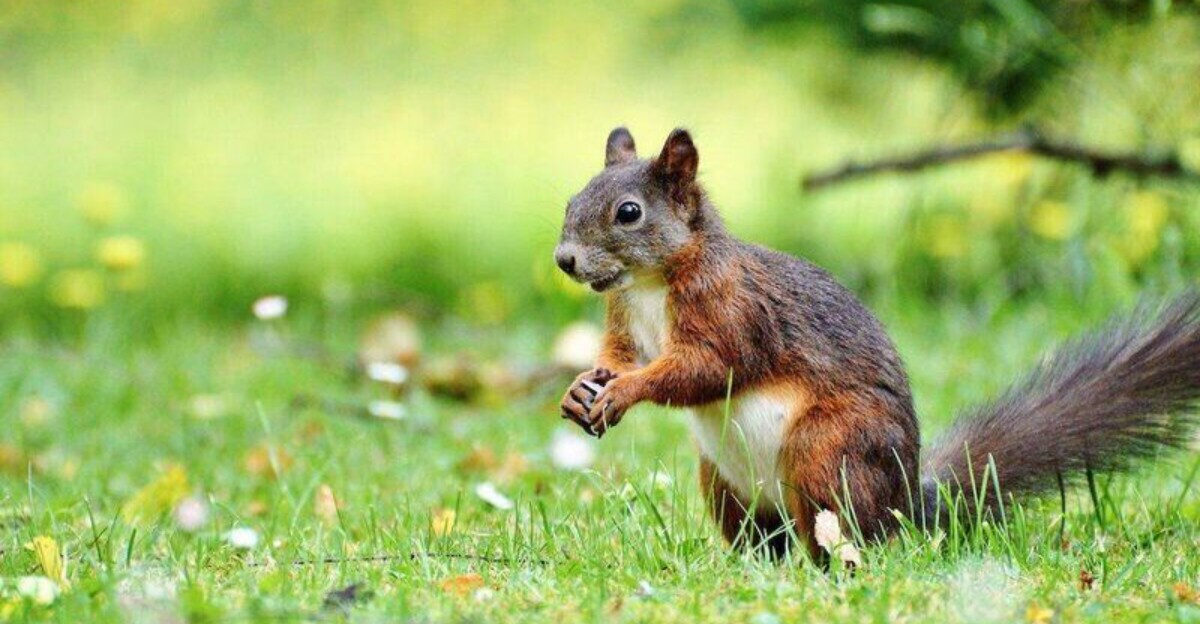
Something small and gray just sprinted across your Ohio lawn with its cheeks stuffed like a grocery bag. A moment later, it was digging frantically beside your prize tulip bed.
The air smells like cut grass and the first crunchy leaves of late September. Your backyard suddenly feels like a busy warehouse run by tiny, furry workers.
Neighbors swear these busy creatures can predict the weather better than the local news. Grandparents nod knowingly and mutter about a rough winter ahead.
Yet the real story is a surprisingly funny mix of science and simple instinct. Some of it may even change how you care for your yard this month.
So grab a warm drink and settle in by the nearest window. Your fluffy little tenant clearly has not signed a lease, but it already buried the deposit.
A Built-In Survival Clock At Work
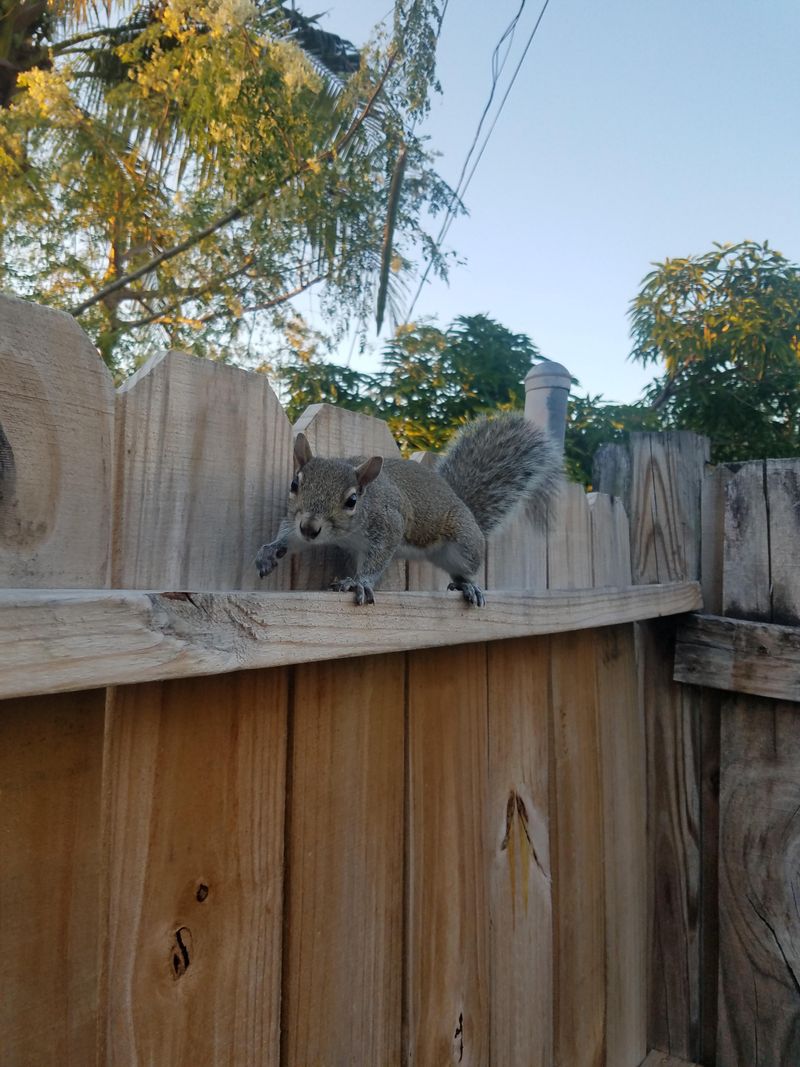
Picture a tiny alarm clock ticking inside every squirrel in Ohio. When late summer days grow shorter, that clock rings loudly.
Hoarding is linked to shorter days and plentiful food, not a secret weather forecast. Changing daylight is thought to nudge squirrels toward gathering and stashing food.
Eastern gray squirrels and fox squirrels are scatter hoarders across most of Ohio. They bury single nuts in hundreds of spots instead of one big pile.
Red squirrels, found in some northern Ohio woods, behave a little differently. They pile cones and seeds into big heaps called middens.
So the busy digging you see is normal, healthy, and right on schedule. It is a seasonal routine that helps squirrels prepare for cold months.
Food is also plentiful in early fall, so the timing makes perfect sense. Acorns, hickory nuts, and walnuts drop heavily as fall arrives.
A squirrel can bury thousands of nuts in a single season. Scientists think they recall many hiding spots using landmarks like trees and rocks.
Watching this behavior is a fun way to track the season changing. You might notice squirrels grow chubbier and their fur thicker as weeks pass.
Keep a simple notebook by your window if you enjoy nature. Jot down the date you first spot heavy hoarding each year.
Over time, you will see patterns tied to your trees and your yard. It becomes a homemade calendar written by furry little farmers.
Old Weather Sayings Behind Busy Squirrels
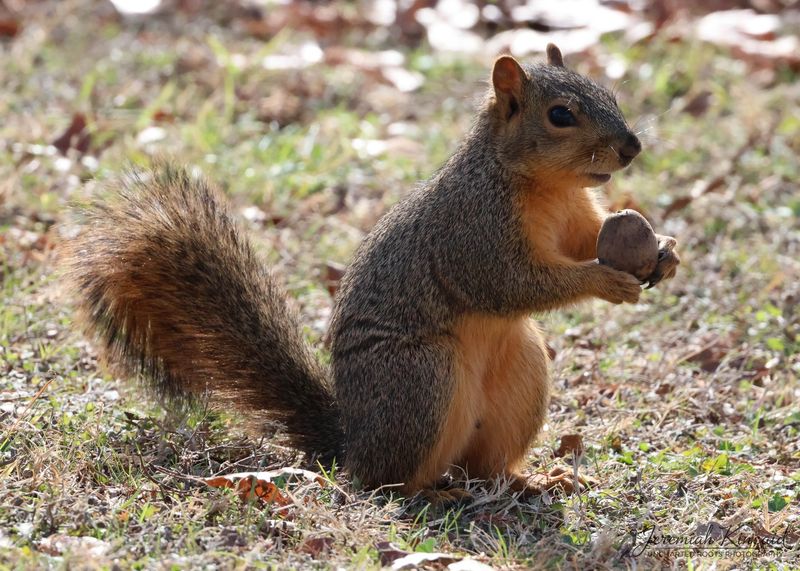
Grandpa used to say busy squirrels meant snow up to your knees. Plenty of Ohio families still repeat that old saying every autumn.
The folklore is charming, but science tells a gentler story. Squirrels respond to food supply and daylight far more than future storms.
A huge acorn crop, called a mast year, makes squirrels look extra frantic. More nuts on the ground simply means more burying work.
Oak trees in Ohio produce big crops every few years in cycles. Those boom years can make any yard look like a squirrel construction zone.
Thicker tails and early nest building also get blamed for harsh winters. Those signs usually reflect the seasonal coat change and food supply, not a crystal ball.
Your Ohio Garden Changes Every Week. Your Plan Should Too.
Gardening in Ohio changes quickly throughout the season. Every Friday you’ll receive a simple weekly plan showing exactly what to plant, prune, fertilize, harvest, and protect so you never miss the right timing.
Still, folklore has value because it connects people to nature. It encourages kids and adults to look closely at the living world.
Try a friendly family game this fall based on the old sayings. Everyone guesses the winter based on squirrel activity, then checks results in March.
You might be right by luck, and that makes the game fun. It also sparks great conversations about how animals really adapt.
Fun fact: Ohio has its own weather-predicting groundhog named Buckeye Chuck. Clearly, Ohioans enjoy asking furry creatures for weather advice.
Enjoy the stories, but trust the local forecast for snow tires. Your squirrels care about lunch, not your morning commute.
The Garden Bulb Blunder Many Homeowners Make
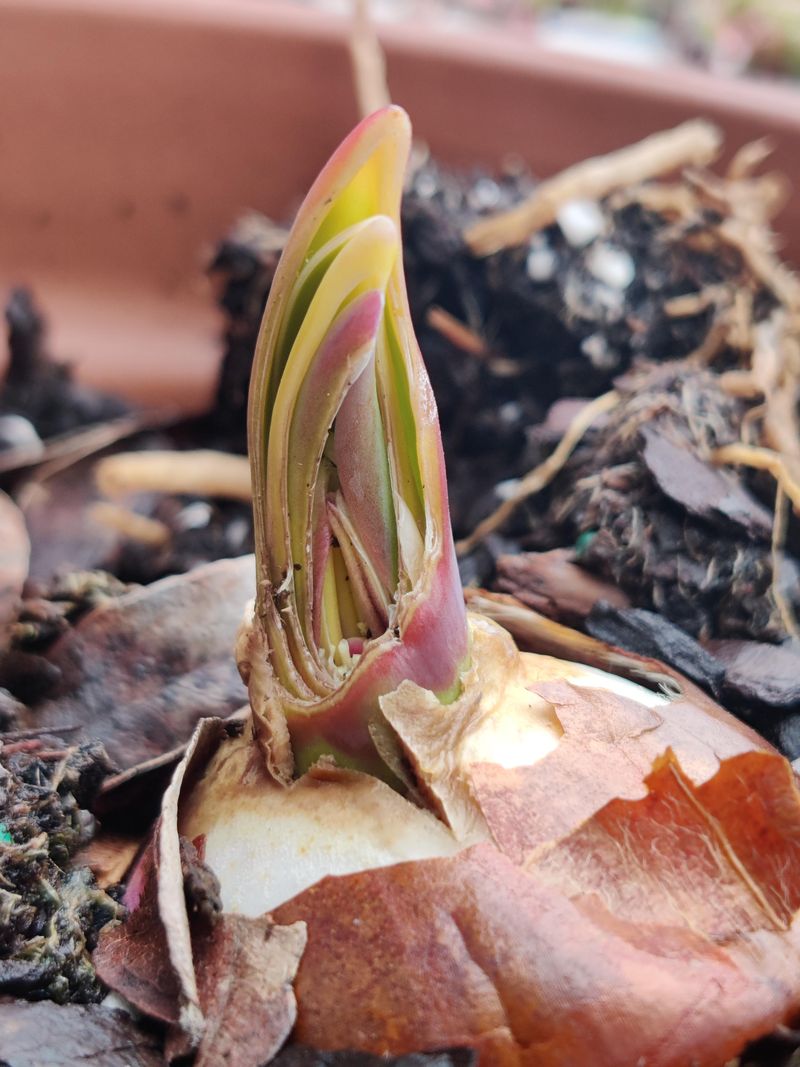
Planting tulip bulbs in fall feels like a cozy ritual. Unfortunately, squirrels see freshly turned soil as a grand buffet invitation.
Loose dirt is easy to dig, so squirrels investigate new flower beds first. Tulip and crocus bulbs are tasty snacks they happily steal.
A common mistake is leaving papery bulb skins scattered on top. Those scraps and the freshly disturbed soil can catch the attention of hungry squirrels nearby.
Another slip is planting too shallow to save time. Bulbs set only a few inches deep are simple to snatch.
Clean up all bulb debris right after planting to reduce scent trails. Firm the soil gently with your hands so it looks undisturbed.
Plant most bulbs about three times as deep as they are tall. Deeper holes discourage casual digging from curious visitors.
You can also choose bulbs squirrels usually skip. Daffodils, alliums, and hyacinths tend to be left alone because they taste unpleasant.
Laying chicken wire over beds works well for stubborn neighborhoods. Cover the wire with mulch, and shoots can still grow through the holes.
Honestly, many gardeners learn this lesson the hard way. They discover a tulip blooming proudly in the middle of the lawn next spring.
That surprise flower is a squirrel planting mistake in reverse. It can be oddly charming, even if your tidy design gets rearranged.
Friendly Fixes For A Yard Full Of Diggers
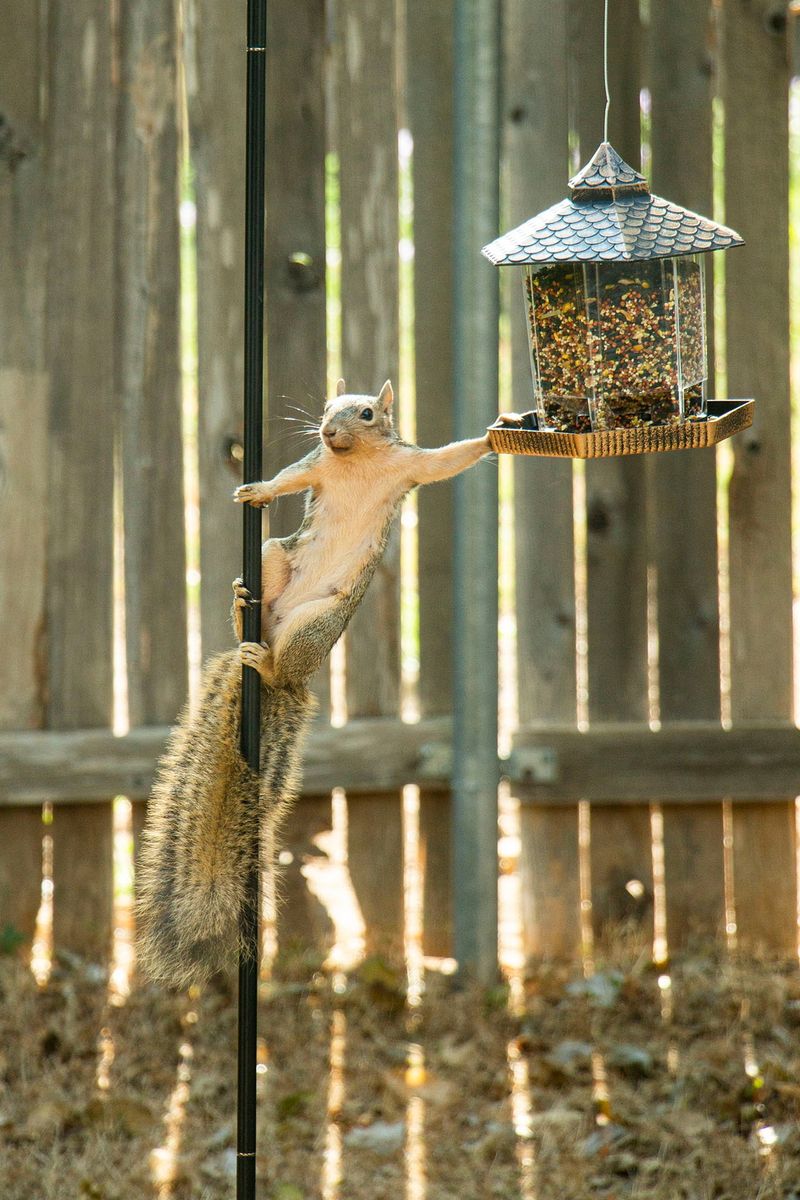
Nobody wants a feud with a creature that weighs only a pound or two. Luckily, gentle tricks can keep peace between you and your busy neighbors.
Start with bird feeders, since they attract squirrels like magnets. A cone-shaped baffle on the pole stops most climbers quickly.
Place feeders at least ten feet away from trees, fences, and roofs. Squirrels are amazing jumpers and will launch from nearby branches.
Safflower seed is a smart swap for regular sunflower mixes. Many birds enjoy it, while squirrels often find it boring.
Pick up fallen nuts and fruit from your lawn when you can. Less free food means fewer squirrels digging holes in your grass.
Some homeowners set up a separate squirrel snack station far from gardens. A little corn in one corner can distract them from your flower beds.
Sprinkling cayenne pepper on soil can help, though rain washes it away. Reapply after storms if you choose this method.
Motion-activated sprinklers offer a surprising splash that squirrels dislike. They work for deer and rabbits too, which is a bonus.
Skip toxic baits and sticky traps, since they can harm pets and other wildlife. Ohio also has rules about trapping and moving wild animals.
A calm, layered approach usually works best over time. Think of it as setting polite boundaries with a neighbor.
Tiny Tree Planters Shaping Ohio Forests
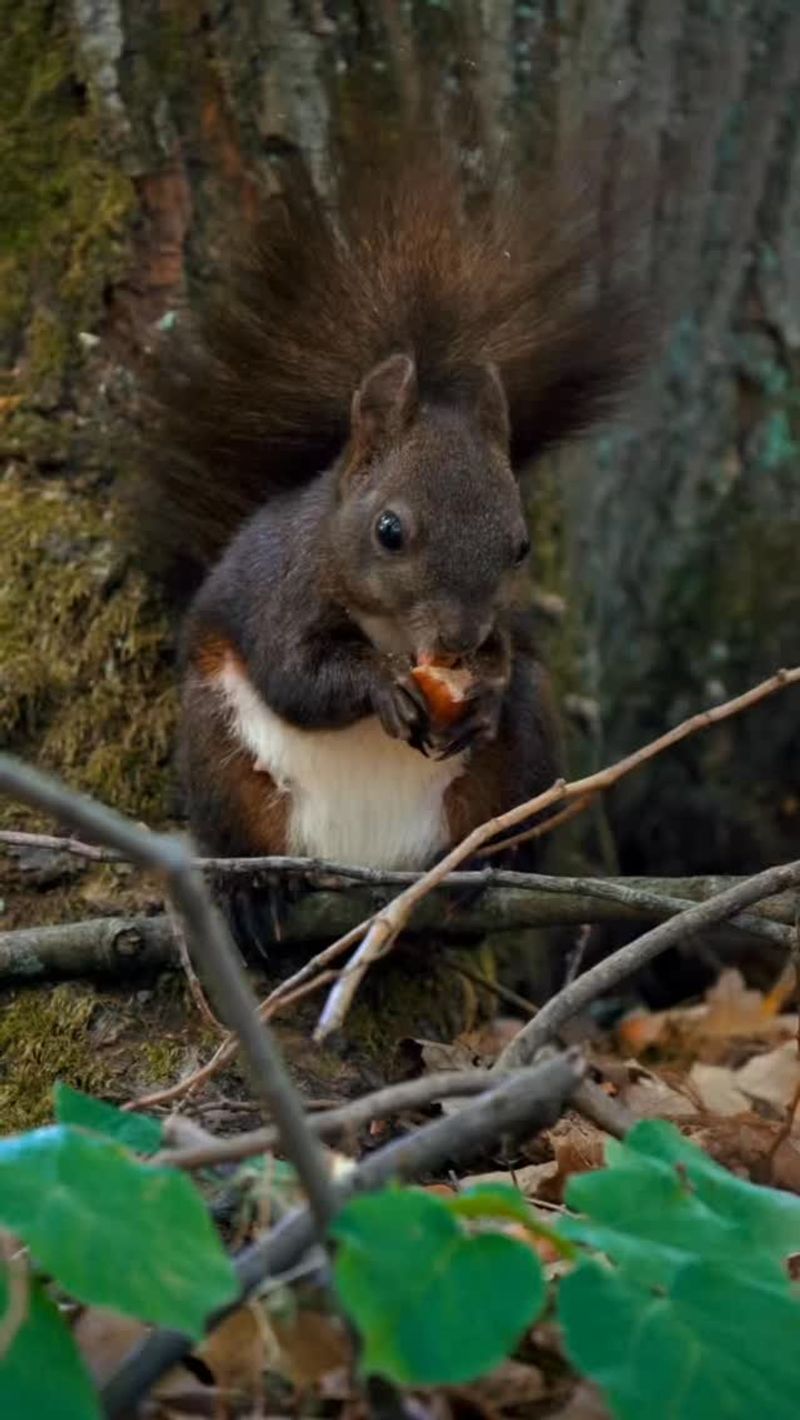
Here is a twist that might make you smile at the next squirrel. Those forgetful diggers are secretly planting the forests of tomorrow.
Squirrels fail to recover a good share of the nuts they bury. Many of those lost acorns sprout into young oak trees.
Researchers consider squirrels important tree planters in eastern North America. Ohio oaks, hickories, and walnuts benefit greatly from their efforts.
Burying nuts protects them from drying out and being eaten by insects. It also places seeds in soil where they have a chance to sprout.
So the chaos in your yard carries a big, hopeful outcome. Your little neighbor may be starting a tree that stands for centuries.
Watch for tiny seedlings popping up in odd spots next spring. You might find a baby oak in a flowerpot or garden edge.
If you have space, consider letting one grow in a safe spot. Otherwise, gently dig it up and share it with a friend or park.
Kids especially love learning that squirrels act like gardeners. It turns an annoying pest story into a fun science lesson.
Oak trees also feed hundreds of caterpillar species and many birds. One squirrel mistake can help an entire web of wildlife.
Next time you see frantic digging, try picturing a future forest. That busy tail suddenly looks a lot more heroic.
Smart Steps For A Calmer Winter Season
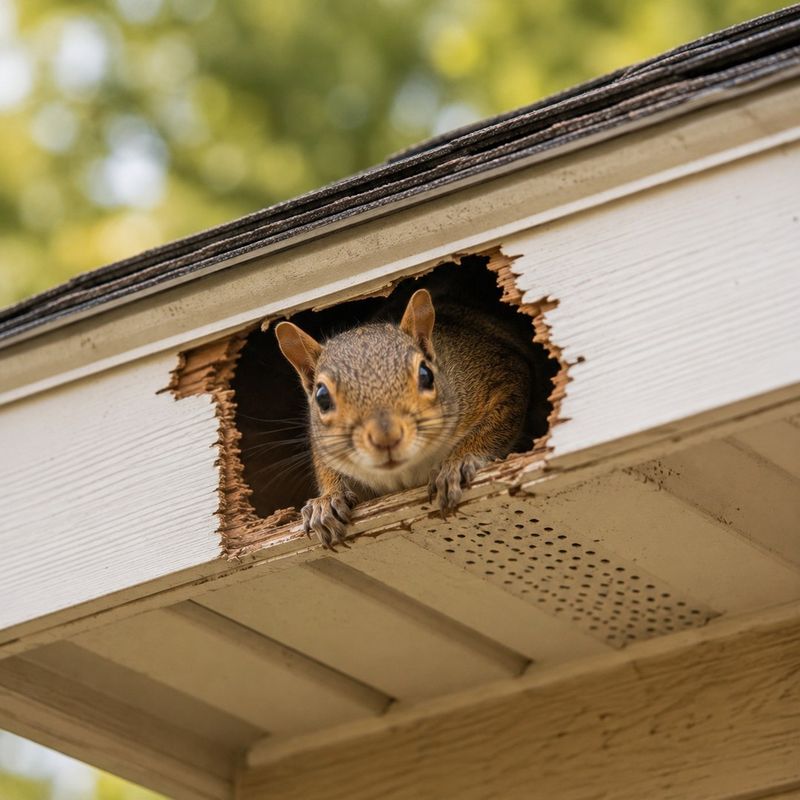
Autumn hoarding is a hint that squirrels are thinking about shelter too. Some may eye your attic as a warm, dry winter apartment.
Walk around your home this month and look for small gaps. Squirrels can squeeze through holes about the size of a golf ball.
Check roof edges, vents, soffits, and spots where pipes enter walls. Chewed wood or scattered insulation are strong clues of visitors.
Seal openings with sturdy hardware cloth or metal flashing. Squirrels can chew through plastic, foam, and thin wood surprisingly fast.
Before sealing, make sure no animal is already inside. Mother squirrels sometimes raise a fall litter in September and October.
Trim tree branches so they sit at least eight to ten feet from your roof. That simple step cuts off an easy highway to your shingles.
Store birdseed and pet food in metal containers with tight lids. Garages and sheds become squirrel pantries when food is left open.
If a squirrel does move in, a professional wildlife control company can help. They use one-way doors that let animals leave without harm.
Planning now saves money and stress during icy January nights. Repairs are also easier in mild weather than in snow.
With a little prep, you can enjoy squirrel antics from the window. They keep the outdoors, and you keep the cozy attic.