These Are The Plants Ohio Gardeners Can Add This Summer To Bring Box Turtles Into The Yard
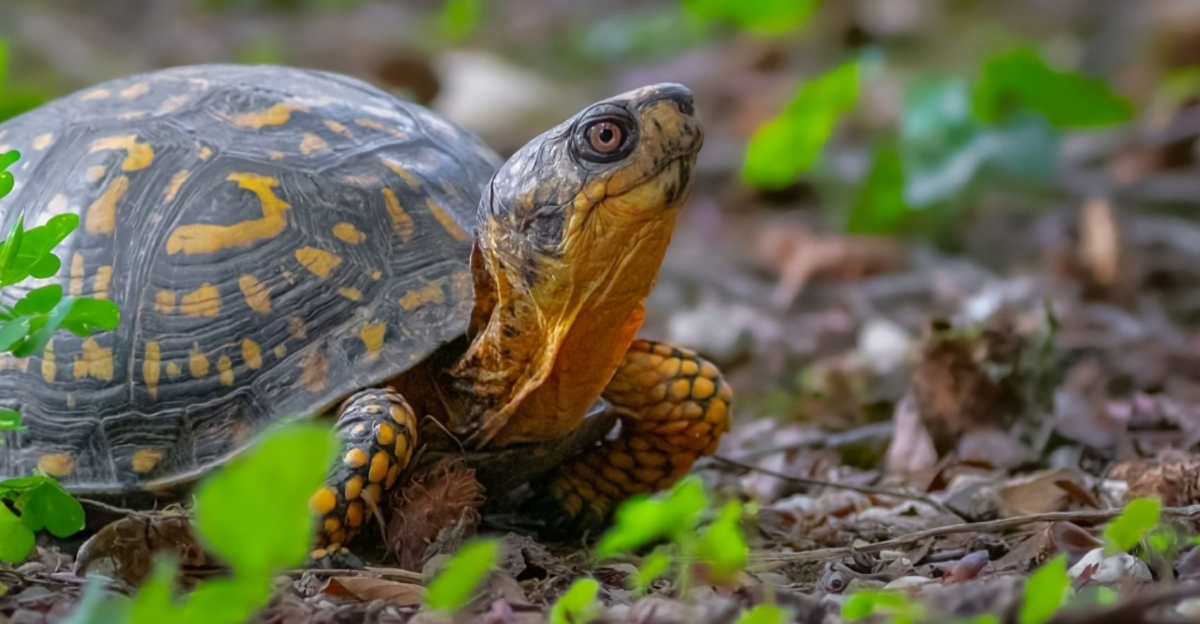
There is something genuinely delightful about spotting an Eastern Box Turtle making its unhurried way through a garden bed, stopping to investigate a strawberry or disappearing into a shady corner like it has somewhere important to be.
These charming reptiles are one of Ohio’s most recognized woodland creatures, and they have excellent taste in real estate.
Shaded edges, fruiting plants, brushy cover: they know what they want and they will absolutely show up if the conditions are right.
The good news for Ohio gardeners is that creating a more turtle-friendly yard and creating a more beautiful, wildlife-rich landscape are basically the same project.
Native plants do most of the heavy lifting here, offering fruit, shade, shelter, and that layered woodland edge feel that box turtles and honestly most Ohio wildlife find completely irresistible.
1. Mayapple Offers A Favorite Woodland Fruit
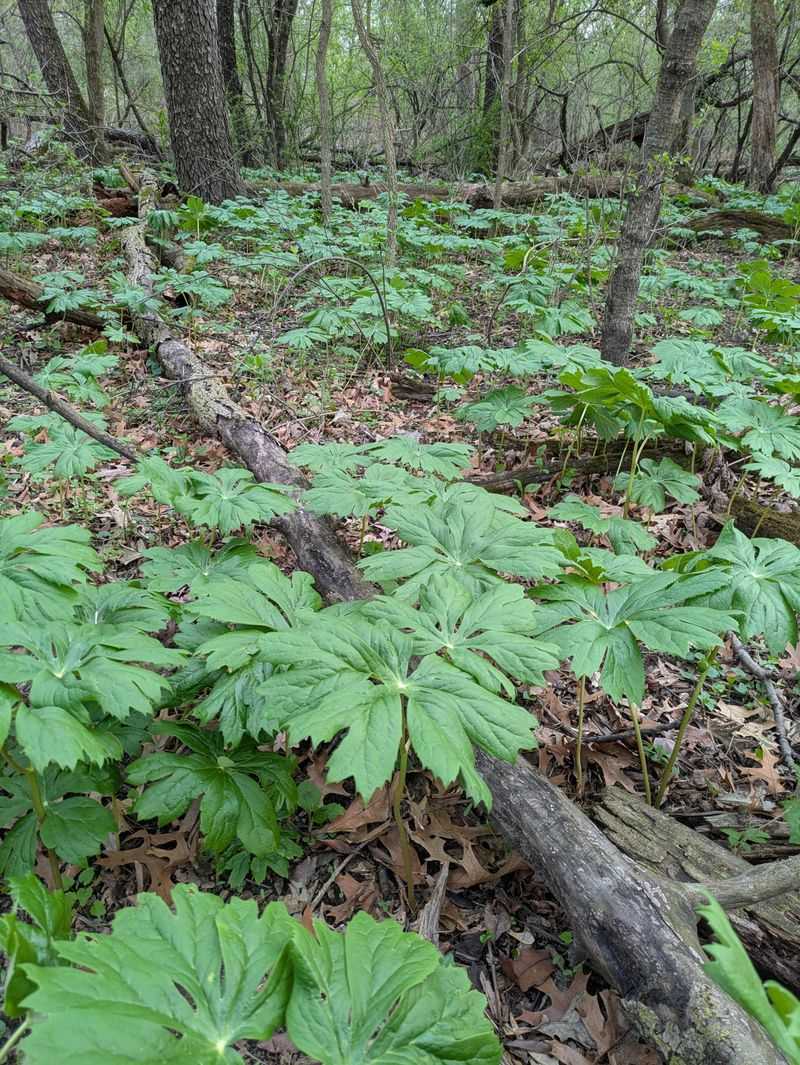
Few native plants feel as distinctly woodland as mayapple, with its wide umbrella-shaped leaves spreading low across shaded garden floors throughout much of Ohio.
Eastern Box Turtles are known to eat the ripe yellow fruit that drops in late summer, making mayapple a genuinely useful addition to a naturalized yard.
The plant tends to spread slowly into colonies, which means it can eventually cover a good stretch of shaded ground under trees or along a woodland edge.
Mayapple grows best in moist, rich soil with consistent shade or dappled light. It tends to go dormant by midsummer, so pairing it with other low-growing natives helps fill in gaps as the season moves along.
In an Ohio yard, a shaded corner near a fence line or under a canopy tree is usually a solid spot to get it established.
The fruit is the part box turtles tend to seek out, so letting fallen fruit stay on the ground rather than tidying it away supports natural foraging behavior.
Pesticide use near mayapple patches should be avoided, since box turtles move through low vegetation regularly and can be exposed to chemicals through contact with treated soil or plants.
2. Wild Strawberry Adds Low Summer Forage
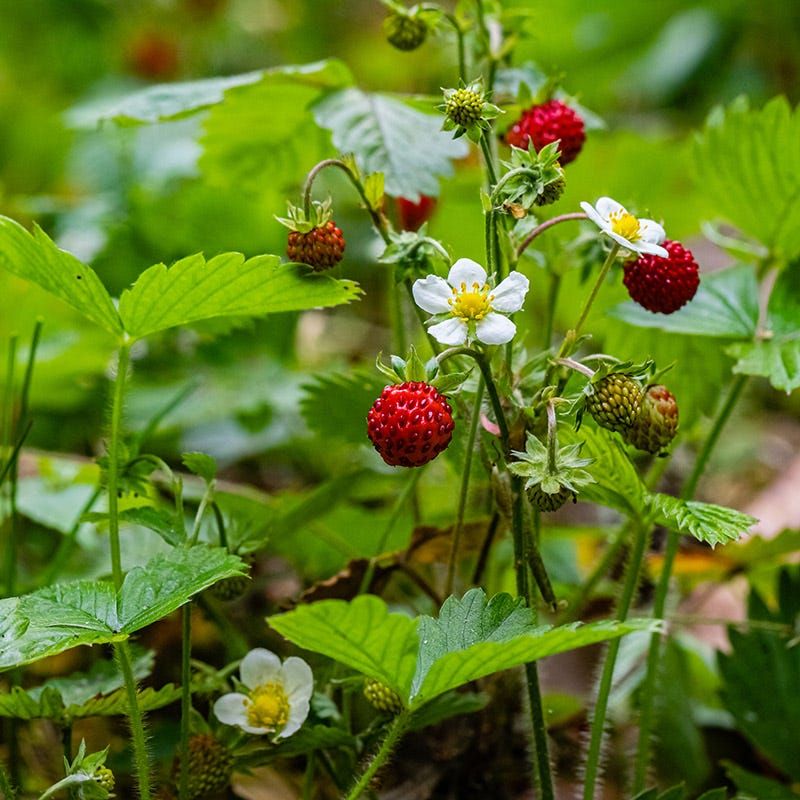
Tucked along woodland edges and shaded garden borders across Ohio, wild strawberry is a low-growing native that produces small, intensely flavored red fruits through late spring and into early summer.
Box turtles are opportunistic foragers that readily eat ripe berries when they find them, and wild strawberry fits naturally into the kind of low, shaded ground cover that these turtles tend to move through.
Unlike cultivated strawberries, the wild variety spreads through runners and forms a loose mat of ground cover that works well along the edges of naturalized beds.
It prefers moderately moist soil and does well in partial shade, which makes it a practical choice under the canopy of larger native shrubs or along a shaded yard border.
Ohio gardeners working with a mix of sun and shade near a woodland edge will find it easy to establish.
Leaving the fruit to ripen and fall naturally rather than harvesting everything gives wildlife a better chance to benefit from the planting. Wild strawberry also supports pollinators during its bloom period, adding another layer of value to a wildlife-aware yard.
Your Ohio Garden Changes Every Week. Your Plan Should Too.
Gardening in Ohio changes quickly throughout the season. Every Friday you’ll receive a simple weekly plan showing exactly what to plant, prune, fertilize, harvest, and protect so you never miss the right timing.
Keeping the area around it free from synthetic pesticides and herbicides helps protect any turtles that pass through the planting.
3. Native Brambles Provide Berries And Cover
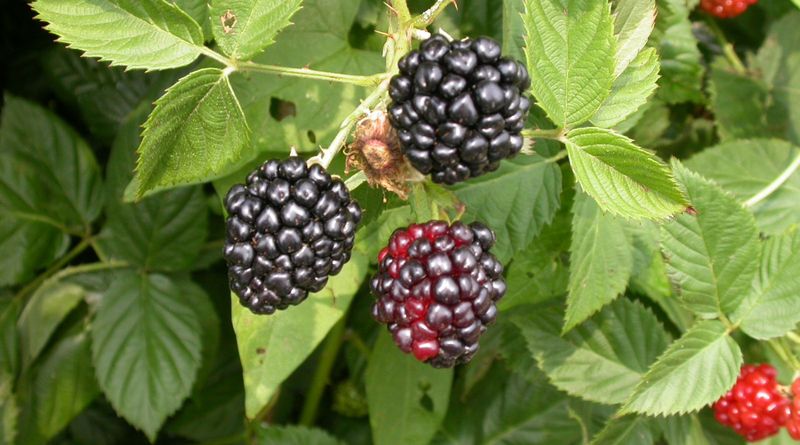
Brambles have a reputation for being a little unruly, but that scrubby, dense growth is exactly what makes them so valuable in a wildlife-friendly Ohio yard.
Native species like black raspberry and blackberry produce fruit that box turtles will eat when it ripens and falls to the ground.
The tangled canes also create the kind of low, sheltered cover that these turtles use when moving through a yard or resting through the heat of midday.
Planting brambles along a fence line, at the back of a naturalized bed, or in a sunny to partly shaded corner gives them room to spread without taking over more cultivated areas of the yard.
They tend to do well in average to moderately moist Ohio soils and can handle a range of light conditions, though they fruit most reliably with several hours of sun.
Cutting back older canes in late winter keeps the planting manageable without eliminating its wildlife value.
The layered structure of a bramble planting, with canes at different heights and fallen fruit at ground level, mirrors the kind of edge habitat box turtles naturally use across Ohio.
Avoiding mowing or heavy disturbance near established bramble patches during summer months helps protect any turtles that may be resting or foraging nearby.
4. American Elderberry Supports A Wildlife-Friendly Yard
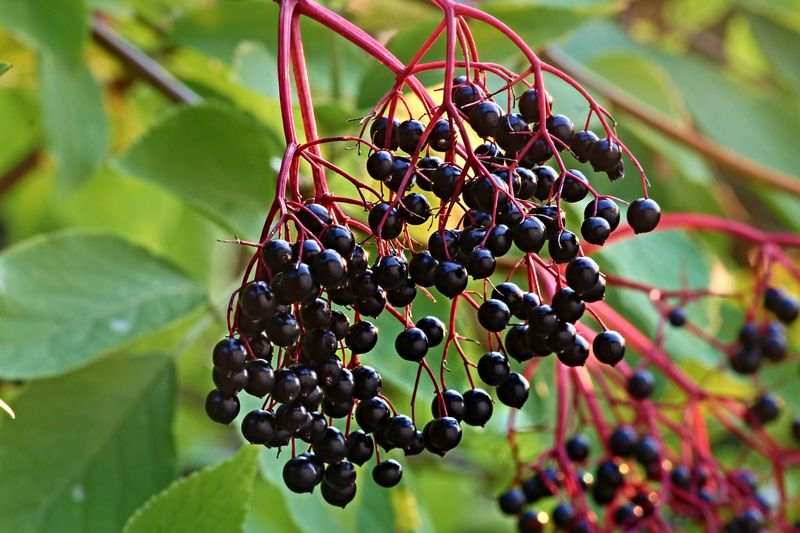
American elderberry is one of those native shrubs that pulls its weight in a wildlife-friendly yard from early summer all the way through fall.
The flat-topped clusters of small dark berries ripen in late summer and are known to be eaten by a wide range of wildlife, including Eastern Box Turtles when the fruit falls within reach on the ground.
For Ohio gardeners looking to add structure, height, and seasonal food value to a naturalized planting, elderberry is a strong candidate.
It grows quickly and can reach six to twelve feet in height, making it useful as a backdrop shrub along a property edge or in a naturalized corner that gets moderate sun and reasonably moist soil.
Elderberry tends to thrive near low spots in the yard where moisture lingers a bit longer after rain, which suits the kind of habitat box turtles generally prefer.
It also supports a broad range of native pollinators during its bloom period in early summer.
Letting fallen berries remain on the ground beneath the shrub rather than raking them away immediately gives foraging wildlife a better opportunity to find food.
Grouping elderberry with other native shrubs like spicebush or native viburnums creates a more layered habitat planting that offers cover, moisture, and food in the same general area of the yard.
5. Pawpaw Brings Woodland Shade And Fruit
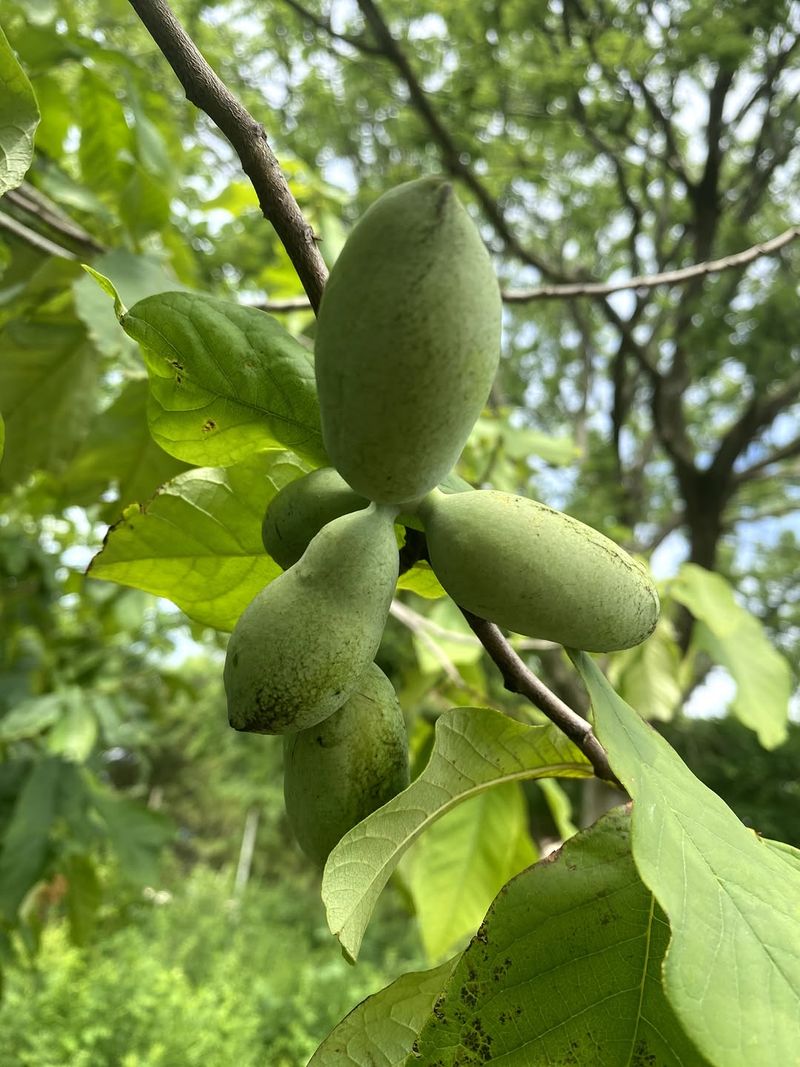
Pawpaw has a certain novelty to it that makes Ohio gardeners do a double take the first time they spot one.
The large, drooping leaves give it a tropical look that feels out of place in a midwestern yard, but pawpaw is entirely native to Ohio and grows naturally in moist woodland edges and river bottoms across the state.
The heavy, custard-like fruit it produces in late summer is eaten by a variety of wildlife, and Eastern Box Turtles have been documented consuming fallen pawpaw fruit when they encounter it.
In a residential yard, pawpaw works well as an understory tree planted beneath taller shade trees or along a moist, partially shaded property edge.
It spreads slowly through root suckers to form small colonies, which can eventually create a shaded, sheltered pocket that mirrors the woodland understory habitat box turtles use naturally.
Ohio gardeners should plant at least two genetically different pawpaw trees near each other to encourage fruit production.
Fallen fruit left on the ground under the tree is the most accessible form of food for ground-dwelling wildlife like box turtles.
Keeping the area beneath pawpaw trees mulched with leaf litter rather than bare soil or turf grass makes the surrounding ground more hospitable for turtles moving through the yard during summer.
6. Spicebush Adds Shrubby Shelter
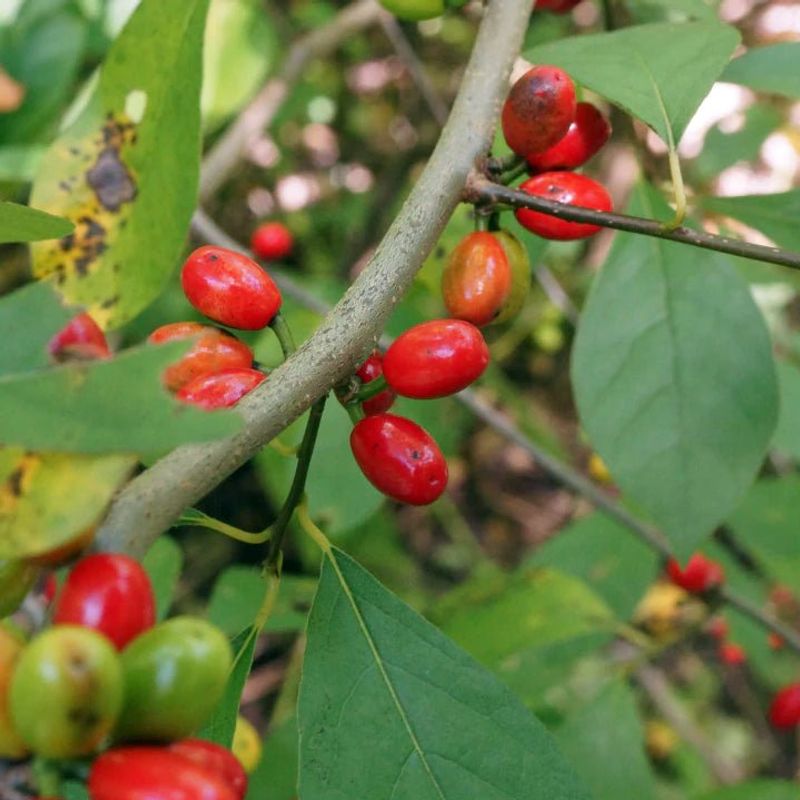
Spicebush is one of those native shrubs that earns its place in an Ohio yard quietly, without demanding much attention.
It grows naturally along shaded stream banks and moist woodland edges throughout the state, and its dense, multi-stemmed form provides the kind of low shrubby cover that box turtles use when moving through a yard or sheltering from summer heat.
The bright red berries that ripen in late summer are high in fat and eaten by a range of wildlife, though box turtles are more likely to encounter fallen fruit at ground level than to reach fruit still on the branch.
In a residential setting, spicebush fits well in a shaded to partly shaded bed with consistently moist soil.
It tolerates heavier shade than many fruiting shrubs, which makes it a useful choice for those darker corners of an Ohio yard where other plants tend to struggle.
Planting male and female shrubs near each other is needed to get fruit, so adding more than one plant from the start is a practical step.
The dense branching and leafy canopy of spicebush also creates a shaded microclimate at ground level, which helps keep the soil beneath it moist and cool during summer.
That kind of shaded, damp ground cover is exactly the type of microhabitat that box turtles in Ohio tend to seek out during warm afternoons.
7. Native Blueberries Fit Acidic Garden Spots
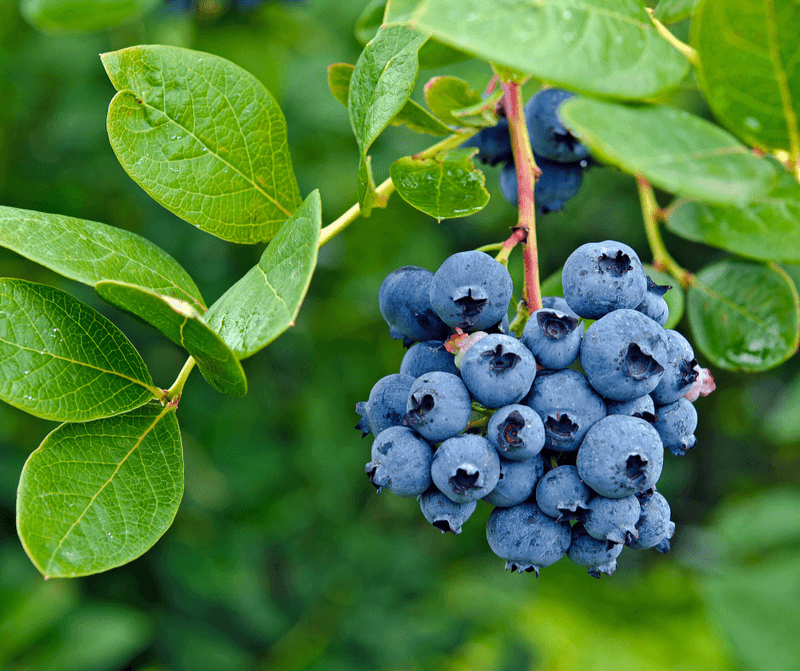
Blueberries are well known as a garden food crop, but Ohio’s native blueberry species bring something extra to a wildlife-focused planting.
Both lowbush and highbush native varieties produce fruit that Eastern Box Turtles eat when it becomes available at ground level, and the shrubby form of these plants adds low cover and structure to a naturalized garden bed.
For Ohio homeowners who happen to have acidic, well-drained soil in a sunny to partly shaded spot, native blueberries can be a rewarding addition.
Soil pH is the main consideration when planting blueberries, since they prefer a fairly acidic range that not every Ohio yard naturally provides.
Amending the soil with sulfur or using acidic mulch like pine bark can help create a more suitable growing environment, but testing the soil before planting gives a clearer starting point.
Blueberries also fruit more reliably when more than one variety is planted nearby to allow cross-pollination.
The fruit that falls or drops to the base of the plant is what ground-dwelling wildlife like box turtles are most likely to find and eat. Leaving some fallen fruit in place rather than cleaning up every dropped berry makes the planting more useful for foraging wildlife.
Native blueberries also support native bees during their early bloom period, adding pollinator value alongside their habitat benefits.
8. Wild Ginger Creates Low Shady Cover
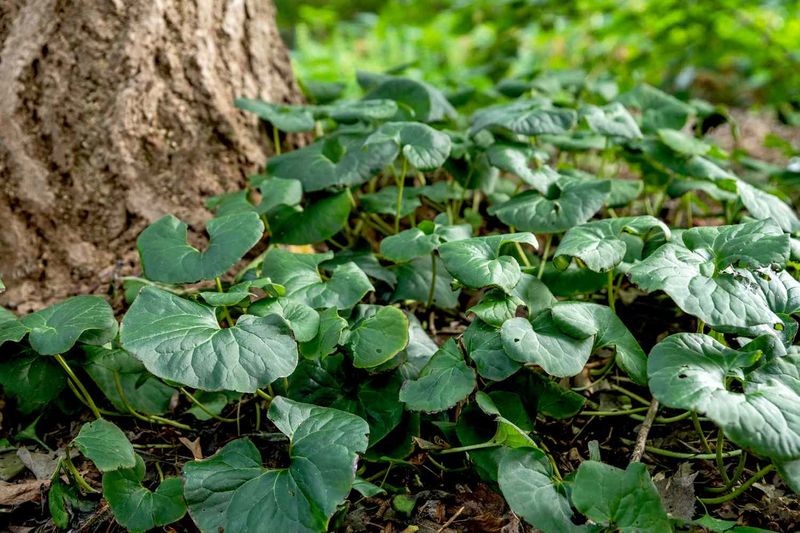
Ground-level cover is one of the most practical things an Ohio gardener can add to a yard that is meant to support box turtles, and wild ginger fills that role with quiet effectiveness.
This low-growing native spreads slowly across shaded, moist soil to form a dense mat of large, heart-shaped leaves that stays close to the ground throughout the growing season.
While box turtles do not eat wild ginger fruit in the same way they consume berries, the plant creates the kind of shaded, humid microhabitat at ground level that these turtles actively seek out during Ohio summers.
Wild ginger grows best in rich, consistently moist soil under a full or partial shade canopy, making it a natural fit for the shaded spots beneath large trees or along a north-facing garden border.
It spreads through rhizomes to gradually fill in an area, which makes it a low-maintenance option once established.
Pairing it with taller woodland natives like spicebush or mayapple creates a layered planting that mimics the understory structure of an Ohio woodland edge.
The dense leaf cover also helps retain soil moisture, which benefits the surrounding plant community and keeps the ground cooler and more hospitable for wildlife moving through the area.
Avoiding disturbance to established wild ginger patches during the summer months reduces the chance of disrupting any turtles that may be resting beneath the leaf canopy.
9. Riverbank Grape Adds Native Fruit And Shelter
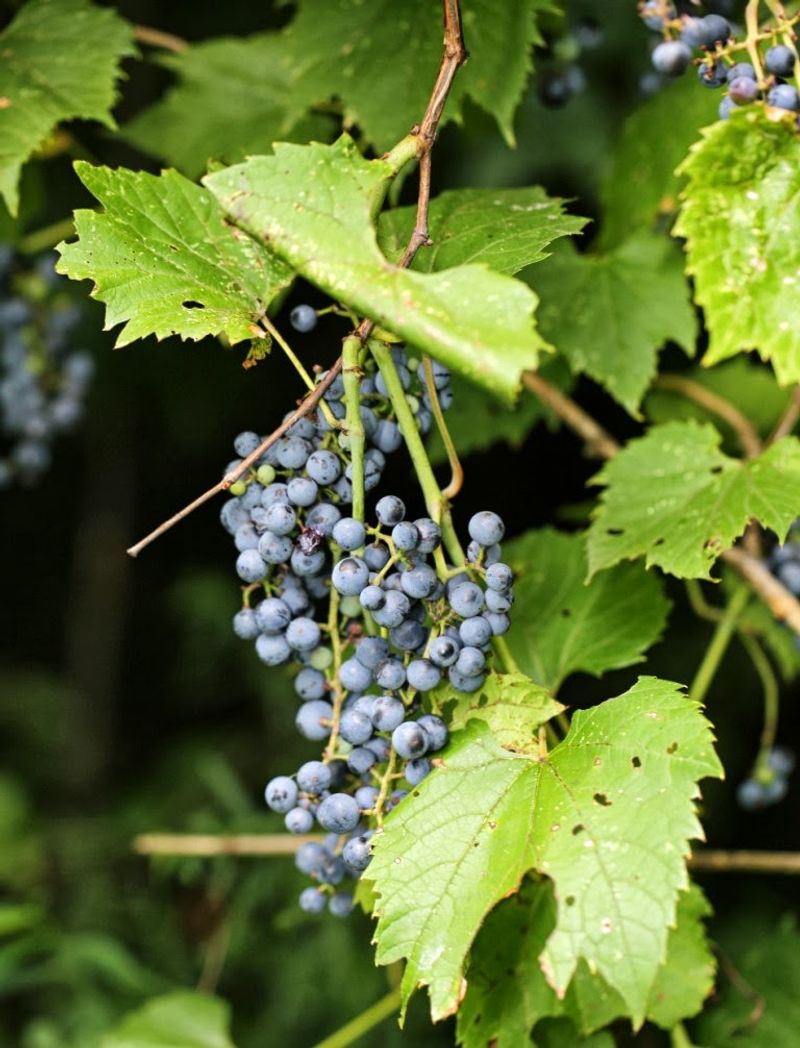
Vines sometimes get overlooked in wildlife habitat plantings, but riverbank grape is one of Ohio’s native species that brings real value to a yard focused on supporting box turtles and other local wildlife.
The small, dark clusters of fruit it produces in late summer and early fall are eaten by a wide range of animals, and Eastern Box Turtles will eat fallen grapes when they find them at ground level.
The vine’s dense leafy growth also creates a canopy of cover over fences, trellises, or shrubby structures that adds shade and shelter to the surrounding area.
Riverbank grape is a vigorous grower that can cover a fence line or climb into shrubs and small trees if left unchecked, so planting it in a spot where its spread can be guided makes management easier.
It grows well in average to moist Ohio soils and handles a range of sun conditions, though it tends to produce more fruit in sunnier locations.
Training it over a sturdy garden structure near a naturalized bed keeps the growth contained while still delivering habitat value.
Fallen fruit beneath the vine is the most accessible food source for ground-dwelling wildlife.
Pairing riverbank grape with lower-growing native shrubs and ground covers beneath it creates a more complete habitat planting that offers food, shade, and shelter within the same corner of an Ohio yard.