8 California Garden Habits That Can Help Prevent Root Problems During Wet Weather
Late September in California smells like dry leaves, warm dust, and the faint hope of rain. Somewhere, a weather app is teasing us with one tiny cloud icon.
When the first real storm finally arrives, the whole yard seems to sigh with relief. Puddles form, birds splash, and the air turns fresh and earthy.
Underneath all that happy splashing, a quieter story is unfolding in the dirt. Your plants are down there, quietly waiting to see how the soil handles it.
Too much water in the wrong places can turn a cheerful garden grumpy in a hurry. A few smart moves this fall can keep things lively.
Think of it as packing a raincoat for your garden before the forecast turns serious. Your flowers may not send a thank-you card, but their sulky faces will finally cheer up.
1. Test Your Drainage Before The First Big Storm
Picture a bathtub that drains slower than a snail on a lazy Sunday afternoon. Plenty of California yards with heavy clay soil behave exactly like that once winter storms roll through.
Late September is a useful window to find out how your ground handles water. The soil is still dry, which gives you a clear baseline, and the rainy season is only weeks away.
Grab a shovel and dig a hole about one foot deep and one foot wide. Fill it with water, let it drain, and then fill it again the next morning.
Now time how fast the second round of water disappears. Healthy soil drains about one to two inches per hour, which gives roots the air they need.
If water sits in the hole for most of the day, you have found a problem spot. Roots in that area can struggle because soggy soil pushes out the oxygen.
Try the test in a few different corners of your yard, since drainage can change a lot over short distances. Low spots near fences, patios, and lawns often surprise people.
Write down what you learn in a notebook or snap a photo with your phone. Those notes will show you where to plant, where to add compost, and where to build raised beds.
Think of it as a free health checkup for your garden. A little muddy homework now can save your favorite plants a lot of trouble when January downpours hit.
2. Mix In Compost To Build A Softer Sponge
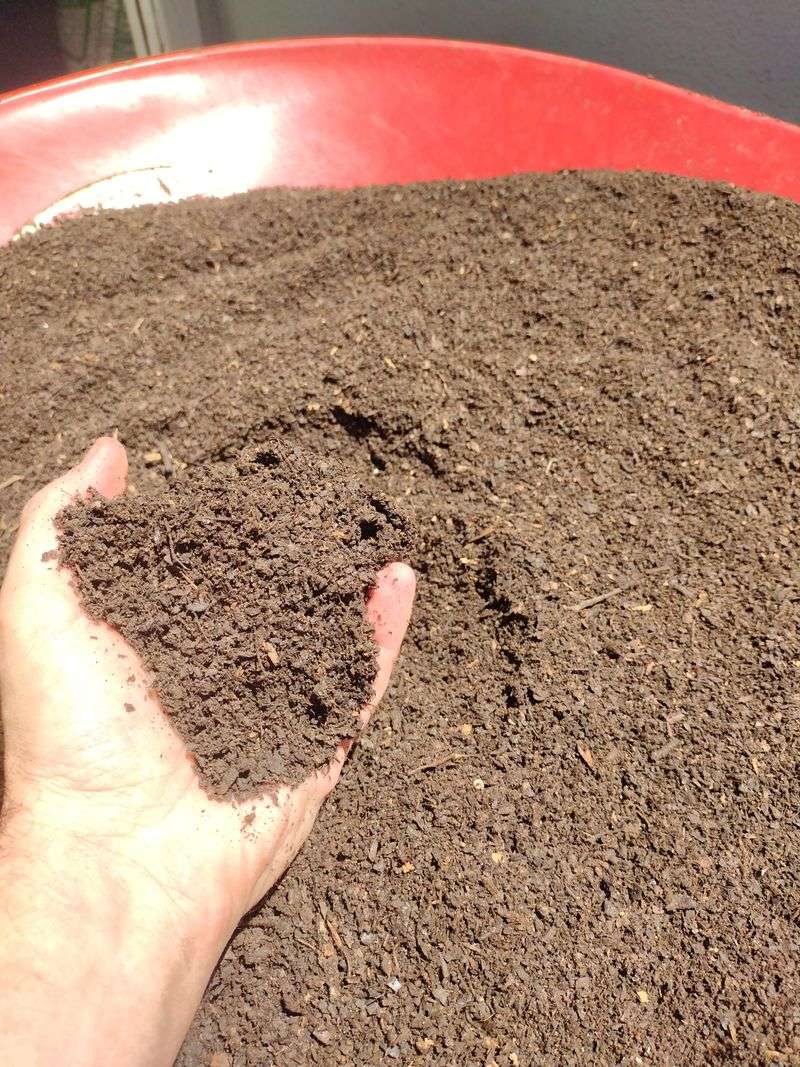
Gardeners in the Central Valley like to joke that their clay soil could be sold as pottery material. The joke lands because dense clay really does hold water longer than most soils.
Compost is the easiest fix, and fall is a great time to add it. Mixing it in now gives soil life several weeks to get to work before steady rain begins.
Organic matter creates tiny pockets between soil particles, a bit like the holes in a kitchen sponge. Those spaces let extra water drain away while still holding enough moisture for roots.
Spread about two to three inches of finished compost over your planting beds. Then work it into the top six to eight inches of soil with a garden fork.
Your California Garden Changes Every Week. Your Plan Should Too.
Gardening in California changes quickly throughout the season. Every Friday you’ll receive a simple weekly plan showing exactly what to plant, prune, fertilize, harvest, and protect so you never miss the right timing.
Earthworms will thank you by showing up in bigger numbers. Their tunnels act like tiny drainage pipes, helping rainwater move down instead of pooling around plant roots.
Skip the temptation to add sand to clay soil, even though it sounds logical. Sand mixed into clay can create a dense, hard mix instead of fluffy garden soil.
Did you know that one teaspoon of healthy soil can hold billions of microorganisms? Compost feeds that underground crowd, and they return the favor by keeping roots strong.
Plan to repeat the process each fall, because compost slowly breaks down over time. After a few seasons, you will notice darker, crumblier soil that smells sweet and earthy after rain.
3. Raise Your Beds Above The Soggy Zone
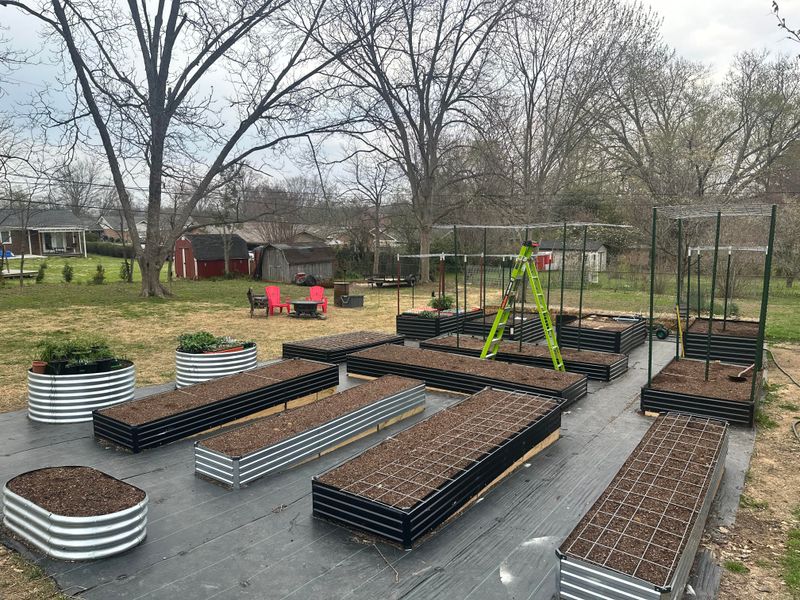
Ducks love a flooded yard, but your tomatoes and roses definitely do not. Lifting your planting area even a few inches can make a surprising difference during stormy months.
Raised beds let gravity do the heavy lifting. Rainwater drains down and out of the bed much faster than it does from flat, compacted ground.
You do not need fancy lumber to get started. Simple mounds of soil, called berms, work well for shrubs and small trees in spots where water tends to collect.
For vegetables and flowers, a wooden or metal bed about ten to twelve inches tall is plenty. Fill it with a blend of quality garden soil and compost for easy drainage.
September weather in California is usually warm and dry, which makes building projects much more pleasant. You can finish your beds now and plant cool-season crops like lettuce, kale, and peas right away.
Placement matters as much as height. Avoid setting beds in the lowest part of the yard, where runoff from neighbors and hard surfaces tends to gather.
Loosen the ground underneath before filling a new bed. Breaking up that bottom layer helps water continue draining downward instead of getting trapped at the base.
Fruit trees benefit from raised planting too, especially citrus and avocados, which are famously picky about soggy roots. Planting them slightly high on a wide mound keeps the crown above wet soil.
Your back may appreciate raised beds as well. Less bending makes weeding and harvesting feel more like a pleasant stroll than a workout.
4. Cut Back The Watering As The Clouds Roll In
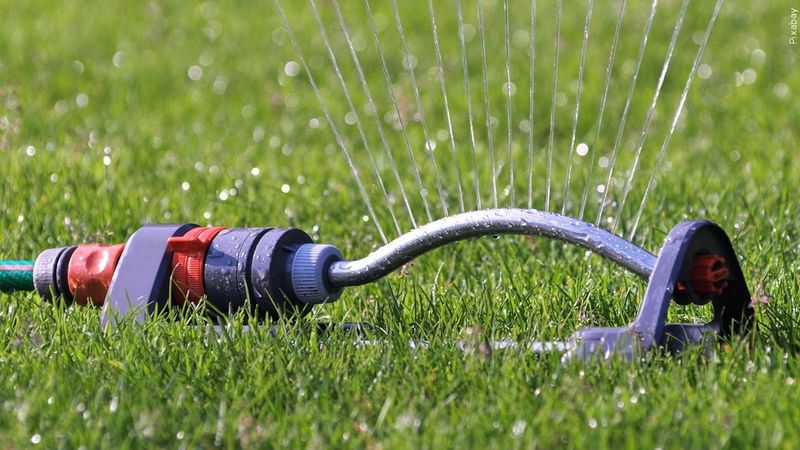
Here is a confession many gardeners share: the sprinklers kept running right through a rainstorm. It happens more often than anyone likes to admit, and plant roots pay the price.
Summer watering schedules in California are set up for hot, rainless months. Once autumn arrives with cooler days and shorter afternoons, plants simply need less water to stay healthy.
Start trimming your irrigation time in late September, even before the first storm shows up. Cutting run times by about a quarter is a good first step for most yards.
Then keep an eye on the forecast each week. When rain is predicted, turn your system off or switch it to rain mode on the controller.
Smart controllers and inexpensive rain sensors can handle this job for you. Many California water agencies offer rebates that help cover the cost of these helpful gadgets.
The finger test is still one of the best tools around. Push a finger two inches into the soil, and if it feels damp, skip watering that day.
Soil that stays wet for days in a row gives harmful water molds a chance to spread. Letting the top layer dry out between waterings helps roots breathe and stay firm.
Container plants deserve special attention during this season. Pots without drainage holes can turn into little swimming pools after a single heavy rain.
Saving water also saves money on your utility bill. Your garden gets healthier roots, and your wallet gets a nice little break too.
5. Pull Mulch Away From Trunks And Stems
Mulch is like a cozy blanket for your garden, but a blanket piled too high gets stuffy fast. Stems and tree trunks feel the same way about mulch heaped against them.
A layer of wood chips or shredded bark does great work in California yards. It keeps soil from crusting, slows erosion during storms, and feeds the ground as it breaks down.
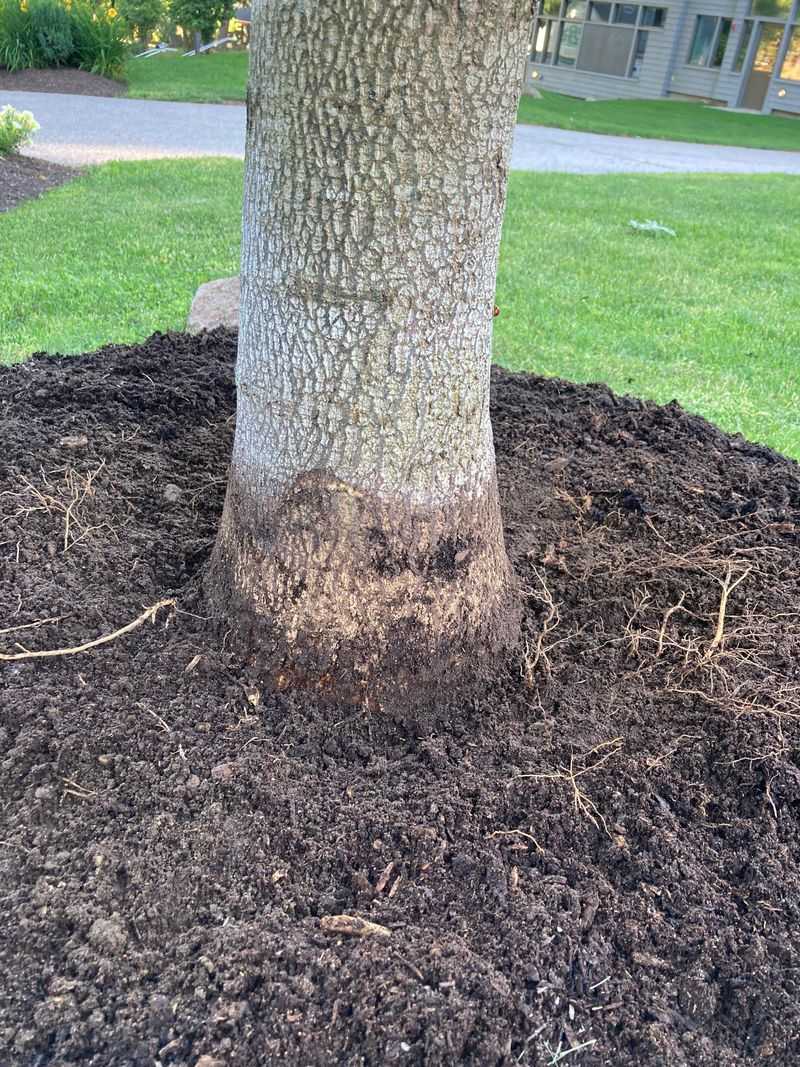
Trouble begins when mulch is heaped into a tall cone around a trunk. Gardeners call this a mulch volcano, and it traps moisture right where bark is most delicate.
Wet bark stays soft and becomes an easy entry point for fungi and hungry insects. Over time, the damage can reach the roots and weaken the whole plant.
Before winter rains begin, walk around your yard with a small rake. Pull mulch back so there is a bare ring about three to six inches wide around each stem.
Larger trees can use a wider gap, closer to a foot. The goal is to see the flare where the trunk widens before it meets the soil.
Keep the rest of your mulch about two to three inches deep. Thicker layers can hold too much water above the roots when storms stack up one after another.
Coarse materials like bark nuggets drain better than fine, fluffy mulches during wet weather. Chipped tree trimmings from local arborists are often free and work beautifully.
Think of it as giving every plant a little breathing room. A tidy mulch donut looks neat and keeps trunks dry through the soggiest weeks.
6. Aim Your Downspouts Away From Planting Areas
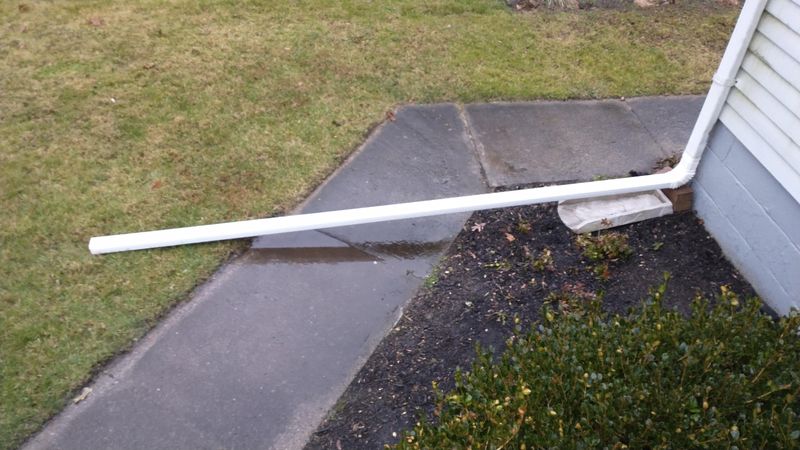
One inch of rain falling on an average roof can send hundreds of gallons of water rushing through the gutters. Where all that water lands can make or break the plants nearby.
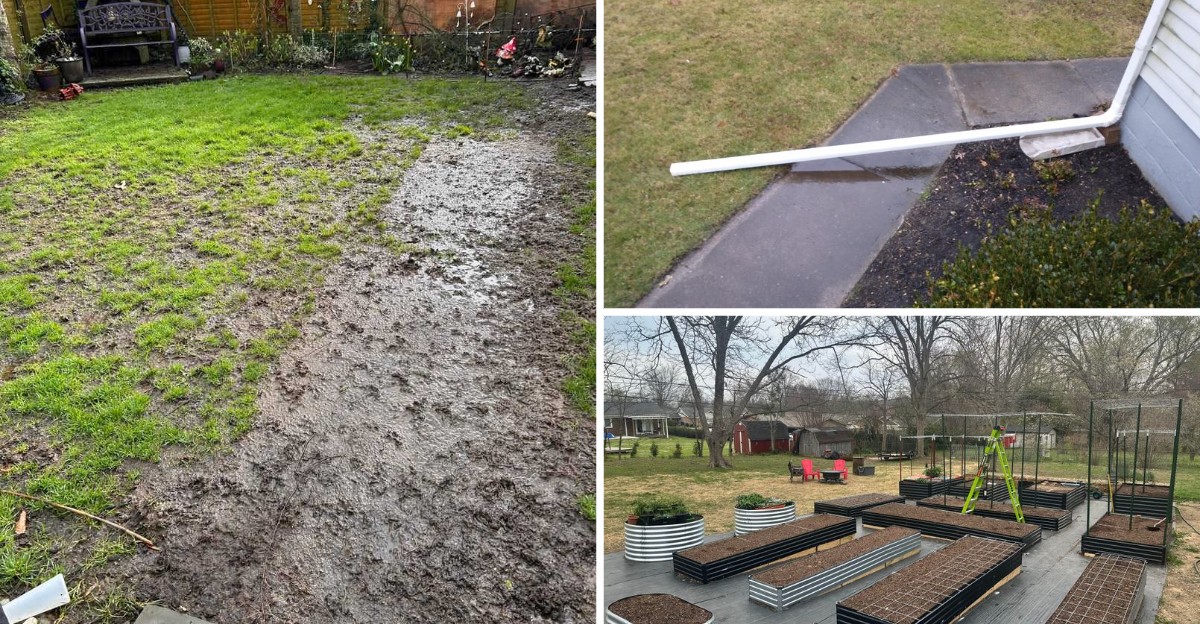
Many homes have downspouts that dump water right at the base of foundation shrubs. After a few storms, those beds can turn into muddy puddles that stay wet for days.
Late September is a smart time to take a walk around your house and inspect each downspout. Clear leaves and debris from gutters so water flows where it should.
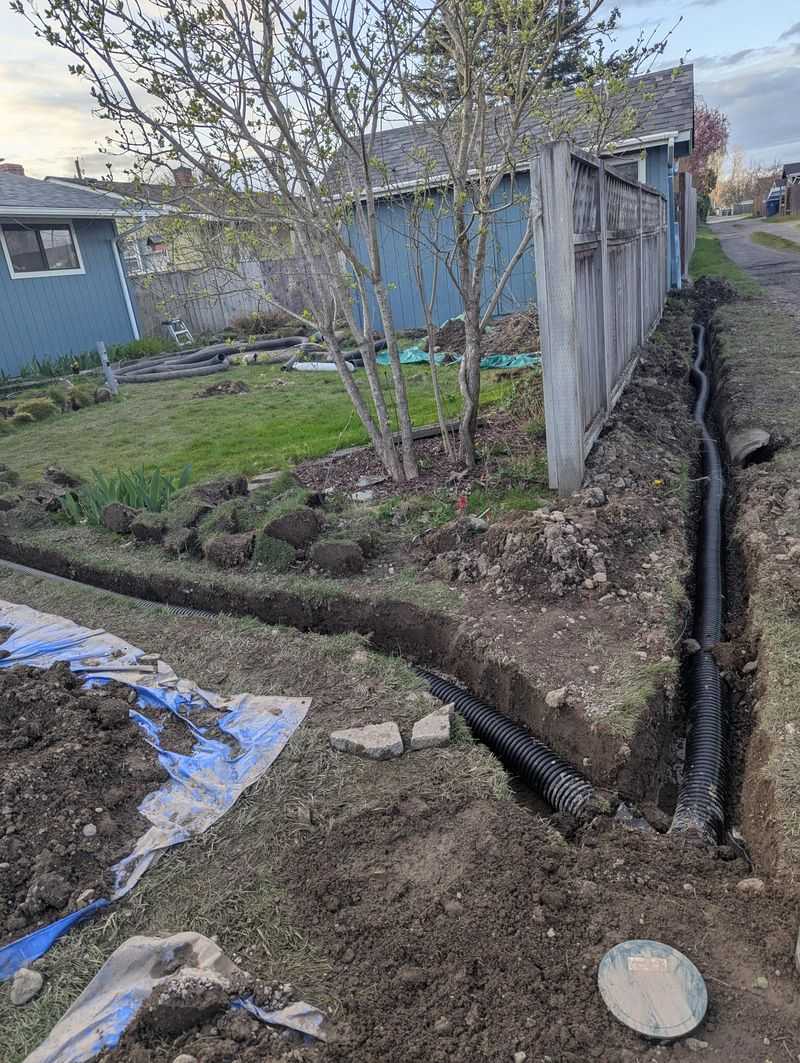
Next, attach an extension or splash block to send water at least a few feet away. Flexible downspout extenders are cheap and easy to install in minutes.
Better yet, point that water toward a spot designed to handle it. A rain garden is a shallow, planted dip that soaks up runoff and lets it sink slowly.
Rain barrels are another clever option for California gardeners. They capture water during storms, and you can use it later when dry weather returns.
Check that the ground slopes away from your home and planting beds. Even a gentle grade helps water drift toward the street or a drainage area instead of settling in.
Walking outside during the first real storm is surprisingly helpful. Grab an umbrella and watch where water flows, pools, and races across your yard.
You might feel a bit silly standing in the rain. The clues you gather will be worth every soggy sock.
7. Choose Plants That Shrug Off Wet Feet
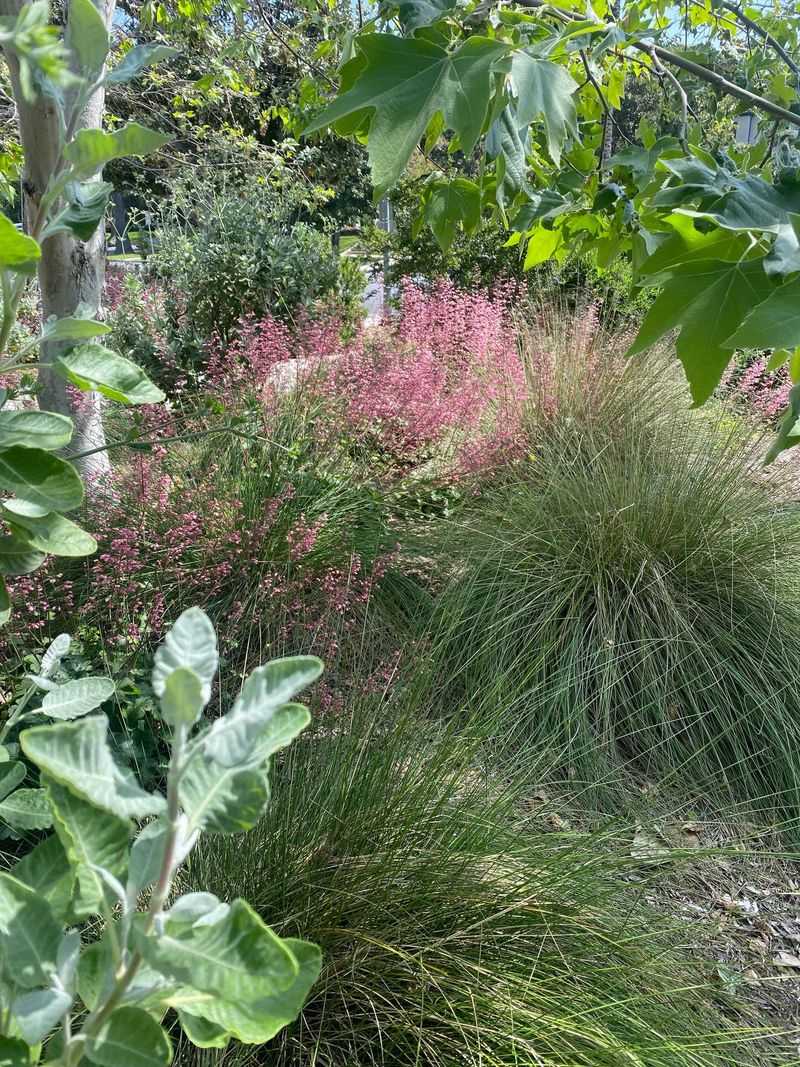
Some plants handle a soggy winter like a surfer handles a big wave, while others panic. Picking the right ones for each spot makes wet weather far less stressful.
Many California natives evolved with dry summers and rainy winters, so they understand the rhythm. Still, not all natives enjoy wet feet, so matching plants to your drainage test results is key.
For damp, slow-draining spots, consider plants like California gray rush, sedges, and yerba mansa. Creek dogwood and western spice bush also tolerate moisture well in larger yards.
Drought lovers like manzanita, ceanothus, and flannel bush prefer sharp drainage. Tuck them onto slopes or raised mounds where water runs off quickly after a storm.
Fall is the best planting season in most of California. Cooler air and upcoming rain help new roots settle in before summer heat arrives.
Read plant tags closely at the nursery, and ask staff about water needs. Phrases like tolerates clay or seasonal moisture are good signs for heavier soil.
Group plants with similar thirst levels together in the same bed. Mixing a water lover next to a desert plant creates a tough situation for one of them.
Here is a fun fact to share at your next garden club meeting. Some native sedges have deep, fibrous roots that help loosen heavy soil over time.
Choosing wisely now saves plenty of replanting later. Your garden will look happier, and you will spend less money replacing struggling plants each spring.
8. Stay Off Soaked Soil Until It Dries
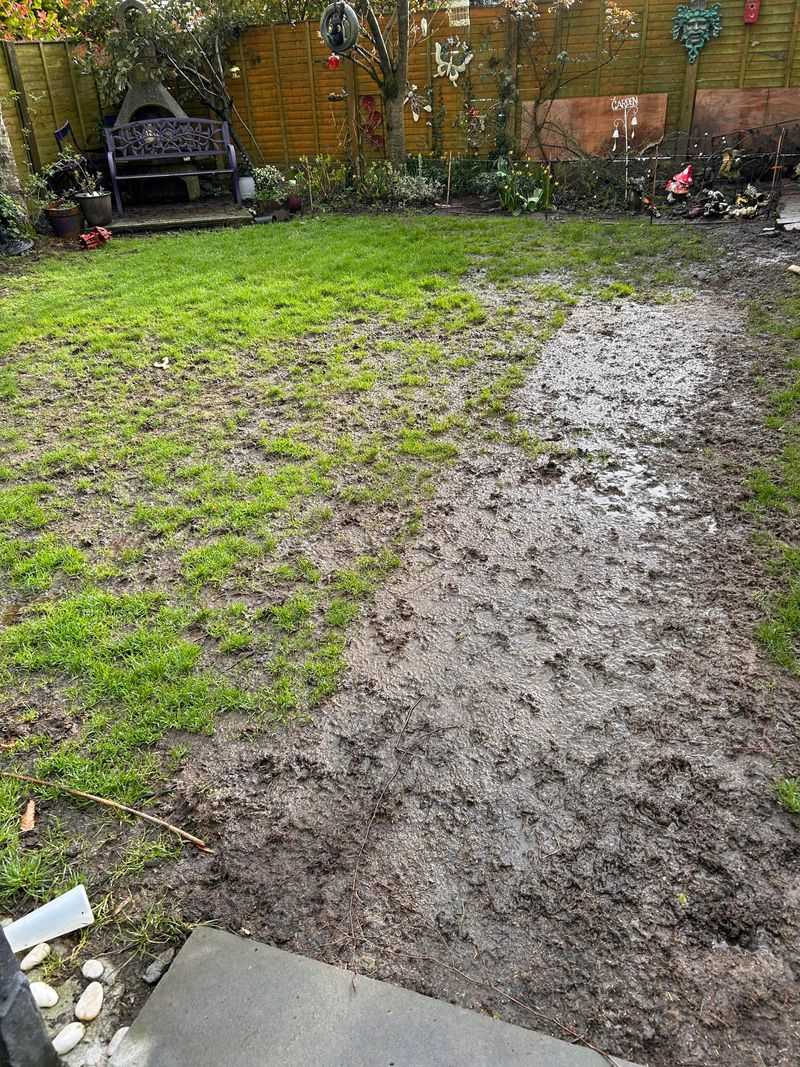
Stomping around a rain-soaked garden bed might feel like a fun childhood flashback. Your soil, however, remembers every single footprint long after the mud dries.
Wet soil is soft and easily squished. When you walk on it or dig in it, the tiny air pockets collapse and the ground packs down tight.
Compacted soil drains poorly, which leads to even more soggy conditions the next time it rains. Roots struggle to push through, and oxygen has a hard time reaching them.
A simple squeeze test tells you when soil is ready for work. Grab a handful, and if it forms a tight, sticky ball that stays packed together, wait another day or two.
Soil that crumbles apart when you poke it is ready for digging and planting. Patience here pays off in healthier beds all year long.
Stepping stones or wood chip paths give you a way to reach plants without trampling the soil. Lay them down now in late September, before the rainy season settles in.
Raised beds narrow enough to reach across from both sides also help a lot. You can weed and harvest without setting foot inside the growing area.
Keep wheelbarrows and heavy equipment off lawns and beds during wet stretches too. Their weight can press soil down deeper than a shoe would.
Use rainy days to plan, flip through seed catalogs, or sharpen your tools indoors. Your garden gets a rest, and you get a cozy excuse to sip something warm.