9 Garden Plants That Give Snakes A Place To Hide
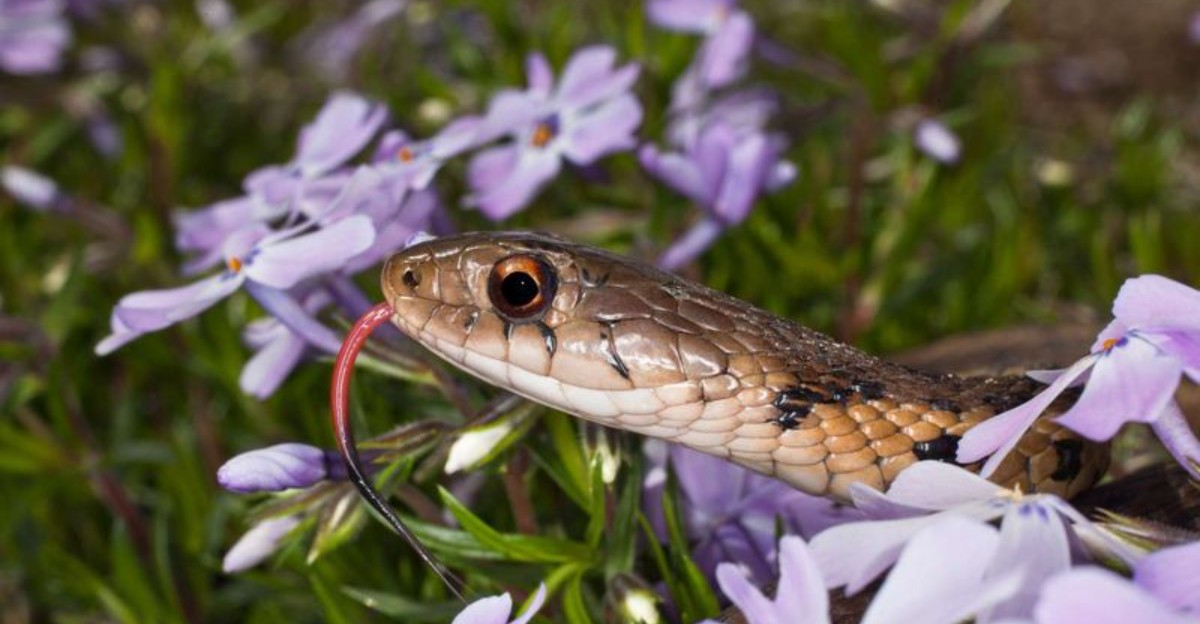
You step into the backyard on a quiet morning, and the garden smells like wet soil and cut leaves. Everything looks calm and green, and nothing seems even slightly out of place at first glance.
Then a leaf rustles even though the air is perfectly still. Your quiet morning suddenly feels a lot less relaxing, and you stop mid-step to listen very closely.
Gardens are like hotels for wildlife, and some guests check in without asking. The funny part is that you might be the one handing out room keys.
A few favorite backyard greens offer shade, shelter, and snacks to visitors you did not invite. Late September is a busy time, since critters look for cozy spots before the cold arrives.
So take a slow look around your yard and imagine it through a tiny scaly traveler’s eyes. You may find your prettiest flower bed is basically a five-star resort with free breakfast.
1. English Ivy Rolls Out A Leafy Welcome Mat
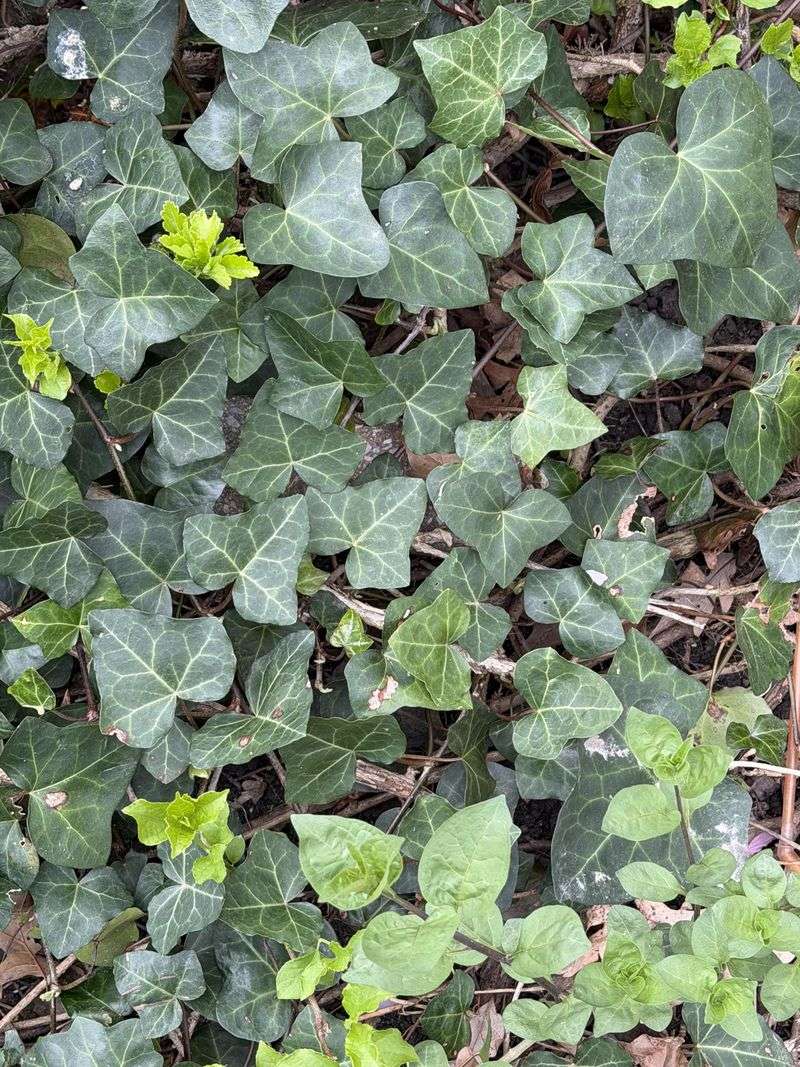
Picture a green carpet so thick you cannot see the dirt beneath it. English ivy creates exactly that, and small creatures love hiding under it.
The leaves overlap like shingles on a roof, trapping cool, damp air underneath. Mice, frogs, and insects move in fast, and hungry snakes follow the food.
Ivy also climbs walls, fences, and tree trunks with surprising speed. Those tangled vines give climbing reptiles an easy path up walls and into low tree branches.
Here is a fun fact that surprises many homeowners. Some states list English ivy as an invasive plant because it spreads so aggressively.
If you love the look, keep it trimmed low and well away from your house foundation. A gap of at least three feet between ivy and walls helps a lot.
September is a smart month to thin it out, since the ground is still soft. Wear thick gloves and boots, and use a rake to check the area first.
You can also swap ivy for a low, open ground cover like creeping thyme. It smells lovely, stays short, and gives sneaky visitors far fewer places to hide.
Ivy can also damage the surfaces it climbs, since its roots work into mortar and wood. Removing it from walls protects your home as well as your yard.
After trimming, watch the bed for a few weeks. If the area stays open and tidy, small animals usually lose interest and move on.
2. Ornamental Grasses Build A Secret Hallway
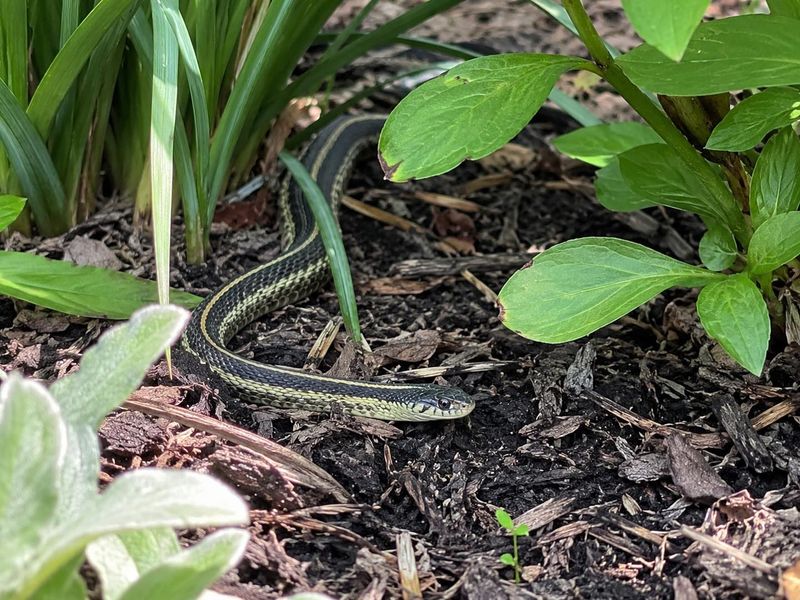
Tall grasses sway in the breeze and look almost magical in autumn. Pampas grass, fountain grass, and maiden grass are gorgeous, but they hide plenty.
Think of these clumps as private hallways for wildlife. A reptile can glide from one side of your yard to another without being seen.
The base of each clump stays shady and cool, even on hot afternoons. That makes it a perfect resting place after a morning spent soaking up sun.
Rodents also nest in the dense middle of big grass clumps. Where mice gather, snakes that feed on them may show up as well.
Now, you do not have to rip out every plume you adore. Just space plants apart so there are clear, open gaps between each clump.
Late September is a good time to remove any broken or flattened stems. Keep the area around each plant raked clean of fallen blades and debris.
Another easy trick is placing grasses away from doors, patios, and play areas. Let them shine at the edge of your yard, where surprise encounters matter less.
Choose clumping varieties over spreading ones, since they stay tidier and are easier to keep open at the base. Check the plant tag for the growth habit before you buy.
Walk the edge of your grass bed now and then with a rake in hand. A quick check takes just a minute and shows what has moved in.
3. Creeping Juniper Hides A Prickly Hideaway
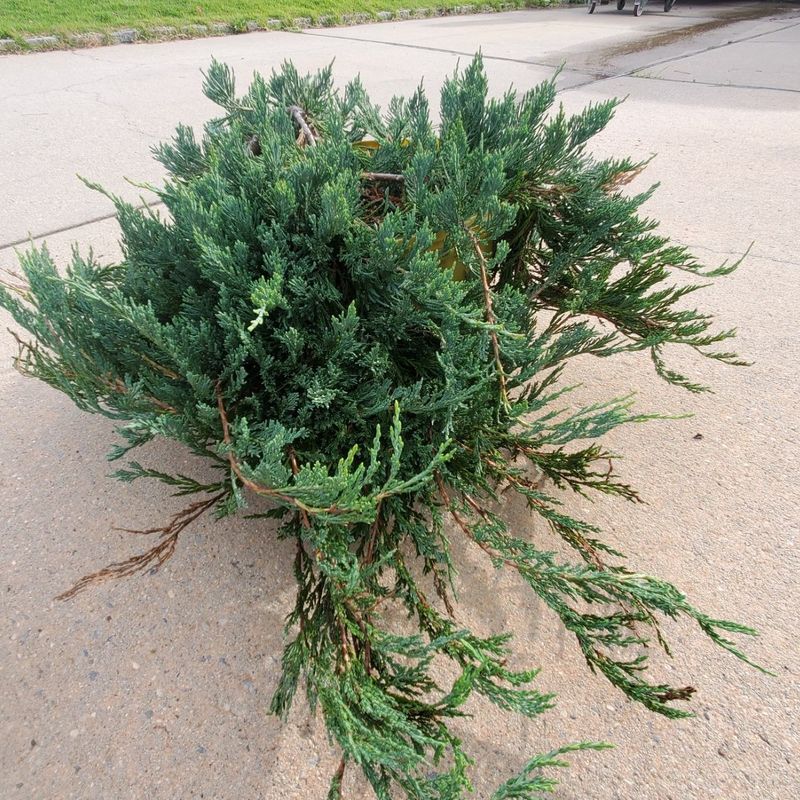
Few shrubs are as tough and low maintenance as creeping juniper. Landscapers use it often, and small critters like it too.
Its branches spread flat and wide, hugging the ground like a scratchy blanket. Beneath that blanket, the soil stays shaded and protected from birds overhead.
Hawks and owls hunt from above, so small animals crave that kind of cover. Juniper gives them a safe roof that few predators want to push through.
Honestly, you might walk past a juniper bed every day and suspect nothing. The needles are prickly, so most people avoid reaching inside anyway.
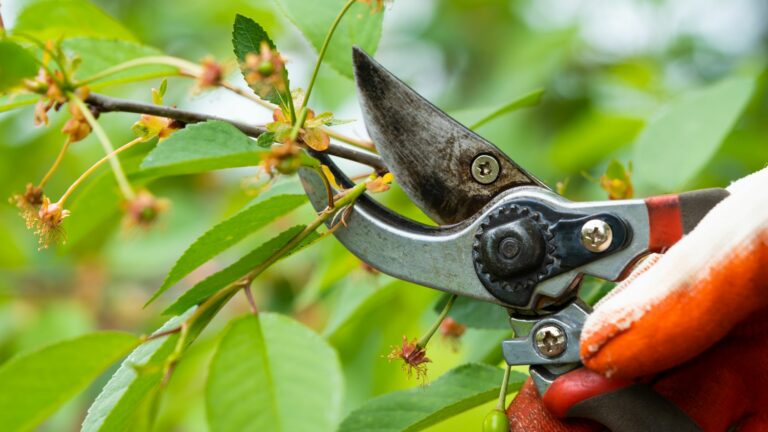
A simple fix is lifting the lower branches a few inches off the ground. Pruners work well, and more sunlight underneath makes the spot less inviting.
Adding a gravel border around the bed also helps quite a bit. A clear strip of gravel leaves less cover, so shy visitors have a harder time slipping in unseen.
Early fall is ideal for this work before leaves start piling up. Fallen leaves trapped under juniper create an even cozier den for winter.
Creeping juniper also drops needles that pile up beneath the branches. Raking that layer out each fall keeps the soil surface open and easy to see.
Thick stands are harder to check by eye. Cutting a few older, overcrowded branches back to the main stem lets air and light reach the center.
4. White Clover Serves Up A Buffet Line
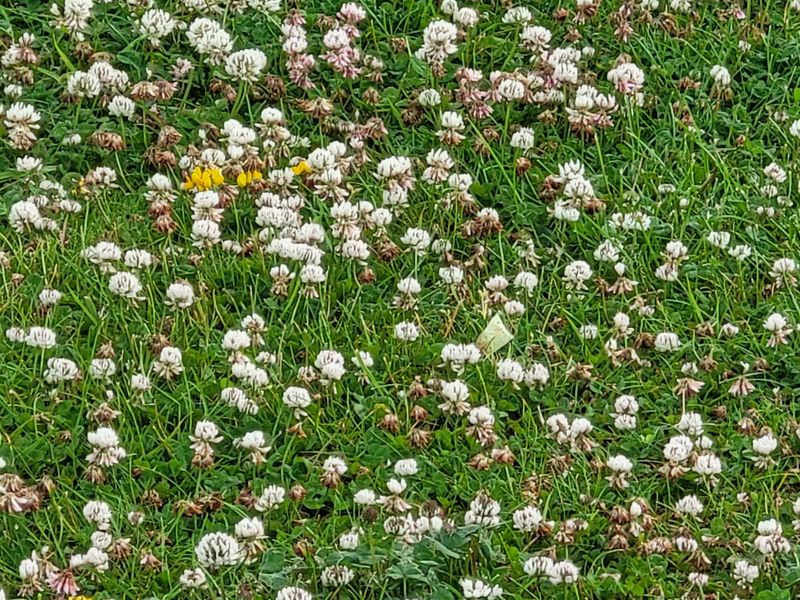
Clover seems harmless, right? Those sweet little white flowers look like something from a picnic postcard.
The catch is that clover feeds a whole chain of animals. Rabbits, voles, and mice munch on the leaves, and insects buzz around the blooms.
Toads and frogs show up to snack on those insects. Before long, your lawn becomes a busy food court with a menu for every appetite.
Reptiles do not eat clover, but they follow the dinner crowd. A yard packed with small animals is like a bright sign for a hungry snake.
Many gardeners love clover lawns because they need less water and mowing. You can keep that benefit while making your yard less of a feast.
Mow regularly so the clover stays short and easy to see through. Tall clover patches give mice cover, while short patches leave them exposed.
Also keep bird feeders away from clover areas, since spilled seed draws even more rodents. In September, rodents search hard for food before winter, so stay extra alert.
A clover lawn can still look great with a few small changes. Keep the edges neat and trim it along fences and garden beds.
Pick up fallen fruit, pet food, and seed from the lawn each evening. Fewer snacks on the ground means fewer rodents passing through.
5. Berry Bushes Ring The Dinner Bell
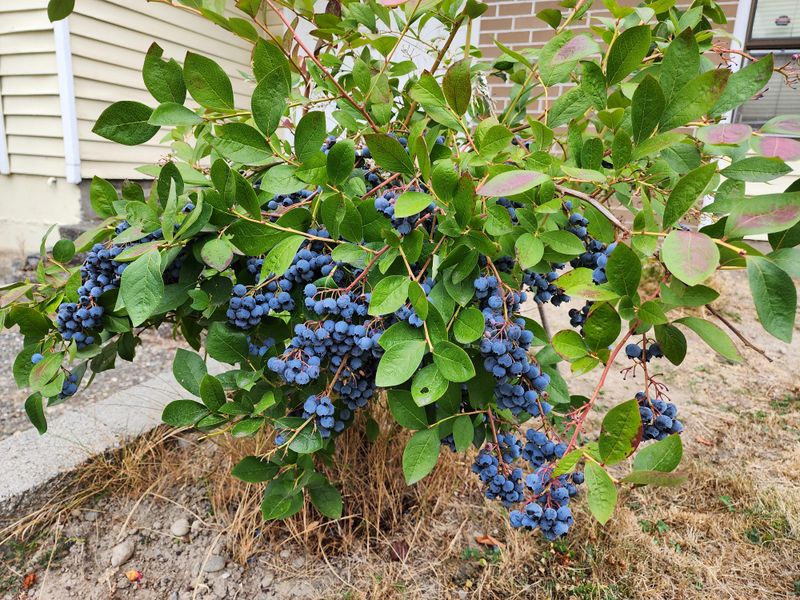
Grandma’s berry bushes might hold more than jam ingredients. Blackberry, raspberry, and elderberry shrubs pull in wildlife from all over the neighborhood.
Birds swoop in for the fruit, and fallen berries roll onto the ground. Squirrels, chipmunks, and mice happily clean up those tasty leftovers.
All that activity turns your berry patch into a lively feeding ground. Some climbing reptiles even slip into shrubs to visit bird nests.
Did you know that blackberry brambles can grow several feet in a single season? Their thorny tangles make perfect shelters that people rarely poke into.
You do not need to give up homegrown berries to stay safe. Pick ripe fruit often and rake up fallen berries every few days.
Prune bushes so the bottom branches sit higher off the ground. An open base lets you spot movement and gives less shelter to hiding animals.
September is still harvest time for fall raspberries and late elderberries. Wear long pants and look carefully before reaching into a thick bush for that last juicy handful.
Netting can protect berries from birds, but check it often so nothing gets tangled. Secure the bottom edge tightly so wildlife cannot slip underneath.
Thin out old canes each year after they finish fruiting. Fewer canes mean an airier patch that is easier to see into.
6. Hostas Create A Shady Cool Spot
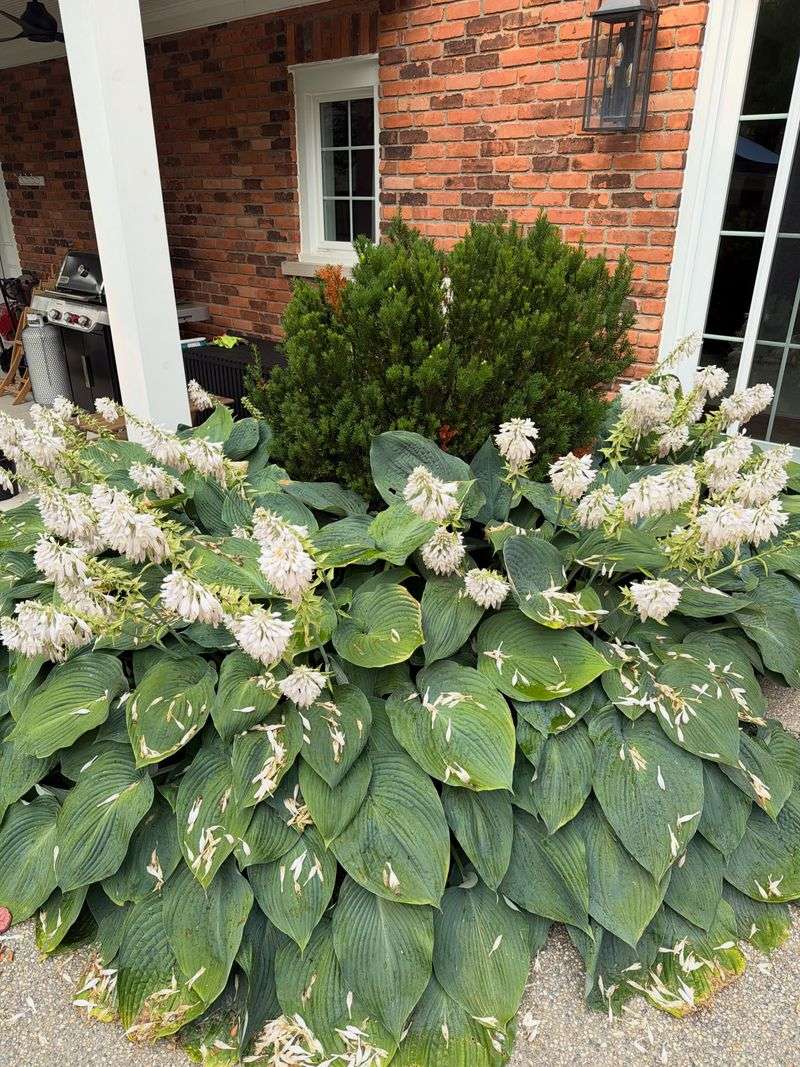
Walk into any shady garden and you will probably spot a hosta. Their huge, wavy leaves make them the umbrellas of the plant world.
Those big leaves cast deep shade right onto the soil. On warm autumn days, that shade feels like air conditioning for cold-blooded creatures.
Reptiles rely on outside heat to warm up, so they move between sun and shade. A hosta bed near a sunny patio offers the perfect cooling break.
Hostas also love moist ground, which draws slugs and snails. Those slimy snacks bring frogs and toads, and the food chain keeps climbing.
So what can a hosta lover do? Space your plants so leaves do not overlap into one giant green canopy.
Water in the morning rather than evening, so the soil dries a bit by night. Less dampness means fewer slugs and fewer hungry visitors chasing them.
Late September is a good time to divide crowded hostas before they go dormant. Share extras with friends, and enjoy a tidier, airier bed next spring.
Keep mulch around hostas thin, at about two inches. Thick piles hold moisture and give small animals extra shelter.
Clear away yellowing leaves in fall as the plants fade. Bare soil around the crowns leaves fewer places to hide.
7. Periwinkle Weaves A Tangled Carpet
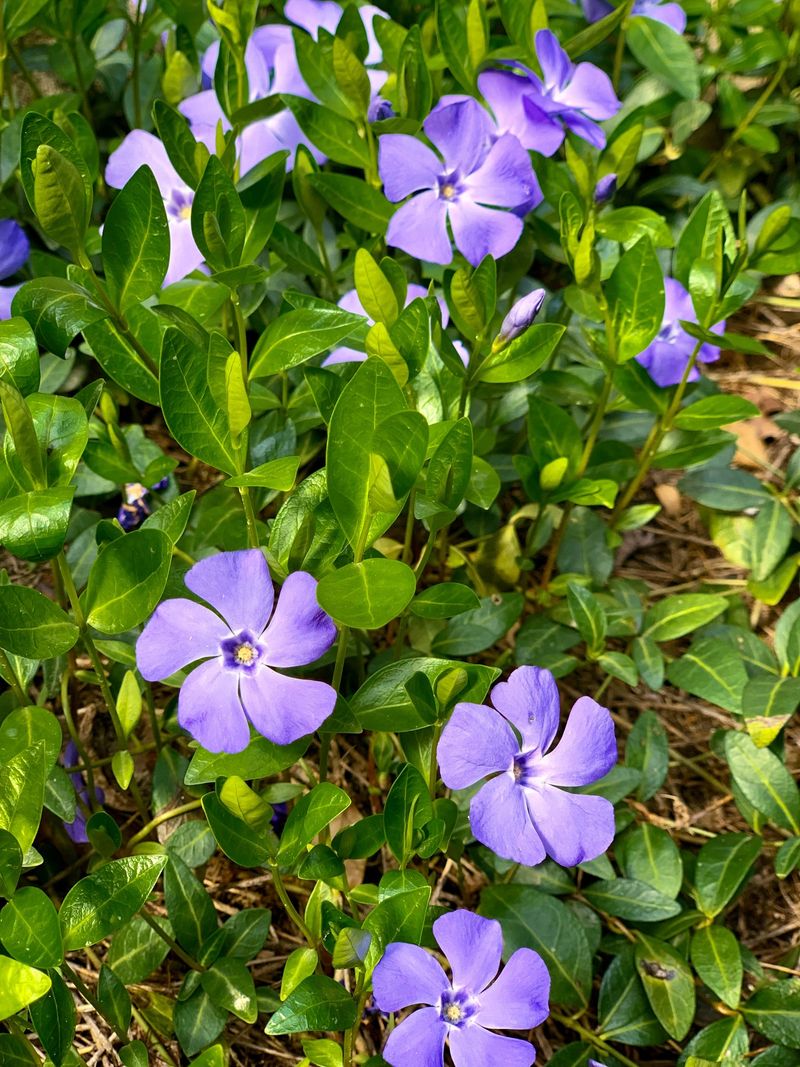
Tiny purple flowers and shiny leaves make periwinkle look sweet and innocent. Underneath that charm, though, it spreads like it is trying to win a race.
Periwinkle, also called vinca, roots wherever its stems touch soil. In a few seasons, one small patch can cover an entire shady slope.
The result is a thick mat of stems that traps moisture and leaf litter. Insects, worms, and rodents often move in and set up tiny neighborhoods.
Here is a quirky bit of history for you. People once called periwinkle sorcerer’s violet and used it in old folk charms.
Magic aside, a dense vinca carpet is hard to inspect. You could stand right next to a resting reptile and not notice a thing.
Edge your periwinkle beds with a metal or stone border to stop the spread. Trim it back each fall so the mat stays thin and manageable.
September weather is mild, so this chore feels much easier now than in summer. Use a long-handled tool to part the stems before putting your hands in.
Periwinkle is listed as invasive in several states, so check local guidance before planting it. Native ground covers can give a similar look with less spreading.
Pulling stems by hand works well for small patches. Wear gloves and work slowly, checking the ground as you go.
8. Vegetable Gardens Stock A Rodent Pantry
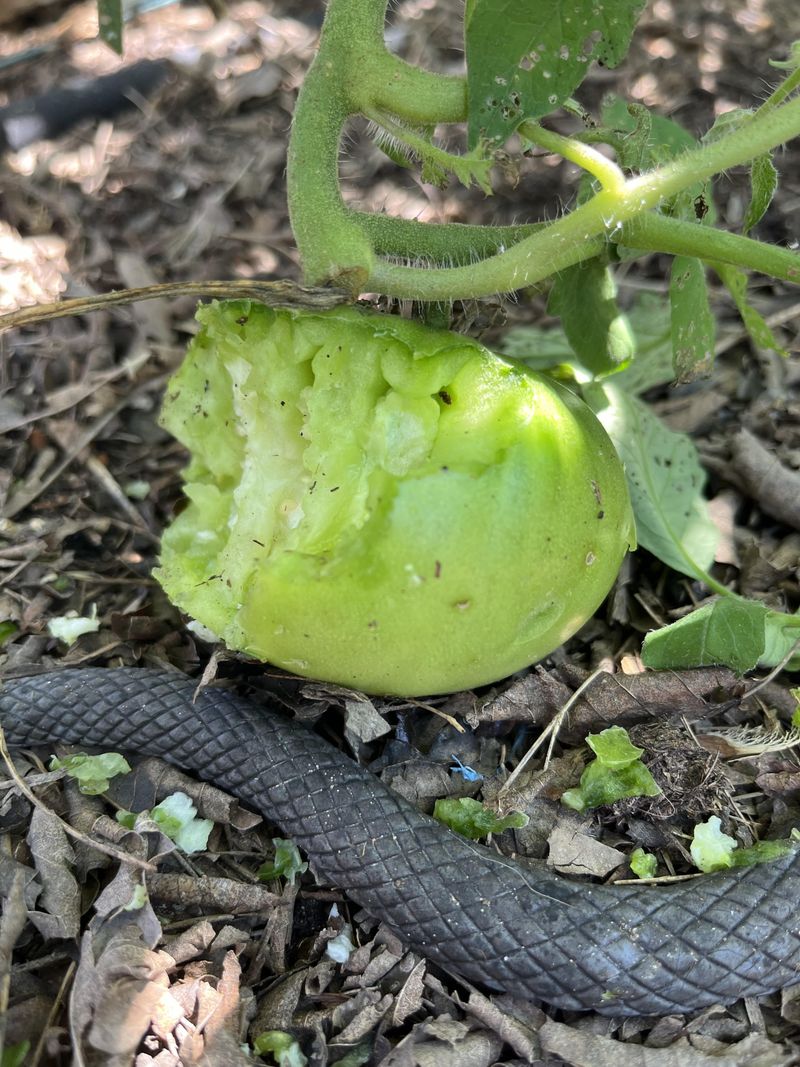
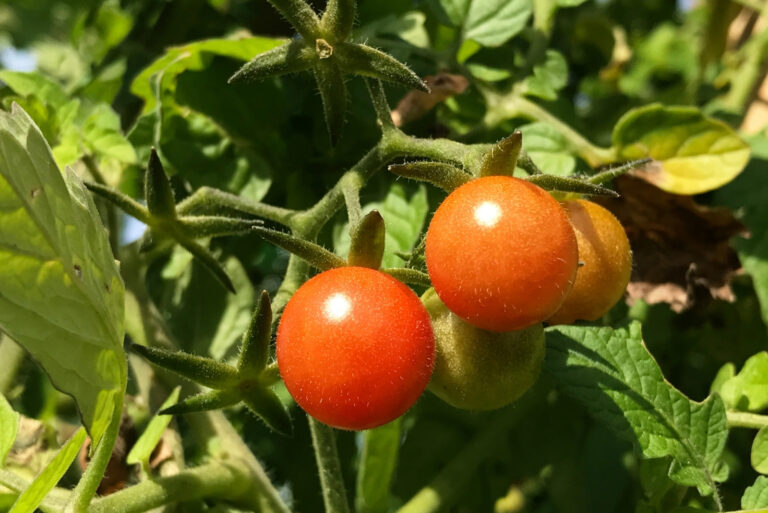
Nothing beats a sun-warmed tomato picked straight from the vine. Unfortunately, the local rodent crowd agrees with you on that point.
Vegetable gardens overflow with food by late September. Pumpkins, squash, beans, and fallen tomatoes offer a feast for mice and rats.
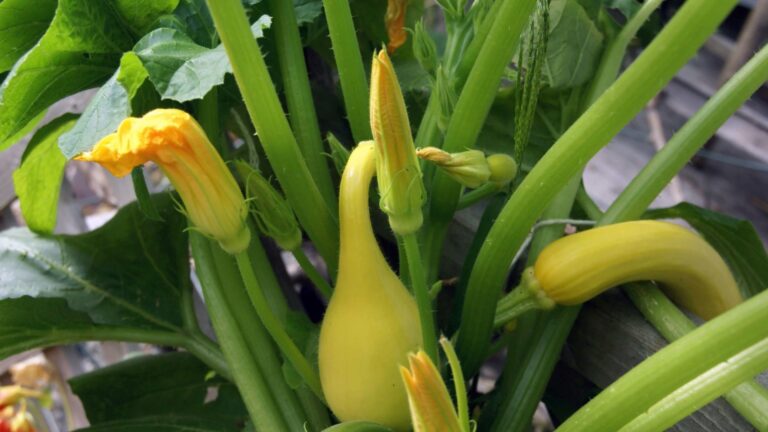
Sprawling squash vines also shade the ground with wide, prickly leaves. That shade plus a steady food supply creates a very tempting hangout spot.
Lifting a zucchini leaf and finding a garter snake napping underneath is a surprise many gardeners know well. Most encounters end harmlessly, but baskets do get dropped in record time.
Harvesting often is your best defense against unwanted guests. Pick produce as soon as it ripens, and toss rotting fruit into a sealed bin.
Keep compost piles covered and several feet away from garden rows. Open compost is basically a free snack bar for rodents.
After your final harvest, clear out old vines and stakes before winter. A clean, bare bed leaves little shelter, and your soil will thank you next spring too.
Trellising squash and cucumbers lifts the vines off the ground. It keeps fruit cleaner and makes the bed easier to scan.
Store pet food and birdseed in sealed metal or hard plastic bins near the garden. Rodents can chew through thin bags in a single night.
9. Water Lilies Open A Pond Side Snack Bar
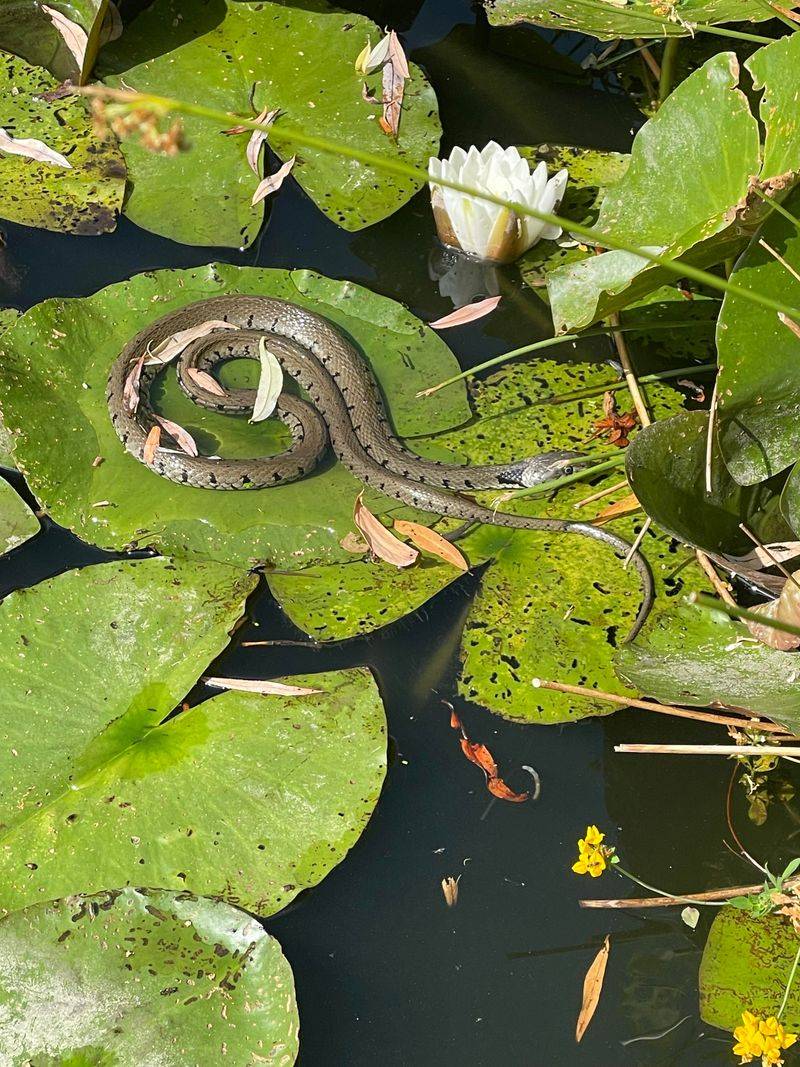
A backyard pond with floating lilies feels like a peaceful little vacation. Frogs croak, dragonflies zip around, and everything seems calm.
That peaceful scene is exactly what water-loving reptiles are looking for. Lily pads shelter fish and frogs, which are favorite meals for water snakes.
Plants like cattails and tall rushes along the edge add even more cover. Snakes can wait quietly there, hidden from both prey and people.
Fun fact: many water snakes are strong swimmers and can hold their breath for quite a while. They glide under lily pads quietly and smoothly.
You can still enjoy a pond without turning it into a snake hideout. Keep lilies thinned so they cover no more than half the water surface.
Trim edge plants short and leave a strip of open ground around the pond. Flat stones or mowed grass make it easier to spot visitors early.
In September, many frogs stay close to ponds as the weather cools. Take a careful look along the edges before kneeling down to scoop out leaves.
Move any piles of stones, logs, or boards away from the pond edge. Those spots give shy visitors shade and cover close to the water.
Keep a net or rake handy and clear floating leaves each week. A tidy surface makes it easier to check the water before you reach in.