8 Native New York Shrubs Gardeners Plant This Fall To Cut Next Year’s Water Bill In Half
You dragged that hose through August, yet the lawn crackled by Labor Day. Meanwhile, other yards stayed green and buzzing with far less water. Their secret starts with a shovel and costs surprisingly little.
They skipped fancy sprinklers and gadgets you probably priced out. nstead, they grew natives that evolved right here in New York. These plants are built for New York heat and droughts that fry your lawn.
Deep roots reach moisture turf grass struggles to find. Pollinators follow the blooms, bringing that steady buzz you envied. Timing matters, and you are standing in a prime window.
September pairs cool air with warm soil, so new plants root fast. Plant now, and next summer you can shelve the hose.
Better still, water bills shrink while blooms multiply. Your next August depends on which natives go into the ground this month.
1. Northern Bayberry For Salty, Sandy Yards
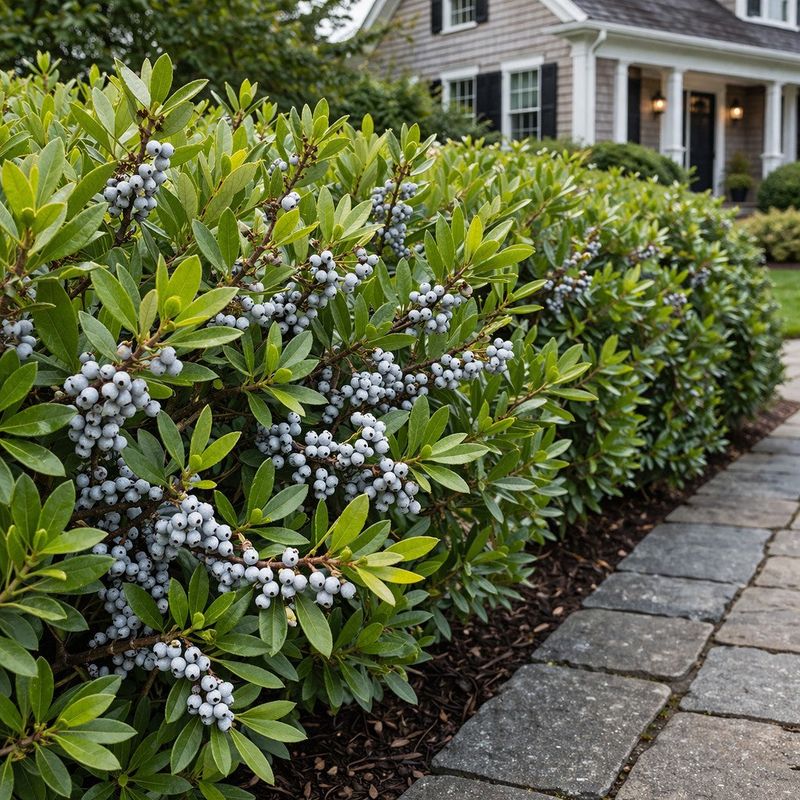
Picture a shrub that shrugs off salt spray, sand, and July heat waves on Long Island beaches. Northern bayberry has been doing that job for thousands of years.
Colonial families boiled its waxy gray berries to make candles that smelled sweet and clean. Your garden gets that same fragrance every time you brush the leaves.
The secret to its toughness sits underground in the roots. Tiny nodules pull nitrogen from the air, so the plant feeds itself in poor, dry soil.
Once established, bayberry needs little extra watering beyond normal rain, even in hot, windy spots. Many gardeners stop running the hose for it by its second summer.
September is a smart month to plant it, since the soil stays warm while the air cools. Roots often keep growing into late fall, as long as the soil stays unfrozen.
Dig a hole twice as wide as the pot but no deeper. Water deeply once a week until the ground freezes, then let winter handle the rest.
Plant at least one male and one female if you want those silvery berries. Birds like yellow-rumped warblers gobble them up during cold months.
Mature shrubs reach five to ten feet tall and spread slowly by suckers. That makes bayberry a great living screen along a driveway or property line.
Skip the fertilizer and rich compost, because bayberry actually prefers lean soil. Less fuss for you means more free time on the porch.
2. Sweetfern For Dry, Rocky Slopes
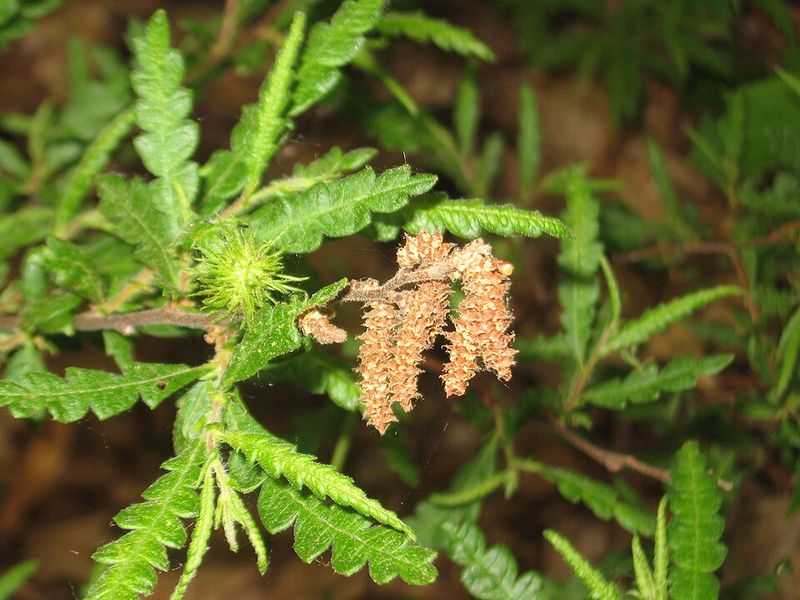
Crush one leaf and you will smell something like cinnamon, pine, and summer camp all at once. Sweetfern looks like a fern but is actually a small woody shrub.
Hikers in the Adirondacks spot it growing on gravel roadsides where almost nothing else survives. That toughness is exactly what a thirsty backyard slope needs.
Like bayberry, sweetfern fixes its own nitrogen from the air. Poor, sandy, or rocky ground suits it just fine without any feeding.
It stays short, usually two to four feet tall, and spreads into a low, soft carpet. On a steep bank, those roots hold soil in place during heavy storms.
Your New York Garden Changes Every Week. Your Plan Should Too.
Gardening in New York changes quickly throughout the season. Every Friday you’ll receive a simple weekly plan showing exactly what to plant, prune, fertilize, harvest, and protect so you never miss the right timing.
Mowing a hillside is sweaty and a little scary, and watering it is mostly wasted. Much of that water runs straight downhill before roots can drink it.
A patch of sweetfern solves both problems at once. After its first year, summer rain is usually plenty to keep it happy and green.
Sweetfern can be picky when moved, so buy potted plants from a native nursery. Plant them in early fall, and handle the root ball gently.
Give each plant full sun or light shade and space them about three feet apart. Water weekly through October, then step back and let nature take over.
Early Americans brewed the leaves into a fragrant tea for upset stomachs. You can simply enjoy the scent while pulling fewer weeds on that hill.
3. Black Chokeberry For Wet-Then-Dry Spots
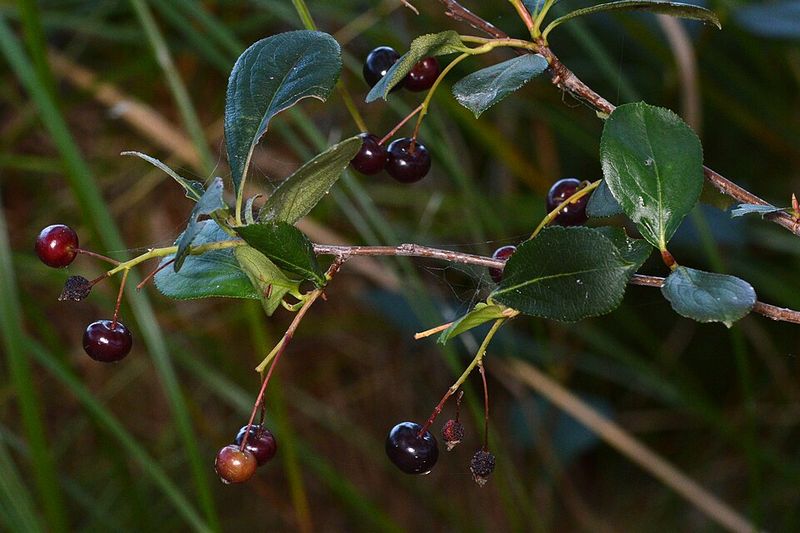
Some yards flood every April and bake every August, which confuses most plants. Black chokeberry handles both moods like a calm friend at a noisy party.
Its name sounds scary, but the berries are safe to eat. They are just so tart that birds wait until late winter to eat them.
Health food and specialty stores sell those same berries as aronia. Growing your own is cheaper than buying pricey juice bottles.
Chokeberry grows three to six feet tall with white spring flowers and glossy leaves. By October, the foliage turns a fiery red that rivals any maple.
Here is why it saves water: once established, it rides out dry spells with little help. Its dense, suckering roots also soak up runoff and hold soil in place.
That makes it a star plant for rain gardens and low spots near downspouts. You capture runoff in spring and skip the hose in summer.
Plant chokeberry in September in sun or partial shade for the best berries. Almost any soil works, from heavy clay to sandy loam.
Mulch with two inches of shredded leaves to hold moisture through winter. Keep the mulch a few inches away from the stems to prevent rot.
After two years, you can mostly forget about it except to admire the show. Grab a few berries for jam before the birds finally notice them.
4. Gray Dogwood For Tough Hillsides
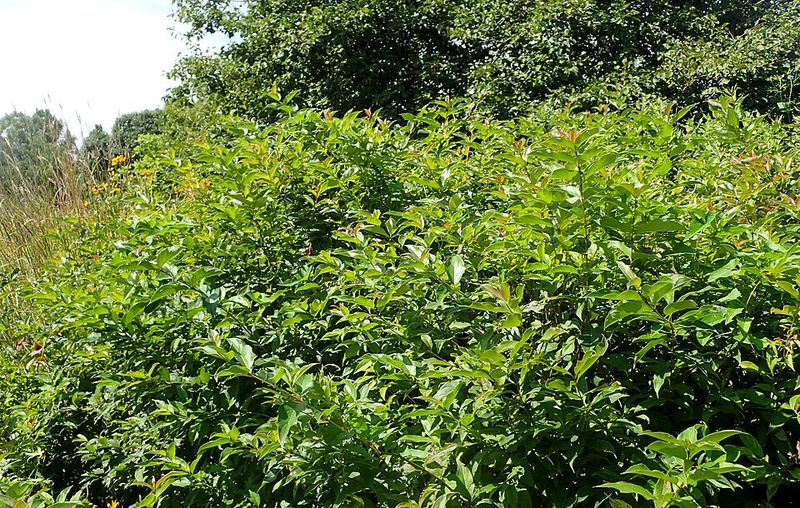
Ask any New York farmer about gray dogwood, and they might grumble that it grows everywhere. That stubborn spirit is exactly why it belongs in a water-wise yard.
Gray dogwood thrives along old fence rows, dry pastures, and highway ramps. It tolerates moderate road salt, so a typical backyard is an easy home.
Late summer brings a funny color combo that people love. White berries sit on bright red fruit stalks, like tiny pearls on candy canes.
Dozens of bird species eat those berries, including bluebirds and cardinals. Your yard can turn into a busy snack bar each fall.
Roots spread wide and deep, soaking up rain before it runs off. That means less erosion and less need for summer watering once plants mature.
This shrub forms thickets by sending up new shoots around its base. Use it to fill a big empty corner where grass struggles to stay green.
Plant it in early fall, spacing shrubs four to six feet apart. Full sun gives the best berries, though some shade works too.
If thickets spread too far, just mow around the edges once a year. A quick trim in late winter keeps its shape neat and tidy.
Many lawns need about an inch of water weekly, including rain, in summer heat. Swapping a patch of grass for gray dogwood saves water all growing season.
5. New Jersey Tea For Sunny, Thin Soil
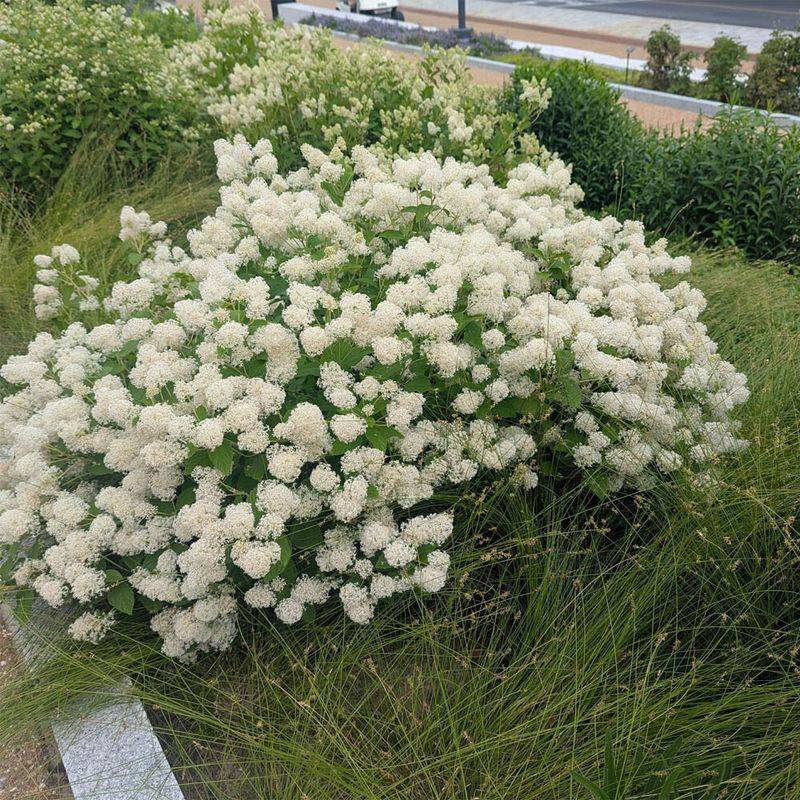
During the American Revolution, patriots boycotted British tea and brewed this plant’s leaves instead. Despite its name, New Jersey tea is native to New York. Its botanical name is Ceanothus americanus.
Picture fluffy white flower clusters that look like popcorn balls on sticks. In early summer, bees and butterflies crowd around them like fans at a concert. It also feeds caterpillars of the mottled duskywing butterfly.
This compact shrub stays about three feet tall and wide. It fits nicely in front yards, along walkways, and in small city gardens.
The real magic hides below ground, where a thick red taproot digs deep. Some roots stretch several feet down to reach hidden moisture. Its roots fix nitrogen, so skip the fertilizer.
That taproot lets it stay fresh during long dry spells without any help. Once established, it is highly drought tolerant.
There is one catch worth knowing before you buy. Those deep roots make it tricky to move, so choose a spot and stick with it.
September planting gives it a head start before the ground freezes. Pick a sunny place with well-drained soil, even if it is sandy or rocky.
Water once a week for the first fall, then ease off next spring. Rabbits and deer may nibble young plants, so a small wire cage helps.
By the second or third summer, your hose can take a long vacation. You might even brew a cup of patriot tea to celebrate.
6. Fragrant Sumac For Fast Ground Cover
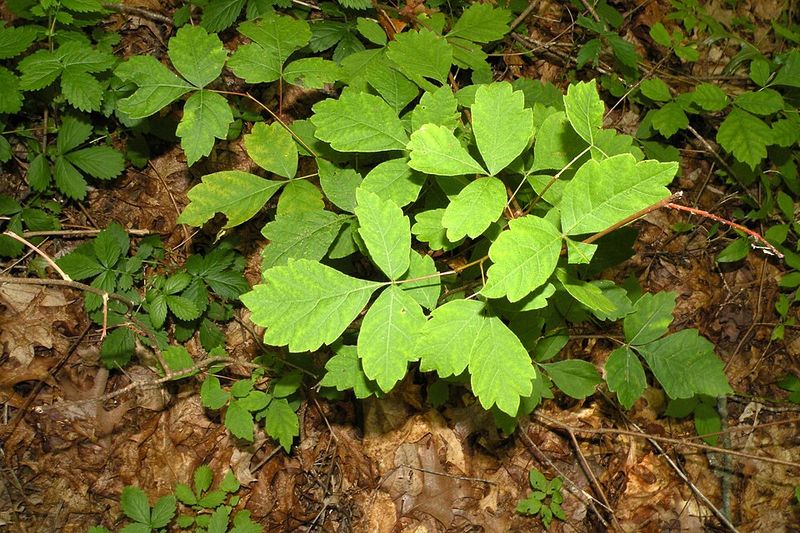
Let us clear something up right away. Fragrant sumac is not poison sumac, and it will not give you an itchy rash.
Its three-part leaves smell lemony and spicy when crushed. Kids love sniffing them, and grown-ups often do too. Just confirm the plant first, since poison ivy also has three leaflets.
A popular variety called Gro-Low stays about two feet tall. It spreads up to eight feet wide, making a thick blanket over bare ground.
Think of it as a grass replacement for areas you do not walk on. No weekly mowing, no fertilizer bags, and very little summer watering.
In parts of New York, fragrant sumac grows wild on dry, rocky ledges. That history tells you it can handle heat and thin soil with ease.
Fall color is the grand finale, with leaves glowing orange, red, and purple. Planted in September, young shrubs often show a little color right away.
Space plants about four feet apart on slopes, banks, or wide borders. Full sun gives the brightest color, but partial shade is fine.
Water deeply every week until the ground freezes solid. Next summer, give it a drink only during long stretches without rain.
Female plants of the species produce fuzzy red berries, though ‘Gro-Low’ may fruit little or not at all. Some people even soak them to make a tangy, lemonade-like drink.
7. Lowbush Blueberry For Acidic, Sandy Beds
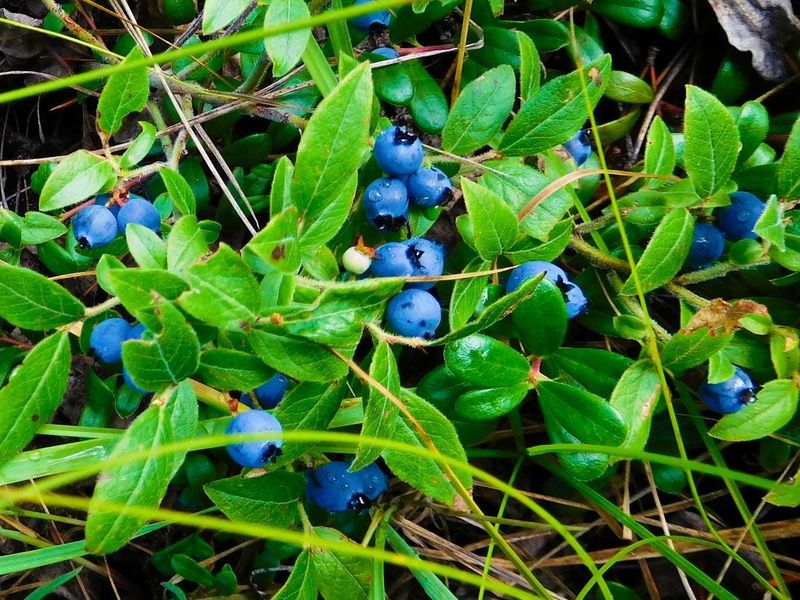
Nothing beats eating warm blueberries straight off the bush in July. Lowbush blueberry lets you do that while saving water at the same time.
These tiny shrubs cover the Long Island Pine Barrens and Adirondack mountaintops. They grow in sandy, acidic soil that many plants simply cannot handle.
Most plants stay under two feet tall and spread slowly by underground stems. Over time, they form a low, leafy mat that crowds out weeds.
Tall garden blueberries often need steady watering to produce big crops. Lowbush types are far more forgiving and handle dry summers much better.
The berries are smaller but packed with sweet, wild flavor. Bakers say they make the best muffins and pancakes around.
Fall is a showstopper season for these little plants. Leaves turn a bright scarlet that looks like a red carpet across your yard.
Test your soil first, since blueberries want a pH between 4.5 and 5.5. If it runs too sweet, work in elemental sulfur.
Plant them in September in full sun for the most berries. Mulch with pine bark or needles to hold moisture and suppress weeds.
Plant a few different varieties close together for better pollination. Within two or three summers, get ready to race the chipmunks for the harvest.
8. Northern Bush Honeysuckle For Shady Dry Corners
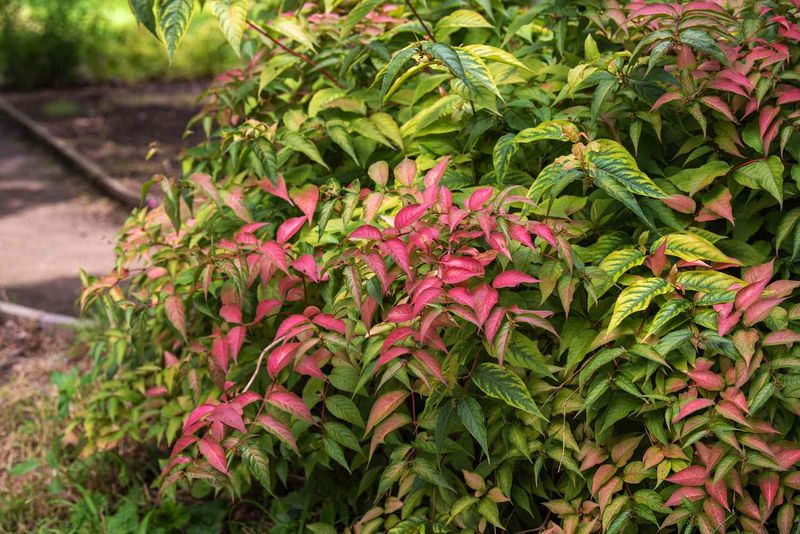
Every yard has that one gloomy spot under a big maple where grass gives up. Northern bush honeysuckle happily moves into that space and makes it look good.
Do not confuse it with invasive honeysuckles that take over New York woods. When shopping, look for the botanical name Diervilla lonicera. This one is a well-behaved native that stays in its lane.
Shade under trees is often bone dry because tree roots hog the water. Most plants struggle there, but bush honeysuckle handles it just fine.
It grows about three feet tall and spreads by roots into a tidy patch. Those roots help hold soil on shady slopes and under decks.
Small yellow flowers appear in early summer and keep going for weeks. Bumblebees crawl inside the little trumpets like kids exploring a slide.
New leaves come out bronze, turn green, then blush red and purple in fall. That gives you three seasons of changing color from one plant.
Plant it this September, spacing shrubs about three feet apart. Loosen the soil gently around tree roots instead of digging huge holes.
Water weekly until the first hard freeze, then let snow and rain take charge. By next summer, it should need water only in a serious drought.
Deer usually skip this shrub, which feels like winning a small lottery. Your shady corner finally gets a glow-up without a thirsty sprinkler.