9 Rooftop Garden Tasks Every NYC Balcony Grower Should Finish By Sunday
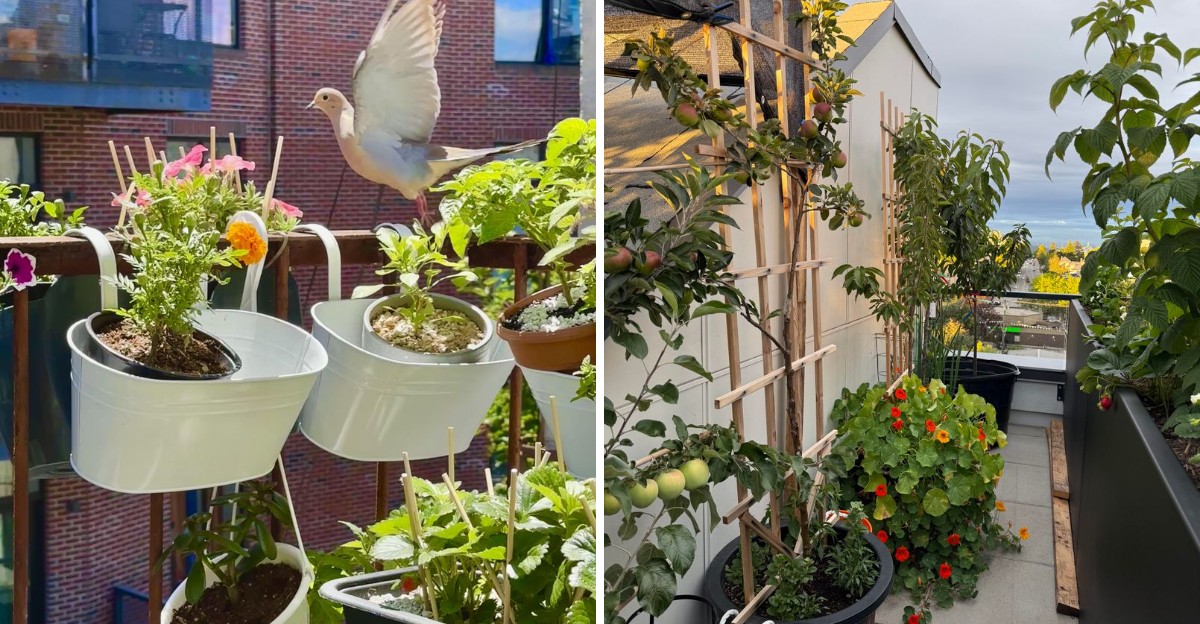
The wind on a Brooklyn rooftop reminds you that summer is packing its bags. One morning your basil looks fine, and by the next chilly night it is sulking in its pot.
That is the season shift every NYC balcony grower learns to read, usually the hard way, after losing a favorite pepper plant to a surprise cold snap.
The good news is that most of the work is small, satisfying, and easy to squeeze into one weekend. Think of it as tidying up a tiny farm forty floors above the subway.
You’ll scrub pots, bring herbs inside, tuck greens under mulch, and secure loose items. Finish by Sunday, and your container garden will be ready for colder weather.
1. Clear Out Finished Summer Crops First
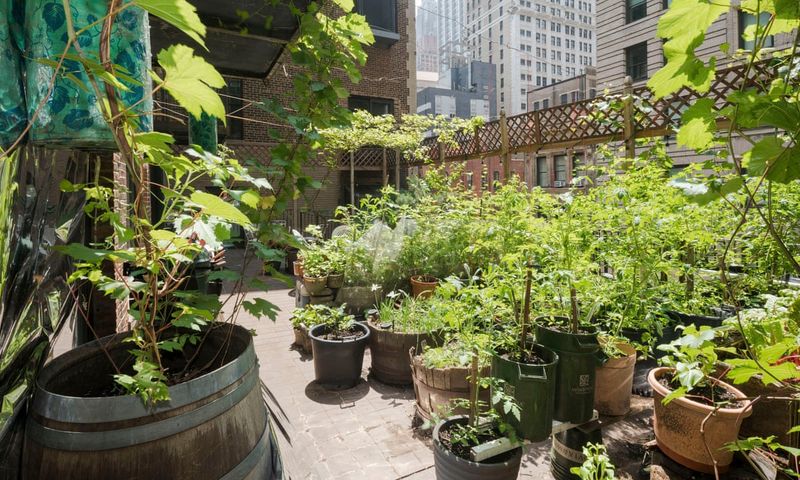
Those crispy tomato vines are not decoration anymore. Pulling them out is the first real step toward a tidy cold-weather balcony in New York City.
Spent summer plants can harbor aphids, spider mites, and disease organisms in their leaves and stems. Remove plants that are diseased or heavily infested rather than leaving them in place.
Start by cutting each plant near the soil line, then lift the roots out gently. Shake loose soil back into the pot so you keep as much growing medium as possible.
Toss diseased foliage in the trash rather than your compost bin. Healthy stems and leaves can go into a community compost drop-off, and NYC has plenty of them at greenmarkets.
Soil from containers that held sick plants should be removed or replaced when disease may persist in the growing medium. Clean, healthy potting mix can be refreshed with compost and saved for next spring’s planting.
While you work, keep a small bucket for plant labels, twist ties, and broken stakes. Sorting as you go saves a second cleanup trip later.
Pay attention to what the roots tell you. Tightly circling roots mean that plant needed a bigger container, which is useful information for next year.
Fun bit of history: rooftop farming in NYC took off in the late 2000s, and cleanup season has been a ritual ever since.
Once the containers are empty, your balcony instantly looks bigger and brighter. Fresh space also makes the remaining tasks on this list much easier to tackle.
2. Bring Tender Herbs And Plants Indoors
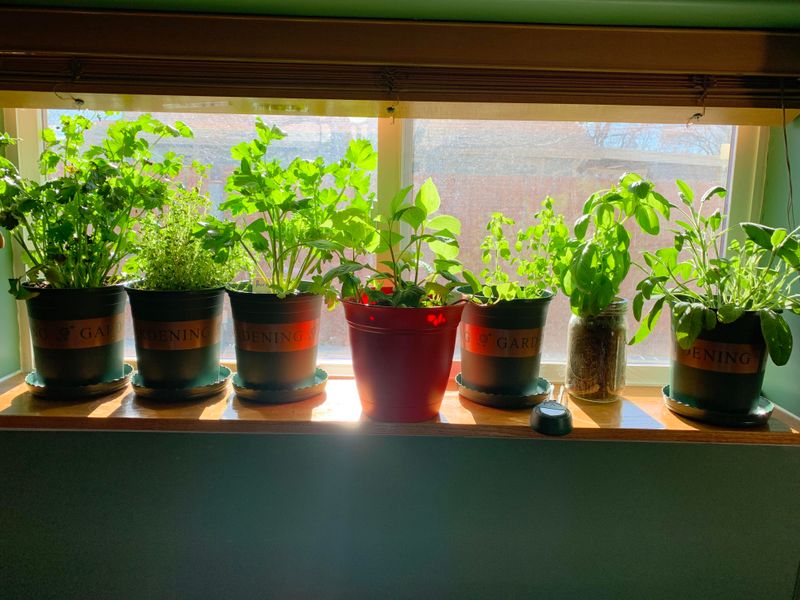
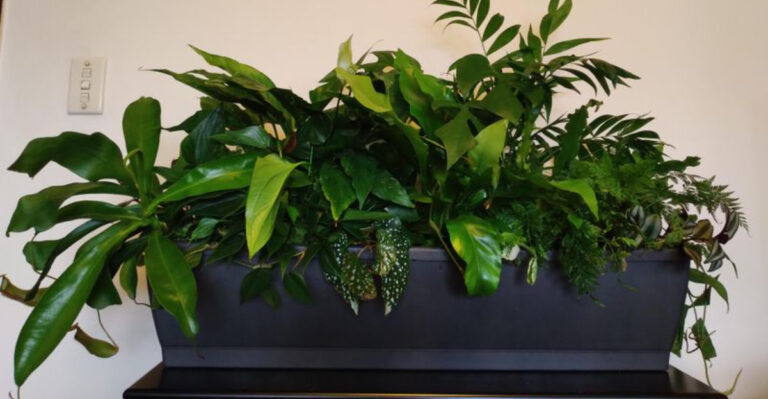
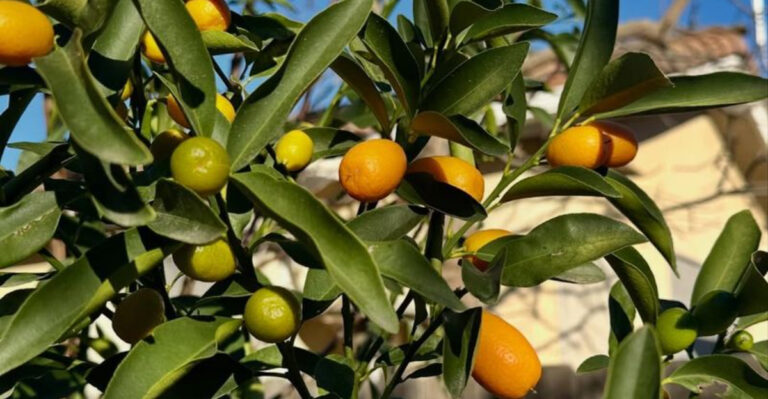
Basil starts struggling as nights approach fifty degrees. Rosemary, lemon trees, and other tender plants have different cold tolerances, so check each one before bringing it inside.
Watch the forecast for nighttime lows near 50°F, then start moving tender plants inside. Container roots sit exposed to cold air on all sides, unlike roots in the ground.
Before anything crosses your threshold, give it a careful inspection. Check leaf undersides, stem joints, and the soil surface for aphids, mealybugs, gnats, and stray spiders.
A firm spray from the hose can knock off many hitchhikers. Insecticidal soap can help with remaining pests, while clean potting mix helps reduce the chance of bringing pests indoors.
Move plants in stages rather than all at once. A few days in a shady corner helps them adjust before facing your apartment’s dim indoor light.
Your New York Garden Changes Every Week. Your Plan Should Too.
Gardening in New York changes quickly throughout the season. Every Friday you’ll receive a simple weekly plan showing exactly what to plant, prune, fertilize, harvest, and protect so you never miss the right timing.
South-facing windows are gold in a New York City apartment during winter. If yours face north, a simple clip-on grow light keeps herbs producing through the gray months.
Expect some leaf drop in the first two weeks. That is normal adjustment, not a sign you did something wrong.
Group your plants on a waterproof tray to protect floors and boost humidity around the leaves. Radiators dry indoor air fast, and herbs notice.
Snip and use your basil generously before the move, since it rarely thrives indoors long term. Rosemary, thyme, and bay handle apartment life far better.
3. Check Every Container For Proper Drainage
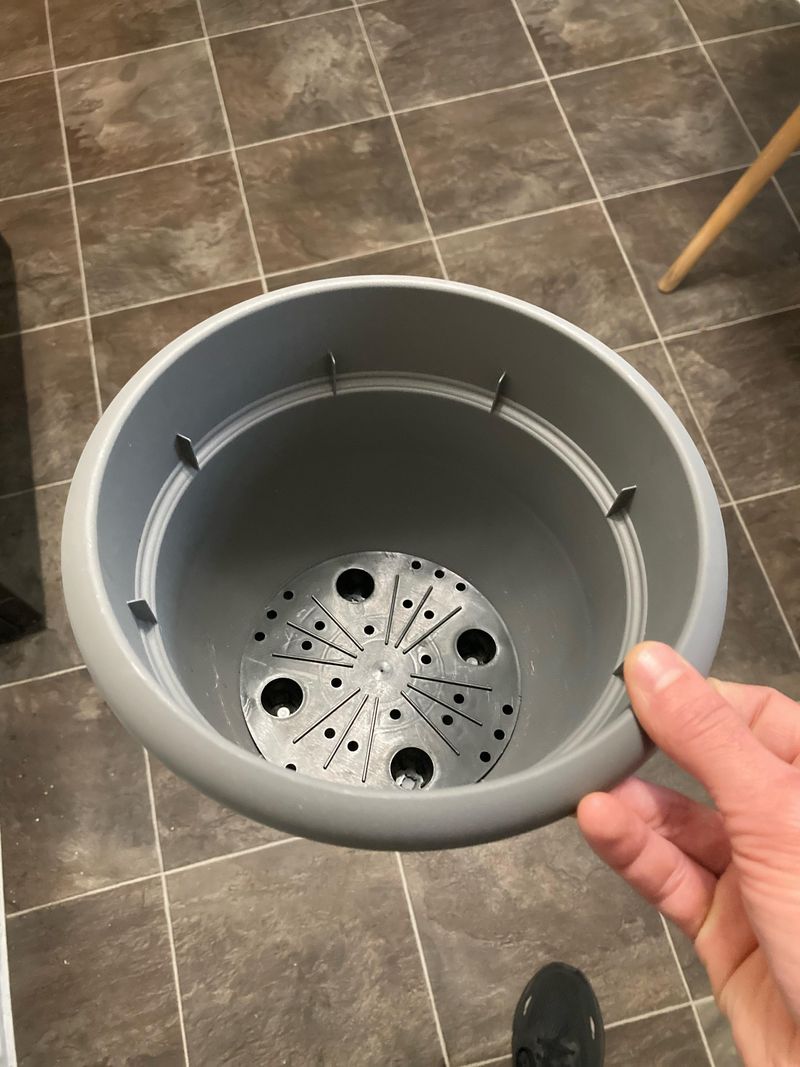
Soggy soil ruins more balcony plants than cold weather ever does. Autumn rain plus slow evaporation equals roots sitting in water for days.
Flip each empty pot and look at the bottom. Drainage holes should be open, clear, and wide enough for water to run through freely.
Roots, old soil, and mineral crust block holes over time. A chopstick or screwdriver clears them in seconds, and a drill adds more if a pot is short on openings.
Raise containers off the floor using pot feet, bricks, or wood strips. Air moving underneath speeds drying and keeps water from pooling against your balcony surface.
Saucers are helpful in summer and risky in fall. Empty them after every rainfall so roots are not soaking in a cold puddle.
Test suspicious pots with a quick pour. Water should drain freely through the bottom rather than sitting on top like a pond.
Heavy, compacted soil drains poorly no matter how many holes you drill. Mixing in perlite or coarse bark opens up air pockets that roots love.
NYC building rules often require containers that do not leak muddy water onto neighbors below. Trays with a small gap underneath solve that problem neatly.
Good drainage protects your plants and your standing with the super. Spending twenty minutes on this task now saves a soggy mess in December.
4. Harvest Ripe Vegetables Before Cold Nights
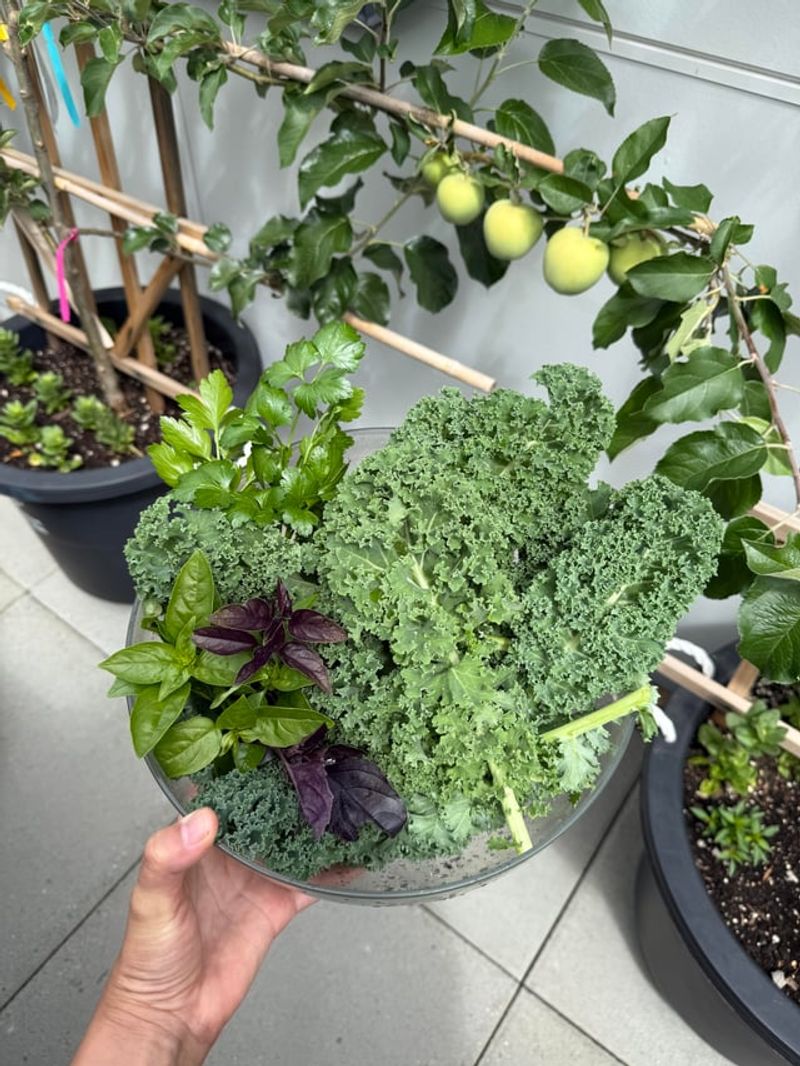
Picture a bowl of jalapenos picked forty feet above a honking avenue. That is the payoff for harvesting before the first cold snap rolls through.
Tender crops like tomatoes, peppers, eggplants, cucumbers, and beans lose quality fast once temperatures drop. One chilly night can turn firm fruit soft and flavorless.
Green tomatoes still have plenty of use left. Set them on a windowsill or in a paper bag with a ripe banana, and they will color up.
Peppers can keep producing surprisingly late on a sheltered balcony. Warm walls can help protect plants from chilly temperatures and extend the season somewhat.
Pick in the morning when plants are firm and full of water. Use scissors or snips instead of tugging, which protects stems for any remaining fruit.
Fall is also prime time for quick cool-weather crops. Radishes mature in about a month, so a late sowing can still reward you.
Herbs deserve a final big harvest too. Freeze chopped parsley or chives in ice cube trays with olive oil for winter cooking.
Surplus vegetables freeze, roast, or pickle beautifully. A batch of roasted peppers in the freezer tastes like August in the middle of February.
Share extras with neighbors while you are at it. Nothing builds goodwill in a New York City building quite like a bag of homegrown tomatoes.
5. Move Containers Away From Exposed Wind
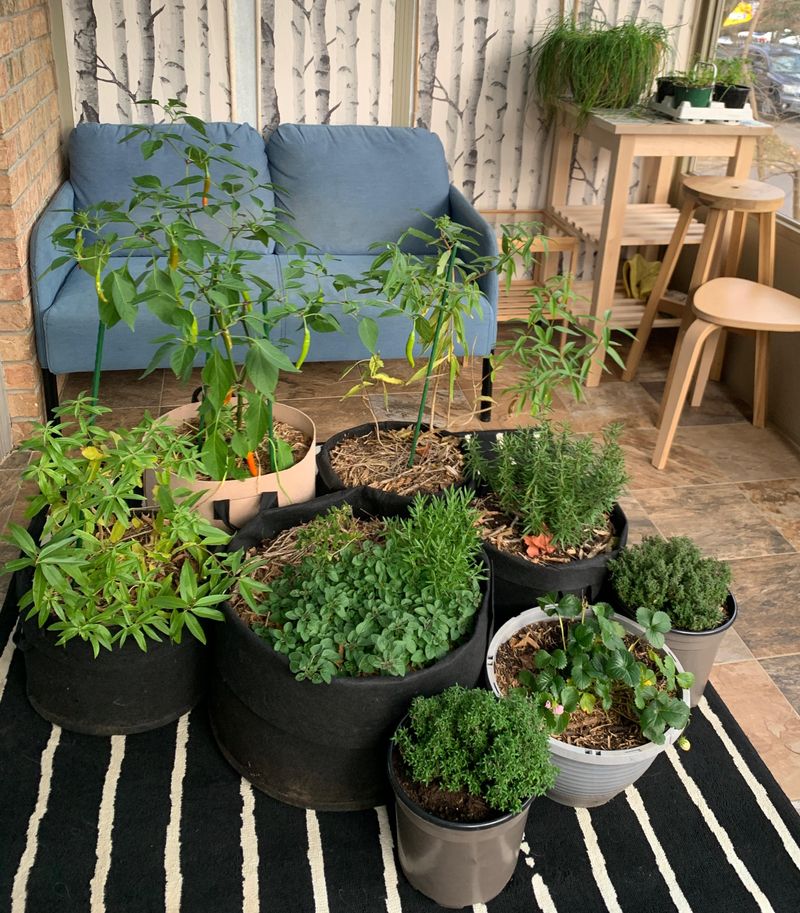
Wind on the twentieth floor behaves nothing like wind at street level. Gusts funnel between buildings and hit balconies with surprising force.
Plants suffer twice from that exposure. Wind topples containers, and it also strips moisture from leaves faster than roots can replace it.
Walk your balcony and notice where the breeze hits hardest. Corners and open railings usually take the worst of it, while walls create calm pockets.
Shift your smaller and lighter pots toward the building side. A brick wall blocks gusts and radiates a bit of stored warmth after sunset.
Clustering containers together works like a windbreak team effort. Taller, heavier pots on the outside shield delicate plants tucked in the middle.
Lattice panels, bamboo screens, or outdoor fabric attached to railings soften incoming gusts. Check your building’s rules first, since many co-ops have specific guidelines.
Trellises and tall stakes catch wind like sails. Remove or lower them once climbing plants finish their season.
Windburn shows up as brown, crispy leaf edges that people often mistake for drought stress. Moving the plant usually helps more than extra water does.
A rooftop in NYC faces sun, salt air, and gusts all year, which is a lot for a pot of herbs. Giving plants shelter now means fewer sad mornings later.
6. Protect Fall Greens Before Frost Threatens
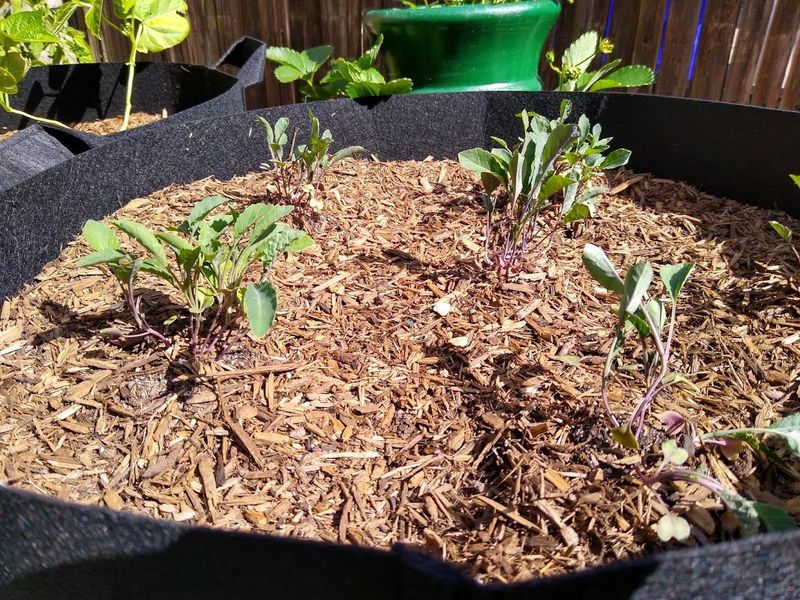
Kale actually tastes sweeter after a light frost. Still, roots in containers need help surviving the freeze and thaw cycle that hits the city each winter.
Spread a two to three inch layer of mulch across the soil surface. Straw, shredded leaves, or bark chips all insulate roots and slow temperature swings.
Frost heave happens when soil repeatedly freezes and thaws, pushing roots upward. Mulch steadies the soil temperature and keeps plants anchored where they belong.
Lightweight row cover fabric adds several degrees of protection overnight. Drape it loosely and clip it down so wind cannot peel it away.
Old bedsheets work in a pinch for one-night cold snaps. Remove covers in the morning so sunlight and air reach the leaves.
Spinach, arugula, kale, and mache handle chilly weather with impressive toughness. Lettuce is more delicate and appreciates a cold frame or a covered corner.
Leaving dried perennial stalks standing is not laziness, it is good practice. Hollow stems shelter beneficial insects and the roots below stay better insulated.
Water your greens before a hard freeze arrives. Moist soil holds heat better than dry soil, which gives roots a small buffer.
With a little coverage, salads from your own New York City balcony can stretch well into late fall. That first winter harvest feels like a small victory.
7. Clean Pots Before Reusing Them Next Season
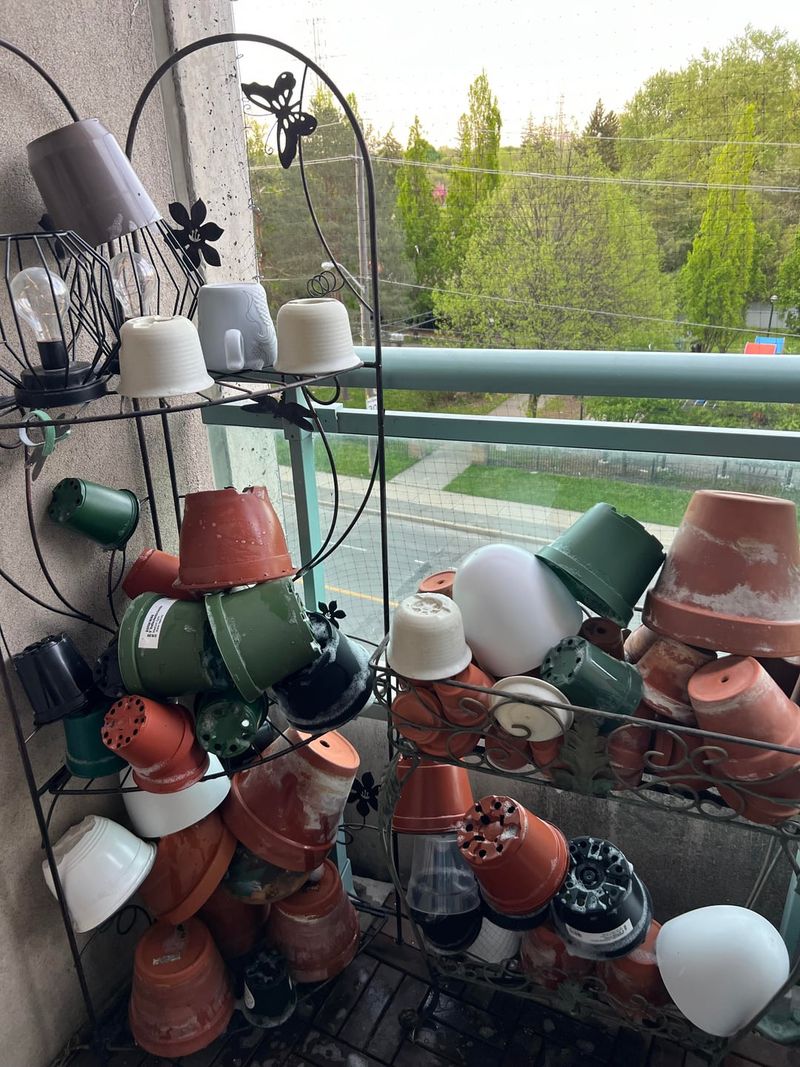
Here is an unglamorous truth: a dirty pot is a storage unit for plant problems. Fungal spores and insect eggs cling to old soil and crusty rims.
Empty each container completely, then knock out clinging roots and debris. A stiff brush handles the white mineral crust that builds up on terracotta.
Wash everything in warm, soapy water until the surfaces feel smooth. Rinse well so no suds linger in the grooves.
For sanitizing, soak pots in a properly diluted bleach solution according to Extension recommendations. Rinse the pots thoroughly afterward and let them dry completely.
Rinse thoroughly after soaking and let pots air dry fully. Damp pots stacked in a closet grow mildew, which defeats the whole purpose.
Terracotta and ceramic pots crack when trapped water freezes inside the clay. Store them indoors, in a closet, or under a covered corner of your balcony.
Plastic and resin containers handle winters better outdoors. Turn them upside down so rain and snow cannot collect inside.
Label stacks by size while you work. Come March, grabbing the right pot in seconds feels like a gift from your past self.
Clean tools deserve the same treatment. A quick wipe with rubbing alcohol on pruners stops disease from traveling between plants next spring.
8. Check Soil Before Watering Again
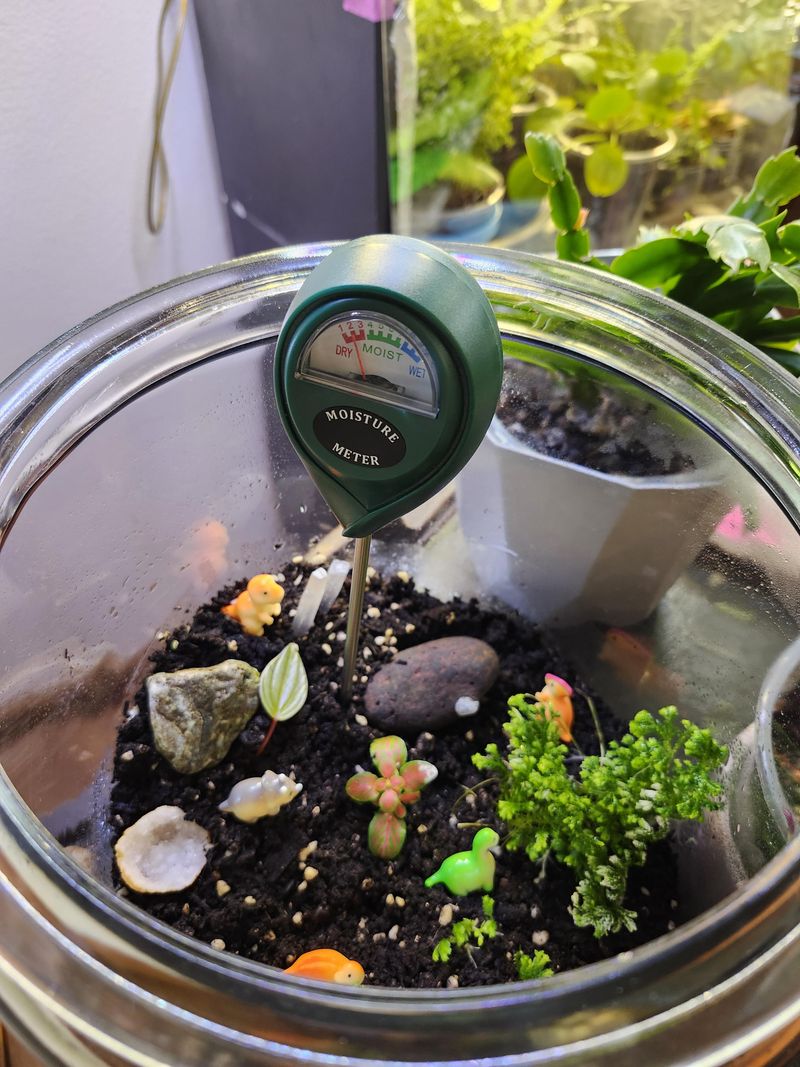
Plenty of container plants struggle from too much water, not too little. Cool weather slows growth, and slow growth means less thirst.
Push a finger into the soil before reaching for the watering can. If the soil is still damp, wait; if it has dried, water according to the plant’s needs.
When you do water, water deeply. Pour until moisture runs out the drainage holes, which encourages roots to grow downward and strong.
Shallow sips keep roots near the surface where they dry out quickly. One thorough soak beats three light splashes every time.
A cheap moisture meter takes the guesswork out if you are unsure. Lifting a pot also tells you plenty, since dry containers feel noticeably lighter.
Indoor plants in a heated New York City apartment need their own rhythm. Radiator heat dries leaves while the soil underneath stays damp longer than expected.
Watch for warning signs like yellowing lower leaves, mushy stems, or a sour smell from the soil. Those usually point to excess moisture rather than drought.
Morning watering gives foliage time to dry before cold evening air settles in. Wet leaves overnight invite mildew and spotting.
Rainfall counts, but rooftop overhangs and balcony ceilings often block it entirely. Check pots under cover even after a stormy week.
9. Secure Lightweight Containers Before Strong Winds
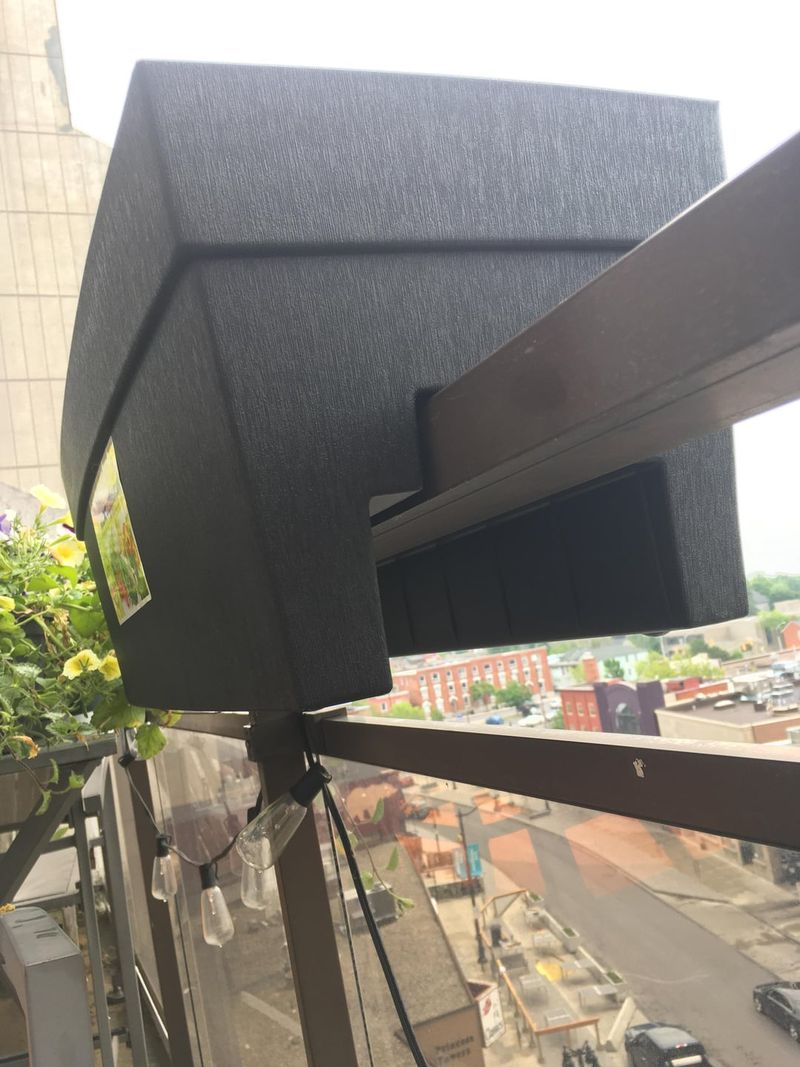
A plastic pot sailing off a fortieth-floor balcony is nobody’s idea of a good weekend. Securing containers is a safety task before it is a gardening one.
Lightweight plastic and fiberglass planters tip easily once their soil dries out. Wind finds them first, especially on exposed rooftops.
Swap flimsy pots for heavier materials like thick plastic, wood, concrete, or glazed ceramic. Weight alone solves half the problem.
Add river rocks or pebbles to the bottom of light containers for ballast. Landscape fabric between the rocks and soil keeps drainage flowing.
Shape matters more than people realize. Low, wide pots with broad bases stay put, while tall narrow ones act like bowling pins.
Adjustable straps, hidden brackets, and anchoring systems hold planters against railings and walls. Many NYC buildings require them on upper floors, so check your lease.
Do a quick sweep for loose items too. Trellises, empty pots, plant tags, and folding chairs all become projectiles in a strong gust.
Store hanging baskets during storm warnings. Hooks fail, and swinging baskets can crack windows or scratch siding.
Give every container a gentle nudge before you head inside Sunday evening. If it wobbles, it needs weight, a strap, or a more sheltered spot along the wall.