7 California Pests That Become More Aggressive As Nights Cool
Somewhere out there, the local bugs must have a group chat.
How else to explain it? One cool October night rolls in, and suddenly everyone shows up at once.
A line on the kitchen counter. A surprise guest in the bathtub. A crowd lounging on the sunny side of the garage.
It feels a little like a party nobody planned.
So what changed overnight?
The answer has less to do with bad luck and more to do with the calendar. Cooler nights send a clear message to plenty of backyard critters.
Some get hungrier. Some get restless. Others simply want a warm, dry spot to wait out the season.
Your home, unfortunately, checks every box on their wish list.
The good news is that each visitor has a pattern. Once you know why they show up, you can close the doors before the party really starts.
Curious who made the guest list this fall? Grab a flashlight and a tube of caulk. The RSVP deadline is coming up fast.
1. Yellowjackets Turn Bolder Around Food
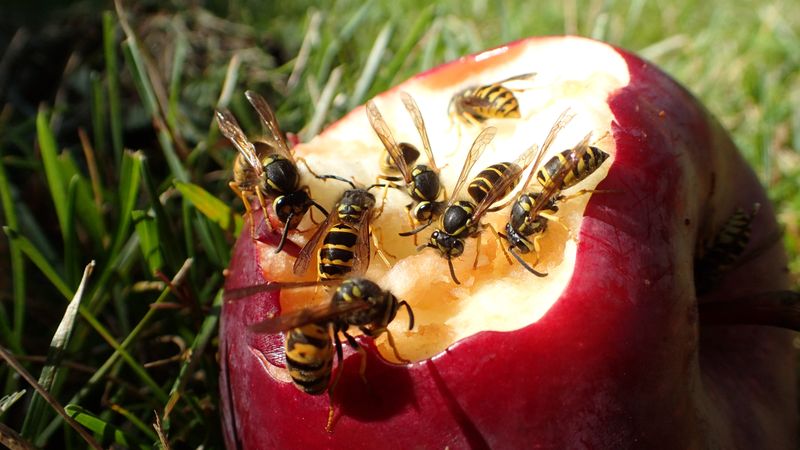
A backyard barbecue in late September can turn into a tug-of-war. A plate of chicken hits the table, and within minutes a yellowjacket carves off a tiny chunk to fly home.
Western yellowjacket colonies grow all summer and reach their biggest size in late summer and fall. Earlier in the year, workers hunt live insects for the young.
As the colony winds down, workers switch to sugary foods and scavenged meat. That puts them right beside your sandwich and soda.
More workers mean more hungry mouths, so stings around food jump this time of year.
A yellowjacket inside an open drink can sting lips or throat, which can be dangerous.
Now for a few smart fall habits, because a little prep keeps the picnic fun. Keep food covered, and use cups with lids or straws instead of open cans.
Pick up fallen fruit, spilled drinks, and outdoor pet food quickly. Keep garbage cans tightly closed and away from patios.
Traps work best when hung early in the season and away from where people sit, since they pull insects toward them.
A nest in the ground or inside a wall calls for caution. Skip the urge to plug the hole or pour water in, since trapped yellowjackets may chew into your home.
A pest professional can handle nests near doors or walkways.
Most colonies fade out over winter, with only new queens left for spring. Until then, your barbecue deserves a lid and a watchful eye.
2. Argentine Ants Push Indoors For Warmth
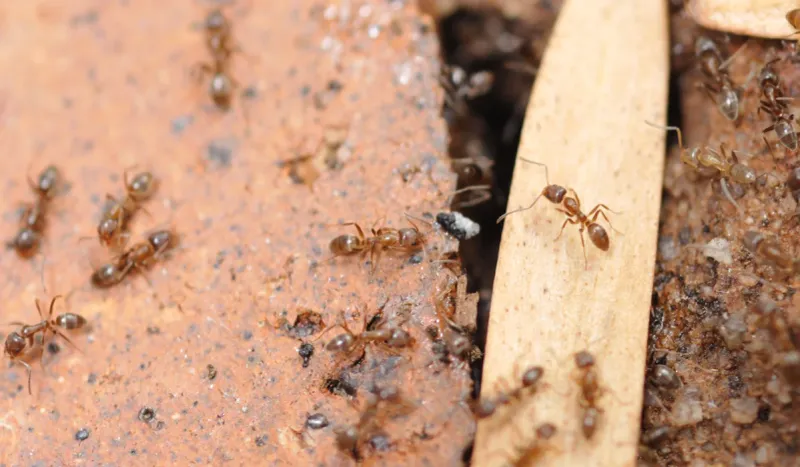
Tiny, brown, and marching in perfect lines, Argentine ants are the most common ant in California homes. Plenty of people go all summer without a single one inside.
Then the weather shifts, and there they are, lined up along the sink.
These ants often move indoors once outdoor conditions turn uncomfortable. Cool, rainy weather is a big trigger, though hot, dry spells can drive them in too.
Your home offers steady temperatures, water, and crumbs. For an ant, that is a pretty great deal.
Your California Garden Changes Every Week. Your Plan Should Too.
Gardening in California changes quickly throughout the season. Every Friday you’ll receive a simple weekly plan showing exactly what to plant, prune, fertilize, harvest, and protect so you never miss the right timing.
Now for the sneaky part, because the trail you see is only the tip of the iceberg. Argentine ant colonies can have many queens and link into huge networks outside.
A spray on the counter trail usually stops only a few workers while the rest continue to march in.
Start with soapy water to wipe the trail and erase the scent path they follow. Store sugary foods in sealed containers, rinse dishes, and fix leaky faucets.
Next, follow the line to where the ants enter. Seal cracks around windows, baseboards, and pipes with caulk.
Outdoors, trim plants that touch the house, since branches act like bridges.
Bigger problems call for slow-acting ant baits placed outside along trails, not broad sprays. Workers carry the bait back to share with the colony.
Patience matters here, since baits can take a few days to a couple of weeks. Your kitchen counter returns to kitchen duty instead of ant highway duty.
3. Spiders Become More Visible Not More Aggressive
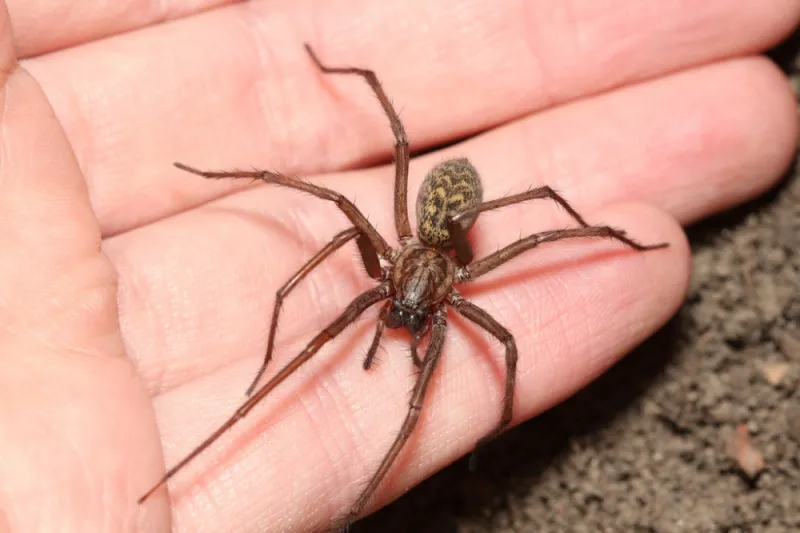
A spider in the bathtub can feel like a sign of trouble. In reality, spiders do not turn meaner as nights cool. They just get easier to spot.
That difference matters a lot for your peace of mind.
Fall is when many common spiders look for mates. Many of the spiders that wander indoors are males on the hunt for females.
They leave their webs and roam across floors and walls. That explains the sudden guest in the bathtub or the hallway.
Other spiders simply follow the insects they eat. Some tuck into garages and sheds for shelter.
More movement means more encounters. More encounters can feel like an invasion, but it really is not one.
Now for some reassuring news that may help you breathe easier. Spiders rarely bite people.
Most bites happen only when a spider gets pressed against skin, like inside a shoe or glove. Many so-called spider bites turn out to be something else entirely.
Shake out shoes, gloves, and stored clothes before you use them. Vacuum webs and egg sacs in corners, closets, and under furniture.
Seal gaps under doors and around screens. Fewer outdoor lights also means fewer insects for spiders to hunt.
In California, the black widow is the main spider to handle with care. It usually hides in woodpiles and garages, so gloves are a smart move there.
For most other spiders, a gentle catch-and-release with a cup works just fine. You become the neighborhood’s friendliest bouncer.
4. Boxelder Bugs Seek Out Sunny Walls
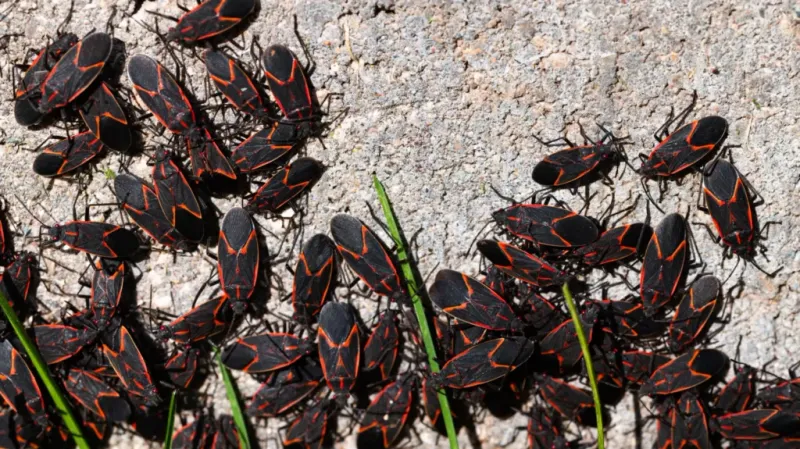
Walk past a sunny wall on a crisp fall afternoon, and you might spot a surprise. Little black insects with bright red markings cover the surface.
Dozens, sometimes hundreds, huddle together like a beach party. Meet the boxelder bug.
These insects feed mainly on seeds of boxelder and some maple trees in warm months. As nights cool, they gather in large groups on sun-warmed surfaces.
South and west-facing walls are favorites. They soak up heat there before they search for a safe winter hideout.
That hideout is often a crack in your siding, a gap around a window, or an attic vent.
On warm winter days, some wake up and wander into the house, confused by the heat.
Good news comes first. Boxelder bugs do not bite people, damage houses, or breed indoors.
Still, their droppings can stain curtains. They also give off a mild smell when squished.
Now for a simple game plan, and early action makes it much easier. Seal cracks, repair torn screens, and add weatherstrip before big crowds arrive.
A quick spray of soapy water can knock down clusters on outside walls.
Indoors, a vacuum is your best tool. Empty it right away.
Removal of female boxelder trees near the home can help over time. That is a big step, though, so weigh it carefully.
Your walls go back to plain old walls. The bugs will have to find another beach for their party.
5. Stink Bugs Look For Ways Inside
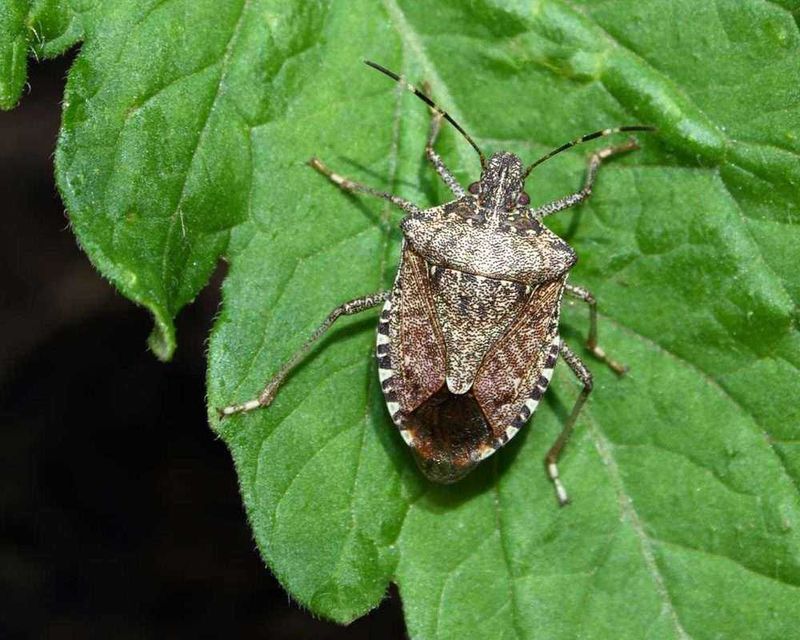
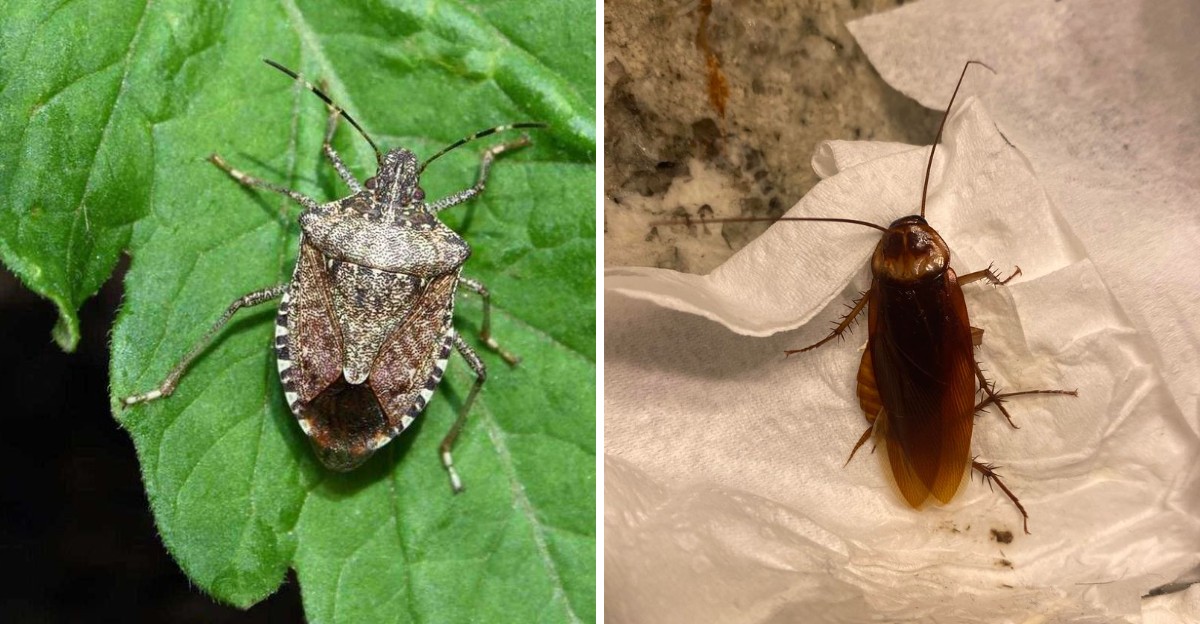
Shaped like tiny shields and famous for their smell, stink bugs are the houseguests nobody invites. In parts of California, the invasive brown marmorated stink bug has become a fall visitor worth knowing about.
UC IPM reports that as days shorten and temperatures drop, adult brown marmorated stink bugs leave crops and gardens. They look for protected spots to spend the winter. Homes, garages, and sheds work perfectly for them.
You will often see them crawling on sunny walls, window frames, and screens in September and October. They slip in through gaps around windows, doors, vents, and utility lines. Once inside, they tuck into walls and attics and stay fairly quiet until spring warmth wakes them.
Honestly, they are mostly a nuisance indoors. They do not bite, sting, or breed inside your home. The problem is that stinky odor they release when disturbed or crushed.
So how do you keep them out? Seal cracks with caulk, fix screens, and install door sweeps before the fall rush begins. Check around window air conditioners, which are sneaky entry points.
If some still get in, do not squash them. Try knocking them into a container of soapy water, or vacuum them with a dedicated vacuum or stocking over the nozzle to avoid the smell.
Quick note: the brown marmorated stink bug is well established in some California areas, like Sacramento, but less common in others, so local sightings vary.
6. Silverfish Follow The Moisture Indoors
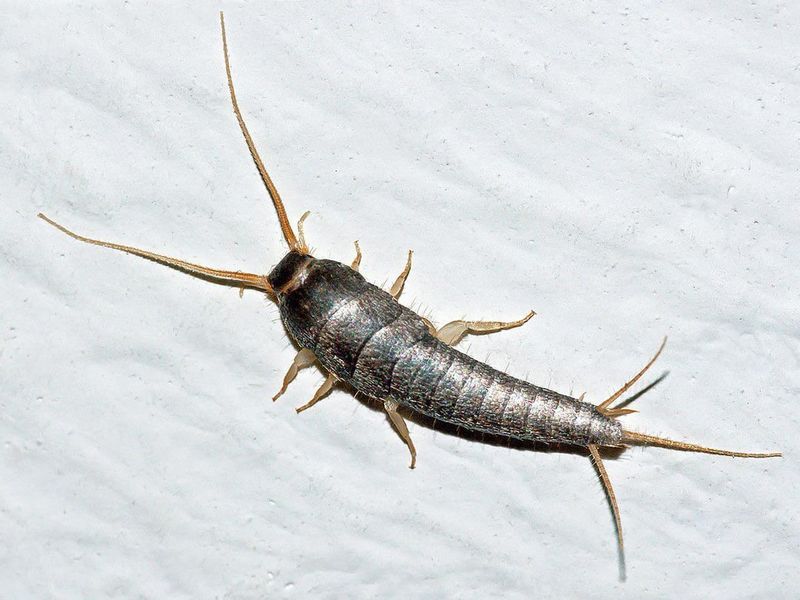
Silver, wiggly, and fast as a flash, silverfish have been around for hundreds of millions of years. They are older than the dinosaurs.
Somehow, they still pick your bathroom as their favorite hangout.
These insects need moisture to thrive. They love high humidity, often around 75 to 95 percent.
That explains their fondness for bathrooms, laundry rooms, basements, and the space under sinks.
As outdoor conditions shift in fall, homes offer something steady. Warm, damp, sheltered corners stay the same day after day.
Silverfish hide during the day and come out at night to feed.
Now for a surprise, because their menu is truly odd. They munch on starches and sugars in paper, book spines, wallpaper paste, cardboard, and even some fabrics.
Old photos and stored papers in a damp garage face real risk.
They do not bite or spread disease, but they can damage things you care about. The fix is simple: make your home drier.
Run bathroom fans during and after showers. Fix leaky pipes and drippy faucets quickly. A dehumidifier helps in damp basements or storage rooms.
Store important papers and photos in sealed plastic bins instead of cardboard boxes. Clear away piles of old newspapers and magazines.
Seal cracks along baseboards where they hide.
Cut off the moisture, and silverfish lose their reason to stay. Apparently, even ancient bugs appreciate a good book, but yours are off the menu.
7. Cockroaches Chase Warmth Into Structures
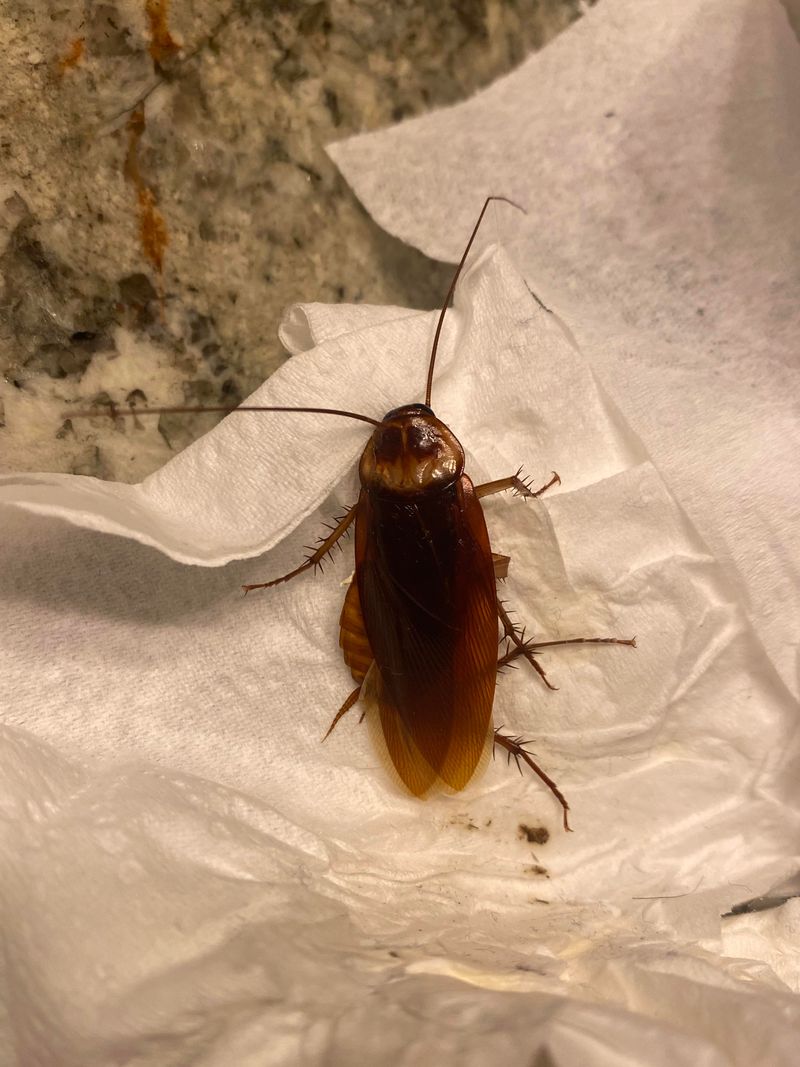
Flip on the garage light on a chilly night, and something big and brown scurries toward the drain. Nobody enjoys that moment.
Unfortunately, it happens more once fall settles in.
California has several kinds of cockroaches, and they behave differently. The German cockroach lives almost entirely indoors year-round.
Outdoor types, like the American, oriental, and Turkestan cockroaches, spend warm months in sewers, drains, mulch, and water meter boxes.
These outdoor roaches can wander into buildings, and cooler weather gives them extra reason to seek warm shelter.
They crawl in under doors, through gaps around pipes, and up through drains.
Roaches are more than gross. They can carry germs onto surfaces.
Their droppings and shed skins can also trigger allergies and asthma, especially in kids.
Now for the counterattack, and it starts at the door. Install door sweeps and weatherstrip on outside doors, including the one between garage and house.
Seal gaps around pipes and wires with caulk or foam.
Cover or rinse drains, and fix leaks, since roaches need water. Store food in sealed containers and wipe up crumbs before bed.
Outside, move woodpiles, leaf litter, and thick mulch away from the foundation. Baits and gels placed along roach routes work better than broad sprays.
Small, light brown roaches in the kitchen point to German cockroaches. Those often need professional help.
Your garage light should reveal the car, not a sprint competition. With these steps, the only thing running in there will be the engine.
8. Sealing Entry Points Solves Most Of This
Look back at every pest on this list, and a pattern pops out. Ants, spiders, stink bugs, boxelder bugs, silverfish, and cockroaches all share one goal as nights cool.
They want somewhere safer and more comfortable. Your house is that somewhere.
That is actually great news. Eight separate battles shrink into one simple job: block the doorways they all use.
Experts call this approach exclusion, and it ranks among the most reliable long-term fixes.
Start with a slow walk around the house on a sunny afternoon. Look for cracks in siding and foundation, gaps around windows, and torn screens.
Check spots where pipes, cables, or vents enter too.
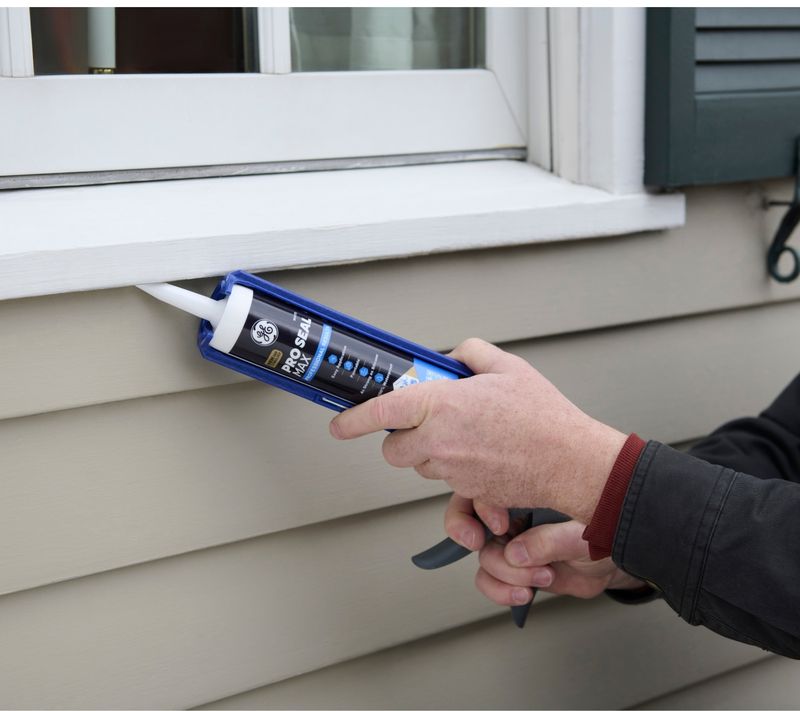
Now grab that caulk gun, because this part feels surprisingly satisfying. Seal small cracks with good silicone or latex caulk.
Stuff larger gaps with copper mesh or steel wool before you seal them. Add door sweeps and weatherstrip, and patch screens on windows and vents.
Next, remove the welcome signs. Trim branches that touch the roof, pull mulch back from the foundation, and fix leaks inside.
Seal up food and take out trash often.
The calendar matters here. Late summer or early fall, before the big rush, makes the ideal window.
Yellowjackets are the exception, since outdoor food control matters most for them.
A weekend with a caulk gun can save months of surprise visitors. That bug group chat is officially muted for the season.