The California Fall Flowers You Need To Start From Seed By Labor Day
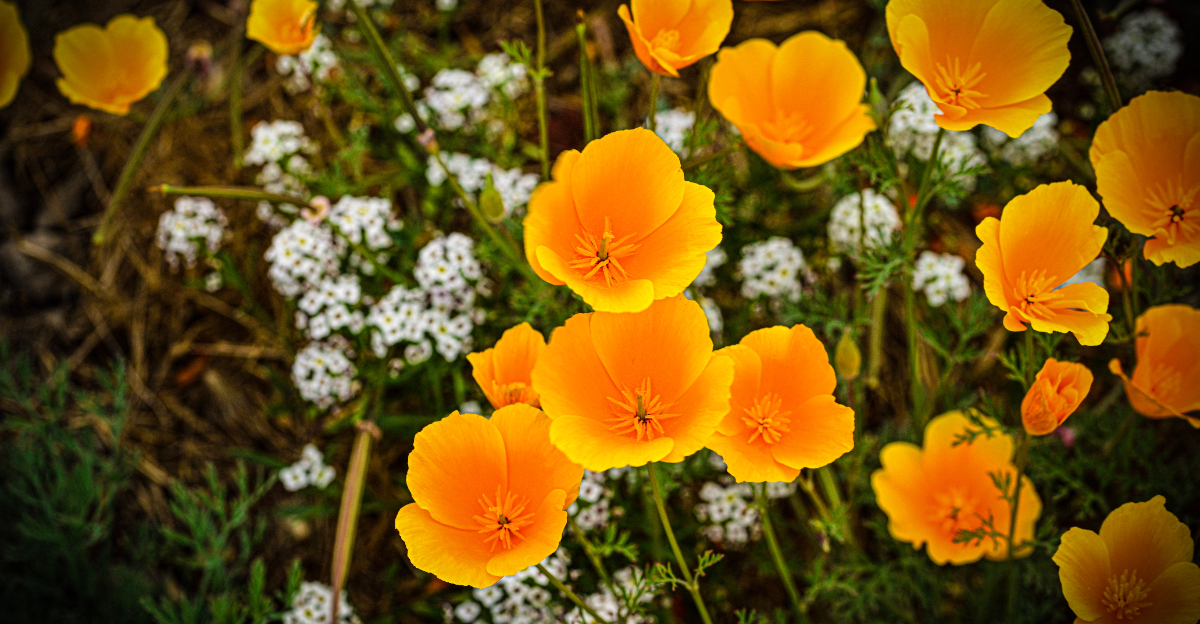
Labor Day can sneak up on a California garden while summer still looks completely in charge.
Tomatoes keep ripening. Afternoon heat hangs on. The soil still feels warm enough to convince you that fall planting can wait another week.
That delay can cost you months of color.
Cool-season flowers need time to germinate, settle their roots, and build enough growth before shorter days change the pace.
California gives gardeners a long runway, but it also gives them wildly different climates from the coast to inland valleys and desert edges.
So which seeds deserve attention before September fully arrives?
Some want direct sowing and absolutely resent transplanting. Others prefer trays first, then a move outdoors once nights cool. A few can turn fall beds into pollinator stops just as summer annuals fade.
Start with your local heat, soil, and frost pattern, then get these seven flowers moving. A small packet now can become the color your garden wishes it had when October finally settles in for good later this fall too.
1. Start Calendula Before September
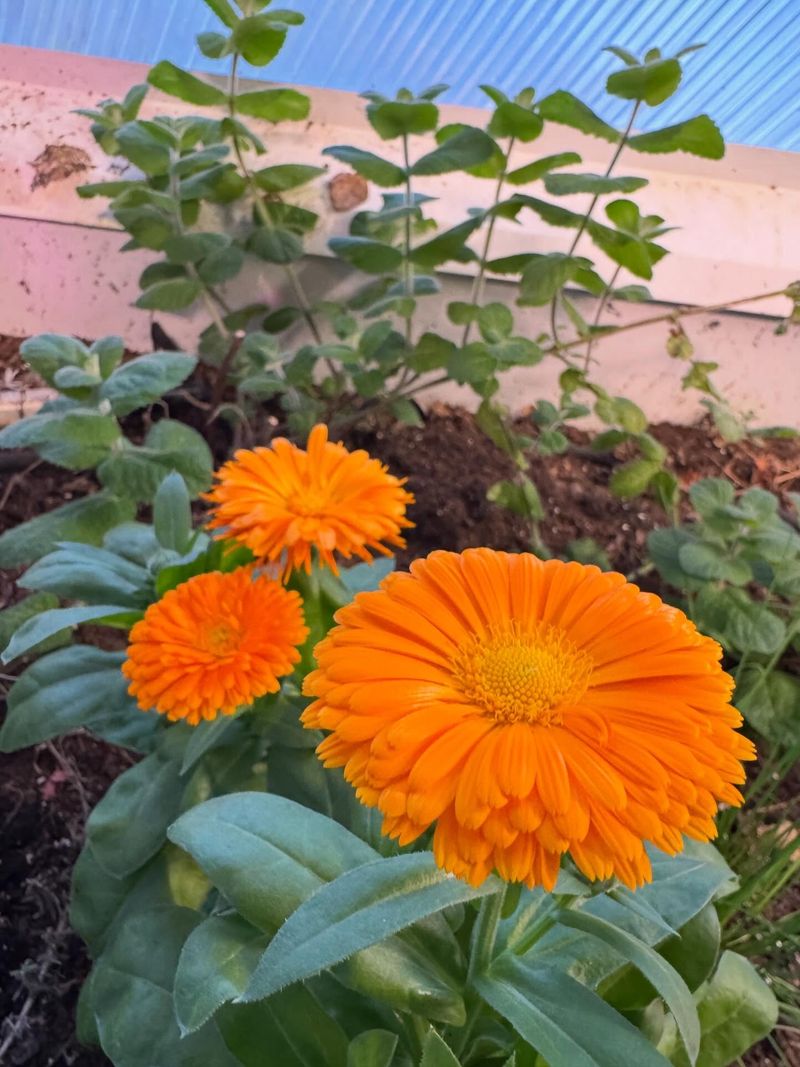
A little orange can go a long way once summer annuals start looking tired.
Calendula brings bright yellow and orange petals into the cooler season without demanding a complicated start. Sow the ridged seeds directly into a prepared bed or a roomy container once the worst summer heat begins to ease.
Set seeds about a quarter inch deep and leave roughly 6 to 8 inches between plants after thinning.
Mild soil helps germination move quickly. Sprouts often appear within one to two weeks when conditions stay comfortably cool.
Inland gardeners may need to wait for a brief drop in heat, while coastal gardens can often start around Labor Day with fewer problems.
Give the plants plenty of sun.
Six hours or more supports stronger stems and a heavier flower display. Keep the seedbed lightly moist at first, then ease into a more moderate watering routine after roots establish.
Remove spent blooms as they fade.
That small cleanup encourages another round of flowers and keeps the plants from putting all their effort into seed too early.
The petals are edible when plants have been grown without unsuitable sprays, which gives the garden a little bonus beyond color.
Calendula has the kind of personality fall beds need. Summer may be packing up, but these flowers arrive looking like somebody forgot to turn off the sunshine.
2. Sow Stock For Cool Season Color
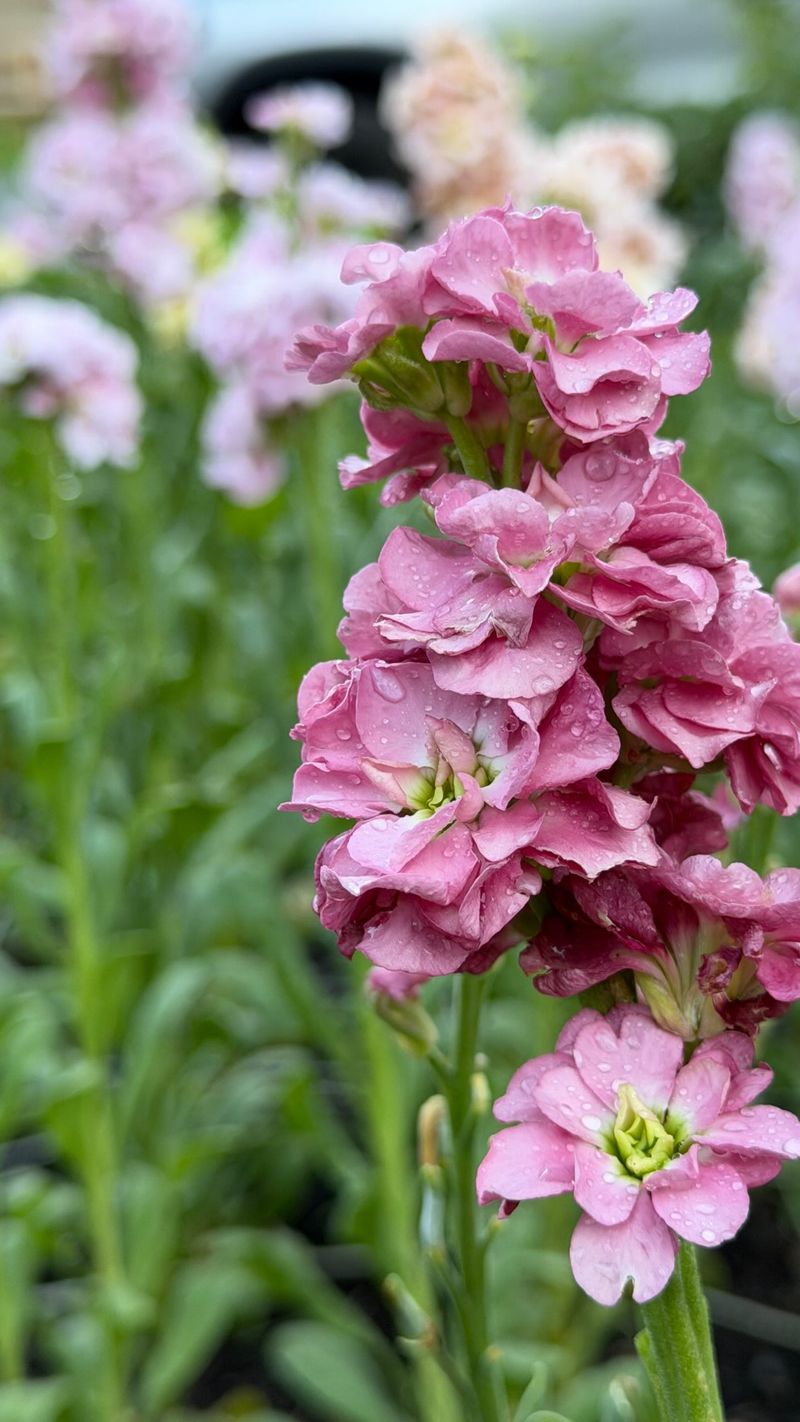
Cool evenings become much more interesting once stock starts adding perfume.
Matthiola incana brings upright flower spikes in white, pink, lavender, and deeper shades, but fragrance is the part people remember. The scent can drift across a patio once California nights finally lose some summer heat.
Start seed around Labor Day where temperatures are easing.
Press the seeds lightly into prepared soil rather than bury them deeply. They germinate best with some light near the surface. Once seedlings establish, thin them to about 10 to 12 inches apart so air can move between the plants.
Coastal gardens often suit stock beautifully.
Your California Garden Changes Every Week. Your Plan Should Too.
Gardening in California changes quickly throughout the season. Every Friday you’ll receive a simple weekly plan showing exactly what to plant, prune, fertilize, harvest, and protect so you never miss the right timing.
Marine influence, mild days, and cooler evenings line up well with the conditions this flower prefers. Inland gardeners can still grow it, but a hot microclimate may need afternoon protection until temperatures become more cooperative.
Give the roots drainage and steady moisture without leaving the bed soggy.
Stock also works well in deep containers where the flowers can sit close to a doorway or seating area. That placement lets the fragrance earn its keep.
Tall stems make good cut flowers too.
Harvest several when the lower blossoms begin to open and the rest of the spike still holds buds.
Stock does not need to dominate a border to get noticed. One small row can perfume the whole corner and make a cool California evening smell far more expensive than the seed packet was.
3. Direct Sow California Poppies In Place
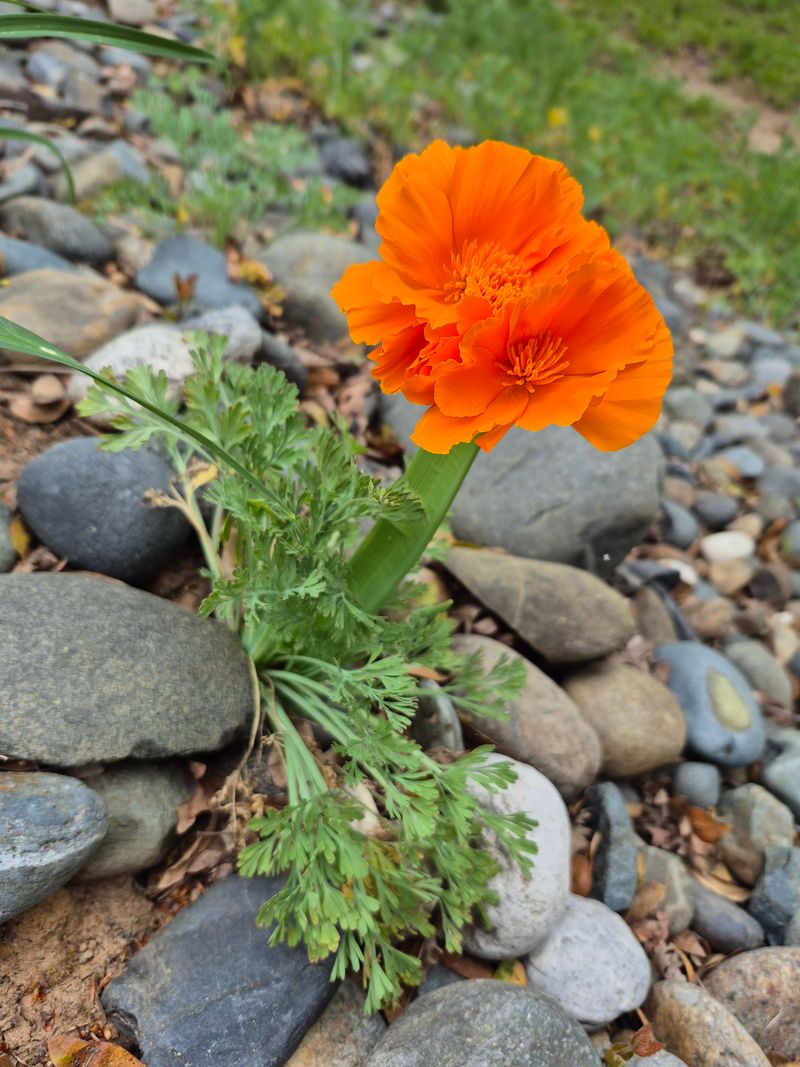
Some California flowers make their preferences very clear from the start.
California poppy does not appreciate a move. Its delicate root system makes direct sowing the better route, so choose the final spot before the seeds ever touch soil.
Full sun and sharp drainage matter most.
This native evolved in lean ground, open hillsides, and gravelly places. Rich soil can push soft leafy growth instead of the compact flower display gardeners want.
Scatter seeds thinly over a raked bed.
Press them gently into the surface, then water with a light touch until germination begins. Cool conditions usually bring better results than hot late-summer soil, so inland and desert gardeners may need to wait until temperatures ease more noticeably.
Fall sowing follows the plant’s natural rhythm across much of California.
Winter moisture can help seedlings establish, and mature plants often need very little extra irrigation once seasonal rain takes over.
Native bees appreciate the flowers too.
Avoid the urge to pamper the bed with frequent water or heavy fertilizer. California poppies tend to perform best when the gardener gives them a good site and then stops trying to improve everything.
That may be the easiest instruction in the whole fall garden.
Put the seed where the plant belongs, keep the early soil gently moist, and let California’s own state flower handle the rest without a relocation notice.
4. Get Sweet Alyssum Started
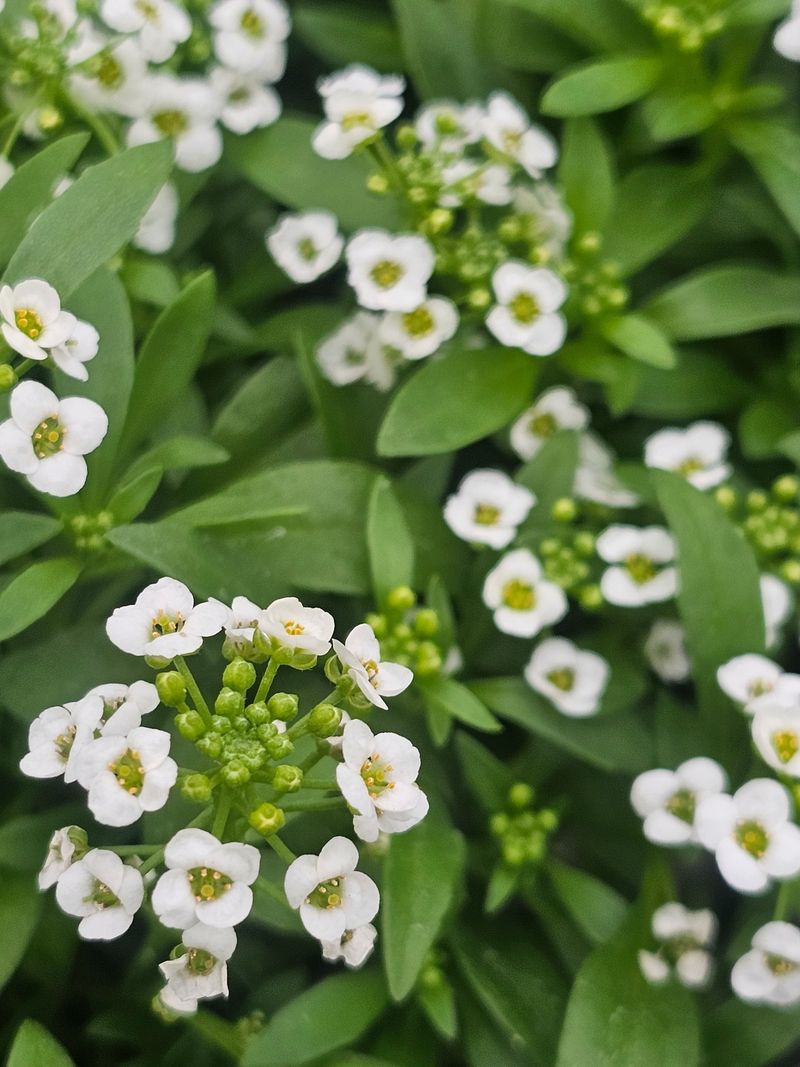
Low borders can carry a surprising amount of life once sweet alyssum settles in.
The tiny flowers form soft clusters that smell lightly of honey and attract hoverflies, small bees, and beneficial wasps. That makes Lobularia maritima useful near vegetables as well as along paths and container edges.
Sow seed on the soil surface.
Press it down gently and keep the area moist because the seeds need light for reliable germination. Under mild conditions, sprouts can appear in less than two weeks.
Labor Day works well as a planning marker in many California gardens.
Coastal areas may keep sweet alyssum blooming through much of winter. Inland gardens can see growth slow during colder stretches, then pick up again once temperatures moderate.
Give the plants good drainage and enough sun for compact growth.
A little afternoon shade can help in hotter inland locations during the transition out of summer. Once established, the plants spread into a low cushion that softens hard bed edges without hiding everything behind them.
Trim lanky growth by about one-third when the patch starts looking loose.
Fresh stems usually follow, along with another flush of flowers.
Classic white works almost anywhere, while rose and purple forms add more contrast.
Sweet alyssum stays close to the ground, but it keeps the garden surprisingly busy. The flowers may be tiny, yet the pollinator traffic can make the border look like rush hour with wings.
5. Sow Larkspur As Nights Begin Cooling
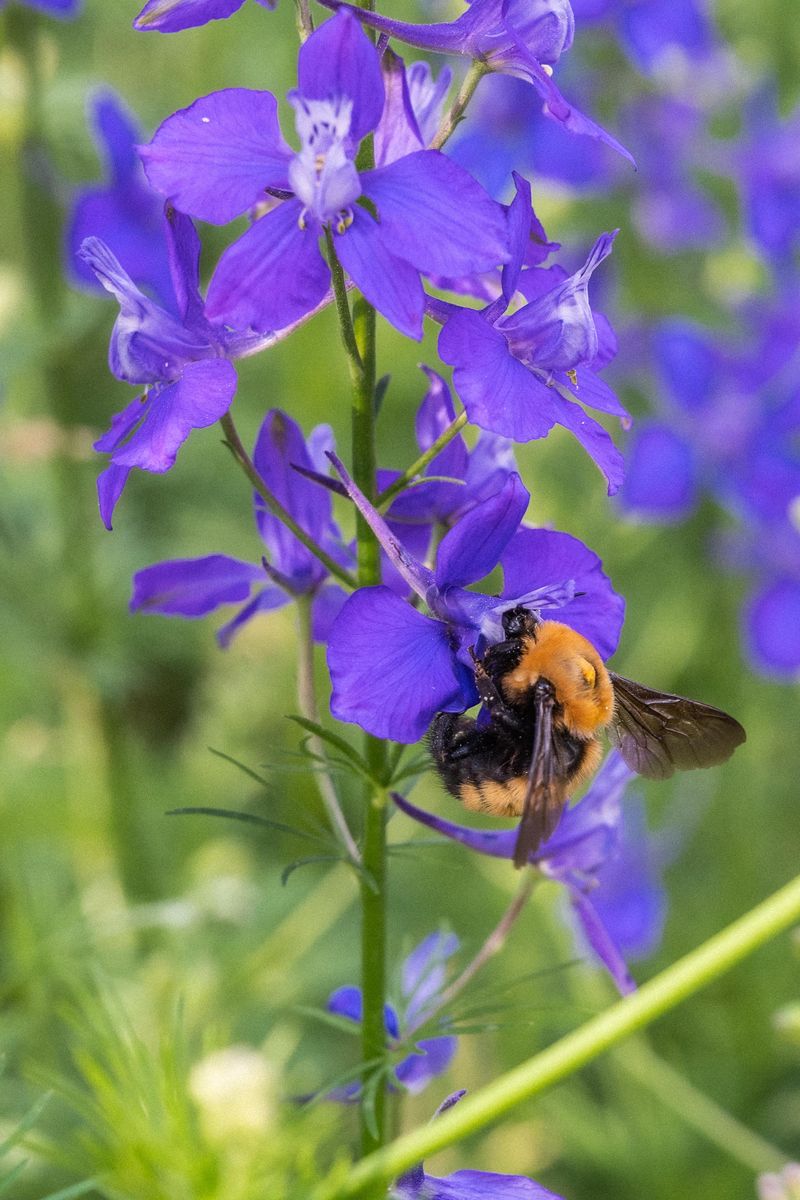
Tall flower spikes can make a fall-sown bed look much more ambitious by spring.
Larkspur starts quietly. A few ferny leaves appear first, then the plants use California’s cool season to build toward stems that can reach 3 to 4 feet tall.
Direct sowing keeps the roots happier.
Consolida ajacis develops a taproot early and can resent transplant disturbance, so prepare the final bed before seed goes down. Loosen the upper several inches, scatter seed thinly, and rake it in very lightly.
Germination can take patience.
Two or three weeks is not unusual, especially as temperatures fluctuate. Keep the seed zone lightly moist and resist the urge to dig around just because nothing happened after five days.
Place larkspur toward the back of the border.
Those future flower spikes can tower over lower fall companions such as alyssum or calendula. Windy gardens may need discreet staking later once stems gain height.
The flowers come in blue, violet, pink, and white and also work well for cutting.
Keep one safety detail in mind. Larkspur is toxic when eaten, so place it away from spots where pets or young children may sample plants.
This is not an instant-gratification flower.
It asks for a little trust in fall, then saves the dramatic part for later. Labor Day is simply when you buy the ticket for a much taller spring show.
6. Start Nasturtiums For Mild Fall Weather
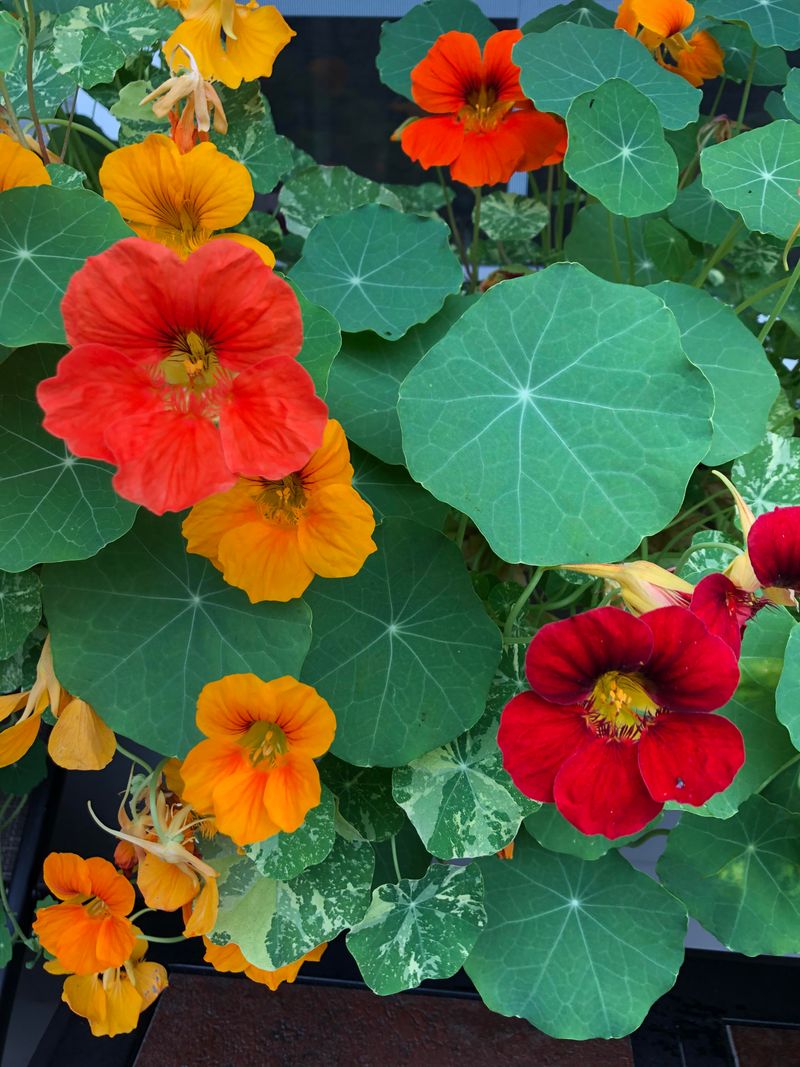
A seed big enough to hold comfortably between your fingers makes nasturtium refreshingly easy to sow.
Push each seed about half an inch into its permanent spot and leave 8 to 12 inches between plants. These flowers prefer not to have their roots disturbed later, so direct sowing saves trouble.
Lean soil is part of the plan.
Too much nitrogen can produce a mountain of round leaves and very few flowers. Skip heavy fertilizer and let the plant put more energy into the orange, red, and yellow blooms gardeners actually wanted.
California’s mild fall weather suits nasturtiums well.
Coastal and Bay Area gardens may get a long season from an early fall sowing. Hotter inland valleys often need to wait until daytime temperatures ease before germination becomes reliable.
Give the plants sun with some afternoon relief in the warmest microclimates.
Trailing varieties can spill from containers or raised beds, while climbing forms can be guided onto a low support. The sprawling habit gives you plenty of flexibility once summer annuals start leaving gaps.
Leaves and flowers are edible when plants are grown without unsuitable sprays. Both carry a peppery flavor that can brighten salads.
Nasturtiums do not believe in subtle entrances. One successful sowing can tumble across a bed with enough color to make the fading summer flowers wonder who invited the new management.
7. Start Yarrow For Fall Transplanting
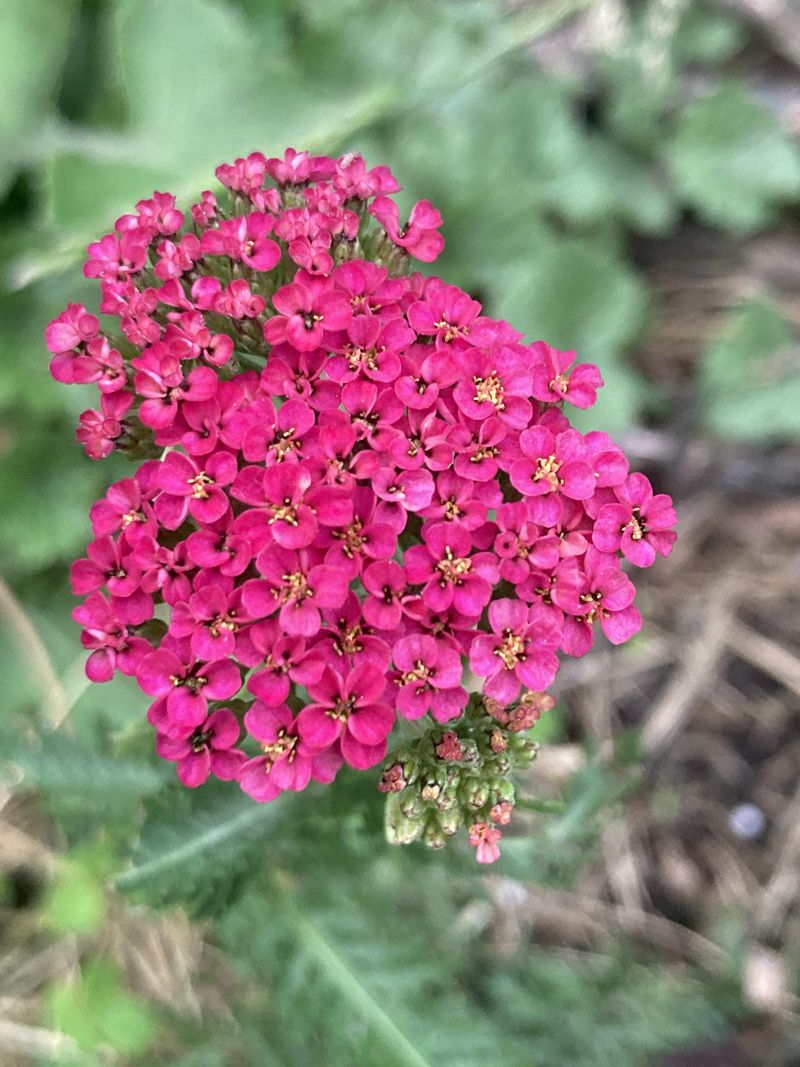
Yarrow asks for more patience at the seed stage, then spends years paying it back.
Unlike the quick annuals on this list, Achillea millefolium works well when started in trays or small pots before a fall move into the garden.
A Labor Day start can give seedlings several weeks to develop before cooler planting weather settles in.
Use a loose seed-starting mix.
Press the tiny seeds onto the surface instead of burying them because light helps germination. Keep the mix evenly moist without turning it soggy, and expect small seedlings to appear within roughly two to three weeks under comfortable indoor or sheltered conditions.
Give the young plants time to build several sets of true leaves.
Once nights cool reliably, move them into a sunny, well-drained spot. Space them generously so the mature clumps have room for air and pollinator traffic.
Native yarrow brings more than flowers.
Bees, butterflies, and beneficial insects use the broad bloom clusters, while established plants can handle California’s dry summers with relatively little extra water.
Cultivated forms offer white, yellow, rose, and red shades for gardeners who want more color variety.
Yarrow starts small enough to test anyone’s patience. Then it settles in, spreads its roots, and becomes the dependable perennial that makes the whole waiting period look like a very smart investment.
8. Start Snapdragons Before Summer Fully Lets Go
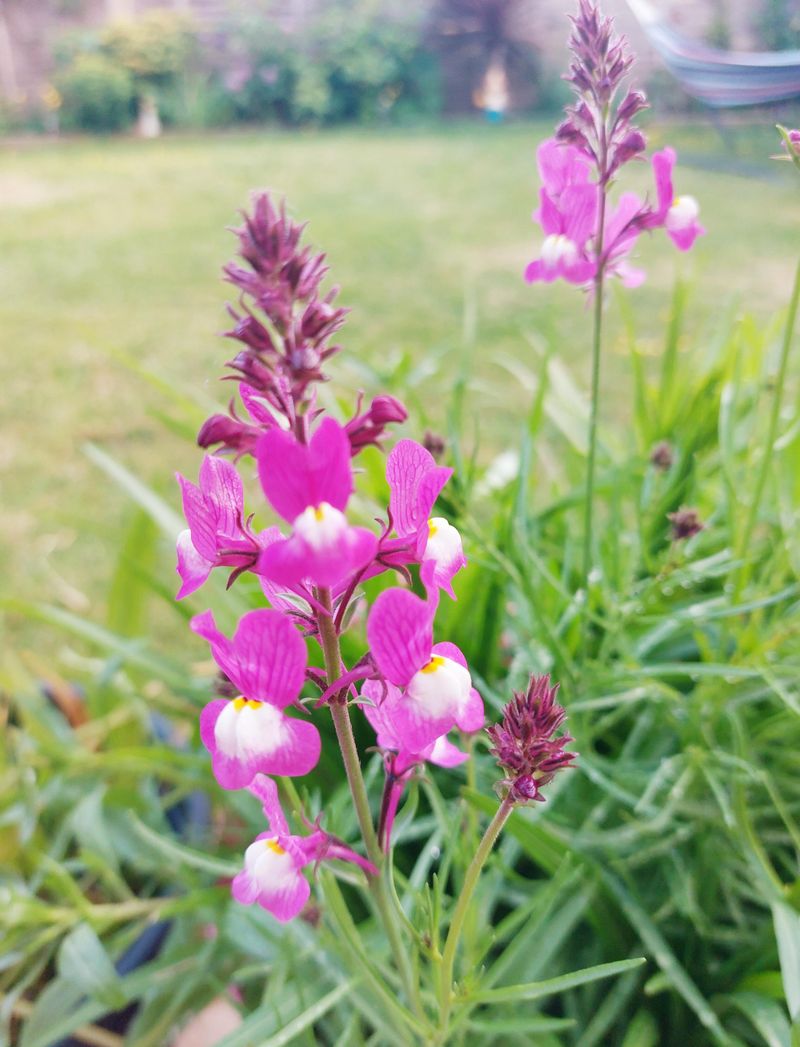
Cool-season height can start from seeds barely bigger than dust.
Snapdragons, Antirrhinum majus, take longer to get established than calendula or sweet alyssum, so a Labor Day start gives seedlings valuable time before California nights turn cooler.
Start the seeds in trays or small containers.
Press them gently onto moist seed-starting mix and leave them uncovered because light helps germination. Keep the mix evenly damp and place the tray somewhere bright but protected from intense late-summer heat.
Tiny seedlings may look unimpressive at first.
Give them time to develop several true leaves before moving them into the garden. Once temperatures become milder, transplant them into full sun with well-drained soil.
Space plants according to mature size.
Compact varieties fit near the front of a border, while taller snapdragons can reach 2 to 3 feet and belong farther back. Taller types may appreciate light support in windy gardens.
Coastal California can offer a long snapdragon season through fall and winter. Hot inland gardeners may need to keep seedlings sheltered longer until daytime temperatures ease.
Remove faded flower spikes to encourage fresh buds.
Colors range from white and yellow to pink, orange, red, and deep burgundy, so one planting can bring serious variety.
Snapdragons also have one unfair advantage over most flowers. Pinch a bloom gently, and it looks like a tiny dragon opening its mouth. Fall gardening rarely comes with better entertainment.