Why Boxelder Bugs Swarm The Sunny Side Of Pennsylvania Homes In Fall
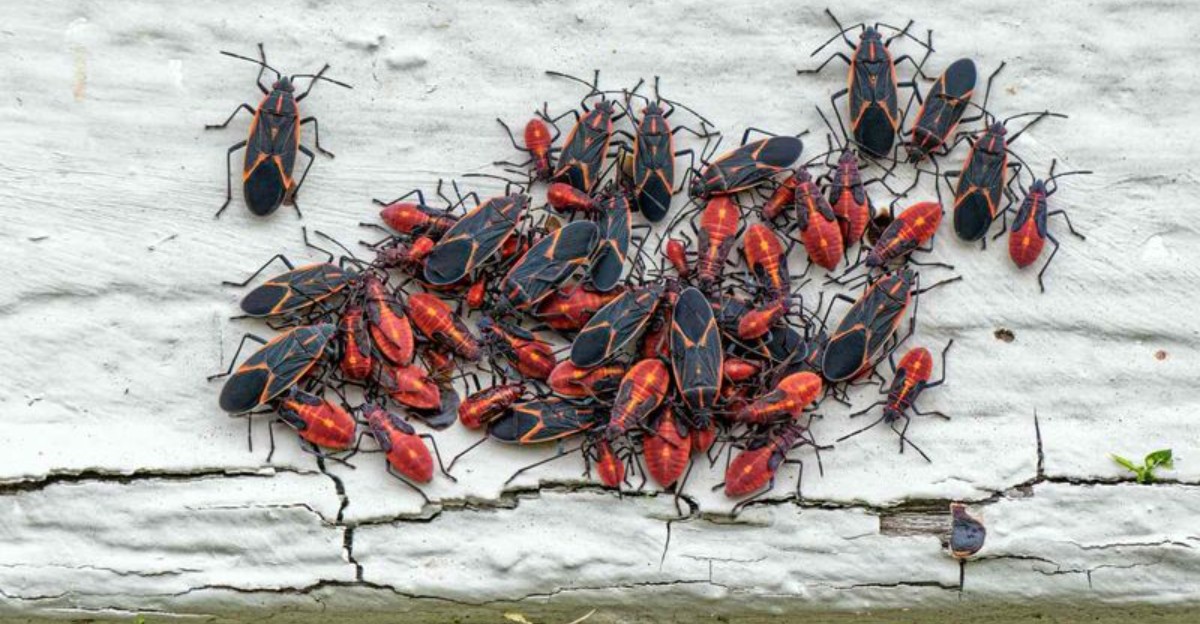
Your sunniest wall just became a heated waiting room for uninvited insects. Those black bugs with red trim are boxelder bugs, reading your siding like a thermostat.
Southern walls on your home soak up afternoon heat, and the bugs chase it. Across Pennsylvania, they leave boxelder, maple, and ash trees as temperatures drop.
Shady sides of your house stay cool, so they offer little appeal. Crowds build because early arrivals attract followers, turning your window frames into gathering points.
Gaps around doors, vents, and trim give them a route into your wall voids. Inside, they doze through winter, then wander into your rooms on warm days.
Relax, though: they seldom bite and won’t damage your wood or foundation. Swat a bug, however, and you’ll get a foul odor plus stubborn orange stains. Timing wins: in Pennsylvania, seal cracks before they move in.
1. Warm Walls Work Like A Cozy Heater
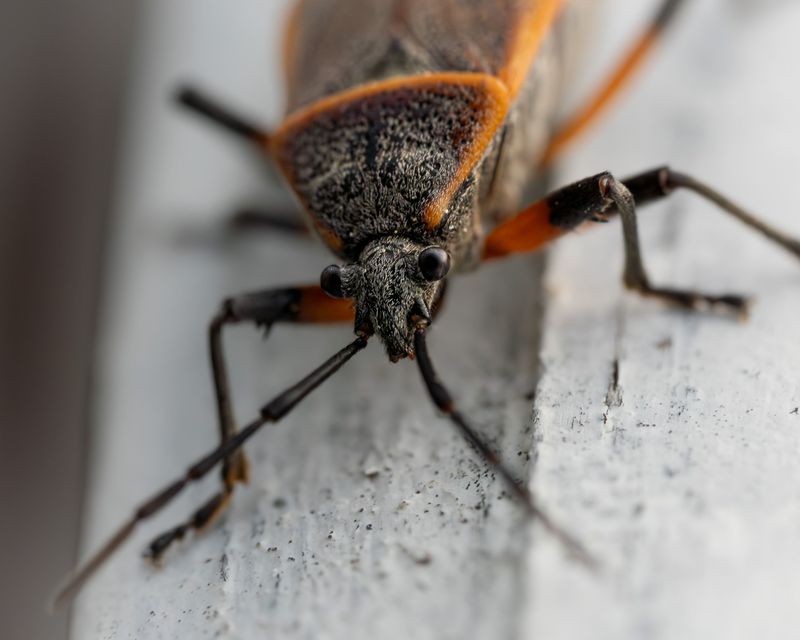
Stand by a south-facing wall on a sunny October day and press your palm against it. The siding feels surprisingly warm, almost like a mug of hot cocoa.
Boxelder bugs notice that heat too, and they seek it out. In Pennsylvania, south and west walls soak up the most sunshine during autumn afternoons.
The sun sits lower in the southern sky as fall moves along. Its rays hit those walls at a direct angle for many hours each day.
Brick holds that warmth and releases it slowly into the evening, while vinyl and wood siding cool faster. For a small insect, that wall becomes a large, reliable heat source.
North-facing walls stay shaded and chilly, so the bugs mostly ignore them. You might spot a few stragglers there, but the real party happens on the sunny side.
Homeowners can use this pattern to their advantage when planning fall chores. Check your sunniest walls first when you inspect for gaps or gather bugs.
A quick walk around the house at two or three in the afternoon tells you a lot. The busiest wall shows exactly where the insects feel most comfortable.
Keep a spray bottle of soapy water handy for those warm hot spots. A few squirts stop clusters on contact without insecticides.
Think of your sunny wall as a heat map for bug activity. Once you know where they gather, staying one step ahead gets much easier.
2. Shorter Days Trigger A Search For Shelter
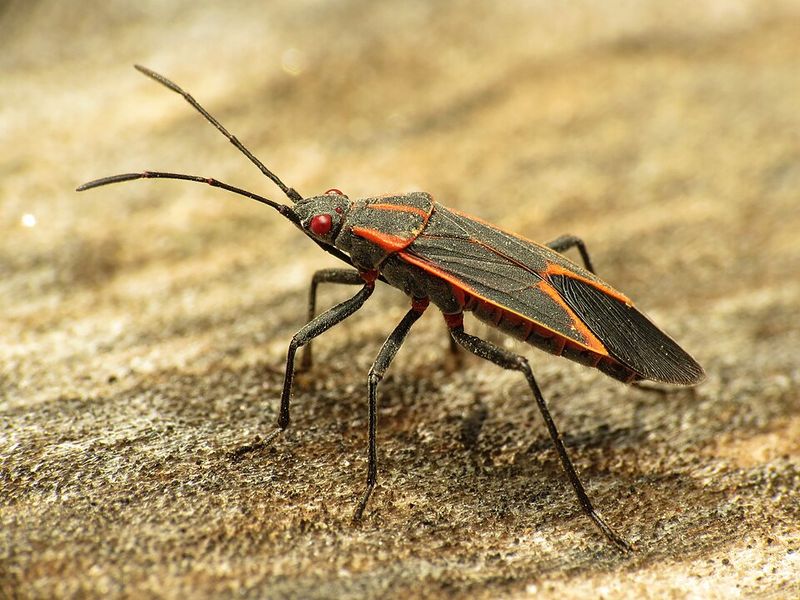
Nature runs on a calendar, and boxelder bugs read it through daylight. As autumn deepens, the shrinking days send them a clear message about winter.
Adult bugs do not survive cold weather out in the open very well. They need a protected hiding spot to rest until spring returns.
Scientists call this winter rest diapause, which is like a long, slow nap. The insects slow their bodies down and stop eating and laying eggs.
Before that nap begins, they must find a safe place to settle in. Tree bark cracks and rock piles work, but houses feel far cozier.
Your Pennsylvania Garden Changes Every Week. Your Plan Should Too.
Gardening in Pennsylvania changes quickly throughout the season. Every Friday you’ll receive a simple weekly plan showing exactly what to plant, prune, fertilize, harvest, and protect so you never miss the right timing.
In Pennsylvania, this search usually peaks from late September through October. A string of warm, sunny days after a cool night often sparks the biggest crowds.
The bugs gather on sunny walls first, warming up while they scout for openings. From there, many crawl into gaps behind siding or window trim.
Watching the weather forecast can help you predict their busiest swarming days. With the first chilly nights already here, finish your prevention steps quickly.
Sealing cracks this week still beats scrambling after the bugs move inside. Once the bugs have settled in, removing them gets much trickier.
Think of their fall migration as a seasonal move to winter shelter. Your job is making sure your home is not on their list of rentals.
A little planning now saves you plenty of vacuuming in January. Each sealed gap means fewer bugs wandering indoors later in winter.
3. Cold Blood Needs A Daily Sun Boost
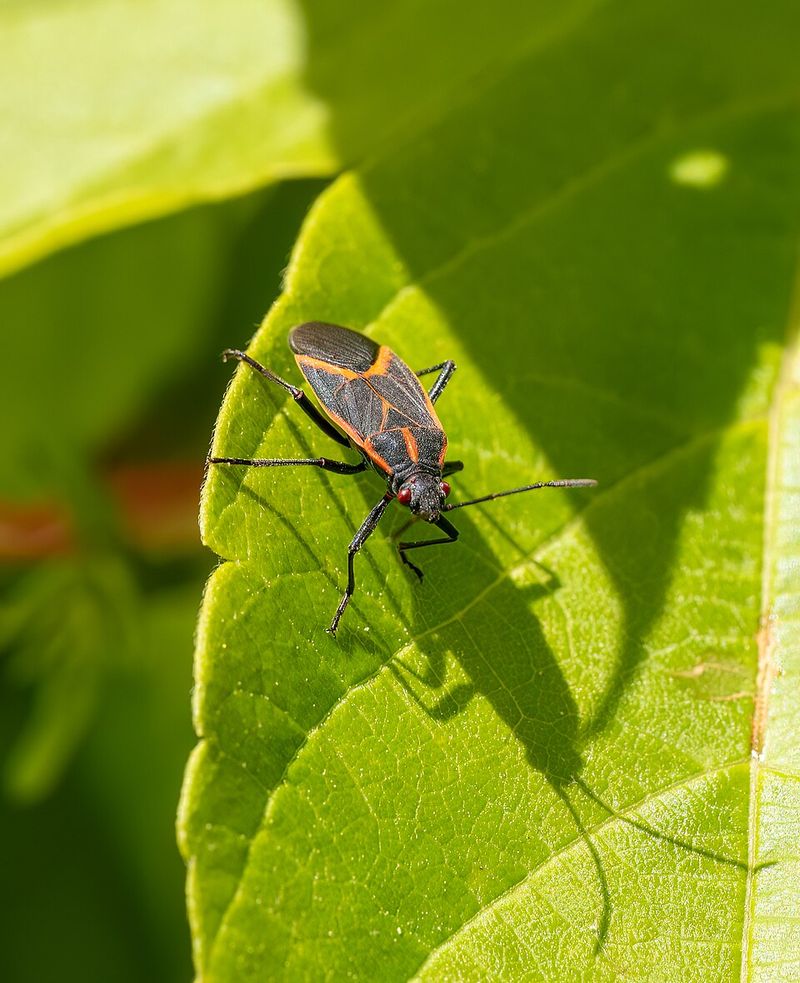
Ever tried starting a car on a freezing morning? A cold boxelder bug feels a bit like that sluggish engine.
Insects are cold-blooded, which means their body temperature depends heavily on their surroundings. When the air cools, their muscles slow down and they struggle to move.
Sunbathing fixes that problem fast for these little red and black insects. Their dark wings soak up heat and help warm their small bodies quickly.
That is why you see them lined up on sunny siding each morning. They are charging up like solar panels before starting their day.
Once warm, the bugs can fly, crawl, and search for hiding spots more easily. On cloudy days, you will likely spot far fewer of them outside.
Late afternoon brings another rush as they soak up the final rays. The warmest part of the day is prime time for bug watching.
This sun-seeking habit also makes cleanup much easier for you. Tackle clusters in the early morning, when the bugs are still cold and slow.
A shop vacuum with a stocking tucked inside the hose captures them easily. You can then empty the stocking far away from your home.
Chilly bugs cannot escape as quickly, so you will grab more in less time. Working with their body clock beats chasing them at noon.
In a way, the sun is their morning coffee and afternoon snack combined. Take that away, and they become much slower, sleepier guests.
4. Nearby Host Trees Supply The Crowds
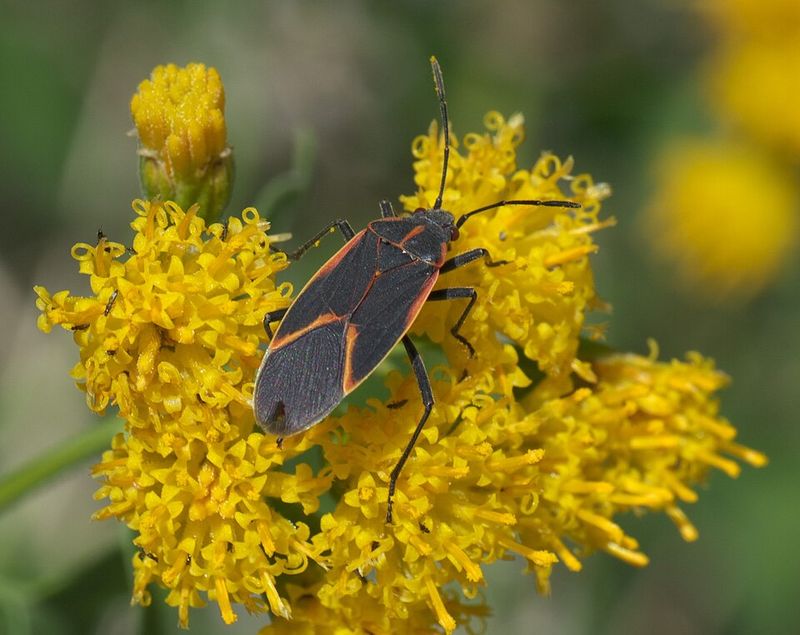
Look around your yard for a tree with winged seeds dangling in clusters. If you spot a boxelder or maple nearby, you may have found their breeding site.
Boxelder bugs feed mostly on the seeds of female boxelder trees. They also feed on silver and red maples, some ash, and garden fruits.
Boxelder trees grow easily across Pennsylvania, especially along streams, roadsides, and fence lines. Many homeowners have one close by without even knowing it.
All summer long, the bugs lay eggs and raise young on those trees. By fall, one large tree can host a sizable crowd.
When the weather cools, that large population needs somewhere to go. The nearest sunny house becomes the obvious next stop.
Homes close to large boxelder trees often see the biggest swarms each autumn. Neighbors farther away may notice fewer bugs.
Some people choose to replace female boxelder trees with other species. Male trees do not produce seeds, so they attract far fewer bugs.
Removing a tree is a big decision, so talk with an arborist first. Bugs reportedly fly up to two miles, so one tree’s removal may not help.
Raking up fallen seeds and pods helps reduce food supplies near your home. Less food around the yard can mean smaller groups next season.
Knowing your local trees gives you a head start on bug control. Sometimes the answer to a crowded wall grows right next to it.
5. Chemical Signals Call In The Relatives
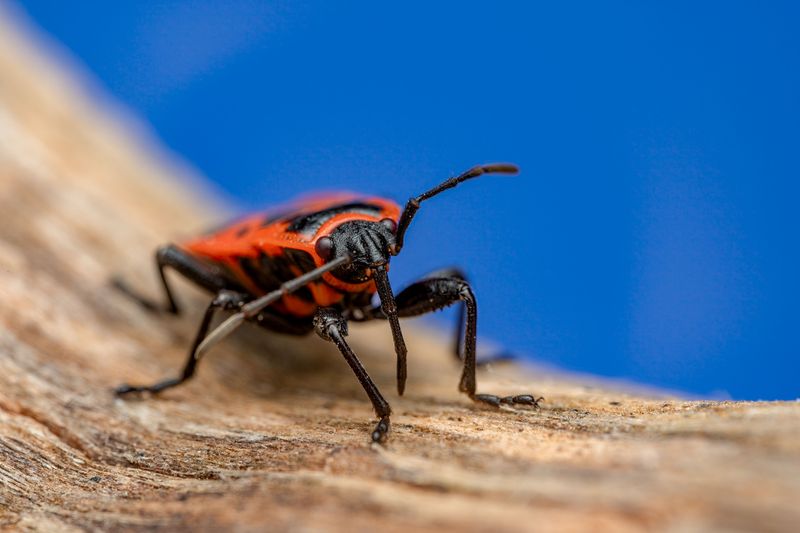
Boxelder bugs are not loners, and they seem to enjoy a good crowd. Once a few settle on a warm wall, others quickly follow.
Researchers suspect scent cues help draw the insects together, though the exact chemicals remain unconfirmed. These cues may signal to other bugs that a spot is safe and warm.
Picture a group text that says the party is here, bring friends. Within hours, a few bugs can grow into large clusters.
Clustering may also help them stay warm and protected from birds. A big crowd may look less appealing to predators than a lone insect.
Their bright red markings add another layer of protection. The colors warn birds that the bugs taste bitter and unpleasant.
Those scents can linger on siding long after the crowd moves on. That may explain why the same spots fill up again year after year.
Washing favorite gathering areas with soapy water can help erase any scent trail. Do this after the swarm leaves in late fall or early spring.
A garden hose with a spray nozzle works well for high walls. Avoid pressure washers on older siding, since they can cause damage.
Inside the house, wipe window sills where bugs have gathered. A mild cleaner removes scent traces and any stains they leave behind.
Keep in mind that swatting or pressing these bugs releases a strong, unpleasant smell. Their bodies and droppings can also leave orange stains on curtains and walls. Gentle removal with a vacuum keeps your home fresh and spotless.
6. Tiny Cracks Offer A Path To The Inside

A boxelder bug is about half an inch long and surprisingly flat. It can squeeze through gaps as narrow as about 1/8 inch.
Once warm on your sunny wall, many bugs start exploring every crack they find. Their goal is a dark, sheltered spot for the long winter.
Gaps around window frames, door trim, and siding joints make perfect entry points. Loose screens, vents, and utility pipes also invite them inside.
Wall voids and attics become their winter hotel rooms. On warm winter days, some wander out and wobble across your living room.
Luckily, they rarely bite people and don’t chew wood, though their droppings can stain fabrics. Still, finding them on your ceiling in February is pretty annoying.
Sealing gaps right away is a highly effective defense. Use silicone or latex caulk around windows, doors, and trim.
Weatherstripping helps close gaps under doors and around garage entries. Fine mesh screens over vents keep bugs out while still allowing airflow.
Walk around your house with a flashlight on a sunny afternoon. Any spot where bugs cluster and disappear likely hides an opening.
Pay extra attention to the south and west sides of your home. Those warm walls get the most traffic, so they need the tightest seals.
A tube of caulk costs just a few dollars at the hardware store. Compared with months of indoor bug visits, that is a low-cost fix.
As a bonus, sealing gaps can lower Pennsylvania heating bills. You block bugs and drafts with one simple afternoon project.
7. Old Habits Bring Them Back To The Same Walls

Some sunny walls seem to host a fresh crowd every autumn. Many Pennsylvania homeowners notice new groups of bugs gathering in the exact same spots each year.
Part of this comes from the lingering scent trails left by earlier crowds. The other part comes from the house itself staying the same.
A tall, bright wall facing south offers the same warmth every single autumn. The same features that attracted last year’s bugs will likely attract this year’s generation too.
Houses standing alone in open areas often attract more bugs than shaded ones. Tall homes also catch attention because they stand out on the landscape.
Light-colored walls and reflective surfaces may draw the eye of a flying insect. Homeowners often report clusters near windows and corners.
Breaking the cycle takes a little persistence from you and your family. Clean the favorite walls, seal nearby cracks, and trim sunny shrubs close to siding.
Planting shade trees on the south side can cool that wall over time. Just choose species that bugs do not favor, like oaks or evergreens.
Keeping a simple notebook of where swarms appear helps too. After two or three seasons, you will see clear patterns emerge.
Neighbors often share the same problem, so team up if you can. Coordinated sealing and cleanup across several homes may help reduce local crowds.
Remember that small changes add up over several autumns. The bugs follow predictable patterns, and a consistent homeowner can too.
Share your notes with nearby friends each fall. Comparing maps turns bug season into a friendly neighborhood science project.
8. Smart Prevention Keeps The Party Outside
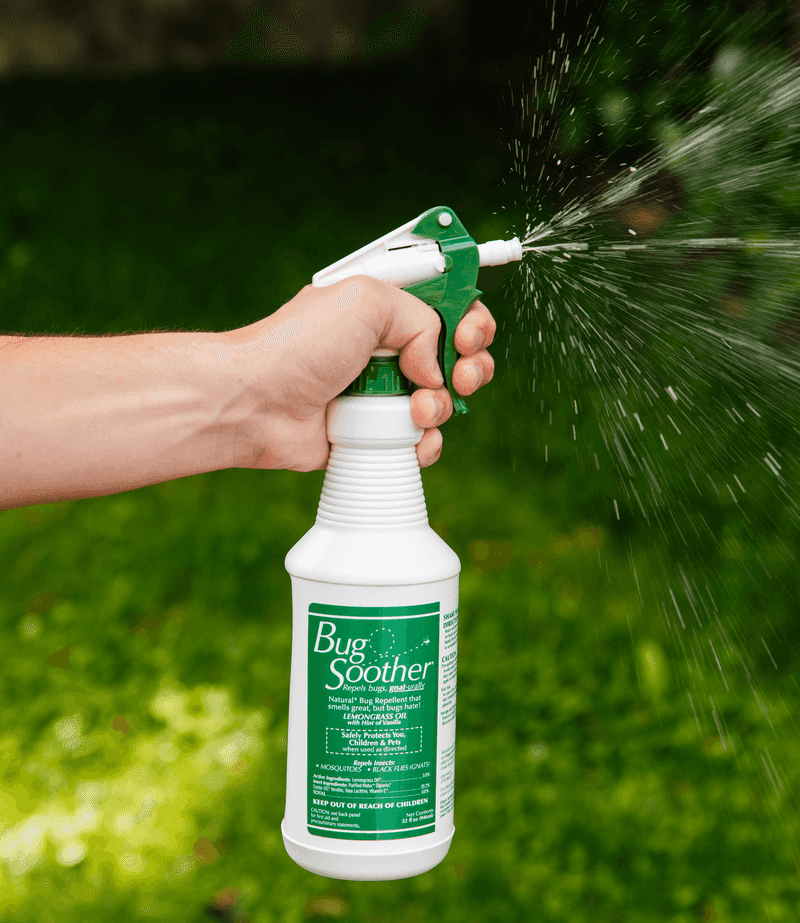
Chasing bugs off the curtains is an avoidable autumn chore. Luckily, a few smart habits can keep most of them outside.
Start this week by carefully checking your sunny walls for gaps and loose trim. Sealing openings early stops the bugs before they find a way in.
Next, trim branches that touch your roof or siding. Those limbs give crawling bugs an easy path from the tree to your house.
When swarms appear, spray clusters with a mix of water and dish soap. It works on contact and avoids insecticides around pets and kids.
Indoors, a vacuum is the most effective tool for stray visitors. Empty the bag or canister outside right away to avoid lingering smells.
Avoid swatting the bugs, since they leave stains and an unpleasant odor behind. Paper towels and a gentle scoop work fine for single strays.
Perimeter sprays can help, but many experts discourage spraying insecticides indoors. A licensed pest expert knows which products are safe for your area.
Sticky traps near windows catch a few wanderers during winter warm spells. Place them out of reach of curious pets and little hands.
Most importantly, stay calm, because these insects are more nuisance than danger. They seldom bite, and they do not spread disease or harm your home.
With some planning, the sunny side of your house can go back to being yours. Enjoy that warm wall with a cup of cider instead.