What Ohio Boxwoods Need In October After A Long Summer
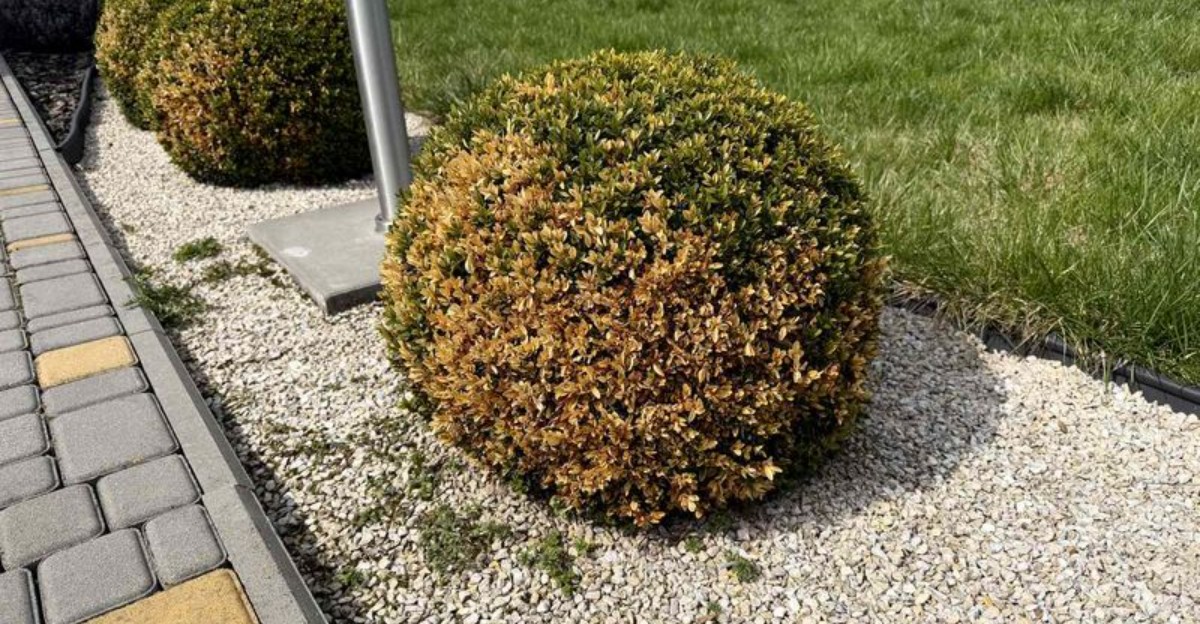
Boxwoods put in serious overtime this summer, and Ohio’s cooling weather is calling in a different kind of shift.
Heat and drought wear these shrubs down quietly, holding up fine on the surface while running on fumes underneath. October flips that script fast, and whatever got you through July stops cutting it the second temperatures start their real slide.
Watering needs a real adjustment here, plus one specific check most people skip because their boxwood still looks green enough from the driveway to seem fine.
Give these shrubs what the season’s actually asking for instead of coasting on summer habits. Green from a distance doesn’t always mean healthy up close.
1. Deep Watering Matters Before Ohio’s Ground Turns Cold
Picture a boxwood heading into winter with an empty water bottle. That is what happens when dry fall soil meets frozen ground in January.
Boxwoods keep their leaves all winter, so they lose moisture even on cold, sunny days. Once the ground freezes, the roots cannot pull up more water to replace it.
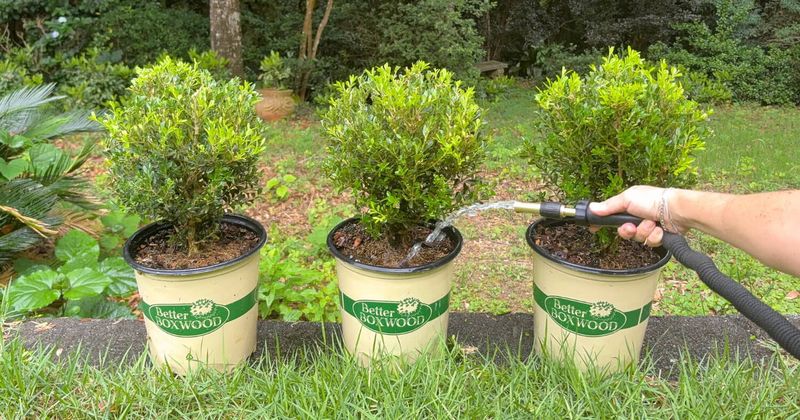
The fix is simple but needs patience. Aim to soak the root zone about 12 to 18 inches deep, not just the top inch of soil.
A soaker hose or a slow trickle from a garden hose works well. Let it run for a long stretch so water sinks down instead of running off the surface.
How do you know when to water? Push a finger or small trowel into the soil near the shrub.
If it feels dry a few inches down, your boxwood is thirsty.
Moist is the goal, not soggy. Boxwood roots dislike sitting in puddles, so skip watering after a good rain.
Timing helps too. Water around midday when the air is above 40 degrees, so the soil can absorb it before nighttime chills arrive.
In colder parts of Ohio, one last deep drink a day or three before the ground freezes gives shrubs a real boost. Think of it as packing a lunch before a long trip.
Established boxwoods usually need little extra water from October through April. Still, a dry fall spell calls for action, so keep an eye on the weather.
2. Boxwood Moth Damage Can Show Up As Bare Patches
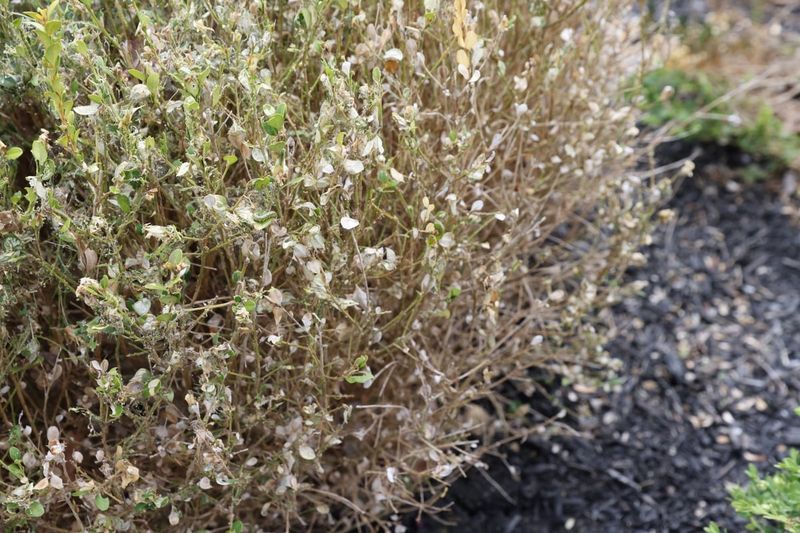
Back in June 2023, Ohio gained an unwelcome visitor called the box tree moth. Its hungry caterpillars can strip a boxwood down to bare twigs.
Walk around your shrubs slowly this month and look closely. Chewed leaves, or leaves eaten down to thin edges and veins, are a big warning sign.
You may also spot fine silk webbing tucked inside the branches. Tiny dark pellets, called frass, are caterpillar droppings and another clue.
The caterpillars themselves are green to greenish-yellow with black stripes and dots. They blend in well, so part the branches and peek inside.
Here is a fun and slightly scary fact. Ohio can see three to five generations of this moth in a single year.
No native insect strips boxwoods this way. So if you find bare patches, the moth deserves serious suspicion.
Your Ohio Garden Changes Every Week. Your Plan Should Too.
Gardening in Ohio changes quickly throughout the season. Every Friday you’ll receive a simple weekly plan showing exactly what to plant, prune, fertilize, harvest, and protect so you never miss the right timing.
Several counties are under quarantine to slow the spread. Check with your local OSU Extension office to see if your area is included.
Early detection makes a huge difference. A small problem found in fall is much easier to handle than a shrub stripped bare next summer.
If you find caterpillars, ask a garden center or extension expert about the right treatment. Using a product labeled for this pest keeps your efforts safe and effective.
Snap photos of anything suspicious. Those pictures help experts give you better advice and track the pest across the state.
3. Brown Foliage Needs A Closer Look Before Pruning
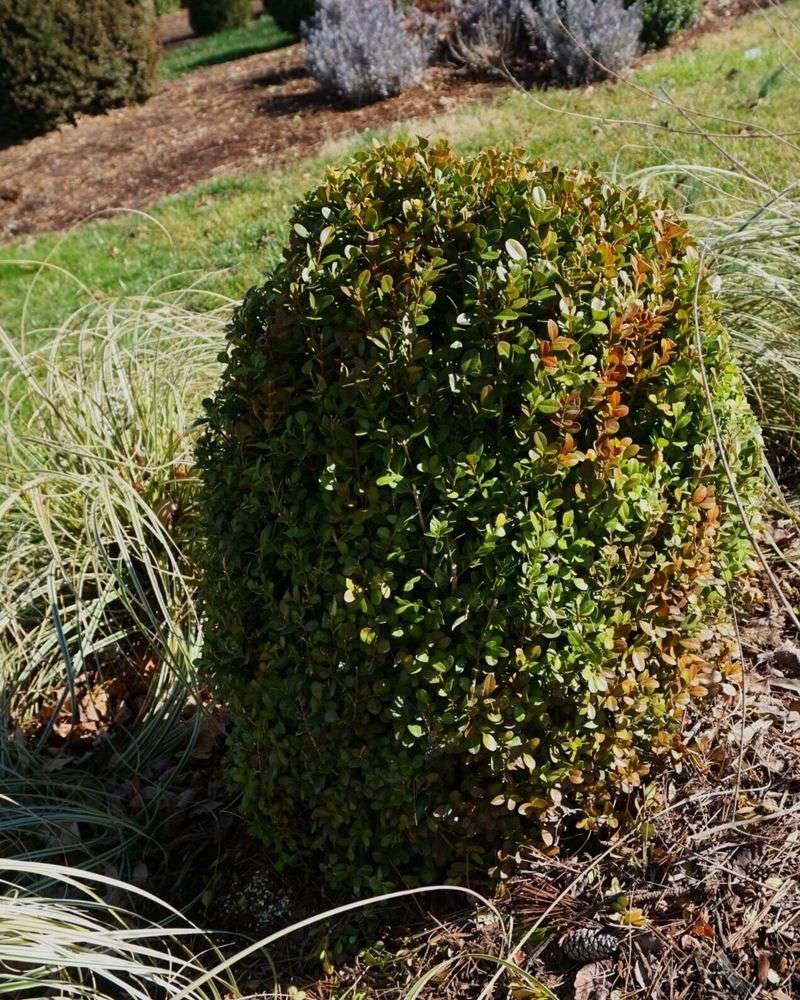
Hold those pruners for just a minute. Brown leaves on a boxwood are like a sneeze, and many different things can cause them.
The list of suspects is long. Drought, too much water, root trouble, deep planting, piled mulch, blights, leafminers, and the box tree moth can all turn leaves brown.
Start by noticing where the browning sits. Winter injury often shows as reddish-brown or bronze tips on the windy side, and those leaves usually stay put.
Volutella blight often follows winter stress. Leaves fade from gray-green to tan or straw colored, cling to stems for a long time, and sunken cankers may appear.
Boxwood blight behaves differently. It causes dark leaf spots, black streaks on stems, and leaves that drop fast to the ground.
Leafminers leave blisters and brown blotches as tiny larvae feed inside the leaves. Hold a leaf up to the light and you might see them.
Why does this matter before pruning? Cutting the wrong way can spread disease or leave a shrub weak going into winter.
Branches that are clearly diseased or no longer alive can come off anytime. Cut back to healthy green tissue and clean your tools afterward.
Save big shaping jobs for late February to mid-March in Ohio. That timing lets new growth toughen up before the next winter.
If you feel stumped, bag a sample and bring it to your county extension office. Experts there love a good plant mystery.
4. Mulch Protects Roots Without Covering The Shrub’s Base
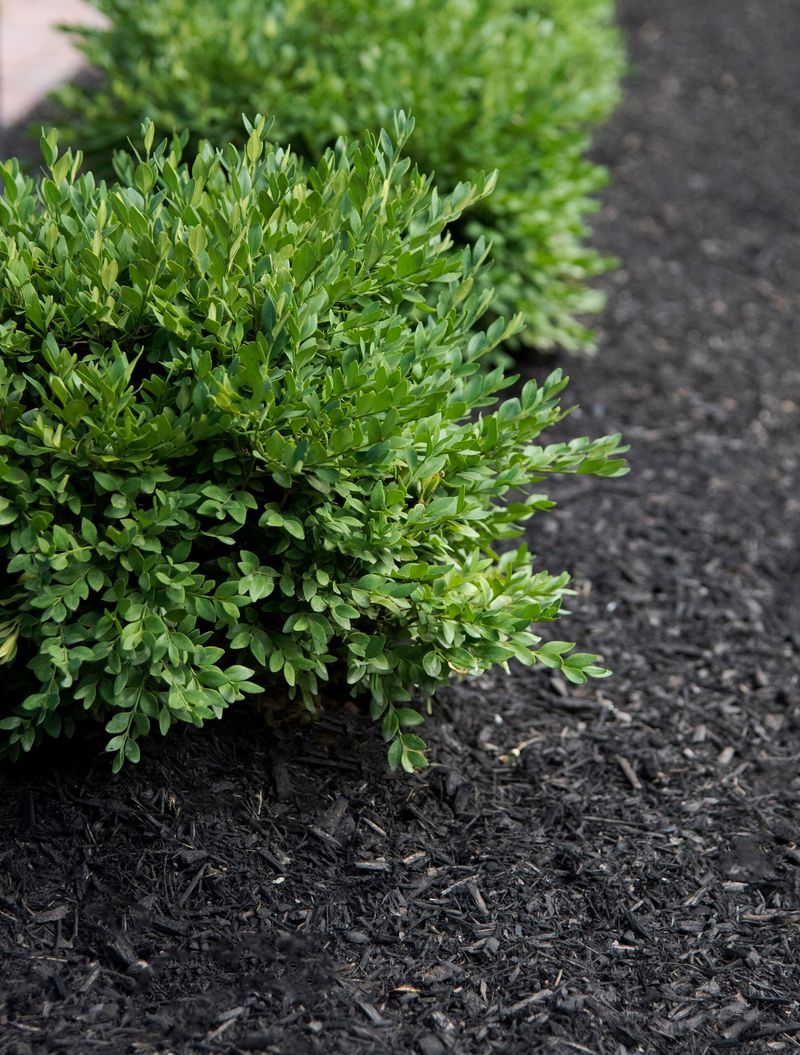
Think of mulch as a cozy blanket for your boxwood’s toes. Just remember that nobody likes a blanket pulled over their face.
Boxwoods have shallow roots that sit close to the surface. That makes them sensitive to sudden swings between freezing nights and mild afternoons.
A two to three inch layer of shredded bark or pine needles smooths out those swings. It also helps the soil hold moisture through dry winter winds.
Spread the mulch in a ring about 18 to 24 inches wide around the shrub. Bigger boxwoods can handle a slightly wider circle.
Now for the part many people miss. Leave a clean gap of two to three inches between the mulch and the base of the stems.
Mulch piled against the trunk, sometimes called a mulch volcano, traps too much moisture. That damp pile invites rot, disease, and even rodents looking for a winter snack.
Weeds also get pushed back by a good mulch layer. Fewer weeds means less competition for water and nutrients.
Before adding fresh mulch, check how much is already there. Old layers can build up over the years, and too much can smother roots.
If the old mulch is thick and matted, rake some away first. Then top it off with just enough to reach that two to three inch sweet spot.
A quick glance each month keeps things tidy. Pull back any mulch that creeps toward the stems after storms.
5. Fall Fertilizer Can Push Tender Growth At The Wrong Time
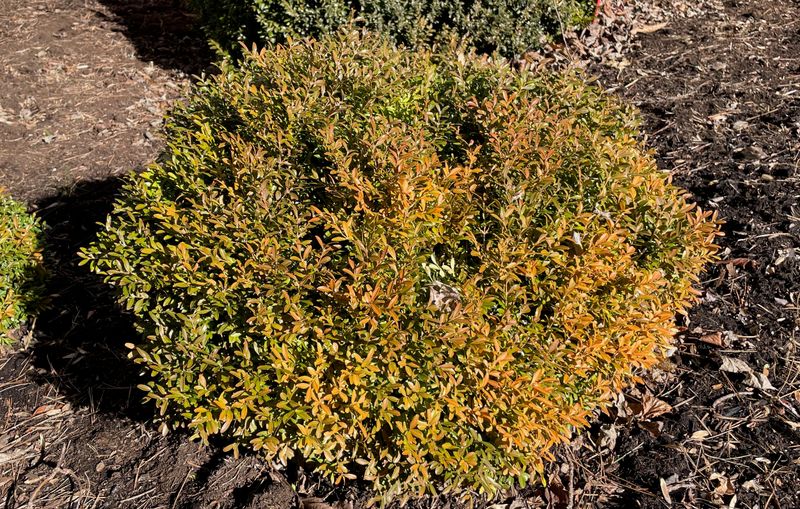
Feeding your boxwood in October might feel like a kind gesture. Unfortunately, the wrong fertilizer can be like handing a kid candy right before bedtime.
High-nitrogen fertilizers wake plants up and tell them to grow. That fresh, soft growth has little time to toughen before frost arrives.
Tender new shoots are easy targets for winter cold. They often turn brown or crispy and leave your shrub looking rough by spring.
So what should you do instead? For many healthy boxwoods, the best answer is simply to skip fall feeding.
If your plant truly needs a boost, early fall is a better window than late October. A formula with more phosphorus supports root growth rather than leafy shoots.
Strong roots help boxwoods handle cold and settle into winter rest. They also help the shrub bounce back quickly in spring.
Here is a smart money tip. A soil test costs little and tells you exactly what your soil has and lacks.
OSU Extension and many garden centers can help you get a test done. The results can save you from buying products you do not need.
Boxwoods also like soil that is close to neutral. A test will show if your pH needs a nudge, which matters as much as nutrients.
When spring rolls around, you can feed based on those test results. Your shrubs will thank you with thick, glossy leaves.
6. Salt Exposure Becomes A Bigger Concern Near Walkways
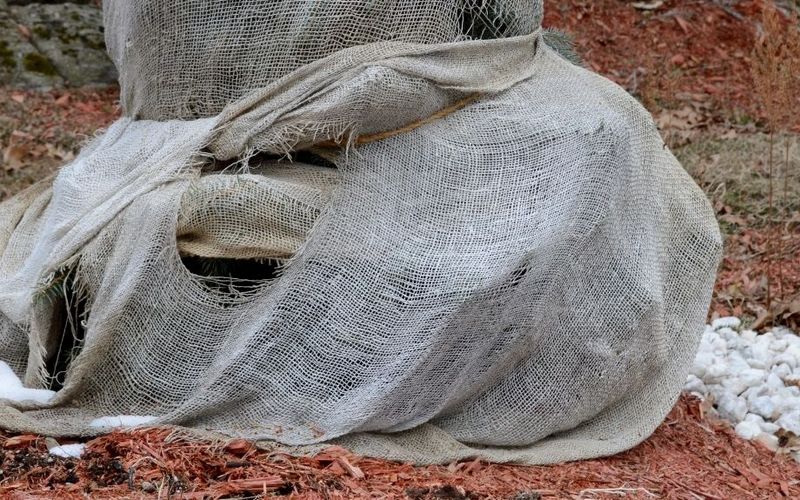
Ohio winters mean lots of rock salt on sidewalks and driveways. That salt keeps us from slipping, but it can be rough on nearby boxwoods.
Damage happens in a few ways. Salt can get tossed onto leaves while shoveling, blow over as spray, or wash into the soil with melting snow.
Salt-stressed boxwoods often show browning on one side. Usually it is the side facing the walkway or street.
October is the perfect time to plan ahead. Once snow falls, it is much harder to set up protection.
Burlap screens are a classic fix. Put stakes in the ground between the shrub and the path, then staple burlap to them.
Leave a little space so the burlap does not press on the branches. Air should still move around the plant.
You can also rethink what you spread on your paths. Sand, or de-icers made with calcium magnesium acetate, tend to be gentler on plants.
When shoveling, try tossing snow away from your shrubs. Salty snow piled on roots can soak in all winter.
Deep watering before the freeze helps too. Moist soil can dilute salt and lessen its effect on the roots.
If you are adding new boxwoods, place them a few feet back from salted areas. A little distance gives them a much easier winter.
A spring rinse of the soil near walkways can help as well. Heavy watering flushes leftover salt deeper below the roots.
7. Boxwood Blight Leaves Different Clues Than Winter Injury
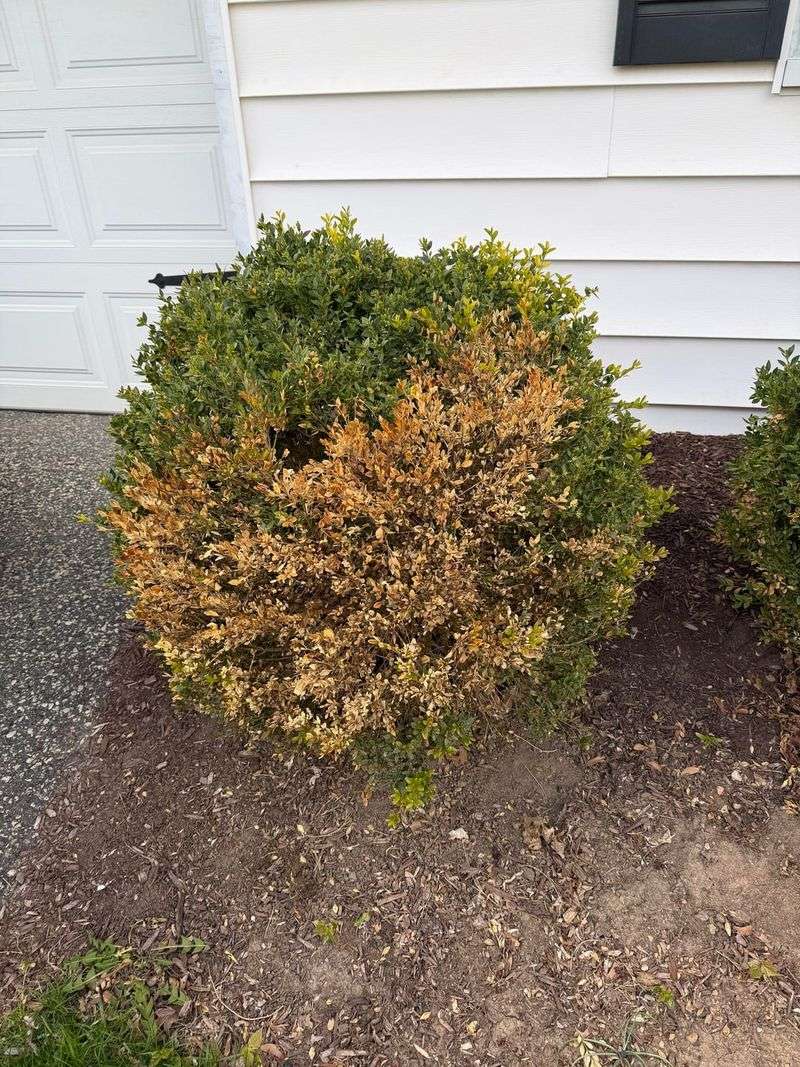
Two boxwoods can both look brown, yet one has a bad cold and the other has a serious infection. Learning to tell them apart can save your whole hedge.
Winter injury usually shows reddish-brown or bronze leaves. It tends to hit branch tips and the sides that face wind or winter sun.
The big giveaway is that those injured leaves stay attached. They cling on, looking tired but not falling off in large numbers.
Boxwood blight is a fungal disease with a different story. It starts as dark leaf spots, often with darker borders around them.
Soon the leaves drop quickly, sometimes leaving stems nearly bare. You might find a ring of fallen leaves under the plant.
Look at the stems too. Blight causes black streaks or cankers, which winter injury does not create.
In humid weather, flip a leaf over. White, frosty-looking spore clusters on the underside point strongly to blight.
Winter-injured shrubs usually recover with good care and patience. Blight needs faster action, including removing and bagging infected material.
Do not compost blighted leaves or branches. The fungus can linger and spread to other plants.
Clean your pruners with rubbing alcohol after touching a suspicious shrub. Tools can carry spores from one plant to the next.
When in doubt, contact your county extension office for a lab check. Knowing for sure helps you choose the right next step.
8. A Light Cleanup Is Safer Than Major October Reshaping

Autumn cleanup fever is real. You rake, you tidy, and suddenly that shaggy boxwood looks like it needs a full makeover.
Hold that thought until late winter. Heavy pruning in October can wake up buds and push out soft new growth.
That fresh growth rarely has time to harden before frost. Cold snaps can then scorch it, leaving the shrub weaker going into spring.
A light cleanup is a different story. Snipping out broken, diseased, or clearly lifeless twigs is safe this time of year.
Use sharp hand pruners rather than electric shears for this job. Clean cuts heal better and let you pick exactly what to remove.
Reach inside the shrub and pull out fallen leaves and debris. That trapped litter can hide pests and hold moisture that fungi love.
Gently shaking the branches helps loosen stuck leaves too. Your boxwood will breathe easier with better airflow inside.
Fun fact for history lovers. Boxwoods have been shaped into hedges and garden designs for over two thousand years, going back to ancient Rome.
Even those early gardeners learned that timing matters. Big shaping jobs work best from late February to mid-March in Ohio.
So for now, keep it simple and neat. Your patience in fall will reward you with a fuller, healthier shrub when you finally break out the shears.
Jot a note on your calendar for March. Future you will appreciate the reminder.
9. Healthy Foliage Helps Boxwoods Face Winter Stress
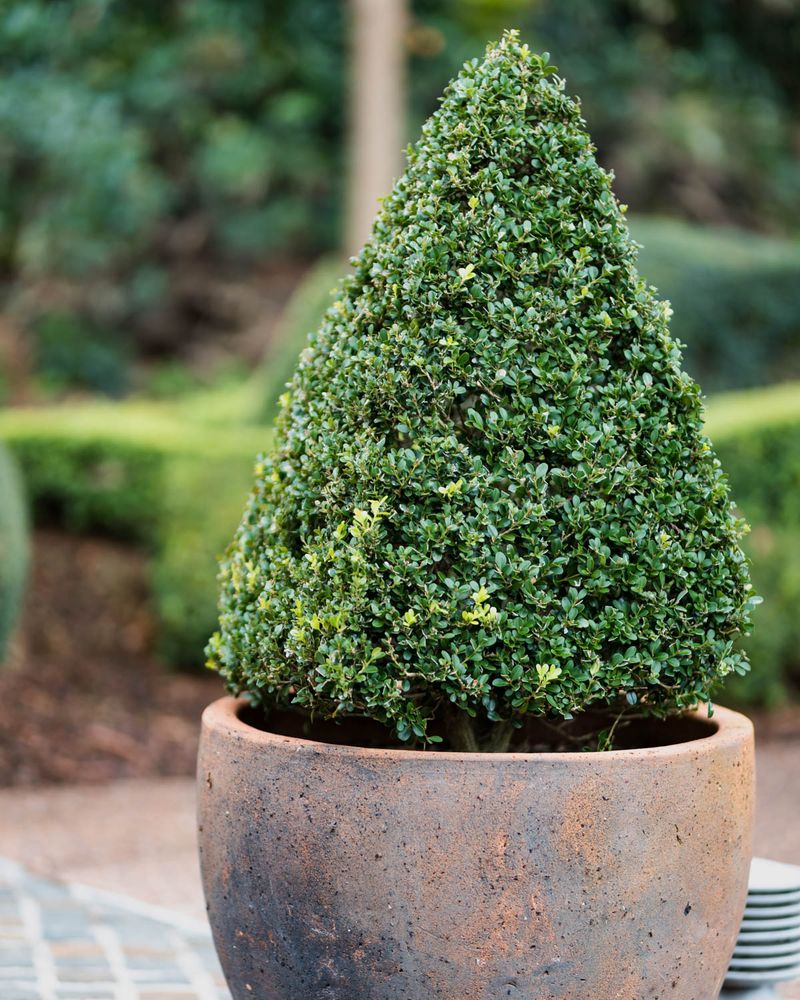
A boxwood heading into winter is a bit like an athlete before a big game. The stronger it starts, the better it handles whatever gets thrown its way.
Boxwoods are broadleaf evergreens, which means they keep their leaves all year. Those leaves keep losing moisture through cold, windy days.
Healthy, thick foliage handles that stress much better than thin or damaged leaves. A vigorous plant simply has more reserves to draw from.
Everything else on this list feeds into that strength. Deep watering, smart mulching, and careful pruning all work together.
Winter burn is the thing to watch for. It shows up as bronzed or discolored leaves, often when roots cannot keep up with water loss.
Well-watered roots and a steady mulch layer help prevent that. Moist soil also holds warmth a little better than dry soil.
Shrubs already weakened by pests, disease, or summer drought need extra attention. They face a tougher road through January and February.
Take a moment this month to really look at each boxwood. Note which ones seem thin, spotted, or stressed so you can check them again in spring.
Some gardeners use anti-desiccant sprays on exposed shrubs. These coatings may slow moisture loss, though good watering does most of the heavy lifting.
By spring, your care will show in rich green color and steady new growth. That tidy, classic look is well worth a little October effort.