9 Fall Steps To Fewer Lawn Dandelions Next Spring
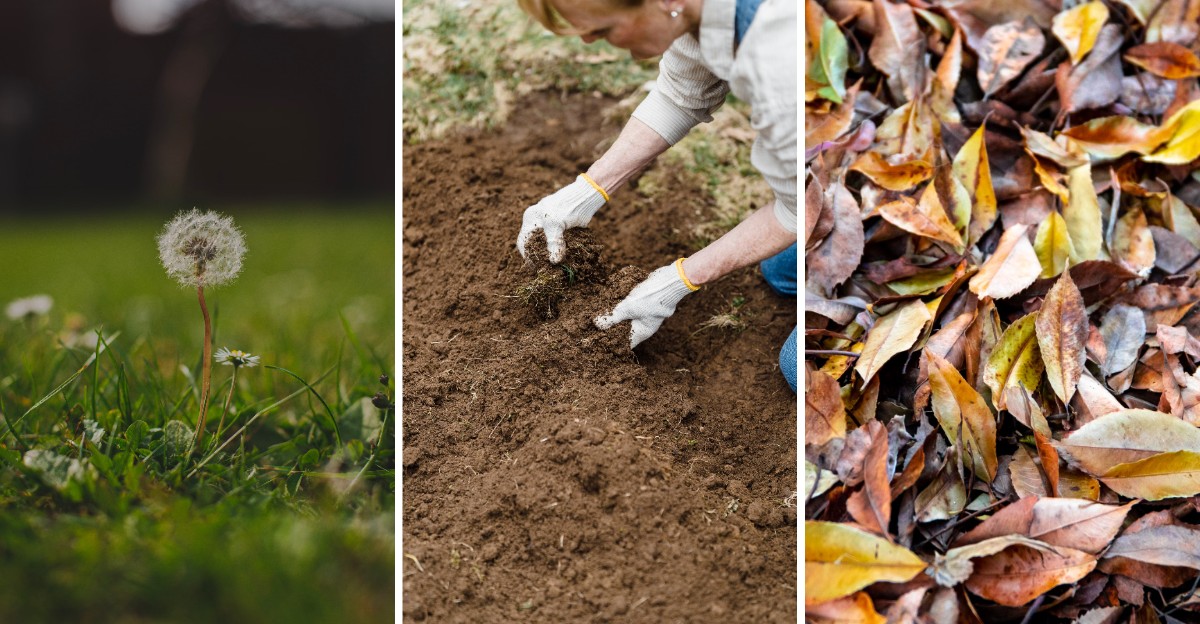
Those yellow blooms greeting you in May started their comeback last October. As days cool, dandelions pull sugars down into their taproots for winter storage.
Herbicide you apply now travels with those sugars straight to the root. Spring spraying, by contrast, often browns leaves while the root quietly regrows.
You might pull them instead, but leftover taproot pieces sprout fresh plants. Meanwhile, next spring’s flower buds already sit tucked inside each crown right now.
Timing matters, so you want mild, calm afternoons while dandelion leaves stay actively green. Follow that treatment with overseeding weeks later, and thick turf outpaces sprouting seedlings.
Dense grass shades open soil, keeping hidden dandelion seeds from the light they need. Chilly forecasts tempt you to wait, yet this narrow window closes fast. Handle it well, and April greets you with a lawn worth bragging about.
1. Feed The Lawn With A Fall Fertilizer
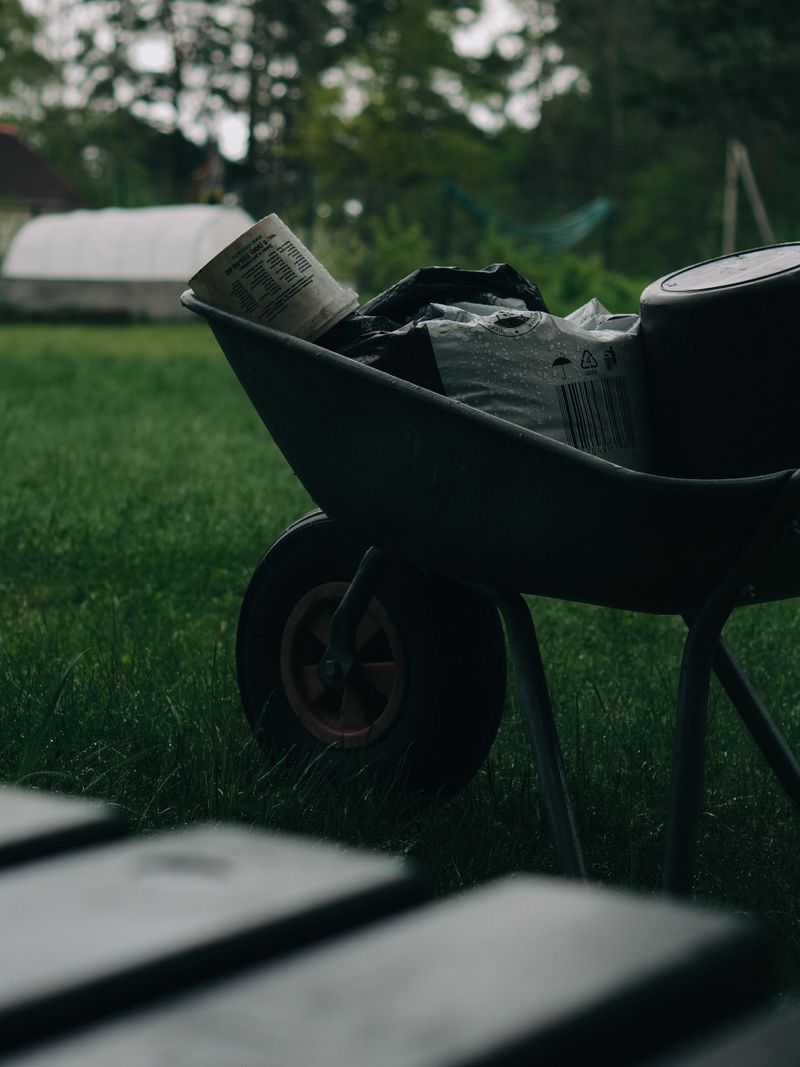
Think of autumn fertilizer as a big bedtime snack for your grass. Roots keep growing in cool soil even after the blades slow down.
Grass that eats well in fall wakes up thick and hungry in spring. Thick turf leaves far fewer openings for weed seeds to sneak through.
Look for a fertilizer labeled for fall or winterizing use. Many of these blends are rich in nitrogen and potassium, which help roots and cold toughness.
Timing matters a lot with this step. Many extension services suggest a final feeding in late fall, while grass is still green.
Use a broadcast spreader so the pellets land evenly across the yard. Walk in neat rows, overlapping slightly, like you are mowing stripes into a ballfield.
Water lightly afterward to help the granules soak into the soil. Keep pellets off sidewalks and driveways, since rain can wash them into storm drains.
Skip the temptation to overdo it, because more is not better here. Too much food can scorch grass and waste money you could spend on cocoa.
Northern cool-season grasses like fescue and bluegrass love this treatment most. Warm-season grasses such as Bermuda prefer feeding in late spring instead.
Follow the bag directions, and your lawn will thank you with a dense green blanket. Dandelions struggle in dense turf, which you just built.
2. Spray The Weeds While They Store Food

Dandelions are secret hoarders, and fall is when they stuff their pantries. Each plant sends sugars down into its long taproot to survive winter.
That habit gives you a clever advantage. Herbicide sprayed in autumn rides along with those sugars, straight down to the roots.
Spring spraying often affects only the leaves, giving the root a chance to regrow. Fall treatments reach the whole plant, roots included.
Choose a broadleaf weed product labeled safe for your grass type. Ingredients like 2,4-D, dicamba, or triclopyr target weeds, though some warm-season grasses are sensitive.
Pick a calm day between 50 and 80 degrees, with no rain expected. Wind can carry spray onto flowers and veggies you actually like.
Spot spraying works well if weeds are scattered around. A handheld sprayer lets you aim right at each rosette without soaking the whole yard.
Skip mowing for a few days before and after treatment. Weeds need leafy surface area to soak up the product properly.
Wear gloves, read the label twice, and keep kids and pets off treated areas until dry. Check local rules, since some towns restrict lawn pesticides.
One fall treatment often outperforms several spring rounds. Think of it as working smarter, so next April you can relax instead of pulling weeds.
3. Overseed The Bare And Thin Spots
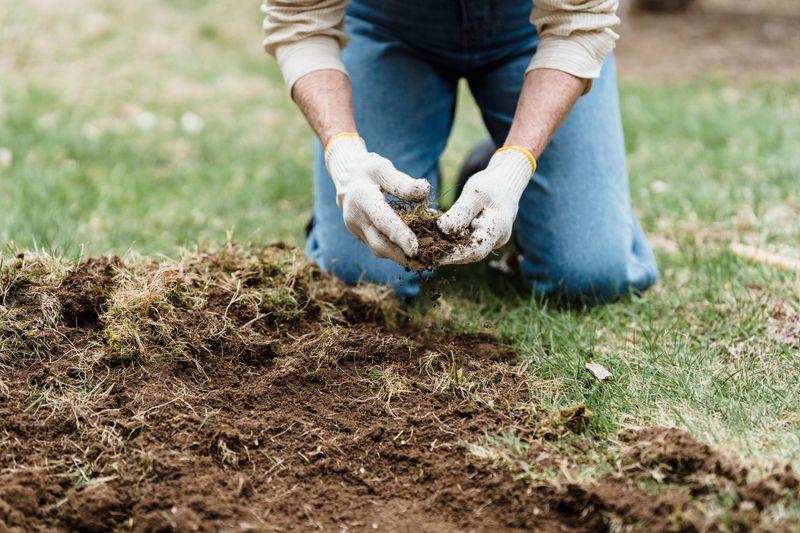
Bare patches in your lawn are empty parking spots for weeds. Fill those spots with grass seed, and dandelions have less room to land.
Early fall is the sweet spot for overseeding cool-season lawns. Warm soil helps seeds sprout fast, while cooler air keeps young grass from stressing.
Start by mowing a little shorter than usual and raking away loose debris. Seeds need to touch soil, not sit on top of old, matted thatch.
Pick a seed blend that matches your sunlight and climate. Tall fescue handles heat, fine fescues suit shade, and Kentucky bluegrass fills gaps.
Spread the seed with a hand or broadcast spreader, then rake it in gently. A thin layer of compost on top helps hold moisture.
Watering is the key step. Keep the top inch damp with light sprinklings once or twice a day for one to four weeks.
Once the seedlings reach about three inches tall, you can water less often but more deeply. Deep watering trains roots to dig down.
Avoid fall weed sprays on newly seeded areas for several weeks. Young grass is sensitive and needs time to toughen up.
By spring, those once bare spots will look like thick green fur. Your lawn becomes so dense that weed seeds struggle to establish.
4. Aerate The Soil Before The Ground Cools
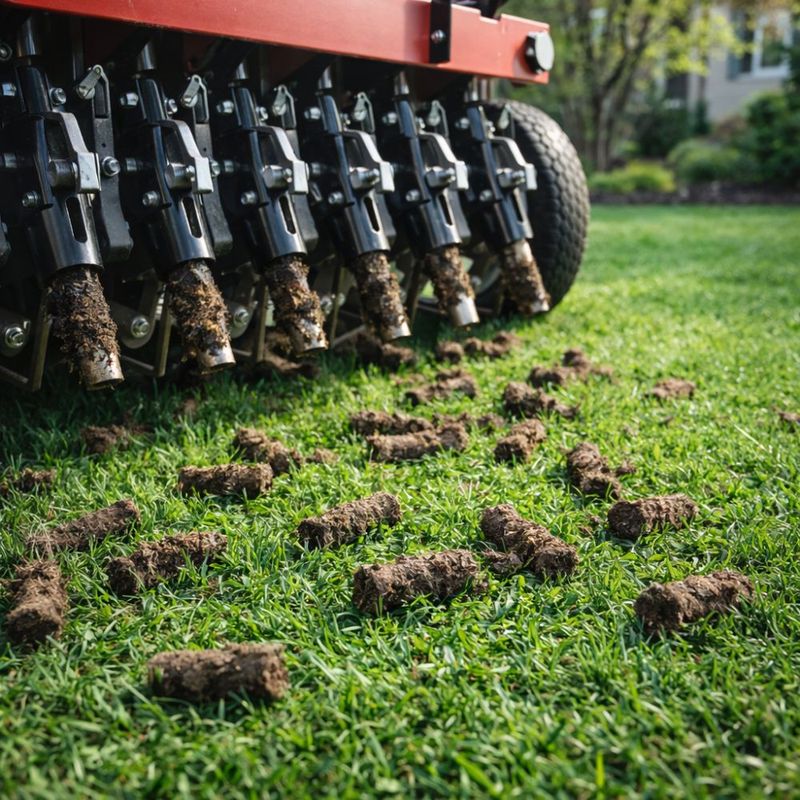
Remember stomping through mud puddles as a kid? Your lawn remembers every footstep too, and all that pressure squeezes the soil tight.
Compacted soil makes life hard for grass roots but easy for tough weeds. Dandelions’ deep taproots handle compacted soil better than grass roots do.
Core aeration pulls small plugs of soil out of the ground. Those holes let air, water, and nutrients slip down to thirsty roots.
For cool-season grass, fall is prime time because it grows actively and heals quickly. Warm-season lawns prefer aeration in late spring or early summer instead.
You can rent a core aerator from a hardware store for a few hours. Splitting the cost with a neighbor makes it even more budget friendly.
Water the lawn a day before aerating so the tines sink in easily. Mark sprinkler heads and buried cables with flags to avoid damage.
Leave the soil plugs on the lawn to break down naturally. They look messy for a week, then melt back in after rain and mowing.
Pair aeration with overseeding for a smart, effective combination. Seeds drop into the holes and sprout in a cozy, protected pocket.
Clay or high-traffic lawns benefit from yearly aeration, while others can wait longer. Loose ground grows healthy grass, and healthy grass leaves weeds less room.
5. Raise The Mower Blade For Your Fall Cuts

Your mower blade is an often overlooked weed control tool in the garage. Setting it higher in fall keeps grass tall enough to shade the soil.
Dandelion seeds love sunshine hitting bare ground. Taller grass works like a leafy umbrella, blocking the light those seeds need to sprout.
Aim for a height of about three to three and a half inches for most cool-season lawns. Longer blades also build deeper, stronger roots.
Follow the one-third rule every time you mow. Cut no more than a third of the blade height in a single session.
Cutting too short weakens grass right before winter, which invites weeds. Stressed turf thins out, and weeds happily move into the empty spaces.
Keep mowing as long as the grass keeps growing, often into November. For the final cut, you can drop the height slightly to prevent snow mold.
Sharpen the blade before fall mowing begins. Dull blades fray grass tips, leaving ragged brown edges that welcome disease.
A sharp blade slices cleanly, like scissors through paper. Your lawn heals faster and looks crisper after every pass.
Leave the clippings on the lawn instead of bagging them. They break down quickly and return free nutrients to the soil.
Small changes like this cost nothing but a few seconds of adjustment. Sometimes the easiest trick is simply letting your grass grow up a bit.
6. Dig Out The Taproots After A Good Rain
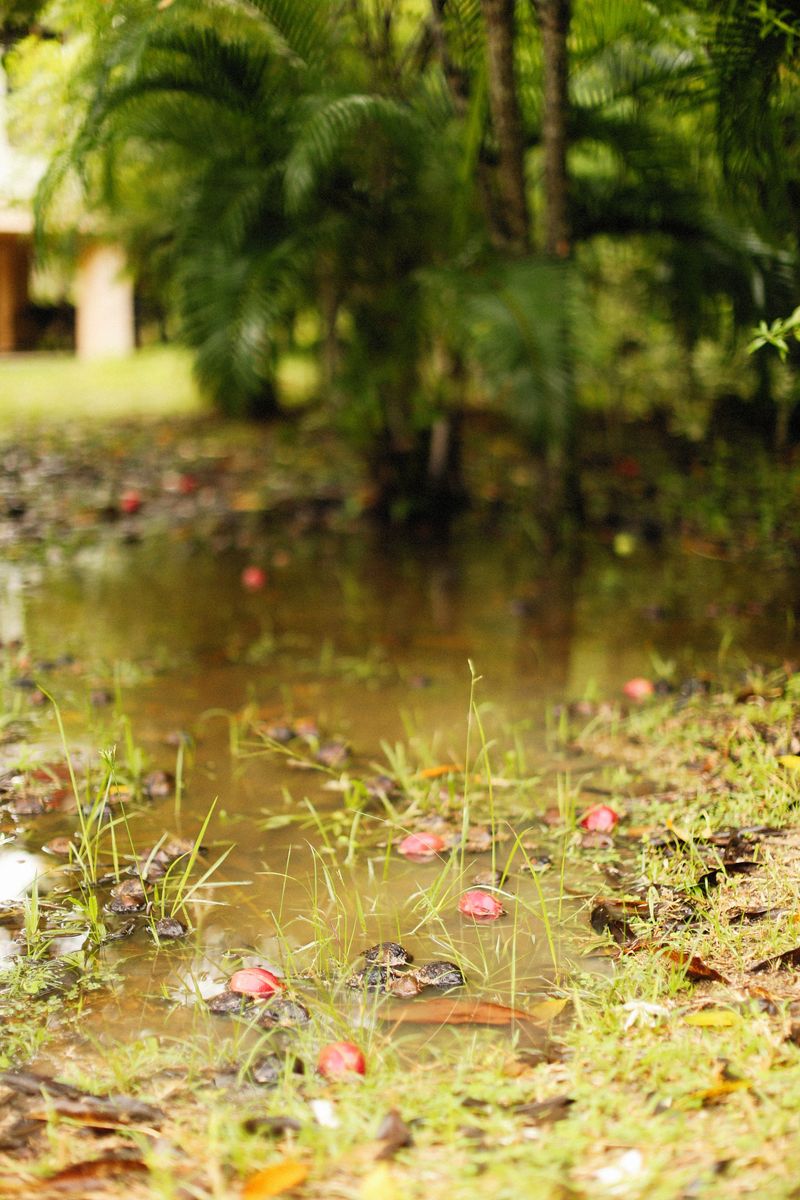
There is something deeply satisfying about pulling a whole dandelion root out in one piece. It feels like winning a tiny tug-of-war with nature.
Fall is a great season for hand digging because the soil is often soft from rain. Moist ground lets roots slide out instead of snapping off.
Those taproots can reach ten inches or more below the surface. Leaving even a small piece behind can let the plant regrow next spring.
Grab a forked weeding tool, sometimes called a dandelion digger. Push it straight down beside the root, then lever the handle back slowly.
Stand-up weed pullers save your knees and back if you have lots to remove. Many can grab a weed and pop it out with one step.
Try working the day after a soaking rain for the easiest pulls. Early morning is great too, while the dew keeps the soil soft.
Drop a pinch of grass seed into each hole you leave behind. Otherwise, new weed seeds may move into the freshly opened space.
Toss the pulled plants into the trash rather than the compost pile if they have flowers. Seed heads can ripen even after being pulled.
Put on some music, bring a bucket, and make it a weekend habit. Kids often enjoy the hunt and love comparing who found the longest root.
7. Mulch The Leaves Instead Of Raking Them All
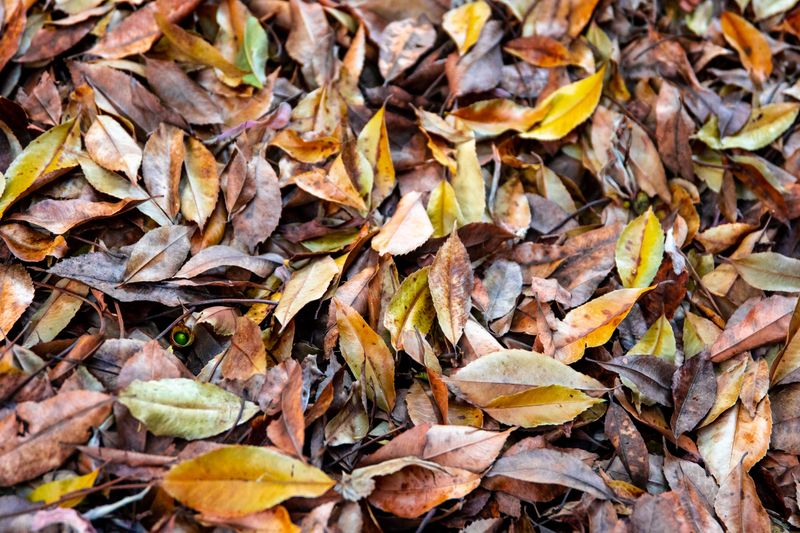
Raking leaves might be a fall tradition, but your lawn has a better idea. Shredded leaves can actually help keep weeds away.
Michigan State University research found that mulched maple leaves reduced dandelions over several seasons. The exact reason remains unclear, and other leaf types are less studied.
Simply run your mower over dry leaves a few times until they look like confetti. The small pieces sink between grass blades and break down.
A mulching blade or mulching kit makes the job even faster. Most mowers can handle a light layer of leaves without any special parts.
Watch the thickness, though, because too many leaves can shade out grass. If you cannot see the grass after mulching, rake up the extra.
Those extra leaves still have value in garden beds or compost piles. Little goes to waste, and your back gets a welcome break.
As leaves decay, they feed earthworms and helpful soil microbes. Healthier soil grows thicker grass that leaves little room for weeds.
Mulching also saves money on lawn bags and trips to the yard waste site. You spend less time raking and more time sipping cider.
Try it for one season and compare the results next spring. You may find fewer yellow blooms and a lot more free weekend hours.
8. Test The Soil And Adjust The Acidity
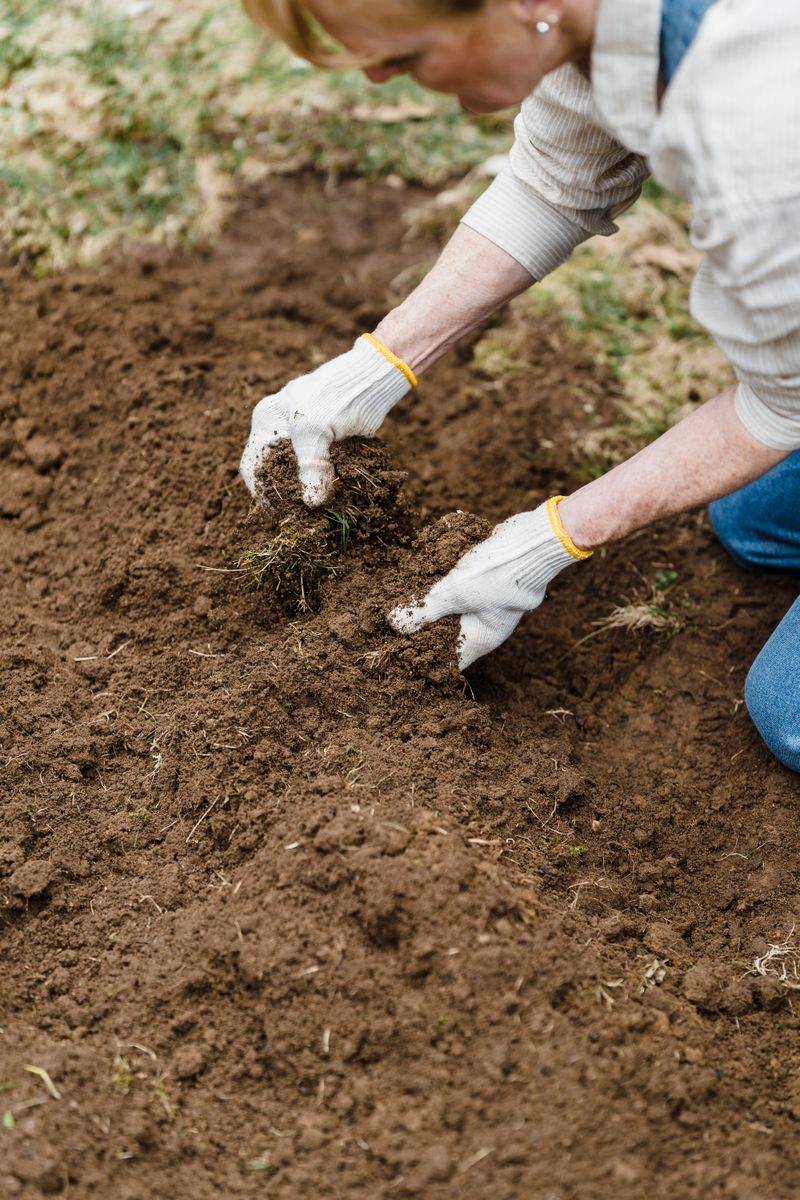
Weeds can act like tiny detectives, hinting at conditions where grass struggles. Dandelions handle compacted or poorly fed soil better than grass.
A simple soil test tells you what your lawn is missing. Fall is a smart time to test because amendments have months to work.
Grab a kit from a garden center or send a sample to your extension office. Lab tests are usually affordable and give detailed results.
Collect soil from several spots, about four inches deep, and mix it in a bucket. That gives a fair average of your whole yard.
Most lawn grasses prefer a pH between 6.0 and 7.0. If your soil is too acidic, garden lime can nudge it into balance.
Soil that is too alkaline may need sulfur instead, which acts gradually. Follow the test recommendations closely, since guessing can make problems worse.
Lime works slowly, so spreading it in fall gives it winter to soak in. Freezing and thawing help mix it deeper into the soil.
The report may also flag low phosphorus or potassium levels. Adding the right nutrients helps grass grow thick enough to keep weeds out.
Retest every three to five years to track your progress. Balanced soil builds a lawn that resists weeds, which means less work for you.
9. Mark The Calendar For An Early Spring Follow-Up

Planning ahead in fall is like packing your backpack the night before school. When spring rushes in, you are ready instead of scrambling.
Pre-emergent products stop many weed seedlings just as they sprout. Most, however, are labeled for crabgrass and grassy weeds, not dandelions.
Dandelion seeds sprout mainly in late spring and fall, so these products do little. Still, they help if crabgrass also troubles your lawn.
Write a reminder for when soil reaches about 55 degrees, the crabgrass window. Blooming forsythia bushes are a handy natural signal in many regions.
Corn gluten meal is a natural option, though research results are mixed. Synthetic choices like prodiamine often last longer and work more reliably.
Remember that pre-emergents also stop grass seed from sprouting. Plan your overseeding in fall so it does not clash with spring treatments.
Buy your product early while shelves are full and choices are plentiful. Store it somewhere cool and dry, away from kids and pets.
Check your spreader in fall too, fixing wheels or cleaning rust before storing it. A ready tool means one less excuse come March.
Fall prep and spring timing work together like peanut butter and jelly. Spot spray any spring stragglers after bloom, and your lawn stays thicker and more even.