9 Mistakes That Keep Your Poinsettia From Turning Red
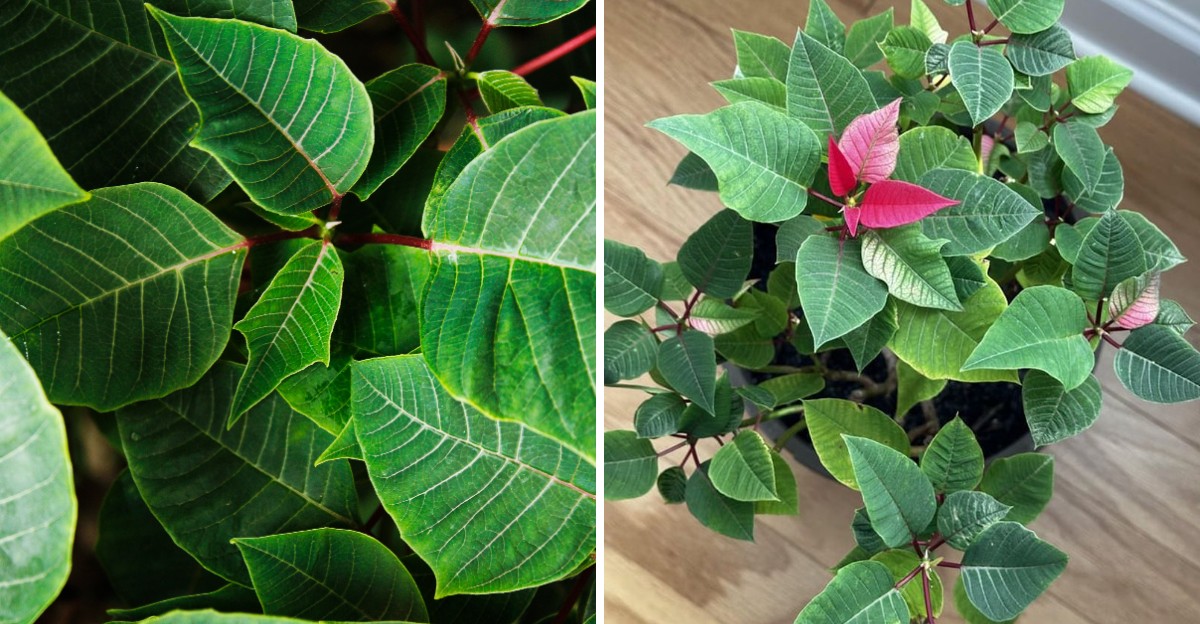
That stubborn green poinsettia on your windowsill is waiting for a signal you keep interrupting. Those famous red “petals” are actually leaves called bracts.
They change color only after long, uninterrupted nights of total darkness. A quick flick of the hallway light can reset the entire countdown.
Even the glow from your television or a streetlight counts against you. Meanwhile, cold drafts from a nearby door stall the color change.
Heat vents cause trouble too, drying the leaves before they blush. Soggy soil adds another problem, since this Mexican native dislikes wet roots.
You can fix these habits without special equipment or expert skills. Timing matters just as much, because the darkness routine starts weeks before December.
After you understand what it craves, you control when the red arrives. Then your windowsill finally outshines the cinnamon, cookies, and wrapped gifts.
1. Letting Lamps Shine On It At Night
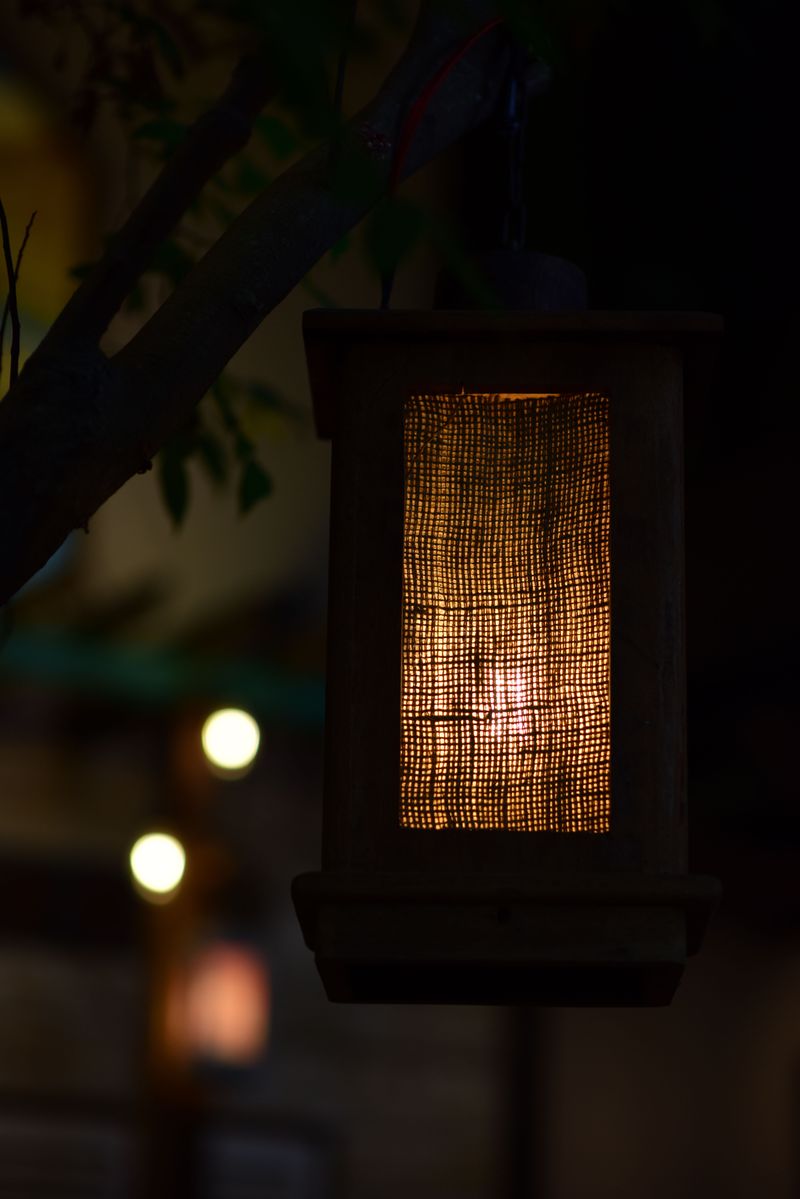
Your cozy reading lamp might be the real culprit in the living room. Poinsettias need long, unbroken nights to trigger their famous red color change.
Gardeners call them short-day plants, but long-night plants would be a better name. They start coloring up only when darkness lasts about fourteen hours each night.
Even a little light can reset their inner clock. A porch light, a TV glow, or a quick flip of the switch can undo a whole night.
Think of it like trying to sleep while someone keeps opening your bedroom door. The plant gets confused and keeps making plain green leaves instead.
The fix is simple and costs nothing. Move your plant to a room nobody uses after sunset, like a guest room or quiet hallway.
Some people place a large cardboard box over the pot each evening. Just make sure no light sneaks in through cracks or gaps.
Start this routine around early October for color by the holidays. Stick with it for eight to ten weeks, and your patience will pay off.
During the day, uncover the plant so it can soak up sunshine. Night belongs to darkness, and day belongs to light.
Keep a sticky note on the box as a reminder. Busy weeks make it easy to forget a single evening.
2. Breaking The Dark Routine After A Few Weeks
Imagine running a marathon and stopping at mile twenty because your feet feel tired. That is what quitting the dark routine early looks like.
Many plant owners start strong in October with boxes and closets. By mid-November, the excitement fades and the plant stays out in the lamplight.
Poinsettias need about eight to ten weeks of steady long nights. Skipping several evenings in a row can delay or weaken the color change.
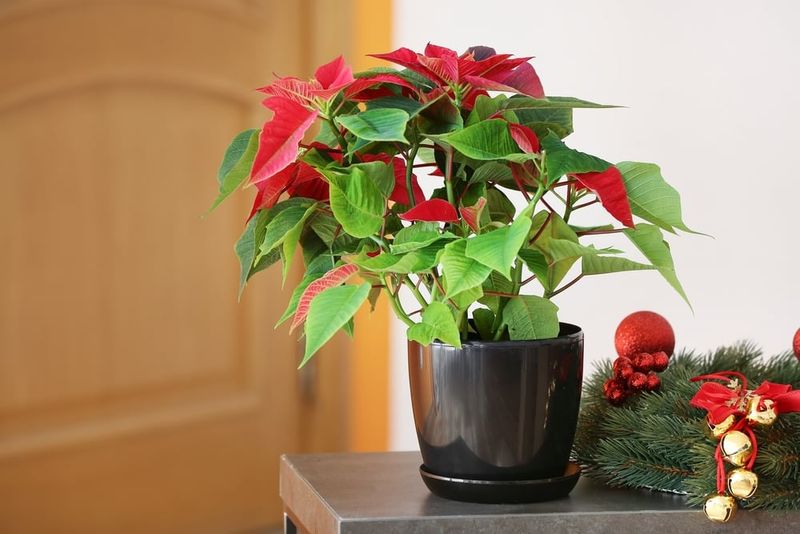
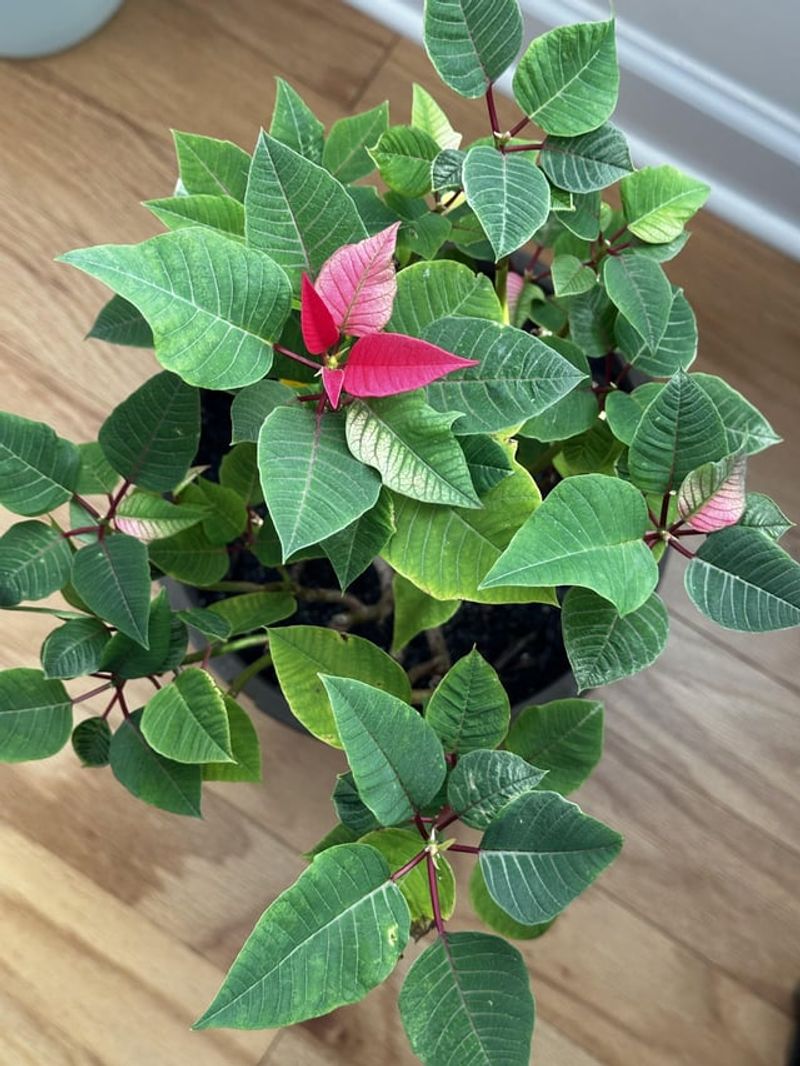
The first hints of color often show up near the top leaves. Those colorful leaves are called bracts, and they are not flowers at all.
The true flowers are the small yellow clusters in the center, called cyathia. Once those clusters form, you know the plant is on track.
A simple calendar can keep you honest. Mark each night with a check once the plant is tucked in by five or six o’clock.
Setting a phone alarm helps too, especially for busy families. Ask kids to take turns so the job feels like a game.
Once the bracts are fully colored, you can relax the routine. At that point, the plant can live in your living room and show off.
Finishing strong turns patchy plants into full, colorful ones. Stay steady for those final weeks, and you will see the reward.
3. Starting The Dark Routine Too Late
Holiday shopping in December is stressful, and so is holiday plant planning. Waiting until Thanksgiving to begin the dark routine is a common slip.
Poinsettias respond to night length, not the calendar itself. Their color change takes roughly two months from the first long night.
If you begin in late November, the bracts may not color until January. That is a lovely surprise, but it misses the big holiday moment.
Aim to start around October first if you want red by mid-December. Some growers begin in late September to give themselves a small cushion.
Outdoor plants in warm places like Florida or southern California get natural long nights. Indoor plants, though, are fooled by our bright evening lights.
A good trick is to write the start date on your fall calendar in August. Put it right next to back-to-school reminders so it stands out.
The plant was first brought to the United States by Joel Roberts Poinsett in the 1820s. He spotted it growing wild in southern Mexico.
In Mexico, the plant blooms naturally in winter when nights grow long. Your job is to copy that natural timing indoors.
Get the timing right, and the rest feels much easier. Late starts only mean waiting longer for the color you want.
4. Keeping It In A Room That Is Too Hot
Your plant does not want to cuddle up next to the fireplace. It may look festive there, but the heat quietly works against you.
Poinsettias color best when days stay between 65 and 70 degrees Fahrenheit. Nights around 60 to 65 degrees help the bracts develop rich shades.
Warm nights above 70 degrees can slow the color change a lot. The red may look faded, patchy, or strangely pale.
Heating vents can cause problems in winter. A blast of dry, warm air can also make leaves curl and drop.
Radiators, space heaters, and sunny south windows behind glass can get surprisingly hot too. Feel the air near your plant with your hand.
Cold is not great either, so do not swing to the other extreme. Drafty doors and icy windowpanes below 50 degrees can damage leaves quickly.
An inexpensive room thermometer from a local hardware store settles the guessing game quickly. Place it right beside the pot for a week.
If your home runs warm, try a cooler spare bedroom during the dark routine. Many people find a back bedroom stays cooler than the main living area.
Think of your plant as a guest who likes a sweater, not a sauna. Keep things mild, and the color will follow.
Steady temperatures matter more than perfect ones. Big swings from day to night tend to stress the plant.
5. Overwatering The Roots And Leaving Soil Soggy
Loving a plant too much sometimes means pouring on too much water. Overwatering is a common cause of trouble for indoor poinsettias.
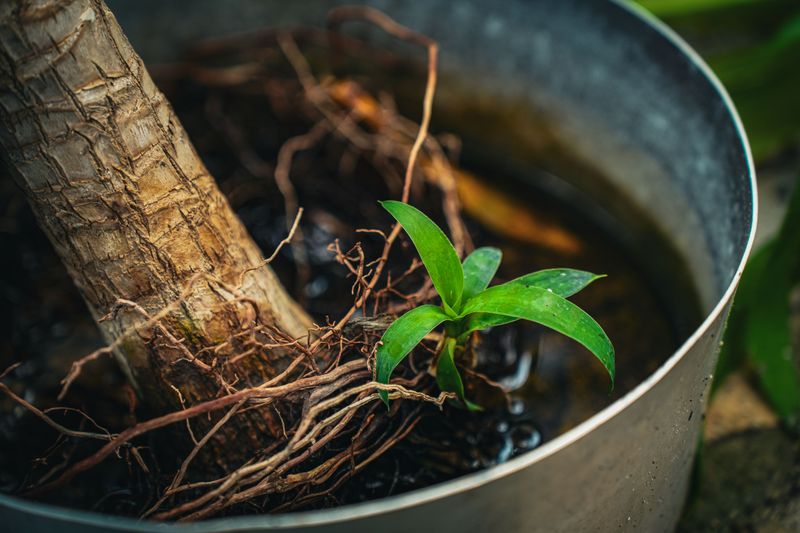
Roots need air as well as moisture to stay healthy. When soil stays wet, the roots begin to rot and stop feeding the plant.
A plant busy fighting root rot has little energy left for color. You may notice yellow leaves, droopy stems, or leaves dropping in piles.
Store-bought poinsettias often come wrapped in shiny foil sleeves. That foil traps water at the bottom like a tiny swimming pool.
Poke holes in the foil or remove it before watering. You can also water in the sink and let the pot drain fully.
Check the soil with your finger before reaching for the watering can. Water only when the top inch feels dry to the touch.
Lifting the pot is another easy test. A light pot usually needs a drink, while a heavy pot can wait.
Use room-temperature water, since cold water can shock the roots. Pour slowly until a little water runs out the drainage holes.
A pot with good drainage holes makes a big difference. Decorative pots without holes should hold a plastic pot you can lift out.
Healthy roots build a sturdy plant that is ready to blush. Give them room to breathe, and they will reward you.
6. Giving It Too Little Daytime Sun
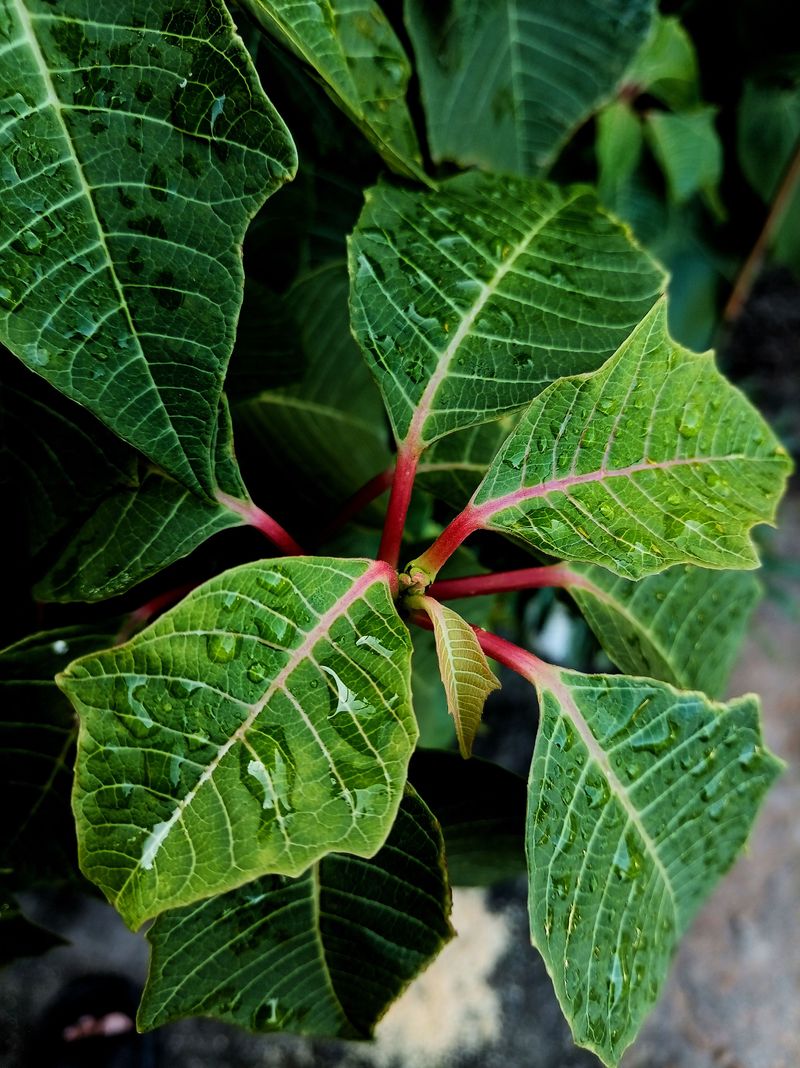
Darkness gets all the attention, but daylight deserves credit too. Your plant needs fuel to build those bright holiday colors.
Sunlight is that fuel, since plants make food from light through photosynthesis. Without enough daytime brightness, the plant runs low on energy.
Aim for about six to eight hours of bright, indirect light each day. An east or west window usually works well for this.
A plant tucked in a dim corner may stay green and leggy. Its stems stretch toward the window like they are reaching for a snack.
Strong afternoon sun through hot glass can scorch leaves, so watch for crispy brown edges. A sheer curtain softens harsh rays without blocking too much light.
Turn the pot a quarter turn every few days. That small habit helps every side grow evenly instead of leaning one way.
Winter days in northern states can be short and gray. A simple LED grow light can fill in on cloudy weeks.
Just switch the grow light off well before evening begins. Remember, nighttime darkness still has to stay uninterrupted.
Some people move their plant each morning and evening during the fall routine. Bright days plus dark nights make a winning combination.
Picture your plant as a solar battery charging up all day. The more it stores, the brighter its holiday outfit becomes.
7. Feeding It Fertilizer At The Wrong Time
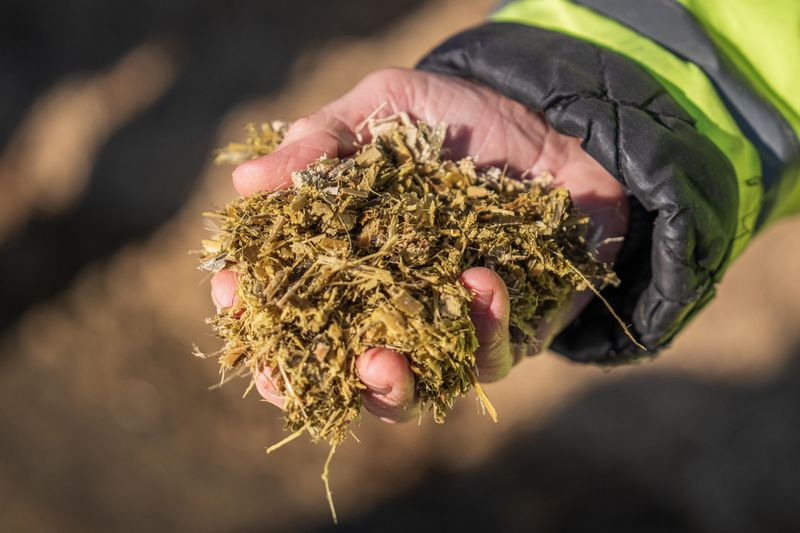
Fertilizer seems like a quick fix, but timing matters more than you think. Feeding at the wrong moment can confuse your plant’s color plans.
During spring and summer, poinsettias grow new stems and leaves. A balanced houseplant fertilizer every two to four weeks supports that growth.
Once fall arrives and the dark routine begins, the plant shifts gears. It stops focusing on leaves and starts preparing its colorful bracts.
Moderate feeding can usually continue at this point while the bracts start forming. Some growers ease back gradually as the bracts develop.
After the bracts turn fully red, stop fertilizing altogether. A plant in full holiday color is basically resting and showing off.
Too much fertilizer can also damage roots and leave crusty white salt on the soil. Flushing the pot with plain water once a month helps clear buildup.
Read the label carefully and use half strength if you feel unsure. Extra fertilizer does not improve color or speed up blooming.
A water-soluble formula like 20-20-20 is easy for beginners to mix. Stir it into your watering can and pour as usual.
Young plants bought in December usually need no feeding at all. The grower already gave them what they needed to color up.
Think of fertilizer as a summer snack, not a winter feast. Good timing keeps your plant focused on turning red.
8. Forgetting To Prune It In Spring And Summer
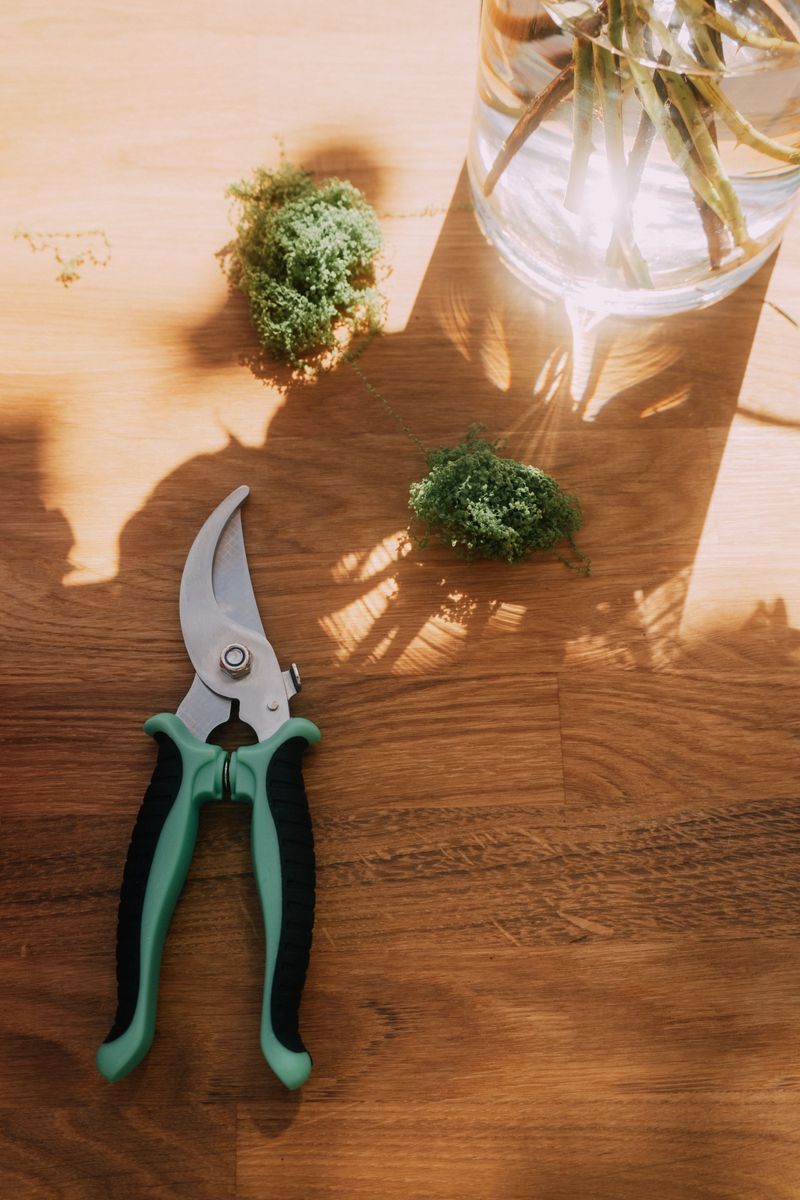
Pruning can feel counterintuitive when your plant looks healthy. Still, a good trim is one of the smartest steps you can take.
Unpruned poinsettias grow tall, skinny, and floppy over the summer. Fewer branches mean fewer spots for colorful bracts to form.
Each branch tip can grow its own cluster of red bracts. More branches equal a fuller, bushier plant with more color overall.
In early spring, cut the stems back to about six to eight inches tall. Leave a few leaves on each stem so it can regrow.
Through summer, pinch off the soft top growth every few weeks. Pinching encourages side shoots, a bit like trimming bangs for thicker hair.
Stop pinching by early September so the plant has time to set buds. Late trims can remove the very tips that would have colored.
Wear gloves when you prune, because the milky sap can irritate sensitive skin. Keep pets away from clippings, since the sap mildly irritates them.
Clean, sharp scissors make neat cuts that heal quickly. Wipe the blades with rubbing alcohol before you start snipping.
Your plant may look bare right after its haircut. Within a few weeks, fresh green shoots will pop out all over.
A little courage in spring pays off in a big December display. Trust the trim, and enjoy a fuller, rounder plant.
9. Expecting Color From A Weak Or Stressed Plant
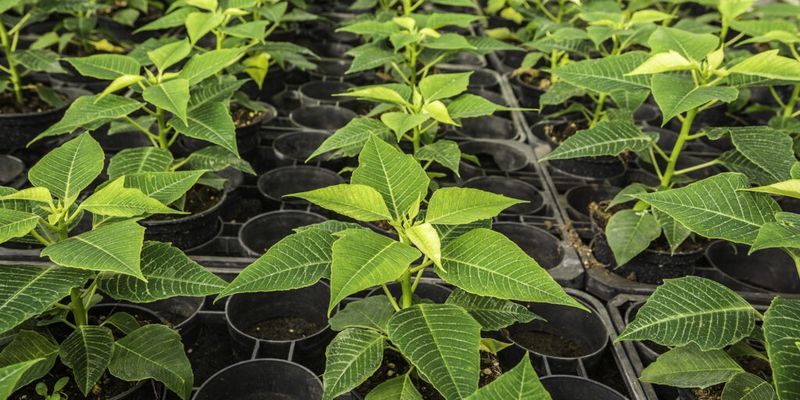
A tired plant has little energy to spare, so a colorful holiday display will need to wait. Stressed poinsettias put their energy into recovery first.
Pests like whiteflies, mealybugs, and spider mites steadily weaken the plant. Check under leaves for tiny bugs, sticky spots, or fine webbing.
A gentle spray of water or insecticidal soap can handle many small infestations. Repeat every few days until the pests are gone.
Root-bound plants struggle too, especially after a year in the same pot. Move it to a container just one or two inches wider in spring.
Sudden moves between hot, cold, bright, and dim places cause shock. Keep changes slow and steady whenever you can.
A plant that dropped most of its leaves needs time to rebuild first. Focus on healthy green growth before expecting any red.
Some reblooming plants simply color a bit less than the first year. Greenhouse growers use perfect conditions that are hard to copy at home.
Even a smaller splash of color is a real achievement. Many holiday poinsettias get discarded in January, so keeping one going takes commitment.
Keep notes on what you tried each season. Those notes turn guesswork into a plan you can repeat next year.
A healthy plant is a happy plant, and a happy plant blushes. Care for its basic needs, and the color will come.