How Emptying Your Michigan Birdbath Before Freezing Weather Helps Winter Wildlife
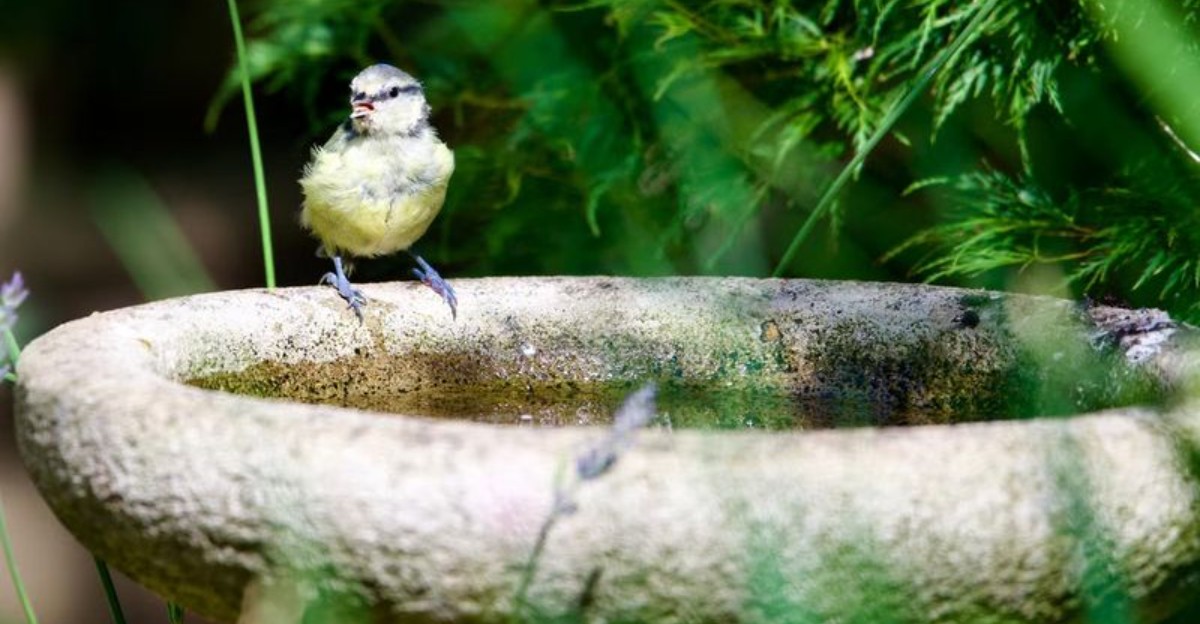
A birdbath left full of water right before a Michigan freeze doesn’t just risk cracking from expanding ice, it can also create a genuinely dangerous situation for the very birds it’s meant to help.
Water that freezes into a solid block becomes completely useless as a drinking source, and birds may keep wasting precious energy returning to a bath that no longer offers them anything.
Emptying the basin before hard freezes hit protects the birdbath itself from structural damage while also encouraging birds to seek out safer, more reliable water sources elsewhere during the coldest stretches.
For gardeners wanting to keep a water source available longer into fall, a heated birdbath offers a genuine alternative, though even those benefit from careful monitoring during especially severe cold snaps.
This simple, easily overlooked step can make a real difference for local wildlife navigating an increasingly unpredictable transition into winter.
1. Frozen Water Cracks Many Birdbaths
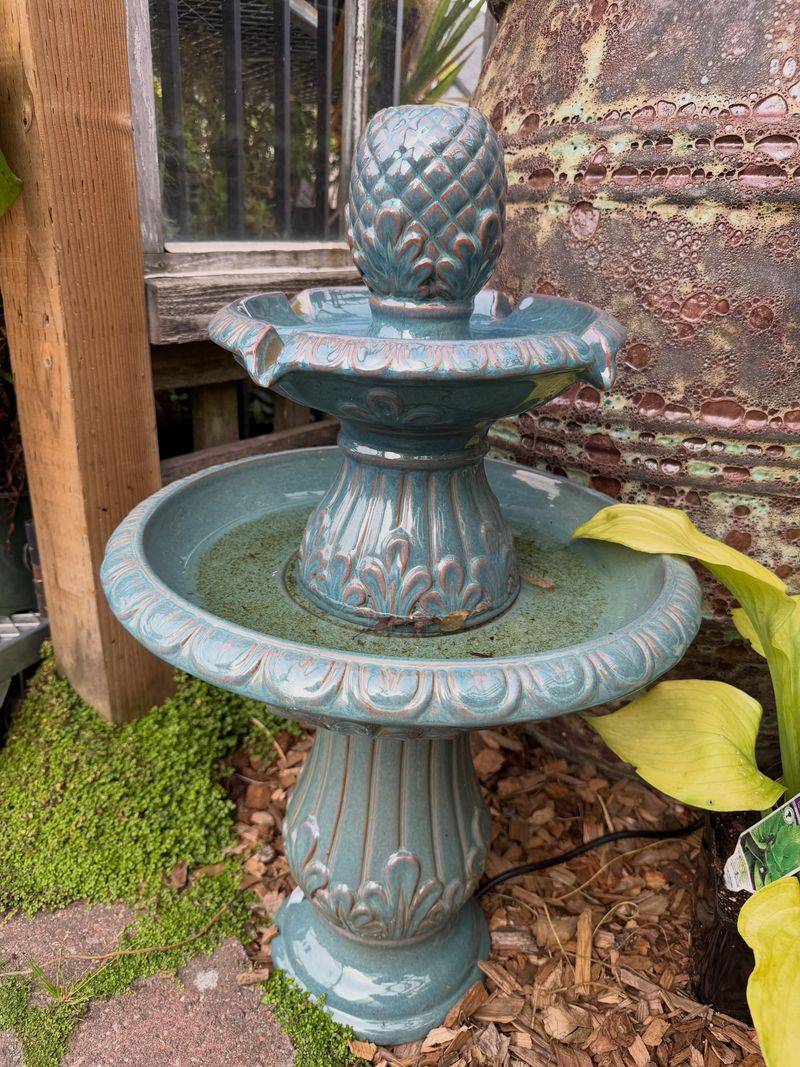
Nobody wants to walk outside in March and find their favorite birdbath split right down the middle. Sadly, many Michigan gardeners learn that lesson the hard way. The culprit is simple water left sitting in the bowl when cold weather arrives.
Here is the science behind it. Water grows about 9 percent larger when it turns into ice. That extra size pushes hard against the sides of the bowl, and the pressure has nowhere to go.
One freeze might not do much harm. The real trouble comes from freezing and thawing again and again. Each cycle presses on tiny weak spots in concrete, ceramic, glass, and stone until small flaws turn into big cracks.
Once a bowl breaks, it can no longer hold water, so birds lose a drinking spot for the seasons ahead.
Protecting your bath takes only a few minutes. Empty any non-heated bath before the first hard freeze, which often hits Michigan in October or early November. Tip it over or wipe it out so it dries completely, since even a thin puddle can freeze and cause damage.
While the bowl is empty, run your fingers along the surface. Look closely for hairline cracks or chips. Small flaws can widen quickly over winter, so patch them with a waterproof sealant made for birdbaths or plan to replace the piece in spring.
Michigan winters can bring dozens of freeze and thaw swings between November and April. That kind of back and forth can ruin a pretty birdbath in just one season. A quick fall emptying keeps your bath ready for many springs to come.
2. A Frozen Bath Offers Birds Nothing To Drink
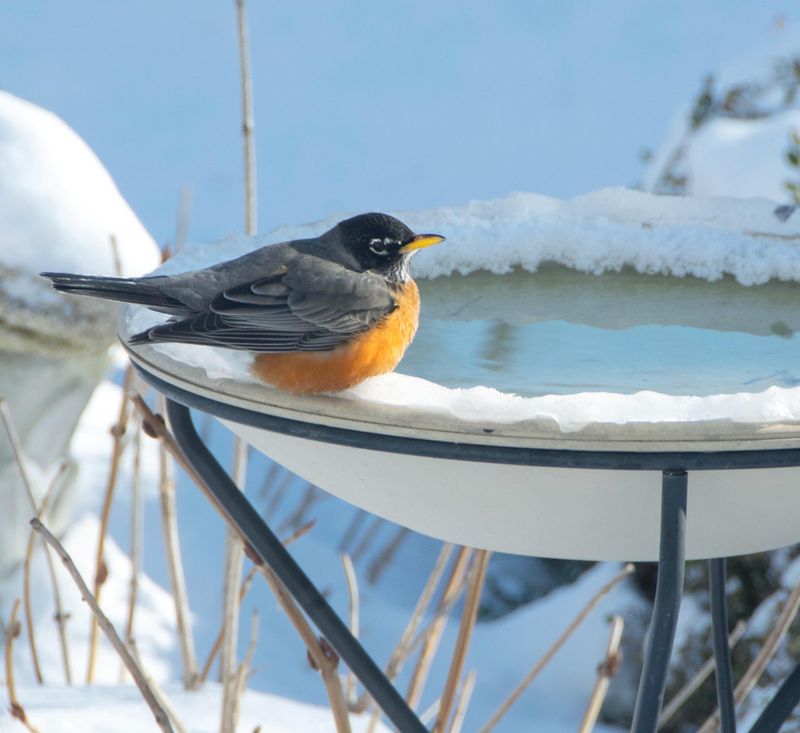
Ever watched a chickadee hop across a sheet of ice, pecking and searching? It looks cute, but that little bird is coming up empty. A birdbath frozen solid simply cannot give wildlife a drink.
Birds need liquid water, and ice does them no good. Some may peck at it, but that barely helps them. Worse, birds are creatures of habit, and they remember reliable spots.
A bath that held water all summer becomes a regular stop on their daily route. When it freezes, birds may keep checking back, wasting time and energy at a spot that offers nothing. Open water somewhere else would serve them far better.
Your Michigan Garden Changes Every Week. Your Plan Should Too.
Gardening in Michigan changes quickly throughout the season. Every Friday you’ll receive a simple weekly plan showing exactly what to plant, prune, fertilize, harvest, and protect so you never miss the right timing.
The smart move is to make a plan before winter hits. You really have two good choices. You can empty and store your bath for the season, or you can replace it with a heated birdbath that keeps water open.
What you want to avoid is the middle ground. Leaving an unheated bath outside to freeze, thaw, and refreeze all season helps no one. The birds get confused, and the bowl takes a beating from all that ice.
Think of your choice like closing a shop for the season. Once your bath is gone, birds will quickly adjust and find other water sources nearby. If you go heated, they will learn to count on your yard.
In Michigan, standing water outdoors often stays frozen for weeks at a stretch during January and February. A bath left alone during those cold spells turns into a useless ice block, so choosing a clear path makes a real difference.
3. Clean The Bath Before Winter To Reduce Disease
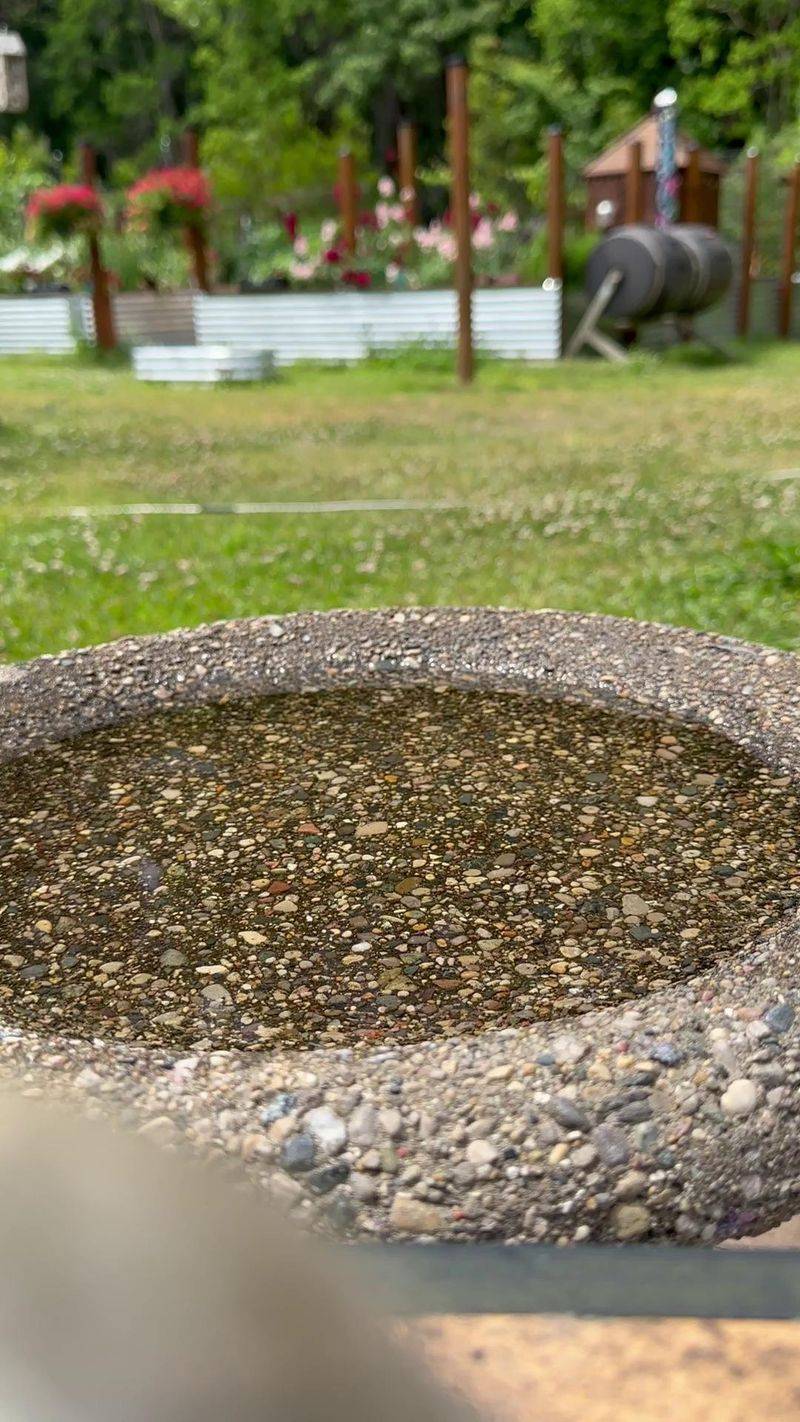
Emptying the birdbath in fall is the perfect moment for a deep clean. After a busy summer, that bowl has seen a lot of visitors. Some left behind more than just splashes.
Over the months, droppings, algae, fallen leaves, and seeds build up in the water. That mix can look harmless, yet it creates a home for germs. When many birds share one dirty bath, illnesses like salmonella and avian pox can spread from bird to bird.
Good news, the fix is easy and cheap. Grab a stiff brush, some gloves, and household bleach. Mix a solution of about 1 part bleach to 9 parts water.
Scrub every inch of the bowl, paying extra attention to the rim and any rough spots where grime likes to hide. Let the solution sit for a few minutes to do its work. Then rinse the bath thoroughly with clean water.
Rinse it again, and then once more. Keep going until you can no longer smell any bleach at all. Leftover bleach can harm birds, so this step matters a lot.
Finally, let the bath dry completely in the sun before you store it or refill it. A dry bowl also resists cracking, which is a nice bonus.
This fall cleaning is especially helpful in Michigan. As winter sets in, birds often gather in larger groups around dependable food and water.
Crowds make it easier for sickness to travel. Starting the cold season with a spotless bath gives your backyard flock a healthier winter.
4. Switch To A Heated Birdbath Or Deicer
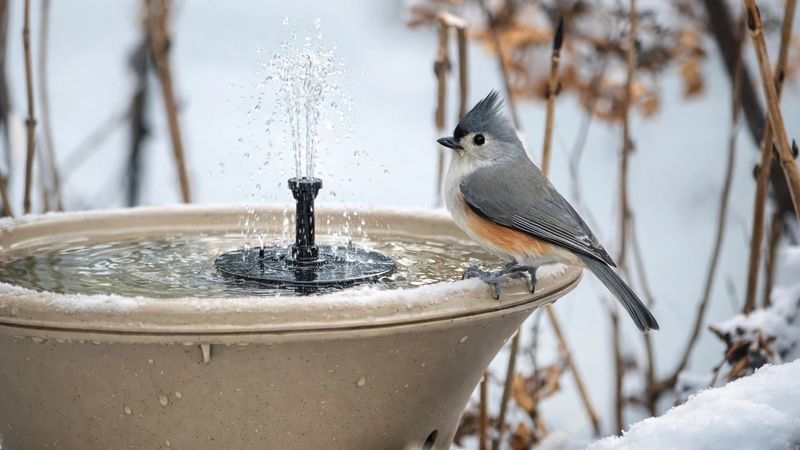
Steam curling off a small pool of water on a snowy morning is a magical sight for bird lovers. That is exactly what a heated birdbath can offer your yard. While everything else freezes, your little oasis stays open.
Finding liquid water in winter is tough for birds. Ponds, puddles, and streams often lock up under ice. A heated bath or a birdbath deicer warms just enough to keep a small area from freezing, so birds can sip even on bitter days.
You have two main options. A heated birdbath has the warmer built right into the bowl. A deicer is a separate device you set inside an existing bath, which works well if yours is sturdy plastic or metal.
Shopping tip: pick a model made for outdoor use with a built-in thermostat. The thermostat turns the heat on only when temperatures drop near freezing, which saves power and keeps the water from getting too warm.
Safety matters too. Plug your heater into an outdoor-rated, grounded outlet, ideally one with GFCI protection. Use an outdoor extension cord if needed, and keep connections off the wet ground.
Plan to check the bath often. Winter air is surprisingly dry, and water evaporates faster than you might expect. Refill with fresh water every day or two so the heater never runs in an empty bowl.
Here in Michigan, open water can be scarce from December all the way into March. A heated bath can quickly become the most popular spot on your block, drawing birds you rarely see at feeders.
5. Birds Need Water All Winter
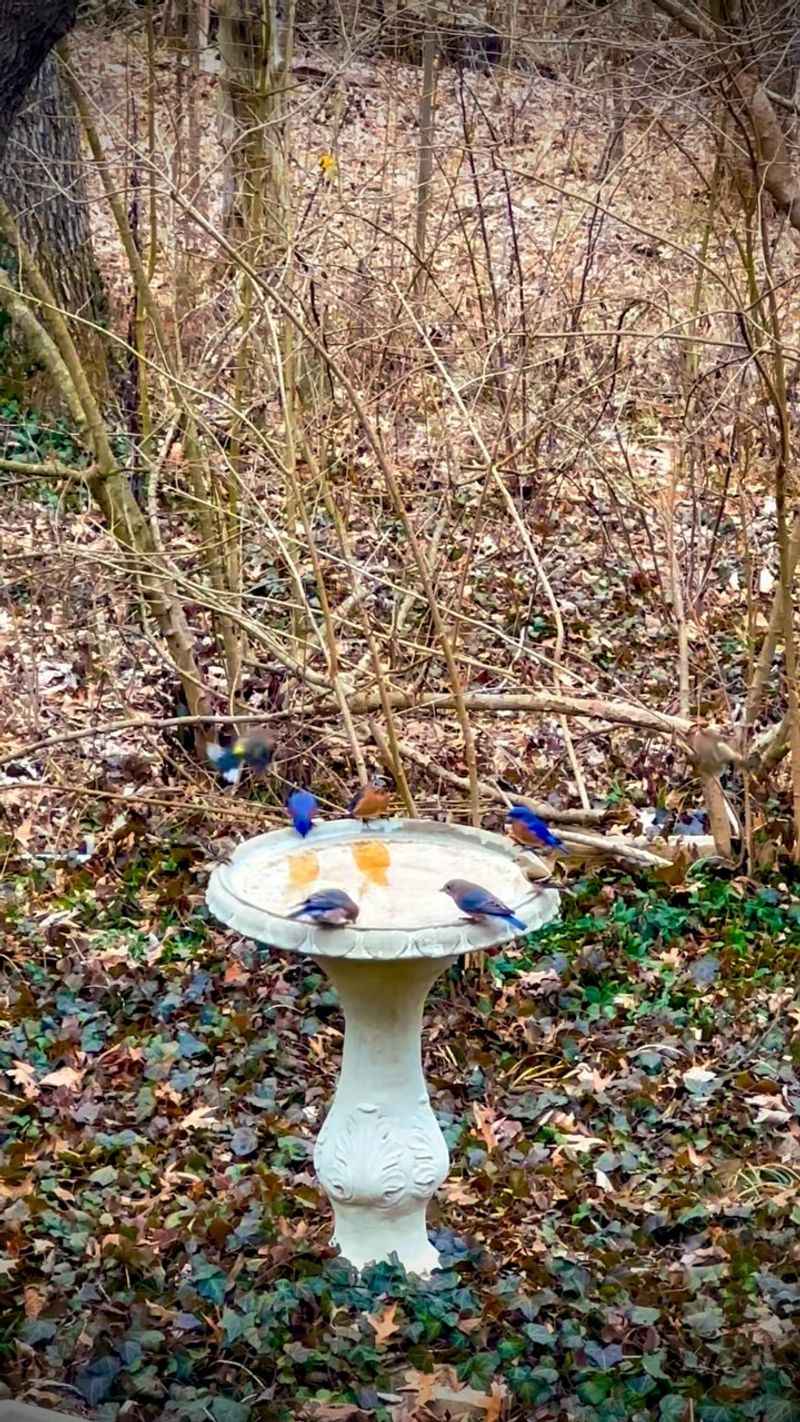
Most people think of summer as bird bath season. Surprisingly, winter water can matter even more. Birds count on it for two big reasons.
First, they need to drink, just like we do. Second, and just as important, they bathe to keep their feathers clean. Tidy feathers trap warm air close to the body, working like a cozy down jacket.
Messy or dirty feathers lose that power to hold heat. So a quick splash on a cold day actually helps a bird stay warm through a frosty night. After bathing, birds fluff and preen to line everything up again.
Why not just eat snow? Birds can, but it comes with a cost. Melting snow inside their small bodies burns precious energy that they need for staying warm.
Fresh water saves them that effort. Once you offer open water in winter, expect some friendly faces.
Black-capped chickadees, northern cardinals, dark-eyed juncos, eastern bluebirds, and even American robins often stop by heated baths. Yes, some robins stay in Michigan all winter, feeding on berries.
Here is a neat bonus. Birds that never visit feeders, like bluebirds and robins that prefer fruit and insects, may still show up for a drink. A water source can widen the variety of guests in your yard.
Michigan winters are long and cold, often stretching from November into April. Every source of fresh water becomes a treasure during those months. By keeping water available, you give local birds real help when they need it most.
6. Never Add Antifreeze Or Salt
Quick fixes can be tempting when the thermometer plunges. You might hear someone suggest a splash of antifreeze or a scoop of salt to keep the bath from icing over. Please skip those ideas completely.
Antifreeze is poisonous to birds and other animals, even in tiny amounts. It often tastes sweet, which can draw in pets and wildlife. A single sip can make a creature seriously sick.
Salt might seem gentler, but it causes problems too. Salty water can make birds ill when they drink it. It can also coat their feathers, making it harder for them to stay warm and dry.
Other additives, like glycerin or sugar, are not safe choices either. Anything that changes the water can do more harm than good. Birds need clean, plain water, and nothing else.
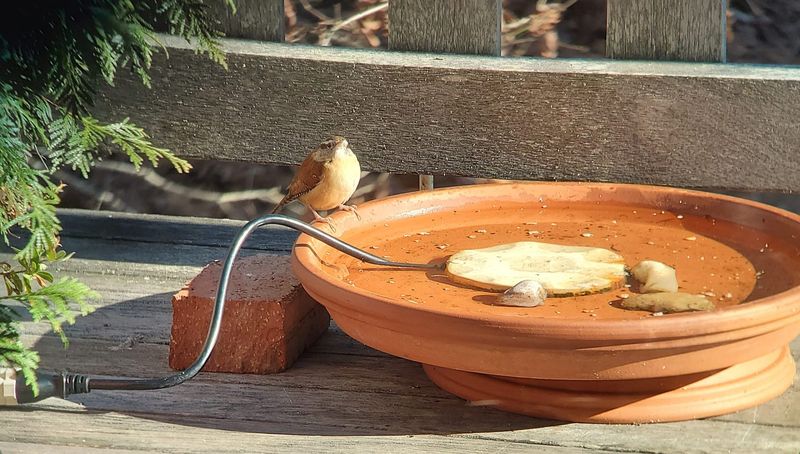
The safest way to keep water open is simple. Use a heated birdbath or a deicer made for birdbaths. These tools warm the water gently without changing what is in it.
Keep the routine easy. Refill with fresh water from the tap every day or two. About once a week, empty the bath, give it a quick scrub, rinse well, and fill it back up.
Michigan cold snaps can hit fast, and gardeners sometimes look for any trick to stop ice from forming. Remember that birds trust the water you provide. Keeping it pure and safe is one of the kindest gifts you can give them.
7. Keep Water Shallow And Place It Near Cover
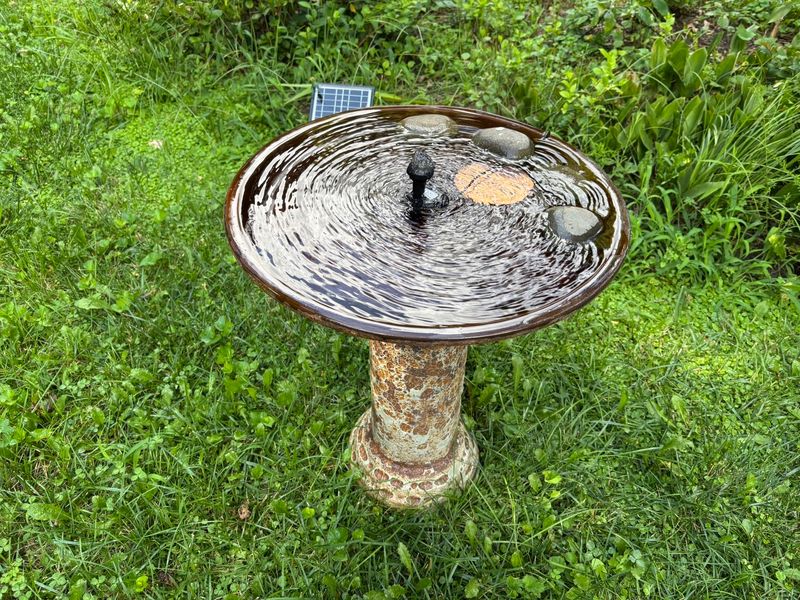
Location can make or break a winter birdbath. The best bath in the world will sit empty if birds feel unsafe using it. A little planning helps them relax and drink.
Start with depth. Most backyard birds prefer water only 1 to 2 inches deep. Deeper water feels risky, especially for small birds like chickadees and juncos.
If your bath is too deep, add a flat stone in the middle. It gives birds solid footing and a safe spot to stand. Rough stones work even better on icy mornings.
Next, think about safety from above and below. Hawks such as Cooper’s hawks often hunt at winter feeding and water spots. Nearby shrubs or trees give small birds a fast place to escape.
Too much cover causes a different problem. Dense bushes right beside the bath let cats sneak close without being seen. So the sweet spot is roughly 10 feet from shrubs or trees.
That distance gives birds a quick dash to shelter while leaving an open zone where they can spot a lurking cat. It is a balance that keeps everyone a bit safer.
One more tip adds joy to the whole project. Place the bath where you can see it from a window. You get a front row seat to the action, and you can easily tell when it needs a refill.
Michigan birds at winter water spots are often watched by hawks and roaming cats. Smart placement helps them sip in peace.
8. Store Or Cover Unheated Baths For Winter

Not every birdbath needs a winter job. Sometimes the best thing for a bath is a long, cozy rest. With proper storage, it will be ready to shine again when spring birds return.
Spring is a big deal for birds. Migrants come back from the south, and many species start building nests. A clean, working birdbath gives them water right when they need it.
Begin with the steps you already know. Empty the bath, scrub it well, rinse it, and let it dry fully. Storing a damp bowl can still lead to cracks or mold.
Small, light baths are easy to handle. Move them into a garage, shed, or basement where they stay dry and protected. Wrap fragile ceramic or glass pieces in an old blanket for extra care.
Big, heavy baths are another story. If lifting it feels like a workout, leave it in place. Turn the bowl upside down or cover it with a waterproof cover so water and snow cannot collect inside.
Covers need to fit snugly and stay put. Use a bungee cord or tie to keep strong winter winds from blowing them away.
When early spring arrives and hard freezes have passed, usually around April in much of Michigan, set everything back up. Fill it with fresh water and watch the visitors return.
Snow and ice can pile into an uncovered bowl and cause the same damage as standing water. A little protection now means years of happy splashing ahead.