What It Means When Chickadees Suddenly Flock To Your Pennsylvania Feeder
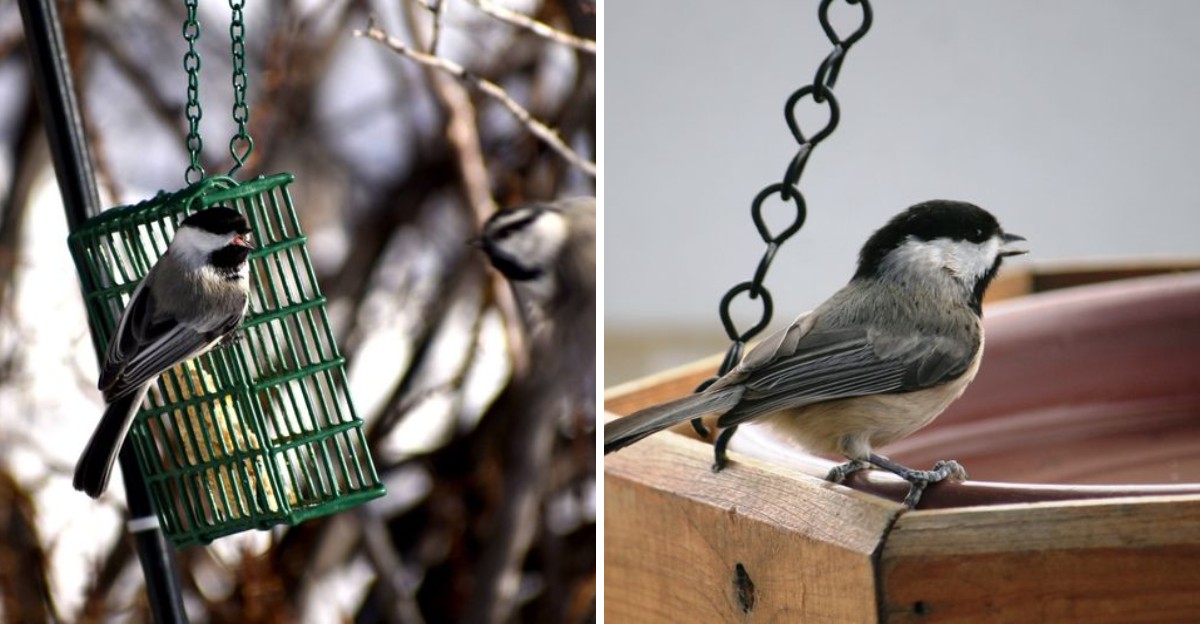
Every fall, something remarkable happens inside a chickadee’s tiny head. The part of its brain that handles memory actually grows, helping it keep track of thousands of seeds hidden across the landscape.
So if your Pennsylvania feeder has suddenly turned into a busy chickadee hangout, there’s more going on than a simple snack break.
These little birds are planners. As the days get shorter, they start stocking up for winter. They grab seeds one at a time and tuck them into bark, branches, and leaf litter.
They also begin forming small winter flocks, often teaming up with titmice, nuthatches, and woodpeckers. When one chickadee finds a reliable food source, the rest of the group isn’t far behind.
A sudden crowd at your feeder can also hint at changing weather or a shortage of natural food nearby. Those cheerful visitors are telling you a lot about the season ahead.
1. Winter Flocks Are Forming
Summer chickadees are loners in a way. Each pair guards its own patch of woods while raising a family. Once fall arrives, though, the rules change fast.
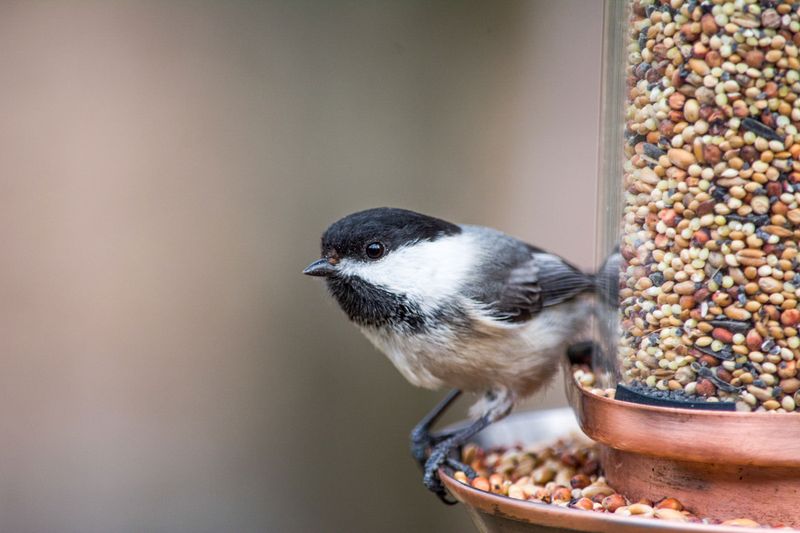
Chickadees give up their breeding territories and band together in small groups. A typical winter flock holds about six to ten birds. They stay together from fall all the way into early spring.
Life in a group has real perks. More eyes mean a better chance of spotting a hawk. More birds also means more chances to find food. When one chickadee finds a good meal, the others notice and join in.
Each flock has a pecking order. The top pair usually gets first pick at the feeder. Lower-ranked birds wait their turn or grab a quick seed when no one is looking.
If you watch closely, you might see small chases or fluffed-up feathers as they sort things out.
These groups also travel a regular route through the neighborhood. They visit the same trees, shrubs, and feeders almost every day. Your yard may now be one of their daily stops. That is why a quiet feeder can suddenly look busy overnight.
Want to keep them coming? Try to fill your feeder at about the same time each morning. Chickadees learn patterns quickly, and a steady food source makes your yard a dependable stop.
Keep a simple notebook by the window, too. Write down the time the flock arrives and how many birds you count. After a few weeks, you may notice they show up like clockwork. It is a fun way to learn their schedule and feel like part of their winter world.
2. Young Birds Are Settling Into The Area
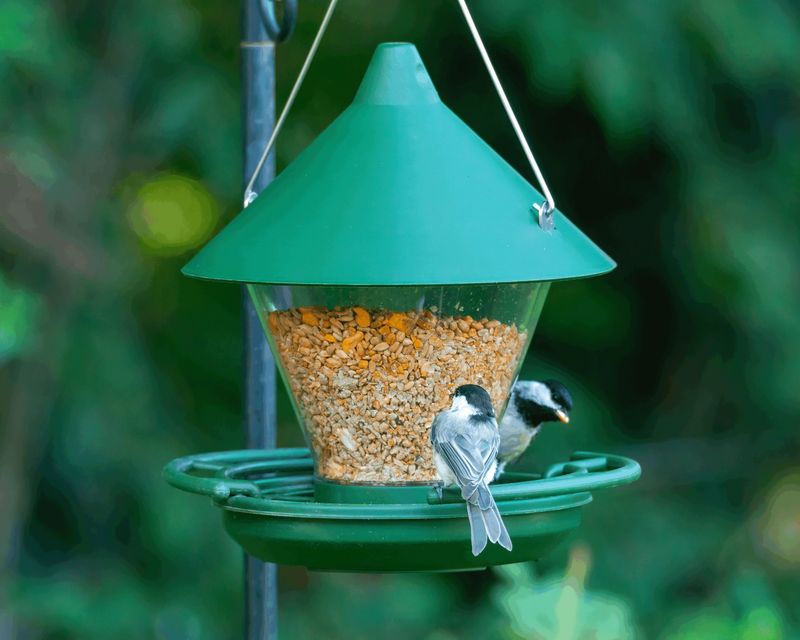
Growing up happens fast for a chickadee. Babies hatch in late spring and leave the nest after about two weeks. By late summer, they are ready to strike out on their own.
Young chickadees do not stay with their parents for long. In late summer and early fall, they scatter away from where they were born.
Most travel only a few miles, but that is a big trip for such a small bird. They then join flocks in brand new areas.
Your Pennsylvania Garden Changes Every Week. Your Plan Should Too.
Gardening in Pennsylvania changes quickly throughout the season. Every Friday you’ll receive a simple weekly plan showing exactly what to plant, prune, fertilize, harvest, and protect so you never miss the right timing.
Why move at all? Spreading out helps keep families from crowding one small patch of woods. It also mixes birds from different areas, which keeps the whole population healthy. Nature has a smart plan here.
So when you see a sudden jump in visitors, some of them may be newcomers. Young birds may have claimed your yard as part of their winter range. That is exciting news. It means your space looks like a good place to live.
You can sometimes tell the young ones apart. Their feathers may look a bit fluffier and cleaner. They may also act a little clumsy or nervous at first. Older birds often push them aside until they learn the ropes.
Help these rookies feel at home with a few easy steps. Offer food in more than one spot so shy birds get a chance to eat. Add a shallow birdbath with fresh water. Leave a brush pile or a few thick shrubs where they can rest.
Fun fact: many of these young birds will stay in the same area for the rest of their lives. The chickadee you see this fall could be a regular for years.
3. They’re Stocking Up Food For Winter
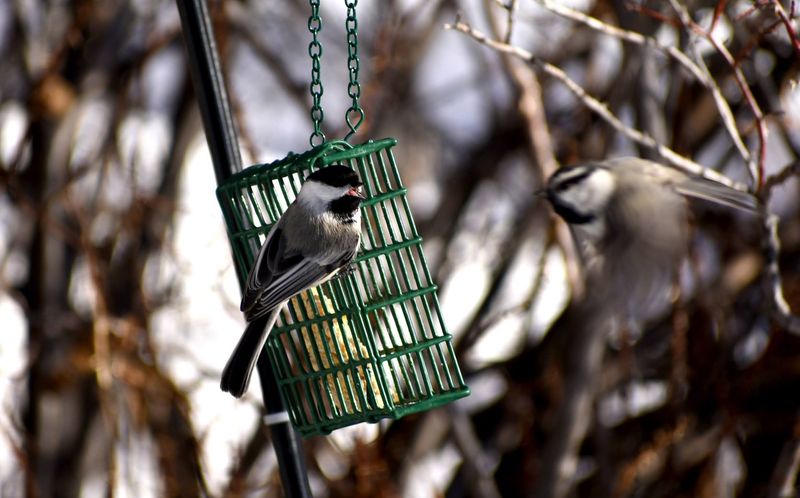
Grab, fly, repeat. If you have watched a chickadee take one seed and zoom away over and over, you have seen a tiny food hoarder at work. It is one of the coolest things these birds do.
Chickadees do not always eat seeds right away. Instead, they hide many of them to eat later. They tuck seeds into bark cracks, under leaves, inside curled twigs, and in other small nooks. Each seed usually gets its own hiding spot.
Here is the amazing part. Chickadees can remember thousands of hiding places. Scientists have found that part of their brain actually grows bigger in fall to help them remember.
Then it shrinks back in spring when the job is done. Pretty wild for a bird that weighs less than two quarters!
So a busy feeder may not mean your birds are super hungry at that moment. They are likely packing their winter pantry. A single chickadee can stash hundreds of seeds in one day.
You can make their storing easier. Hulled sunflower seeds and chopped peanuts are easy to carry and hide. Avoid cheap seed mixes full of filler like millet, since chickadees often toss it aside.
Also, try not to clean up every bit of your yard in fall. Old tree bark, dry flower stalks, and leaf piles make great hiding spots. A little mess is a big help.
Next time you see one flying off with a seed, follow it with your eyes. You might spot the exact spot where it tucks its treasure. Watching them work is like seeing a tiny squirrel with wings.
4. They Need Extra Energy To Survive The Cold
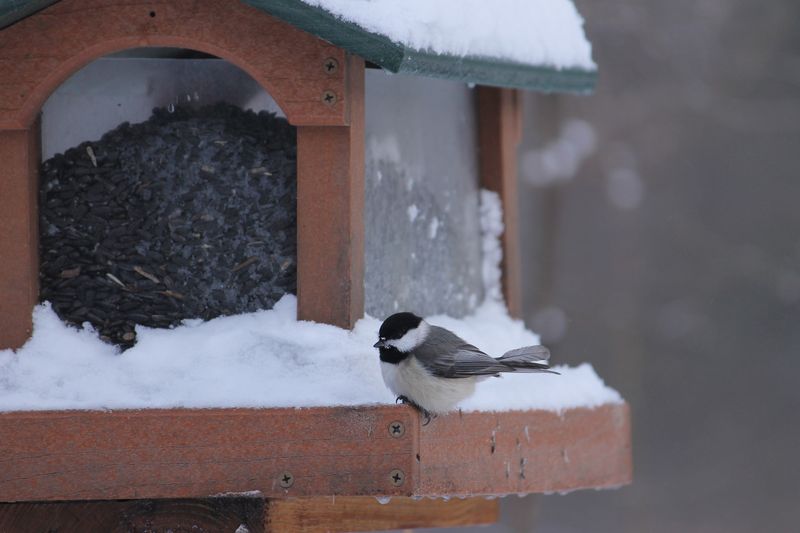
Think about spending a January night outside in Pennsylvania with no coat. That is what chickadees face every winter. Their only jacket is a thin layer of feathers and a tiny body.
To stay warm, these birds need a lot of fuel. A chickadee may eat more than half its body weight in food each day during cold spells. Most of that food gets burned just to keep its body warm through the night.
Chickadees also have a clever trick. At night, they can lower their body temperature by several degrees. This state is called torpor.
It works a bit like turning down the heat in your house to save on the bill. Less heat means less energy used before morning.
Even with that trick, they wake up hungry. That is why feeders get so busy at sunrise. The birds need to refill fast after a long, cold night.
You may see another rush in late afternoon as they fuel up before dark. High-fat foods give them the most power. Try these favorites:
Black oil sunflower seeds have thin shells and lots of oil. Suet cakes are packed with fat and easy to hang. Peanuts, either shelled or in a mesh feeder, add protein and energy.
Keep feeders full during storms and deep freezes. Those are the times birds need you most. A covered feeder helps keep seed dry after snow or sleet.
One more tip: chickadees roost in small tree holes at night. Putting up a nest box in fall can give them a cozy spot to sleep. Every bit of shelter counts when the wind howls.
5. Natural Food Is Getting Scarce
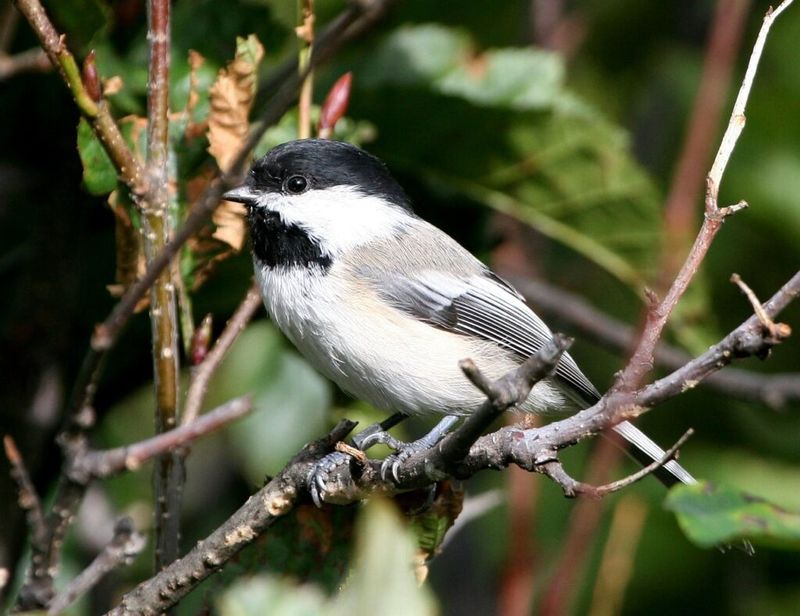
Bugs are a chickadee’s favorite snack. In spring and summer, caterpillars and insects make up most of what they eat. Those juicy treats help parents feed their growing babies too.
As fall rolls in, though, the menu changes. Insects vanish as the weather cools. Many go into hiding, and others are gone for the season.
Wild seeds and berries also get eaten up or blown away. By late fall, the woods offer a lot less food.
That shortage pushes chickadees toward your feeder. They still hunt for insect eggs and sleeping bugs hidden in bark. However, a feeder gives them a quick and reliable meal. When natural food runs low, your yard can become a lifeline.
Some years bring an even bigger surprise. When seed crops fail farther north in places like Canada, black-capped chickadees may move south in larger numbers than usual.
Birders call these big movements irruptions. During those years, Pennsylvania feeders can get extra crowded.
Did you know? Pennsylvania is home to two kinds of chickadees. Black-capped chickadees live mostly in the northern and central parts of the state.
Carolina chickadees live mostly in the southeast. They look almost the same, but their songs are a little different.
You can help by planting native plants that feed birds naturally. Oaks host tons of caterpillars. Sunflowers, coneflowers, and native shrubs like winterberry offer seeds and fruit.
Skip bug sprays when you can, since they wipe out a key food source. A mix of feeders and native plants gives chickadees the best of both worlds all year long.
6. Your Yard Feels Safe To Them
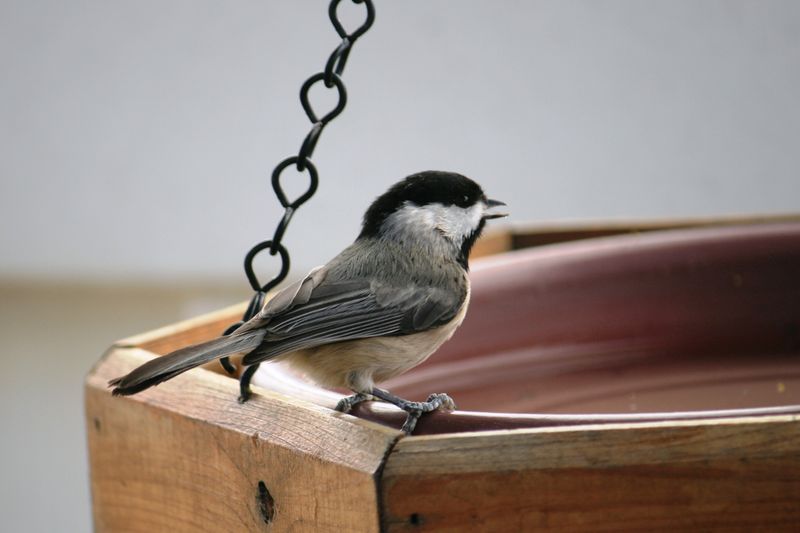
Here is a compliment worth celebrating. When chickadees crowd your feeder, they are telling you your yard feels safe. For a small bird, that is a very big deal.
Hawks, owls, and even outdoor cats are always on the lookout. Chickadees know this well. They prefer feeders close to trees and shrubs where they can dart for cover in a split second. An open lawn with a lone feeder feels risky to them.
Chickadees are also the alarm bells of the backyard. When they spot danger, they call out. The more dee notes at the end of their chick-a-dee call, the bigger the threat. Other birds listen closely and react.
Because of that, chickadees often bring friends. Tufted titmice, white-breasted nuthatches, and downy woodpeckers commonly travel with chickadee flocks in winter.
Kinglets and brown creepers may tag along too. It is like a traveling neighborhood watch group.
Want to make your yard even safer? Place feeders about ten feet from shrubs or trees. That is close enough for a quick escape, but not so close that cats can hide and pounce. Evergreens like pine and spruce give great winter shelter.
Keep cats indoors if you can. Put decals on big windows to prevent crashes. Clean feeders every few weeks with warm soapy water to stop sickness from spreading.
Once your Pennsylvania yard earns their trust, chickadees can become surprisingly bold. Some people even train them to eat seeds from an open hand.
Stand still, stay patient, and one day a tiny black-capped friend might land right on your fingers.