The Meaning Behind Coyotes Visiting Your Pennsylvania Yard
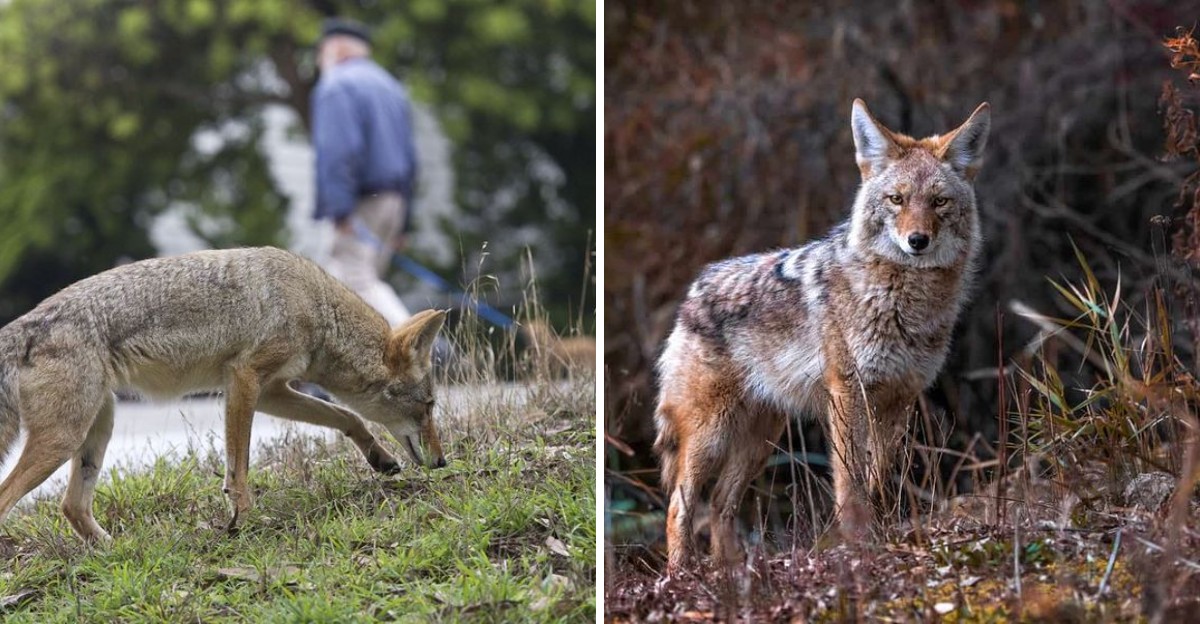
The coyotes roaming Pennsylvania aren’t quite like the ones you see in old Western movies. Eastern coyotes tend to be bigger and bulkier, and many carry a bit of wolf DNA from their family history.
Today, they’re found in every county in the state. That includes farms, forests, suburbs, and even city neighborhoods.
So when one trots across your yard, it’s natural to wonder what brought it there. Sometimes the answer is simple.
Coyotes follow food, and a yard with rodents, fallen fruit, or pet bowls left outside can be hard to resist.
Fall adds another twist. This is when young coyotes leave their families and set out to find territory of their own. That means more wandering and more sightings near homes.
A visit doesn’t always signal trouble, but it does tell you something worth paying attention to.
1. Coyotes Now Live Throughout Pennsylvania
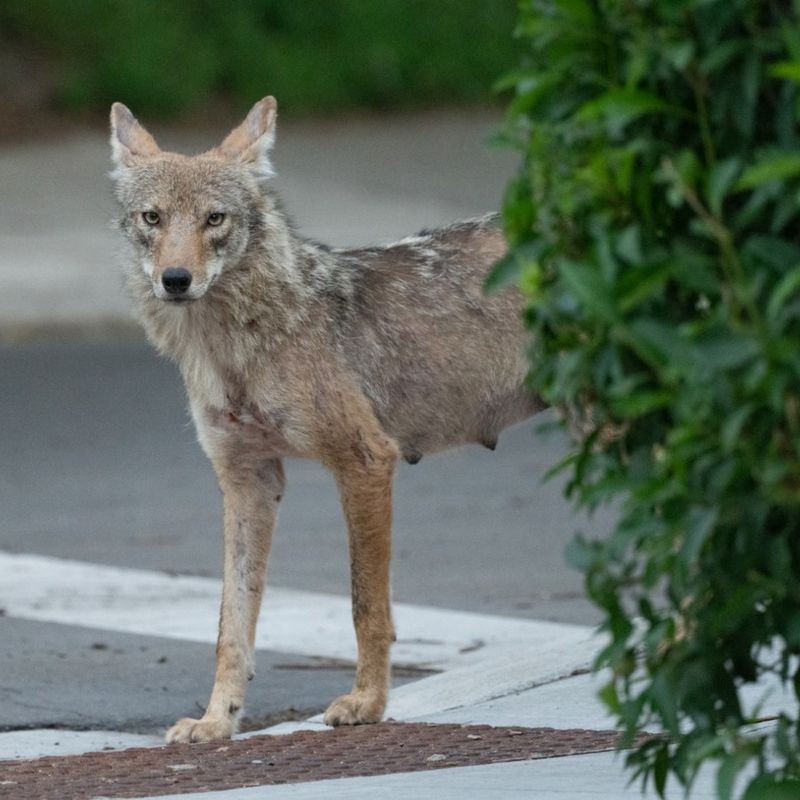
Fifty years ago, seeing a coyote in Pennsylvania was rare news. Today, these animals live in all 67 counties across the state.
You can find them on quiet farms, in thick forests, and even in busy suburbs near Philadelphia and Pittsburgh.
Coyotes did not always live here. They slowly moved east from the Great Plains over many decades.
As wolves disappeared from the region, coyotes filled the open space. They proved to be tough, smart, and very flexible about where they live.
The coyote in your yard is likely an eastern coyote. It is often bigger than coyotes out west. Many weigh between 35 and 45 pounds, while western coyotes often weigh closer to 25 pounds.
Scientists believe part of the reason is that eastern coyotes mixed with wolves long ago as they spread through Canada and the Great Lakes area.
Fun fact time! Some people call the eastern coyote a coywolf because of that wolf background.
DNA tests show many eastern coyotes carry a small amount of wolf and even dog genes. That mix may help them hunt larger prey and survive cold winters.
So what does this mean for you? A coyote sighting is not a strange event anymore. It is simply part of living in Pennsylvania today. Coyotes are here to stay, just like deer, raccoons, and foxes.
Knowing this can help you feel calmer. Instead of worrying, focus on learning their habits. Pay attention to when and where you see them. Talk with neighbors about sightings too.
Sharing what you notice helps everyone understand the local coyote activity and plan ahead.
2. It’s Searching For An Easy Meal
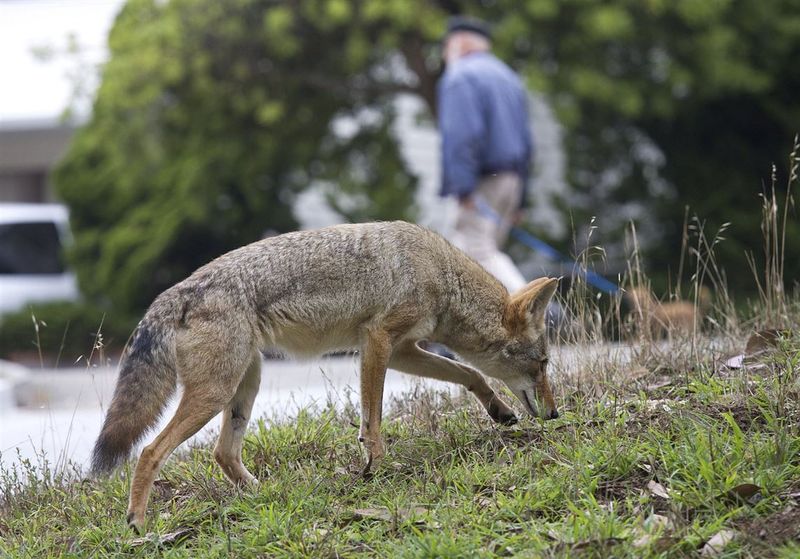
Hungry coyotes are not picky eaters. If food is easy to grab, they will happily take it. That is one of the biggest reasons they end up in backyards across Pennsylvania.
In the wild, coyotes eat many different things. Mice, voles, and rabbits make up a large part of their meals.
They also snack on berries, apples, insects, and even carrion, which is meat from animals that were already gone. When nature runs low, they look for other choices.
Your yard might be offering a free buffet without you knowing it. Pet food left on the porch is a big draw. Open trash cans can smell amazing to a coyote.
Your Pennsylvania Garden Changes Every Week. Your Plan Should Too.
Gardening in Pennsylvania changes quickly throughout the season. Every Friday you’ll receive a simple weekly plan showing exactly what to plant, prune, fertilize, harvest, and protect so you never miss the right timing.
Birdseed on the ground attracts rodents, and those rodents attract coyotes. Compost piles with meat scraps are another common magnet.
Once a coyote finds a reliable snack spot, it remembers. It may come back night after night, like a customer returning to a favorite diner. Over time, your home can become a regular stop on its route.
Here is the upside. You have a lot of control over this situation. Feed pets indoors whenever you can.
Use trash cans with tight lids, and keep them in a garage or shed until pickup day. Store grills clean, since grease drippings also smell tasty.
A quick nightly check of your yard can go a long way. Look for anything edible sitting out. Removing these easy meals tells coyotes your property is not worth the trip. Most will simply move on to find food somewhere else.
3. Your Yard Has Plenty Of Prey
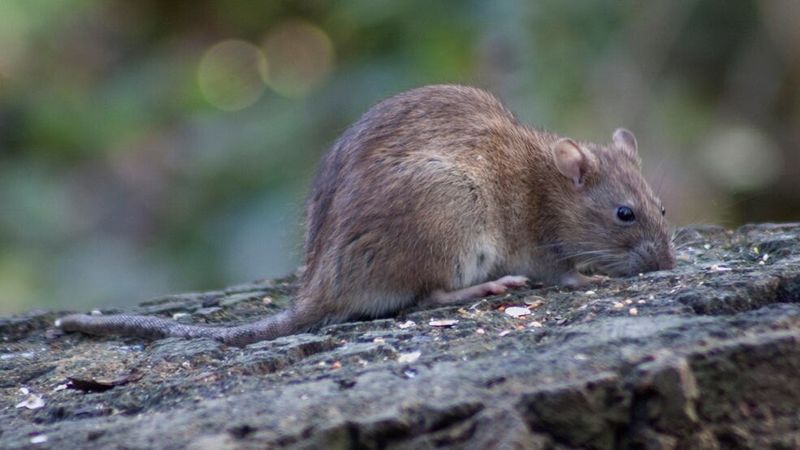
Ever watched a coyote leap high into the air and dive nose first into the grass? That move is called a mouse pounce. It is one of the coolest things to see, and it shows just how skilled these hunters really are.
Coyotes are expert rodent catchers. Their hearing is so sharp they can detect mice moving under grass or snow. They freeze, listen, and then spring. A single coyote may eat thousands of rodents in a year.
If a coyote keeps visiting, your yard may be full of small animals. Rabbits living under a deck are a common reason.
Chipmunks, voles, and squirrels can also bring in a hungry visitor. Tall grass, brush piles, and woodpiles give these little critters great hiding spots.
In some ways, that can be helpful. Coyotes act like free pest control. They keep rodent numbers down, which can protect gardens and reduce the spread of ticks that ride on mice. Farmers in Pennsylvania sometimes appreciate this natural help.
Still, you may not want a coyote hunting right outside your back door. There are simple ways to make your yard less inviting.
Keep grass mowed short. Clear away brush piles and stack firewood off the ground. Seal gaps under sheds and decks so rabbits cannot move in.
Fewer hiding spots mean fewer small animals. Fewer small animals mean less reason for a coyote to hang around.
It is a chain reaction that works in your favor. A tidy yard is not only nicer to look at, it also sends a clear message to wandering predators.
4. Your Property Is Part Of Its Travel Route
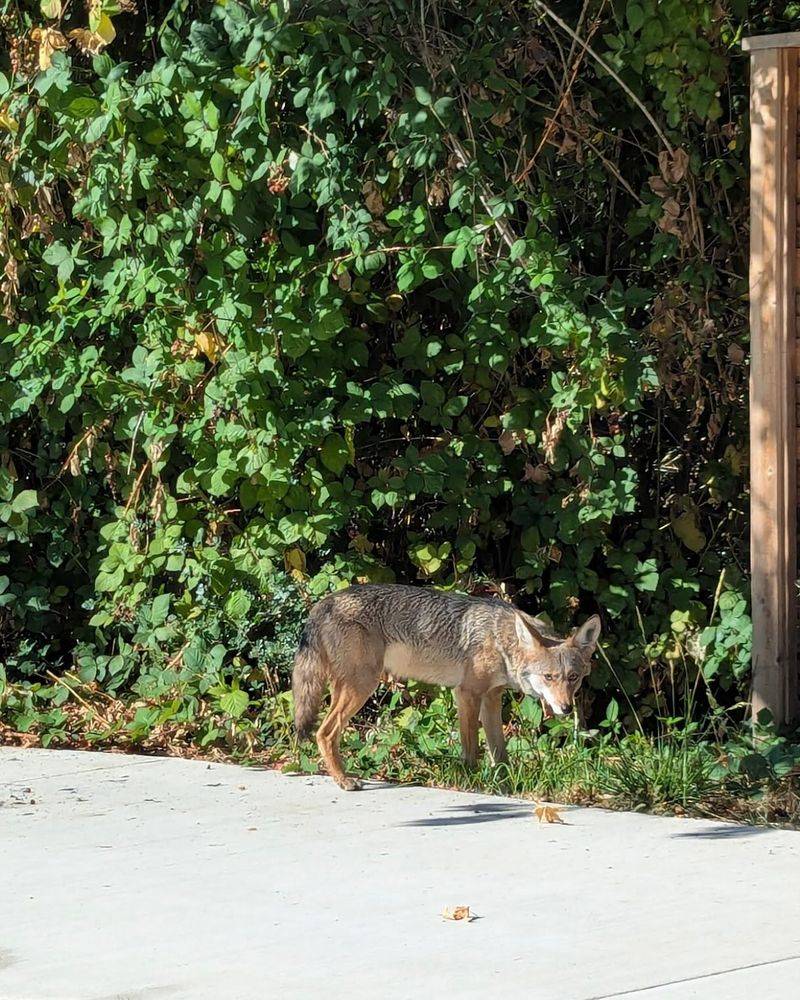
Some coyotes are not stopping by at all. They are just commuting. Your backyard may sit right on a path they use every single day.
Coyotes cover a lot of ground. A family group in Pennsylvania may claim a territory of two to ten square miles.
To patrol that space, they travel along familiar routes. These paths often follow creeks, power line clearings, railroad tracks, tree lines, and the edges of fields.
Backyards that border woods or open land are prime travel lanes. A coyote might slip through a gap in your fence, cross your lawn, and disappear into the trees on the other side. To you, it looks like a visit. To the coyote, it is just part of the morning walk.
You might notice a pattern if you pay attention. Maybe you see a coyote around the same time each evening. Maybe you spot tracks in the snow following the same line.
Trail cameras are a fun and affordable way to learn more. Many families enjoy seeing what wildlife passes through at night.
Quick tip: coyote tracks look like dog tracks, but they are more oval and narrow. The claws usually point straight ahead, and the prints tend to fall in a neat, straight line.
A passing coyote is usually not a problem. It is simply moving from one place to another. If you would like it to take a different path, fencing can help. A solid fence at least six feet tall, with a roller bar or buried base, makes crossing much harder.
5. It May Be Tied To The Season
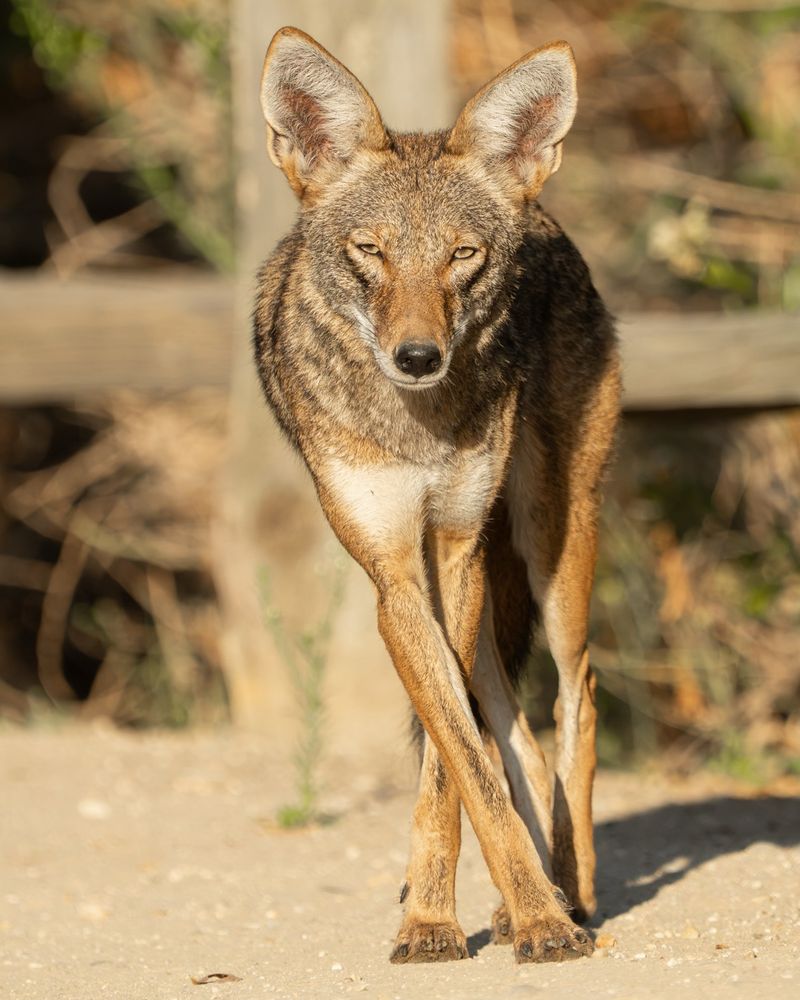
Autumn leaves, winter howls, spring pups. Coyotes follow a yearly calendar, and each season can change how often you see them.
Fall is moving season. Young coyotes born in spring are now grown up enough to head out on their own.
They leave their family groups in search of a new territory. These young travelers wander widely, sometimes into neighborhoods they have never seen before. That is why many people report more sightings from September through November.
Winter brings romance, coyote style. January and February are mating season. Coyotes become more active and much louder. You may hear yips, barks, and eerie group howls in the night.
Pairs travel together more often, and they may defend their space from other coyotes. Spring is all about family.
Pups are usually born in April or May. Parents dig dens or use old burrows under brush, rocks, or even sheds. During this time, adults can be protective. They may follow a dog walking near the den or bark to warn it away.
Knowing the calendar helps you plan. In spring, keep a closer eye on dogs, especially near wooded areas. If you find a den on your property, give it space. Families usually move on once pups are older, often by midsummer.
Did you know? A coyote group howling together can sound like ten animals, even when only two or three are calling.
Scientists call this the beau geste effect. So if the night sounds crowded, do not worry. There are probably fewer coyotes than your ears suggest.
6. It May Be Getting Too Comfortable Around People
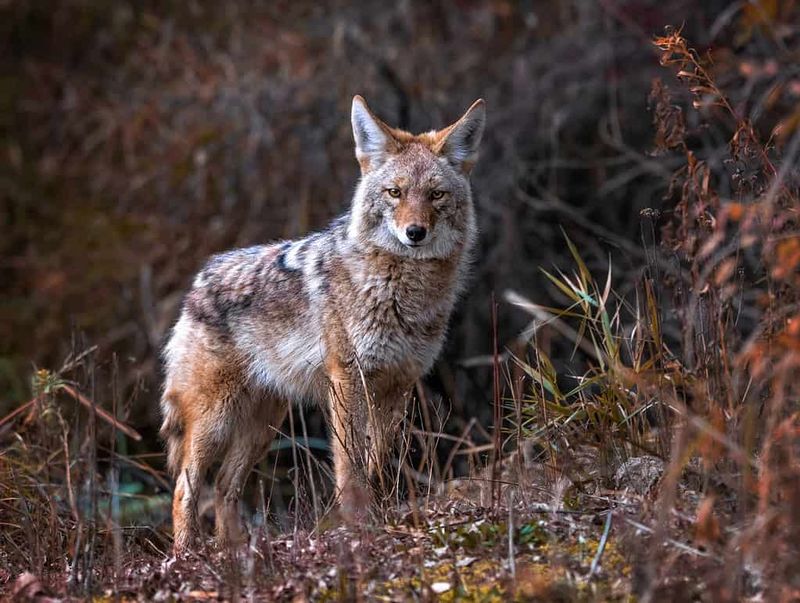
Most coyotes are shy. They would rather slip away than face a person. So when one stands and stares at you in broad daylight, that is worth noticing.
Seeing a coyote during the day is not always a warning sign. They sometimes hunt in daylight, especially in winter or when raising pups.
The real red flag is behavior. A coyote that does not run away, walks toward people, or hangs around porches may be losing its natural fear.
Usually, this happens because of food. Maybe someone in the neighborhood fed it on purpose. Maybe it found easy snacks again and again.
Over time, the coyote learns that people mean meals. That lesson can lead to bolder, riskier behavior.
The fix is called hazing, and it is surprisingly simple. Wildlife experts suggest making yourself big and loud.
Wave your arms, yell, stomp, and clap. Bang pots together or shake a can filled with coins. You can also spray it with a garden hose. Keep going until the coyote leaves the area.
Stay firm, but never corner it or chase it into a tight space. Always give it a clear way out. Most coyotes will bolt quickly once you make a fuss.
Get your neighbors on board too. Hazing works best when everyone does it. If one house scares the coyote and another feeds it, the animal gets mixed messages.
If a coyote seems sick, acts strangely, or will not leave, contact the Pennsylvania Game Commission for help and advice.
7. It’s Time To Protect Pets And Remove Attractants
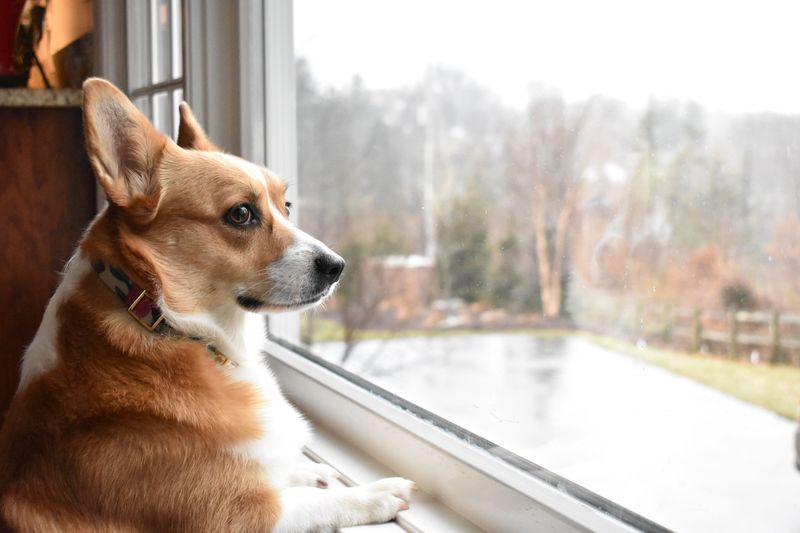
Your fluffy cat and tiny terrier are family. To a coyote, though, a small pet can look like prey. A coyote visit is your cue to tighten up safety at home.
Start with cats. Keeping them indoors is the safest choice. Indoor cats also stay away from cars, fights, and diseases. If your cat loves fresh air, try a screened porch or a catio.
Small dogs need watchful eyes. Stay outside with them, even in a fenced yard. Coyotes can jump or dig under many fences. Dawn and dusk are the busiest coyote hours, so be extra alert then.
Walk dogs on a short leash rather than a long retractable one, and carry a whistle or flashlight.
Next, look at your yard with fresh eyes. Bring pet food and water bowls inside. Lock trash cans or store them in a garage.
Pick up fallen apples, pears, and berries from fruit trees. Clean spilled birdseed, or switch to feeders with trays that catch the mess.
A few extra upgrades can help too. Motion sensor lights may startle a curious coyote. Chickens and rabbits need sturdy coops with wire on all sides, including the floor. Close them up every night without fail.
None of this has to feel stressful. Think of it as a simple home routine, like locking the front door.
With a few smart habits, your yard becomes boring to coyotes. Your pets stay safe, and you can enjoy seeing Pennsylvania wildlife from a comfortable distance.