The Orange Berries Decorating New Jersey Porches This Fall Can Quietly Plant Trouble In Nearby Woods
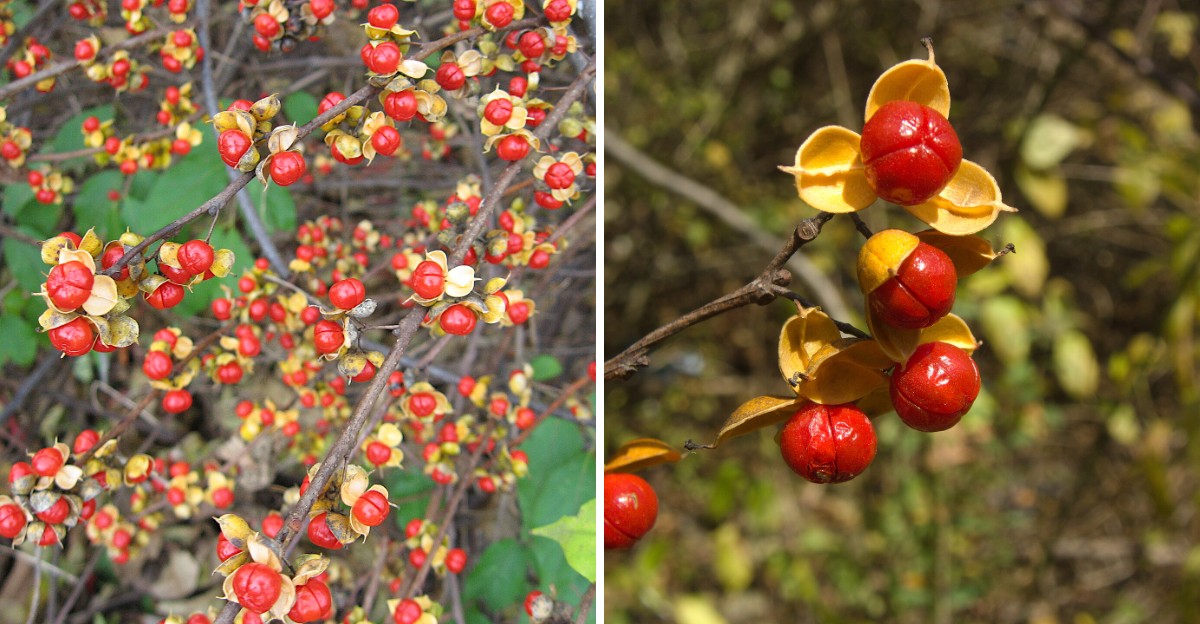
Did you check the label on that bright berry wreath? Yours may be Oriental bittersweet, a vine imported from East Asia.
Yellow husks split open to reveal scarlet berries that glow against your shingles. Birds spot your display too and swallow the berries whole.
They fly into New Jersey woodlands and drop seeds with built-in fertilizer. Seedlings sprout beneath your oaks by spring.
Vines coil upward, tighten around trunks, and shade out the canopy. Heavy tangles even snap limbs when winter ice settles on them.
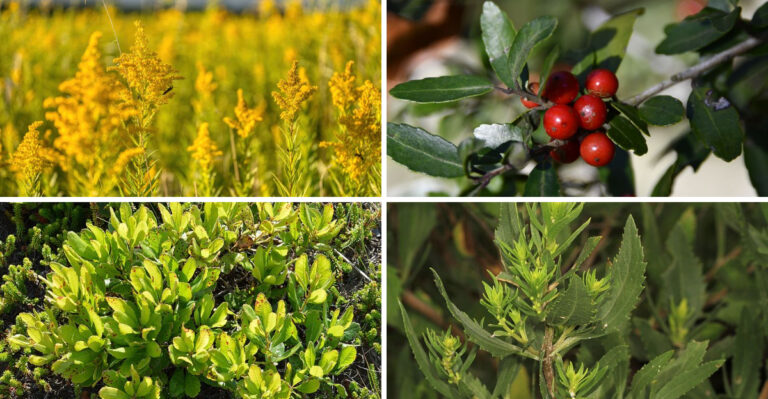
Across New Jersey, you can spot that damage along highways and woodlots. Swap your bittersweet for winterberry holly, which feeds birds without invading woods.
Look for clusters at the stem tips, which mark the native American species. Ask florists where they sourced their greenery before you pay. Your porch can look striking without recruiting trouble.
Oriental Bittersweet Is The Porch Berry Behind The Problem
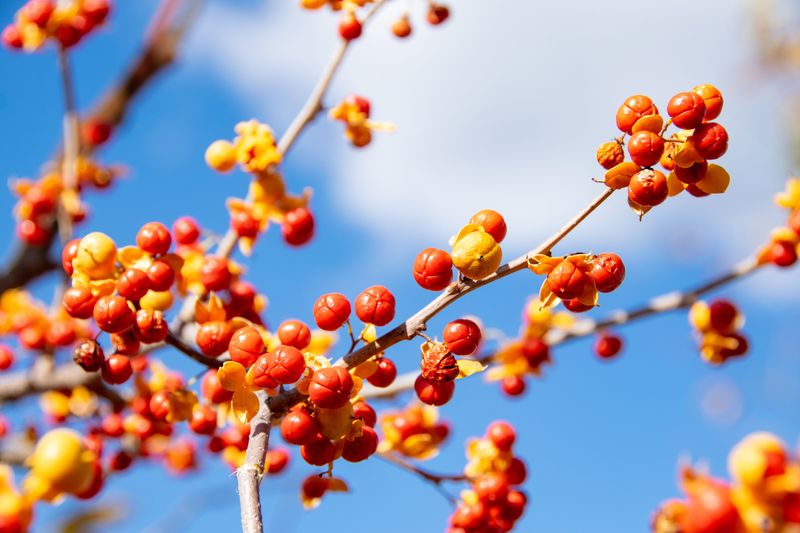
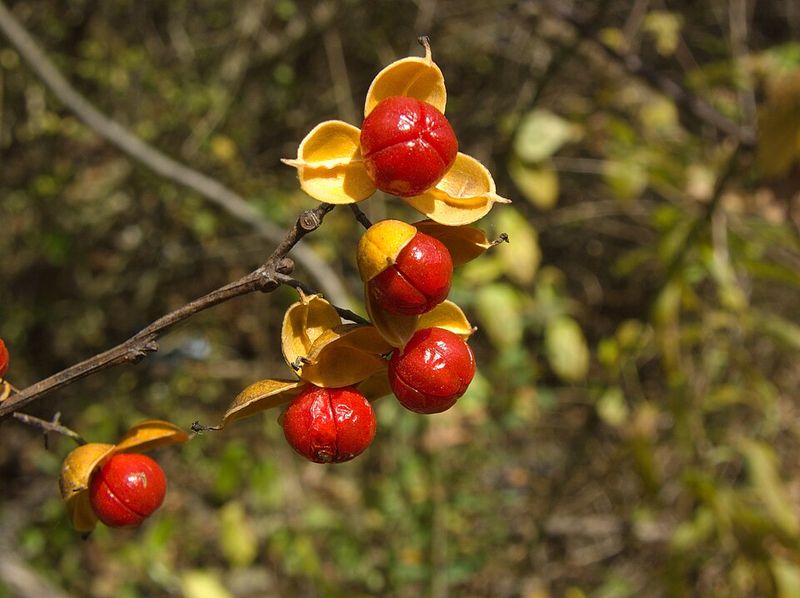
Picture a wreath of curly vines with yellow husks splitting open to show glossy orange berries. That pretty plant is Oriental bittersweet, and it came from East Asia in the mid-1800s.
People brought it to America as a garden ornament because the colors looked so cheerful. Few expected it to escape the garden and start spreading into forests across the Northeast.
Today, it appears on New Jersey’s invasive plant lists, which means it can harm the local environment. It grows fast, sometimes adding ten feet or more of new vine in a single season.
The vine wraps around young tree trunks like a tight spiral staircase. As the vine thickens, it squeezes the bark and blocks the flow of water and food inside the tree.
Heavy tangles also pile up in the treetops and act like big sails during summer storms. Strong winds or wet snow can then snap branches or topple whole trees.
Some craft stores, farm markets, and roadside stands sell bundles of it each fall, often without a warning label. Shoppers simply see a lovely natural decoration that matches their pumpkins.
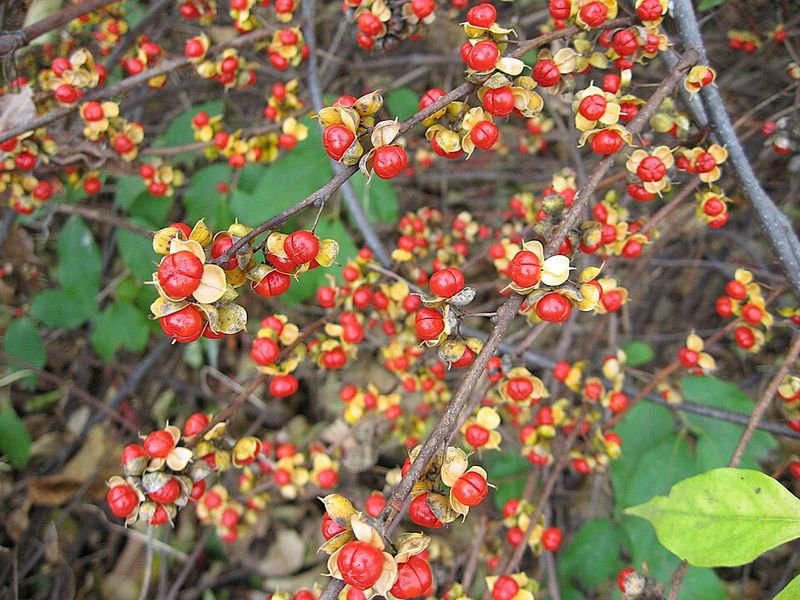
A native cousin called American bittersweet looks similar but is less aggressive. Its berries grow at the tips of the stems, while the invasive kind clusters berries along the vine.
Checking where the berries sit on the vine is a quick way to tell them apart. If the berries hug the stem every few inches, you are likely holding the invasive species.
Birds As The Delivery Crew For Bittersweet Seeds
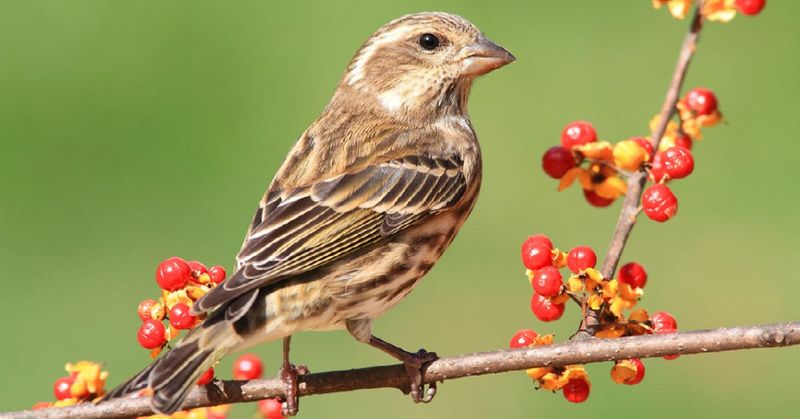
A plump robin perched on your porch railing might look like a sweet autumn visitor. To an invasive vine, that bird is a free delivery service with wings.
Birds such as robins, starlings, and cedar waxwings love the bright berries in late fall and winter. They swallow the fruit whole, and the hard seeds pass right through their bodies.
Soon after, those seeds land in droppings, often far from your house. Each dropping works like a tiny packet of fertilizer for the brand new sprout.
Forest edges, old hedgerows, and backyard tree lines are favorite landing spots for these birds. Those same sunny places offer bright light that helps young bittersweet vines grow.
Your New Jersey Garden Changes Every Week. Your Plan Should Too.
Gardening in New Jersey changes quickly throughout the season. Every Friday you’ll receive a simple weekly plan showing exactly what to plant, prune, fertilize, harvest, and protect so you never miss the right timing.
A single plant can produce hundreds of berries, and each berry holds several seeds. Multiply that by a whole porch display or wreath, and the numbers add up quickly.
Birds can carry seeds a mile or more from the original plant. So a wreath in Montclair could spark a new tangle in a park across town.
Squirrels, chipmunks, and mice help spread seeds too, though usually across much shorter distances. They bury or drop berries while snacking, giving the seeds another chance to sprout.
Hanging bird feeders filled with seeds or suet can tempt some birds away from the berries. Still, the best move is keeping the vine off your porch in the first place.
Late Fall As The Peak Season For Spreading
In October, New Jersey fills with corn mazes and pumpkin patches. That timing overlaps with the moment bittersweet berries ripen.
The yellow outer shells split open in early fall, revealing the orange berries inside. Crafters cut the vines at this exact stage because the colors look their best.
Those berries stay on the vine well into winter, long after many other wild fruits have dropped. Hungry birds searching for food in December and January find them easy to grab.
Many people keep their wreaths up from Halloween through Thanksgiving, and some leave them out until spring. More time outdoors gives birds more chances to carry seeds away.
Wind, heavy rain, and curious pets can knock loose berries onto lawns and flower beds too. Those fallen seeds may sprout next spring right beside your own front steps.
Germination usually happens in April or May, when the soil warms and the days grow longer. Tiny seedlings can hide under raked leaves and mulch, so many homeowners miss them at first.
Timing your cleanup matters. Taking decorations down by mid November cuts the chance of hungry winter birds snacking on the berries.
Set a phone reminder for early November to check your porch, mailbox, and door. A quick sweep reduces the chance of new seedlings next spring.
The Compost Pile Mistake That Spreads Seeds
Tossing an old wreath onto the compost heap feels like an earth-friendly choice. Unfortunately, it is a common mistake among well-meaning gardeners.
Typical backyard compost piles do not get hot enough to break down tough bittersweet seeds. Those hardy seeds can survive the whole pile and spread right along with your finished compost.
Next spring, you proudly spread that rich soil around tomatoes, peppers, and flower beds. Before long, curly little vines pop up and start reaching for the nearest fence or shrub.
Another common slip is dumping old wreaths at the edge of the woods behind the house. It seems harmless, since the vines look natural out there, but it plants a brand new patch.
Burning the vines in a fire pit is not a safe fix either. New Jersey restricts open burning of vegetative waste, so check NJDEP rules first.
Cut vines left in a messy heap can even stay alive for quite a while. Pieces of root and stem may sprout again if they touch damp, shady soil.
Kids often grab pretty berries off decorations, which is another way for seeds to travel. The berries can upset the stomach if eaten, so keep them out of reach.
Each berry holds seeds that can sprout if left outdoors. Treating the whole wreath as household trash, not yard waste, keeps those seeds from spreading.
Safe Disposal And Smart Removal In The Yard
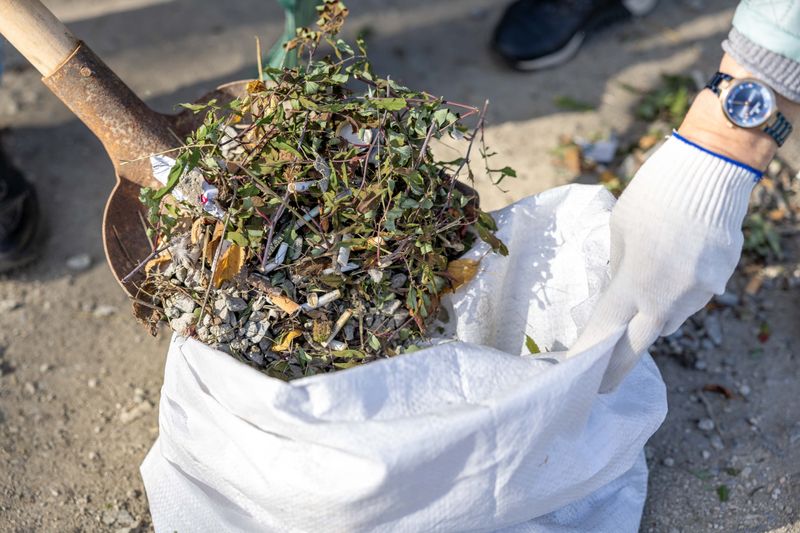
Grab a sturdy trash bag, because the fix is simpler than you might expect. Extension guidance suggests bagging bittersweet decorations tightly and sending them out with regular household garbage.
Shake the wreath over the bag first so loose berries do not scatter across the porch. Then sweep up any stragglers and toss them in too.
Spotted some young vines already creeping around your yard? Small seedlings pull out fairly easily when the soil is soft and moist after a good rain.
Grip the stem low and wiggle gently to bring up the bright orange root. That root color is a handy clue that you found the right plant.
Bigger vines climbing trees need a different plan. Cut each vine near the ground and again at about waist height, leaving the upper part to wither on its own.
Skip yanking vines from high branches, since that can tear bark or drop heavy limbs. The upper section will dry out and loosen its grip over time.
Roots left behind will try to sprout again, so check the stumps every few weeks. Some homeowners use a targeted herbicide on fresh cuts, following the label directions carefully.
Wear gloves, long sleeves, and sturdy shoes while you work around thorny brush. If the tangle covers a big area, calling a local tree service or county extension office is smart.
Rutgers Cooperative Extension offers free advice for New Jersey residents dealing with invasive plants. A quick call or email can save you hours of guesswork and sore muscles.
Porch Swaps For A Beautiful, Lower-Risk Display
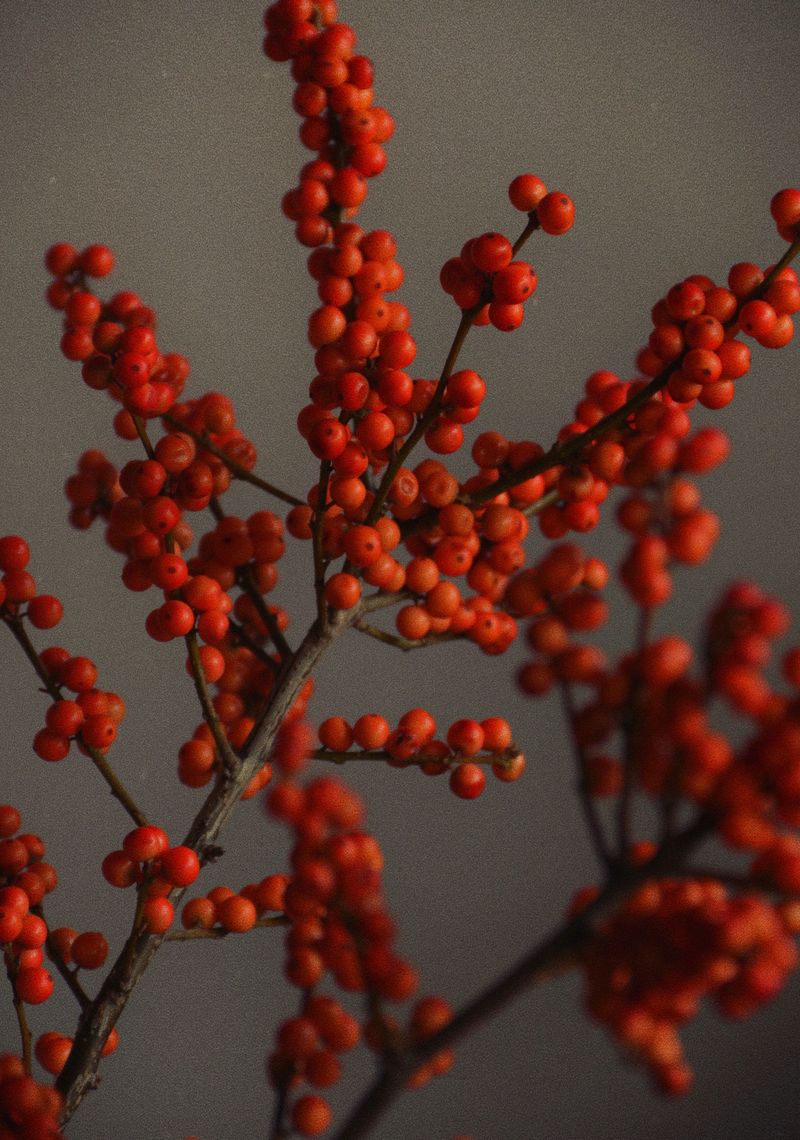
Good taste and good stewardship can share the same front porch. Plenty of native plants deliver that same fiery fall color without sneaking into the forest.
Winterberry holly is a star choice, with bright red berries that glow on bare branches. Cut stems last for weeks in a vase or tucked into a door wreath.
American bittersweet, the native cousin, is another option if you buy it from a trusted grower. Ask the seller to confirm the species, since the two plants get mixed up often.
Dried hydrangea heads, wheat bundles, and colorful gourds also add warm texture to any display. Mini pumpkins and flint corn bring that classic Jersey farm-stand feel.
Pinecones, sycamore balls, and oak leaves from your own yard cost nothing at all. A glue gun and an afternoon can turn them into a one-of-a-kind wreath.
Planting native shrubs like winterberry or spicebush helps local birds too. Plant both male and female shrubs so the female plants produce berries.
Their berries give robins, catbirds, and other local birds healthy food without spreading invasive seeds into the woods.
Share what you learn with friends and neighbors, kindly and without lecturing. Some people have no idea their pretty wreath could cause problems down the road.
One friendly conversation can help protect nearby woodland from tightening vines. Some garden clubs and nature centers across New Jersey host fall wreath workshops using native materials, so check local listings.