The Native Pennsylvania Shrub That Feeds Wildlife All Winter
By January, most Pennsylvania yards look pretty gray. The leaves are long gone, the flower beds are asleep, and snow covers just about everything. Then there’s this shrub.
After its leaves drop in the fall, its bare branches stay packed with bright red berries. Against a snowy backdrop, the color is almost startling.
It’s one of the few plants that looks its best when the rest of the garden has checked out for the season.
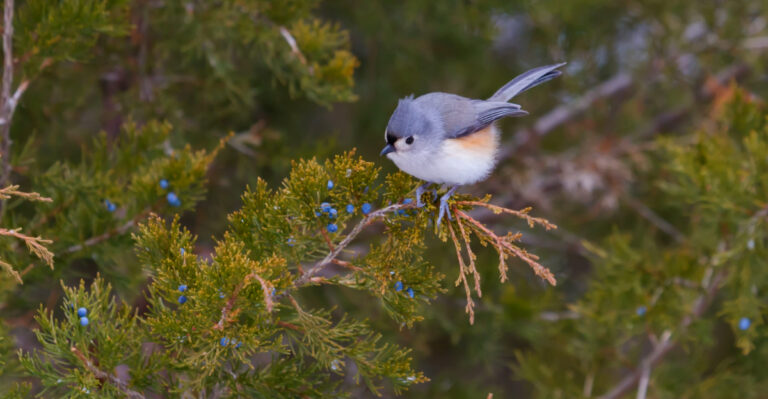
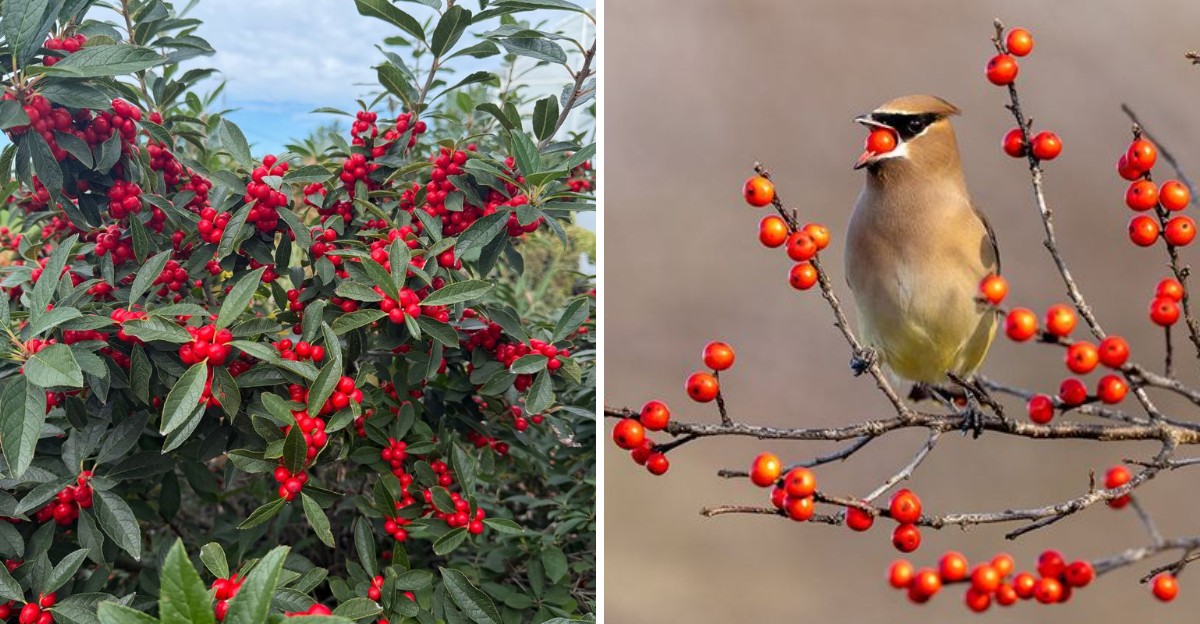
Birds notice, too. Robins, bluebirds, cedar waxwings, and mockingbirds flock to those berries when other food gets scarce. Many of the berries hang on well into late winter, right when hungry birds need them most.
This native also handles wet soil, cold snaps, and harsh winds with ease. For anyone who wants more color and more wildlife through the coldest months, it’s a smart pick.
A Winter Food Source
Walk along a Pennsylvania creek in January, and you might spot a flash of red among the brown twigs.
That bright color often belongs to winterberry holly. It is one of the most cheerful sights in a cold, quiet forest.
Winterberry is a native shrub. That means it grew here long before people planted gardens.
You can find it in wet woods, swamps, and along streams all across the state. Its scientific name is Ilex verticillata, and it is a true member of the holly family.
Most people think of holly as a plant with shiny green leaves all year. You know the kind, with spiky leaves used in holiday wreaths. Winterberry is different. It drops its leaves in the fall, just like a maple or an oak.
Losing its leaves might sound like a bad thing, but it is actually the secret to its beauty. Once the leaves fall, the berries are left on full display.
Every branch looks like it has been dipped in red beads. Birds can spot the fruit easily from far away.
Native plants like winterberry matter a lot to local wildlife. Birds and other animals have lived alongside them for thousands of years.
They know how to find the fruit, and their bodies are used to eating it. Plants from other countries do not always offer the same value.
Here is a helpful tip. If you want to see winterberry in the wild before you buy one, visit a state park with wetlands in late fall.
Look near ponds and marshy edges. Seeing it grow naturally will give you great ideas for where to place it in your own yard.
Berries That Last Through The Cold Months
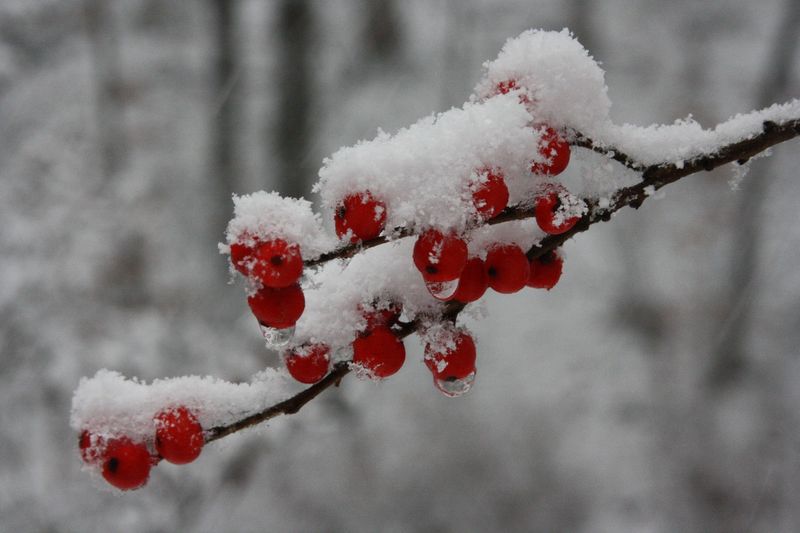
Some foods vanish fast, while others stick around like leftovers in the fridge. Winterberry fruit falls into the second group. The berries ripen in early fall and often hang on the branches until late winter.
Why do they last so long? Part of the answer is taste. Birds do not rush to eat winterberry right away. The berries are not their first pick when juicy fruits like dogwood and wild grapes are still around.
Your Pennsylvania Garden Changes Every Week. Your Plan Should Too.
Gardening in Pennsylvania changes quickly throughout the season. Every Friday you’ll receive a simple weekly plan showing exactly what to plant, prune, fertilize, harvest, and protect so you never miss the right timing.
That turns out to be a very good thing. As winter goes on, other food sources run out. Bugs are hiding.
Seeds get buried under snow. Most other berries have been picked clean. Then, winterberry becomes a lifesaver.
Think of it as a backup pantry for birds. When a big storm hits in February, a flock can land on a winterberry bush and fill up. The berries give them energy to stay warm through long, freezing nights.
Cold weather also seems to change the berries a bit. Many people notice that birds eat more of them after a few hard freezes.
Some experts think freezing softens the fruit and makes it easier to eat. Either way, the timing works out well for hungry wildlife.
Want to make your berries last even longer? Try not to cut too many branches for holiday decorations. It is tempting, because they look lovely in a vase. Still, every branch you leave outside is food for a bird later on.
A good rule is to snip no more than a few stems. Take them from the back of the shrub where they will not be missed. That way, you get a little indoor color, and the birds still get their winter meals.
A Favorite Of Winter Birds
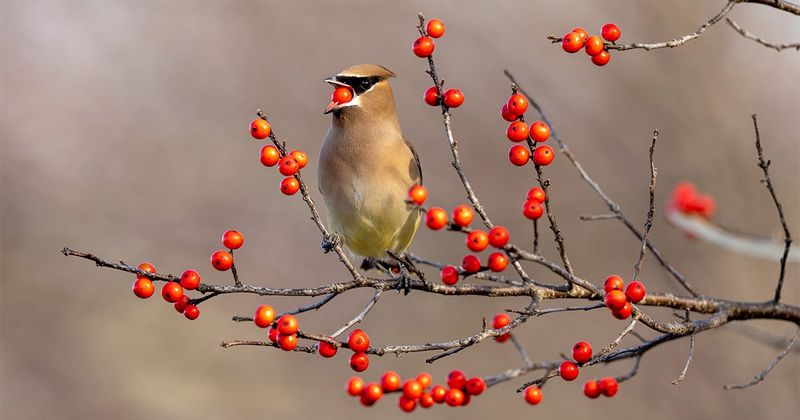
Grab your binoculars, because the show is about to start. A winterberry shrub loaded with fruit can pull in more birds than a fancy feeder. On a cold morning, it might look like a party is going on in your yard.
American robins are some of the biggest fans. Many people think robins fly south for winter, but lots of them stay in Pennsylvania.
They gather in groups and roam around looking for fruit. When they find winterberry, they often strip it in a day or two.
Eastern bluebirds love the berries too. Their bright blue feathers look amazing against the red fruit. If you get lucky, you might snap a photo worthy of a nature magazine.
Cedar waxwings are another treat to watch. These sleek birds travel in tight flocks and have a funny habit. Sometimes they pass a berry from one bird to the next down a branch, almost like sharing a snack.
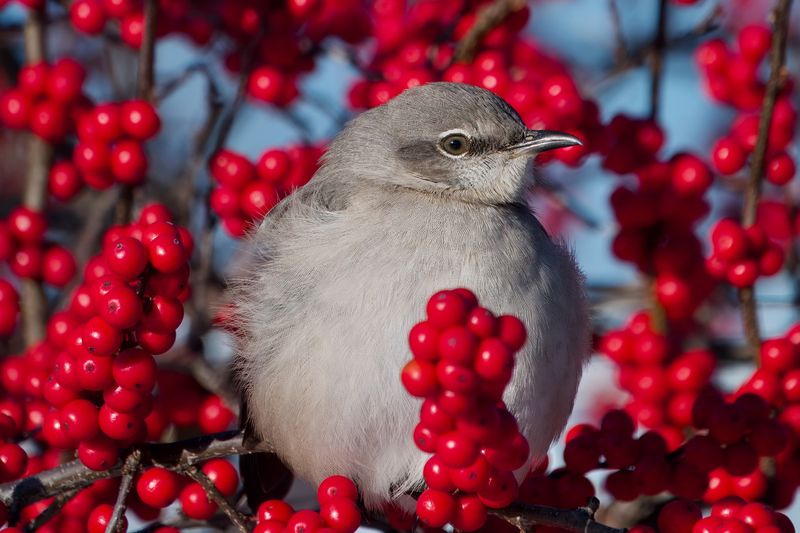
Northern mockingbirds may also show up. They can get bossy and try to guard a bush from other birds.
Other visitors include hermit thrushes, gray catbirds, and even wild turkeys. Some small mammals will nibble fallen fruit as well.
Fun fact! A single healthy shrub can hold hundreds or even thousands of berries. That is a lot of meals packed onto one plant.
For the best viewing, plant your winterberry where you can see it from a window. A kitchen or living room view works great.
Keep a bird guide nearby so you can name your visitors. Kids especially enjoy keeping a list of every new bird they spot during the season.
Plant Both Male And Female Shrubs
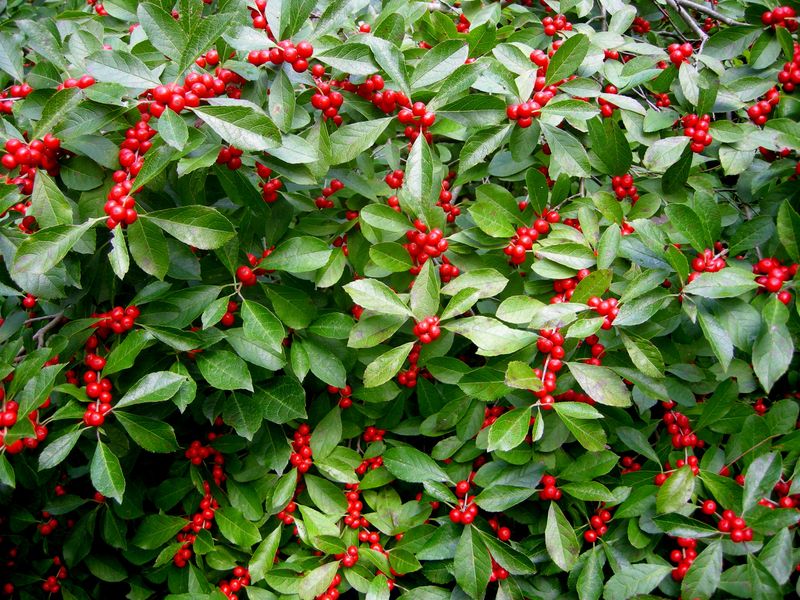
Here is a mistake many new gardeners make. They buy one winterberry, plant it, and wait. Then fall comes, and there is not a single berry in sight.
The reason is simple once you know it. Winterberry plants are either male or female. Only the female shrubs grow berries. However, they cannot do it alone. They need pollen from a male shrub nearby.
In early summer, both plants make tiny flowers. Bees carry pollen from the male flowers to the female flowers. Once that happens, the females can start forming fruit. Without a male in range, the flowers just fade away.
So how many of each do you need? One male can usually pollinate several females. A common guide is one male for every five to ten female plants. Try to keep them within about 50 feet of each other so bees can travel easily.
Timing matters too. Male and female plants must bloom at the same time. Some types flower early, and others flower late. That is why nurseries often sell matched pairs.
For example, the male variety called Jim Dandy pairs well with early blooming females like Red Sprite.
Another male, Southern Gentleman, works with later bloomers such as Winter Red. Ask the nursery staff which male goes with the female you pick. They are usually happy to help.
One more handy tip is to check the plant tags carefully. Males are sometimes labeled as pollinators.
You can tuck the male shrub into a less visible spot, since it will not have berries to show off. Let the females take center stage where everyone can enjoy them.
Easy To Grow In Wet Or Tricky Spots
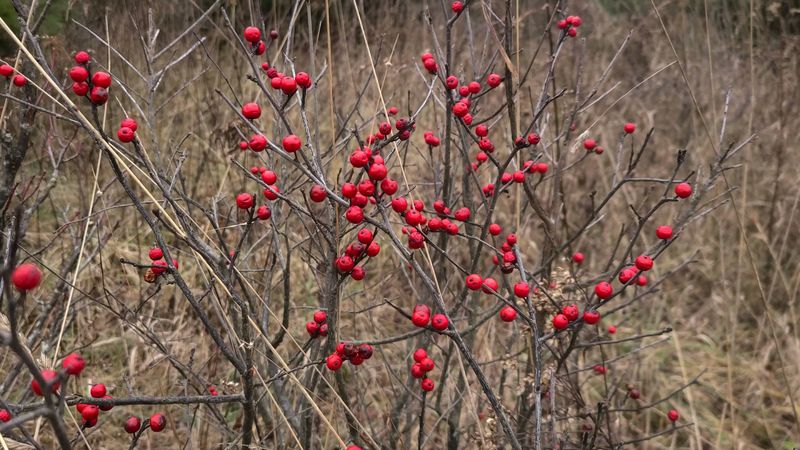
Got a soggy corner where nothing seems to grow? Good news, winterberry might be the answer to your problem. It actually likes the spots that make other shrubs sad.
In nature, winterberry grows in swamps and along stream banks. Its roots are used to damp ground. That means it can handle wet soil that would rot the roots of many common garden plants.
Because of this, winterberry is a smart pick for rain gardens. A rain garden is a low area that catches water running off your roof or driveway. The plants soak up the water and help clean it before it flows away. Winterberry fits right in.
It also grows fine in regular garden soil, as long as it does not dry out too much. The key is moisture. During a long, hot summer, give it a good drink once a week if it has not rained.
Soil type matters as well. Winterberry prefers acidic soil, which is common in much of Pennsylvania.
If your soil is too alkaline, the leaves may turn yellow. A cheap soil test from a garden center or your county extension office can tell you what you have.
Sunlight is the next thing to think about. The shrub grows in full sun or part shade. Still, more sun means more flowers, and more flowers mean more berries. Aim for at least six hours of sunlight a day if you want a big crop.
Finally, add a layer of mulch around the base. Shredded bark or pine needles work well. Mulch keeps the soil moist, blocks weeds, and even helps keep the soil a bit acidic over time.
Year-Round Benefits For Your Yard
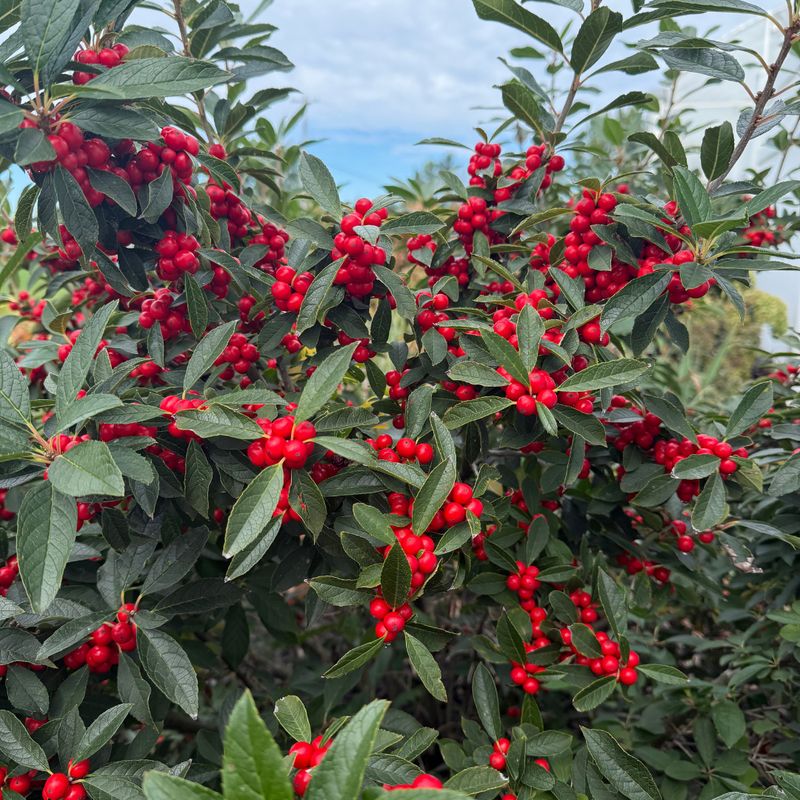
Winter may be when winterberry shines brightest, but it works hard all year long. From spring to fall, it quietly gives back to your yard in many ways.
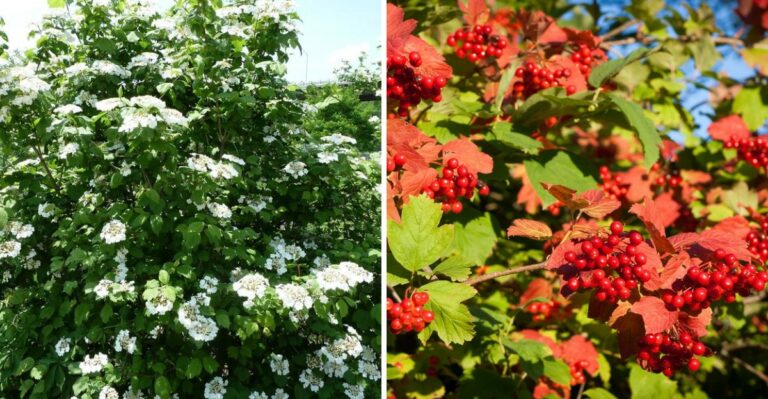
Early summer brings the first surprise. Small white flowers pop open along the branches. They are not flashy, but bees and other pollinators adore them. Honeybees, bumblebees, and native bees all stop by for a sip of nectar.
Supporting pollinators is a big deal. These tiny helpers are needed for many of the fruits and vegetables we eat. By planting winterberry, you give them a safe place to feed.
During summer, the shrub stays full and green. It makes a nice natural hedge or a border along a fence.
In fall, the leaves may turn yellow before dropping. Then the red berries take over and carry the show through winter.
Size is another thing to plan for. Most varieties grow about 6 to 10 feet tall and just as wide. Some compact types stay closer to 3 or 4 feet, which is great for small yards. Check the tag so you pick the right one for your space.
There is one safety note to remember. The berries are mildly toxic to people and pets. Eating them can cause an upset stomach. Teach children not to taste them, and keep an eye on curious dogs.
In the end, the berries are best left for the birds. They were made for them, after all. Plant a few shrubs this spring, and you will have flowers, green leaves, colorful fruit, and happy wildlife visitors in every single season.