Most Pennsylvania Gardeners Walk Right Past This Native Perennial Without Knowing What It Is
There is a native Pennsylvania perennial growing along roadsides, woodland edges, and unmaintained fields across the state that most gardeners pass by without a second glance.
It does not have the showy reputation of the plants people seek out at nurseries, and it has never been heavily marketed or featured on the covers of gardening magazines.
What it does have is a quiet usefulness that puts most cultivated garden plants to shame, a bloom period that fills a gap in the season when pollinators need support most, and a naturalness in the Pennsylvania landscape that no imported plant can replicate.
Once someone learns to identify it and understands what it actually does, the reaction tends to shift quickly from indifference to genuine appreciation.
It is one of those plants that rewards a closer look, and once you start noticing it, you start seeing it everywhere you go.
1. Meet The Overlooked White Wood Aster
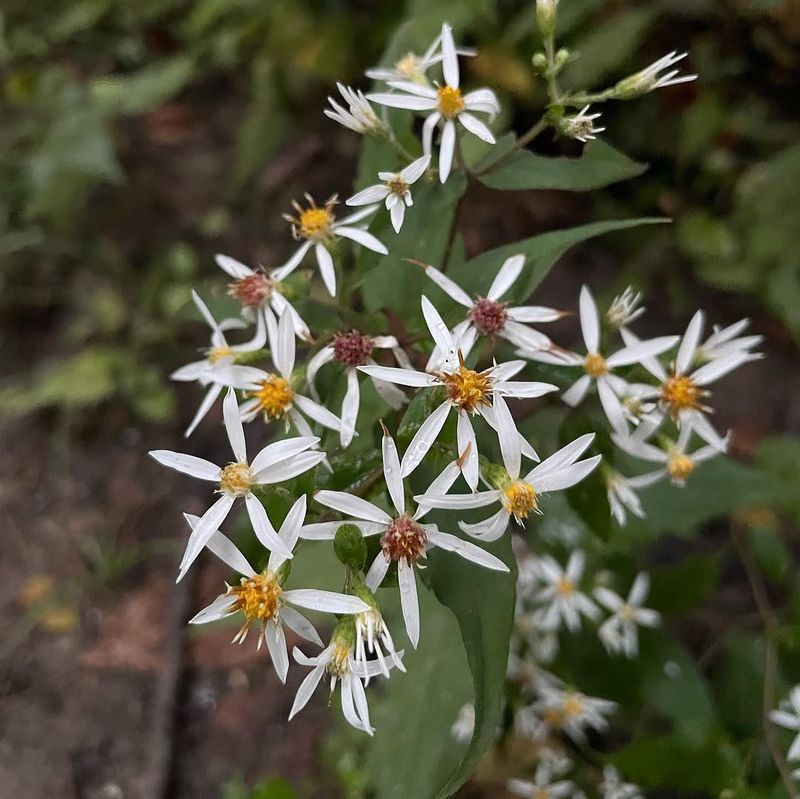
Walk through almost any Pennsylvania woodland in late summer or early fall, and you might notice a low-growing plant covered in tiny white flowers. Most people assume it is just a weed and keep moving.
That plant is White Wood Aster, and it is one of the most underappreciated native perennials in the entire state.
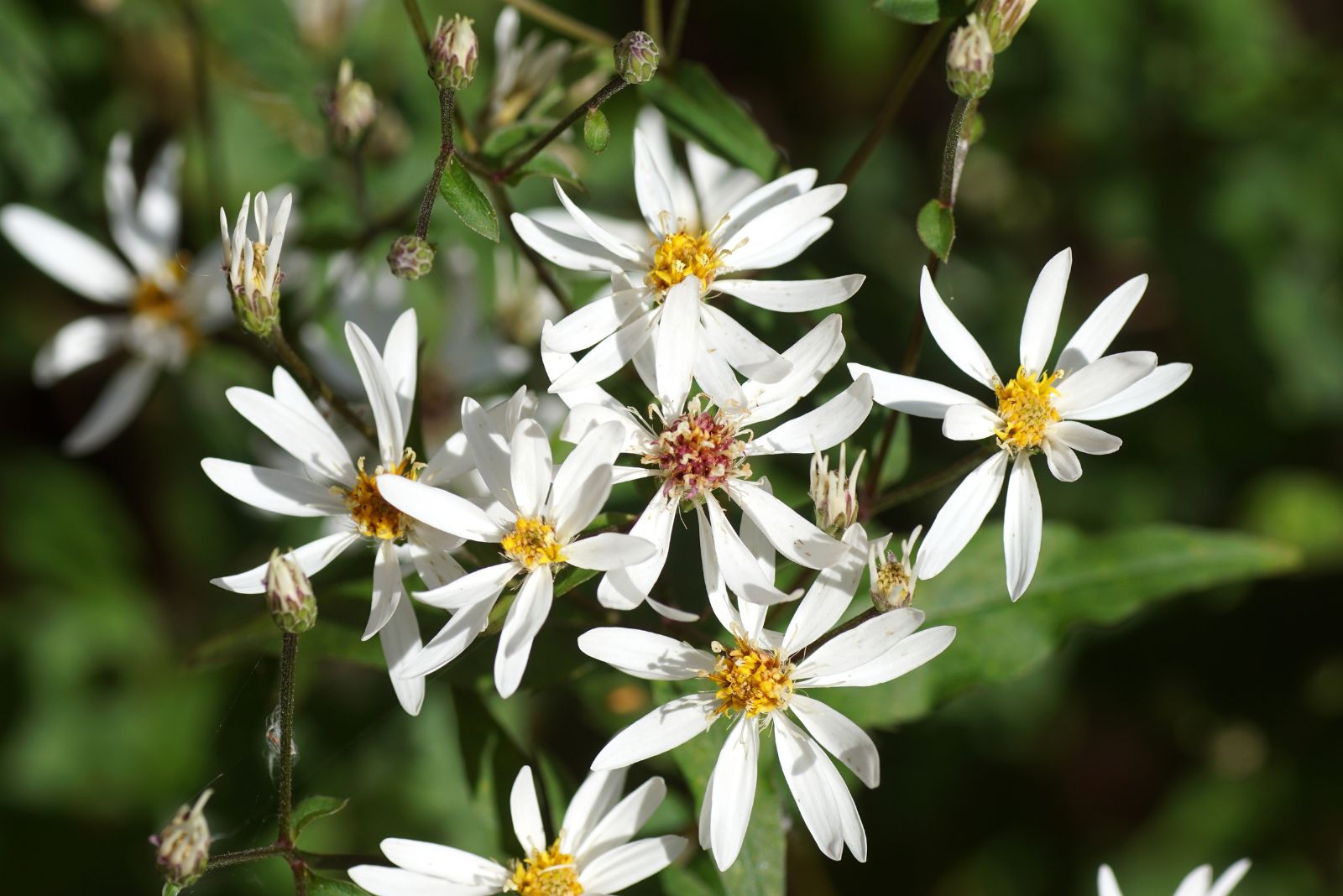
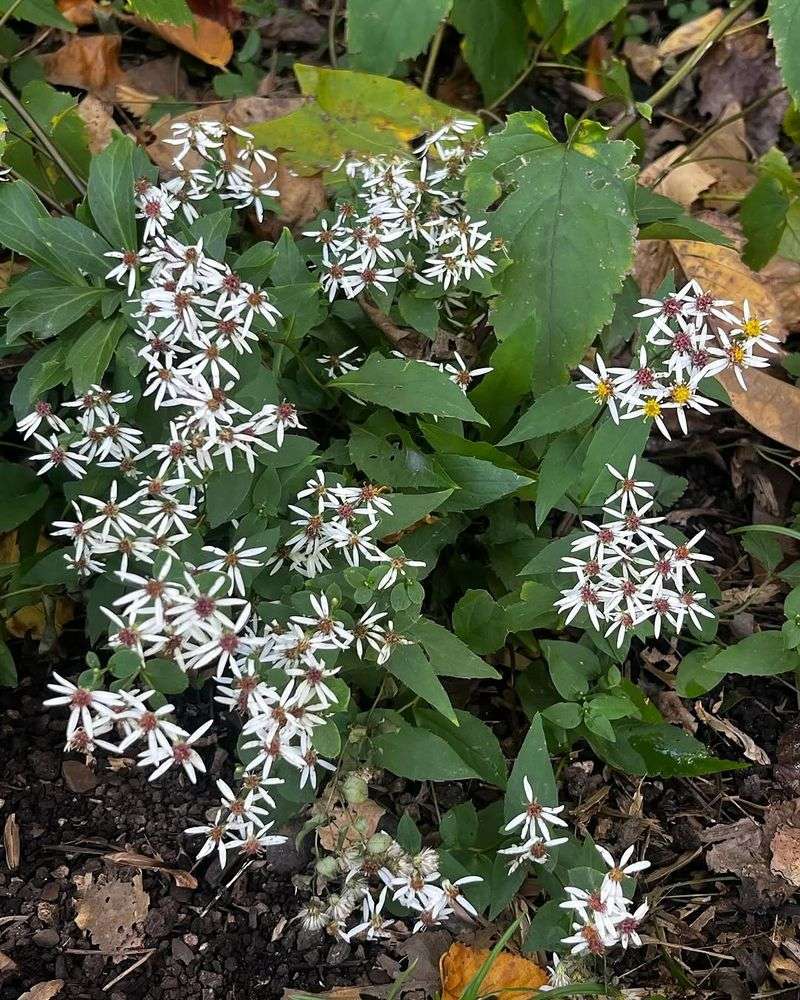
White Wood Aster, known by its scientific name Eurybia divaricata, has been quietly growing in Pennsylvania forests for hundreds of years. It has dark green, heart-shaped leaves and wiry, arching stems that give it a relaxed, natural look.
When those small, white daisy-like flowers open up in late August through October, the plant transforms shaded spaces into something truly beautiful.
Here is the thing: most gardeners overlook it simply because it does not look flashy. It is not a bold, tropical-looking plant.
It does not scream for attention. But that quiet charm is exactly what makes it so special in a garden setting.
Pennsylvania gardeners are always searching for plants that handle shade well, bloom late in the season, and require minimal care.
White Wood Aster checks every single one of those boxes. It is a plant that earns its place without demanding anything in return.
Once you know what to look for, you will start spotting it everywhere on hiking trails, along wooded roadsides, and tucked beneath old oak trees.
Recognizing it is the first step to appreciating it. And once you appreciate it, you will want it in your own backyard without question.
2. It Thrives In Shade And Partially Shaded Areas
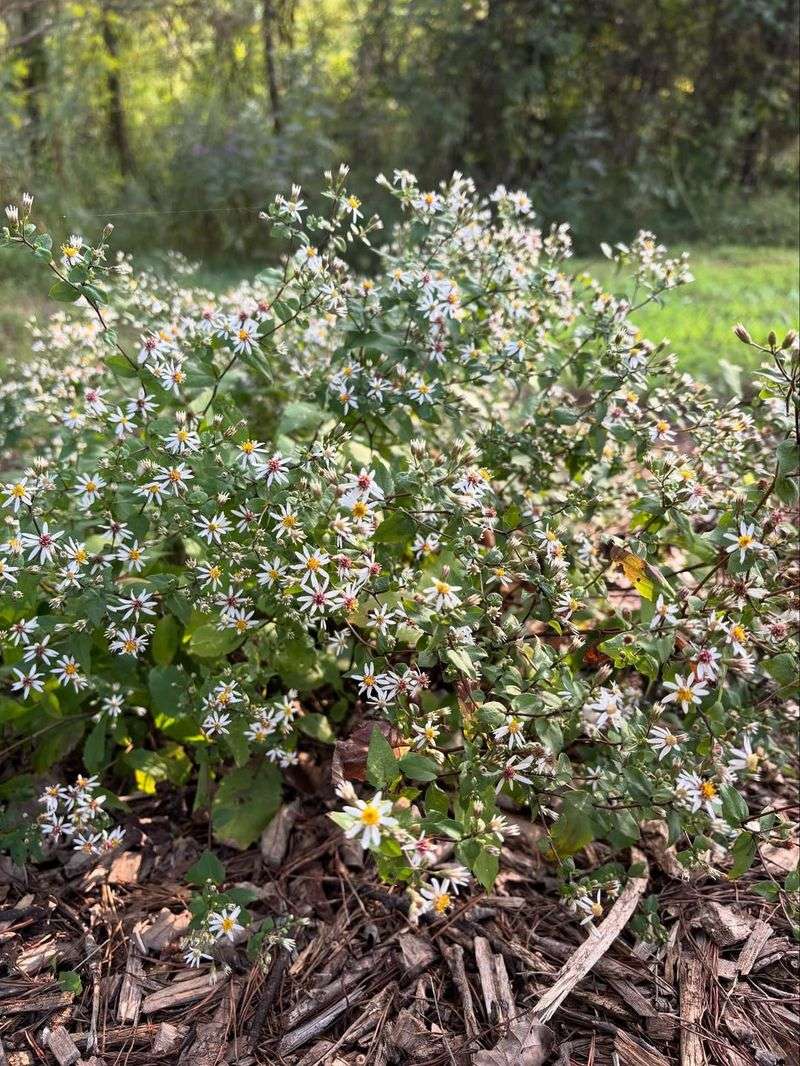
Shady spots in the garden can feel like a puzzle with no good solution. Most flowering plants want full sun, and the ones that tolerate shade often look dull or produce very few blooms. White Wood Aster is genuinely different. It was born for the shade.
In its natural habitat, this plant grows on the forest floor beneath a thick canopy of trees. It has adapted over centuries to thrive with limited sunlight.
In a home garden, it performs beautifully in full shade, partial shade, and even those tricky spots under dense trees where almost nothing else survives.
Your Pennsylvania Garden Changes Every Week. Your Plan Should Too.
Gardening in Pennsylvania changes quickly throughout the season. Every Friday you’ll receive a simple weekly plan showing exactly what to plant, prune, fertilize, harvest, and protect so you never miss the right timing.
What makes this especially useful for Pennsylvania gardeners is how many properties have large, mature trees. Under a big maple or oak, the soil is often dry, rooty, and shaded.
Most plants struggle there. White Wood Aster handles those conditions with ease, spreading slowly and filling in gaps naturally over time.
It also works well in shaded border plantings along fences or buildings where sunlight barely reaches.
The plant stays relatively compact, usually growing between one and two feet tall, which makes it easy to tuck into tight spaces without worrying about it overtaking the area.
Adaptability is one of its strongest qualities. Whether the shade is deep and dry or lightly dappled and moist, White Wood Aster adjusts and grows.
Few native perennials offer that kind of flexibility. For any Pennsylvania gardener who has struggled to find something that truly works in a shady corner, this plant is genuinely worth trying this season.
3. It Produces Delicate, Late-Season Blooms
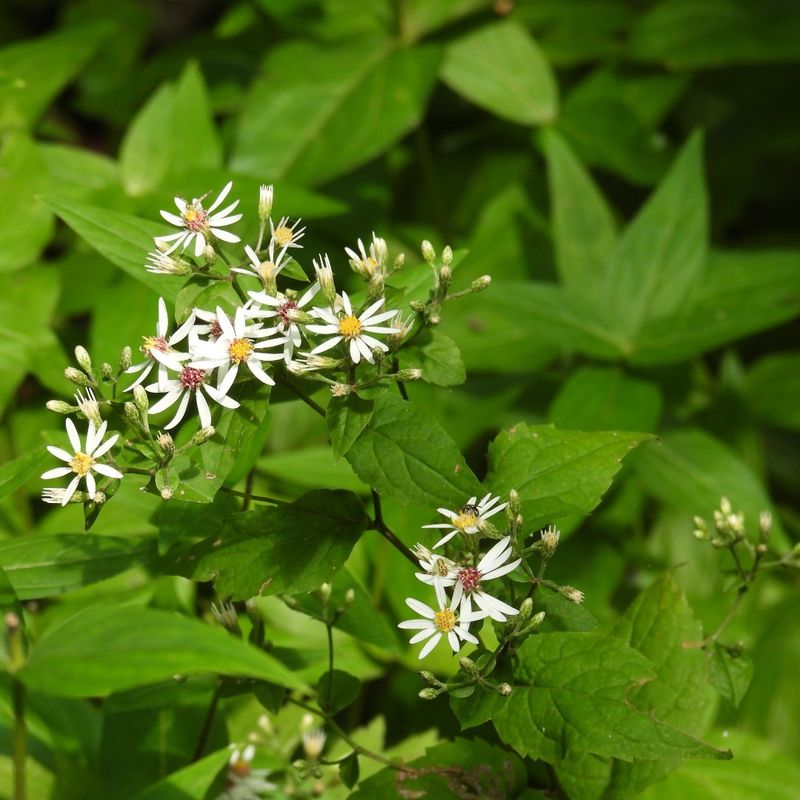
Timing is everything in the garden, and White Wood Aster has absolutely nailed it. While most spring and summer perennials are long done by September, this plant is just getting started. Its late-season blooming window is one of its most valuable traits.
From late August through October, White Wood Aster covers itself in small, white, daisy-like flowers with bright yellow centers. Each individual bloom is only about half an inch wide, but the plant produces them in large clusters.
When you step back and look at a mature clump, the effect is like a soft, starry sky floating just above the ground.
That visual impact becomes even stronger in mass plantings. A grouping of three to five plants along a shaded border creates a sweeping, airy display that looks completely natural and effortless.
Paired with fall ferns, native grasses, or the bold foliage of hostas, it creates a layered garden scene that feels truly alive in autumn.
There is also something emotionally satisfying about a plant that blooms when everything else is winding down. Gardens can feel a little sad in September when summer flowers fade.
White Wood Aster pushes back against that feeling with cheerful, persistent blooms that carry the garden all the way through the first frost.
Naturalized areas benefit tremendously from this plant. Once established, it self-seeds gently, slowly spreading to fill in bare patches without becoming aggressive.
Over a few seasons, a single plant can grow into a lovely, flowing colony that looks like it has always belonged there.
4. White Wood Aster Supports Pollinators And Wildlife
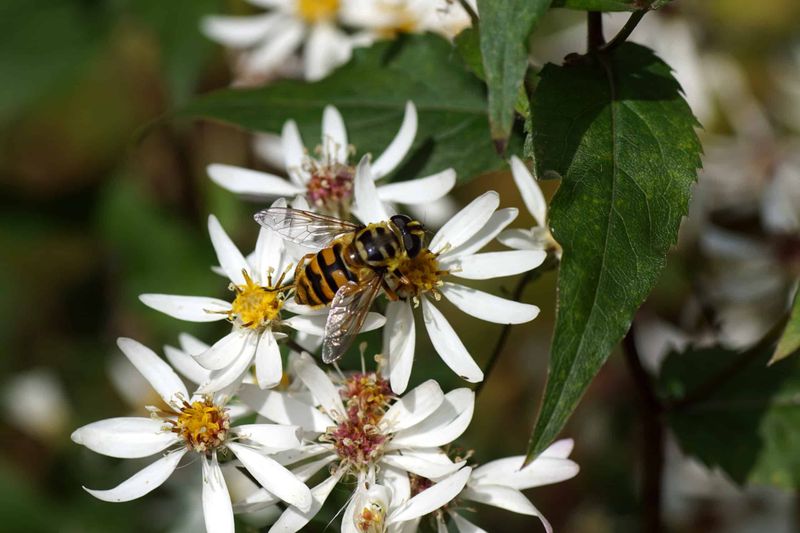
Did you know that native bees in Pennsylvania face serious challenges finding food in the fall? Most garden flowers fade by August, leaving pollinators with very few options right when they need energy the most.
White Wood Aster steps in at exactly the right moment. Bees love it. Butterflies love it.
Small native wasps and beneficial flies visit the flowers regularly throughout September and October. Because this plant blooms so late, it becomes a critical food source for pollinators that are building up energy reserves before cold weather arrives.
Planting it is genuinely one of the most helpful things a Pennsylvania gardener can do for local wildlife.
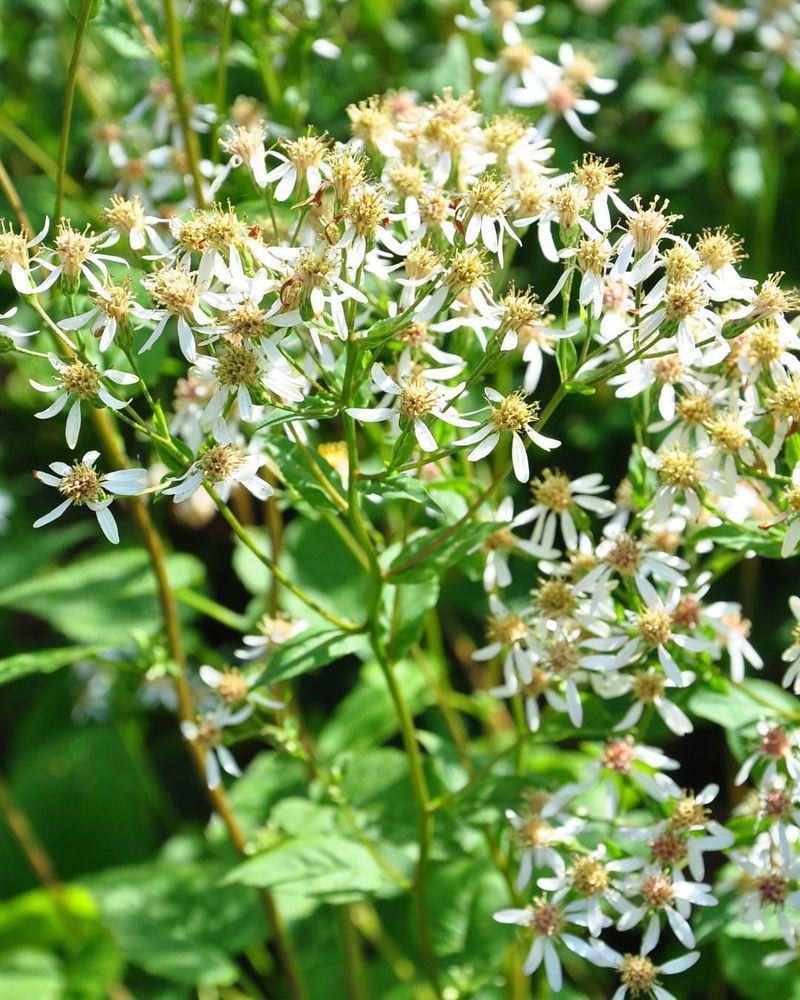
Beyond pollinators, White Wood Aster also supports birds. The small seeds that form after the flowers fade are eaten by songbirds like goldfinches and sparrows.
Leaving the plant standing through winter instead of cutting it back immediately gives birds an easy, natural food source during a tough season.
There is a bigger picture here too. When gardeners choose native plants like White Wood Aster over ornamental imports, they are rebuilding habitat.
Pennsylvania has lost significant amounts of natural woodland over the decades. Every native plant added to a garden helps restore small pieces of that ecosystem, one yard at a time.
Ecological gardening does not have to be complicated or expensive. Sometimes it is as simple as recognizing a plant that already belongs here and giving it a home.
White Wood Aster asks very little and gives back to the natural world in ways that ripple far beyond your backyard fence.
5. It Is Low-Maintenance And Hardy
Not every gardener has hours to spend watering, fertilizing, and fussing over plants. Life gets busy.
That is exactly why White Wood Aster is such a relief to grow. Once it settles into a spot it likes, it practically takes care of itself.
Establishment is the only time it needs a little extra attention. During its first season, water it regularly to help the roots get established.
After that, it is remarkably self-sufficient. Established plants handle dry spells without much trouble, especially in shaded spots where soil moisture stays more consistent naturally.
Soil flexibility is another major advantage. White Wood Aster grows in average garden soil, clay-heavy soil, and even somewhat rocky woodland soil.
It does not need rich, amended beds or regular fertilizing. In fact, soil that is too rich can cause it to grow floppy and fall over. Lean, natural soil suits it just fine.
Pests and diseases are rarely a serious issue. This plant has co-evolved with Pennsylvania’s climate and ecosystem for centuries, which means it has built-in resilience. You will not need to spray it with anything or monitor it constantly for problems.
Dividing the plant every few years keeps it healthy and vigorous. Simply dig up a clump in early spring, split it into sections, and replant.
Each division will grow into a full, blooming plant by fall. It is a satisfying, low-effort way to expand your planting without spending a single dollar.
For busy gardeners who want reliable seasonal beauty, White Wood Aster truly delivers without demanding much in return.
6. It Has Versatile Use In Garden Design
Some plants are one-trick ponies. White Wood Aster is not one of them. It fits into so many different garden styles and spaces that it almost feels like a design tool as much as a plant. Once you start thinking creatively, the possibilities are genuinely exciting.
In a woodland garden, it shines as a ground-level bloomer beneath taller shrubs and trees. Pair it with native ferns like Christmas fern or cinnamon fern for a layered, lush look that feels like a slice of Pennsylvania forest.
Add native wild ginger or foamflower as a ground cover, and you have a complete, cohesive plant community that practically manages itself.
Shaded border plantings along a house foundation or fence benefit hugely from its presence. The airy white flowers lighten up dark corners and create visual contrast against dark mulch or stone walls.
It works alongside hostas, astilbe, and bleeding heart without competing aggressively for space.
Naturalized areas are perhaps where it looks most at home. Along a wooded property edge, beside a stream bank, or tucked into a wild corner of the yard, White Wood Aster spreads slowly and fills space in a way that looks completely intentional and natural at the same time.
Even formal garden designs can benefit from its soft texture. Used as an edging plant or a filler between larger perennials, it adds a delicate, frothy quality that softens hard lines and structured layouts.
Next time you walk your yard and spot a shady, underused spot, think about giving it to White Wood Aster. You might be surprised at how much it transforms the space.