The New York Native Shrubs That Give Hydrangeas Competition In The Fall
Hydrangeas get plenty of summer applause, but autumn has a few scene stealers waiting in the wings. Walk through a New York woodland in October, and you’ll find leaves glowing like embers.
Birds squabble over berries, and a faint spicy scent drifts from the underbrush. Many of those showstoppers are native shrubs that ask for very little care.
They handle cold snaps, feed hungry wildlife, and keep color going long after mopheads turn papery and brown. Some even bloom when almost nothing else does.
Others hold bright fruit deep into the snowy months. No matter where you garden, at least one of these beauties will suit your yard.
1. Witch-Hazel For Spidery Yellow Blooms In Fall
Picture a shrub that flowers just as most gardens head to bed for the year. American witch-hazel, or Hamamelis virginiana, pulls off that trick every single autumn.
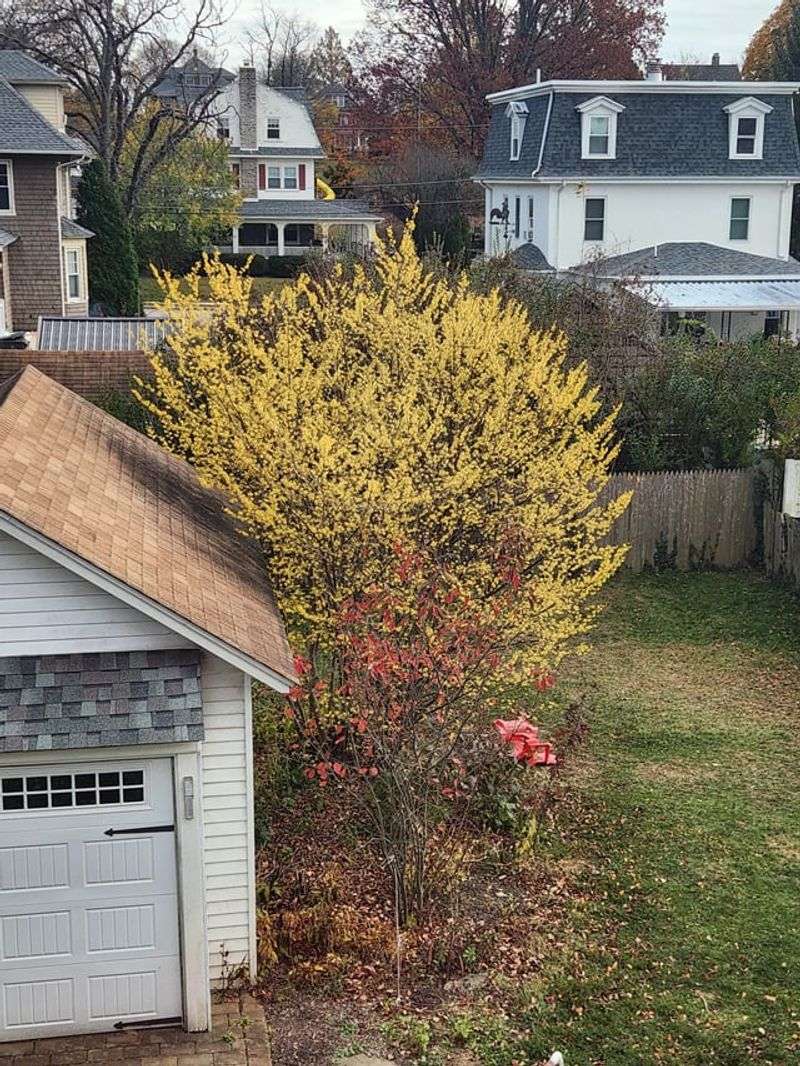
Its flowers look like tiny bundles of crinkled yellow ribbon tucked along bare twigs. Blooms usually open in October and November, and some hang on into early December.
Lean in close on a chilly afternoon and you may catch a light, spicy scent. That fragrance is a sweet bonus when the air smells mostly of fallen leaves.
Leaves turn buttery gold at nearly the same time the flowers open. Sometimes the blooms hide behind the foliage, so watch for them once leaves start dropping.
Here is a fun bit of history for you. Early settlers used forked witch-hazel branches as divining rods to search for underground water.
Across New York, this shrub grows wild along forest edges and stream banks. In a home garden, it can reach 15 to 20 feet tall and wide over time.
Give it a spot with morning sun and afternoon shade if you can. Moist, well-drained soil keeps it happiest, though it handles clay better than many shrubs.
Plant it near a window, path, or driveway where you will actually see the late blooms. A dark evergreen backdrop, like hemlock or pine, makes the yellow flowers pop.
Pruning needs are light, which is great news for busy gardeners. Snip crossing branches in late winter or spring, and let the natural vase shape shine.
Pollinators like late-flying moths visit the blooms when few other flowers are open. Your garden gets beauty, and the local insects get a much-needed snack.
2. Staghorn Sumac For Blazing Scarlet Leaves
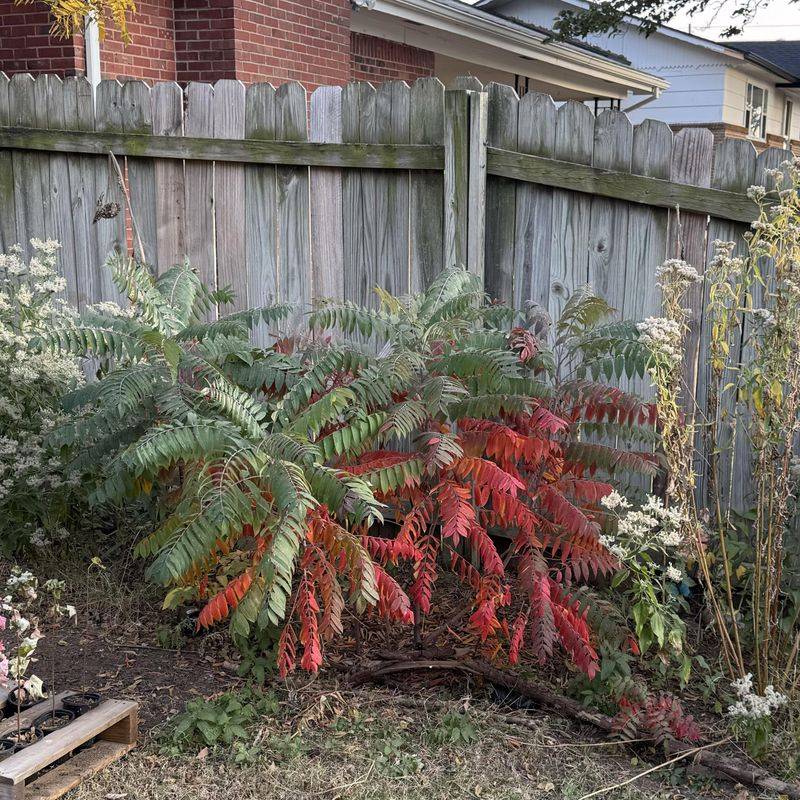
Drive any rural New York highway in October and you will spot patches of flaming red along the shoulder. Chances are good you are looking at staghorn sumac.
Rhus typhina earns its name from fuzzy young branches that feel like velvet deer antlers. Run your hand along a stem and you will see exactly why.
Fall color is where this shrub really shows off. Long, feathery leaves turn scarlet, orange, and sometimes gold, often all on the same plant.
Female plants carry upright cones of crimson fruit that look like fuzzy torches. Those clusters often stay on bare branches well into winter.
Birds such as bluebirds and robins nibble the fruit when other food runs short. People enjoy it too, since soaked berries make a tangy, lemony drink.
Your New York Garden Changes Every Week. Your Plan Should Too.
Gardening in New York changes quickly throughout the season. Every Friday you’ll receive a simple weekly plan showing exactly what to plant, prune, fertilize, harvest, and protect so you never miss the right timing.
Worried about poison sumac? Relax, because that plant has white berries and grows in swamps, while staghorn sumac has red fruit and loves dry ground.
Tough conditions barely slow it down. Sandy soil, rocky slopes, and hot sunny banks all suit this shrub just fine.
Fair warning, though, sumac spreads by underground runners. Give it room on a hillside or back corner where a colony will look intentional.
Want tidier plants? Mow or pull stray suckers each spring to keep the patch in bounds.
Gardeners short on space can try Tiger Eyes, a smaller cultivar with golden summer leaves. It still delivers bright orange fall color without taking over the whole yard.
3. Highbush Blueberry For Fiery Red Foliage
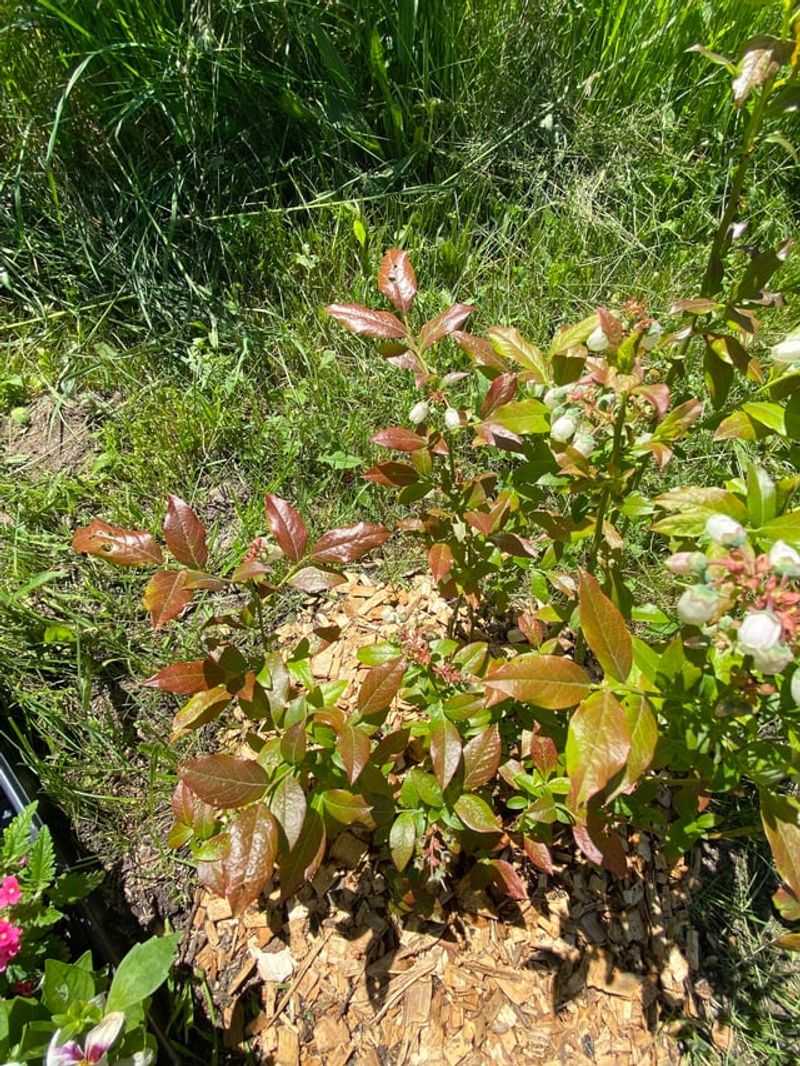
Most people plant blueberries for pancakes and pies. Stick around until October, though, and you will get a light show that tastes almost as sweet.
Highbush blueberry, known to botanists as Vaccinium corymbosum, turns glowing shades of red, orange, and burgundy. A row of them can look like a low, crackling campfire.
Once the leaves fall, the twigs keep the party going. Many plants show reddish stems that brighten a gray winter yard.
Summer brings clusters of blue berries that ripen over several weeks. Catbirds, robins, and even foxes love them, so netting may help save your share.
Soil is the big secret with this shrub. Blueberries want acidic ground with a pH around 4.5 to 5.5.
Many New York yards lean less acidic than that, so test first. Adding sulfur and pine needle mulch can nudge your soil in the right direction.
Full sun gives you the most fruit and the richest fall color. Shade will work, but the leaves may lean more toward yellow.
Planting two or more varieties helps with pollination and bigger harvests. Try pairing an early type like Duke with a later one like Bluecrop.
Plants reach about 6 to 12 feet tall, making them a handy hedge. They also look lovely mixed with evergreens in a foundation bed.
Prune old, woody canes in late winter to encourage fresh growth. Younger stems produce the plumpest berries and the brightest autumn leaves.
4. Winterberry For Bright Red Berries Into Winter
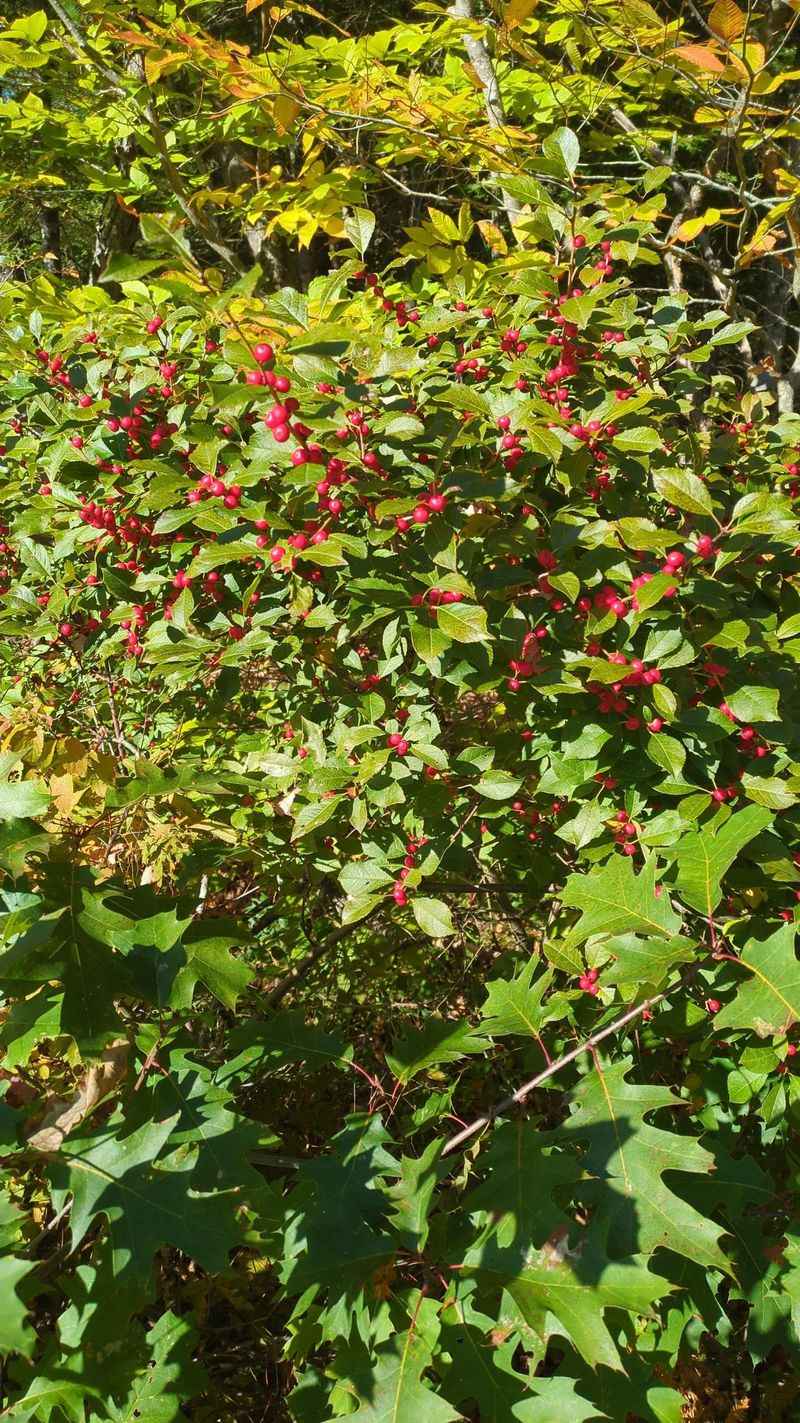
Imagine a gray December morning when every branch outside your window is dotted with glossy red beads. Winterberry makes that scene happen without any holiday lights.
Ilex verticillata is a native holly, but it drops its leaves each fall. Unlike the classic Christmas holly, it has no prickly foliage to scratch your arms.
Leaves turn a soft yellow before falling in autumn. Then the real star appears, as thousands of scarlet berries hug the bare stems.
Here is the catch that surprises many new growers. Only female plants make berries, and they need a male partner planted nearby.
One male shrub can pollinate about five to ten females. Ask your nursery for a matching male, since bloom times need to line up.
Berries often last into January or longer across much of the state. Birds tend to wait until late winter, when the fruit softens and other food gets scarce.
Wet feet? No problem for this shrub.
Winterberry grows naturally in swamps and along pond edges, but it adapts well to average garden soil too.
Plant it where you can see it from indoors during the cold months. Clusters look extra striking against snow, dark evergreens, or a red barn wall.
Snipping a few branches for indoor vases is a cheerful winter tradition. Cut stems keep their color for weeks, even without water.
Compact types like Red Sprite stay near 3 to 4 feet tall. Taller choices such as Winter Red can reach 8 feet for a bolder display.
5. Arrowwood Viburnum For Blue Berries And Purple Leaves
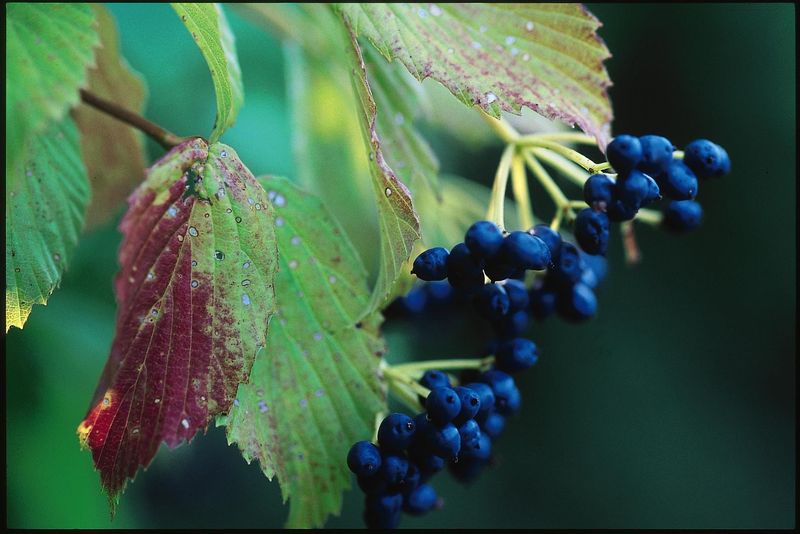
Long before garden centers existed, Native Americans reached for this shrub when they needed arrows. Its stems grow remarkably straight, which explains the name arrowwood.
Viburnum dentatum is one of the toughest shrubs you can plant. Sun, part shade, clay, or sandy soil rarely give it any trouble.
Late spring brings flat, creamy white flower clusters that buzz with bees and butterflies. By late summer, those blooms become shiny blue to blue-black berries.
Fall is when the leaves get dramatic. Expect a mix of wine purple, red, orange, and yellow, depending on sunlight and the plant variety.
Birds treat the berries like a fueling station before migration. Bluebirds, thrushes, and cedar waxwings all stop by for a snack.
For the best berry crop, plant at least two different types. Viburnums set more fruit when they can cross-pollinate with a neighbor.
Popular picks include Blue Muffin, a compact shrub around 5 to 7 feet tall. Autumn Jazz offers especially colorful fall leaves on a slightly larger frame.
Many gardeners use arrowwood as a privacy screen or wildlife hedge. Its dense, rounded shape fills gaps quickly along property lines.
Viburnum leaf beetle is a serious threat, since Cornell rates arrowwood highly susceptible. Prune off twigs with egg scars each winter and check leaves often in spring.
Otherwise, care stays simple. Trim after flowering if needed, and you will keep next year’s blooms and berries on track.
6. Black Chokeberry For Glossy Red Fall Color
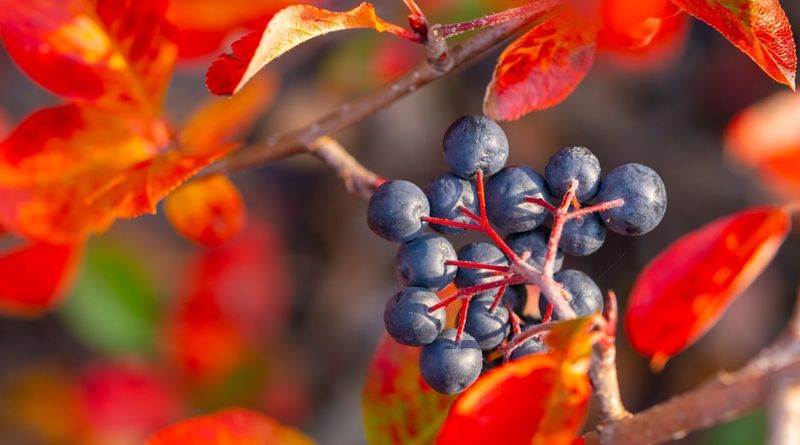
Few shrubs shine quite like black chokeberry in October. The leaves look freshly polished, as if someone waxed them overnight.
Aronia melanocarpa starts the season with neat, glossy green foliage. As nights cool, it shifts to cherry red, burgundy, and hints of orange.
Spring brings small white flowers that feed early bees. Those blossoms turn into clusters of nearly black berries by late summer.
Don’t let the name scare you off. The berries taste tart and a bit puckery, but they are safe to eat and packed with antioxidants.
Home cooks turn them into jam, syrup, and even juice blends. Mixing aronia with apples or sugar softens that sharp flavor nicely.
Birds often leave the fruit alone until late winter. That delay means you enjoy dark berries against red leaves for weeks.
Growing conditions can vary a lot without causing problems. This shrub handles wet spots, dry banks, and poor soil across most of the state.
Full sun brings out the deepest red leaves. Partial shade works too, although the autumn color may soften a little.
Chokeberry spreads slowly by suckers, forming a small, tidy colony. Use it for rain gardens, slopes, or mass plantings where one shrub feels too lonely.
Short on space? Low Scape Mound stays about 2 feet tall and works like a colorful groundcover.
Iroquois Beauty is another compact choice with rich fall tones.
7. Spicebush For Golden Leaves And Red Berries
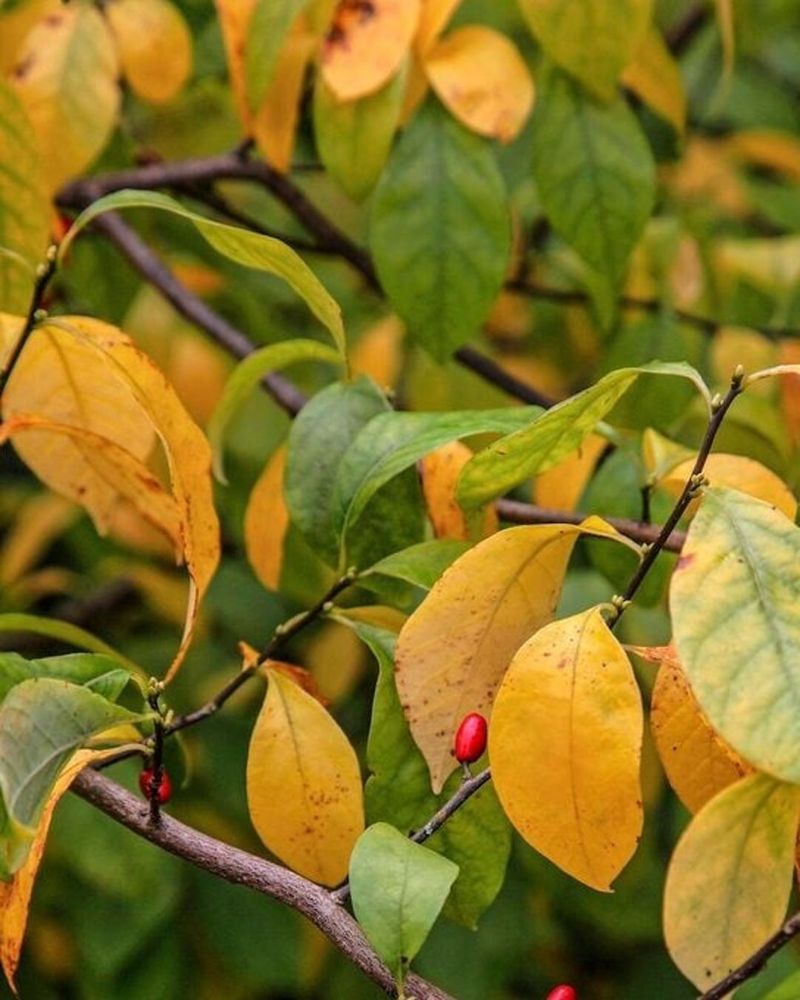
Crush a spicebush leaf between your fingers and your nose will thank you. The scent is warm and citrusy, a bit like allspice mixed with lemon.
Lindera benzoin grows wild in damp New York forests, often under tall oaks and maples. It lights up those shady spots in a way few shrubs can.
Autumn turns the leaves a clear, glowing yellow. On a cloudy day, a spicebush can look like it is holding its own sunshine.
Female plants add glossy red berries that ripen in late summer and early fall. Like winterberry, you need a male shrub nearby to get fruit.
Migrating birds, such as thrushes and vireos, gobble these berries fast. The fruit is rich in fat, giving travelers energy for long flights.
Here is a treat for butterfly fans. Spicebush swallowtail caterpillars feed on the leaves and roll themselves into cozy leaf tents.
Young caterpillars resemble bird droppings, while older ones show big fake eyespots. Kids love hunting for them in midsummer.
Early spring brings tiny yellow flowers before the leaves open. They are small, but they add welcome color when the woods still look bare.
Plant spicebush in part to full shade with moist, rich soil. Mature shrubs usually reach 6 to 12 feet tall and just as wide.
Deer tend to pass it by because of that spicy scent. Gardeners with hungry visitors may find this shrub a real lifesaver.
8. Mapleleaf Viburnum For Soft Pink And Purple Tones In Shade
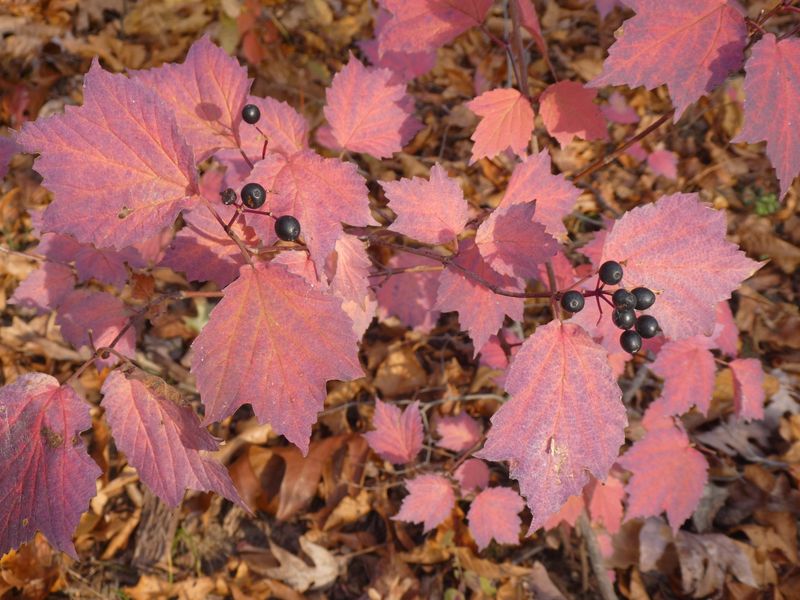
Shady yards often feel stuck with dull green all autumn. Mapleleaf viburnum offers a softer, dreamier option that most gardeners never expect.
Viburnum acerifolium has leaves shaped almost exactly like small maple leaves. Hikers sometimes mistake young plants for baby maple trees.
Fall color is the real charm here. Instead of loud red, the foliage shifts to rosy pink, lavender, and dusky purple.
Those pastel shades glow beautifully under a canopy of big trees. They add a gentle, almost watercolor mood to woodland paths.
Late spring brings flat clusters of white flowers. Dark purple-black berries follow in autumn, feeding grouse, thrushes, and other woodland birds.
Size stays modest, usually 3 to 6 feet tall. Its compact frame suits the edges of shade beds, patios, and forest walks.
Over time, the shrub spreads slowly to form loose colonies. Let it drift under trees, where it will fill space without much effort from you.
Dry shade is a tough spot for most plants. Mapleleaf viburnum handles it well once roots are settled, making it a smart choice under oaks.
Water regularly during its first summer to help it settle in. After that, occasional soaking during long droughts is usually plenty.
Many nurseries carry it in their native sections. Pair it with ferns, wild ginger, or woodland asters for a layered, natural look.
9. Gray Dogwood For White Berries On Red Stems
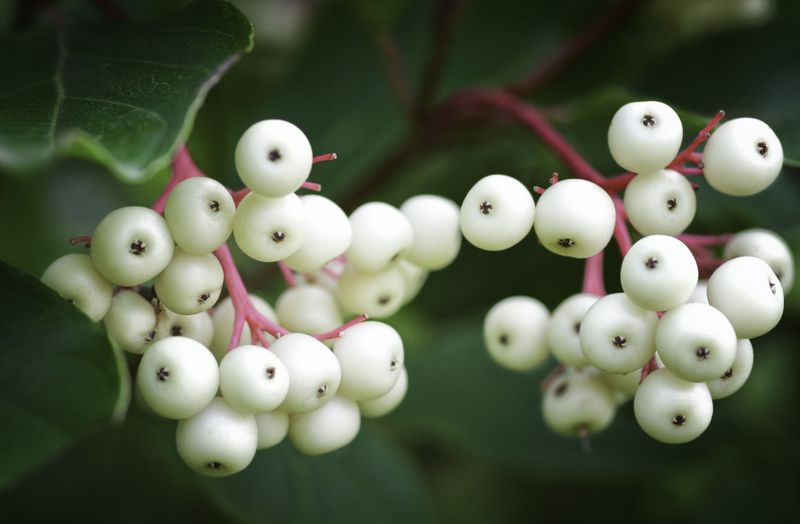
Some shrubs win you over slowly, and gray dogwood is one of them. It looks modest in summer, then surprises everyone come September.
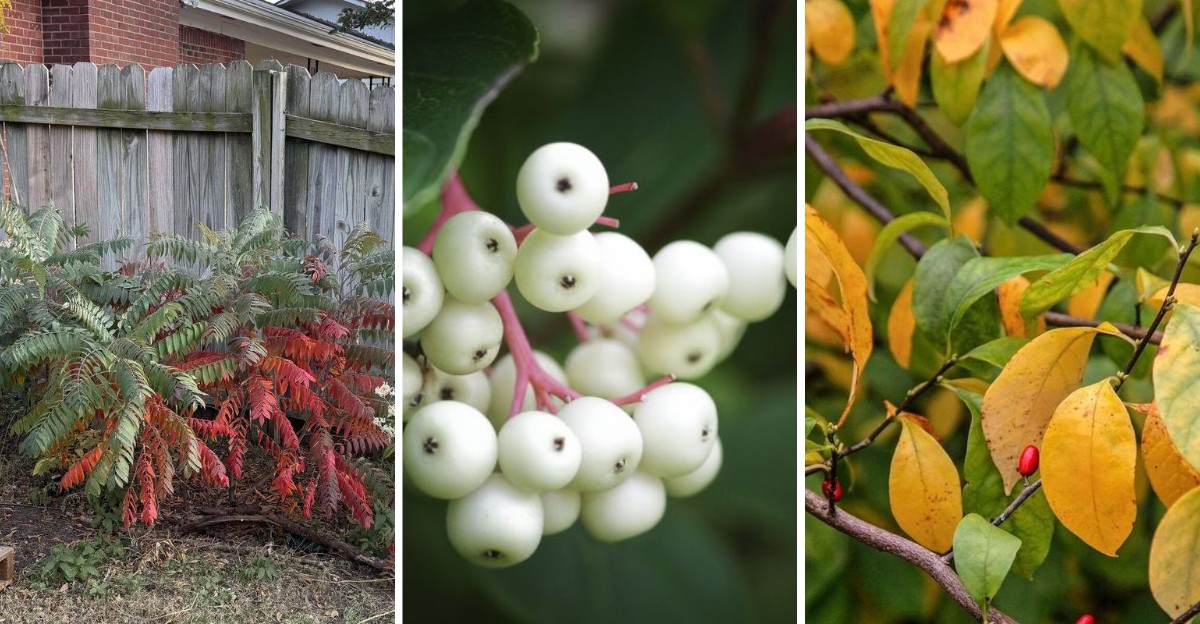
Cornus racemosa produces clusters of white berries perched on bright red stalks. Against the foliage, they look almost like tiny pearls on coral pins.
Leaves follow with their own show, shifting from gray-green to reddish purple. The whole plant becomes a pleasing mix of cool and warm colors.
Birds adore the berries, so the fruit rarely lasts long. More than 100 bird species are known to eat dogwood fruit.
After the berries vanish, the red stalks often stay behind. They keep adding a pop of color to bare branches as winter arrives.
Toughness is a big selling point here. Gray dogwood tolerates wet soil, dry soil, full sun, part shade, and even city air.
Across New York, you will find it along fields, fences, and highway edges. That wild resilience makes it great for tricky spots in home landscapes.
Plants spread by suckers into dense thickets. Songbirds use those tangled branches for nesting and quick shelter from hawks.
Prefer a neater look? Remove older stems every few years at ground level to keep the shrub fresh and tidy.
Plant a few together for a natural hedge or wildlife border. Along with its native neighbors, gray dogwood proves that fall gardens can shine long after hydrangeas fade.