8 Ways To Use Wood Ash In The Garden (And 4 Places To Avoid It)
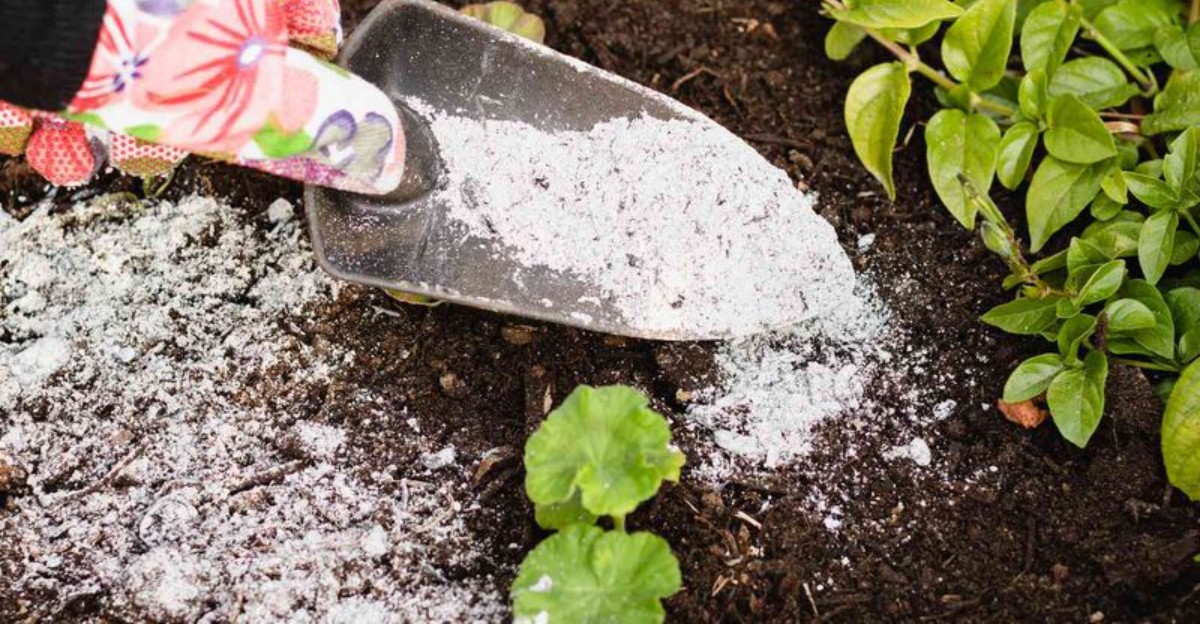
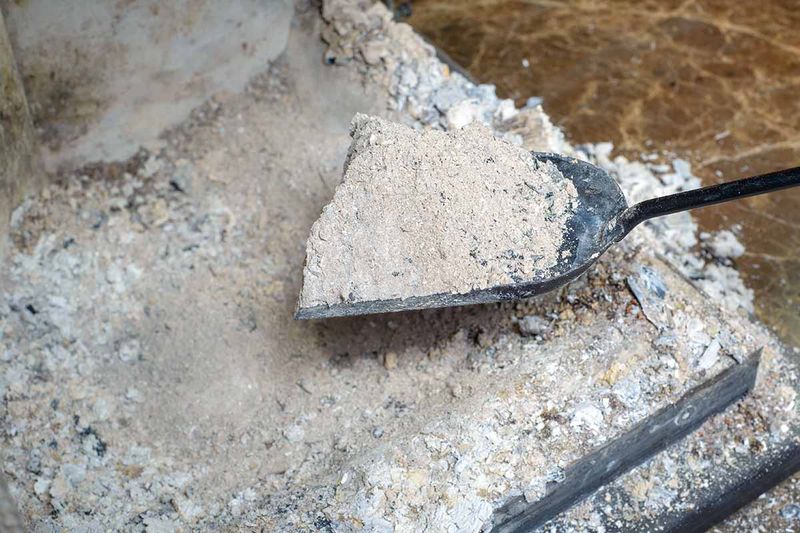
Every October, the fireplace starts crackling again, and a soft gray pile quietly builds up in the hearth. Most people scoop it into a bucket, carry it outside, and wonder whether it deserves a second life.
That powdery stuff feels like flour between your fingers and smells faintly of campfires and cozy sweaters. It looks harmless, but it carries a surprising amount of power for something you sweep up with a dustpan.
Used wisely, it can sweeten sour soil, feed hungry plants, and send certain slimy visitors packing. Used carelessly, it can upset the balance in your beds faster than a toddler upsets a puzzle box.
Gardeners have argued about this gray dust for generations, swapping tips over fences and porch railings each fall. Some swear by it like a family secret, while others treat it like a mystery best left alone.
The truth lands somewhere in the middle, with a few clear wins and a few spots worth avoiding. My neighbor dumped a whole bucket on one rosebush last fall, and the rosebush has not forgiven him since.
Thin Layers Inside The Compost Pile
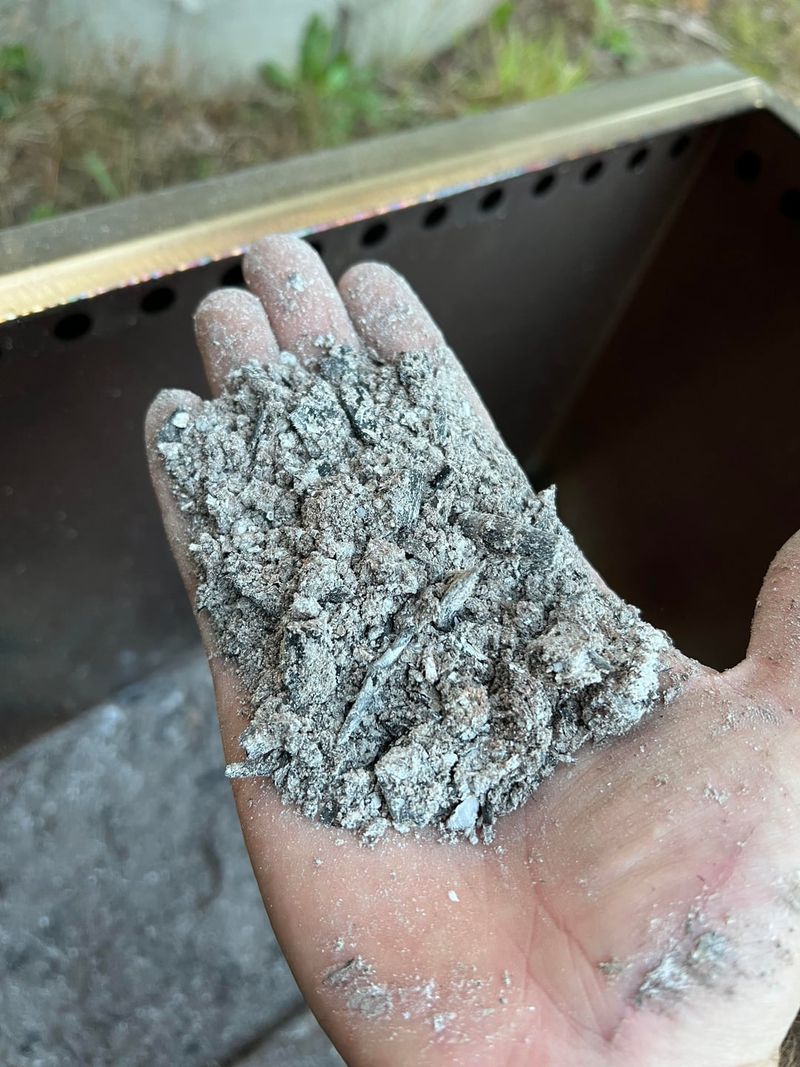
Compost piles in autumn can turn soggy and sour once wet leaves and kitchen scraps start piling up fast. A dusting of wood ash between layers helps keep things balanced, like a pinch of salt in soup.
Ash adds potassium, calcium, and trace minerals that make finished compost richer and more useful for your beds. It also helps offset acidic materials like fallen leaves and pine needles.
The trick is keeping each layer thin, about a light sprinkle every six inches of fresh material. Too much ash can raise the pH so high that helpful microbes slow down and the pile stalls.
Mixing ash with nitrogen-rich manure can also release ammonia, which sends valuable nitrogen floating away into the air. Keep those two ingredients in separate layers, and turn the pile every couple of weeks to blend things gently.
Only use ash from clean, untreated firewood, since painted boards or charcoal briquettes can carry unwanted chemicals. By spring, your compost should smell earthy and sweet, ready to tuck around hungry plants in the garden.
A Dry Barrier Around Slug-Prone Hostas
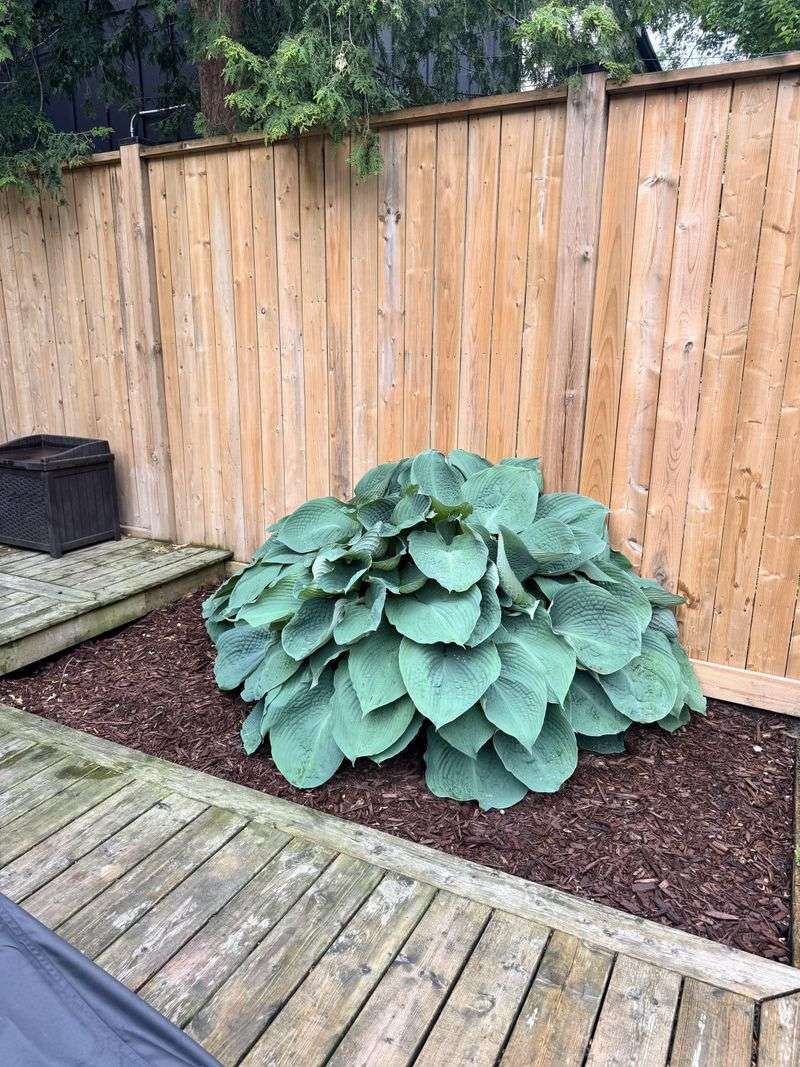
Anyone who has found lacy, chewed hosta leaves at sunrise knows slugs throw wild parties after cool, damp nights. Early fall brings plenty of moisture, so these slimy snackers stay busy until the first hard frost arrives.
A ring of dry wood ash around each plant creates a scratchy, salty barrier that slugs dislike crossing. The dry, gritty powder irritates their soft bodies, so many slugs avoid crossing it.
Make the ring about two inches wide and keep it a few inches away from the hosta stems. Here is the catch, though, because ash loses its scratchy power the moment rain or sprinklers soak it.
Plan to refresh the barrier after every shower, which can feel like a chore during a soggy October. Pairing the ash ring with copper tape or a nighttime flashlight check gives your hostas better overall protection.
Since hostas are winding down for the year, this trick mostly helps protect them until dormancy arrives. Healthy leaves now help build stronger crowns, which supports fuller growth next season.
A Light Sprinkle On Acidic Vegetable Beds
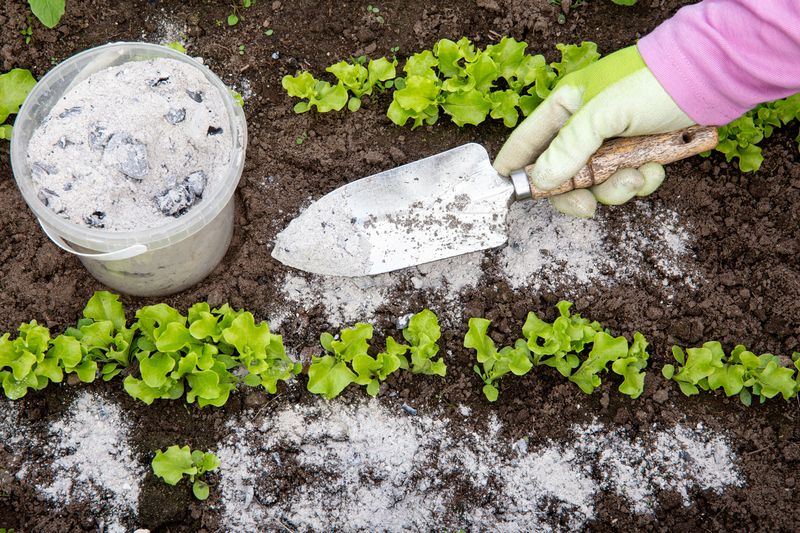
Picture a bed of cabbages that sulks all season, with pale leaves and slow growth despite your best efforts. Sour soil is often the hidden culprit, and wood ash works like a gentle nudge toward balance.
Ash contains calcium carbonate, the same basic ingredient found in garden lime, so it raises soil pH. It works faster than lime because the particles are so fine, which means a little goes a long way.
Early October is a smart time to apply it, since cleared beds can absorb the ash over winter. Spread about five to ten pounds per thousand square feet, which is a thin dusting rather than a thick layer.
Rake it lightly into the top few inches of soil instead of leaving thick gray clumps on the surface. Before you start, grab an inexpensive soil test kit and check if your pH sits below 6.0.
If it does, your spring vegetables will likely thank you with greener leaves and stronger roots next year. Wear gloves and a dust mask while spreading, because fresh ash can sting skin and tickle your nose.
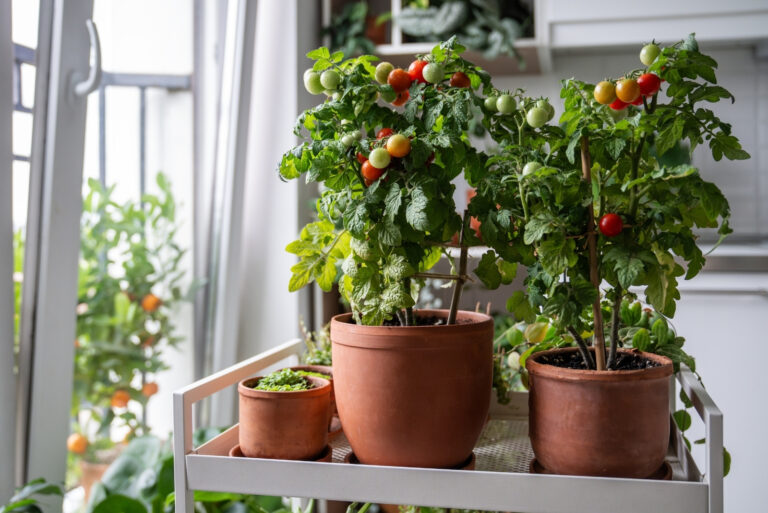
A Potassium Boost For Fruiting Tomato Plants
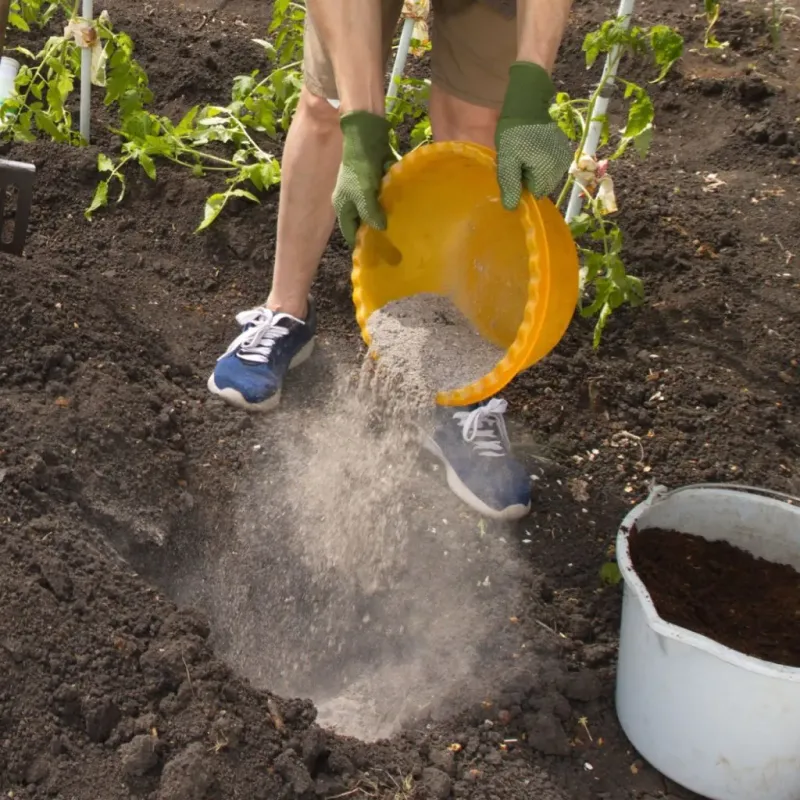
Late tomatoes still hanging on in October deserve a little encouragement, especially when cooler nights slow their ripening. Wood ash is rich in potassium, the nutrient that helps plants build flavorful fruit and sturdy cell walls.
Fun fact, the word potash comes from an old Dutch term for pot ashes, named for the iron pots used to boil down wood ash. That old pot method gave us a name still used on fertilizer bags at every garden center today.
For tomatoes, scatter about a quarter cup of ash in a circle around each plant, away from the stem. Scratch it gently into the soil with your fingers, then water well so the nutrients reach the roots.
Ash also supplies calcium, though blossom end rot usually comes from uneven watering, so steady moisture matters more. Still, one modest helping is plenty, because tomatoes prefer slightly acidic soil and dislike sudden pH swings.
If frost threatens soon, pick green tomatoes and let them ripen indoors on a sunny kitchen windowsill. Remember where you added ash this year, so you can plan next season’s tomato bed with fresh eyes.
A Thin Ring Beneath Fruit Tree Drip Lines
Apple and pear trees quietly store energy each fall, getting ready to push out blossoms when winter finally ends. Giving them a light helping of wood ash now can support stronger buds and better fruit next year.
The drip line is the outer edge of the branches, where rainwater falls and most feeder roots gather. Spreading ash right against the trunk wastes nutrients, since the roots doing the real eating live farther out.
Sprinkle a thin band, roughly one to two pounds per mature tree, in a wide ring under the canopy. Rake it lightly into fallen leaves or mulch, and let October rain carry the minerals down into the soil.
Fruit trees love potassium because it helps them handle cold snaps, dry spells, and heavy fruit loads. Cherries and plums appreciate the boost too, as long as your soil test shows a pH below seven.
Skip this step for young saplings planted this year, since their tender roots are still settling into place. Think of it as packing a lunchbox for your tree before its long, chilly nap through the winter months.
A Winter Dusting On Icy Garden Paths

Slipping on an icy garden path while carrying a basket of kale is nobody’s idea of a fun morning. Saving some wood ash this October gives you a free, gentler alternative to rock salt for later.
The gritty texture adds traction underfoot, and the dark color soaks up sunlight to help ice soften faster. Unlike rock salt, ash is gentler on nearby lawns and beds in small amounts, though heavy use can raise soil pH.
Store your ash now in a metal can with a tight lid, kept far from anything that burns. Hot coals can hide inside ash for days, so let it cool fully before moving it into storage.
When ice shows up, sprinkle a thin layer across steps and walkways, focusing on the slickest spots first. One downside is the gray mess, since ash sticks to boots and loves hitching a ride onto clean carpets.
Keep a stiff doormat and a boot brush by the back door to catch most of the dusty trail. Your ankles, your plants, and your wallet will all appreciate this simple, old-fashioned winter trick from the fireplace.
A Light Topdressing For Acidic Lawn Patches
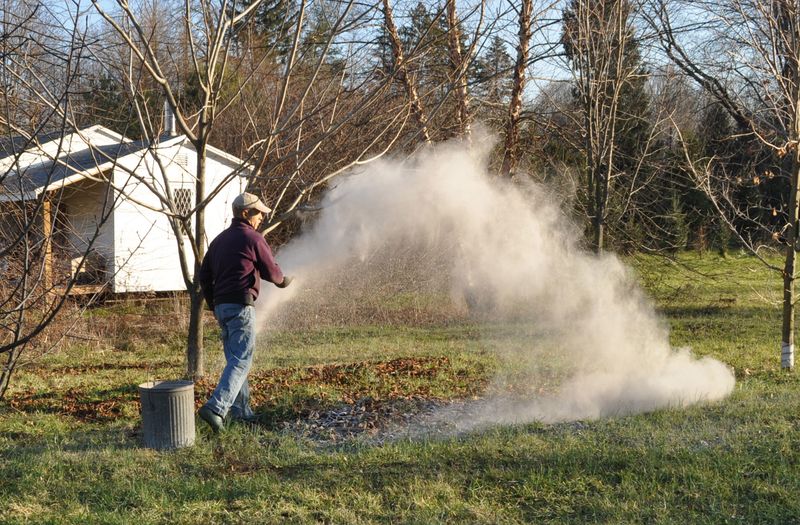
Mossy, thin patches in the lawn often whisper a secret about the soil underneath, and it can be acidity, though shade and compaction often play a part too. Grass prefers a pH between about 6.0 and 7.0, and struggles to grab nutrients when soil turns too sour.
Early fall is prime lawn care season for cool-season grasses, because cooler air and warm soil help roots grow deeper. A light topdressing of sifted wood ash on those trouble spots can gently raise the pH over time.
Test the soil first, since ash only helps when the pH sits below 6.0. Sift the ash through an old screen to remove chunks of charcoal and bits of nails, then spread no more than about ten pounds per thousand square feet, using a handheld spreader for even coverage.
Choose a calm, dry day, unless you enjoy chasing gray clouds across the yard like a confused magician. Water the area lightly afterward so the ash settles into the soil instead of coating the grass blades.
Avoid spreading ash on the same day you seed or fertilize, since mixing them can reduce their effectiveness. With patience, those mossy corners may fill in with thick, green turf by the time spring rolls around.
A Scatter Over Established Asparagus Beds
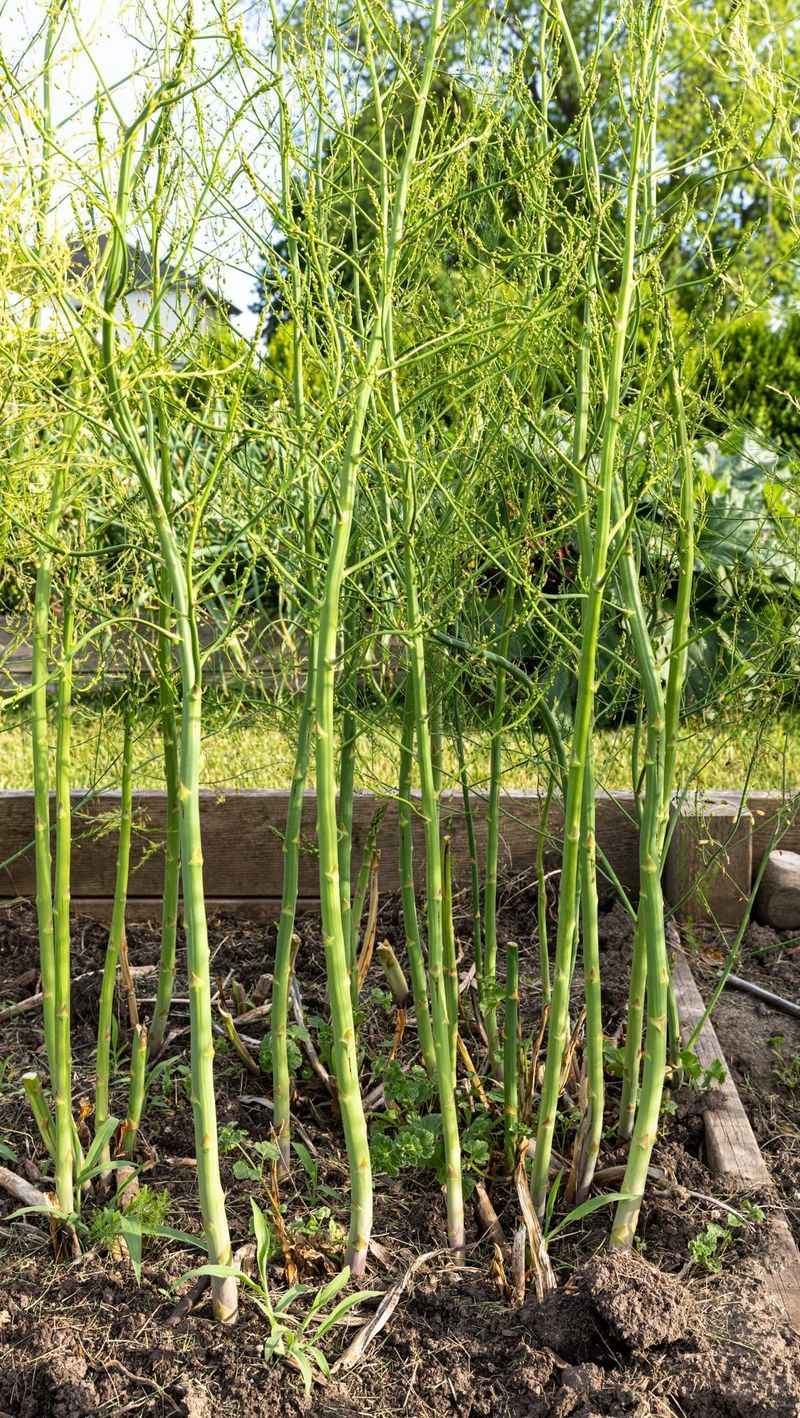
Asparagus is the marathon runner of the vegetable garden, producing tender spears for twenty years or even longer. A plant that sticks around that long deserves a little pampering, especially as its ferny tops turn golden.
Unlike many crops, asparagus prefers neutral to slightly alkaline soil, with a pH between 6.5 and 7.5. That makes wood ash a natural match, adding potassium and calcium while keeping the soil sweet and friendly.
Wait until the ferns yellow and brown in October, then cut them down to just a few inches tall. Scatter a light layer of ash across the bed, aiming for a thin dusting rather than a blanket.
Top it with compost or shredded leaves, which protects the crowns and slowly feeds the soil all winter. Only treat established beds that are at least two or three years old with strong, healthy, well-rooted crowns.
Old-time gardeners sometimes sprinkled salt on asparagus too, but ash offers nutrients and stays gentler on the soil when used lightly. Come spring, healthy crowns should send strong spears up through the mulch, ready for your first buttery harvest.
Blueberry Beds That Need Acidic Soil
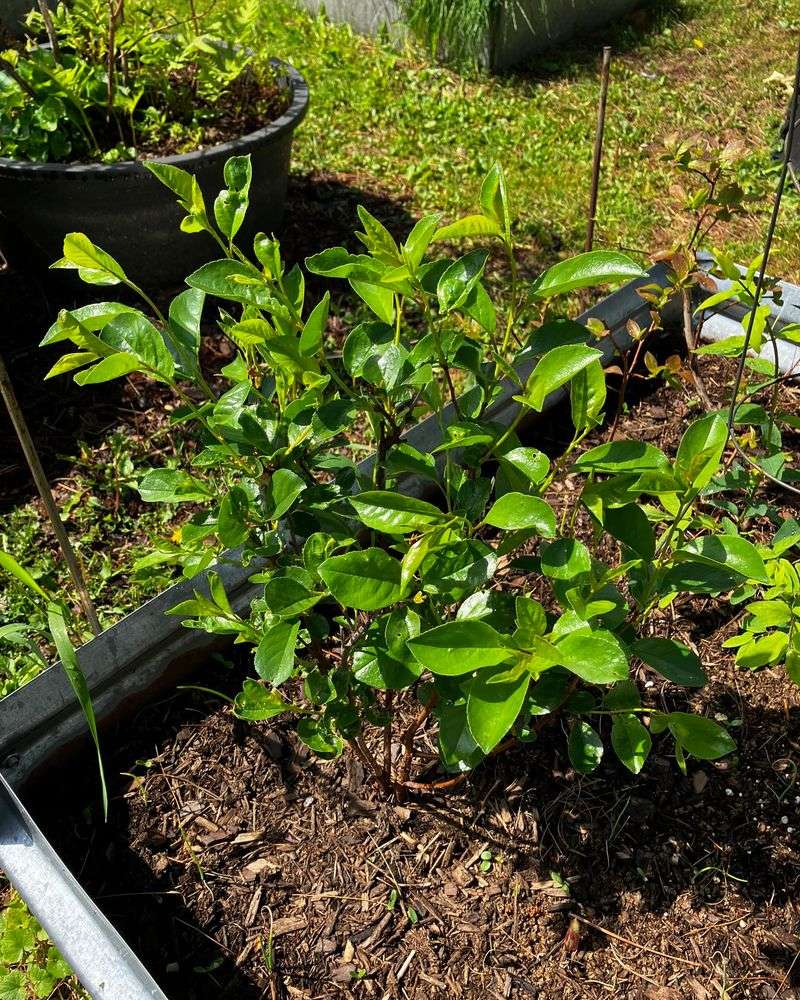
Blueberries are the picky eaters of the garden, and they want their soil sour, like a squeeze of fresh lemon. Most varieties thrive with a pH between 4.5 and 5.5, which is far more acidic than typical beds.
Sprinkling wood ash around them pushes the pH upward, which is the exact opposite of what they need. Once soil turns too sweet, blueberry roots struggle to absorb iron, and the leaves turn yellow with green veins.
Berries shrink, growth slows, and fixing the problem can take a full season or more of careful work. The same rule applies to azaleas, rhododendrons, camellias, and hollies, which all prefer acidic ground to grow well.
Instead, October is a great time to mulch blueberries with pine needles, shredded oak leaves, or pine bark. Those materials break down slowly over winter and help support acidic conditions for spring growth.
If ash accidentally lands nearby, a dose of elemental sulfur can help nudge the pH back down over time. Label your berry patch clearly so family members tossing out fireplace ash know to walk right past it.
Potato Patches Prone To Scab
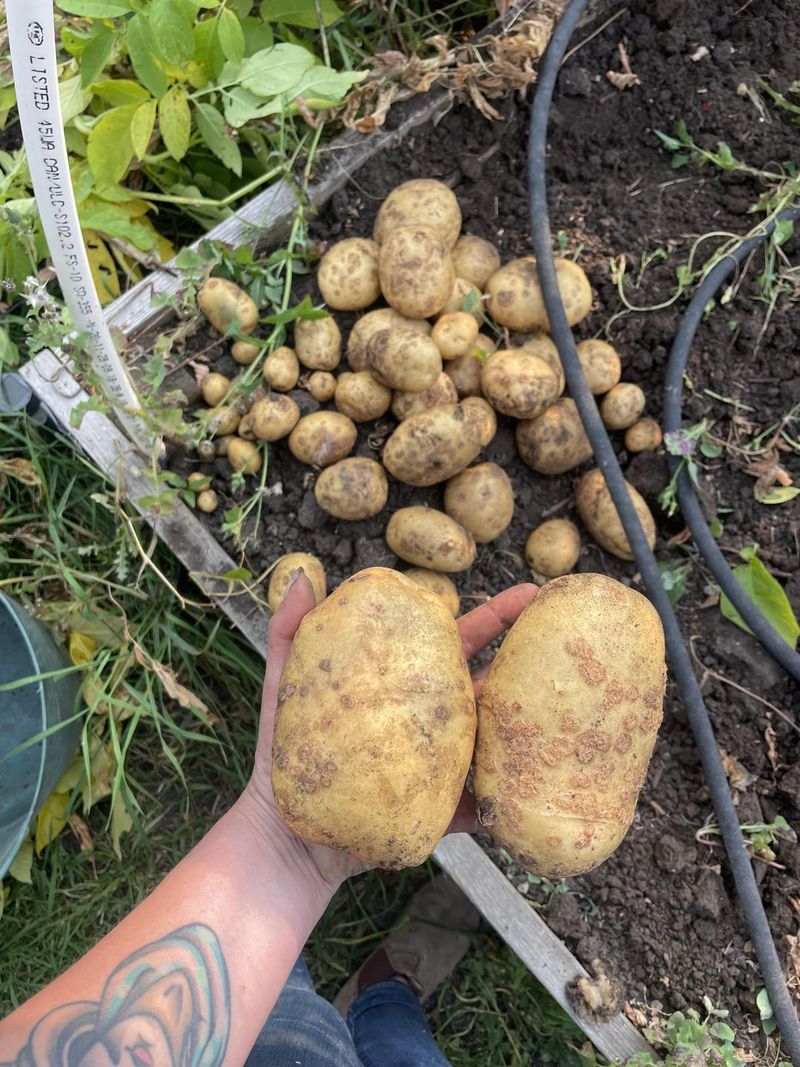
Digging up potatoes covered in rough, corky brown patches feels a bit like opening a gift full of sand. That crusty skin comes from potato scab, a disease caused by soil-dwelling bacteria that love alkaline conditions and dry spells.
Scab thrives when soil pH climbs above 5.5, which is exactly what wood ash encourages when spread around. Potatoes generally grow best in slightly acidic soil, so adding ash to their bed can invite trouble.
The tubers are still safe to eat once you peel the scabby skin, but they look rather unappetizing. They are best used soon after harvest, which is disappointing if you planned to keep a basket in the pantry all winter.
As you clear potato beds this October, jot down where they grew so you can plan next year. Keep ash far from that area, and avoid planting potatoes where you spread ash within the last year.
Rotating crops, keeping soil evenly moist during tuber growth, and choosing scab-resistant varieties like Superior or Norland all help. Your future potatoes should come out smooth and tidy, ready for mashing instead of sad, bumpy scrubbing sessions.
Soil That Already Tests Alkaline

Adding ash to alkaline soil is like pouring sugar into a soda, because it is already sweet enough. Many gardens in dry western regions or areas with limestone bedrock naturally test above a pH of 7.5.
In soil like that, wood ash pushes the numbers even higher and locks up important nutrients plants need. Iron, manganese, and phosphorus become harder for roots to absorb, leading to pale leaves and stunted growth.
Before tossing any ash on your beds, take a soil test, since guessing can backfire. Early fall is a good time to test, since results arrive well before spring planting plans take shape.
Your local extension office often offers affordable kits that measure pH, nutrient levels, and organic matter content. If results come back above 7.0, skip the ash and offer it to a neighbor with sour soil.
Compost, shredded leaves, and a little sulfur can help bring overly sweet soil back toward a happier middle. Checking your numbers first helps you avoid wasting ash and stressing your plants.
Tender Seedlings In Fresh Planting Holes
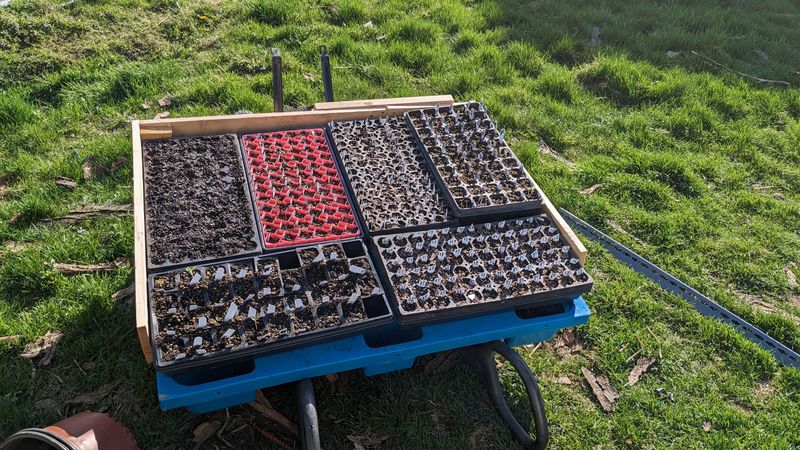
Tiny seedlings have roots as delicate as spider silk, and wood ash can overwhelm them in a hurry. Fresh ash is highly alkaline and salty, which can burn young roots and pull moisture from tender stems.
Mixing it into seed starting trays often leads to wilting, yellowing, or seeds that refuse to sprout at all. Transplant holes are another spot to avoid, since roots sit right against the concentrated ash with no buffer.
Fall is prime planting time for garlic, pansies, and spring bulbs, so this mistake pops up often in October. Tossing a handful of ash into each hole may feel helpful, but it can stunt growth before roots settle.
A safer plan is spreading ash on the bed several weeks ahead, letting rain mellow it into the soil. For new transplants, use well-aged compost in the planting hole, which feeds roots gently without any harsh surprises.
Seedlings started indoors this winter tend to grow well in a simple mix of peat-free potting soil and compost. Give those little green sprouts a gentle start, and save the ash for grown-up plants with tougher roots.