This Arizona Caterpillar Hides in Plain Sight and Delivers a Sting Worse Than a Bee
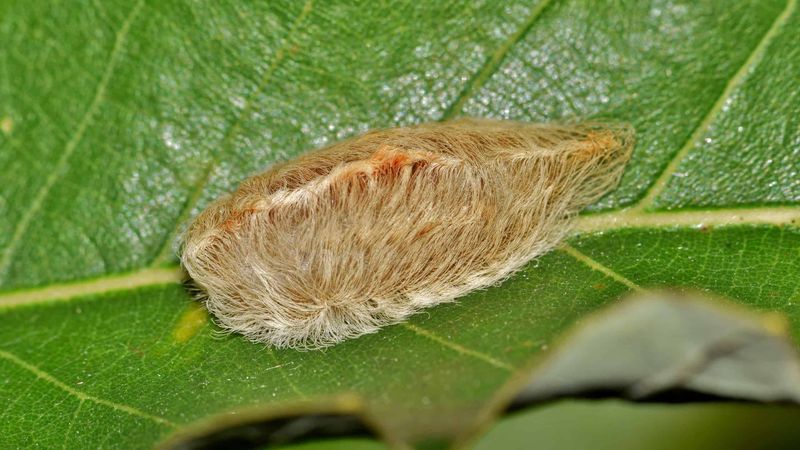
Some caterpillars in Arizona look harmless, but a quick brush against one can leave skin burning. Their hairs and spines can cause painful reactions, and they often blend into leaves, branches, and yard plants.
Nobody has confirmed one single caterpillar behind the big claims you may have seen online. Knowing a few local examples and what to do after contact can keep a yard walk from turning into a bad afternoon.
Arizona has several caterpillars that can cause painful reactions
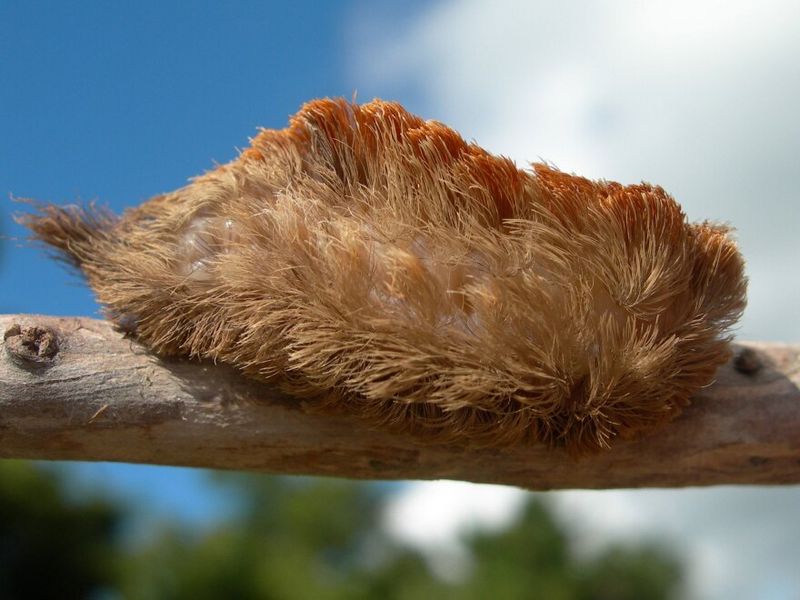
Arizona is home to more than one caterpillar that can hurt on contact, so no single culprit explains the title. Banner Poison Center materials describe two local examples: the buck moth caterpillar, which has sharp, dark spines, and the puss moth caterpillar, a soft, furry one.
Brushing against either can cause burning and welting.
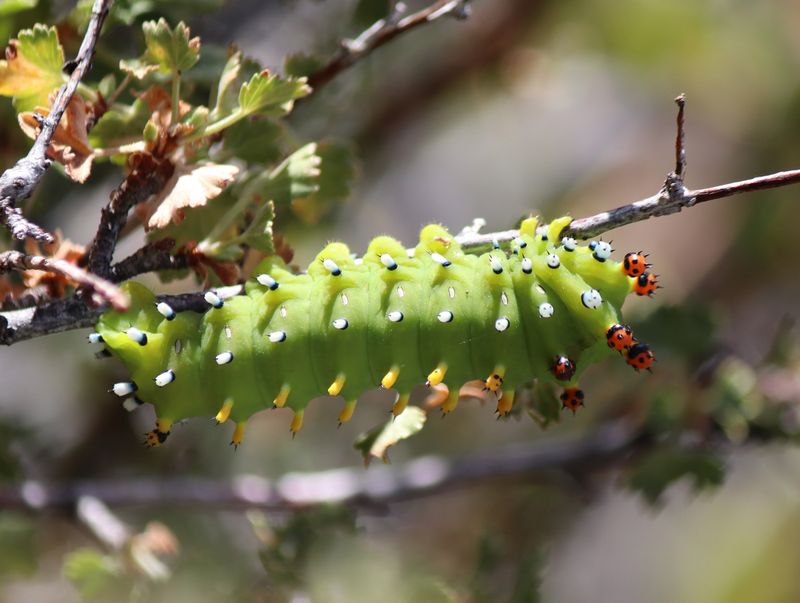
A third example comes from the Arizona-Sonora Desert Museum. Its regional insect feature describes the Cecrops-eyed silkmoth caterpillar, which has branching spines that cause a painful, bee-like sting.
The adult moth occurs in southeastern and central Arizona.
These are three separate examples, not one species wearing different names. They are also not a full statewide list, so other Arizona caterpillars may cause reactions too.
Without a confirmed specimen or clear photo, nobody can say which caterpillar a particular story is about. The safest habit is simple: look, but do not touch.
A soft coat can conceal sharp spines
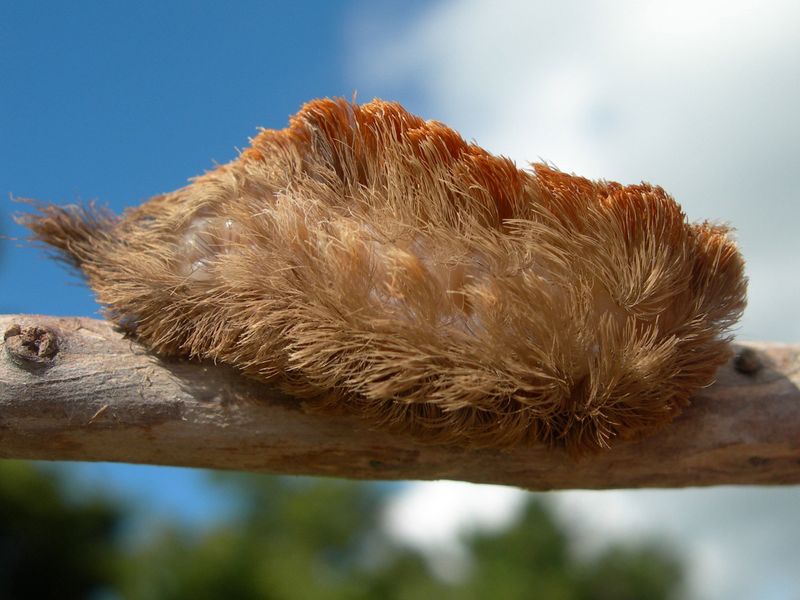
Fur looks cuddly, which is exactly why some caterpillars catch people off guard. The Arizona poison center describes the puss caterpillar’s pale, soft-looking fur as hiding sharp spines.
A gentle pat could end in burning and welts.
The buck moth caterpillar tells a different story. It is described as having sharp, dark spines that look like what they are.
Both descriptions apply to those examples only.
Do not turn them into a rule for every caterpillar. Plenty of fuzzy or spiny caterpillars are harmless, and looks alone cannot confirm a species or a hazard.
The practical takeaway is to keep hands off any unfamiliar caterpillar, whether it looks soft or prickly, and keep kids and pets at a distance too.
Contact with hairs or spines causes the typical “sting”
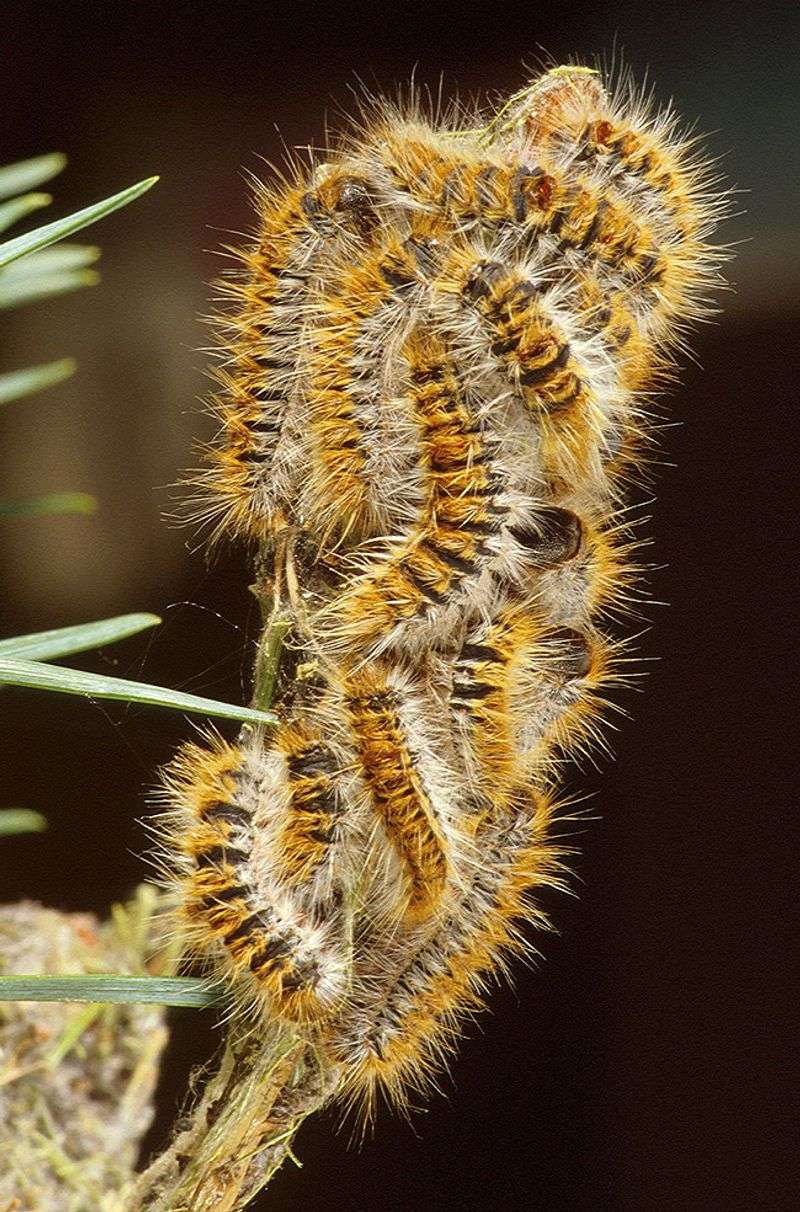
Caterpillars have no stinger like a bee’s. In many stinging species, hairs or spines break off on contact and deliver irritant or venom.
Pain, itching, rash, swelling, and sometimes blisters can follow.
So “sting” is really shorthand for what happens when skin meets those tiny hairs or spines. The caterpillar does not need to bite or jab anyone.
Simply brushing past can be enough.
The Desert Museum calls the Cecrops-eyed silkmoth caterpillar’s reaction painful and bee-like. That describes how it feels, not a measured ranking.
Pain varies from person to person, and no source here shows that any caterpillar hurts more than a bee in every case.
Mesquite offers a clue, not an identification
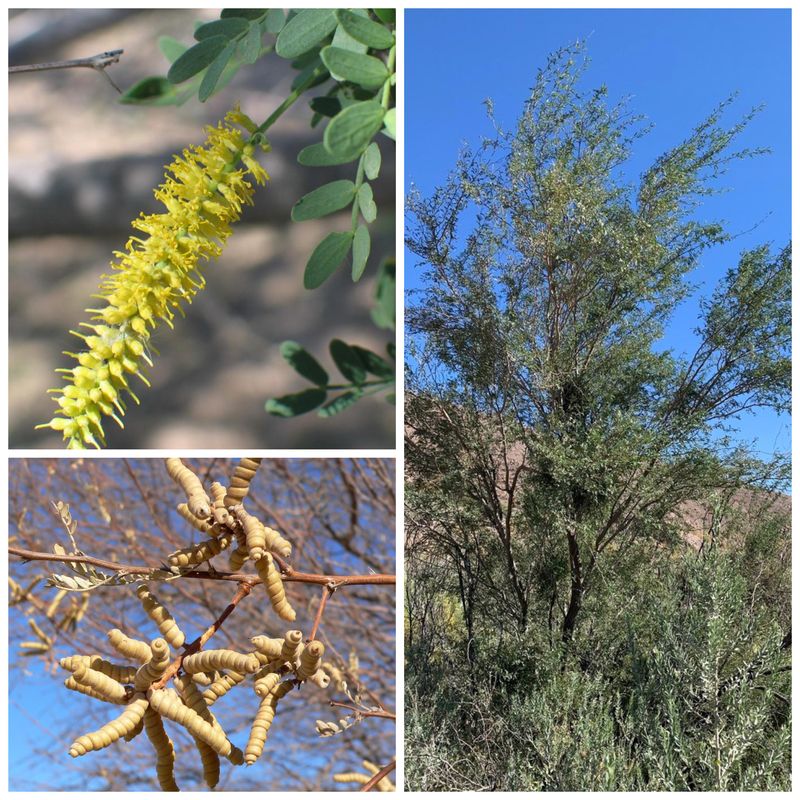
Mesquite trees are common in Arizona yards and washes, and they give a useful bit of habitat context. The Juno buckmoth’s caterpillars feed on mesquite, and the species occurs in southern Arizona.
Your Arizona Garden Changes Every Week. Your Plan Should Too.
Gardening in Arizona changes quickly throughout the season. Every Friday you’ll receive a simple weekly plan showing exactly what to plant, prune, fertilize, harvest, and protect so you never miss the right timing.
That detail can tell you where to stay alert. If you prune or sit under a mesquite, take a moment to look over the branches first.
Wearing gloves and long sleeves while pruning adds a sensible layer of protection.
It does not work in reverse, though. A caterpillar on mesquite is not automatically a Juno buckmoth, and it is not proven to be hazardous.
Host plant, range, and season help with context only. Treat any unknown caterpillar with the same hands-off caution, wherever it is sitting.
If a caterpillar touches skin, remove hairs or spines without bare hands
Start by not handling the caterpillar with bare hands. Move away from it, and if one is still on your skin, remove it without using your fingers.
Next, follow Poison Control’s steps. Gently press tape onto the affected area to lift hairs or spines.
Then use a fresh piece of tape and repeat.
Once the tape has done its work, wash the area gently with soap and water. Avoid rubbing hard, since that could push hairs or spines around.
Stick to these steps rather than adding other home treatments, because they are the ones Poison Control recommends. Keep an eye on the area afterward and note how it changes.
Pain, rash, or swelling can show up and vary from one person to another.
Contact Poison Control with exposure questions

If you have questions after touching a caterpillar, call Poison Control at 1-800-222-1222. It is the number to use for exposure questions, whether the reaction seems mild or you simply are not sure what to do next.
Severe blistering calls for medical advice. Do not wait it out if the skin looks worse than you expected.
Poison Control’s caterpillar guidance also says to avoid handling the caterpillar. That includes trying to pick it up for a closer look or to show someone.
A clear photo taken from a safe distance is a much better plan.
Outcomes differ from person to person, so no guide can predict exactly how a reaction will go. The caterpillar on the branch usually looks harmless, so give every unfamiliar one some room.