Plant This Evergreen Native Fern In Georgia Shade This Fall For Winter Color
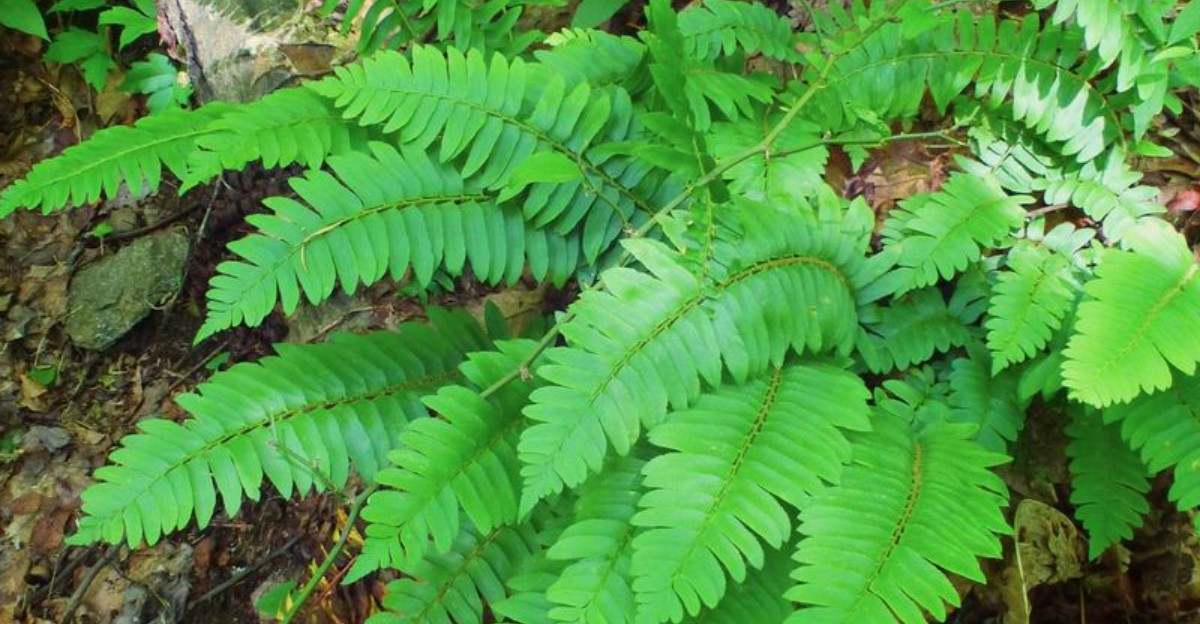
Shady beds under big trees can look bare once the hostas fade back for the year. By midwinter, that ground may be little more than fallen leaves and exposed soil.
One native fern stays green through those months, so it stands out when nearly everything nearby has faded. Its fronds hold their color even after hard frosts.
Once established, it also handles dry shade under trees better than many plants sold for that spot.
In Georgia, it grows wild in woodlands, so it is already suited to local soil and weather.
Planting it now gives the roots time to settle while the ground is still workable and the air is cooler.
Take a look at the darkest corner of your yard, since that may be a good place for one.
1. Its Fronds Stay Green Through The Coldest Months
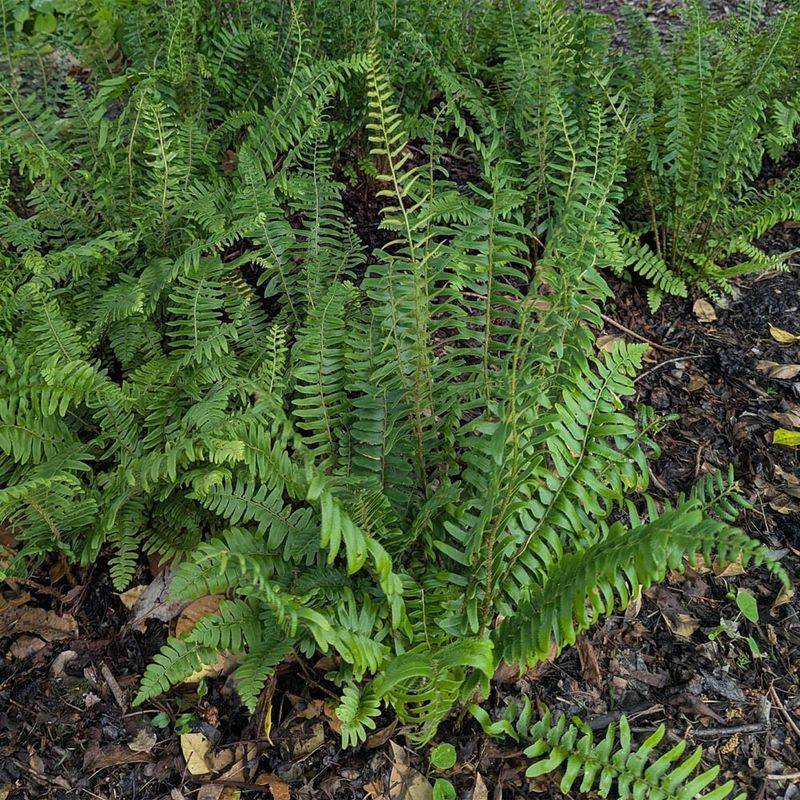
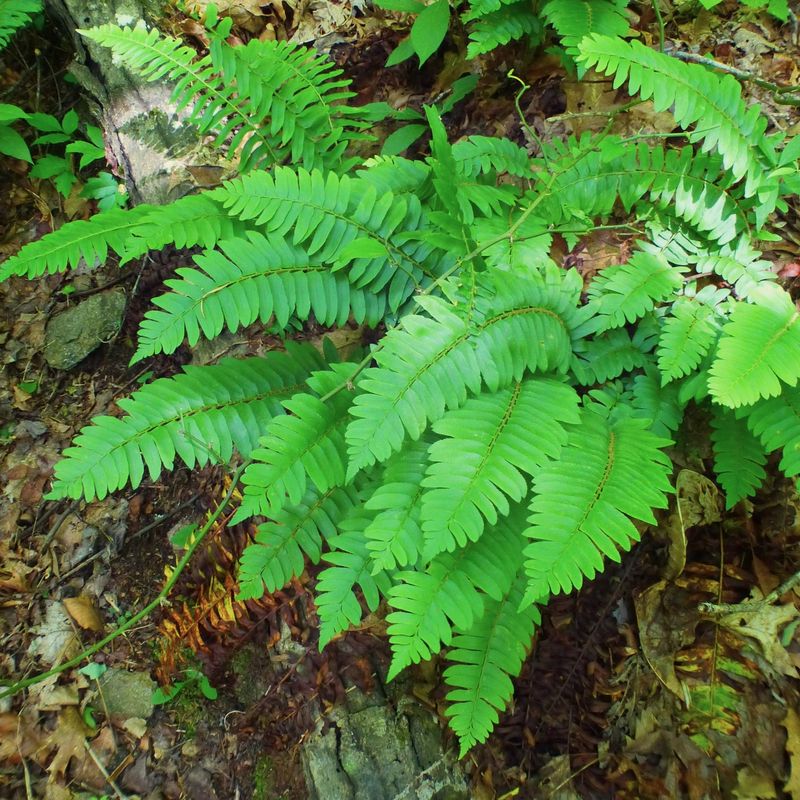
Brown leaves cover most shade gardens by January, yet one plant keeps showing up in deep green. Christmas fern, known to botanists as Polystichum acrostichoides, holds its leathery fronds through winter in most years.
Its leaflets have a thick, glossy surface that seems to help them handle cold snaps better than softer ferns.
Hard freezes may flatten the fronds for a while, and that can look alarming at first. Most of the time they stay green, even as they lean toward the ground by late winter.
Across north and middle Georgia, that steady color fills the gap left by hostas, ginger, and other shade plants that vanish after frost.
Expect a mature clump to reach roughly one to two feet tall and about as wide. Each frond is lance-shaped, with small leaflets that line up like rungs on a narrow ladder.
Winter appearance can vary with your conditions.
Plants in very dry, windy spots may show more browning at the tips by February. Ones sheltered under trees or near a wall usually look fresher through the season.
A light layer of shredded leaves around the base can help hold moisture during dry winter stretches, which keeps fronds looking healthier.
Pair a few clumps with evergreen partners like wild ginger or moss, and a dull winter bed suddenly has texture and life again.
2. A Holiday Name Rooted In Its Winter Greenery
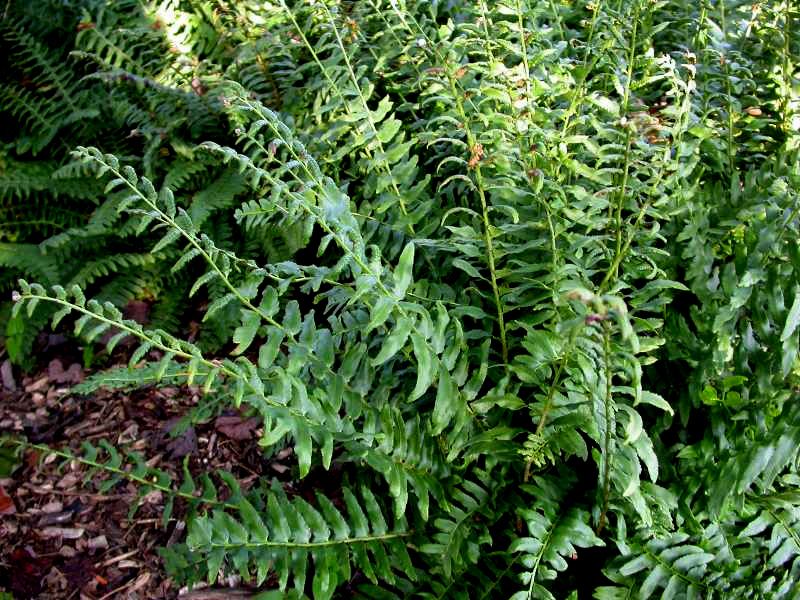
Ever wonder how a fern ends up named after a holiday? Two common stories explain it, and both connect to what you see in December.
Early settlers in the eastern United States reportedly gathered the green fronds for winter decorations when little else was growing.
Take a close look at a single leaflet, and you may spot a second clue. Each one has a small lobe near its base that many gardeners say looks like a tiny Christmas stocking or sleigh.
That little ear-shaped bump is handy for identification, too.
Plenty of ferns look alike in summer, so the stocking shape helps you tell this one apart from lookalikes on a woodland walk. Hikers on shaded trails in north Georgia can often spot it on stream banks and hillsides.
Your Georgia Garden Changes Every Week. Your Plan Should Too.
Gardening in Georgia changes quickly throughout the season. Every Friday you’ll receive a simple weekly plan showing exactly what to plant, prune, fertilize, harvest, and protect so you never miss the right timing.
Please leave wild plants where they grow, though, and buy yours from a nursery instead.
Native plant sales in spring and fall usually carry nursery-grown Christmas ferns in quart or gallon pots. Local garden clubs and native plant groups sometimes offer divisions from their own yards as well.
Cutting a few fronds from your own clump for a holiday arrangement is fine, as long as you take only a handful.
Leaving most of the foliage in place lets the plant keep feeding itself through the cool season.
3. Cool Fall Soil Gives New Roots Time To Establish
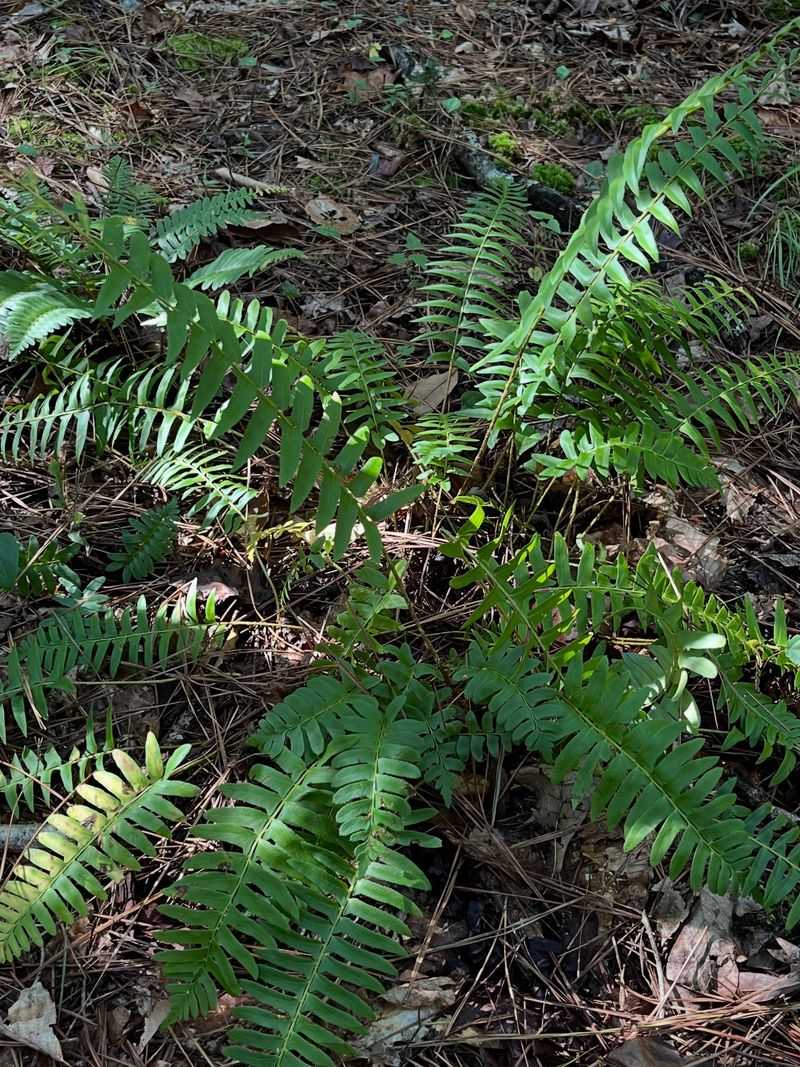
Timing matters more than most people think. Planting in late September through November lets a fern settle in without the stress of a hot summer.
Soil in Georgia often stays warm well into fall, and roots can keep growing while the air above cools down.
By spring, a fall-planted fern typically has a stronger root system than one set out in May. That head start can help it handle the first summer heat and dry spells.
Start by digging a hole about as deep as the pot and roughly twice as wide.
Mix in some leaf compost if your soil is heavy clay, which is common across the Piedmont. Set the crown level with the ground, since burying it too deep can lead to rot.
Water deeply right after planting, then check the soil every week or so.
Fall rain is not always reliable, and a dry October can stress a fern with fresh roots. Aim to keep the soil lightly moist, not soggy, through the first winter.
A two-inch layer of shredded leaves or pine straw around the plant helps hold that moisture.
Skip the fertilizer for now. Christmas ferns grow fine in leaf-rich soil, and extra feeding in fall is usually unnecessary.
4. Shade, Slopes, And Woodland Edges Are Its Natural Territory
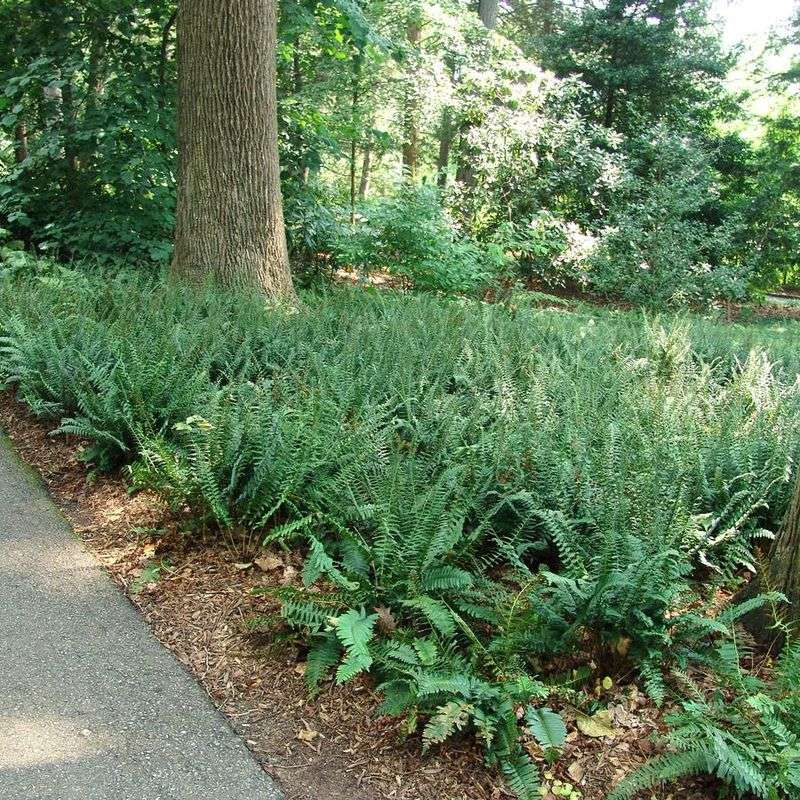
Hot afternoon sun is where this fern struggles most. Give it shade or filtered light, and it usually looks its best.
Morning sun with afternoon shade can also work, especially if the soil stays somewhat moist.
In the wild, you will find Christmas fern on wooded hillsides, ravines, and creek banks. Those spots tend to have loose soil, decent drainage, and plenty of fallen leaves.
Shady slopes in your yard can mimic that setting surprisingly well.
Its spreading roots help hold soil in place, so a group planted on a bank may reduce some erosion over time. Results depend on slope steepness and rainfall, so very steep banks may need extra help like jute netting.
Gardeners in Georgia often battle bare dirt under big oaks and pines where grass refuses to grow.
Those dry-ish, shady patches are a solid match once the ferns get established. Expect to water more during the first year, then less after that.
Soggy, poorly drained spots are a different story.
Standing water around the crown can cause rot, so avoid low areas that stay wet for days after storms. If drainage is a question, plant on a slight mound to keep the crown a little higher.
5. Clumps Expand Slowly Without Taking Over The Bed
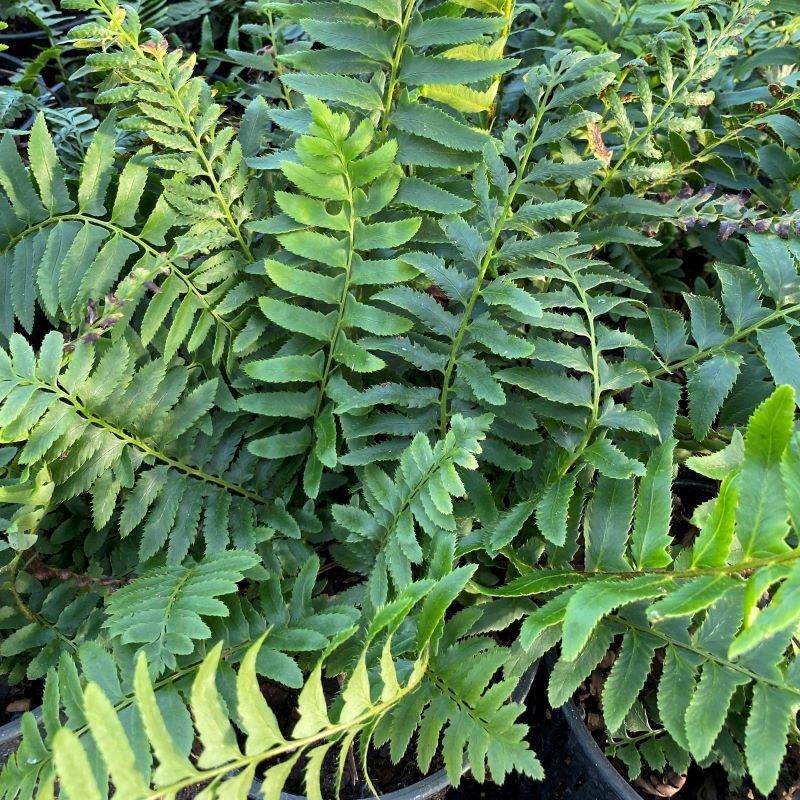
Some ferns run wild. Christmas fern stays put, growing as a neat clump instead of sending runners across the garden.
That polite habit makes it easy to plan around, even in a small bed near a walkway or patio.
Each clump grows from a central crown, and new fronds come up in a circle around it. Over several years, the crown can widen and form a few side crowns, but the spread is gradual.
Spacing plants about 18 to 24 inches apart gives each one room to fill out.
Planted closer, they will touch sooner and make a fuller look faster. Wider spacing costs less up front but takes a few seasons to close the gaps.
Once a clump gets large, usually after several years, you can divide it in early spring or fall.
Lift the clump with a sharp spade and cut through the crown so each section has roots and some fronds. Replant the pieces right away and water them well.
Neighbors in Georgia who garden with native plants are often happy to trade divisions, which is a cheap way to grow your collection.
Not every clump divides cleanly, though. Small plants are better left alone until they bulk up.
6. Browsing Deer Typically Leave It Alone
Chewed hosta leaves are a familiar sight in many Georgia yards. Ferns, on the other hand, often come through the same nights with barely a nibble.
Deer usually skip Christmas fern, likely because the tough, slightly fuzzy fronds are not very tasty to them.
That does not mean the plant is deer-proof. Hungry deer in a harsh winter or a drought year may sample almost anything green.
Young plants can also get trampled or pulled up by curious animals before their roots grip the soil.
Rabbits tend to ignore mature fronds as well, though results differ from one neighborhood to the next. If you have heavy pressure, watch new plantings closely for the first few months.
A simple ring of chicken wire around a fresh planting can protect it until it settles in.
Once the fern looks established, you can remove the wire and let the foliage stand on its own. Mixing ferns among plants deer love can sometimes make a bed less inviting overall.
Insects rarely cause serious trouble either, so you probably will not need sprays.
Slugs may chew a few holes in damp weather. Damage like that is mostly cosmetic and usually does not harm the plant much.
7. A Late-Winter Trim Makes Way For Spring Fiddleheads
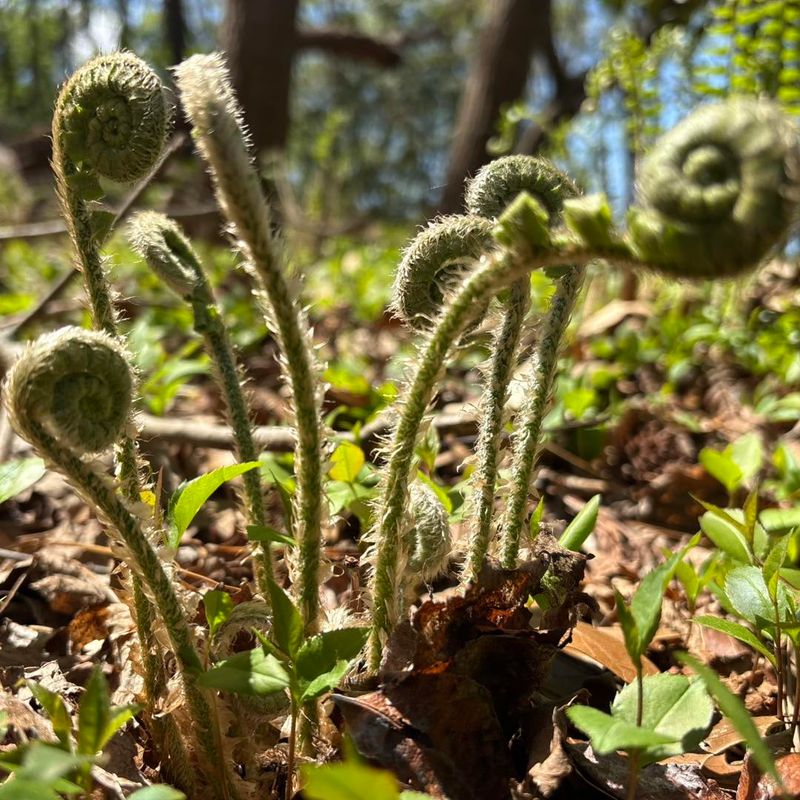
Old fronds look tired by late winter. Snipping them off right before new growth appears gives the plant a fresh start.
In much of Georgia, that cleanup window usually falls from late February into March, depending on the weather.
Watch the center of each clump for small, silvery fiddleheads poking through. Once you see them, it is time to cut the old fronds back near the base.
Use clean pruners and work carefully so you do not snip the new coils by mistake.
Fiddleheads are fragile, and a damaged one will not unroll into a full frond. Cutting a little higher above the crown leaves some room for error.
Some gardeners skip this step and simply let old fronds fade into the mulch.
That approach works fine in a natural woodland setting. A trim just makes the bed look neater while the new growth unfurls.
Toss the clippings in the compost pile or tuck them under nearby shrubs as mulch.
Within a few weeks, the fresh fronds should stretch out and fill the clump again. A spring top-up of leaf mulch helps the soil stay cool as warmer days arrive.