10 Arizona Succulents That Multiply on Their Own in Rock-Hard Soil
Some plants sulk in caliche, but a few tough succulents treat it like home and quietly make copies of themselves year after year. That means you buy one plant and, with a little patience, end up with a whole patch for free.
These spreaders also sip very little water and can give birds, bees, and lizards a place to eat and hide. Here are ten that handle Phoenix and Tucson heat while filling in your yard on their own.
1. Parry’s Agave
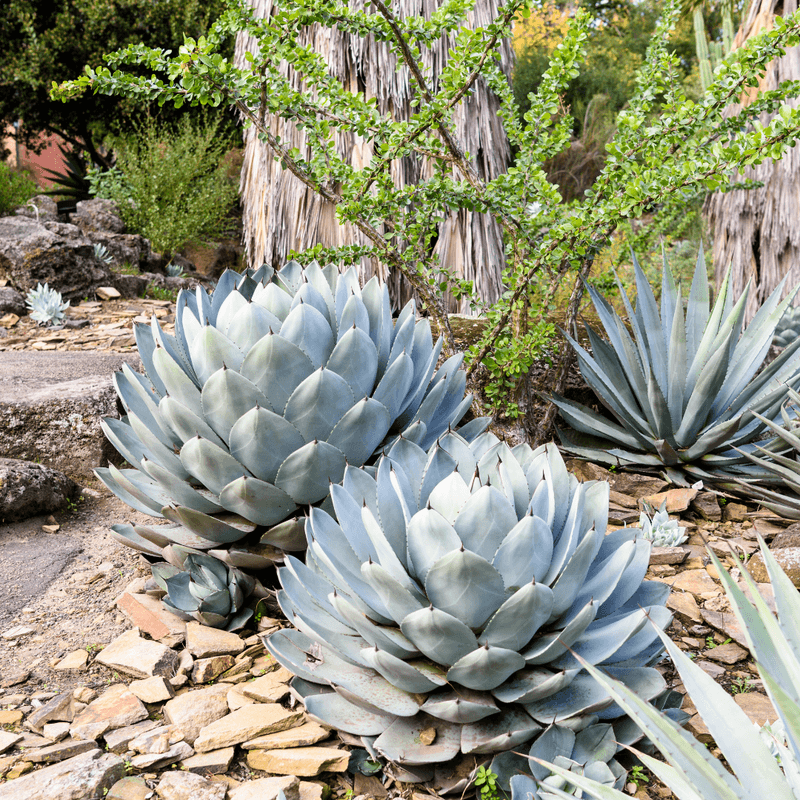
Picture a silver-blue artichoke the size of a basketball, then imagine it surrounded by a ring of tiny look-alikes. Parry’s agave is famous for doing exactly that, sending pups out from its roots until one plant becomes a tidy colony.
Native to Arizona’s mountains and grasslands, it shrugs off low-desert heat and winter cold alike.
Rock-hard ground barely slows it down. The roots wedge into gaps in caliche and anchor the rosette while the thick leaves store water for months.
Once established, a deep soak every few weeks in summer is usually plenty, and winter rain often covers the rest.
After many years, the mother rosette sends up a towering flower stalk and then fades away. Before that happens, though, she has usually left behind a family of pups ready to take her place.
The tall golden blooms can draw hummingbirds, native bees, and even nectar-feeding bats on summer nights.
Plant pups in October or November so roots settle before summer. Give them full sun, fast drainage, and space away from walkways, since the leaf tips are sharp.
Extra pups pop out easily with a trowel, making perfect gifts for neighbors who want a water-wise yard.
2. Lechuguilla
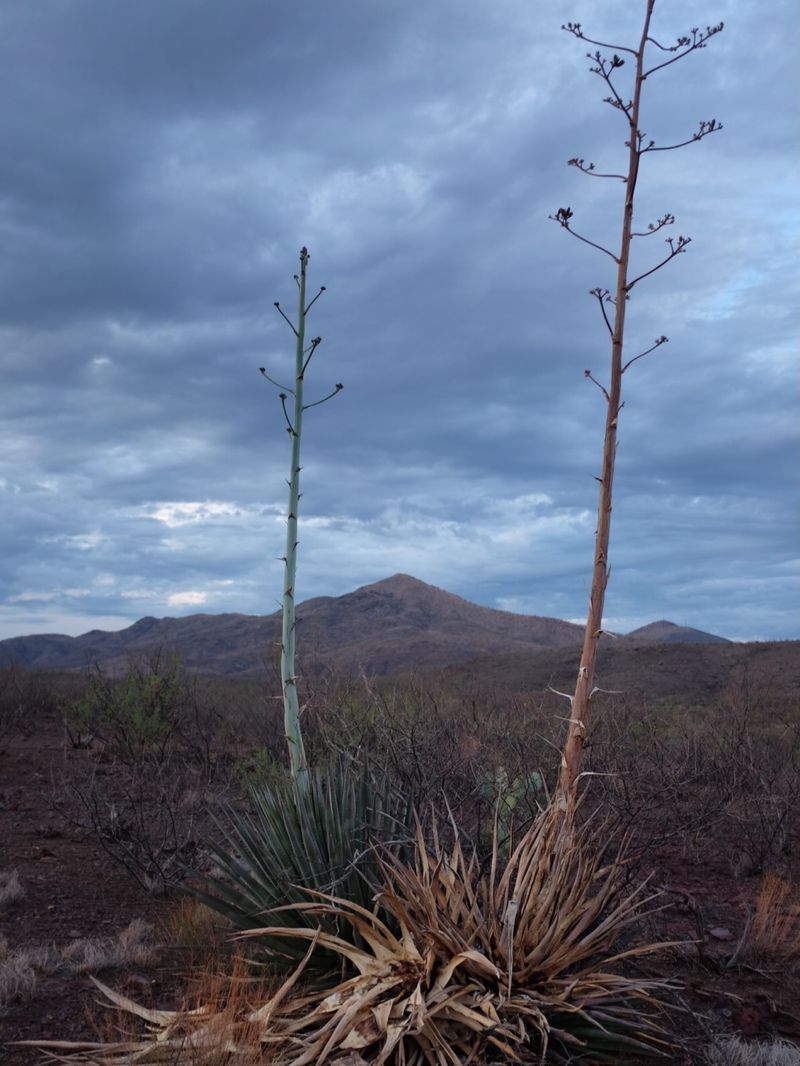
Hikers in the Chihuahuan Desert sometimes curse lechuguilla, because it carpets entire hillsides with stiff, pointy rosettes. That same stubborn spreading habit is exactly why it earns a spot here.
Unlike most agaves, Agave lechuguilla travels underground on rhizomes, popping up new plants several inches from the parent.
Over a few seasons, a single plant can turn into a low, dense mat that holds soil on slopes and fills awkward rocky corners. It thrives in thin, alkaline ground where little else wants to grow.
Water needs are tiny once roots take hold, often just an occasional deep drink during long summer dry spells.
Wildlife appreciates the cover. Lizards, quail, and ground-nesting birds may tuck into the spiky clumps to escape hawks and the midday sun.
When the narrow flower stalks rise, they can bring in bees and moths looking for nectar.
Because it spreads with real enthusiasm, place it where you want coverage, like a hillside, a far back corner, or along a block wall. Keep it well away from paths and play areas, since the leaves are needle-sharp.
Fall planting gives the rhizomes time to explore before the heat arrives.
3. Aloe Vera
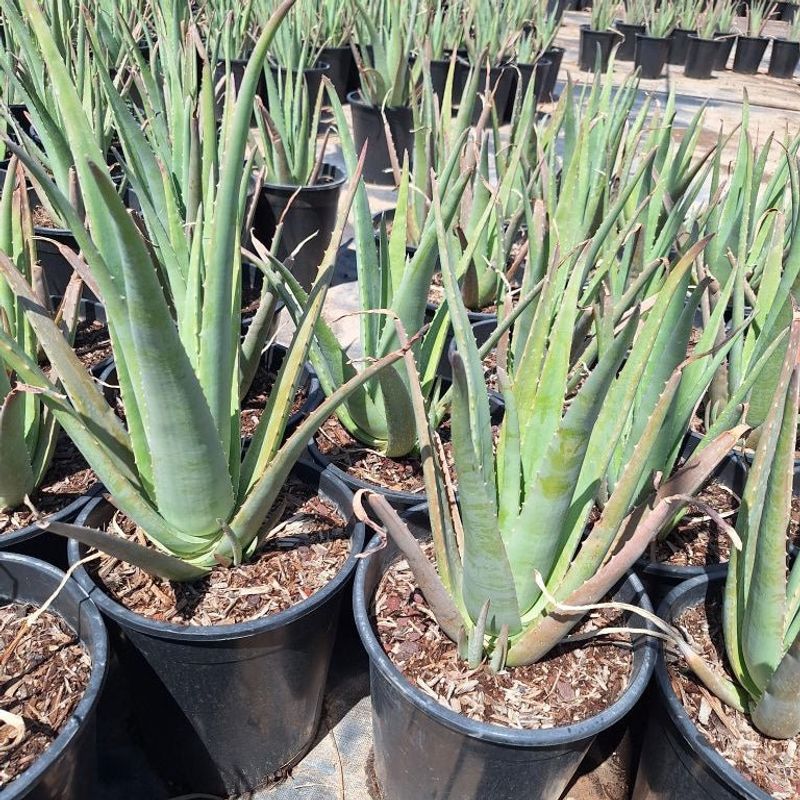
Grandma probably kept one on the kitchen windowsill for sunburns. Out in an Arizona yard, aloe vera becomes something bigger, a spreading clump that keeps sending up pups until it forms a thick green mound.
Your Arizona Garden Changes Every Week. Your Plan Should Too.
Gardening in Arizona changes quickly throughout the season. Every Friday you’ll receive a simple weekly plan showing exactly what to plant, prune, fertilize, harvest, and protect so you never miss the right timing.
Each offset grows right beside the mother plant, and in a couple of years you may have a dozen rosettes crowding together. Pull a few apart in early spring or fall, let the cut ends dry for a day or two, and tuck them into gritty soil.
They root fast, even in compacted ground, as long as water drains away.
Low-desert sun can bleach aloe in July, so a spot with afternoon shade from a tree or east-facing wall keeps the leaves plump and green. Watering about every two to three weeks in summer usually does the trick, with much less in winter.
Cover clumps on rare frosty nights.
Here is the bonus: in late winter, aloe sends up tall spikes of tubular yellow flowers. Hummingbirds tend to zip in when few other plants are blooming, which makes this patch a handy winter fuel stop.
You also get a steady supply of soothing gel for minor kitchen burns.
4. Engelmann’s Prickly Pear
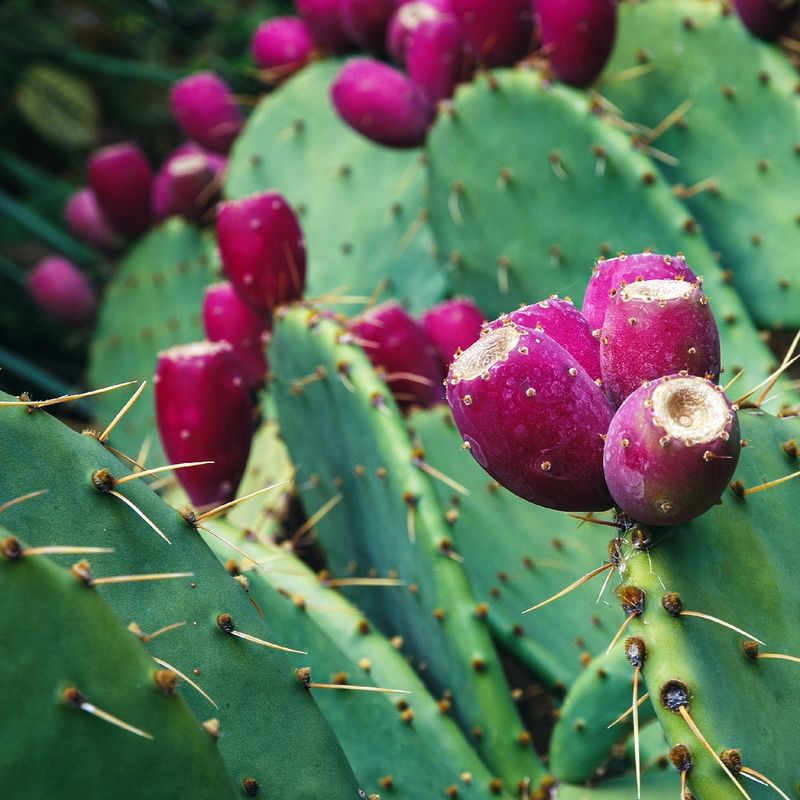
Drop a pad on the ground and walk away. A few months later, there is a good chance it will have roots, and a year later it may be sprouting pads of its own.
Engelmann’s prickly pear practically plants itself.
Native across the Sonoran Desert, this cactus is built for baked, rocky soil and 115-degree afternoons. Pads that break off during storms or get knocked loose by animals simply root wherever they land.
Over time, one plant can become a sprawling thicket with no help from you.
That thicket works hard. Spring brings big yellow flowers packed with pollen that bees seem to love, and summer brings purple fruit called tunas.
Javelinas, birds, and ground squirrels may snack on the fruit, while quail and cactus wrens use the spiny tangle as safe cover.
For homeowners, prickly pear is about as low effort as it gets. Water only to get new pads established, then let rainfall handle most of the work.
Plant in fall or early spring in full sun, and keep it away from pool decks. You can harvest the tunas for syrup or jelly, just wear thick gloves and use tongs.
5. Teddy Bear Cholla
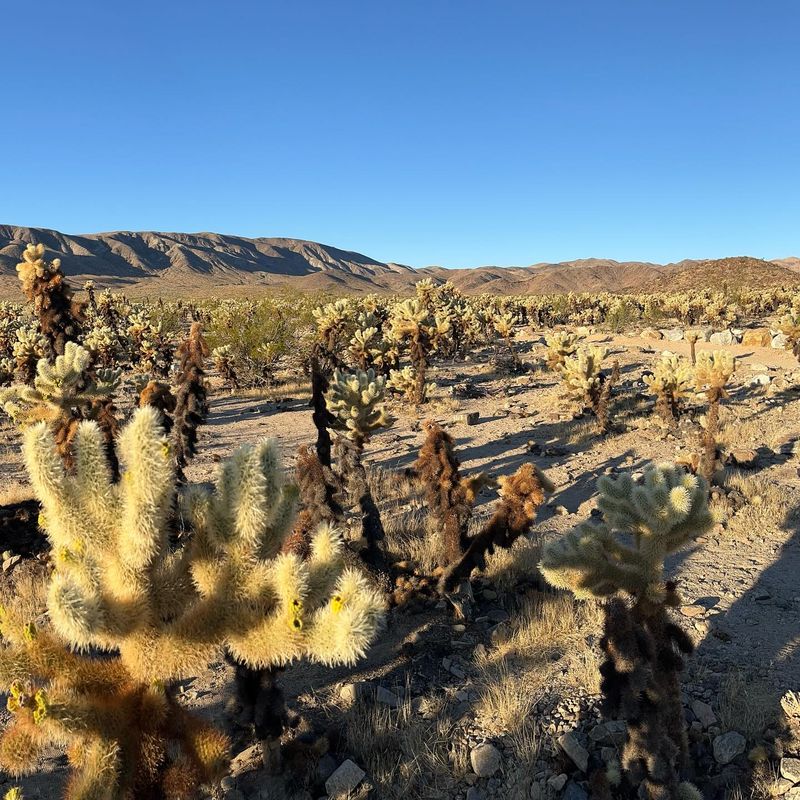
Despite the cuddly name, nobody wants to hug this one. Teddy bear cholla glows gold when backlit by the sunset, and it spreads in one of the cleverest ways in the desert.
Its fuzzy-looking joints snap off at the lightest touch. Each one that hits the ground can root and grow into a brand new plant, which is why you often see whole groves of cholla on rocky hillsides.
Seeds are rarely needed, since the plant is basically a clone factory.
Rock-hard, gravelly soil suits it perfectly. Extra water is rarely needed after the first season, and full sun brings out the best color.
In the wild, cactus wrens often build their football-shaped nests deep inside cholla, using the spines as a fortress against snakes and other hungry visitors.
Placement matters more with this plant than any other on the list. Put it at the far edge of your property or on a slope where kids, dogs, and guests won’t brush past.
A grove at the back of a large lot can become a striking natural barrier and a busy bird habitat. Move fallen joints with tongs or a folded newspaper, never bare hands.
6. Red Yucca
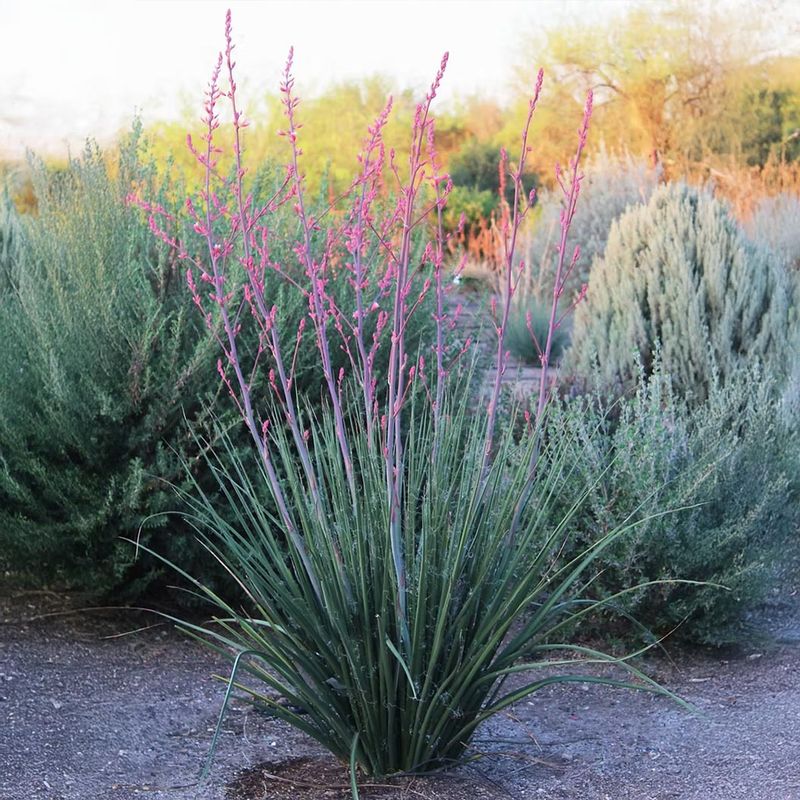
Ask any Tucson landscaper for a plant that just won’t quit, and red yucca will likely come up within the first minute. Hesperaloe parviflora is not actually a yucca, but it is every bit as tough.
Its grassy, arching leaves grow in a fountain shape, and new offsets keep emerging from the base. A small nursery plant slowly widens into a broad clump that can be divided every few years.
Caliche, alkaline soil, reflected heat off a driveway? It handles all of it without soil amendments.
From spring well into fall, tall stalks rise above the foliage and carry coral-pink tubular blooms. Hummingbirds treat them like a long-running diner, visiting again and again through the hottest months.
Seeds that follow may feed finches and other small birds.
Care is refreshingly simple. Water deeply about twice a month in summer for the first year, then cut back as the roots settle in.
Snip spent flower stalks if you prefer a neat look, or leave them for the birds. Unlike spiky agaves, red yucca has soft leaf tips, so it works nicely along sidewalks, patios, and pool areas where people walk by.
7. Yellow Bulbine
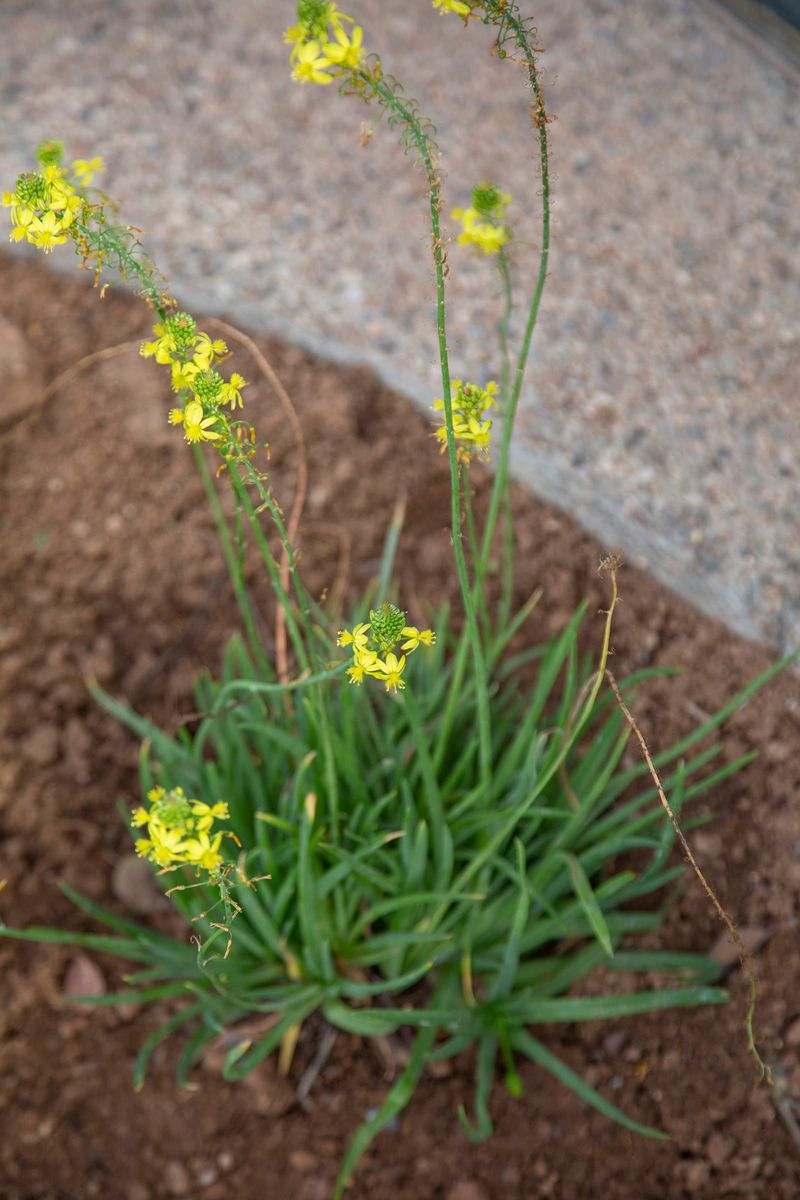
Some plants show off for a few weeks and disappear. Yellow bulbine is more like that cheerful neighbor who waves every single morning, blooming on and off for most of the year.
Native to South Africa, Bulbine frutescens has become a favorite in Phoenix yards because it adapts so well. Its fleshy, grass-like leaves spread through creeping roots and self-sown seedlings, forming dense mats that fill gaps between boulders.
Poor, compacted soil doesn’t bother it, as long as water doesn’t puddle.
Those small, star-shaped yellow flowers sit on slender stems and attract native bees, butterflies, and other pollinators. Because it blooms for such a long stretch, it can help keep pollinators coming back to your yard between bigger flowering seasons.
The thick leaves also hold a soothing gel similar to aloe.
For best results, plant in fall or early spring in full sun or light afternoon shade. Water once a week during the hottest summer stretch, less when it cools down.
Trim off old flower stems to encourage more blooms. If the clumps get too thick, dig a section out with a shovel and replant it somewhere else, turning one plant into a full border.
8. Strawberry Hedgehog Cactus
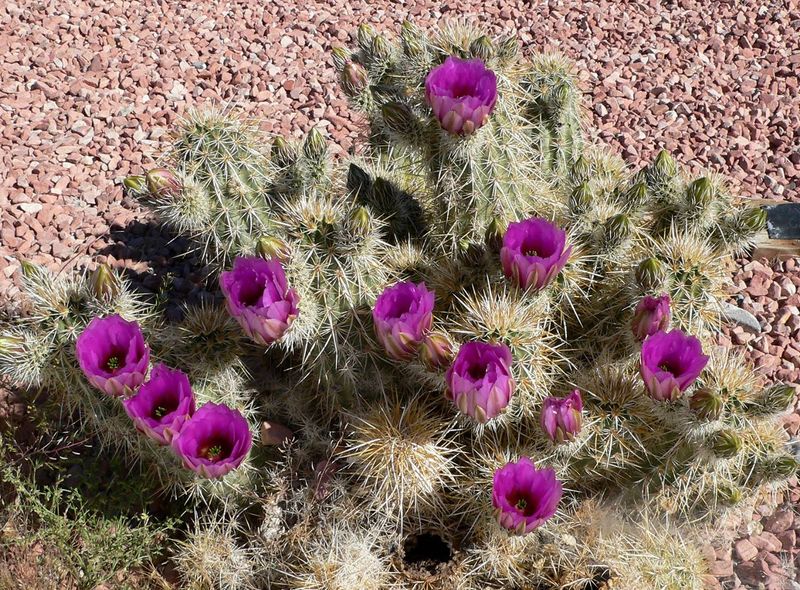
Here’s a fun fact: the strawberry hedgehog gets its name from its fruit, which is red, juicy, and said to taste a little like strawberries. Birds usually find it before people do.
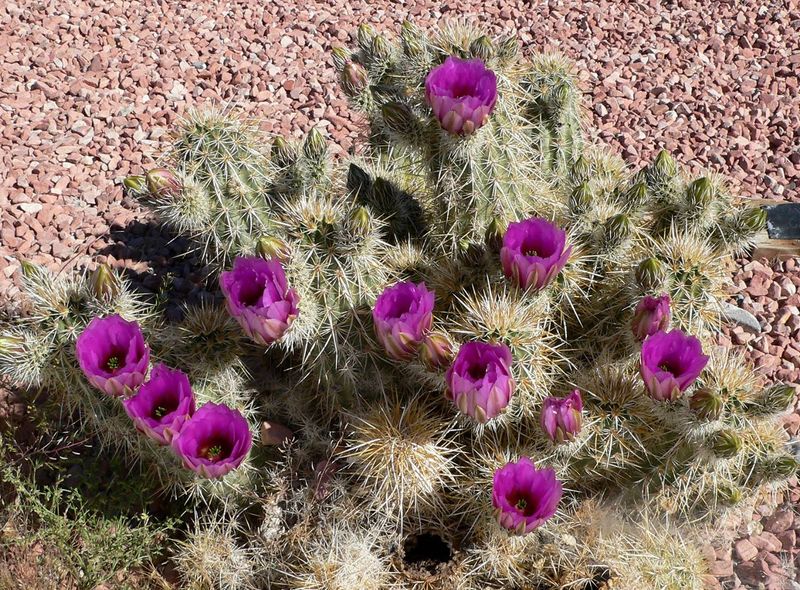
Echinocereus engelmannii starts as a single spiny column and slowly branches at the base into a mound of stems. A mature clump might hold a dozen or more heads, all growing from that one original plant.
It is native to the Sonoran Desert and grows naturally in rocky, gravelly ground where water drains fast.
Every spring it puts on a show with huge magenta flowers that seem far too big for such a compact cactus. Bees often tumble around inside the blooms collecting pollen.
Later, the fruit offers a treat for birds and small desert animals.
Because it stays small, usually under two feet tall, it fits nicely in rock gardens, along borders, or tucked between boulders near a patio. Plant it in fall in full sun or light shade, and water sparingly, perhaps once a month in summer after it settles.
Avoid rich soil and heavy watering, which can cause rot. Lean, rocky ground is where it truly thrives.
9. Candelilla
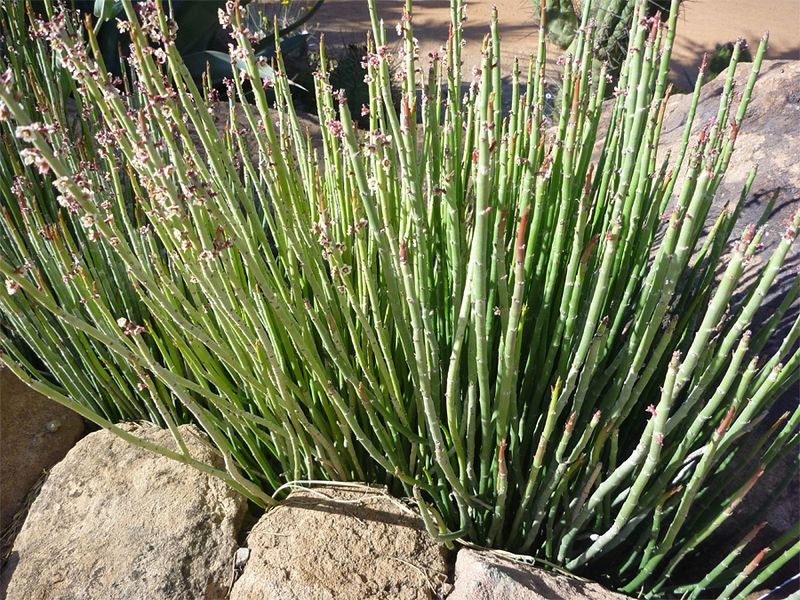
Long ago, people in northern Mexico boiled candelilla stems to collect a natural wax used for candles, polish, and more. That waxy coating is also the plant’s secret to staying cool and holding onto water.
Euphorbia antisyphilitica grows as a cluster of pencil-thin, upright stems with almost no leaves. New stems keep sprouting from the base, so a small pot turns into a wide, grassy-looking clump over time.
It handles caliche, reflected heat, and long dry spells with impressive calm.
The look is modern and clean, a great match for contemporary desert landscapes and gravel courtyards. Tiny white-to-pink flowers appear along the stems and may draw small bees and other pollinators.
Because the stems are smooth, not spiny, it is friendlier around walkways than cactus.
One caution: like other euphorbias, it has milky sap that can irritate skin and eyes, so wear gloves when dividing or trimming. Plant in fall or early spring in full sun, water every couple of weeks the first summer, then taper off.
Once settled, it needs little more than an occasional deep soak during the longest stretches without monsoon rain.
10. Ghost Plant
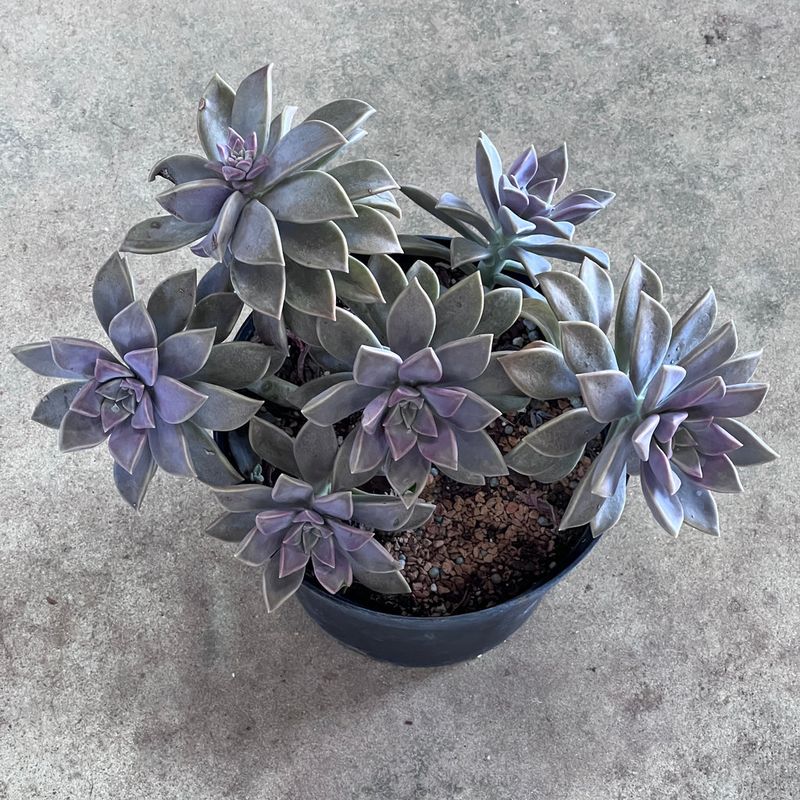
Leaves fall off this plant all the time, and that is actually great news. Each fallen leaf of Graptopetalum paraguayense can sprout roots and a baby rosette right where it lands, no gardener required.
The pale, pearly rosettes shift between lavender, pink, and soft gray depending on sun and temperature. Stems slowly trail and sprawl, spilling over rocks and pot edges.
Wherever leaves drop, little new plants pop up, so a single cutting can quietly become a spreading carpet.
In the low desert, ghost plant is happiest with some protection. Morning sun and afternoon shade, perhaps under a palo verde or mesquite canopy, keeps the leaves from scorching during 110-degree days.
Fast-draining, gritty soil is a must, and rocky ground works well as long as water moves through quickly.
Water every week or two in summer and much less in winter. It is a fun plant for kids because they can see propagation happen in real time, leaf by leaf.
Use it to fill the shady pockets where tougher cactus won’t look their best. Planting under trees also helps keep the soil cooler, giving the roots a comfortable spot to grow.