These Native Virginia Trees Bloom Like Crape Myrtles, Without The Fuss
Crape myrtles are pretty, but they can turn into a lot of work. Many get hacked back every winter into sad, knobby stumps, and a newer pest called crape myrtle bark scale has been showing up across the South.
Native trees offer sweet-smelling blossoms, buzzing bees, and bright fall leaves without that drama. They already feel at home in Virginia soil, so they tend to ask for far less babysitting.
These trees grew up with humid summers, heavy clay, and surprise cold snaps. Many also feed birds, butterflies, and bees better than imported trees can.
Some bloom in early spring, while others carry the show into the heat of July. A few even offer tasty fruit or winter berries as a bonus.
The natives below give you color along fence lines and driveways without the chore list. A few of these beauties might surprise you.
1. Sourwood For Summer Blooms And Scarlet Fall Leaves
Beekeepers in the Blue Ridge treasure sourwood honey, and one sniff of the flowers explains why. Sourwood blooms in June and early July, right when crape myrtles start their summer run.
Long sprays of creamy white flowers hang from the branch tips like strings of tiny lanterns. Each spray stretches 4 to 8 inches, packed with small urn-shaped blossoms that smell faintly sweet.
People often say the blooms look like lily-of-the-valley on a tree. Bees agree, and they visit the branches from sunrise until the evening air cools down.
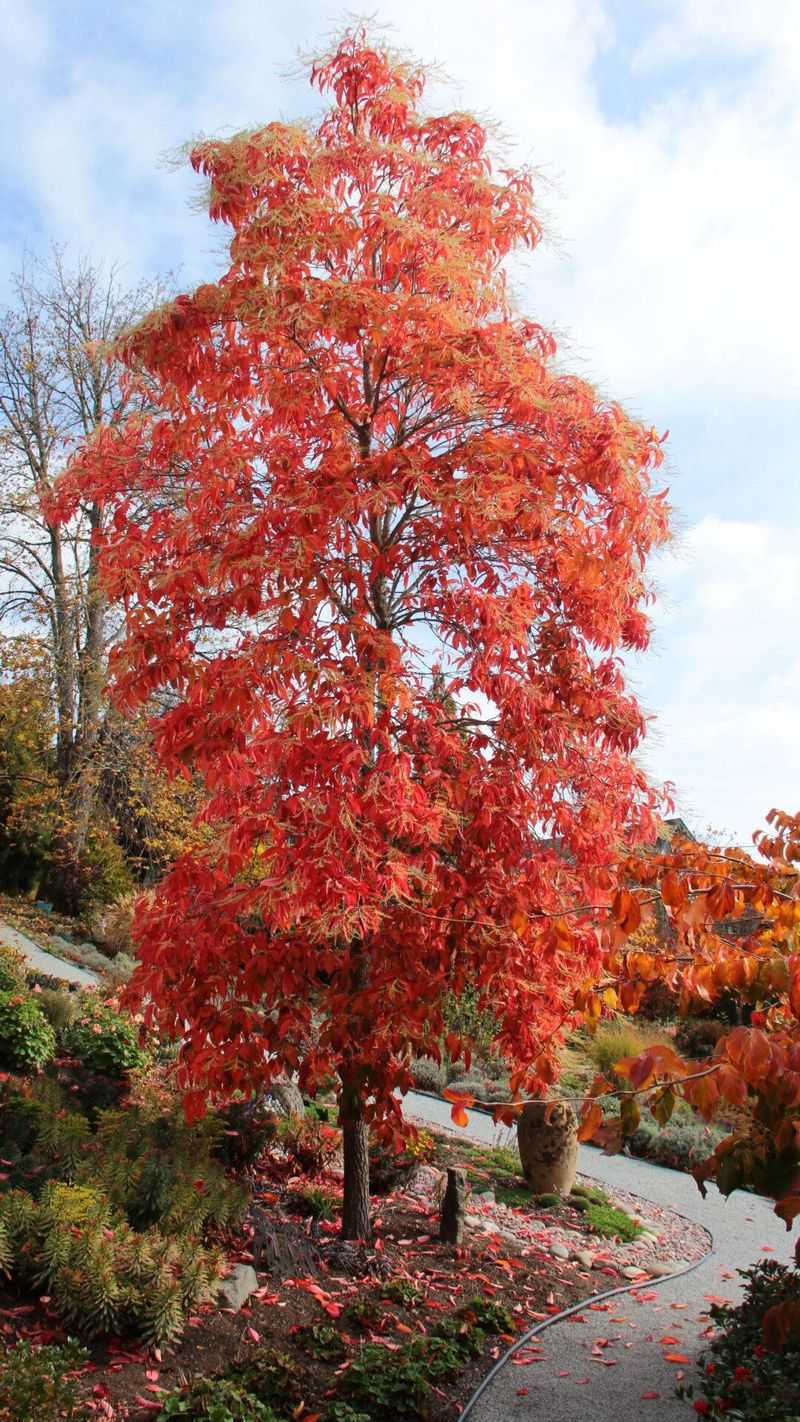
Fall is where sourwood really steals the spotlight. Its leaves turn crimson, scarlet, purple, or deep wine red, often before other trees start changing.
Across much of Virginia, sourwood grows wild on dry wooded ridges and hillsides. Northernmost counties are the main exception, so gardeners up there should check local conditions first.
Soil matters a great deal with sourwood. Choose a spot with acidic, well-drained ground, since alkaline, compacted, or soggy soil can leave the tree struggling.
Roots are touchy about being disturbed, so plant a small young tree and leave it be. Skip digging or tilling near the trunk once it settles into its new home.
Full sun brings the heaviest blooms and the richest fall color. Part shade works too, though the autumn display may look a little softer.
Pests rarely cause real trouble here. Fall webworm or leaf spot may appear now and then, but healthy trees usually shrug these problems off.
Here is a handy tip: water deeply during the first two summers. After that, sourwood mostly takes care of itself with very little help.
2. Sweetbay Magnolia For Lemony Summer Flowers
Step outside on a warm June evening, and a lemony perfume may drift across the yard. Chances are good a sweetbay magnolia is blooming somewhere nearby.
Magnolia virginiana carries the state right in its name. It grows naturally along swamps and stream banks in the Virginia coastal plain.
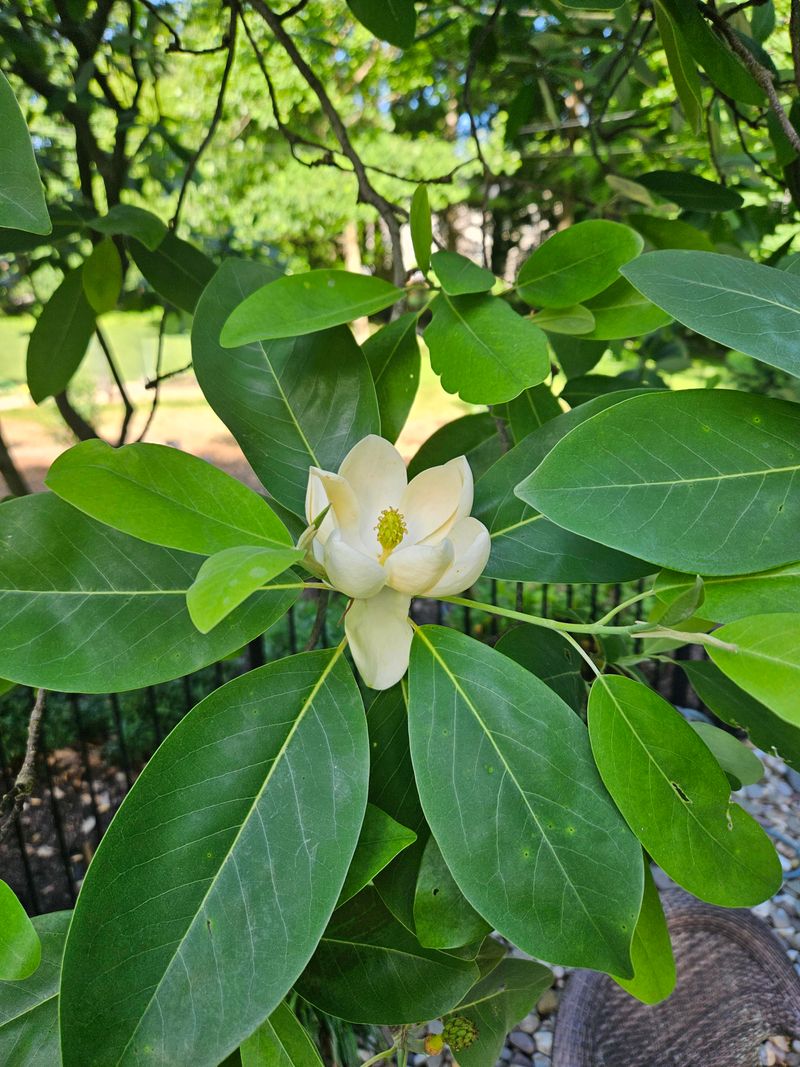
Flowers open creamy white and cup-shaped, measuring about 2 to 4 inches across. Each one holds 9 to 12 velvety petals that feel almost like soft fabric.
The main show arrives in May and June. After that, scattered blooms keep popping open through much of the summer, a lot like crape myrtles.
Your Virginia Garden Changes Every Week. Your Plan Should Too.
Gardening in Virginia changes quickly throughout the season. Every Friday you’ll receive a simple weekly plan showing exactly what to plant, prune, fertilize, harvest, and protect so you never miss the right timing.
Leaves add another fun surprise. Their tops are glossy green, while the undersides flash silvery white whenever a breeze flips them over.
Wet spots in your yard are a perfect match. Sweetbay handles soggy clay and low areas where many trees would sulk or rot.
Acidic soil suits it best, ideally with a pH around 5.5 to 6.5. Full sun to part shade works, though brighter light encourages more flowers.
Deer usually leave it alone, which is welcome news for many suburban gardeners. Pests and diseases seldom bother it much either.
Moisture is the one thing sweetbay truly craves while settling in. Spread a few inches of mulch around the base to hold water in the soil.
Plant it near a patio or open window if possible. Evening fragrance is strongest, so you can enjoy the citrusy scent while relaxing after dinner.
Fun fact: early colonists called it beaver tree. Beavers reportedly liked its roots, and they even used the wood for lodges.
3. Fringetree For Clouds Of White Spring Blossoms
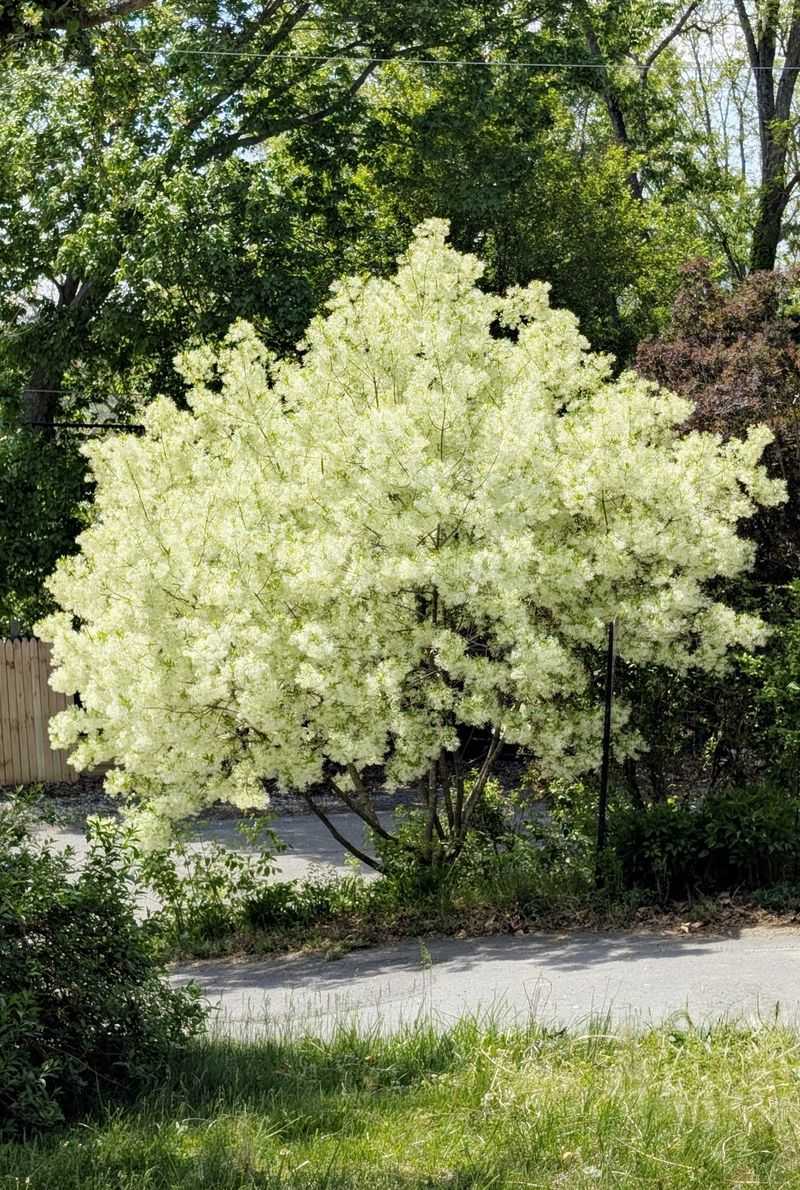
Old-timers in Virginia sometimes call it Grancy Graybeard, and the nickname fits nicely. When fringetree blooms, it looks like a fluffy white beard hanging from every branch.
Clusters of narrow, strap-shaped petals droop in soft, airy bunches. Each flower has four to six ribbon-like petals, giving the tree a feathery, cloud-like look.
Timing is part of the charm. Blooms appear from April to June, after most spring trees have already dropped their petals.
A light, sweet scent rides along with the flowers. Many people compare it to lilacs, especially on calm, warm afternoons.
Fringetree stays fairly small, often growing like a large shrub or short tree. It fits well in small yards, near porches, or along a property edge.
Soil type rarely causes a fuss. It grows in clay and handles acidic to slightly alkaline ground, as long as water drains reasonably well.
Hot summers can scorch its leaves in harsh sun. A spot with filtered afternoon shade helps keep foliage looking fresh and green.
City gardeners will appreciate its toughness. Fringetree tolerates urban pollution better than many other ornamental trees.
Pruning is simple once you know the timing. Trim right after flowering ends, because next year’s buds form soon after.
Female trees may produce dark blue fruits in late summer. Birds gobble them up quickly, so you might only catch a glimpse.
Give a young tree steady water during dry spells for its first couple of years. After it settles in, fringetree mostly minds its own business.
4. Eastern Redbud For Bright Pink Early Color
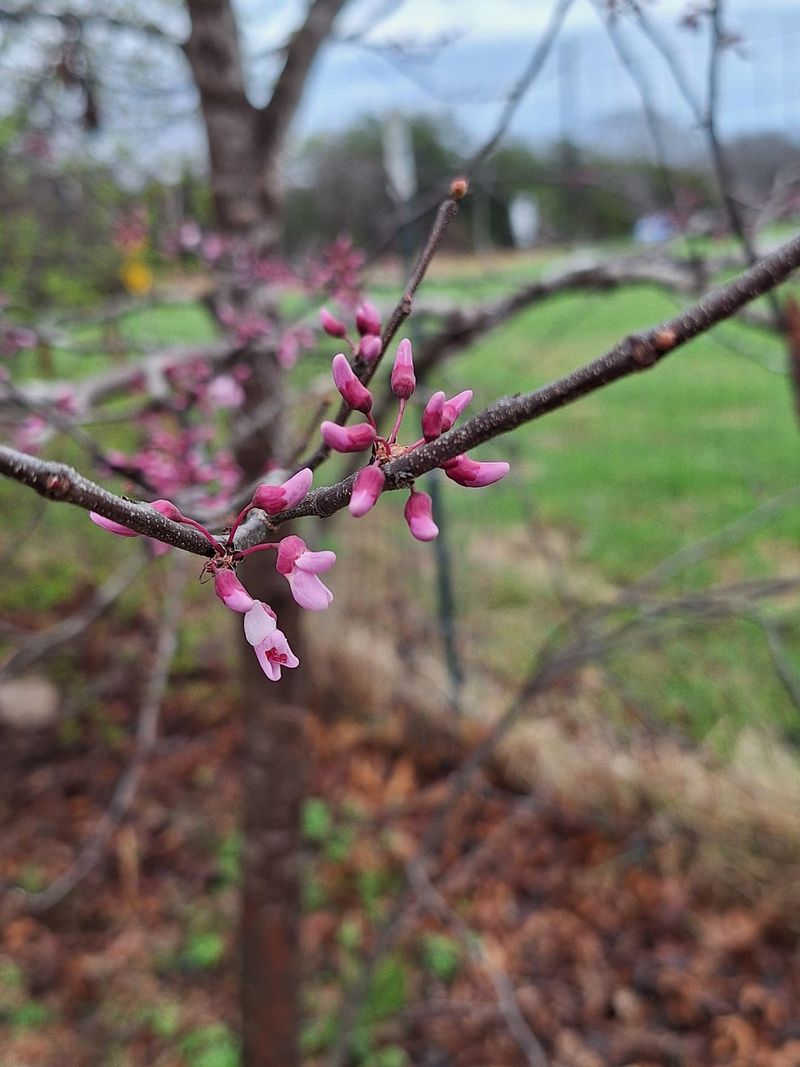
Drive along almost any Virginia highway in late March, and pink clouds seem to float along the woods. Those bursts of color usually come from eastern redbuds.
Blooms show up before the leaves do, so the whole tree glows pink. Colors range from rosy fuchsia to soft lavender, depending on the tree.
Here is a quirky detail. Flowers sprout straight from bare branches and even the trunk, a habit botanists call cauliflory.
Flowers usually last two to three weeks. Later, heart-shaped leaves unfold, giving the tree a sweet, friendly look all summer.
Few trees are easier to grow. Redbud handles clay, slightly acidic soil, and slightly alkaline soil without much complaint.
Sunny spots bring the heaviest blooms. Still, redbud tolerates part shade, which makes it handy beneath taller oaks or near the woods.
Once roots settle in, dry spells rarely cause serious trouble. Most trees need little pruning and no regular fertilizer at all.
Bees and butterflies depend on those early flowers. When little else is blooming, redbuds offer nectar and pollen right when hungry insects wake up.
Fun fact: the flowers are edible. Some people toss them into salads for a pop of color and a mild, peppery crunch.
Plant a small redbud rather than a large one if you can. Younger trees tend to adjust faster and grow strong root systems.
For a special twist, look for native cultivars with white blooms or purple leaves. They offer the same easygoing care with a slightly different look.
5. Serviceberry For Spring Flowers And Summer Berries
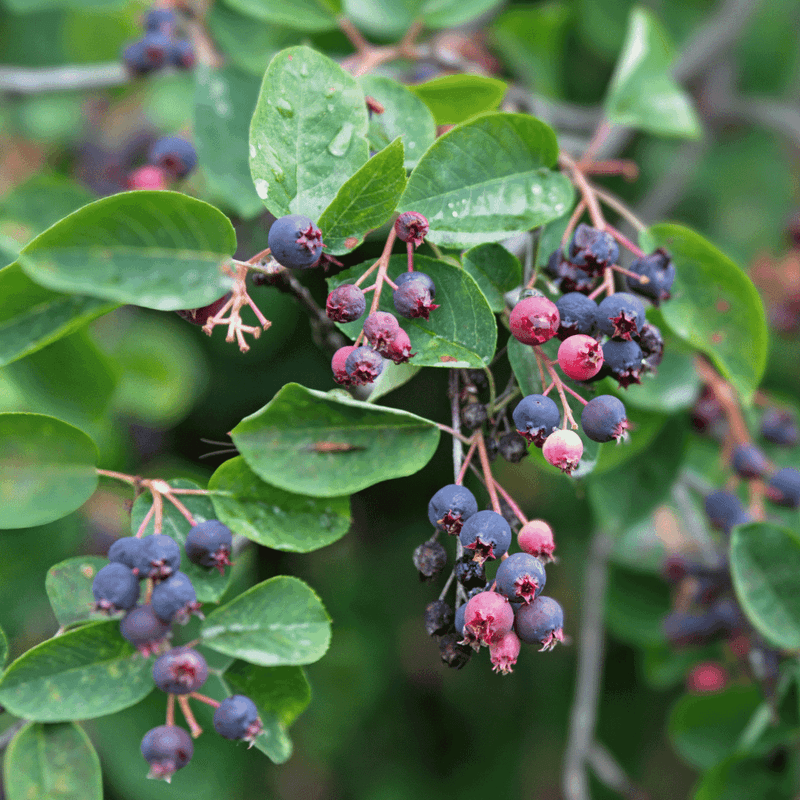
Want a tree you can admire in spring and snack from in summer? Serviceberry delivers both, and the birds will cheer you on.
Virginia is home to seven serviceberry species, including downy serviceberry and shadbush. All share the same generous, cheerful personality.
White, star-shaped flowers open from mid-March to April. They dangle in loose clusters, each blossom with five slim, strap-like petals.
By late June, small berries ripen from red to deep purple. They look a bit like blueberries but taste sweeter, with a slight nutty flavor.
Eat them fresh off the branch or bake them into pies. Jams made from serviceberries make a tasty homemade gift for neighbors.
You will have some competition, though. More than 35 kinds of birds and small mammals feast on the fruit, so pick quickly.
Care stays pleasantly simple. Serviceberry grows in full sun to part shade, though more sun means a bigger berry harvest.
Aim for slightly acidic soil, ideally between pH 5.0 and 6.0. Clay works fine too, as long as water drains away after rain.
Once established, serviceberry handles dry weather well. Young trees still need regular watering during their first summer or two.
Prune in late winter or early spring if needed. Removing crowded stems keeps the tree tidy and can boost fruit production.
Fall adds one more treat. Leaves often turn warm orange and red, giving serviceberry a colorful finish to the year.
6. Flowering Dogwood For A Classic Spring Show
Ask anyone for a symbol of Virginia, and flowering dogwood may top the list. It serves as both the official state tree and state flower.
Spring bloom time is late April to early May in northern parts of the state. Southern areas often see the show a bit earlier.
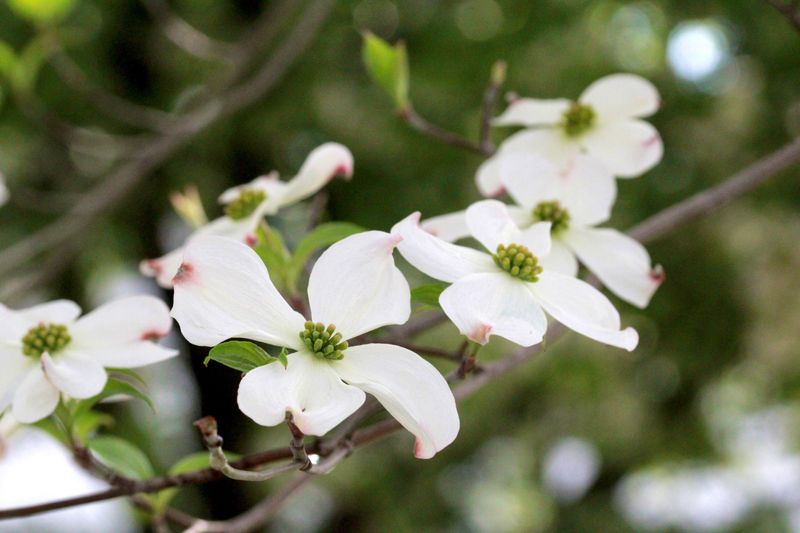
Here is a surprise many people miss. Those big white petals are actually bracts, a type of modified leaf.
True flowers sit in a tiny yellow-green cluster in the center. Each bract usually has a little notch at its tip, like a tiny bite.
Most dogwoods are white, though pink and red forms exist too. The display can last two to four weeks in good weather.
Shade is this tree’s best friend. Morning sun with afternoon shade mimics the forest edges where dogwoods grow naturally.
Roots stay shallow, so they dry out fast in summer heat. A wide ring of mulch and extra water during dry spells help a lot.
Rich, moist soil that drains well keeps dogwoods happy. Slightly acidic to neutral ground suits them nicely.
Prune lightly after flowers fade. Remove broken or crossing branches, and avoid heavy cuts that stress the tree.
Autumn brings glossy red berries and purple-red leaves. Songbirds love the fruit, often cleaning the branches within weeks.
Tip: keep lawn mowers and string trimmers away from the trunk. Bark wounds can invite trouble, so a mulch ring does double duty.
7. Possumhaw For Red Berries That Last Into Winter
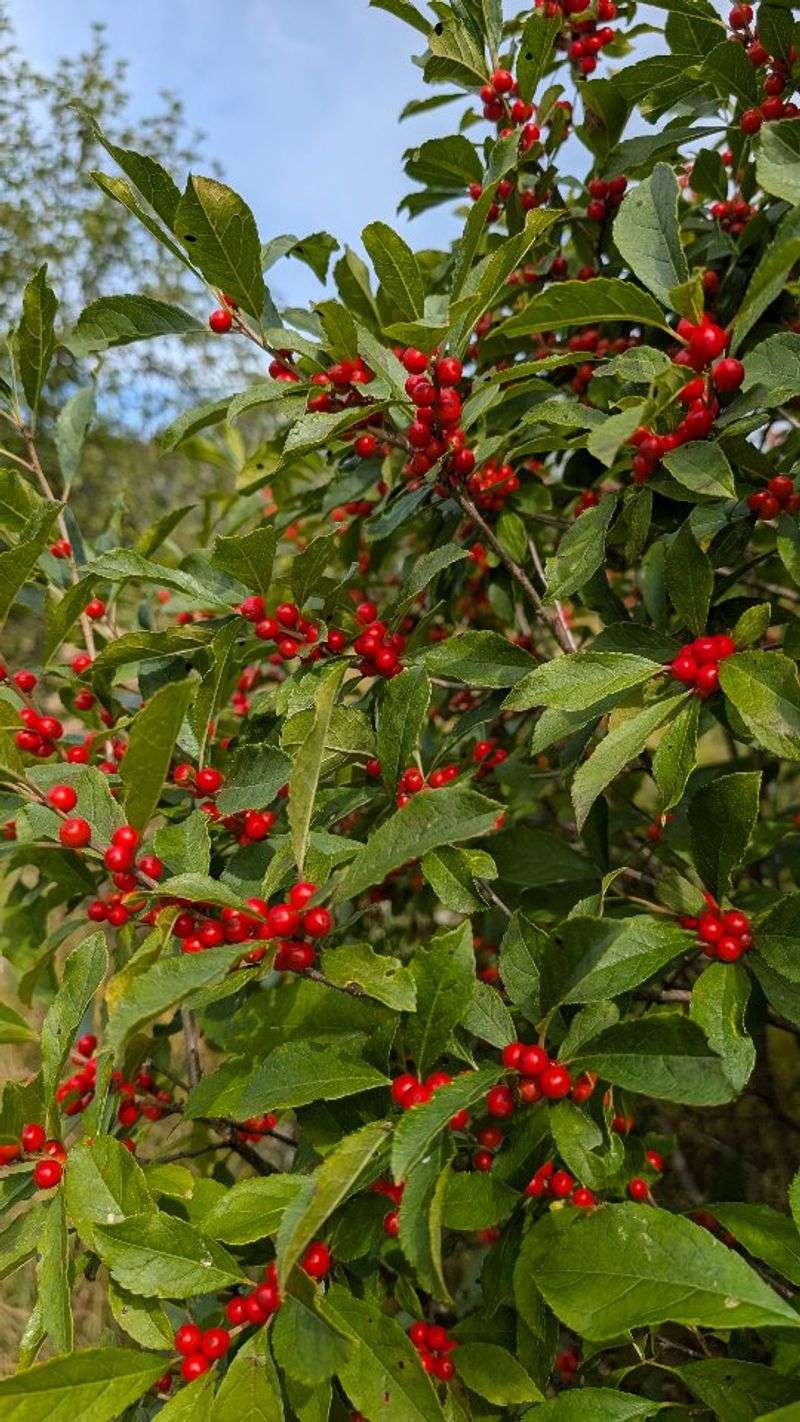
Winter in Virginia can feel gray and gloomy. Then possumhaw shows up, dressed in bright red berries like it is heading to a holiday party.
Also called deciduous holly, possumhaw drops its leaves in fall. That leaves shiny red-orange berries on bare branches, where they really pop.
Spring flowers are small and creamy white. Most people barely notice them, but pollinators certainly do.
Berries ripen in September and October. Many hang on through winter, sometimes lasting right into early spring.
Birds treat those berries like a late-winter pantry. When other food runs low, robins, bluebirds, and mockingbirds flock to the branches.
Only female plants produce fruit, so plan ahead. Plant one male possumhaw nearby to make sure berries form.
It grows wild in the Coastal Plain and Piedmont of Virginia. Clay, poor drainage, and occasional wet spots rarely slow it down.
Moist, acidic soil is ideal, but possumhaw is flexible. Once established, it copes with moderate drought, though extra water helps in long dry spells.
Full sun encourages the heaviest berry crop. Part shade works too, just with a somewhat lighter show.
Pruning needs are minimal. A quick trim in late winter shapes the plant or removes damaged branches.
Deer tend to skip it, and pests seldom cause issues. Try cutting a few berry-covered stems for winter vases and wreaths.
8. American Plum For Fragrant Blooms And Wild Fruit
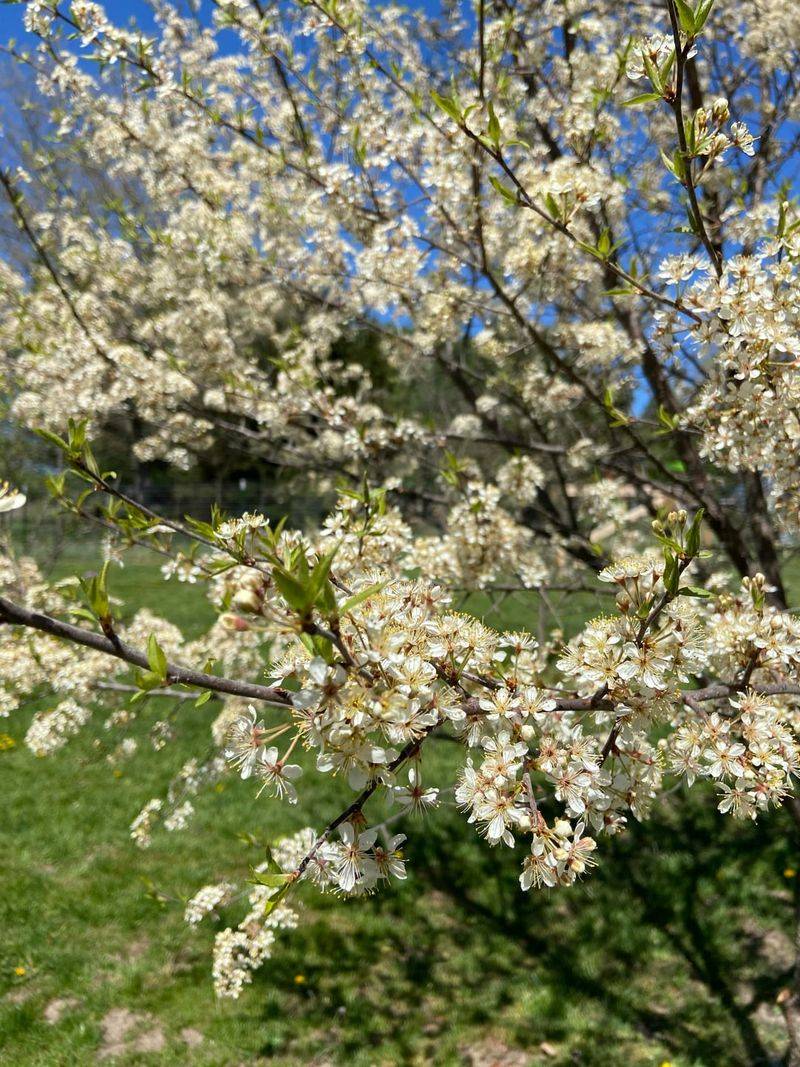
Long before grocery stores, families picked wild plums along fence rows and creek banks. American plum still offers that same simple, old-fashioned joy.
Blossoms arrive in late March to early April across the state. Branches fill with clusters of white, five-petaled flowers about an inch wide.
Fragrance is a big part of the appeal. The sweet, honey-like scent can drift across the whole yard on a calm day.
Round plums follow in summer, ripening from June into September. Colors shift from red to yellow, orange, or reddish purple.
Skins taste tart, while the flesh inside is sweet and juicy. Many cooks turn them into jelly, jam, or preserves.
Wildlife loves this tree too. Birds, deer, and wild turkeys all enjoy the fallen fruit.
Plan on planting at least two trees. Cross-pollination between them leads to a much better fruit harvest.
Full sun gives the best results, though part shade is tolerated. Well-drained soil with a pH of about 6.0 to 7.0 works nicely.
Water regularly during the first year. Once settled, American plum handles some drought quite well.
Root suckers can pop up and form thickets over time. Clip them regularly for a single tree, or let them spread into a wildlife hedge.
Light pruning in late winter keeps things tidy. Remove broken or diseased wood before new growth begins.
9. Carolina Silverbell For Dangling White Bells
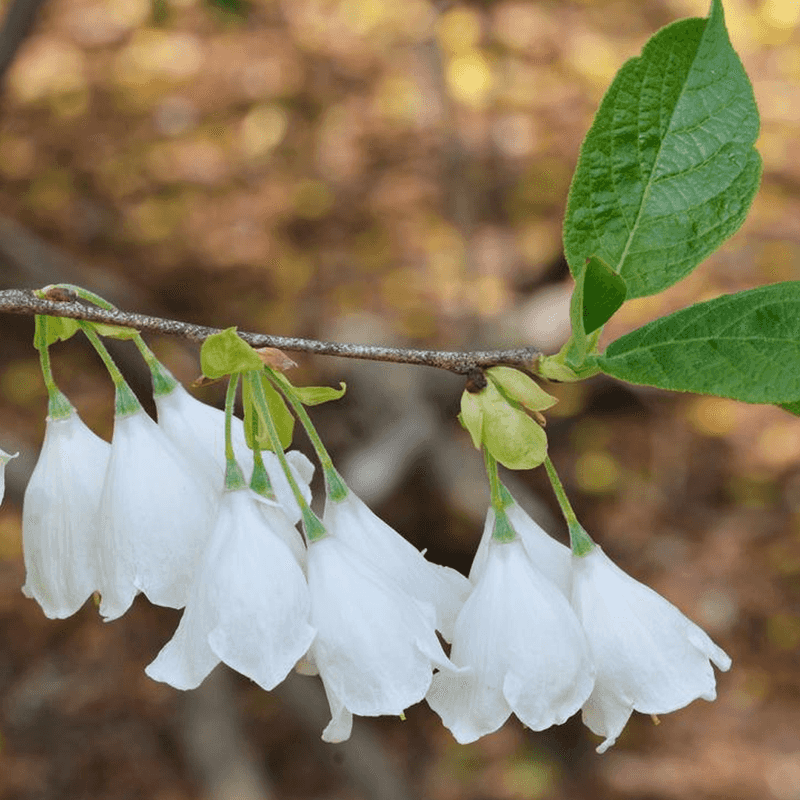
Picture a tree hung with hundreds of tiny white bells, swaying in the spring breeze. Carolina silverbell looks like something from a fairy tale.
Flowers dangle in clusters of two to five blooms. Each bell measures about half an inch to three-quarters of an inch long.
Most blossoms are pure white, though some carry a soft pink blush. They open from late March into May, often with the new leaves.
Early pollinators get a welcome snack from the pollen. Hummingbirds sometimes stop by as well.
In the wild, silverbell grows in western Virginia and the western Piedmont. Mountain coves and shady stream banks are its favorite hangouts.
Copy those conditions at home for the best results. Moist, acidic, rich soil that drains well keeps this tree content.
Heat, drought, and packed soil can stress it. Afternoon shade helps a lot, especially in warmer parts of the state.
Give it regular water while it settles in. During long dry spells, a deep soak every week or so keeps leaves fresh.
Salt and heavy city pollution bother silverbell. Choose a quieter spot away from busy roads and salted sidewalks.
Pruning stays light and easy. Shape the tree or remove damaged branches after flowering or in late winter.
Tip: plant it along a path or above eye level on a slope. That way, you can look up into those dangling bells.