What New York Peach Trees Need Before The First Freeze To Protect Their Wood
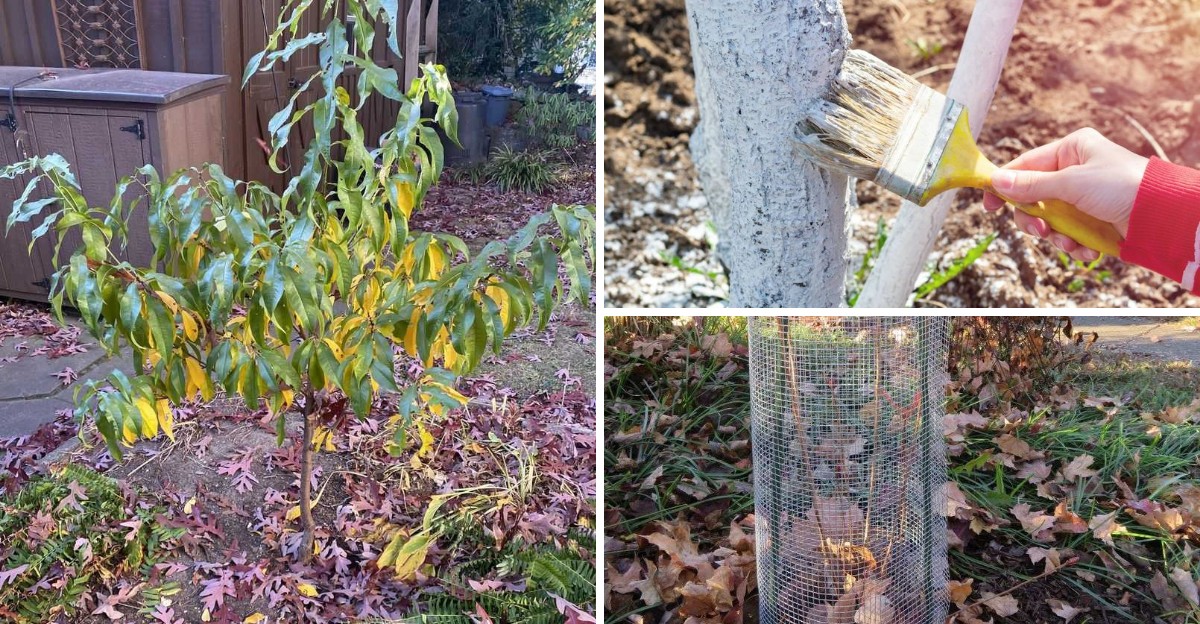
Frost sparkles on the grass on a cold October morning, and your bare peach tree stands looking a little nervous. Peach trees are tough in summer, but winter can be rough on their wood.
Across New York, a single cold snap can crack bark, split trunks, and hurt next year’s harvest. Peaches are among the most cold-tender fruit trees you can grow here.
Luckily, a few simple fall chores can make a huge difference. Some take just minutes, while others need a quick trip to the garden store.
The steps below cover everything your peach needs before the freeze. Get them right, and you could be biting into juicy homegrown peaches next August.
1. No More Fertilizer So New Growth Can Harden Off
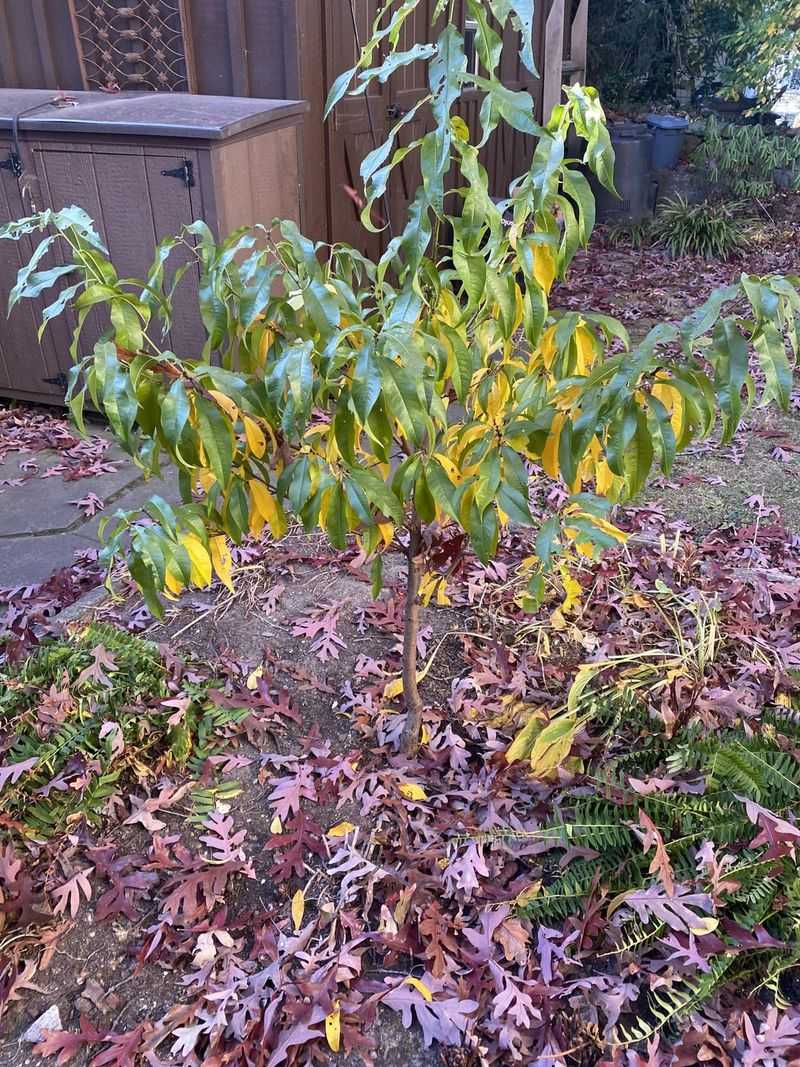
Picture a teenager staying up late before a big test. Peach trees act the same way when you feed them in fall, pushing out fresh shoots at the worst time.
Fertilizer tells a tree to grow, grow, grow. Late in the season, your tree should be slowing down and getting ready to rest.
Soft new shoots need weeks to toughen up before cold weather. Gardeners call this process hardening off, and it builds woody, protective tissue.
Tender growth that misses this window stays green and full of water. When a hard freeze hits, those cells can burst and leave damaged wood behind.
In New York, the first freeze can arrive as early as late September upstate. Time is short, so skipping fall feeding gives your tree a fair shot.
Here is a simple schedule that works well. Feed established trees in early spring, then give a light boost in late spring or early summer.
After midsummer, put the fertilizer bag away for the year. Mark a reminder on your calendar so you don’t grab it out of habit.
Watch out for sneaky sources of nitrogen too. Lawn fertilizer spread near your tree can reach its roots and trigger unwanted growth.
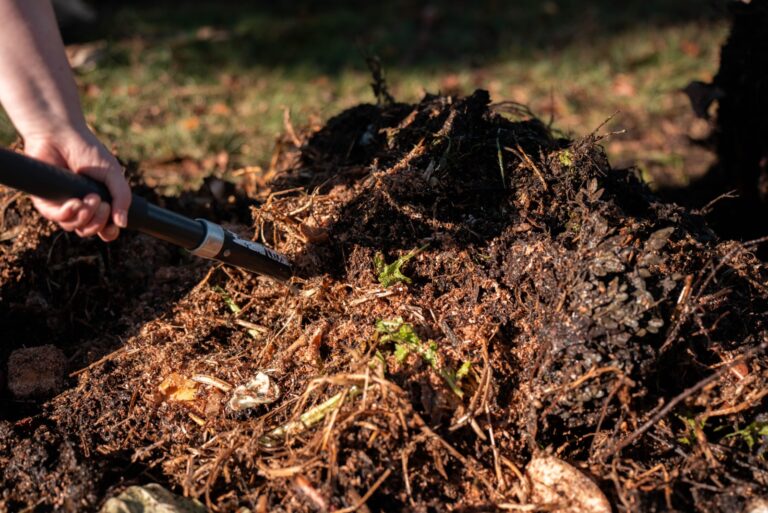
Compost piled heavily around the base can do something similar. A thin layer is fine, but save the big helpings for spring.
Patience pays off here. A hungry-looking tree in October is doing exactly what nature designed it to do before winter.
2. A Coat Of White Latex Paint On The Trunk
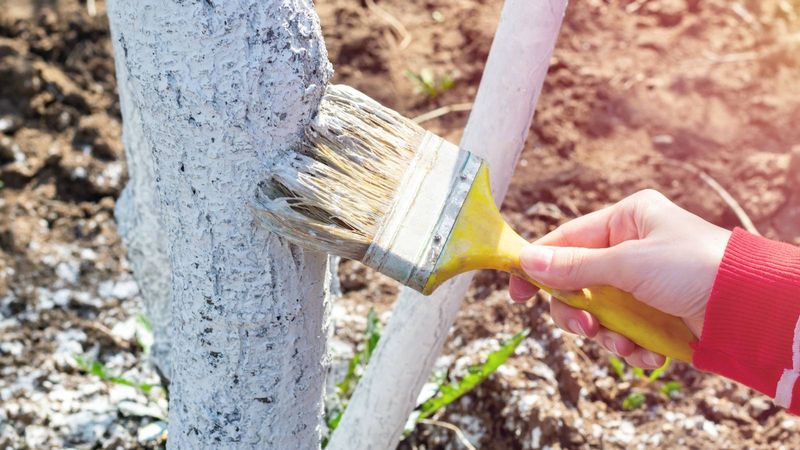
Walk through an old orchard in winter and you might spot trees wearing white socks. Growers aren’t being fancy, they’re protecting the bark from the sun.
Sunscald happens on clear, frosty days. Bright light warms the southwest side of the trunk, and cells wake up too early.
After sunset, temperatures drop fast. Those warmed cells freeze suddenly, and the bark can crack, peel, or split wide open.
A simple fix sits in most garages. Mix white interior latex paint with an equal amount of water, then brush it onto the trunk.
Cover the bark from the soil line up to the first branches. Pay special attention to the side facing south and west.
White color bounces sunlight away instead of soaking it up. The trunk stays cooler and steadier, even on those dazzling January afternoons.
Your New York Garden Changes Every Week. Your Plan Should Too.
Gardening in New York changes quickly throughout the season. Every Friday you’ll receive a simple weekly plan showing exactly what to plant, prune, fertilize, harvest, and protect so you never miss the right timing.
Choose latex paint, not oil-based products. Oil paints can seal the bark too tightly and harm the living layer underneath.
Not into painting? White plastic spiral guards or tree wrap give similar protection for young trees.
Remove wraps in spring so they don’t trap moisture or insects. Painted trunks can stay as they are and slowly fade over time.
Fun fact: this old trick has been used by fruit growers for generations. Sometimes the simplest ideas are still the smartest ones.
3. A Rodent Guard Around The Base
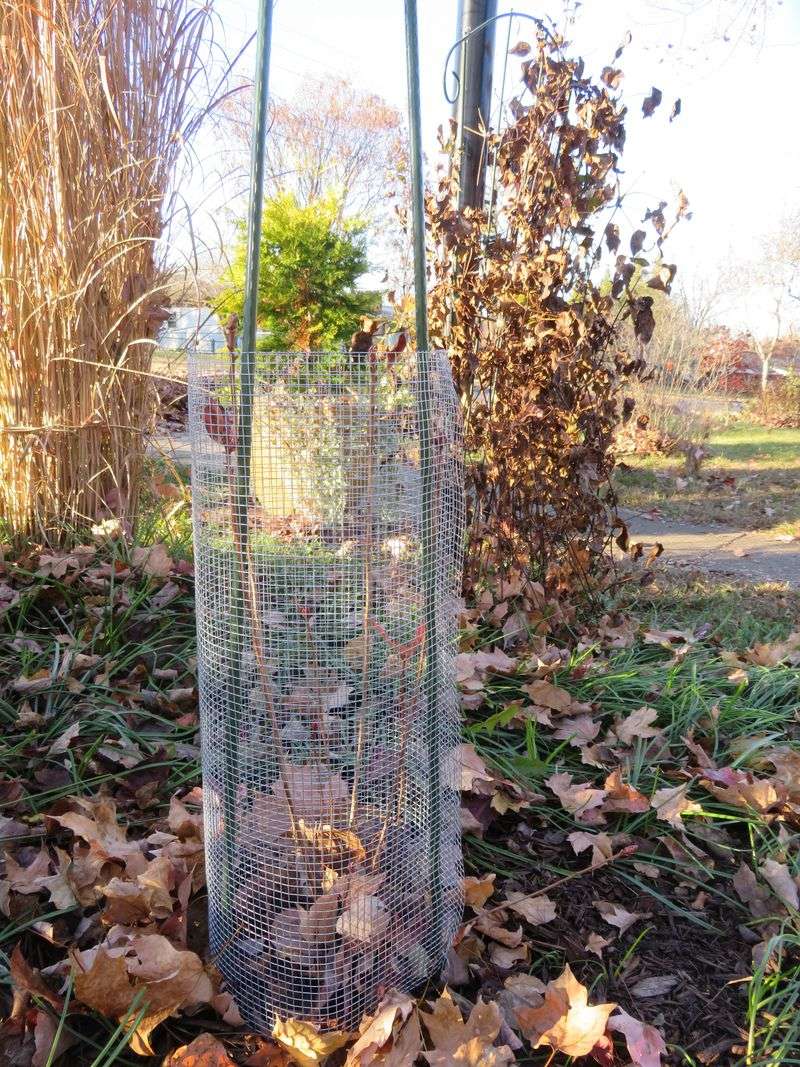
Under a blanket of snow, a hungry vole is looking for dinner. Your peach tree’s tender bark looks like a tasty winter snack.
Mice, voles, and rabbits chew bark when other food runs low. They can strip a ring around the trunk before you notice anything.
Chewing all the way around is called girdling. It cuts off the flow of food and water, and the tree may not recover.
Hardware cloth makes a sturdy shield. Pick metal mesh with quarter-inch openings, since mice can squeeze through surprisingly small gaps.
Roll the mesh into a loose cylinder around the trunk. Leave an inch or two of space so the bark can breathe and grow.
Bury the bottom edge two to three inches into the soil. Voles love tunneling, and a shallow guard is an open invitation.
Height matters as well. Extend the guard 18 to 24 inches above ground, and go taller where deep snow piles up.
Rabbits can stand on packed snow and reach higher branches. Check guards after big storms and adjust if drifts get deep.
Get your guards in place in fall before snow arrives. Waiting until January often means the critters beat you to it.
One afternoon of work can save years of growth. Few garden tasks give you that much peace of mind for so little money.
4. Bare Ground Around The Trunk, Free Of Grass And Weeds
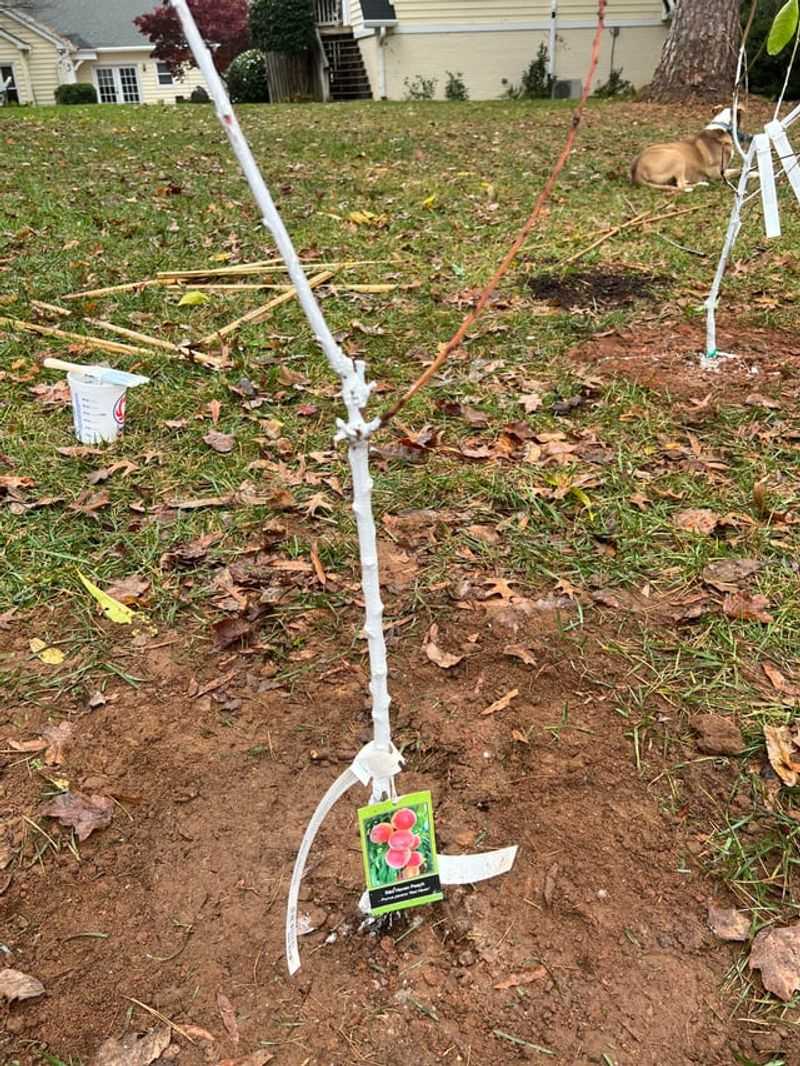
Think of the ground under your tree as a front porch. Keep it tidy, and unwanted guests are less likely to move in.
Tall grass and weeds make cozy homes for voles and mice. They hide under the cover and nibble bark without being seen.
Insects love these spots too. Many pests spend winter tucked into tangled plants and leaf piles right beside the trunk.
Aim for a clear circle about three feet wide around the base. Pull weeds by hand, since trimmers can nick the bark.
String trimmers are a sneaky threat to young peach trees. One careless swipe can wound the trunk and invite disease.
Rake up fallen leaves and old debris before snow arrives. Many gardeners do this on a dry November weekend.
Bare soil offers a bonus benefit. Without grass stealing moisture and nutrients, your tree’s roots get a bigger share of the goods.
Owls and hawks help too, believe it or not. Open ground makes it easier for them to spot rodents sneaking toward your tree.
Keep an eye on the area through winter. Clear away windblown leaves or weeds that pop up during mild spells.
A clean base might look plain. Still, it’s one of the easiest ways to keep your tree’s lower trunk safe until spring.
5. No Pruning Until Spring
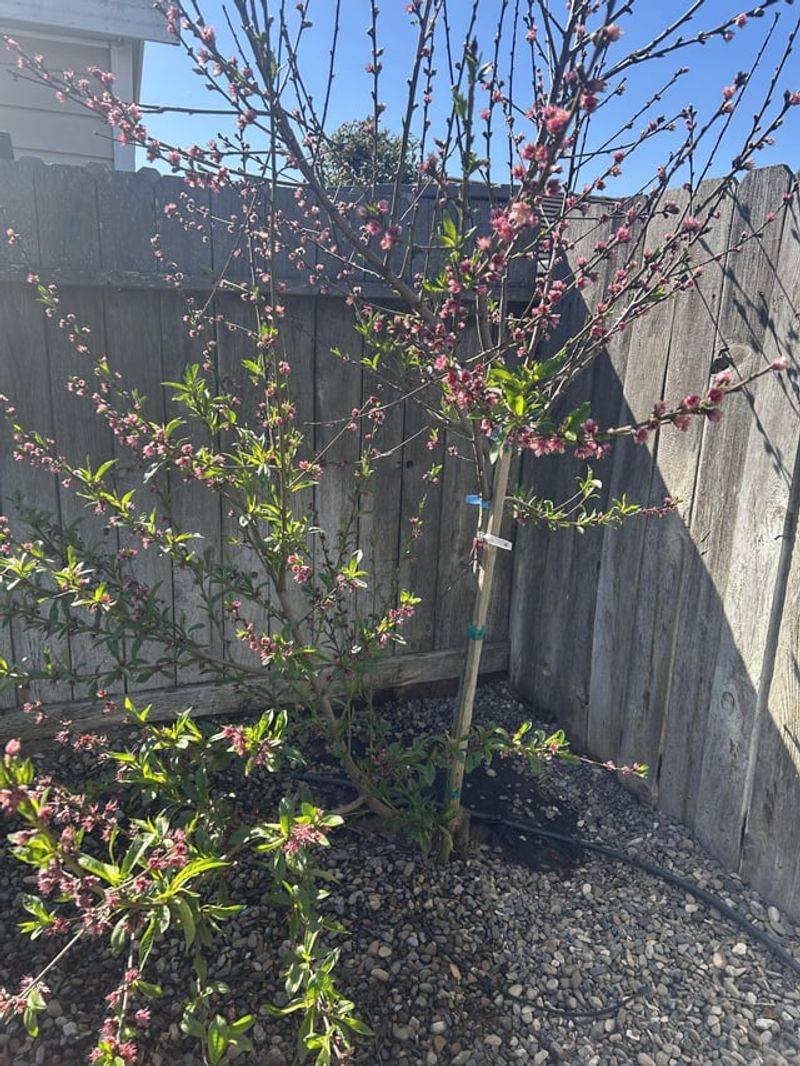
Put down the pruners and step away slowly. Fall pruning feels productive, but it can backfire on peach trees in a big way.
Fresh cuts can nudge a tree to push new growth. Those shoots have no time to toughen before winter weather rolls in.
Open wounds also heal slowly in cold weather. Frost and disease can sneak into those cuts and damage nearby wood.
Peaches are especially touchy about timing. Bacterial canker and other problems spread more easily through fresh cuts made in fall.
Cornell recommends pruning New York peaches much later than other fruit trees, at the pink or bloom stage. Waiting until then limits Cytospora canker and cold injury.
Late February through March works well for much of the state. Wait a bit longer upstate if bitter cold still lingers.
There’s one exception to the rule. Broken, diseased, or clearly damaged branches can come off any time you spot them.
Make those small cuts clean and just outside the branch collar. Avoid leaving ragged stubs that could rot over winter.
Use the waiting time wisely. Sharpen and clean your tools now so they’re ready when spring pruning season arrives.
Take photos of your tree while it’s bare, too. Winter is a great time to study its shape and plan which branches to remove later.
6. A Deep Watering If Fall Has Been Dry
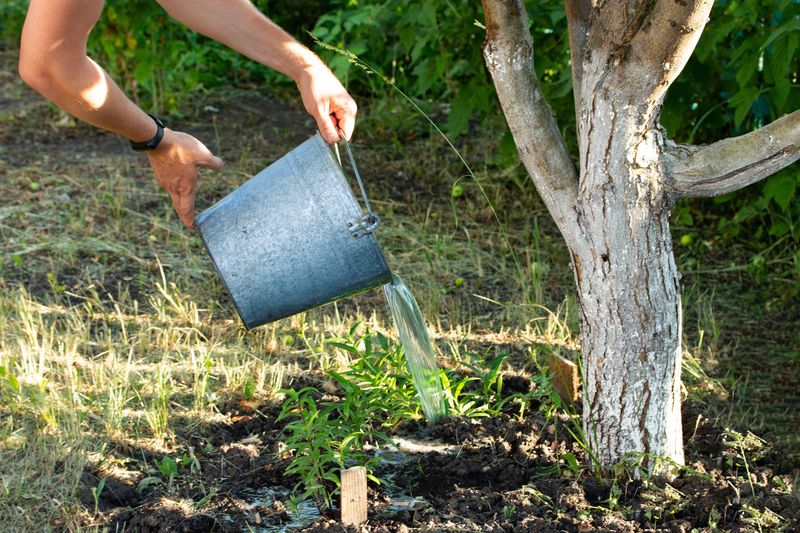
Ever wake up thirsty on a cold winter night? Trees feel something similar when frozen ground and dry winds pull moisture from their wood.
A dry fall leaves roots with little to drink. Once the soil freezes, the tree can’t take up more water until spring.
Winter wind keeps drying out branches anyway. Without stored moisture, twigs can shrivel and bark may crack in the cold.
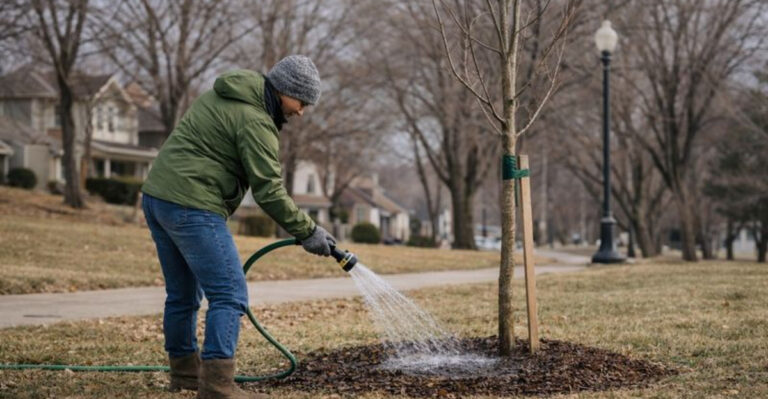
Check your soil before the ground freezes. Push a finger or trowel a few inches down, and if it feels dry, water.
Go deep, not quick. Aim to moisten soil about two feet down, where most feeding roots do their work.
Soaker hoses or a slow trickle from a garden hose work best. Let water run for an hour or more so it soaks in.
Morning watering on a mild day is ideal. Air temperatures above 40 degrees help water sink in instead of freezing on top.
Warm winter spells happen across New York too. If the soil thaws and stays dry, another deep drink can help.
Don’t overdo it, though. Soggy, waterlogged soil can smother roots and cause more harm than a little dryness.
Heavy clay soils hold water longer, so check before adding more. Sandy soils drain fast and may need extra attention.
7. Mummified Fruit Removed From The Branches
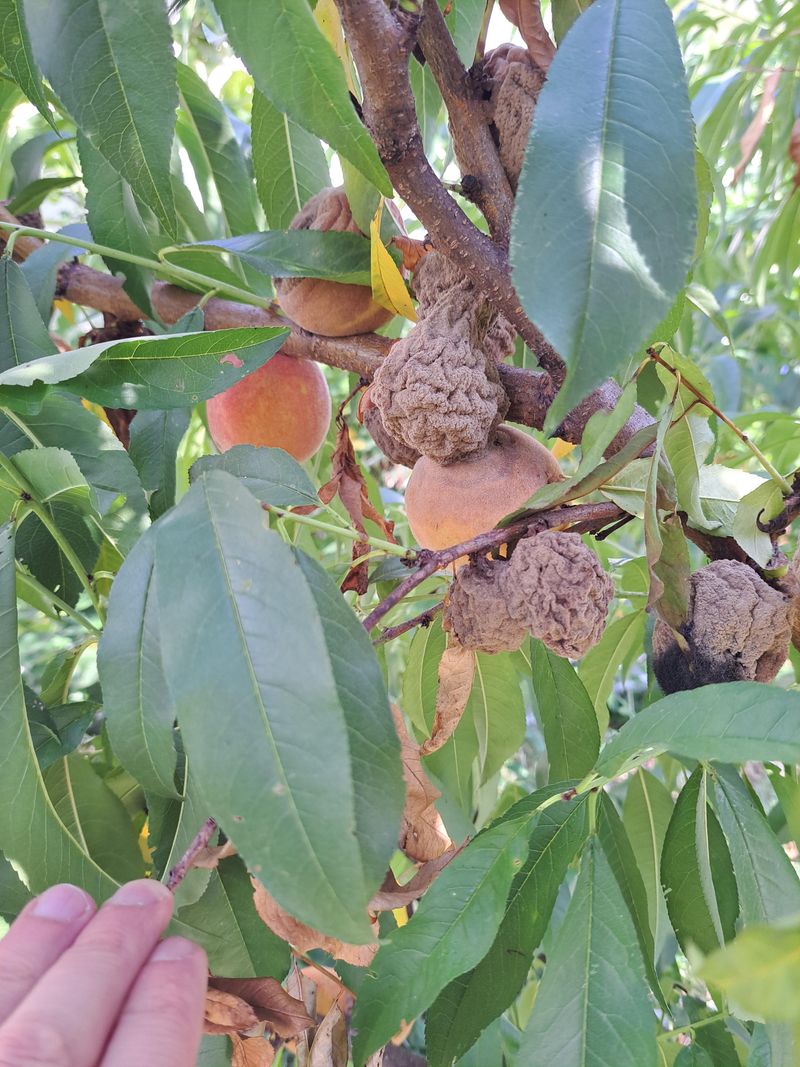
Shriveled, brown, and hanging on like tiny ghosts, mummified peaches are creepier than any Halloween decoration. They also carry serious trouble.
Those dried fruits often hold brown rot fungus. Spores wait inside all winter, ready to spread when spring rain arrives.
New blossoms and young fruit are easy targets. One mummy can seed problems across the whole tree next season.
Grab a ladder and a bucket on a calm fall day. Pick off every dried fruit you can reach, even the stubborn ones.
Check the twigs where mummies were attached. Sunken, dark spots called cankers may need to be trimmed out carefully.
Look on the ground as well. Rotted fruit and fallen leaves under the tree can harbor pests and disease through the cold months.
Toss everything in the trash, not the compost pile. Home compost rarely gets hot enough to destroy fungal spores.
Use this chore as a final checkup. Scan the bark for oozing sap, holes, or other signs of borers and disease.
Damp springs give fungus plenty of chances to spread. Starting clean gives your tree a real edge.
Kids often enjoy this job, oddly enough. Turn it into a mummy hunt, and the work goes by surprisingly fast.
8. Mulch Pulled Back From The Bark
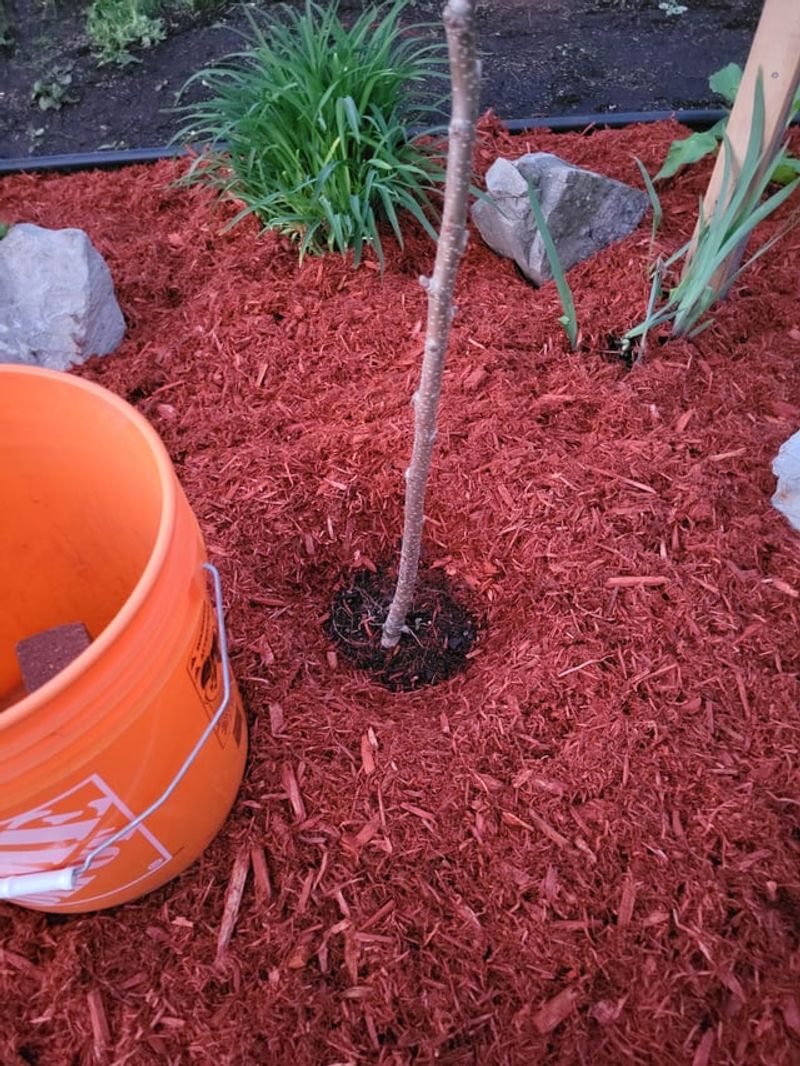
Mulch is like a cozy blanket for roots. Pile it against the trunk, though, and that blanket turns into a hiding spot for trouble.
A good layer of wood chips or shredded bark holds in moisture. It also keeps soil temperatures steadier through freezing and thawing.
Timing helps here. Spread mulch after the first frost, when rodents have usually settled into their winter homes elsewhere.
Build a ring two to four inches deep. Stretch it out toward the edge of the branches if you have enough material.
Now comes the key step. Pull mulch back several inches from the trunk so bare bark shows at the base.
Mulch touching bark stays damp for days. Constant moisture can soften the wood and lead to rot or fungal problems.
Mice and voles love those mulch volcanoes too. They tunnel inside and chew the trunk while staying warm and hidden.
City guidelines for New York street trees suggest keeping mulch two to three inches away from trunks. Backyard peaches benefit from the same rule.
Picture a donut, not a volcano. That simple image makes it easy to get the shape right every time.
Check again after winter storms. Snow and wind can push mulch back toward the bark, so rake it away if needed.
9. A Leaf Curl Spray After The Leaves Drop
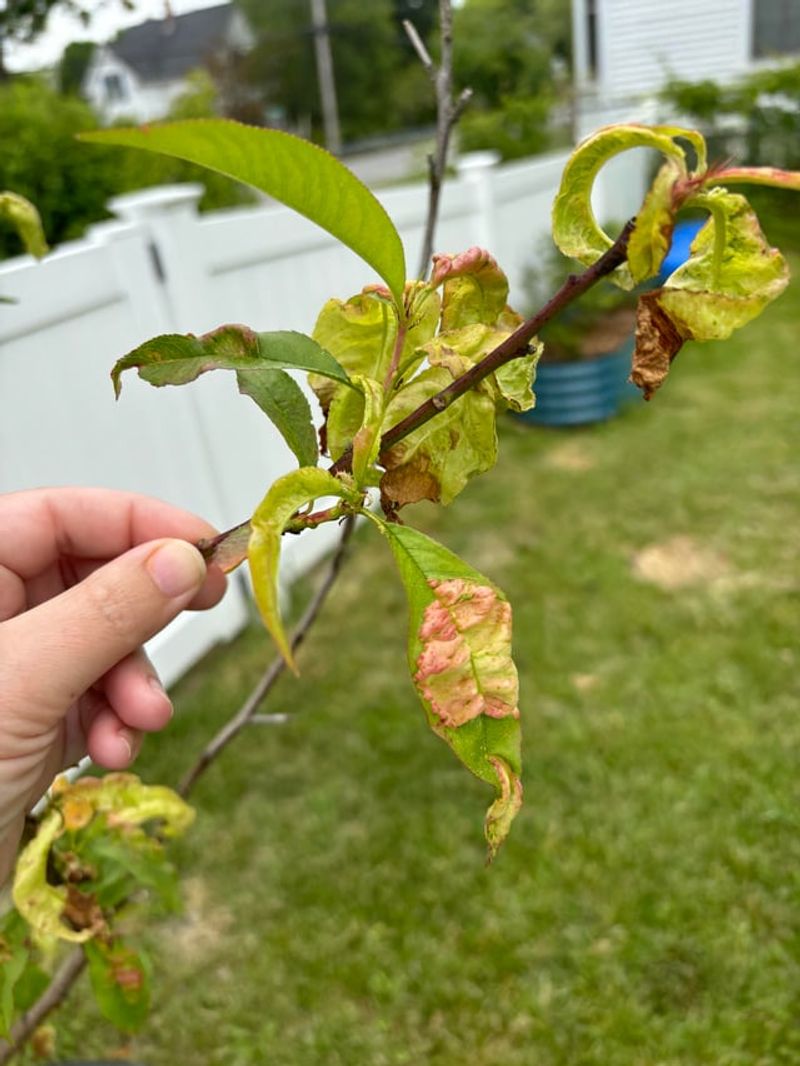
Red, puckered, twisted leaves each spring are the calling card of peach leaf curl. Oddly enough, the best time to fight it is right now.
A fungus causes the problem. It spends winter tucked on twigs and around buds, waiting for cool, wet spring days.
Once buds open, spraying does little good. The fungus is already inside the leaves, and damage can’t be undone.
Prevention happens after the leaves fall. Late fall or early winter works well, once the branches are fully bare.
Copper-based fungicides are the go-to choice in New York. Look for copper soap or similar products at your local garden center.
Coverage is everything. Soak every branch, twig, and bud, since missed spots leave spores free to spread.
Pick a dry, calm day above freezing. Rain soon after spraying can wash the protection away before it settles.
Many growers add a second spray in late winter. Apply it before buds swell, especially after a wet or mild season.
Wear gloves, goggles, and long sleeves while spraying. Follow the label closely, since copper products need careful handling.
A healthy spring canopy feeds the whole tree. Strong leaves mean stronger wood, better fruit, and a happier harvest.