The Best Plants For Shady Spots Where New York Lawns Give Up
Grass is stubborn, but shade is stronger. Anyone who has watched a once-lush lawn turn patchy and thin under a big maple tree knows exactly what that battle looks like.
Those dark, dry corners under your porch or beneath a canopy of oaks are not lost causes. They just need the right plants, ones tough enough to thrive where grass waves the white flag.
New York gardens come with real challenges. Wet springs, cold winters, and dense tree cover can leave large sections of your yard looking bare and sad.
But shady spots are full of potential. The secret is choosing ground covers built for low light and tough soil.
These ground covers do not just survive in the shade. They take over forgotten corners and make them look intentional.
One of them will work for your yard, whatever the problem spot looks like.
1. Pachysandra
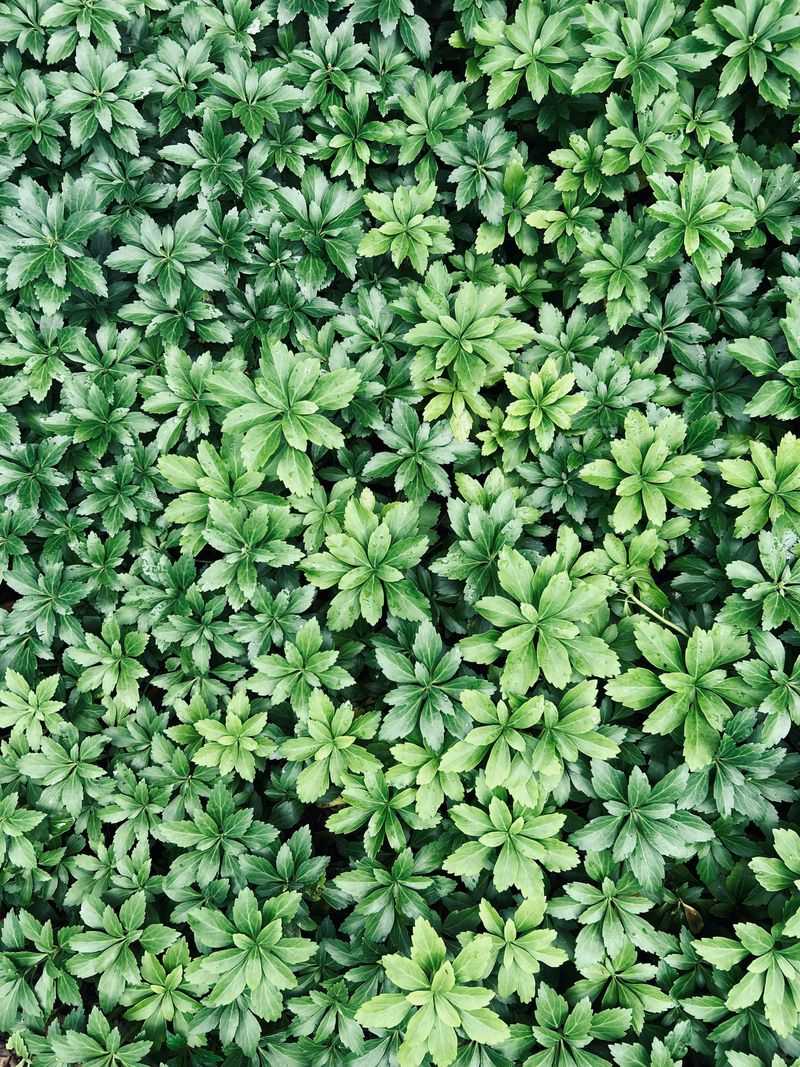
Pachysandra is basically the MVP of shady ground covers. It spreads thick, stays green through winter, and asks almost nothing from you in return.
The dense mat it forms helps suppress weeds over time. That alone makes it worth every penny at the garden center.
Pachysandra thrives in the kind of deep, dry shade that sends most plants running. It handles the soil beneath large trees, where roots compete fiercely for every drop of moisture.
Plant it once and watch it fill in over two or three seasons. You will not need to replant or fuss over it year after year.
The glossy, dark green leaves stay fresh-looking from spring through the coldest months. Even under a light dusting of snow, Pachysandra holds its color beautifully.
It prefers slightly acidic, well-drained soil, which is exactly what you find under most mature trees in northeastern yards. A little compost worked in at planting time gives it a strong head start.
Small white flowers appear in early spring, adding a quiet charm before anything else wakes up. They are subtle, but they signal that your shade garden is very much alive.
Spacing plants about six to eight inches apart speeds up the fill-in process. Water regularly during the first season, then step back and let this tough perennial do its thing.
One thing worth knowing: Japanese pachysandra can spread beyond its intended area, so it is best kept away from natural woodland edges and wild spaces.
For shady spots in New York yards where lawns have completely given up, Pachysandra is where you start.
2. Lungwort
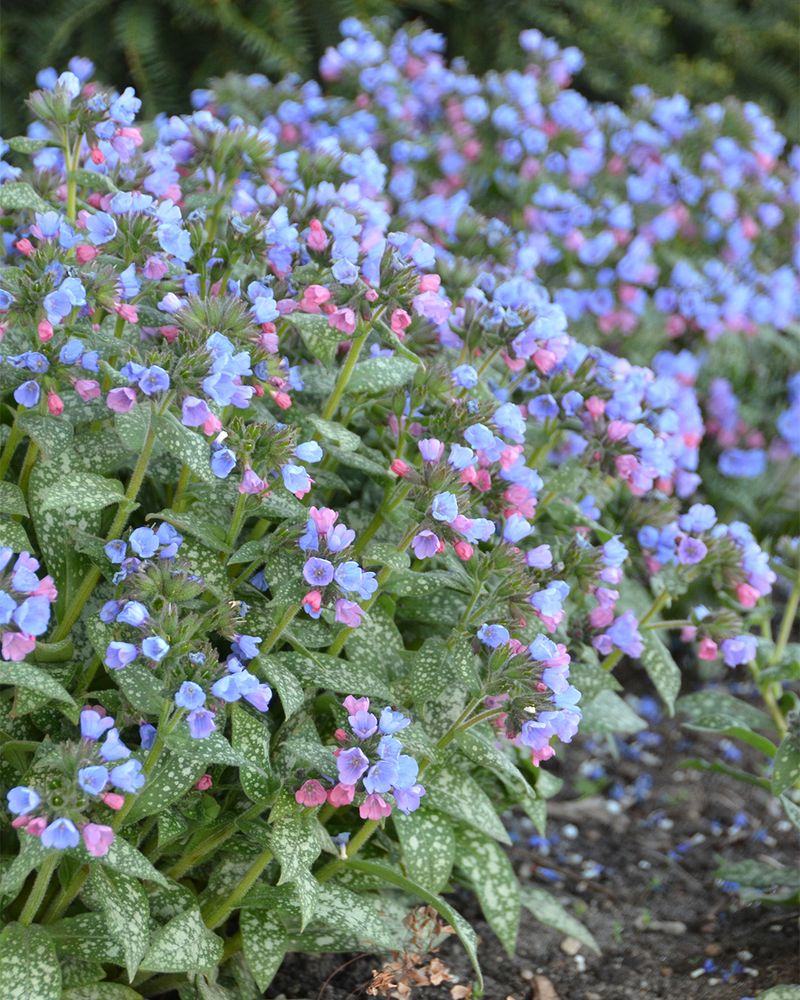
Few shade plants put on a show as early as Lungwort. The flowers appear in early spring before most perennials have even broken ground, opening pink and gradually shifting to blue and violet as the weeks pass.
That color change happens on the same plant at the same time, giving the whole clump a soft, two-toned quality that stops people mid-step on a garden tour.
The foliage is just as interesting as the flowers. Most varieties feature large, heart-shaped leaves splashed with silver spots against a deep green background.
Your New York Garden Changes Every Week. Your Plan Should Too.
Gardening in New York changes quickly throughout the season. Every Friday you’ll receive a simple weekly plan showing exactly what to plant, prune, fertilize, harvest, and protect so you never miss the right timing.
That silvery variegation brightens shady corners even after the blooms have faded.
Botanically known as Pulmonaria, this tough perennial handles deep shade with ease. It thrives under deciduous trees where dappled light filters through in spring and full shade takes over by summer.
It prefers moist, well-drained soil rich in organic matter. A layer of mulch around the base helps retain moisture and keeps the roots cool through the warmer months.
Lungwort spreads slowly into tidy clumps rather than running aggressively across the bed. That restrained habit makes it easy to control and a reliable neighbor to other shade perennials like hostas and ferns.
Deer tend to leave it alone, which is a practical bonus for New York gardeners dealing with browsing pressure in suburban and semi-rural areas.
Cut the foliage back in midsummer if the leaves start to look tired. Fresh new growth will push through quickly and carry the planting through to fall.
3. Ajuga
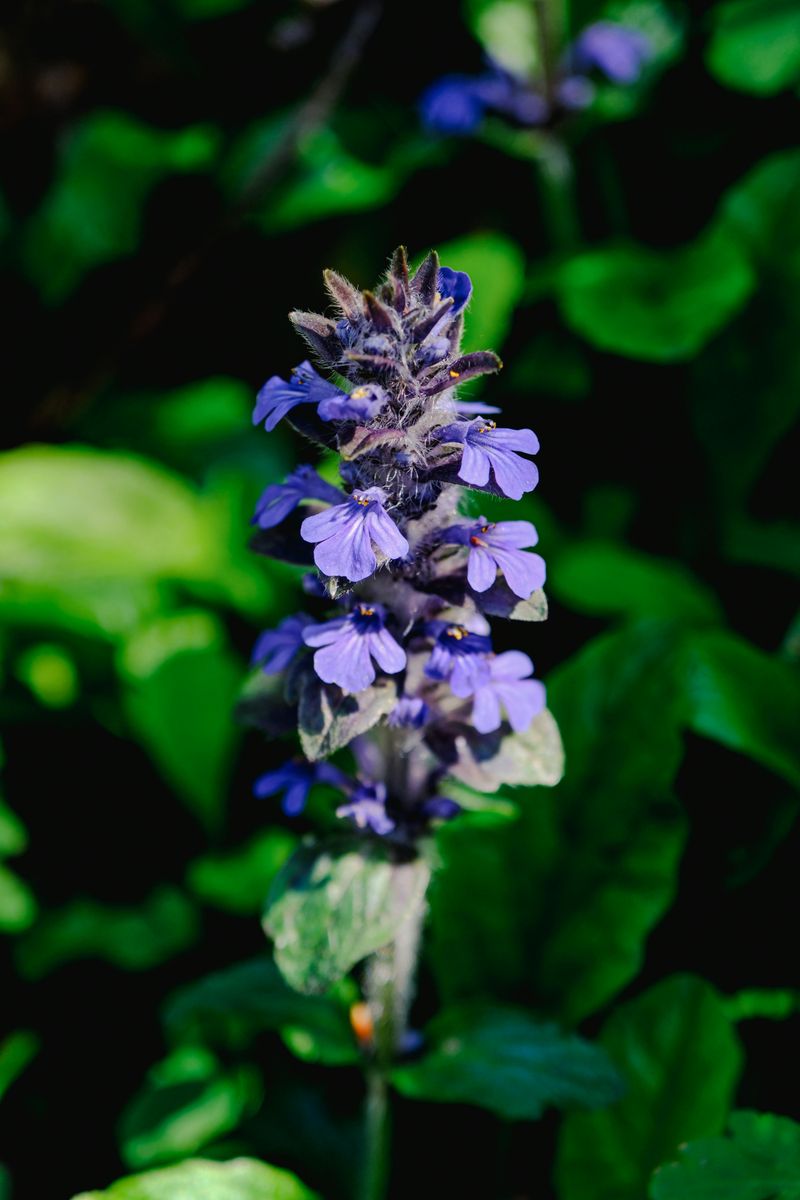
Ajuga is the plant that makes people stop and stare. The foliage comes in deep bronze, burgundy, and green, depending on the variety, and the electric blue flower spikes in spring are genuinely stunning.
Also known as bugleweed, this tough little perennial spreads by sending out runners along the soil surface. Within a season or two, it builds a weed-smothering mat that looks intentionally designed.
What sets Ajuga apart from other ground covers is its bold color even without flowers. The metallic, almost jewel-toned leaves add visual interest from the moment the snow melts until late fall.
It performs well in both full shade and partial sun, making it adaptable to the mixed light conditions found in most New York backyards. Slopes, borders, and under-tree zones are all fair game.
Ajuga is not fussy about soil quality. It will grow in clay, loam, or sandy ground, as long as drainage is decent and it gets watered during dry spells in its first season.
Deer tend to avoid it, which is a genuine advantage in suburban and semi-rural areas where browsing pressure runs high.
The only real maintenance task is dividing clumps every few years to prevent overcrowding. Pull apart the runners in early spring and replant them wherever you need more coverage.
Shady spots in New York yards transform fast with Ajuga. It brings color, texture, and toughness to corners that once felt like lost causes.
4. Sweet Woodruff
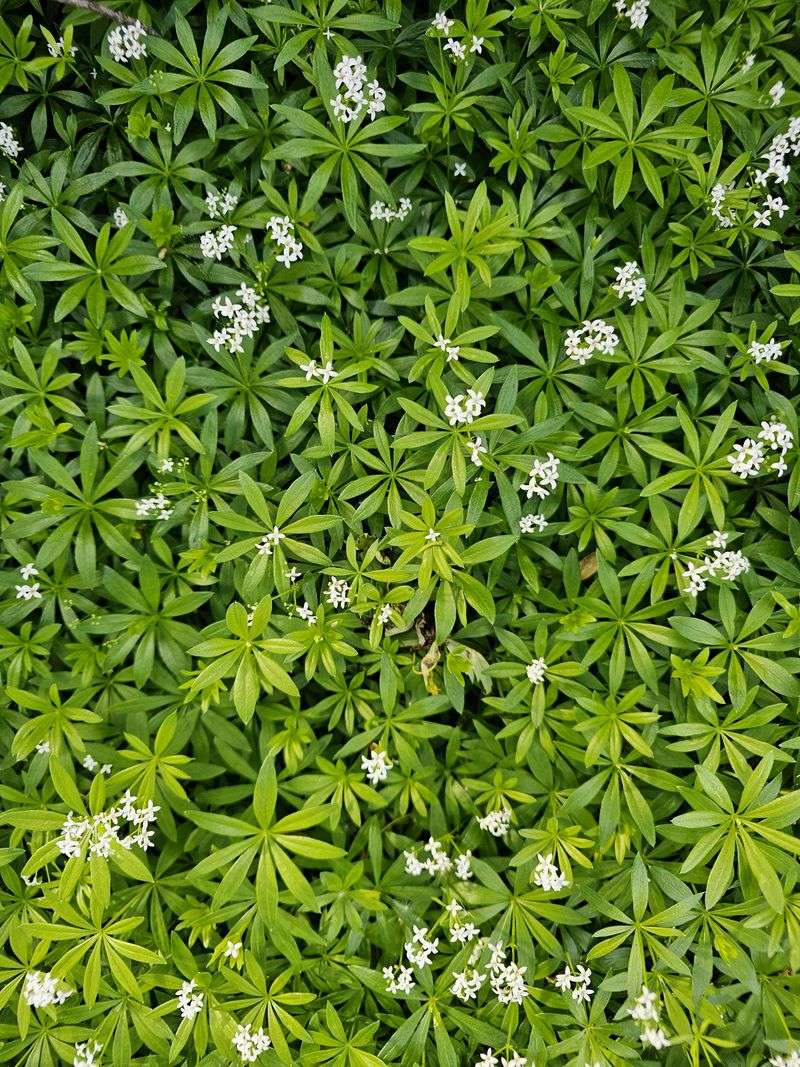
Image Credit: © Jennifer Wojczak / Pexels
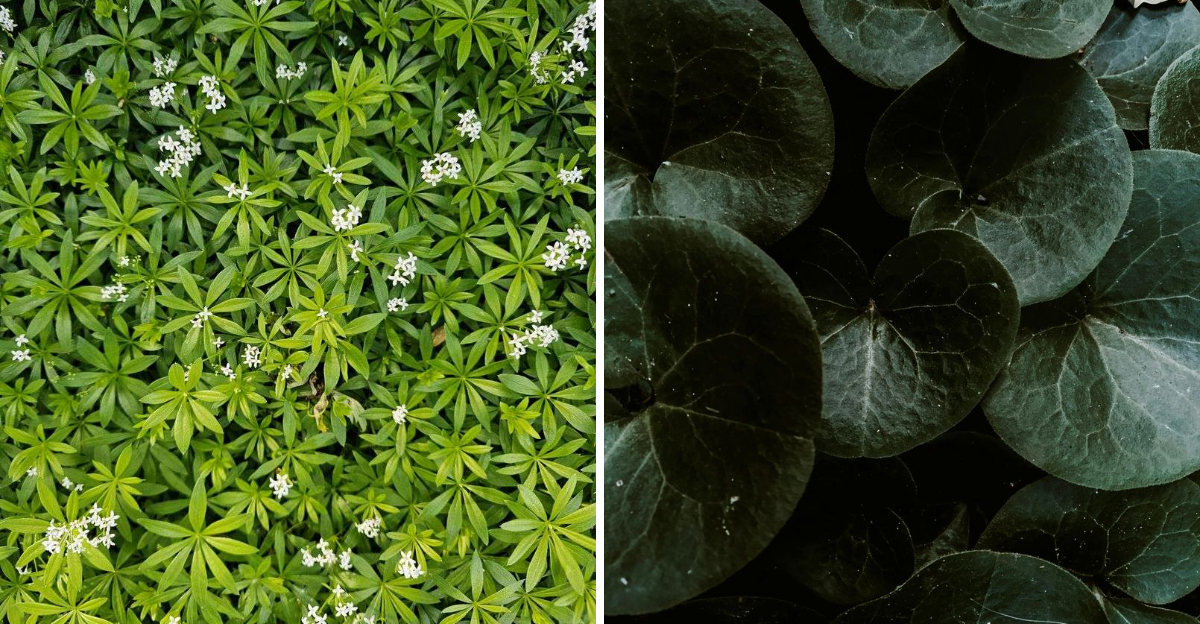
Sweet Woodruff smells like fresh hay and vanilla when you brush against it. That unexpected fragrance alone makes it worth planting in any shady corner of your yard.
This delicate-looking plant is actually quite tough. It spreads steadily through woodland-style gardens and forms a soft, lacy carpet that feels almost like something out of a fairy tale.
Tiny white star-shaped flowers appear in late spring, right around the time everything else is just waking up. The blooms last for weeks, bringing a quiet elegance to spots that most plants ignore.
Sweet Woodruff thrives in moist, rich, well-drained soil under deciduous trees. It loves the same conditions those trees create naturally, making it one of the most ecologically smart choices for a northeastern yard.
The whorled leaves stay attractive long after the flowers fade. Each stem is lined with neat rings of bright green foliage that give the plant a geometric, almost architectural quality up close.
Historically, Sweet Woodruff was used in herbal cordials and to stuff mattresses for its pleasant scent. Knowing that small piece of history makes it feel like more than just a ground cover.
It spreads moderately, so you won’t find it taking over the entire yard. A light trim after flowering keeps the planting tidy and encourages fresh new growth through summer and into fall.
For shady spots in New York gardens where the soil stays cool and damp, Sweet Woodruff is a sensory and visual treat worth every bit of space it occupies.
5. Wild Ginger
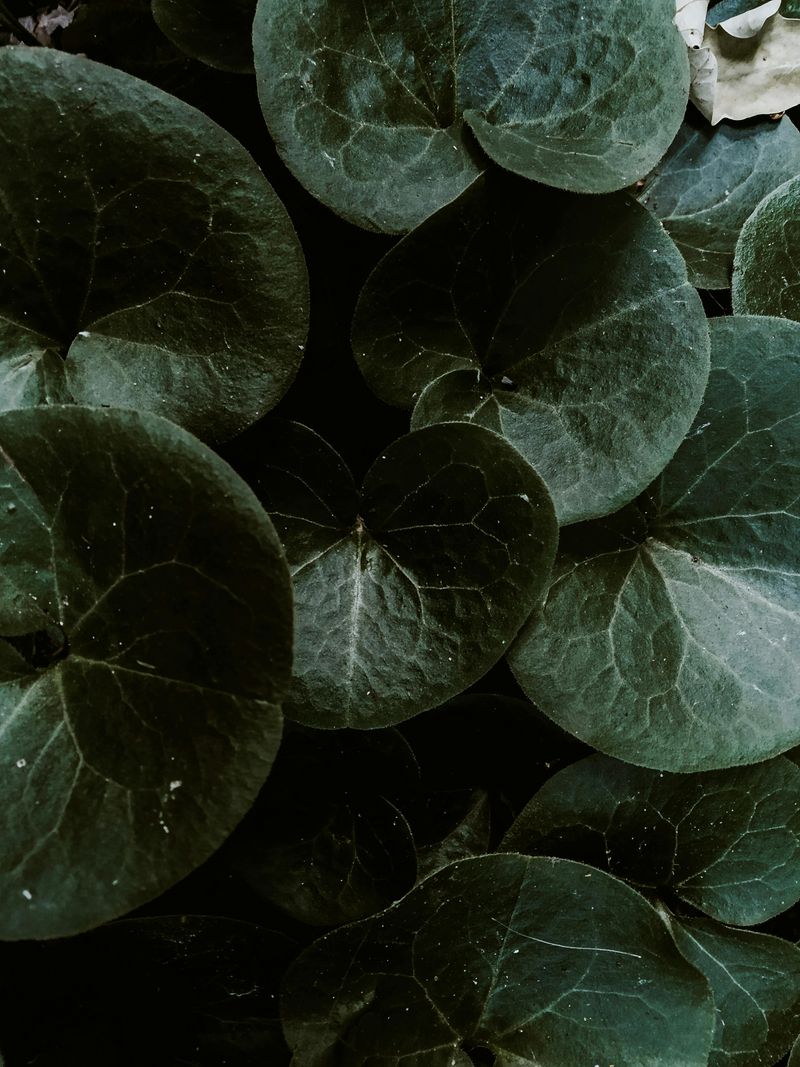
Image Credit: © Jane Foster / Pexels
Wild Ginger is the kind of plant that rewards curious gardeners. Lift one of those big, heart-shaped leaves in spring and you will find a small, rust-colored flower hiding right at the base, completely concealed from above.
That sneaky bloom is pollinated by ground-level insects, which means it plays an active ecological role in your garden. Planting it supports local wildlife in a quiet but meaningful way.
The foliage is the real showstopper. Large, velvety, dark green leaves overlap each other to create a rich, dense mat that looks like something from a lush forest floor.
Wild Ginger grows slowly compared to other ground covers, but patience pays off. Once established, it forms a thick, weed-resistant layer that requires almost no ongoing attention from you.
It handles deep shade exceptionally well, making it a strong choice for the darkest spots in your yard. Spots under north-facing walls, dense evergreens, or thick tree canopies are where Wild Ginger truly earns its reputation.
The plant prefers moist, humus-rich soil with good drainage. Adding a layer of leaf mulch around new plantings mimics its natural habitat and helps it settle in much faster during the first season.
One fun note: despite the name, Wild Ginger is not related to the culinary ginger you cook with. The roots do carry a faint spicy scent, which is where the common name comes from.
For shady spots in New York yards that feel impossibly dark and dry, Wild Ginger brings lush, forest-floor beauty that turns neglect into a design choice.
6. Foamflower
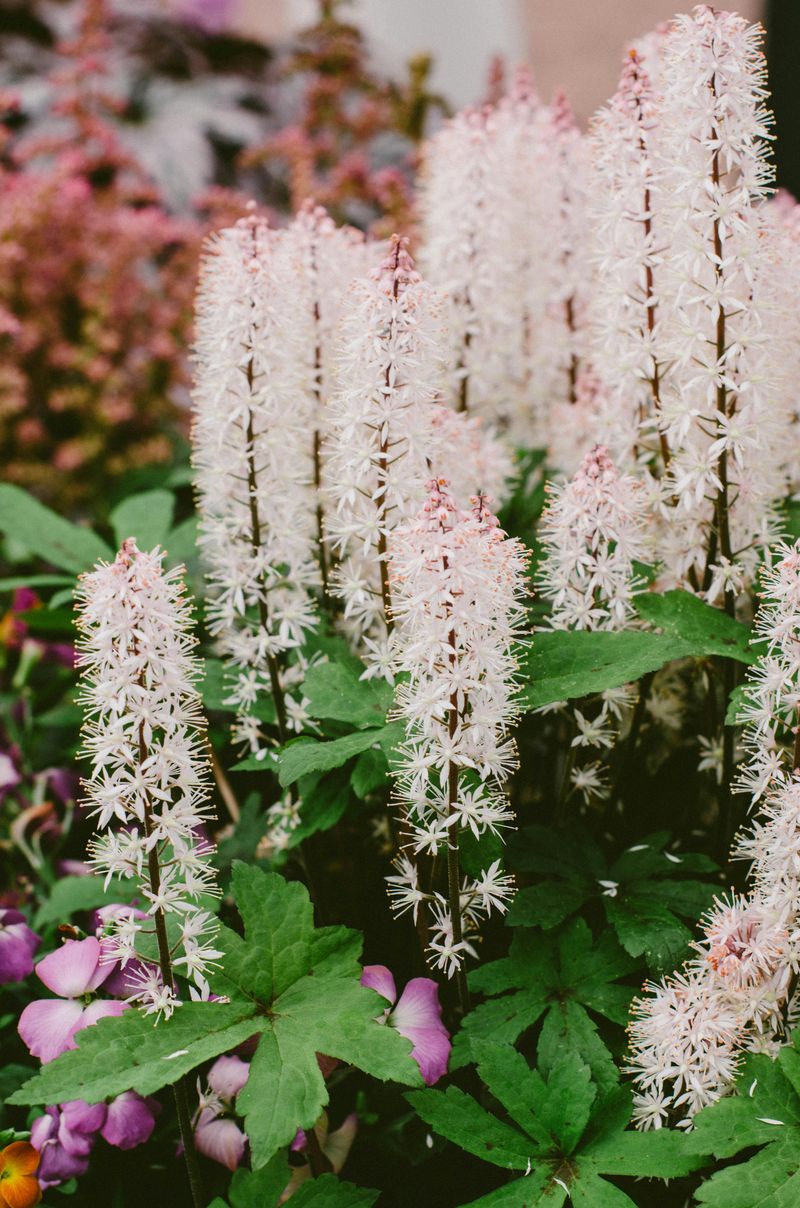
When Foamflower blooms in spring, it looks like someone scattered tiny white and pink fireworks across the garden floor. The feathery flower spikes are airy, delicate, and absolutely worth the wait through a long northeastern winter.
Botanically known as Tiarella, this native perennial is perfectly suited to the shaded woodland gardens that exist naturally across New York state. It evolved here, which means it already knows how to handle the climate.
The foliage is just as attractive as the flowers. Many varieties feature deeply lobed leaves with dark burgundy markings along the veins, giving the plant a striking, almost stained-glass quality even when not in bloom.
Foamflower spreads through short stolons, slowly filling in gaps between larger shade perennials. It works beautifully as an underplanting beneath hostas, ferns, and astilbes, where it adds a fine-textured contrast.
It prefers consistently moist, well-drained soil rich in organic matter. A shaded spot that gets a bit of morning light is ideal, though it handles deeper shade with reasonable grace as long as moisture is steady.
Deer tend to leave it alone, which is a genuine advantage in suburban counties and outer boroughs where browsing pressure runs high.
After blooming, cut the flower stalks back to keep the plant looking tidy. The foliage will carry the display through summer and often takes on warm reddish tones as temperatures drop in autumn.
Foamflower is proof that shady spots in New York gardens can hold some of the most beautiful plantings in your entire yard.
7. Liriope
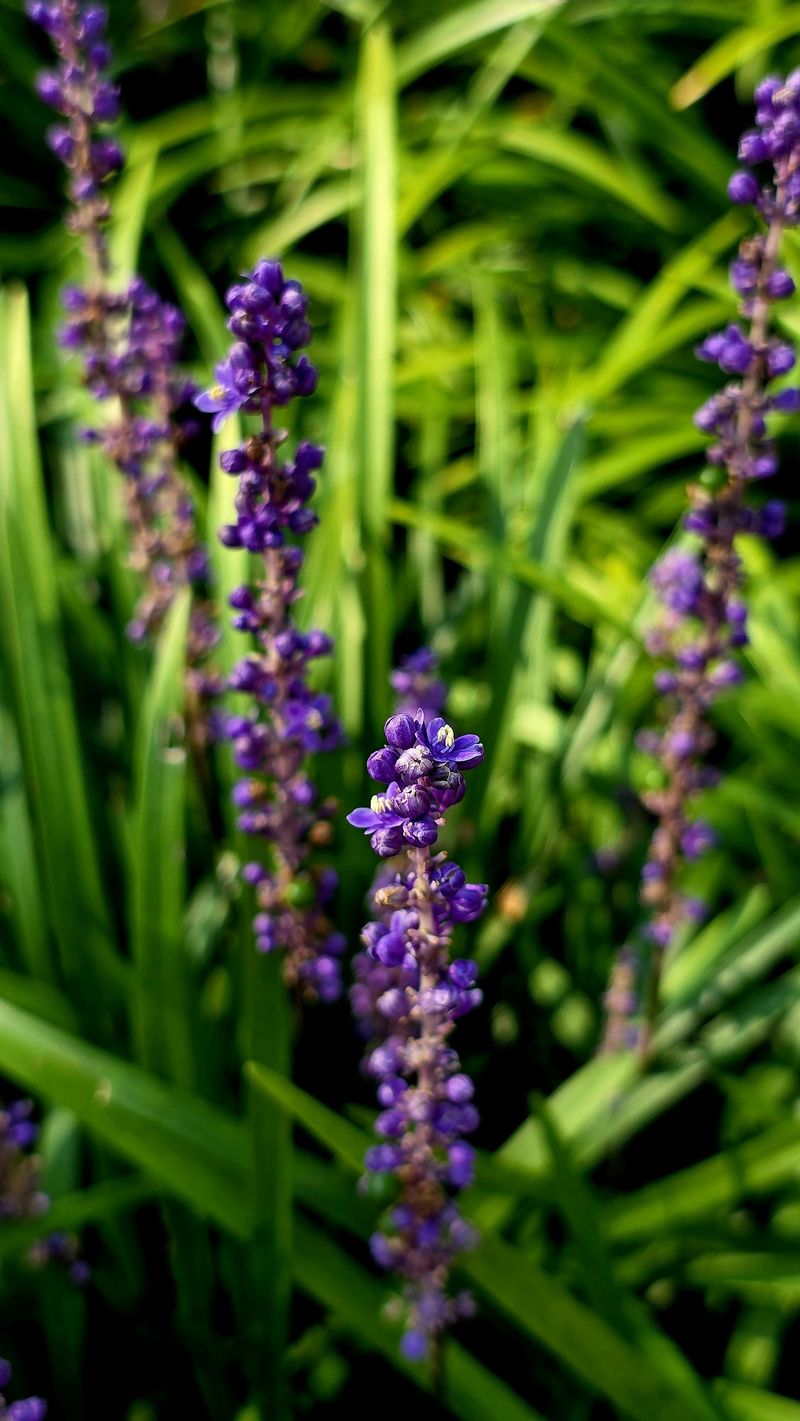
Liriope is the plant that acts like a grass but refuses to behave like one. It forms neat, arching clumps of dark green, strap-like leaves that stay attractive through almost any condition your yard throws at them.
Also called lilyturf, this tough perennial produces purple or white flower spikes in late summer, right when most shade plants have already finished their show. That late-season color is genuinely refreshing.
One of Liriope’s biggest strengths is its tolerance for dry shade. Those root-choked, bone-dry zones under mature trees that defeat almost every other plant are exactly where Liriope tends to perform its best.
It works well as a border plant, an edging along pathways, or a mass planting beneath trees. The tidy, mounding form gives it a polished, structured look that suits both formal and casual garden styles.
Liriope is also impressively cold-hardy. It handles the freezing temperatures and unpredictable springs of the Northeast without needing winter protection.
The glossy black berries that follow the flowers add another season of visual interest. Birds sometimes eat them, which brings a little extra wildlife activity to what might otherwise be a quiet corner of your yard.
Cut the foliage back hard in late winter before new growth emerges. That simple annual task keeps the clumps looking fresh and prevents the older leaves from masking the bright new growth pushing up from below.
For shady spots in New York gardens that need structure, texture, and toughness, Liriope delivers on every single count without demanding much in return.
8. Epimedium
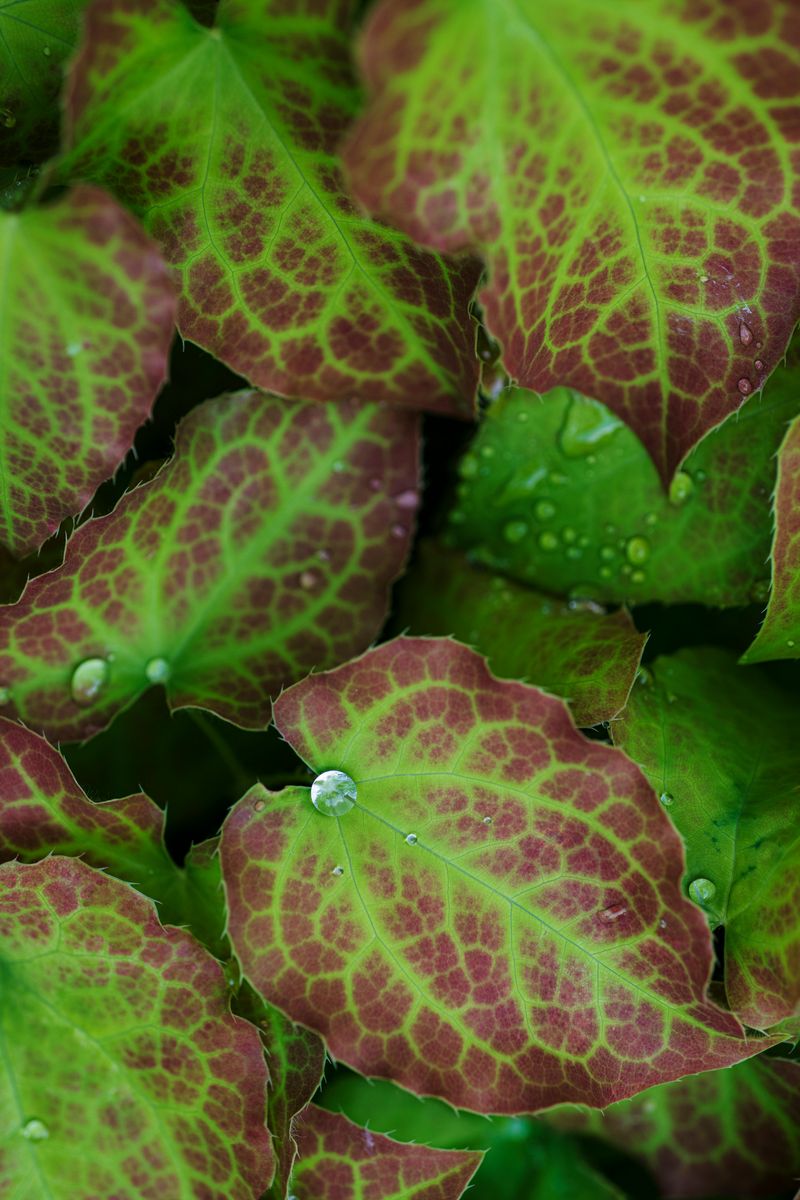
Epimedium is the underdog of the shade garden world. Most gardeners walk right past it at the nursery, and that is a genuine mistake they tend to regret once they see it thriving somewhere else.
Commonly called barrenwort or bishop’s hat, this tough perennial handles conditions that would stop most plants cold. Dry shade under shallow-rooted trees, compacted soil, and root competition rarely slow it down.
The flowers are small but intricate, appearing in early spring in shades of yellow, white, pink, and lavender depending on the variety. They hover above the foliage on wiry stems like tiny suspended ornaments.
The foliage is arguably even more appealing than the blooms. Heart-shaped leaves emerge with bronze or reddish tints in spring, mature to green through summer, and often turn warm copper or burgundy shades in fall.
Epimedium spreads slowly but steadily through rhizomes beneath the soil surface. Give it two or three seasons to establish and it will build a weed-suppressing mat that holds up through heat, drought, and heavy shade alike.
It is one of the few ground covers that genuinely thrives under Norway maples, which are notoriously difficult trees to garden beneath due to their dense canopy and aggressive root systems.
Cut the old foliage to the ground in late winter before the new growth and flowers emerge. That one simple step each year keeps the planting looking clean and lets the spring show shine without any competition.
Shady spots in New York yards finally meet their match with Epimedium, a plant that turns the toughest corners into quiet, season-long beauty.