Why Florida Black Bears Start Getting Much More Interested In Food Around Homes In Fall
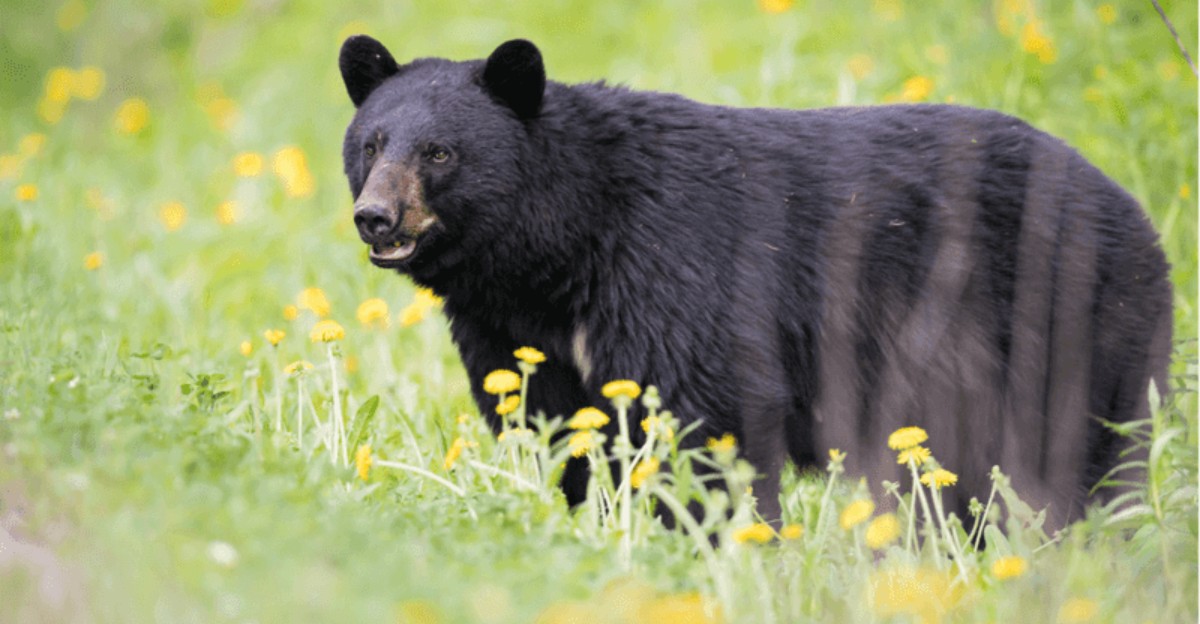
Your trash can didn’t change. What’s hunting through it did.
Florida black bears flip a switch every fall, driven to pack on fat before lean months hit, and that switch sends them wandering further than usual in search of calories.
Suburbs backing up to wooded land suddenly look like an all-you-can-eat buffet to something running purely on instinct.
Trash, pet food, grills, bird feeders, none of it reads as off-limits to a bear in this mode, no matter how careful you’ve been the rest of the year.
Rethink what’s sitting out this season before a bear makes that call for you. July’s rules don’t apply anymore in Florida backyards right now.
1. Bears Are Fattening Up For Winter
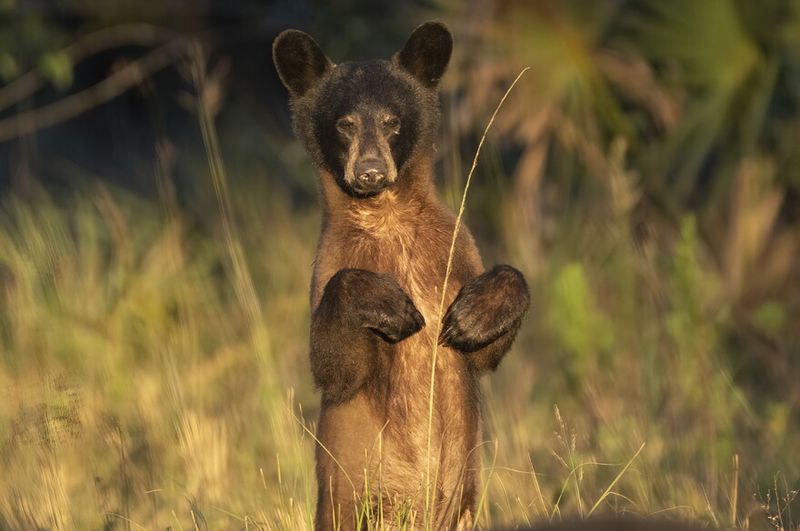
Picture a sleepy giant who just remembered that winter is coming. Every fall, Florida black bears flip an inner switch that turns their appetite way up.
Scientists call this stage hyperphagia, which simply means extreme eating. It is not greed or bad manners, but a natural plan that helps bears store energy for the cooler, leaner months.
During this season, a bear can gain a huge amount of weight, sometimes reaching about one and a half times its summer size. That extra fat works like a savings account the body can draw from when food gets scarce later.
Here is a fun fact to share at dinner. Some bears in fall spend most of their waking hours searching for food, so they barely take a break.
The trouble starts when that hungry drive meets a neighborhood full of easy snacks. A bear that would happily munch berries in July may start testing trash cans and porches by October.
For homeowners, the smartest move is to expect more visitors from late summer through early winter. Check your yard for anything that smells like food, from grease on the grill to a forgotten bag of dog treats.
Think of fall as bear rush hour around communities. A little planning now keeps your property quiet and keeps wild bears acting like wild animals.
2. Daily Calories Jump From 5,000 To 20,000
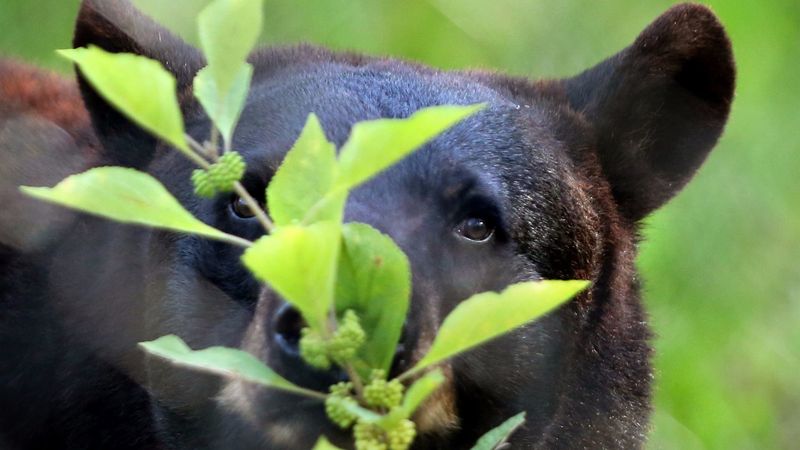
Imagine eating eight and a half large cheese pizzas in a single day. That is roughly what a Florida black bear needs to take in during the busiest weeks of fall.
In summer, a bear gets by on about 5,000 calories daily. Once autumn arrives, that number can climb to around 20,000 calories, which is four times as much food.
Finding that many calories in the woods takes serious effort. A bear has to gobble thousands of acorns, berries, and insects just to keep up with its body’s demands.
Now think about a single bag of household garbage. Leftover burgers, greasy pans, and sugary drinks can pack a calorie punch that would take hours to match in the forest.
To a bear, a neighborhood can look like an all-you-can-eat restaurant with no bill at the end. That math explains why bears suddenly start strolling down driveways in October and November.
Your Florida Garden Changes Every Week. Your Plan Should Too.
Gardening in Florida changes quickly throughout the season. Every Friday you’ll receive a simple weekly plan showing exactly what to plant, prune, fertilize, harvest, and protect so you never miss the right timing.
Here is a helpful way to think about it at home. Every food smell you remove from your yard makes your house look less like a pizza shop and more like a boring empty lot.
Bears are smart about energy, so they head where the rewards are biggest. Make your place the least rewarding stop on the block, and they will likely move along.
3. Florida Bears Bulk Up Even Without A Long Hibernation
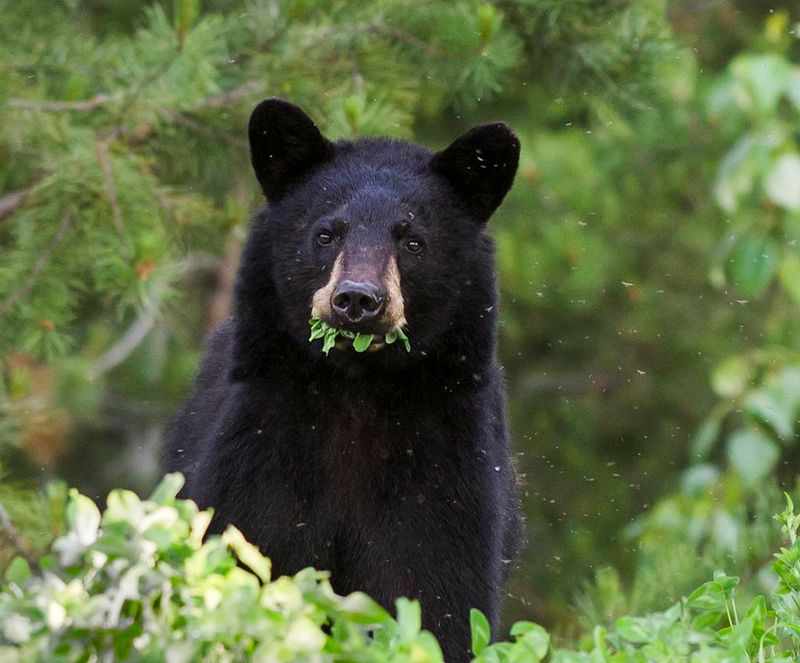
Snow, frozen lakes, and months of deep sleep come to mind when most people think about bears in winter. Our state, of course, has a very different kind of winter.
Bears in the Sunshine State do not usually enter a long, deep hibernation like their cousins up north. Instead, many slip into a lighter, shorter rest called denning, where they slow down but can wake easily.
Pregnant females are the most dedicated denners. They tuck into a cozy spot to give birth and nurse their cubs through the cooler months.
Males, on the other hand, may den for only a short stretch or stay active most of the winter. Some keep wandering and foraging whenever the weather is mild.
So why do Florida bears still pack on so much fat? Natural food gets harder to find in winter, even in a warm state, and those reserves help bears get through the slow season.
For residents, that means bear activity may not fully stop when the holidays roll around. A warm January night can bring a curious visitor sniffing around your garbage.
Keep your bear-smart habits going all year instead of just in autumn. Consistency teaches local bears that your yard offers nothing worth a second visit.
4. Garbage Beats Hours Of Hunting For Acorns
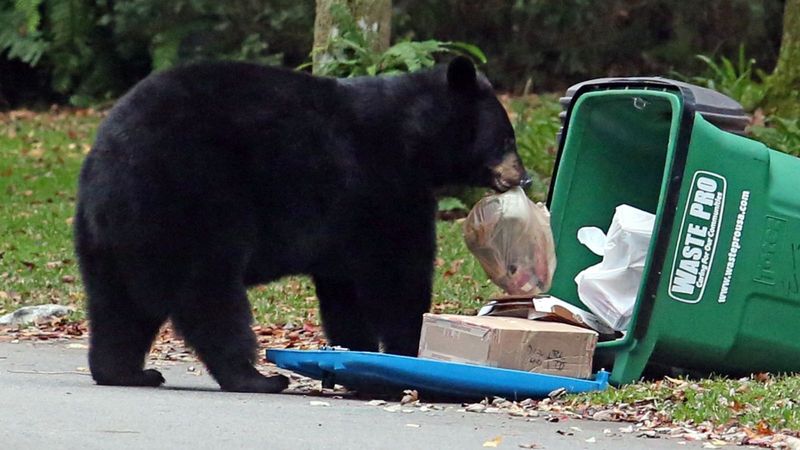
Would you rather spend all afternoon cracking tiny nuts or grab a ready-made sandwich from the counter? Bears face that same choice, and they are pretty practical about it.
In the wild, Florida black bears eat mostly plants, about 73 percent of their diet. Insects make up around 22 percent, and only a small slice comes from meat.
Fall brings a natural feast of acorns, saw palmetto berries, and other seasonal fruits. Gathering enough of them, though, means hours of walking, sniffing, and chewing.
Garbage, pet food, and birdseed offer a shortcut. These foods are rich in calories, easy to reach, and often sitting in the same place night after night.
Bears have an incredible sense of smell that can pick up food odors from more than a mile away. A single overflowing trash can may send a scent signal across an entire neighborhood.
Once a bear scores an easy meal, it remembers the location. It may return again and again, getting bolder with each successful trip.
The best defense is to make the shortcut disappear. Rinse food containers, clean the grill after cooking, and keep strong smells sealed tight so the woods stay the better deal.
5. Mother Bears With Cubs Are On The Move Too
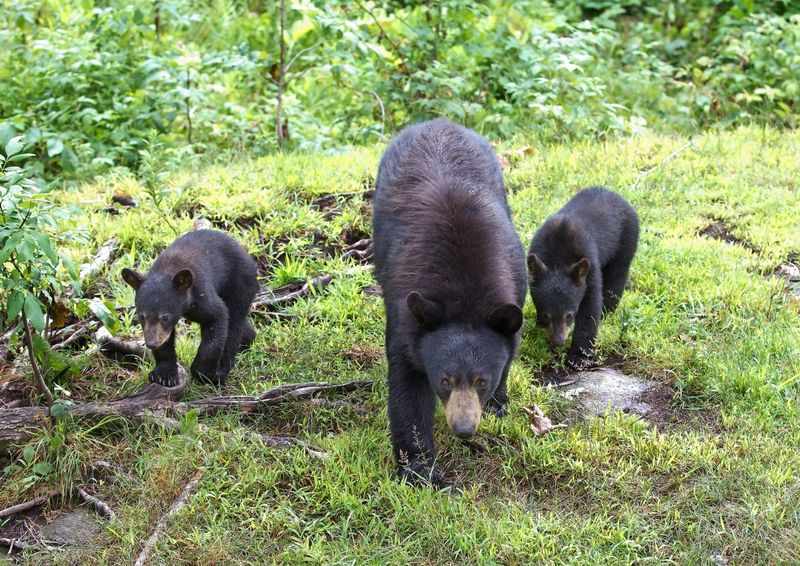
Few sights in nature are as heartwarming as a mother bear leading her cubs through the trees. In fall, though, that sweet family outing is really a serious food mission.
Cubs are born in the den around January or February. They stay tucked inside, nursing and growing, until they finally step outside around April.
After that, the little ones stick close to their mom and learn by watching her. She teaches them where to find berries, how to dig for insects, and which places are worth visiting.
Here is the tricky part for homeowners. If a mother bear finds food in your yard, she may teach her cubs that neighborhoods are good places to eat.
Those lessons can stay with young bears for life. Cubs usually remain with their mother until their second summer, which gives them plenty of time to pick up habits, good or bad.
Mother bears are also known for being very protective of their young. Getting between a mom and her cubs is a situation everyone should avoid.
If you spot a bear family, stay calm, give them lots of space, and enjoy the view from a safe distance indoors. Keeping your yard free of snacks helps raise a new generation of wild, woods-loving bears.
6. Secure Trash And Set It Out On Pickup Morning
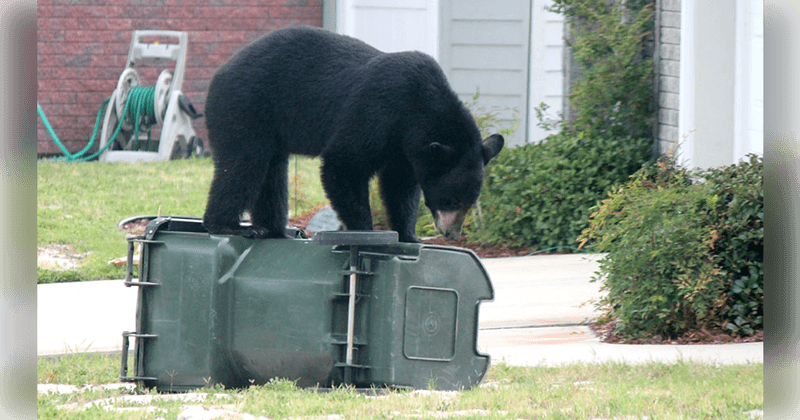
Trash night is a cherished tradition in many homes. Unfortunately, in bear country, rolling the can to the curb the evening before is like setting out a midnight snack tray.
Wildlife experts recommend a simple switch in routine. Keep your garbage inside a sturdy garage or shed, then take it to the curb on the morning of pickup.
That small change cuts down the hours your trash sits outside, smelling delicious to a hungry nose. Fewer hours means fewer chances for a bear to discover an easy meal.
No garage or shed? Bear-resistant garbage cans and dumpsters are a great option, and some Florida communities even help residents get them.
These special containers use strong latches that bears struggle to open. Make sure to lock them every time, because an unlatched bear-resistant can works just like a regular one.
A few extra habits can help too. Freeze smelly scraps like meat or fish until trash day, and rinse out bins now and then to reduce lingering odors.
Talk with your neighbors about doing the same thing. When a whole street keeps its garbage locked up, bears quickly learn the block is not worth the walk.
7. Take Down Bird Feeders And Bring In Pet Food
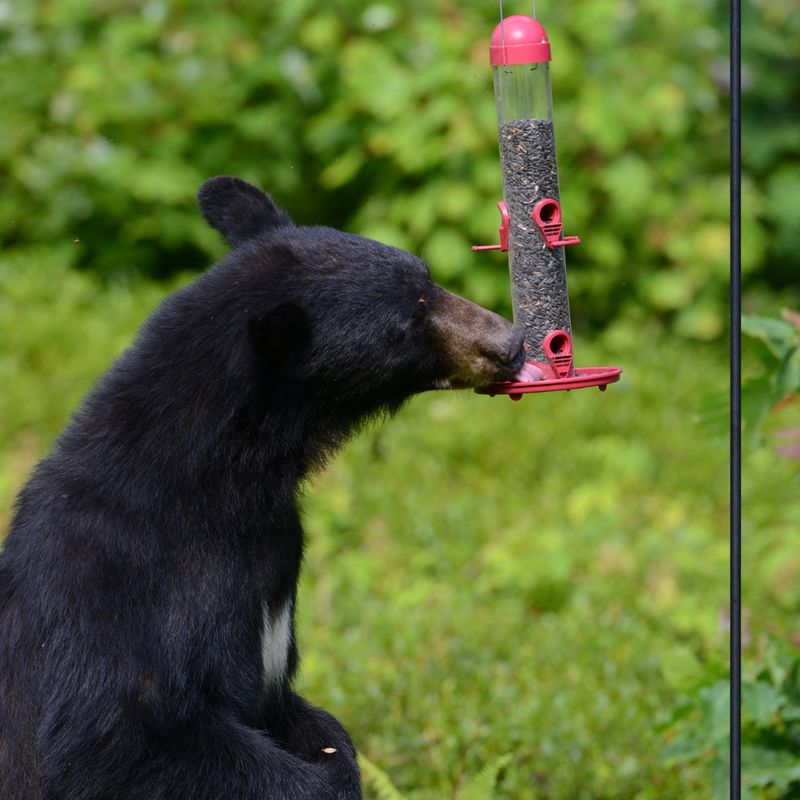
Songbirds are lovely, but a bird feeder full of seed can attract a much bigger guest. To a bear, birdseed is a crunchy, high-energy treat hanging right at snack height.
If bears are active in your area, the safest choice is to take bird feeders down, especially in fall. Hungry bears can bend poles, snap branches, and leave quite a mess behind.
Still want to watch the birds? Hang feeders at least 10 feet off the ground and 10 feet away from trees, decks, or buildings so bears cannot reach or climb to them.
Pet food is another big temptation. A bowl of kibble left on the porch smells like an open invitation, even after your dog or cat has wandered away.
Feed your pets indoors whenever possible. If they must eat outside, bring the bowls in right after mealtime and store food bags in a closed garage or sealed container.
Do not forget about other sneaky snacks. Fallen fruit, livestock feed, and even greasy grill drippings can draw a curious bear into your yard.
Birdbaths, native flowers, and nesting boxes are fun alternatives to feeders. They still bring in feathered friends without ringing the dinner bell for bears.
8. Flip The Lights Before Letting The Dog Out
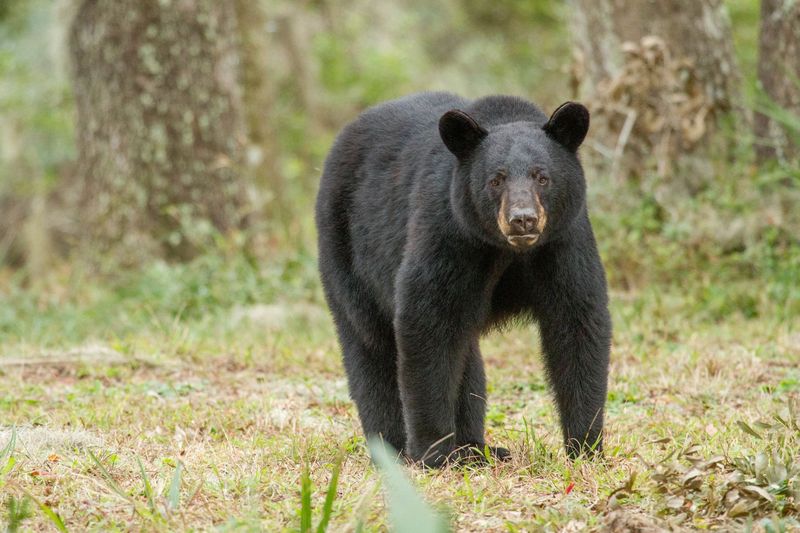
Your dog is dancing by the back door at 10 p.m., ready for one last potty break. Before you swing that door open, pause for a quick safety trick.
In the state, a large share of incidents between bears and people have also involved dogs. A barking or charging pup can startle a bear and cause it to act defensively.
The fix is easy and takes only a few seconds. Bang on the door, flick the outdoor lights on and off, and make some noise before stepping outside.
Those signals give any nearby wildlife a heads-up. Most bears would rather leave quietly than face a surprise meeting with you or your pet.
Keeping your dog on a leash at night adds another layer of protection. It stops your pup from chasing after something in the shadows that it should not tangle with.
Motion-activated lights around the yard can be helpful too. They brighten dark corners and may encourage shy animals to move along.
Make this routine a family habit so everyone remembers it, including kids who take the dog out. A little noise and light can turn a scary surprise into a calm, ordinary night.
9. Feeding Or Attracting Bears Is Illegal In Florida
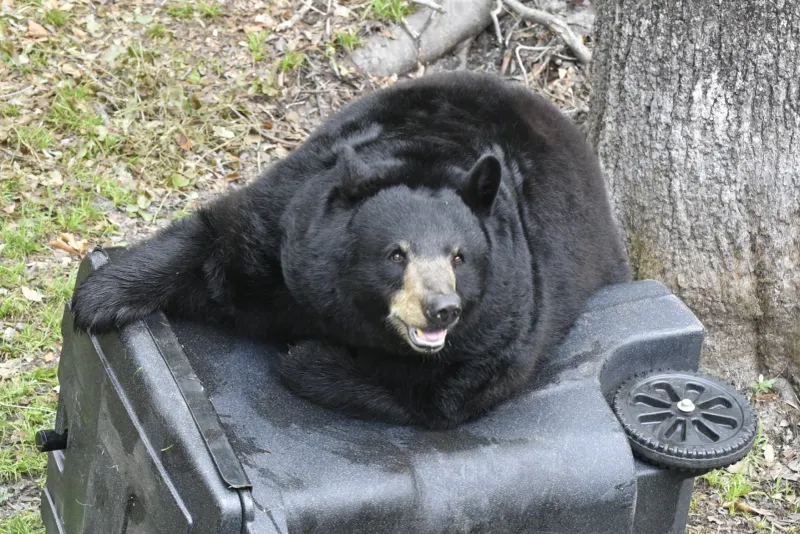
Tossing a bear a leftover donut might seem harmless or even kind. In the state, though, that friendly gesture can actually break the law.
State rules make it illegal to intentionally feed bears. It is also against the law to leave out food or garbage that attracts bears and leads to conflicts with people.
Why so strict? Bears that get used to human food can lose their natural caution around people, and that change creates problems for everyone involved.
These bold bears may rip open screens, damage cars, or wander into garages looking for more snacks. Their behavior can put families, pets, and property at risk.
Sadly, the bear often pays the biggest price. Wildlife officials may need to step in and manage a bear that has become too comfortable around homes.
Here is a phrase many wildlife experts like to share: a fed bear is a problem bear. Keeping food away from them is truly the kindest thing you can do.
If you see someone feeding bears or notice a bear causing trouble, you can contact the Florida Fish and Wildlife Conservation Commission. Working together as a community helps bears stay wild, healthy, and happily far away from your kitchen trash.