The Fall Shade Bloomer Pennsylvania Gardeners Are Missing
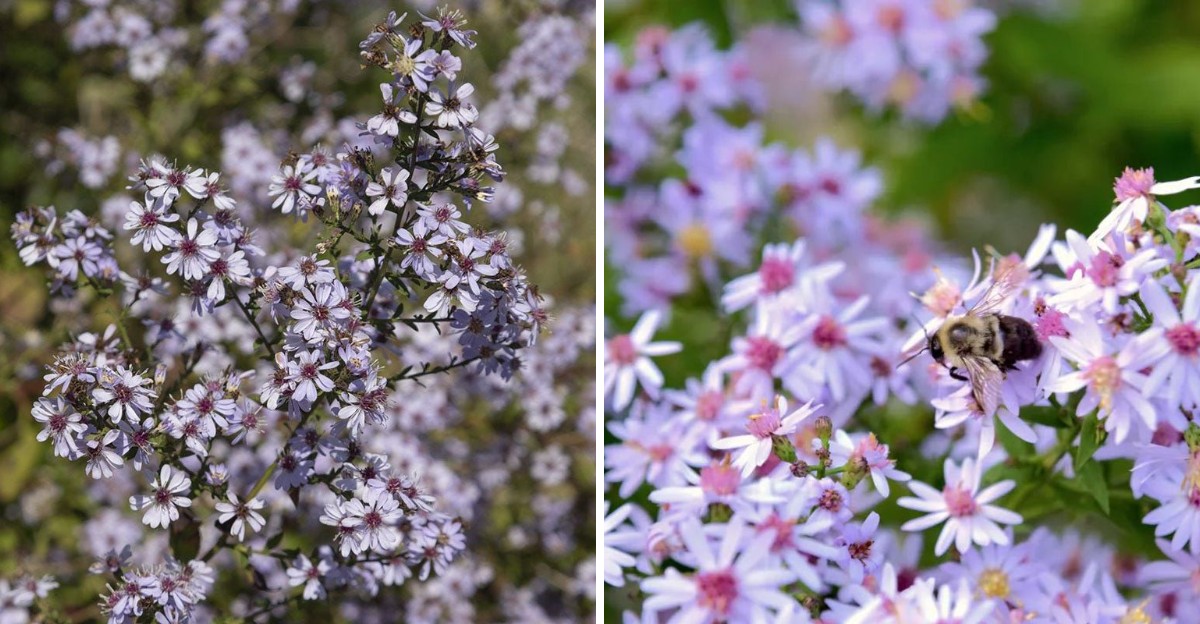
Most fall color in Pennsylvania comes from the treetops. This show happens much closer to the ground.
Along shady woodland edges, a native wildflower quietly bursts into bloom just as the leaves begin to turn.
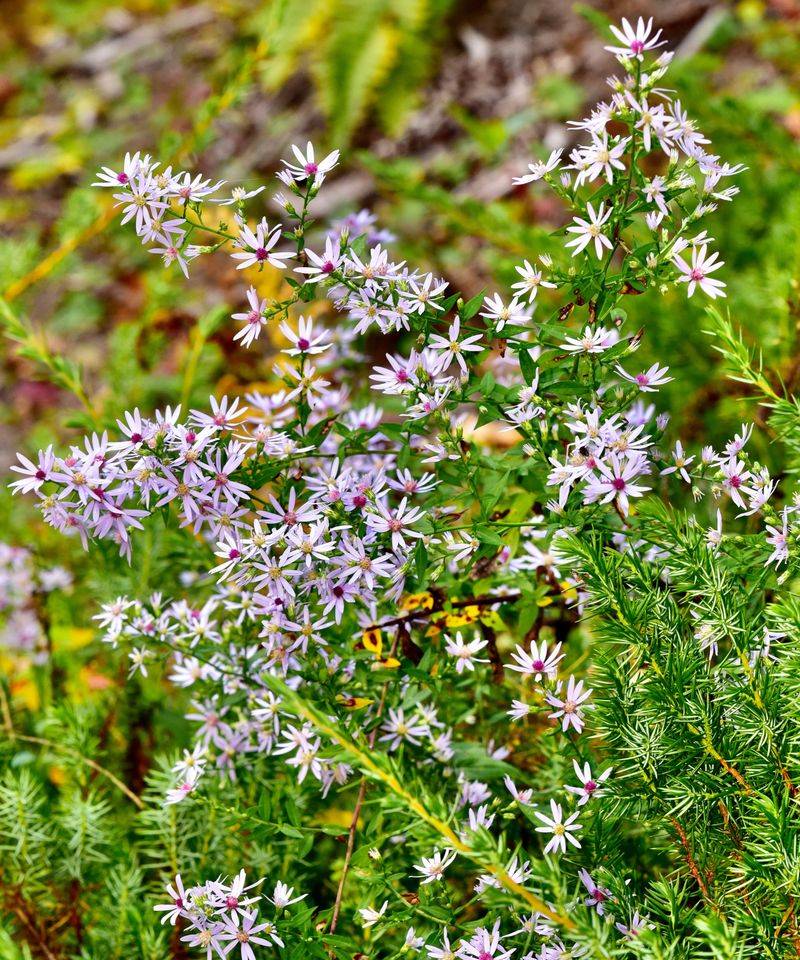
Its airy stems fill with hundreds of tiny lavender-blue flowers, each with a bright yellow center that slowly shifts to a rosy red. Planted in a group, they look like a soft cloud drifting under the trees.
Even better, this plant actually prefers the dappled light that frustrates so many gardeners. It handles dry shade, needs very little care, and fills in empty spots that most flowers would struggle in.
Pollinators love it, too. Bees and late-season butterflies flock to its blooms when food is getting hard to find.
Stunning Fall Color For Shady Spots
Walk through almost any Pennsylvania forest in early fall, and you might brush past a small treasure.
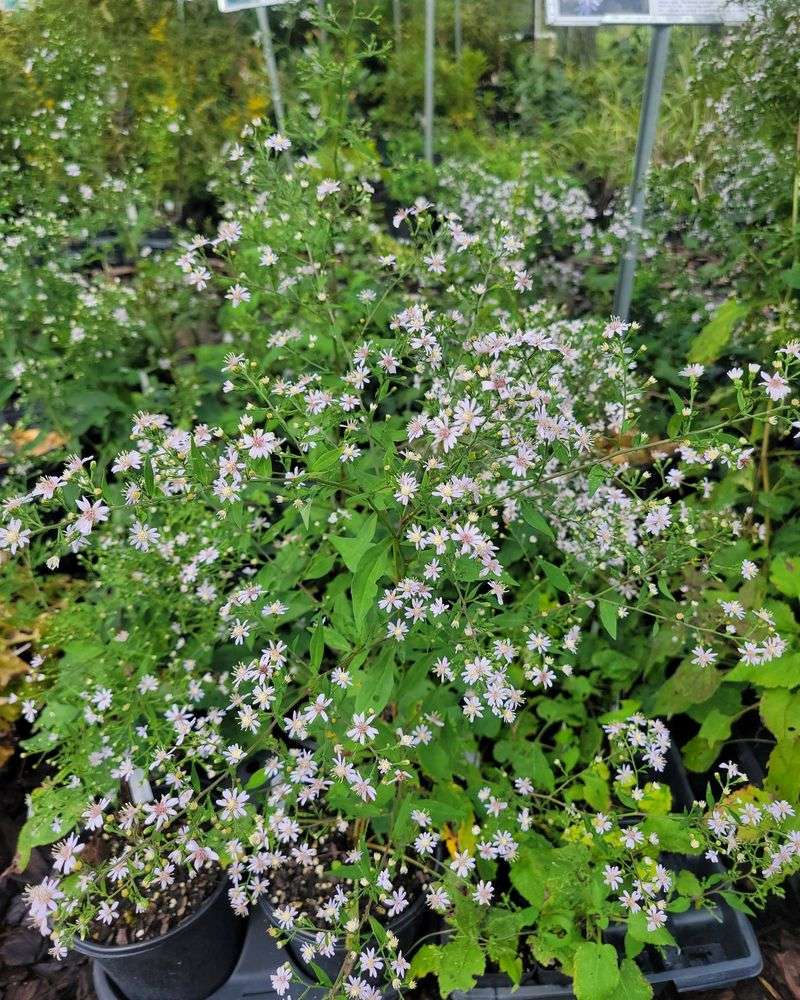
Blue wood aster grows wild in woodlands, along trail edges, and at the borders of shady fields. Its scientific name is Symphyotrichum cordifolium, but you do not need to remember that.
The plant has another common name that is much easier to say. People often call it heart-leaved aster. Look closely at the lower leaves, and you will see why. They are shaped just like little hearts, with toothed edges and a pointed tip.
Being a native plant matters more than you might think. Native plants grew here long before anyone planted gardens.
They have adapted to our cold winters, hot summers, and rocky or clay soils. Because of that, they usually need less help from you to look their best.
As a perennial, blue wood aster comes back year after year. You plant it once, and it returns each spring with fresh leaves. By fall, it is ready to bloom again without any replanting.
Here is a fun fact. The word aster comes from the Greek word for star. That name fits perfectly, since the blooms look like tiny stars scattered across the plant.
Where can you find one for your yard? Check native plant nurseries, local garden clubs, or spring plant sales run by conservation groups.
Many Pennsylvania counties hold yearly native plant sales. Ask for plants grown from local seed when possible, since they are best suited to your region.
Try to avoid digging plants from the wild. Leaving them in place helps protect our forests. Buying from a nursery keeps wild patches healthy and gives you a strong, ready-to-grow plant.
A Cloud Of Blooms When Shade Gardens Fade
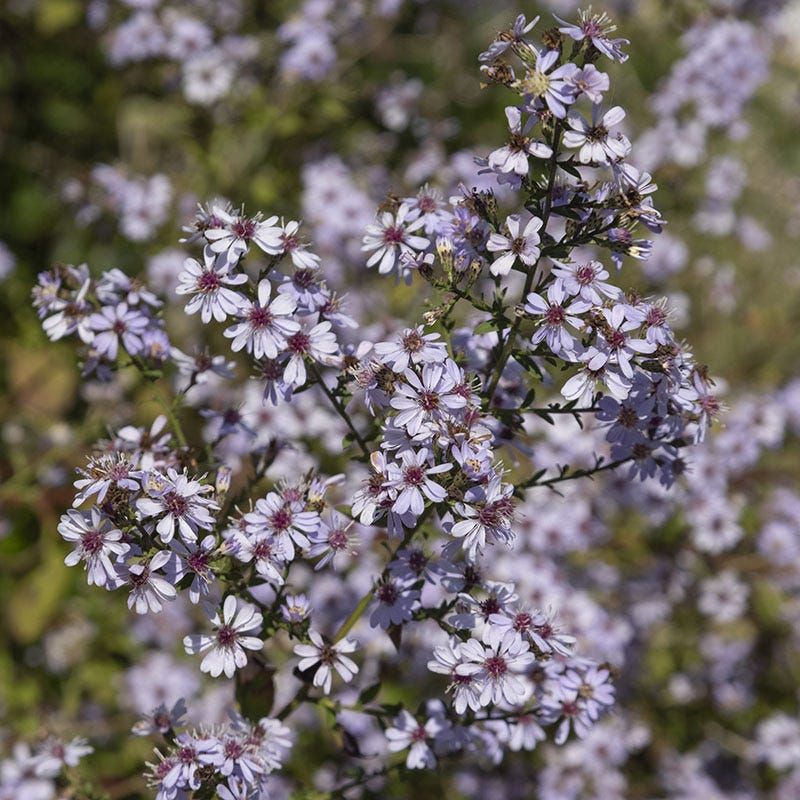
September arrives, and suddenly the shady corner you had given up on starts to glow. Hundreds of tiny flowers open all at once, like a soft blue mist hanging over the ground. That is the magic of blue wood aster in full bloom.
Each flower is small, usually less than an inch wide. What they lack in size, they make up for in numbers. A single plant can carry so many blooms that the leaves almost disappear beneath them.
Your Pennsylvania Garden Changes Every Week. Your Plan Should Too.
Gardening in Pennsylvania changes quickly throughout the season. Every Friday you’ll receive a simple weekly plan showing exactly what to plant, prune, fertilize, harvest, and protect so you never miss the right timing.
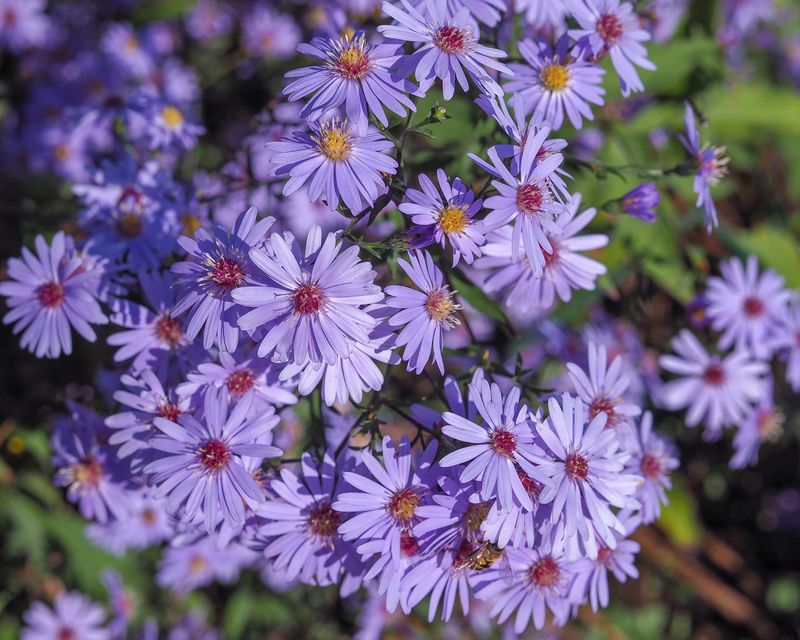
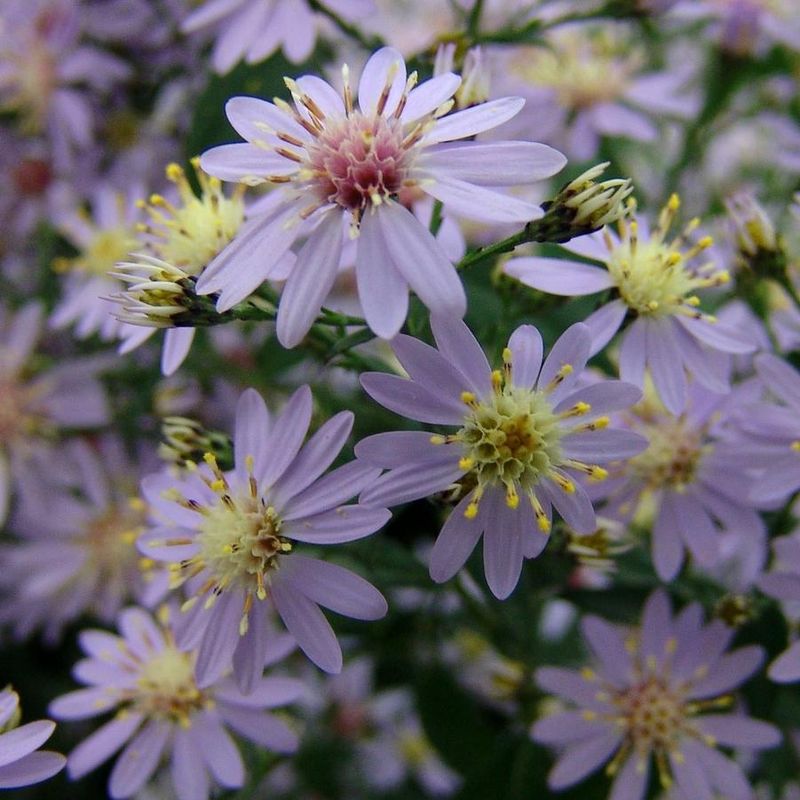
The colors are gentle and calming. Petals range from pale blue to light lavender, and sometimes nearly white. In the middle sits a bright yellow center that pops against the cool petals.
Now for the neat part. As each flower ages, its center slowly changes from yellow to a reddish or rosy purple.
Scientists think this color shift tells bees which flowers still have nectar. Since blooms open at different times, you will see both yellow and red centers on one plant.
The show usually runs from early September through October. In a mild year, it can last even longer. That timing is perfect for shade gardens.
Think about what usually blooms under trees. Trilliums, bluebells, and other spring wildflowers flower early and then vanish.
Hostas send up summer flower spikes, but by fall they are often brown or chewed by slugs. Blue wood aster steps in right when those plants are finished.
Want the best effect? Plant several in a group rather than just one. A drift of five or more creates that cloudy, dreamy look. Place them where you walk often, like near a back door or along a path, so you can enjoy them every day.
Thrives Where Most Fall Flowers Won’t
Ask most gardeners where to plant asters, and they will tell you the same thing. Give them sun, and lots of it. New England asters and many other popular fall bloomers sulk and flop when they do not get bright light all day.
Blue wood aster plays by different rules. It happily grows in part shade, and it can even handle full shade. That makes it a rare find for anyone with a yard full of big trees.
Dry shade is one of the hardest spots in any garden. Tree roots soak up most of the water, and the thick canopy blocks rain.
Grass struggles there, and many flowers simply give up. Blue wood aster, however, is tough enough to handle those conditions once its roots settle in.
So how big does it get? Most plants reach about 2 to 3 feet tall. They spread out a bit wider as they mature. That medium size is just right for many garden spaces. Here are a few smart places to try it.
Along a woodland path, where the flowers can spill gently toward your feet. In a shady border next to a fence or the north side of a house.
Under large trees like oaks or maples, where little else will grow. At the back edge of a bed, behind shorter ferns or groundcovers.
A quick tip for planting under trees. Dig small pockets between roots instead of tearing through them. Add a bit of compost to each hole. Water deeply for the first season, and the aster will soon take care of itself.
A plant with more sun may grow taller and bloom a little heavier. Even in deep shade, though, you will still get a lovely fall show.
A Late-Season Lifeline For Pollinators
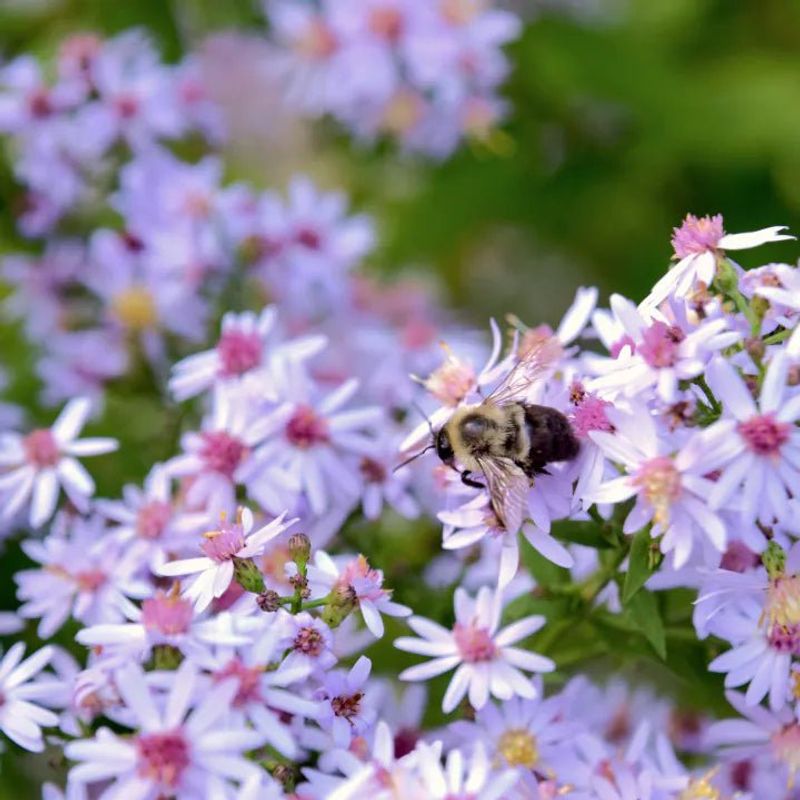
Did you know that fall can be one of the hungriest times of year for insects? As cool weather moves in, flowers become scarce. Bees, butterflies, and other pollinators need a final burst of food to get ready for winter.
Blue wood aster offers exactly what they need. Its flowers are packed with nectar, a sugary drink that gives insects energy.
They also provide pollen, which is full of protein. Bumblebee queens especially need that boost before they hide underground for the cold months.
Stand near a blooming patch on a sunny afternoon, and you will hear a gentle buzz. Honeybees, bumblebees, tiny sweat bees, and hoverflies all stop by.
Small butterflies flutter from bloom to bloom. It turns a quiet shady corner into a busy little café.
Monarch butterflies may visit too. Each fall, monarchs travel thousands of miles from Pennsylvania and Canada to the mountains of Mexico.
Along the way, they must refuel often. Late-blooming flowers like asters act as roadside rest stops for these amazing travelers.
Asters do more than feed adult insects. They are host plants for the pearl crescent butterfly.
A host plant is a plant that caterpillars eat as they grow. Female pearl crescents lay eggs on aster leaves, and the caterpillars munch on them before turning into small orange and black butterflies.
Seeing a few nibbled leaves is actually good news. It means you are helping raise the next generation of butterflies.
Want to support pollinators even more? Skip pesticides in your garden. Plant flowers that bloom in spring, summer, and fall so food is always available. Even a few asters can make a real difference for local wildlife.
Easy, Low-Maintenance Care
Good news for busy gardeners: blue wood aster is about as fuss-free as plants get. You will not need special fertilizer, fancy sprays, or a strict schedule. Honestly, it mostly wants to be left alone.
The first year is the most important. Water new plants about once a week if rain is light. That helps the roots grow deep and strong.
Once the plant is established, usually by its second season, it can handle most weather on its own.
After that, only water during long dry spells. If the leaves droop for days and the soil feels dusty, give it a deep drink. Otherwise, let nature do the work.
Skip the fertilizer. Rich soil can make asters grow tall and floppy. A thin layer of shredded leaves around the base is plenty. Leaves keep moisture in, protect the roots, and slowly feed the soil.
Now, about spreading. Blue wood aster readily self-seeds. Fluffy seeds float on the wind each fall, and new seedlings pop up nearby the following spring. Over time, it can fill bare shady patches with fresh green leaves.
For some people, that is a wonderful bonus. Free plants are always welcome! If you prefer a neater look, simply pull extra seedlings in spring while they are small. They come up easily when the soil is damp.
Got friends who garden? Pot up a few extra seedlings and share them. It is a great way to spread native plants around your neighborhood.
One small tip: if your asters get too tall, trim them back by about a third in early June. They will grow bushier and bloom a bit shorter, which helps in tight spaces.
Great Partners In The Shade Garden
Every star needs a good supporting cast. Blue wood aster looks lovely alone, but it truly shines when paired with other shade-loving natives. Together, they can create a fall scene that feels like a walk through the woods.
White wood aster is a natural match. It blooms around the same time and has bright white, starry flowers. Mixing the two creates a soft blend of blue and white, almost like a sky full of clouds.
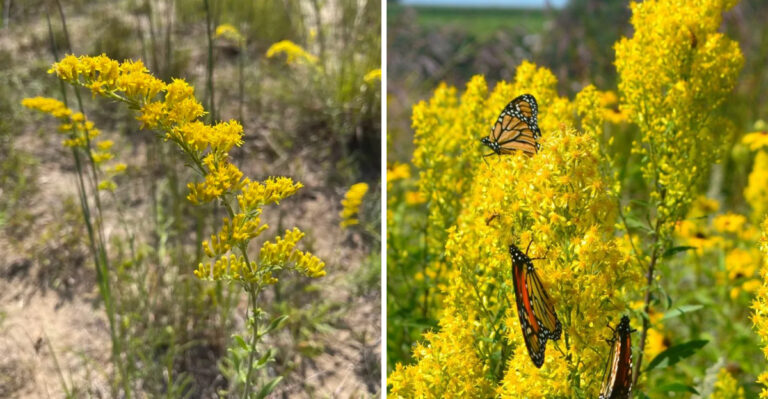
Zigzag goldenrod adds a splash of sunshine. Its stems bend back and forth in a zigzag pattern, which is how it got its name.
Small yellow flowers line the stems in fall. Unlike many goldenrods, it grows well in shade and stays fairly tidy.
Ferns bring texture to the mix. Their feathery fronds look great beside the airy aster blooms.
Christmas fern stays green all winter, while lady fern and New York fern turn golden in autumn. Try planting them in front so they hide the lower aster stems.
Other helpful partners include wild ginger as a groundcover and white snakeroot for extra late blooms.
When fall ends, resist the urge to cut everything down. Leave the aster stems standing through winter.
The seed heads become a snack bar for birds like goldfinches, juncos, and chickadees. On snowy mornings, you may spot them perched on the stems, nibbling away.
Hollow stems can also give shelter to tiny native bees. In early spring, trim the old stems to about a foot tall. New growth will soon cover them.
With the right partners, your shady corner can bloom, buzz, and feed wildlife from fall right into winter.