How To Treat Fall Armyworms In Georgia Lawns Before The Damage Spreads
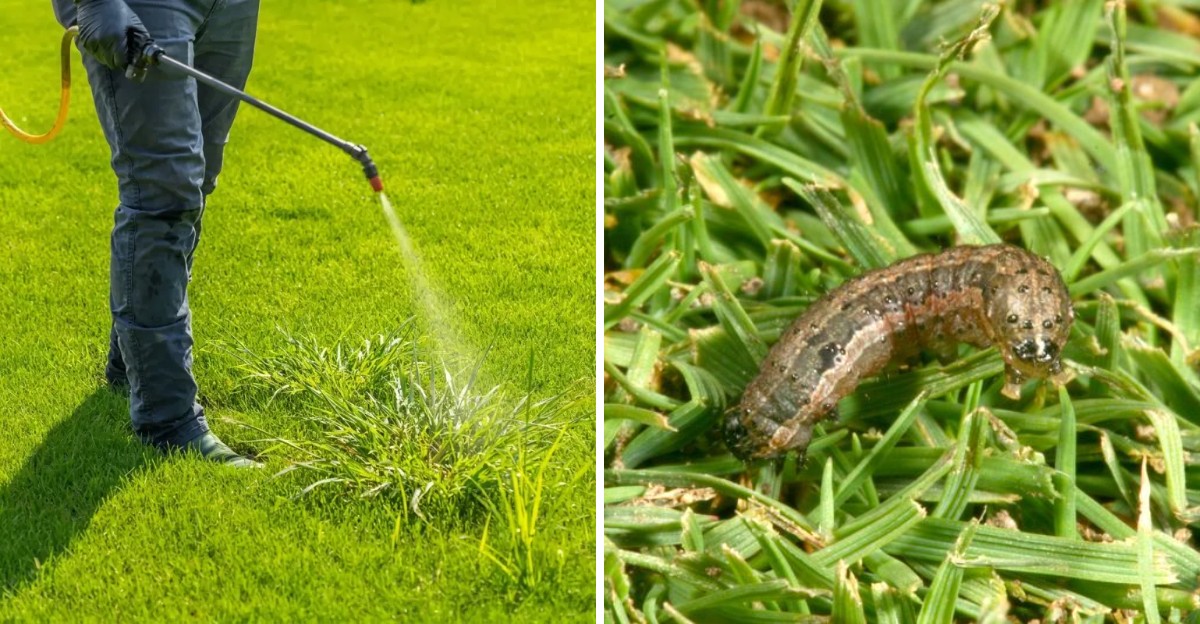
A lawn that looked fine on Friday can have brown, chewed patches by Monday when fall armyworms move in.
These caterpillars feed in groups and can strip a Georgia lawn surprisingly fast. The damage often starts in one corner and then spreads across the yard as they march along.
Many homeowners mistake that early browning for drought stress or a lawn disease. By the time the real cause is clear, the worms may have already covered a lot of ground.
Outbreaks can often show up well into fall, especially after a stretch of warm, wet weather.
Catching the caterpillars while they are still small usually makes treatment far more effective.
Watch for flocks of birds pecking at one section of your lawn, because that activity can be an early clue.
1. Grass Browning Seemingly Overnight Hints At Hungry Caterpillars
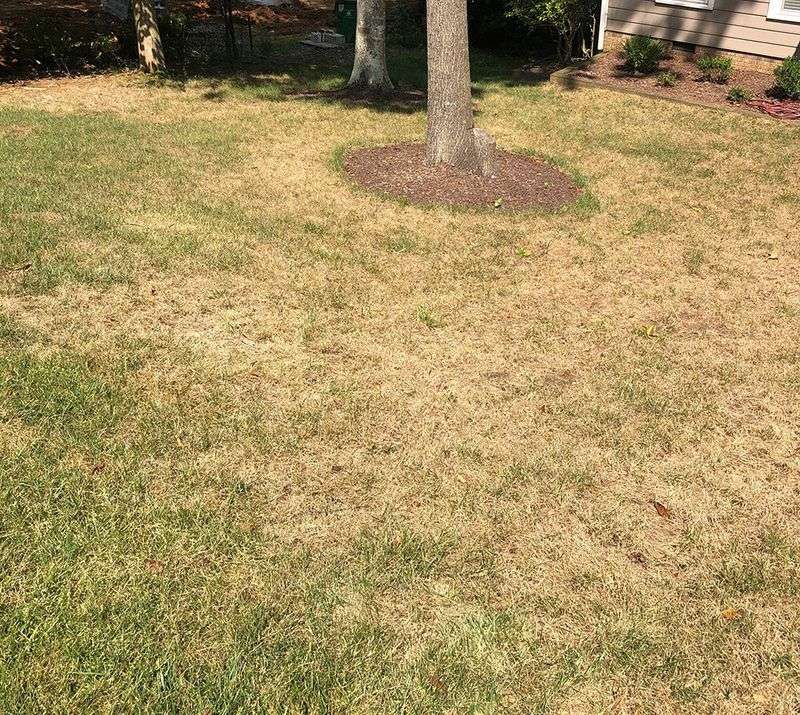
Brown grass that shows up in a day or two is a red flag. Drought and disease usually take longer to change a lawn, while fall armyworms can chew through turf at a surprising pace.
Look closely at the edge where green grass meets brown grass.
Armyworms tend to march forward as a group, so damage often has a clear front line. Healthy blades sit right next to chewed, ragged ones, and that sharp border is a helpful clue.
Get down on your knees and inspect the blades themselves.
Young larvae scrape the green tissue and leave a see-through, windowpane look on the leaves. Older caterpillars eat larger pieces, so the grass may look mowed too short or stripped down to the stems.
In Georgia, outbreaks often show up from late summer through fall, though timing can shift with weather. Bermudagrass, zoysiagrass, and other warm-season lawns are common targets, especially when they are well fertilized and lush.
Watch for birds gathering on your yard, since they may be feeding on caterpillars hiding in the grass.
Wasps hovering low over the turf can point to the same thing. Neither sign proves armyworms are present, but together with fast browning, they are worth a closer look before you reach for the hose.
2. An Inverted Y On The Head Separates Them From Lookalikes
Plenty of caterpillars crawl through turf, but only some are the problem you need to treat. Getting the ID right saves you money and keeps you from spraying when you do not need to.
Check the head first, because it holds the clearest clue.
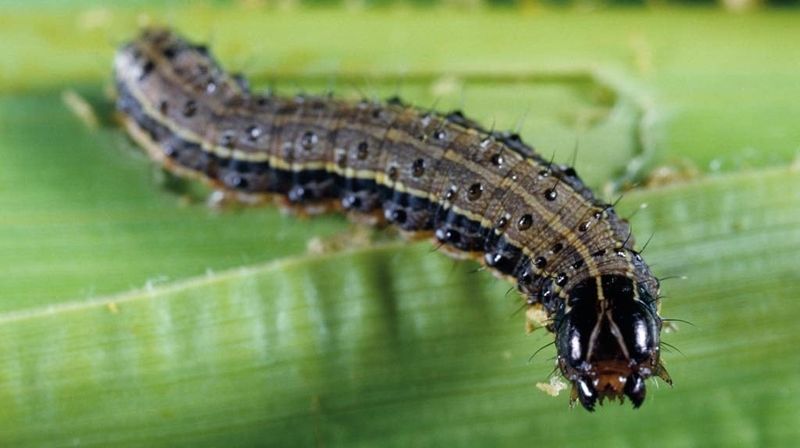
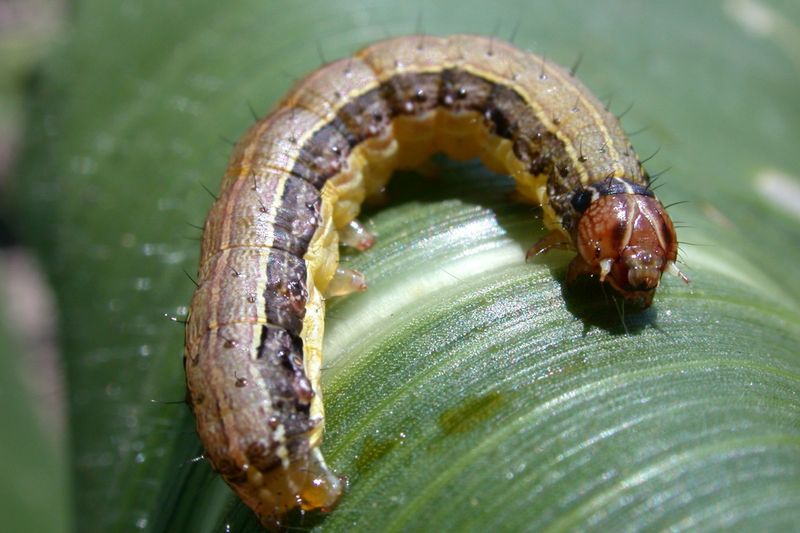
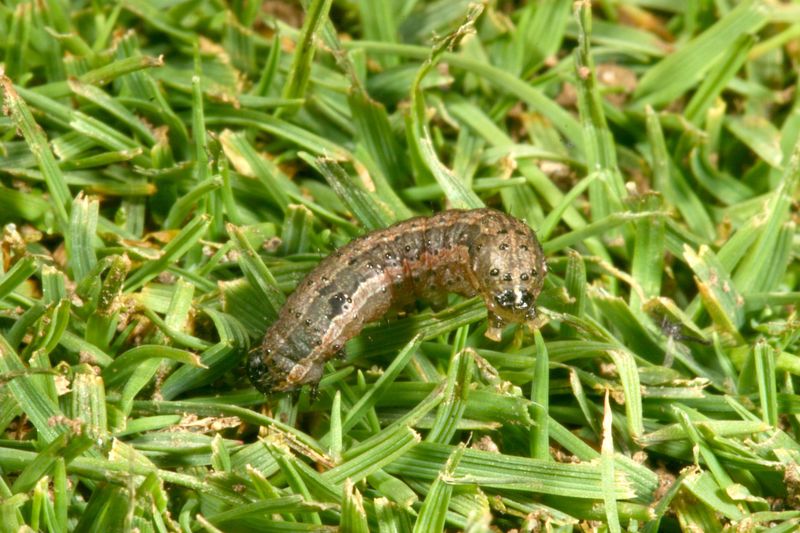
Fall armyworms usually have a pale, upside-down Y shape on the front of a darker head. Once you know what to look for, you can often see it with the naked eye or a cheap magnifying glass.
Next, look toward the back end of the body for four dark dots arranged in a square.
Body color varies a lot, from green to brown to nearly black. Stripes along the sides are common, so color alone is not a reliable way to tell them apart from other species.
Sod webworms are a frequent lookalike in Georgia yards, and they also chew grass at night. They tend to be smaller and spotted, and they often leave silk-lined tunnels near the soil.
Your Georgia Garden Changes Every Week. Your Plan Should Too.
Gardening in Georgia changes quickly throughout the season. Every Friday you’ll receive a simple weekly plan showing exactly what to plant, prune, fertilize, harvest, and protect so you never miss the right timing.
Cutworms are another mix-up, since they curl into a tight C shape when disturbed.
If you are still unsure, snap a clear photo and send it to your local county Extension office. Experts there can confirm what you found and suggest options that fit your lawn and local conditions.
3. A Soapy Water Flush Brings Hidden Larvae To The Surface
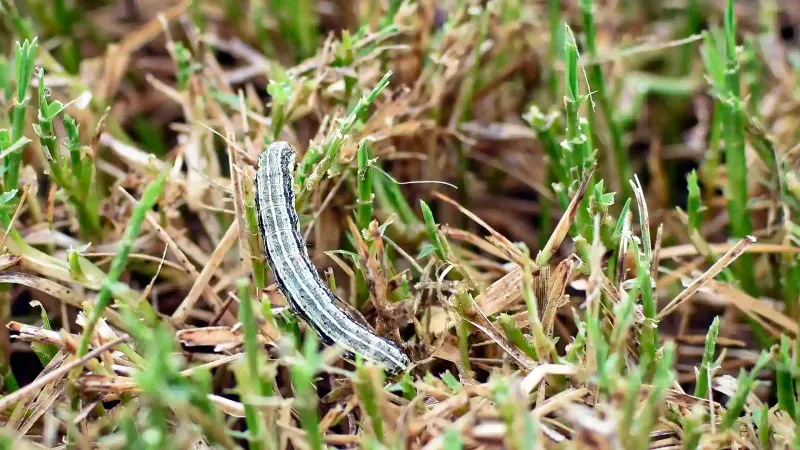
Caterpillars are good at hiding during the day. You might stare at a damaged spot and see nothing, even when dozens are tucked down in the thatch.
A simple soap flush can change that in a few minutes.
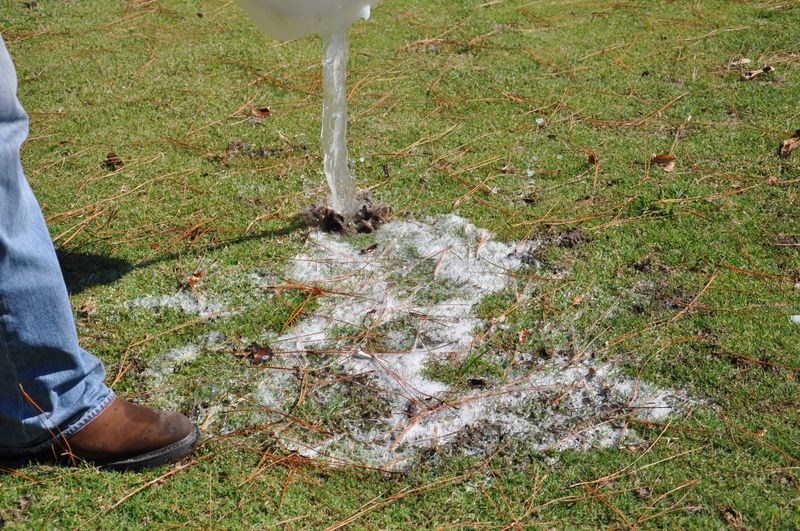
Mix about one to two tablespoons of liquid dish soap into a gallon of water. Pour it slowly over roughly a square yard of turf, ideally right where green grass meets brown grass.
Wait a few minutes and watch the area closely.
The soap irritates the larvae, and they usually wiggle up to the surface where you can count them. Testing a few spots across the yard gives you a better picture than checking just one.
How many is too many? Thresholds vary by source and turf type, but finding several caterpillars per square foot is generally a good reason to consider treatment.
Georgia summers are hot, so try your flush in the cooler morning or evening hours. Soap can stress grass in strong heat, and the larvae are also more active near the surface when temperatures drop.
Rinse the test spots with plain water when you finish.
Keep notes on what you find, including size and number of larvae. Those details help you decide on timing and products in the next steps.
4. Young Larvae Are Easier To Control Than Full-Grown Ones
Small caterpillars, small headaches. Large caterpillars, bigger trouble.
Fall armyworms grow quickly over about two to three weeks, depending on temperature.
Most of the eating happens near the end of that stretch. A lawn can look fine while the larvae are tiny, then fall apart fast once they reach full size.
Young larvae are often under half an inch long and have thin bodies. Many lawn insecticides tend to work better on them, and some biological products work mainly on these early stages.
Bigger caterpillars, often over an inch long, can be harder to stop.
Once they are close to maturity, they will soon stop feeding and burrow into the soil to pupate. Treating at that point may do little, because most of the damage is already done.
In Georgia, more than one generation can hatch in a single season, so new waves may follow the first. Keep scouting every few days through fall, especially after you see moths flying around porch lights.
Neighbors can be a helpful early warning system too.
If a yard down the street suddenly turns brown, check your own grass right away. Catching the next batch while they are still small gives you the best shot at protecting your turf.
5. Late-Day Applications Line Up With Their Feeding Schedule
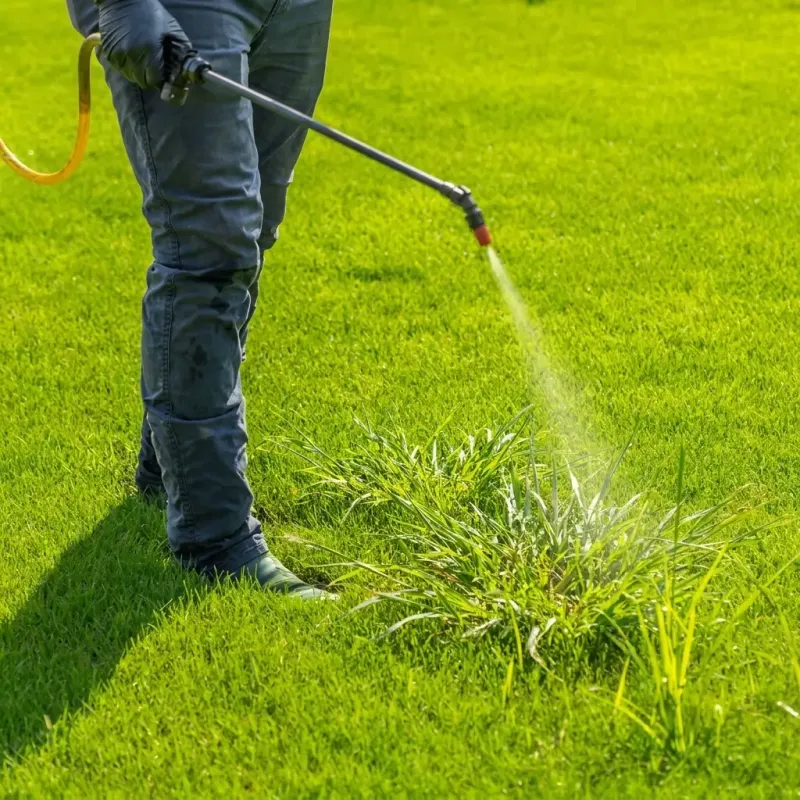
Spray at noon, and you may miss most of the action. Fall armyworms often feed hardest in the early morning and evening, when the air is cooler.
Late afternoon or early evening is usually a smart window for treatment.
Products sitting on the leaves at that hour are more likely to be eaten as the caterpillars come up to feed. Sunlight can also break down some ingredients, so avoiding harsh midday rays may help them last longer.
Mowing a day or two before you treat can help the product reach more of the grass.
Hold off on mowing for a day or so after you apply, as the label allows. Cutting too soon removes the treated leaf tips that the larvae would otherwise eat.
Check the forecast before you start. Heavy rain right after spraying can wash some products off the blades, while light watering may be suggested for others.
Wind matters as well, since drift can carry spray onto gardens, ponds, or a neighbor’s yard.
On muggy evenings across Georgia, still air is common, which can make calm spraying a little easier. Wear gloves, keep kids and pets away, and let treated grass dry before anyone walks on it.
6. Treatment Directions Depend On The Product You Choose
Read the label first. That piece of advice sounds boring, but it is the one that matters most.
Liquid sprays and granular products work in different ways, and their directions are not the same.
Liquids usually coat the grass blades, where caterpillars eat them. Granules often need light watering to release the active ingredient, so follow the label on how much water to use.
Biological options, such as products with Bacillus thuringiensis or spinosad, are popular with people who want lower-impact choices.
Bt tends to work best on young larvae and has to be eaten to take effect. It may also break down fairly quickly in sunlight, so reapplying might be needed if new caterpillars hatch.
Synthetic insecticides, like bifenthrin or other pyrethroids, are sold widely in Georgia garden centers. They can act faster, but they may also harm bees and other helpful insects, especially near flowering weeds.
Mow down blooming clover or weeds before spraying to protect pollinators.
Measure carefully rather than guessing, since more product is not better and can cause harm. If results seem weak after a few days, scout again before treating twice, and ask your local Extension office about resistance or timing issues.
7. Established Turf Can Often Recover After The Caterpillars Are Controlled
Brown does not mean gone. Warm-season grasses that have been in the ground for a while often have healthy roots and runners below the chewed blades.
Fall armyworms mostly eat leaves, which gives many lawns a decent chance to regrow.
Bermudagrass is known for bouncing back fairly quickly, sometimes within a couple of weeks when weather cooperates. Zoysia and St. Augustine may move slower, and newly laid sod tends to be more fragile.
Water deeply but not too often while the grass recovers.
About an inch per week, including rain, is a common target for many lawns. Soil type, shade, and heat can change that, so check how fast your yard dries out.
Be careful with fertilizer late in the season. In much of Georgia, heavy feeding close to fall dormancy may do more harm than good, so a soil test and local guidance can help you decide.
Raise your mower height a notch to reduce stress on the damaged blades.
Some spots may stay thin until spring green-up, especially if damage hit right before cool weather. If an area shows no new growth by late spring, patching with sod or plugs may be the easiest fix.