A Visitor From The North Is About To Leave Neat Rows Of Tiny Holes On Alabama Trees
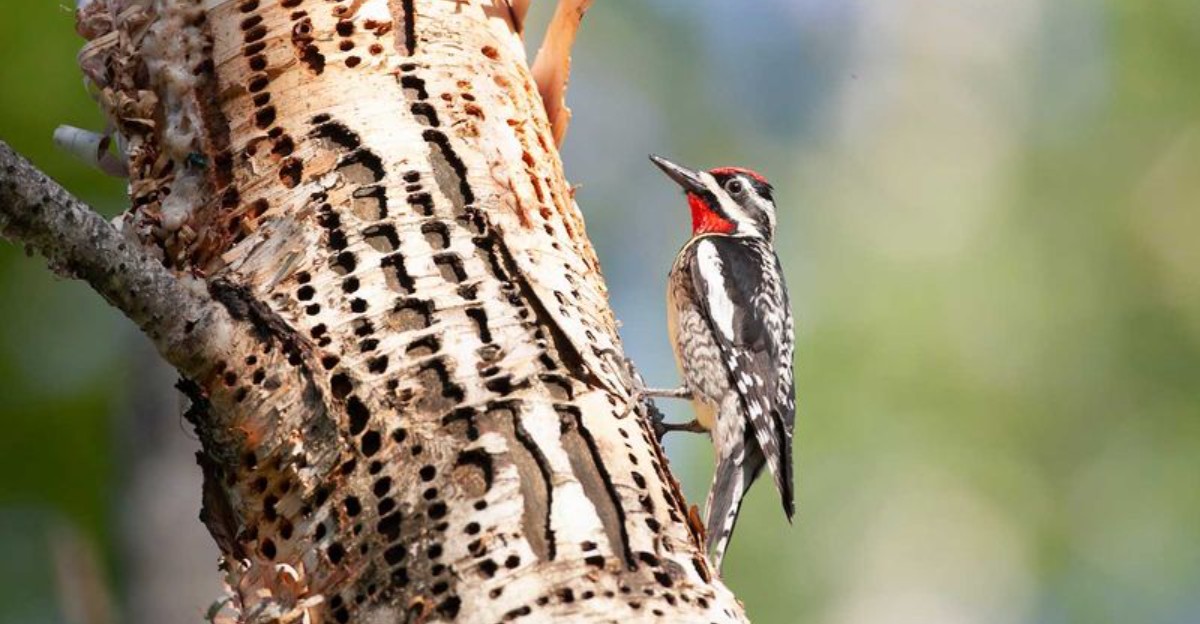
Who arranged ruler-straight holes in the tree that you love? You can thank a sapsucker, a woodpecker that migrates south from Canada each winter.
Alabama offers mild winters and sweet sap, and you supply the table. Look closely and you will spot shallow wells arranged in tidy horizontal rows.
Sap oozes from each well, and you can watch it glisten. Insects stick to the syrup, and you watch the bird return to collect them.
Bees, kinglets, and warblers join the party, so you host a crowd. Your neighbor suspects squirrels, but you know better.
Squirrels leave messy marks, while you see this bird tap with precise spacing. Grab binoculars and you may spot a male flashing a scarlet forehead and throat.
Wells keep flowing, so you can expect repeat visits across Alabama until spring. Congratulations, you host a traveling carpenter.
A Winter Woodpecker Called The Yellow-Bellied Sapsucker
Think of it as a woodpecker with a sweet tooth and a passport. The yellow-bellied sapsucker spends summers up north, then heads south when cold weather bites.
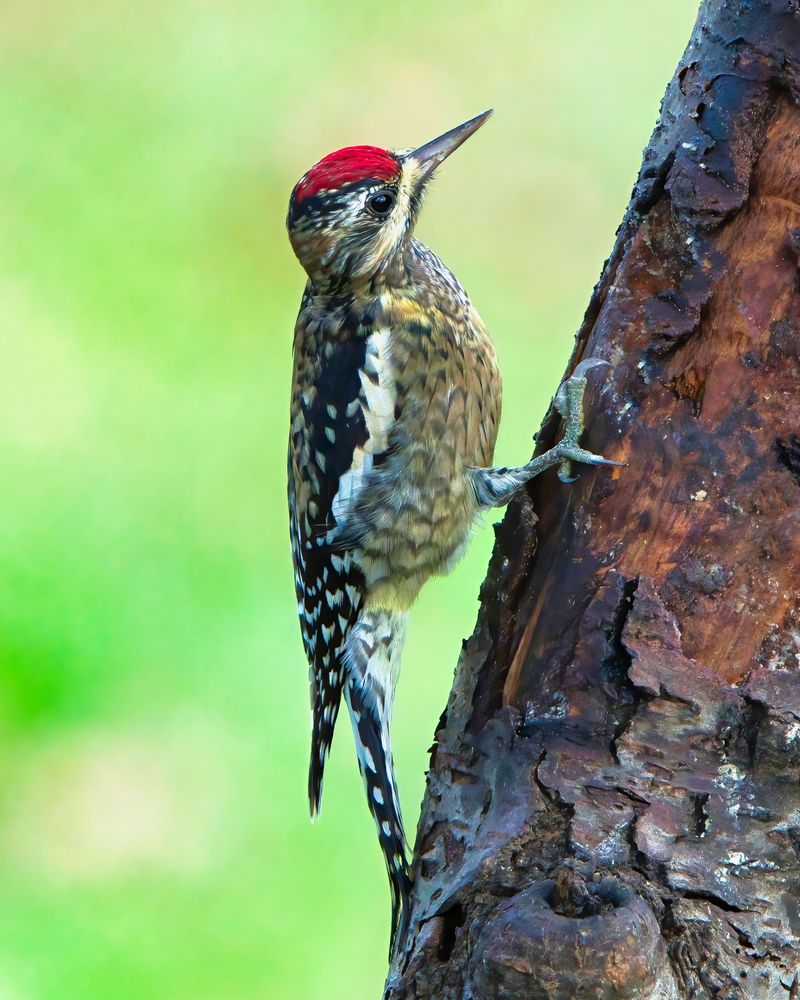
Adults are about eight inches long, slightly smaller and lighter than a robin. They wear bold black and white patterns with a red cap on the forehead.
Males also sport a bright red throat, while females have a white one. True to the name, the belly shows a soft wash of pale yellow.
Unlike most woodpeckers, this bird is not mainly digging for beetles hidden in rotting wood. It drills shallow holes into living bark to reach the sugary sap flowing underneath.
Those holes are called sap wells, and the bird returns to them again and again. It laps up the sap with a brushy tongue, a bit like a tiny paintbrush.
Insects drawn to the sweet liquid become a bonus meal for the sapsucker. So the bird gets dessert and protein from the same little station.
In Alabama, these birds show up statewide during the cooler months. You can find them in city parks, quiet suburbs, farm edges, and deep forests.
They tend to be shy and will scoot around to the far side of a trunk. A patient look from a window often works better than chasing them outdoors.
Spotting one feels a lot like catching a celebrity in your yard. Keep binoculars handy, and listen for a nasal call that sounds like a mewing cat.
Arrival Season From October Through April
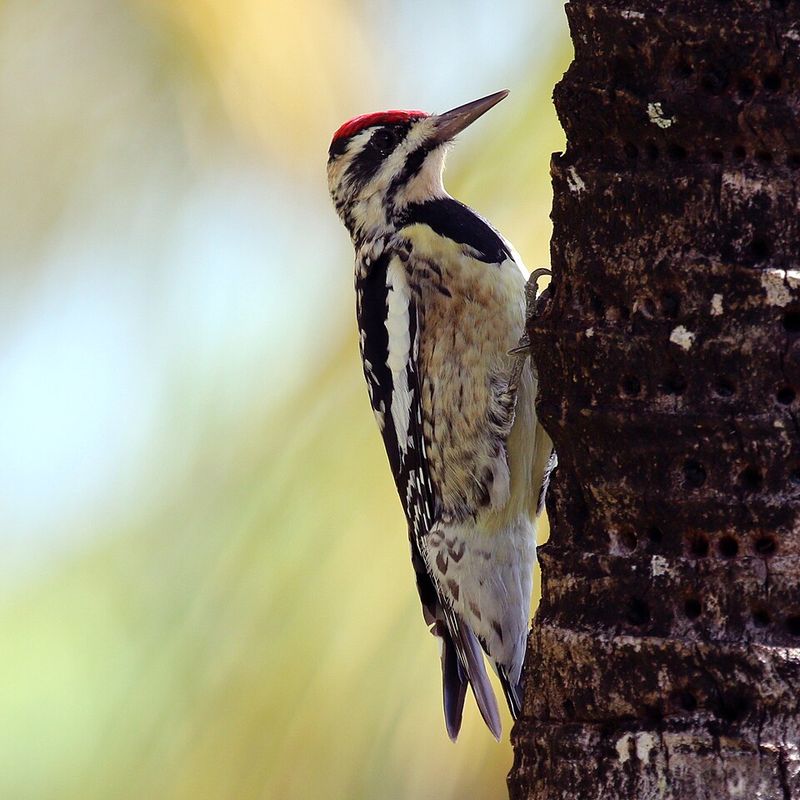
Mark your calendar for early fall, because the drilling crew arrives on a schedule. Most sapsuckers reach Alabama in October, just as leaves start turning gold.
They travel from breeding grounds in Canada, the northern states, and the Appalachian highlands. Some fly over a thousand miles, mostly at night.
Once here, a sapsucker usually picks a small territory and guards it closely. It may chase away other birds that try to sip from its private wells.
Fresh holes tend to appear in late fall and again in late winter. Late winter is often busy, since sap begins rising as trees wake for spring.
Your Alabama Garden Changes Every Week. Your Plan Should Too.
Gardening in Alabama changes quickly throughout the season. Every Friday you’ll receive a simple weekly plan showing exactly what to plant, prune, fertilize, harvest, and protect so you never miss the right timing.
During that stretch, a single bird may well add new rows quite often. Watch for shiny, wet bark and wasps gathering near the holes.
By April, most sapsuckers pack up and head north to raise their young. Some linger into early May if the weather up north stays chilly.
Knowing this timeline helps you avoid panic in the middle of winter. The visitors are temporary guests, not year-round tenants with a permanent lease.
Gardeners can use the calendar to plan ahead before the first drilling starts. Wrapping a favorite tree in late September beats scrambling after damage shows up.
Keep a simple notebook of the dates you hear tapping each year. Over time, you will see a pattern that makes the next season much easier.
Sharing those notes with neighbors helps them get ready before the birds return. Bird clubs and local extension offices often welcome reports like yours too.
The Rows Of Wells And The Sweet Sap Inside
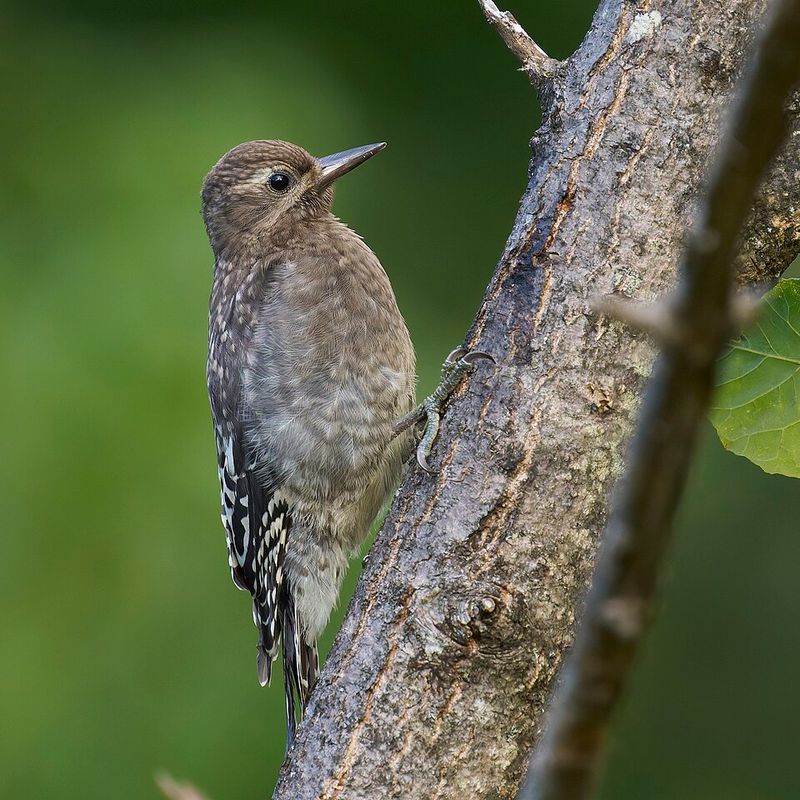
Grab a ruler and measure, and you will notice the tidy, even spacing. Sapsucker holes run in straight horizontal lines, often circling the trunk like a belt.
Each hole is roughly a quarter inch wide, about the size of a pencil eraser. Rows may stack on top of each other, forming a grid like a waffle.
The bird starts with small round holes that pierce the outer bark. Later it carves rectangular wells that reach the sugary layer and keep sap flowing.
Sap is the tree’s sugary food supply, moving through a thin layer under the bark. For a hungry bird in winter, it works like a natural energy drink.
Sapsuckers are picky diners and favor certain trees over others. Maples, birches, hickories, pecans, pines, and fruit trees top the menu in many Alabama yards.
Researchers have recorded the birds tapping more than one thousand kinds of trees and woody plants. Still, most return to the same few favorites season after season.
Plenty of other creatures benefit from these tiny sap stations too. Hummingbirds, squirrels, and warblers have been seen sipping sap from the holes.
In a way, the sapsucker runs a small diner that feeds the whole neighborhood. Ecologists call sapsuckers a keystone species because so many animals rely on their wells.
Next time you see those rows, take a closer look before reaching for the hose. You might spot a curious visitor enjoying a free, sticky snack.
A Common Mistake With Sprays And Scare Tactics
Some frustrated homeowners reach for a can of spray the moment they see holes. That quick fix often wastes money, and harming birds violates federal wildlife law.
Yellow-bellied sapsuckers are protected under the federal Migratory Bird Treaty Act. Harming or capturing one can bring penalties under that act in the US.
Insect sprays also miss the point, because bugs are not making the holes. Coating the bark with chemicals can harm bees and butterflies visiting the sap.
Sticky goo products sold as bird repellents cause another problem. Feathers can get coated, leaving small birds unable to fly or stay warm.
Some folks try painting wounds with tar or sealant to stop the bleeding sap. Trees heal better on their own, and sealants can trap moisture and rot.
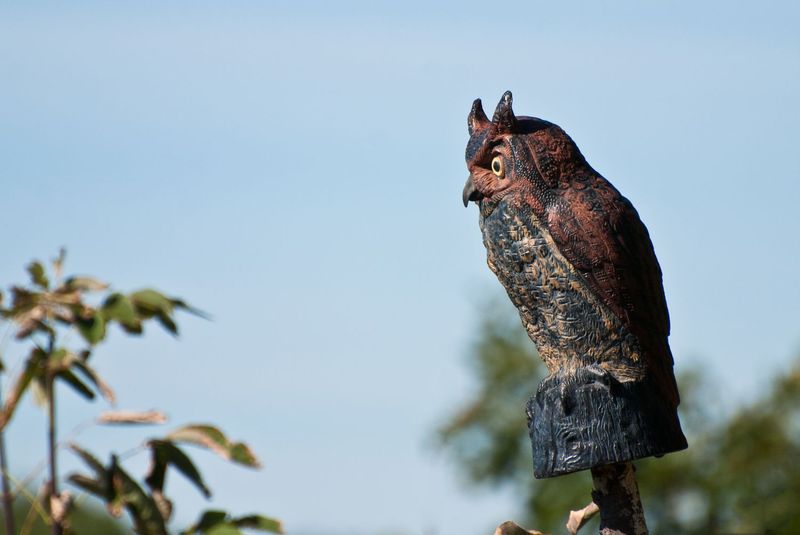
Plastic owls and shiny tape may help briefly, then lose their effect. Sapsuckers often learn that the fake predator does not move at all.
Removing the tree is typically unnecessary, since healthy trees usually recover well. A few rows of holes seldom justify losing years of shade and beauty.
The smarter move is to slow down and watch what the bird is doing. Note which tree it likes and how many fresh holes appear each week.
That small bit of detective work points you toward safe, lasting solutions. Patience is free, and it keeps you on the right side of wildlife rules.
Calling a local extension agent can also clear up confusion fast. These experts can answer questions like yours through your county office.
Tree Health After A Season Of Sapping
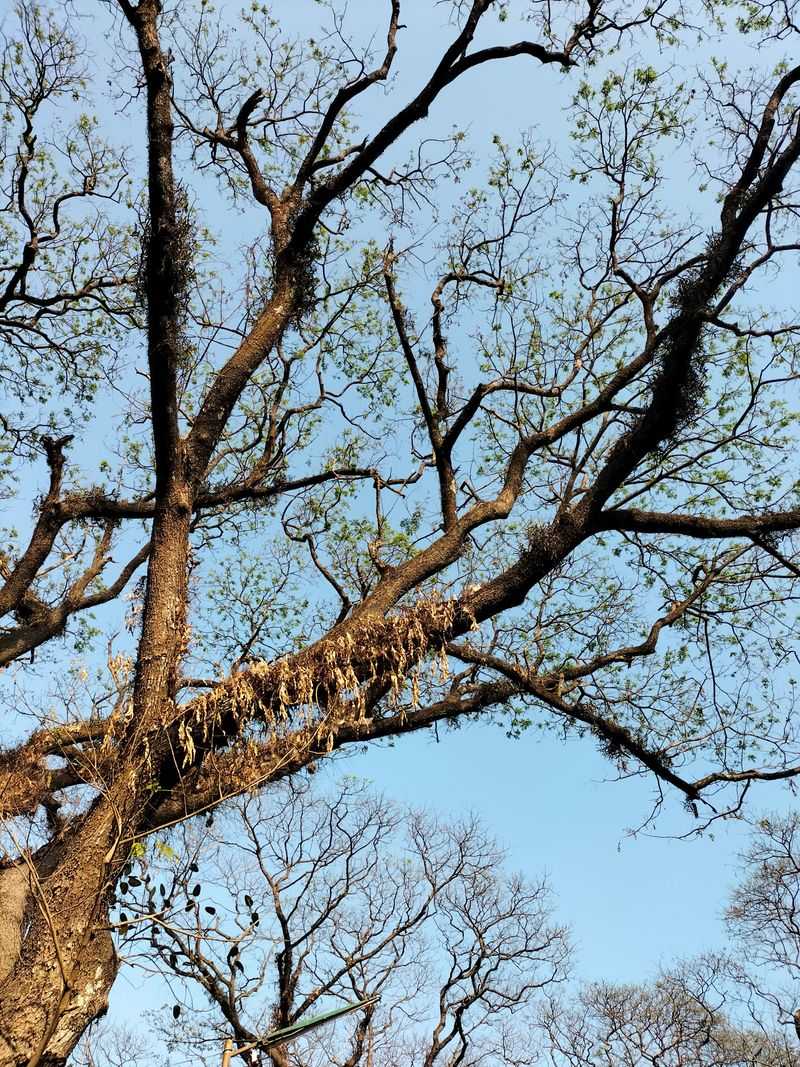
Worried tree lovers can take comfort in a simple fact. Most healthy trees tolerate sapsucker visits, usually with only a few cosmetic scars.
Healthy trees seal small wounds by growing new bark around the edges. Over a few years, the holes shrink into raised bumps or faint rings.
Problems may arise when birds return to one tree year after year. Heavy drilling around the whole trunk can cut off the flow of food and water.
That kind of damage is called girdling, and it can weaken a tree gradually. Young trees, thin-barked species, and trees already stressed by drought face the biggest risk.
Watch for warning signs like yellowing leaves, thin canopies, or branches that leaf out late. Bark that peels away above the holes also suggests deeper harm.
Wood quality can decline too, which matters for anyone growing timber. Stains and streaks called bird peck lower the value of lumber from hardwoods.
Open wounds sometimes let in fungi or boring insects. A strong tree usually fights these off, but a weak one may struggle.
Giving your tree good care makes a big difference in recovery. Water deeply during dry spells and spread mulch over the roots, keeping it off the trunk.
Skip heavy fertilizer, since a sudden growth spurt can stress the tree further. A certified arborist can check older or valuable trees if you feel unsure.
With a little attention, most yards bounce back without any lasting harm. Those quirky scars can even become a story you share with visiting friends.
Simple Protection For Favorite Backyard Trees
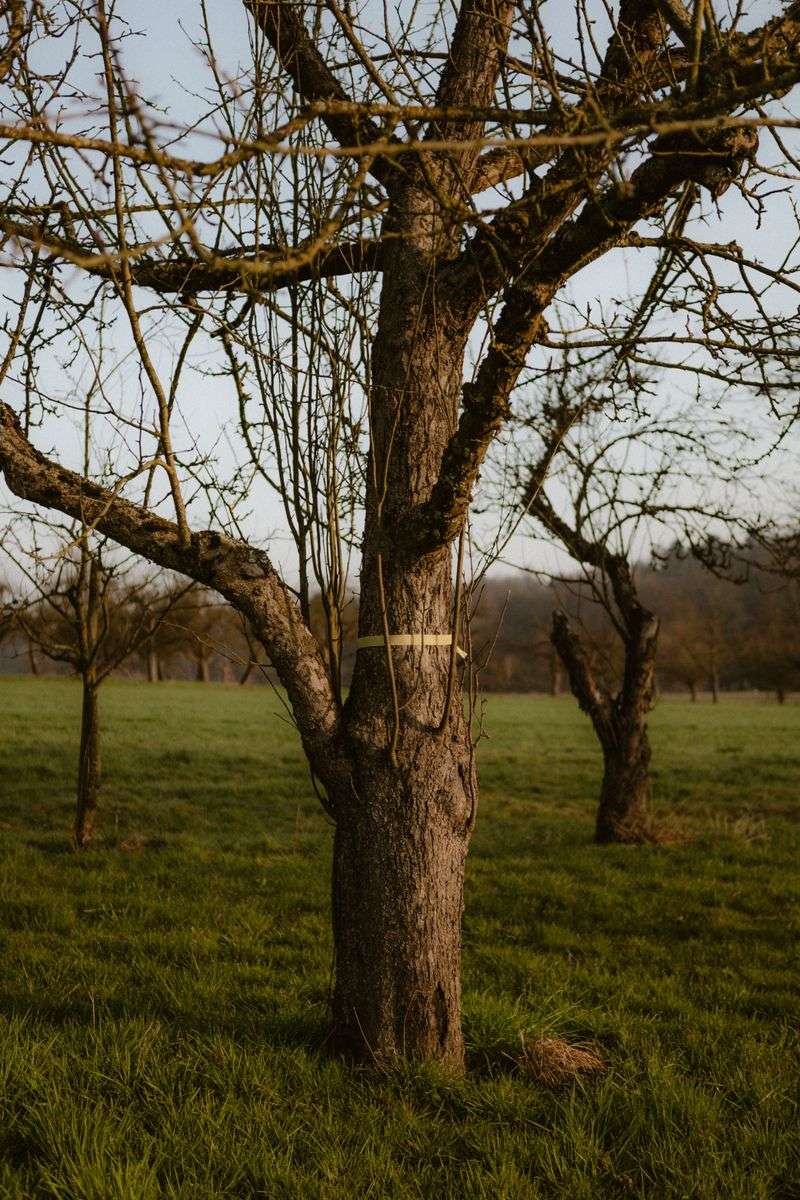
A roll of burlap is an inexpensive way to protect a favorite tree. Wrapping the drilled section of trunk blocks the bird from reaching its favorite spot.
Hardware cloth works well too, especially on young fruit trees and ornamentals. Leave a little space between the wire and bark so the tree can grow.
Remove wraps in spring after the birds head north. Leaving them on through summer can trap moisture and invite insects to hide underneath.
Another clever trick involves offering a decoy tree the bird already loves. Some sapsuckers may stick to one sacrificial tree if left alone, so monitor it.
Pick an older, sturdy tree in a back corner to serve as the snack bar. Your prized dogwood or young pecan then gets a welcome break.
Planting a mix of species may spread out the attention. Yards with only one or two kinds of favored trees can often invite repeat visits.
Keep trees healthy with steady watering, proper mulching, and careful pruning. Strong trees heal faster and usually tolerate light drilling much better.
Some families even learn to enjoy their winter guest. Kids can keep a bird journal and sketch the red cap and striped face.
Hanging a suet feeder nearby gives the bird another energy source during cold snaps. It may not stop the drilling, and its effect on tree damage is unproven.
Balance is the real goal, rather than shutting out a hungry winter bird. Protect what matters most, and let the tapping become part of winter’s soundtrack.