These Orange Caterpillars Are Eating One Of The Most Toxic Shrubs On The Alabama Coast Without Harm
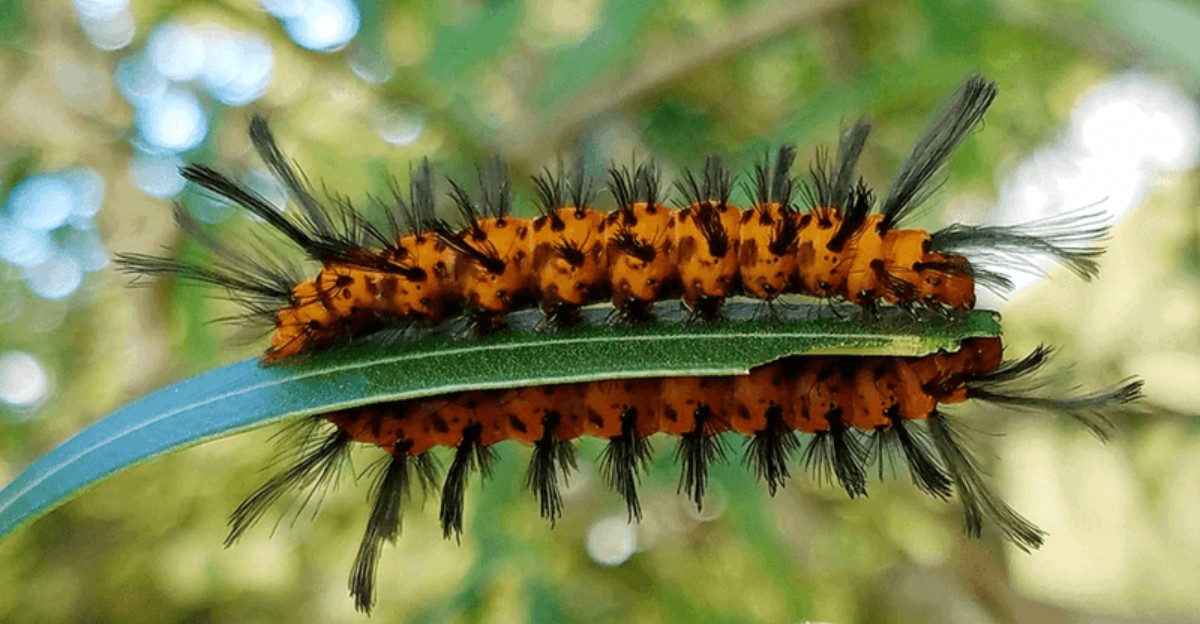
You should skip that pink oleander hedge near the shore. Potent compounds fill its leaves, stems, roots, and flowers.
Smoke from lit branches can leave you queasy. Picture a curious goat nibbling it, then heading to the vet.
Yet you spot a fuzzy orange caterpillar munching those leaves. Black tufts sprout along its back, and it ignores you.
Bright fur and a bold appetite make it hard for you to look away. Tiny jaws chew without pause.
Scientists have studied this caterpillar for years, and you deserve the answer. Its secret is sneakier than you would guess.
Imagine tackling a plate of oleander yourself. Hungry larvae meet strong defenses, and you witness a feast.
Alabama’s Gulf coast hosts this contest, and you can watch it unfold. On the Alabama shore, you see a hedge yield to a hungry fuzzy noodle.
A Built-In Chemical Defense For Hungry Larvae
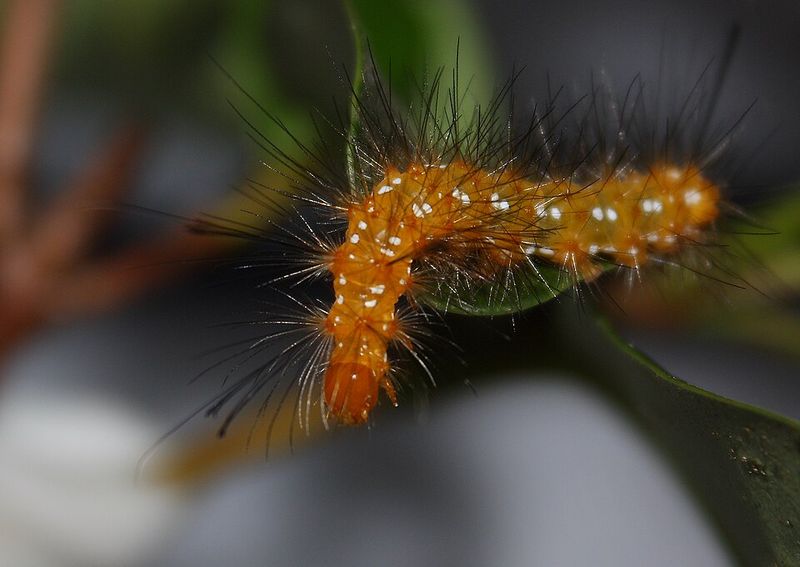
Imagine eating a meal that is harmful to a horse, then asking for seconds. Oleander caterpillars do something like that throughout the warm season on the Gulf Coast.
Oleander leaves contain cardiac glycosides, natural chemicals that disrupt heart function in many animals. The caterpillars have bodies that can handle these chemicals instead of being harmed by them.
Rather than flushing the chemicals out, the larvae store some of them inside their own tissues. That makes each fuzzy orange body a visible warning to hungry birds.
A bird that grabs one may drop it and learn to avoid it. The bright orange color likely helps predators remember that this prey is unpalatable.
Scientists call this trick sequestration, which simply means storing something away for later use. Monarch caterpillars pull a similar stunt with milkweed, so the oleander eaters have famous company.
The black tufts of hair on their backs may add another layer of protection by making the caterpillars look prickly and harder to swallow.
People should still treat these larvae with care, since their hairs may irritate sensitive skin. Wear gloves if you plan to move them, and wash your hands afterward.
Keep pets and kids away from the shrub, the chewed leaves, and the larvae. The plant is the main danger, but the larvae store some of its chemicals, so nobody should eat or mouth them.
Next time you spot one, give it a little respect for its chemistry skills. Some insects can turn a toxic plant into a personal defense.
Warm Gulf Seasons And Peak Feeding Time
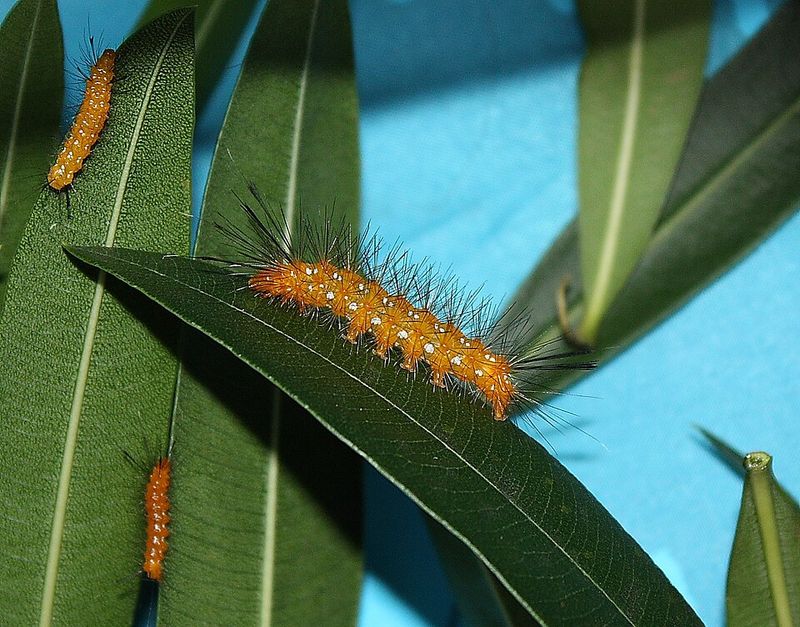
Mobile Bay summers are hot and humid, and oleander caterpillars thrive in them. Heat and humidity keep these larvae busy from late spring through the end of fall.
The adult moths lay clusters of pale eggs on the undersides of oleander leaves. In a few days, tiny caterpillars hatch and start chewing together in a hungry group.
Young larvae scrape the leaf surface and leave behind thin, see-through patches. As they grow bigger, they eat whole leaves down to the tough middle vein.
Your Alabama Garden Changes Every Week. Your Plan Should Too.
Gardening in Alabama changes quickly throughout the season. Every Friday you’ll receive a simple weekly plan showing exactly what to plant, prune, fertilize, harvest, and protect so you never miss the right timing.
Along the Alabama coast, several generations can show up in one year. Mild winters in places like Gulf Shores may let the cycle continue with only short breaks.
Late summer and early fall usually bring the biggest crowds of caterpillars. That is when many homeowners suddenly notice bare branches and wonder what happened overnight.
A caterpillar takes roughly three to four weeks to finish growing before it forms a cocoon. Each one spends that time feeding heavily.
Checking your hedge once a week during warm months helps you catch trouble early. Flip a few leaves over and look for egg clusters or tiny groups of feeders.
Morning is a great time to inspect, since the light makes the orange bodies easy to spot. A small flashlight helps when you peek deep inside thick bushes.
Knowing the calendar turns you from an unprepared gardener into a prepared one. The caterpillars keep a schedule, so you can keep one too.
Common Pesticide Mistakes To Avoid

Spotting a heavily defoliated hedge can tempt you to grab the strongest spray at the hardware store. That reaction is understandable, but it often causes more problems than it solves.
Broad chemical sprays hit every bug on the plant, not just the hungry orange ones. Ladybugs, lacewings, and helpful wasps are reduced along with the pests.
Those good insects are the natural security team of your garden. Without them, the next wave of caterpillars can return even faster and munch with fewer enemies around.
Spraying near the coast also risks runoff into bays, marshes, and bayous. Fish, shrimp, and crabs in Mobile Bay do not need extra chemicals washing their way.
Another common mistake is panicking over the leaf damage itself. Oleander is a tough shrub, and it usually grows fresh leaves within a few weeks.
A hedge that looks ragged in September often bounces back by the next spring. Patience can save you money, time, and plenty of needless worry.
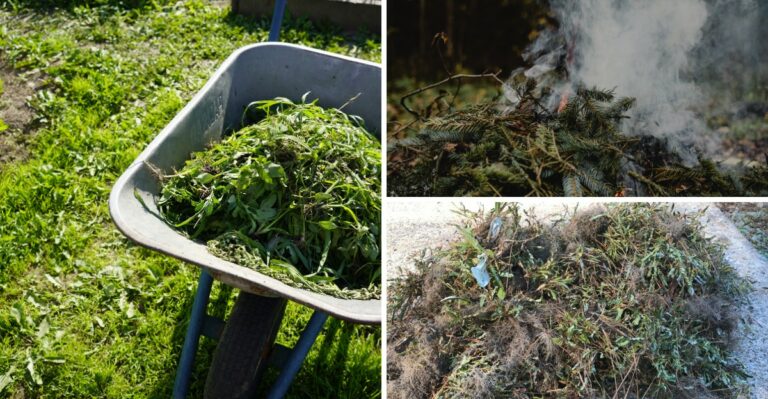
Some people also try to burn the chewed branches to get rid of the larvae. Oleander smoke is harmful to breathe, so that plan is a serious health risk.
Tossing cuttings onto a compost pile is another slip that many folks make. The toxins can linger, so bag the clippings and put them in the trash.
A calm, careful approach works better than a heavy chemical treatment. Your hedge, your local wildlife, and your wallet will all thank you for it.
Simple Hand-Picking And Pruning For Oleander Hedges

Grab a pair of gloves, a bucket of soapy water, and maybe a favorite podcast. Hand-picking is the simplest and safest fix for a small oleander caterpillar problem.
Pluck the larvae off the leaves and drop them into the soapy water. Gloves matter here, because the hairs and plant sap can both bother your skin.
If a whole branch is crawling with young caterpillars, pruning works even better. Snip off the busy branch and seal it inside a plastic trash bag.
Wear long sleeves and eye protection while cutting, since oleander sap is irritating. Clean your pruners afterward so the sticky sap does not ride along to other plants.
For bigger outbreaks, many gardeners use a product with Bt, short for Bacillus thuringiensis. Bt is a natural bacterium that targets caterpillars while sparing bees and birds, but it can also harm other butterfly and moth larvae, so spray only affected plants.
Bt works best on young larvae, so timing your spray early makes a real difference. Read the label carefully and spray in the evening when sunlight will not break it down.
Another clever trick is blasting small groups off the plant with a strong hose spray. Knocked-down caterpillars often struggle to climb back, especially if birds are nearby.
Mixing these methods gives you a flexible plan without harsh chemicals. Start with gentle methods, then escalate only if feeding continues.
A few minutes of work each week can keep a hedge looking leafy all season. Think of it as a short garden workout with a satisfying payoff.
A Glossy Polka-Dot Wasp Moth Takes Flight
The adult stage looks very different from the larva. After weeks of chewing, each caterpillar spins a loose, silky cocoon in a sheltered spot.
You might find these cocoons tucked under window ledges, fence rails, or the eaves of a house. Inside, the larva rebuilds itself into something very different.
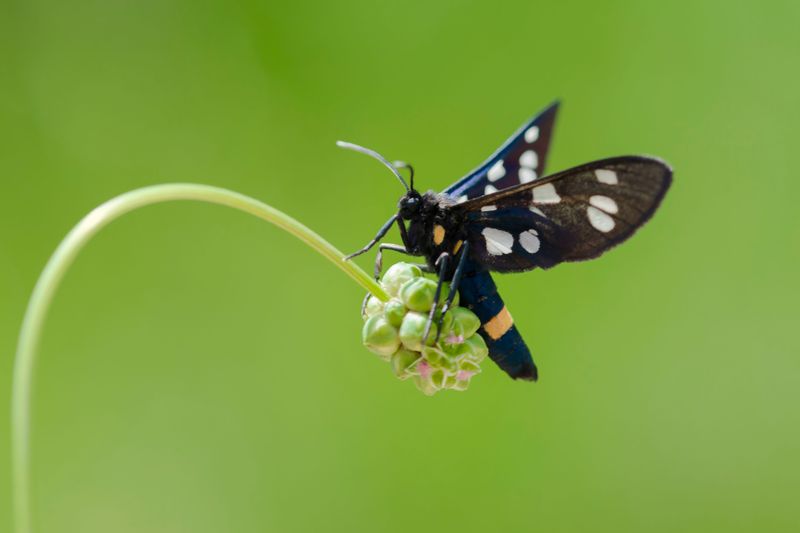
About two weeks later, the polka-dot wasp moth emerges with a striking, iridescent look. Its body and wings shine a deep metallic blue, almost like a sports car.
Bright white dots cover the wings, and the tip of the belly glows red. People sometimes mistake it for a wasp, but this moth does not sting.
Its wasp-like look is a clever disguise that keeps many predators at a distance. Some of the plant toxins from its caterpillar days stay in its body too.
Unlike many moths, this one flies during the day, so you can spot it easily. Watch for it sipping nectar from flowers around coastal yards and parks.
Females are thought to release a scent that draws males, and males produce tiny ultrasonic clicks. Scientists think these clicks help the pair find each other before mating.
Once paired, the female hunts for an oleander shrub to lay a fresh batch of eggs. The whole cycle then starts again, sometimes within the same summer.
Seeing an adult moth can be a nice reward after managing its larvae. It is a reminder that even garden pests have a beautiful side.
Smart Planting Choices To Keep Future Hedges Healthy

A good garden starts long before the first problem shows up. That advice fits oleander caterpillars perfectly.
Healthy oleanders recover from feeding much faster than stressed ones. Plant them in full sun with soil that drains well after heavy coastal rains.
Give each shrub some breathing room so air can move through the branches. Crowded hedges make cozy hiding spots where egg clusters go unnoticed for weeks.
Mixing in native plants invites birds, spiders, and helpful insects to stick around. Wax myrtle, yaupon holly, and beautyberry all grow well near the Alabama coast.
Those neighbors create a busy ecosystem where predators keep caterpillar numbers in check. Paper wasps and assassin bugs happily snack on young larvae before they grow large.
Families with small children or pets might skip oleander and choose a safer shrub instead. Fewer oleanders in the yard also means fewer meals for the orange munchers.
If you love your oleanders, try not to overfeed them with fertilizer. Excess fertilizer produces soft new growth that can attract hungry larvae.
Keep a simple garden notebook and jot down when you first spot caterpillars each year. Over time, you will learn your yard’s pattern and act before the hedge gets chewed.
Neighbors can help too, since moths drift from one yard to the next. Sharing tips over the fence makes the whole street a little greener.
Smart planning today saves plenty of leaf damage tomorrow. Your future hedge will thank you with thick, glossy leaves.