What Your Virginia Fig Trees Need Before First Freeze To Protect Their Wood
A fig tree can make it through winter with healthy roots and still lose a whole summer of fruit. When the branches freeze, the tree has to start over from the ground up.
Figs grew up under the warm Mediterranean sun, so winter can come as a rude surprise. Virginia makes things trickier, stretching from chilly mountain valleys to mild coastal towns.
One yard might need only a simple blanket, while another needs a full winter fortress. Knowing where your garden falls on that range shapes every step you take.
Luckily, protecting fig wood is easier than most people think. A few smart steps at the right moment can keep those branches healthy and ready to fruit.
A Protective Winter Wrap Is The Key
Picture a fig tree wearing a cozy winter coat while cold wind howls across your yard. Silly as it looks, that coat can save years of hard-earned growth.
Figs come from the warm Mediterranean, where winters are mild and gentle. Their wood simply was not built for the icy blasts many Virginia gardens see each year.
Here is the surprising part about winter protection for figs. The main goal is keeping the tree dry and stable, not making it toasty warm.
Harsh wind pulls moisture from bare stems and leaves them brittle. Wild swings between thawing and freezing can crack bark and damage the tissue underneath.
A good wrap acts like a buffer against those problems. It softens the wind, steadies the temperature, and keeps the living wood from drying out.
Healthy wood matters because many fig varieties fruit on last year’s branches. Save those stems, and you often get an earlier and bigger harvest the next summer.
Lose the branches, and the tree may regrow from the roots instead. You might see plenty of leaves but very few ripe figs before autumn returns.
Think of wrapping as an insurance policy for your future fruit bowl. A single afternoon of work in late fall can protect several feet of productive growth.
Fun fact for curious gardeners: people have wrapped figs in cold places for generations. Italian immigrant families in chilly cities famously bundled their trees each fall.
Start Once The Leaves Drop After A Frost
Timing is everything with fig protection, a bit like pulling cookies out of the oven. Move too soon or too late, and the results disappoint.
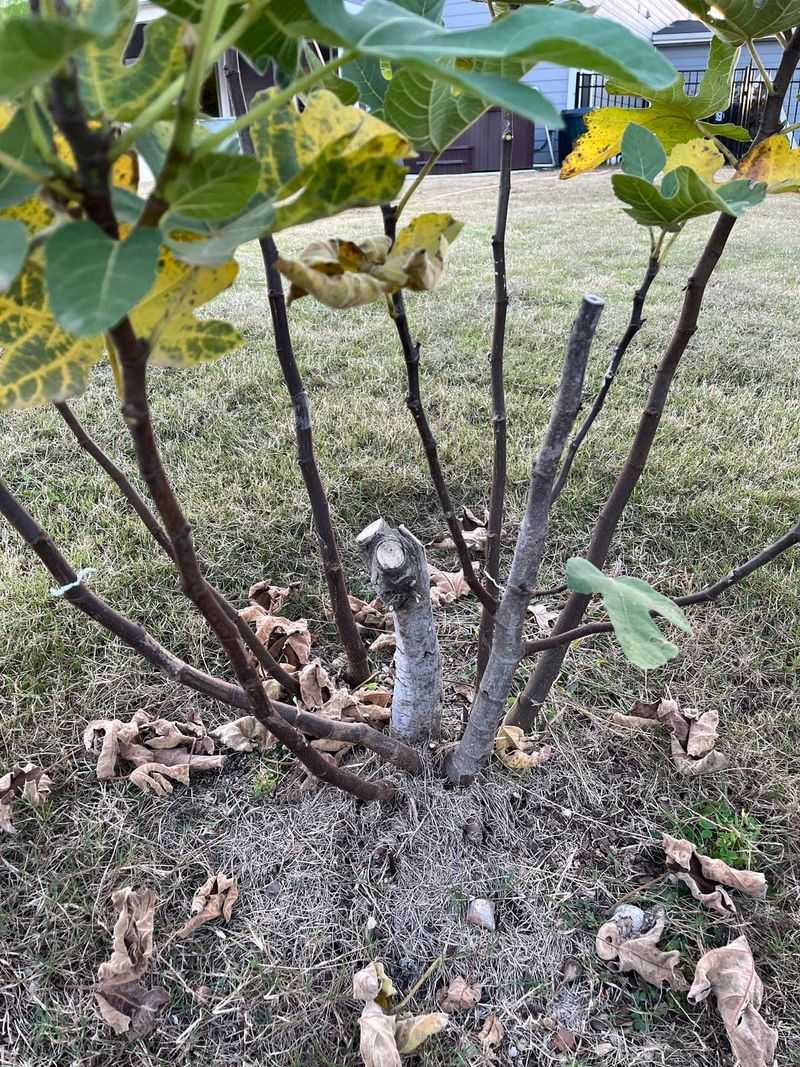
Watch for the first hard frost of the season in your area. Within a few days, those big fig leaves usually turn limp, brown, and drop.
Once the branches look bare, your tree is heading into its winter rest. The wood has slowed down, and it is ready to be tucked in.
Wrapping too early creates a real problem for the tree. Mild autumn days can trap warmth and moisture inside the cover, inviting mold to grow.
Waiting too long brings the opposite risk to your branches. A sudden deep freeze can strike before you finish, damaging tender tips and buds.
A smart window is after leaf drop but before the truly bitter cold arrives. In much of the state, that often lands somewhere in November or early December.
Your Virginia Garden Changes Every Week. Your Plan Should Too.
Gardening in Virginia changes quickly throughout the season. Every Friday you’ll receive a simple weekly plan showing exactly what to plant, prune, fertilize, harvest, and protect so you never miss the right timing.
Before you start, walk around the tree and pluck off any stubborn leaves. Pick off leftover unripe figs too, since they can rot under the wrap.
Keeping a simple garden journal helps with future planning. Jot down the date of your first frost and when you wrapped, then compare notes next year.
Checking a local ten-day forecast is also a handy habit. If a hard freeze is predicted soon, bump wrapping to the top of your weekend list.
Tie Flexible Branches Together First
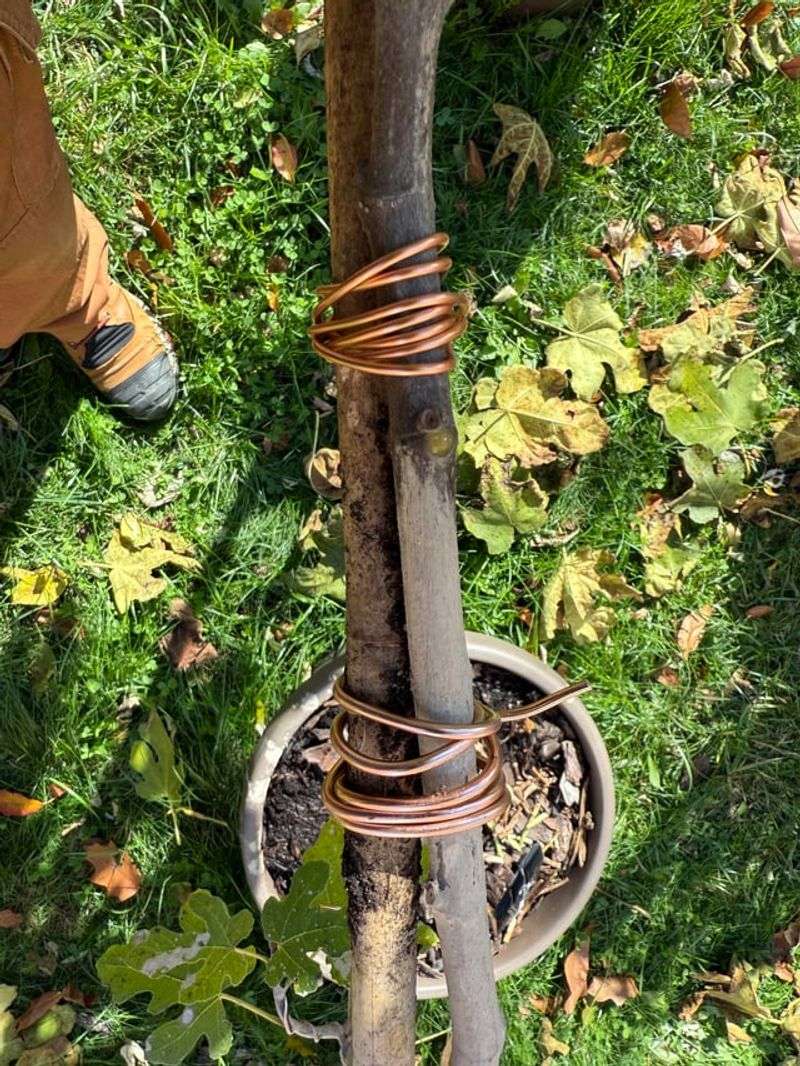
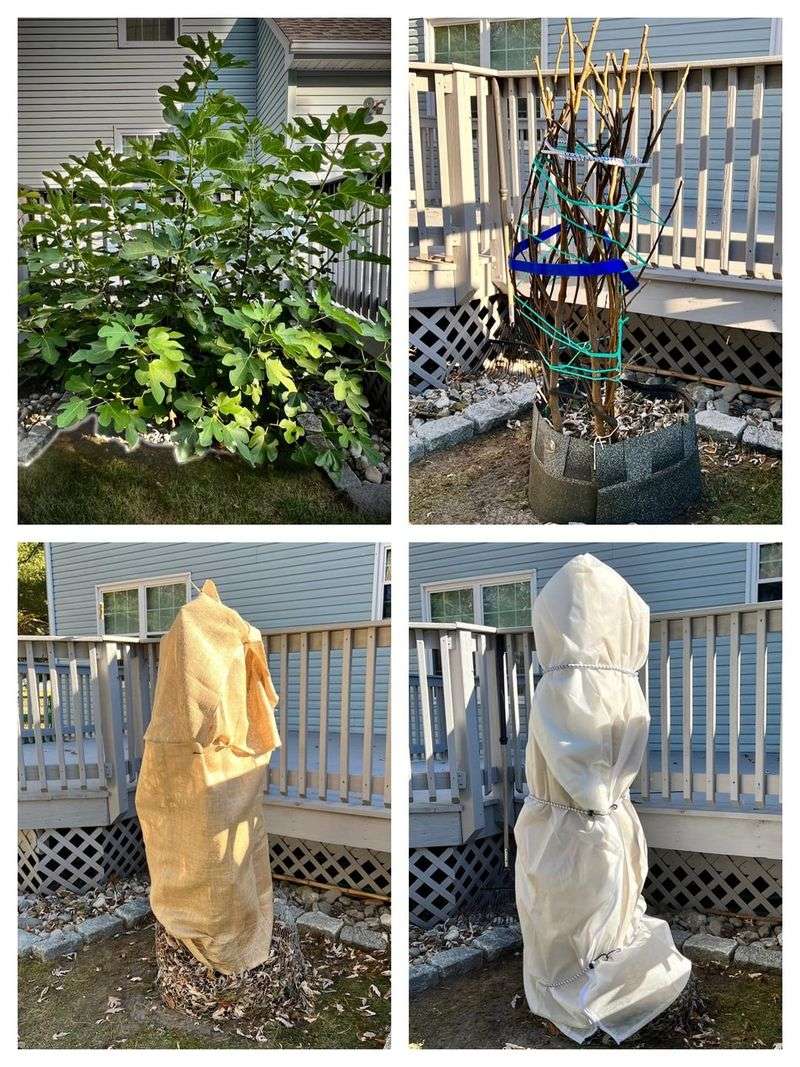
Ever tried hugging a sprawling bush with your arms full of burlap? Tying the branches together first turns that wrestling match into an easy task.
Fig wood bends more than most people expect. You can usually pull the stems inward into a tight, upright bundle without snapping them.
Grab some jute twine, soft rope, or even a couple of bungee cords. Wrap them loosely at first, then snug them up as the branches draw closer.
Work from the bottom of the tree toward the top. Adding a tie every foot or so keeps the whole bundle neat and steady.
Before tying anything, take a quick look for troublemaker stems. Prune branches that cross each other or stick out sideways at awkward angles.
Removing those stems now makes the bundle slimmer and easier to cover. It also cuts down on rubbing wounds that can form over the winter months.
Avoid wire or thin plastic cords directly on the bark. They can dig into the wood as it shifts, leaving scars that invite trouble later.
A slimmer bundle needs less cage, less filling, and less wrapping material. Your wallet and your back will both thank you for the extra effort.
Here is a helpful trick from seasoned growers across the South. Have a friend hold the branches together while you tie, and the job goes twice as fast.
Surround The Shrub With A Wire Cage
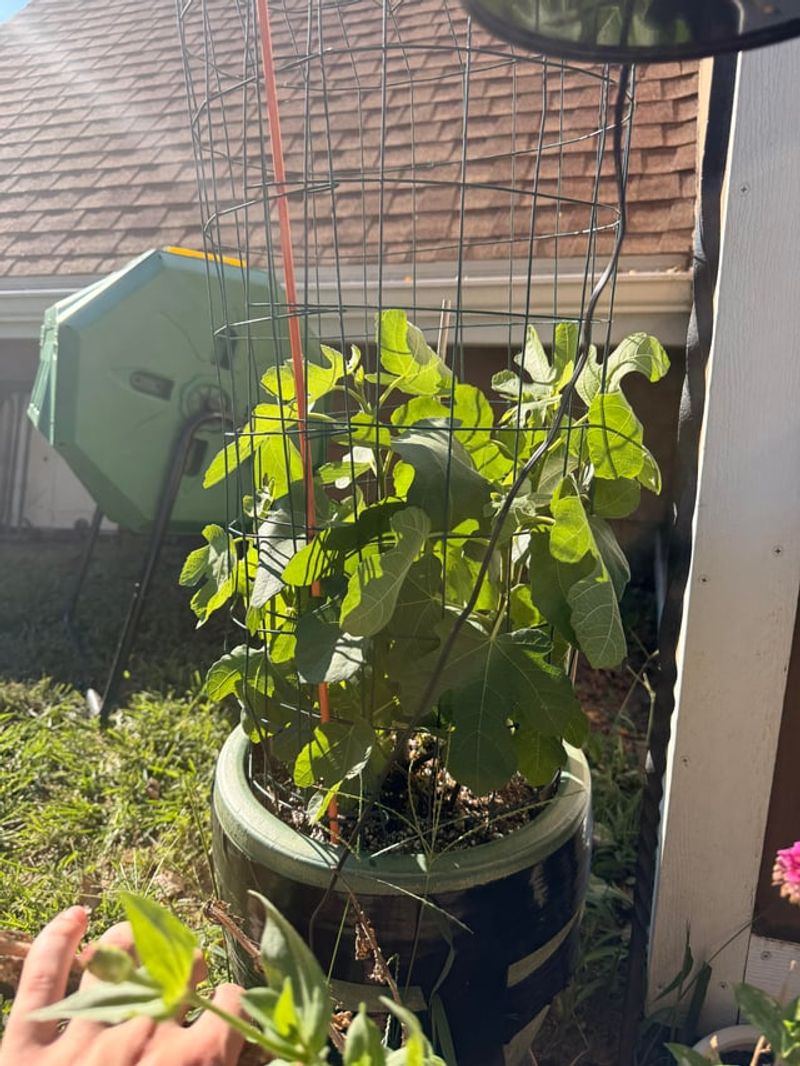
Stuffing leaves around a fig tree without a cage is like filling a basket with no sides. Everything blows away with the first strong gust.
A wire cage gives your insulation a home. It holds the filling snugly around the bundled branches all winter long.
Chicken wire works well and costs very little at most hardware stores. Hardware cloth or leftover fencing panels are sturdier choices if you have them.
Start by pounding three or four bamboo or metal stakes into the ground. Space them evenly around the tree, leaving several inches of room on every side.
Next, wrap the wire around the stakes to form a tall cylinder. Secure the ends with zip ties or bent wire so the cage stays put.
Make the cage a little taller than the tallest branch tip. That extra height gives room to cap the top with more insulation.
Leave a bit of breathing room in your design. Airflow helps moisture escape, which keeps the inside from turning damp and moldy.
Store the cage flat in spring, and you can reuse it for years. Some gardeners label theirs by tree, making next fall’s setup quick and painless.
A bonus perk often gets overlooked by beginners. Hardware cloth also helps keep curious rabbits and deer from nibbling on your figs.
Fill The Cage With Dry Leaves Or Straw
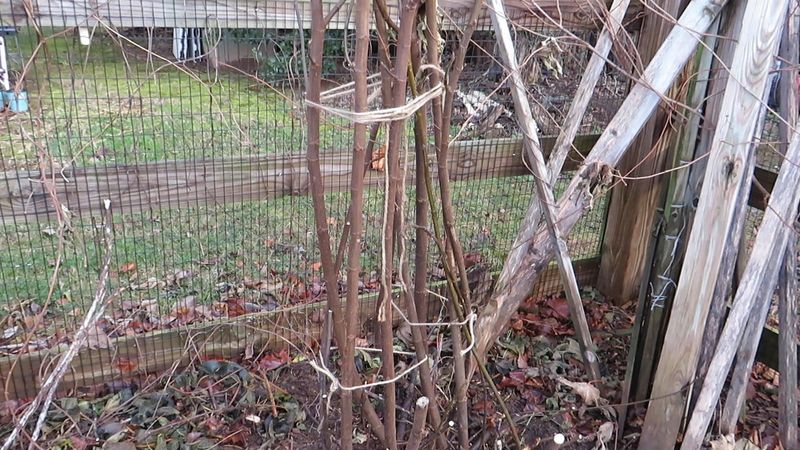
Those crunchy oak leaves piling up on your lawn are secretly a fig tree’s best friend. Free insulation is literally falling from the sky each autumn.
Dry leaves from oak or maple trees make excellent filler. Straw and hay also work nicely if you have a bale handy.
The magic lies in tiny air pockets between each leaf or stalk. Trapped air slows the loss of heat, much like a puffy winter jacket.
Just as important, these materials let extra moisture escape. Your tree stays insulated without sitting in a soggy, moldy mess.
Pour the filling into the cage a few armfuls at a time. Press it down firmly so it surrounds every part of the bundled branches.
Keep adding until the material reaches the top of the tree. Settling happens over winter, so a little extra on top helps.
Make sure your leaves are dry before they go in. Wet, matted leaves can pack down hard and hold water against the bark.
Oak leaves are a favorite because they break down slowly. Maple leaves can flatten faster, so mixing them with straw gives better structure.
Neighbors bagging leaves for curbside pickup can be a goldmine. Politely asking for a few bags could fill your cage in minutes.
Choose Burlap Over Plastic Against The Stems
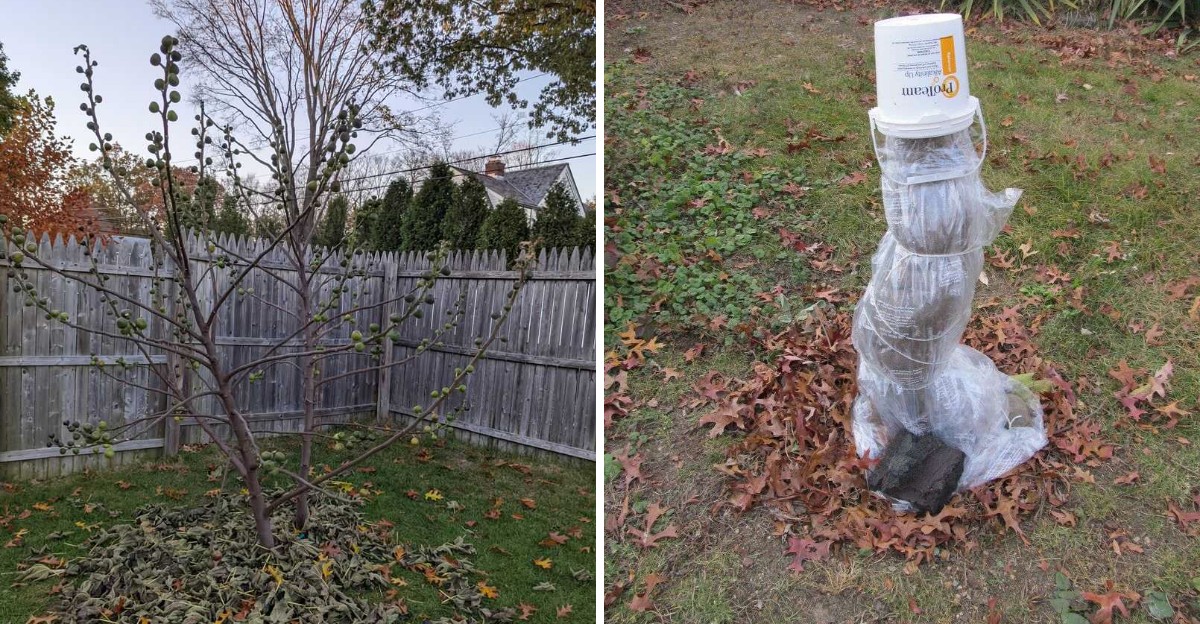
Plastic seems like the obvious choice since it blocks wind and rain. Sadly, it can turn a fig tree’s winter shelter into a steamy trap.
Plastic holds moisture right against the stems. Damp bark becomes a perfect spot for mold and rot to settle in.
Some experts also warn about something called an artificial deep freeze. Moisture trapped under plastic can freeze solid, chilling the wood more than open air would.
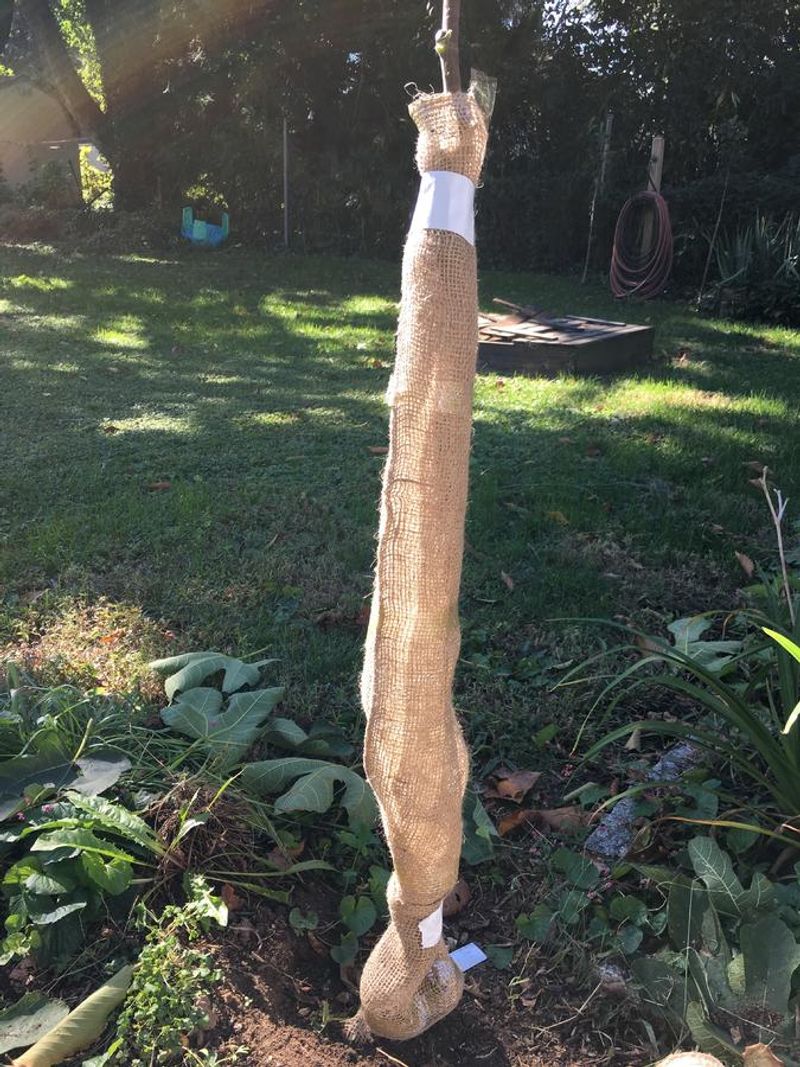
Burlap solves those problems with its loose, natural weave. Air and moisture move through it easily while chilly winds get slowed down.
For best results, use burlap as the very first layer. Wrap it directly around the bundled branches before adding your cage and filling.
Overlap the edges by a few inches as you wrap upward. Tie it loosely with twine so it stays put without squeezing the bark.
If you want a waterproof cap, place it only on top of everything. Leave the sides open so the whole structure can breathe.
Burlap is cheap, easy to find, and often reusable for a few seasons. Old coffee sacks from local roasters make a fun, budget-friendly option too.
Frost blankets are another breathable choice worth considering. Many garden centers stock them each fall near the burlap rolls.
Pile Mulch Thickly Around The Base
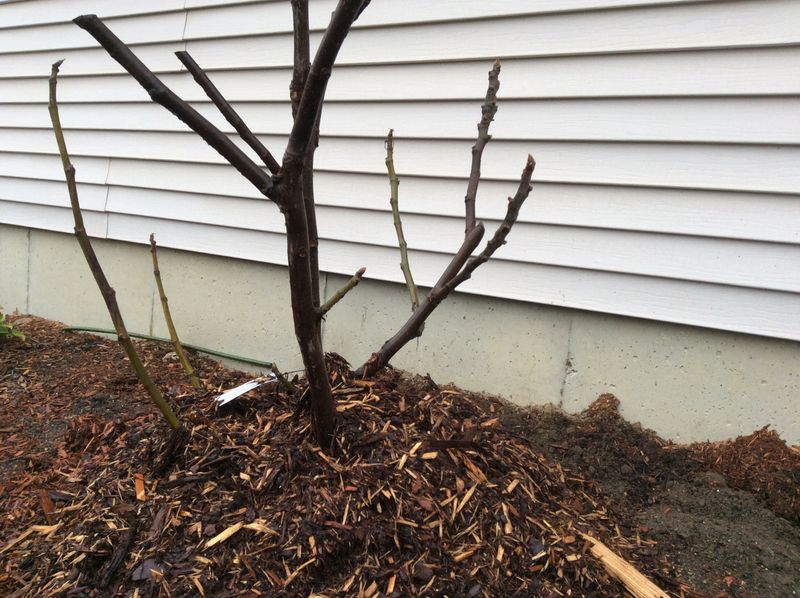
Branches get all the attention, but the real hero lives underground. Protect the roots, and even a badly damaged fig can bounce back.
Roots are the lifeline of the whole tree. If the top suffers a rough winter, healthy roots can push out fresh shoots come spring.
A thick blanket of mulch keeps the soil from freezing hard. It also softens the constant freeze and thaw cycles that stress roots.
Organic materials make the best choices for this job. Try straw, shredded leaves, wood chips, compost, or aged manure.
Pile the mulch into a mound around the base of the tree. Aim for about 6 to 12 inches deep in milder spots.
Colder yards can benefit from even more coverage. Some growers mound mulch 12 to 20 inches high for extra security.
Spread the mound wide, not just tight against the trunk. Roots reach outward, so covering a broad circle protects more of them.
Mulch also slowly feeds the soil as it breaks down. By next summer, your fig may enjoy richer, healthier ground than before.
Many gardeners keep a spare pile of wood chips nearby. Local tree services often deliver chips for free, which makes this step easy on the budget.
Mountain Figs Need It More Than Coastal Ones
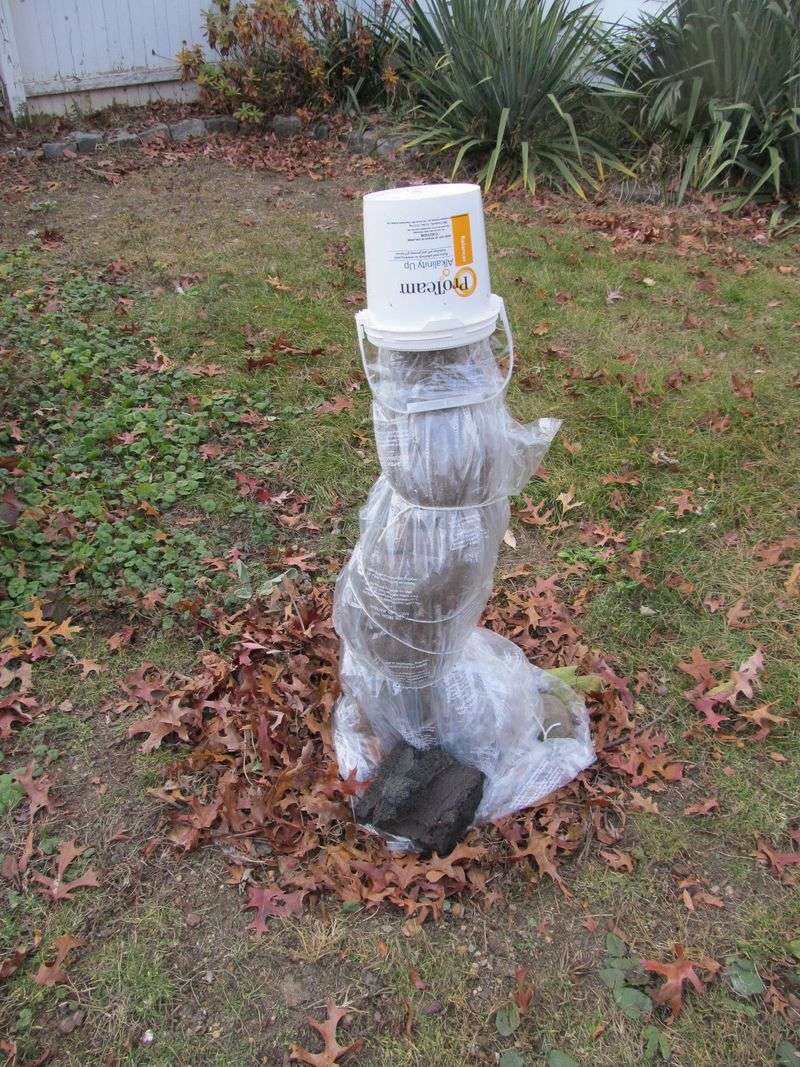
A fig growing near the Blue Ridge and one near the Chesapeake Bay live in different worlds. Same state, same tree, very different winters.
Virginia covers USDA hardiness zones from 5b up to 8b. Lower numbers mean colder winters, and the mountains sit at the chilly end.
Western Virginia can see nights that drop well below zero. Fig wood exposed to that kind of cold often suffers serious damage without protection.
Gardeners in those higher areas should plan on the full treatment. Tie, cage, fill, wrap, and mulch to give branches their best shot.
Coastal spots tell a friendlier story for fig lovers. Around Virginia Beach, in zone 8b, established trees often need little or no special care.
Salty ocean air and nearby water help keep coastal temperatures milder. Many older figs there grow into big, unwrapped shrubs loaded with fruit.
Young trees are the exception, no matter where you live. A fig planted in the last year or two benefits from some protection anywhere.
Not sure of your zone? Type your zip code into the USDA hardiness map online for a quick answer.
Microclimates matter too, even within one neighborhood. A fig against a sunny brick wall may handle cold better than one in an open, windy yard.
Remove The Wrap Gradually In Spring
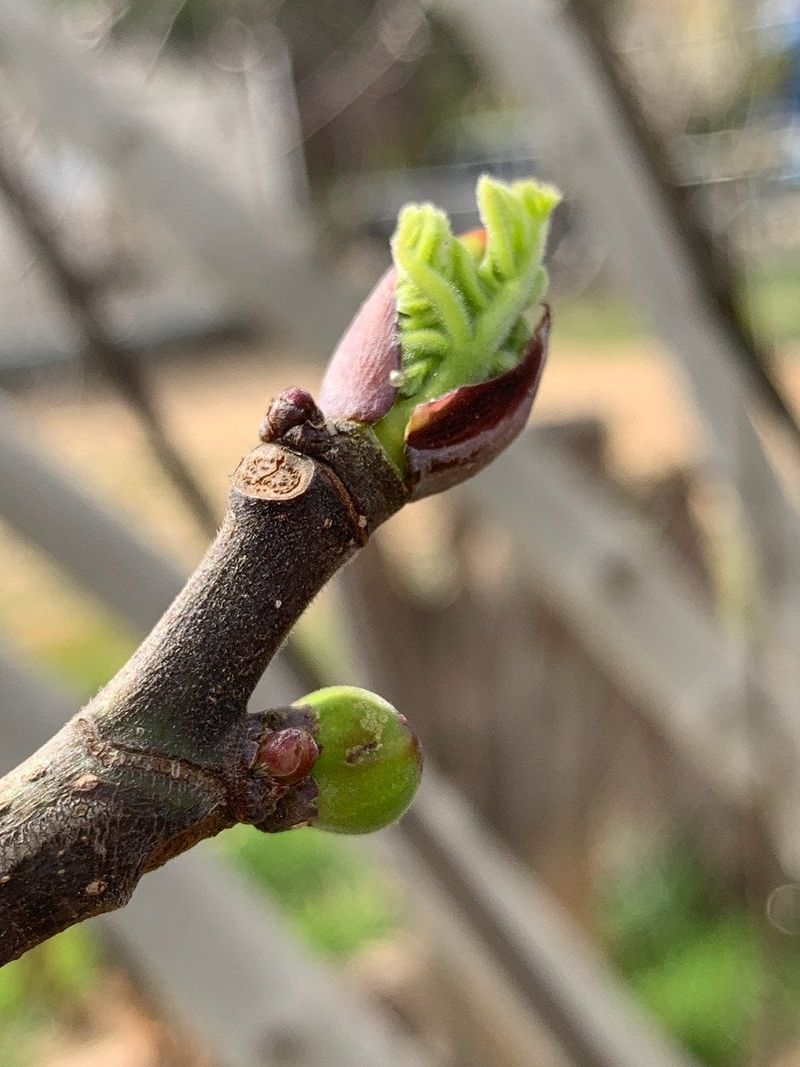
Spring fever hits hard when the daffodils bloom and the air turns sweet. Still, rushing to unwrap your fig can undo a whole winter of care.
Wait until the danger of a hard frost has passed in your area. A late cold snap can harm buds that have just begun to wake.
A handy guideline is watching nighttime temperatures. Once nights stay above 20°F, or days hold steady above 50°F, you can begin.
Leaving the cover on too long brings its own trouble. Warm spring days can trap heat and moisture, leading to mold or rot.
Take things slowly and remove the outer layers first. Pull off the cap, then some filling, over a week or so.
Easing the tree into open air helps it adjust gently. Sudden exposure to bright sun and wind can stress freshly uncovered wood.
Consider leaving a thinner layer of mulch around the base. Roots appreciate the extra cushion during chilly April nights.
Once fully uncovered, look over every branch closely. Scratch the bark lightly with a fingernail, since green underneath means healthy wood.
Brown, brittle tips can be pruned back to living tissue. Soon, fresh leaves will unfurl, and your fig will reward your patience with summer fruit.