The Herb That Thrives In California’s October Heat Most Gardeners Overlook
October in California often feels like summer forgot to pack its bags and leave town on time. Cilantro bolts, lettuce turns bitter, and spinach looks like it just ran a marathon in wool socks.
Meanwhile, one sturdy herb sits quietly in the corner, smelling of licorice and sunshine, barely breaking a sweat. Most gardeners walk right past it at the nursery because its little plastic pot looks so plain.
Yet when the late heat rolls in, the leaves stay glossy and the whole plant smells sweetly of anise. Bees find it first, then butterflies, then the neighbor who suddenly wants to borrow a cutting or two.
Across Southern and Central California, warm fall days are becoming more common, and gardeners need plants that can keep up. Fussy herbs wilt by noon, while this tough little shrub treats a ninety-degree afternoon like a spa day.
In many yards, it blooms bright gold right next to a row of tired peppers that look deeply embarrassed. The peppers usually recover eventually, but they look a little humbled for weeks afterward.
A Licorice-Scented Shrub Built For Late Heat
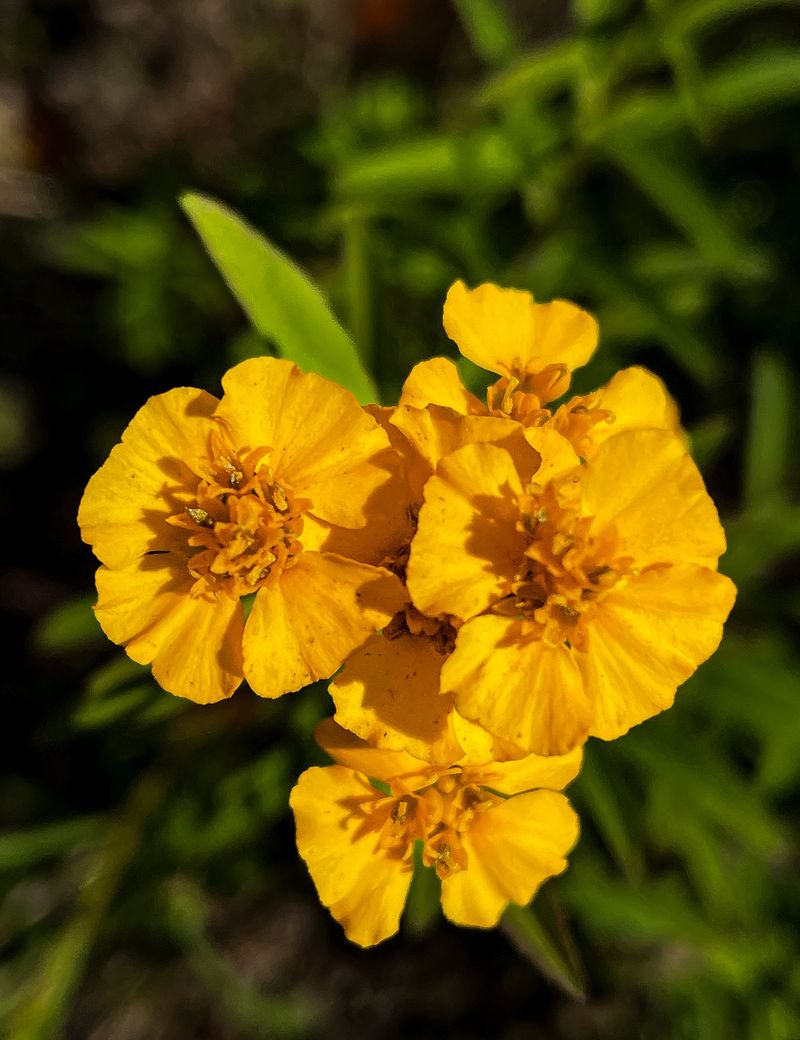
Picture a plant that tastes like French tarragon but laughs at the heat that makes the French version sulk. That plant is Mexican tarragon, also called Mexican mint marigold, and it grows beautifully across much of California.
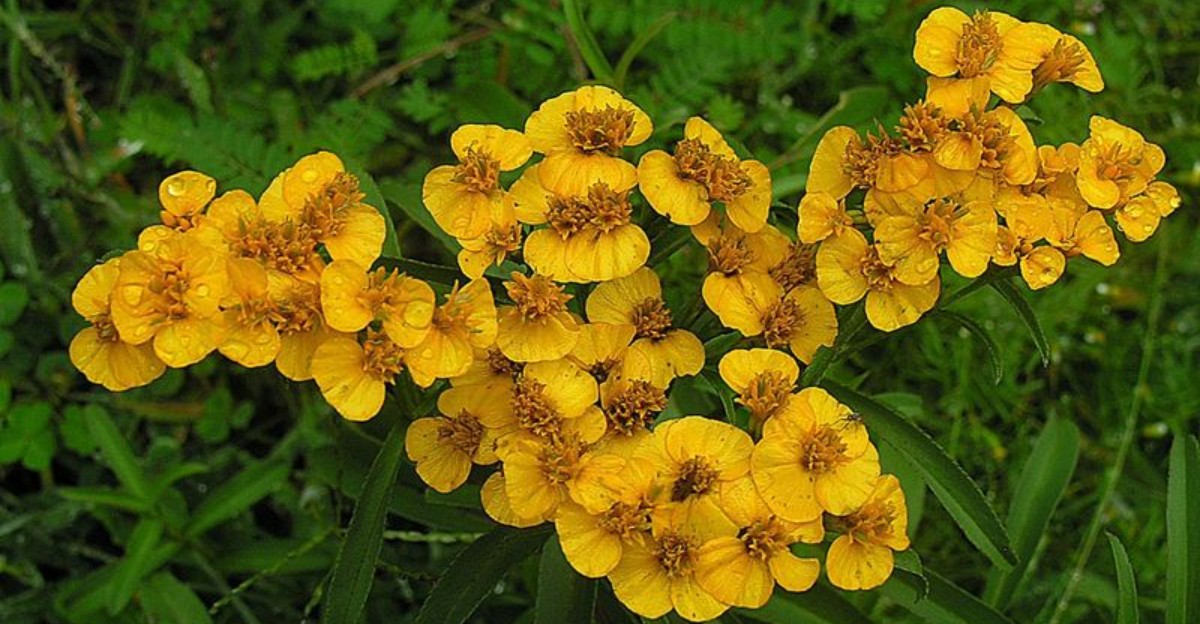
Its scientific name is Tagetes lucida, which tells you it belongs to the same genus as cheerful garden marigolds. The narrow leaves are shiny and bright green, with a sweet scent that mixes anise, licorice, and fresh hay.
Most gardeners skip it because nursery tags rarely explain what it does or why it deserves space. Some confuse it with ordinary marigolds and assume it is just a flower for borders, not the kitchen.
French tarragon often struggles in hot inland valleys, turning yellow and limp once temperatures climb past ninety degrees. Mexican tarragon tolerates that same heat much better, staying fragrant while many other herbs start to droop.
October is when it really shows off, covering itself in small golden flowers that glow against the green leaves. Bees and butterflies crowd around those blooms, giving your yard a busy, buzzing feeling as fall settles in.
In the kitchen, you can use the leaves anywhere a recipe calls for tarragon, from chicken to salad dressings. The flavor is slightly stronger, so start with a little less and taste as you go along.
Fun fact: Indigenous communities in Mexico have used this herb for teas and seasoning for centuries, long before it reached American garden centers. Today it remains one of the easiest ways to bring bold flavor and late color to a sunny California yard.
The Science Behind Its Fall Comeback
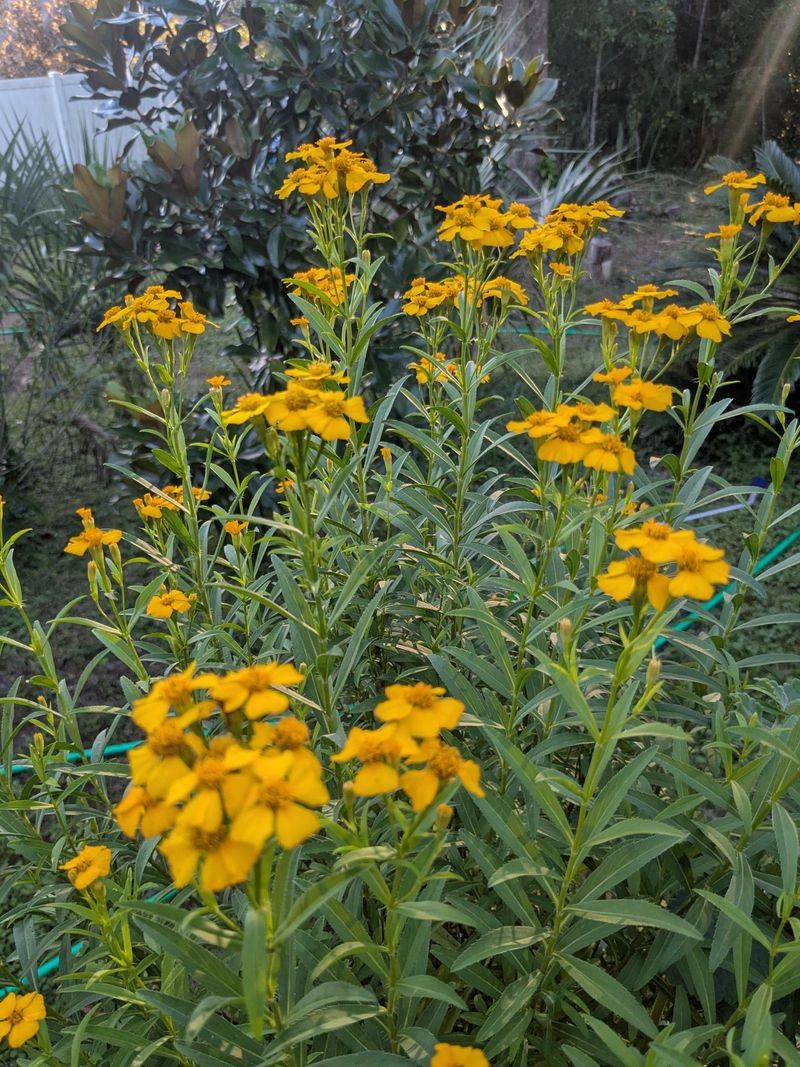
Many herbs bloom when days are long, but Mexican tarragon waits patiently until the days start getting shorter. Scientists call this a short-day plant, meaning shrinking daylight acts like an alarm clock for its flower buds.
As autumn approaches, California nights grow longer, and the plant responds to that change. Buds form over several weeks, and by October, the tips of the stems open into gold.
Your California Garden Changes Every Week. Your Plan Should Too.
Gardening in California changes quickly throughout the season. Every Friday you’ll receive a simple weekly plan showing exactly what to plant, prune, fertilize, harvest, and protect so you never miss the right timing.
Its home turf explains its toughness, since wild plants grow on dry, rocky hillsides in Mexico and Guatemala. Those places get strong sun and long dry spells, so the herb adapted to handle heat fairly well.
The glossy, oil-rich leaves help the plant cope with hot, windy afternoons. That helps a lot when Santa Ana winds sweep through Southern California in early fall.
Once established, the plant tolerates dry spells well. A settled plant can often go a week or more between waterings in cooler weather.
The flavor lives in the oils inside the leaves, so a sunny fall afternoon is a fantastic time to pinch a leaf and enjoy the sweet anise smell. Rub a leaf between your fingers, and the scent comes right off.
Put simply, the plant is built for exactly the kind of weather that leaves cool-season herbs struggling. Heat that feels like a burden to you feels more like a cozy blanket to this golden shrub.
Perfect Planting Window For Early Fall
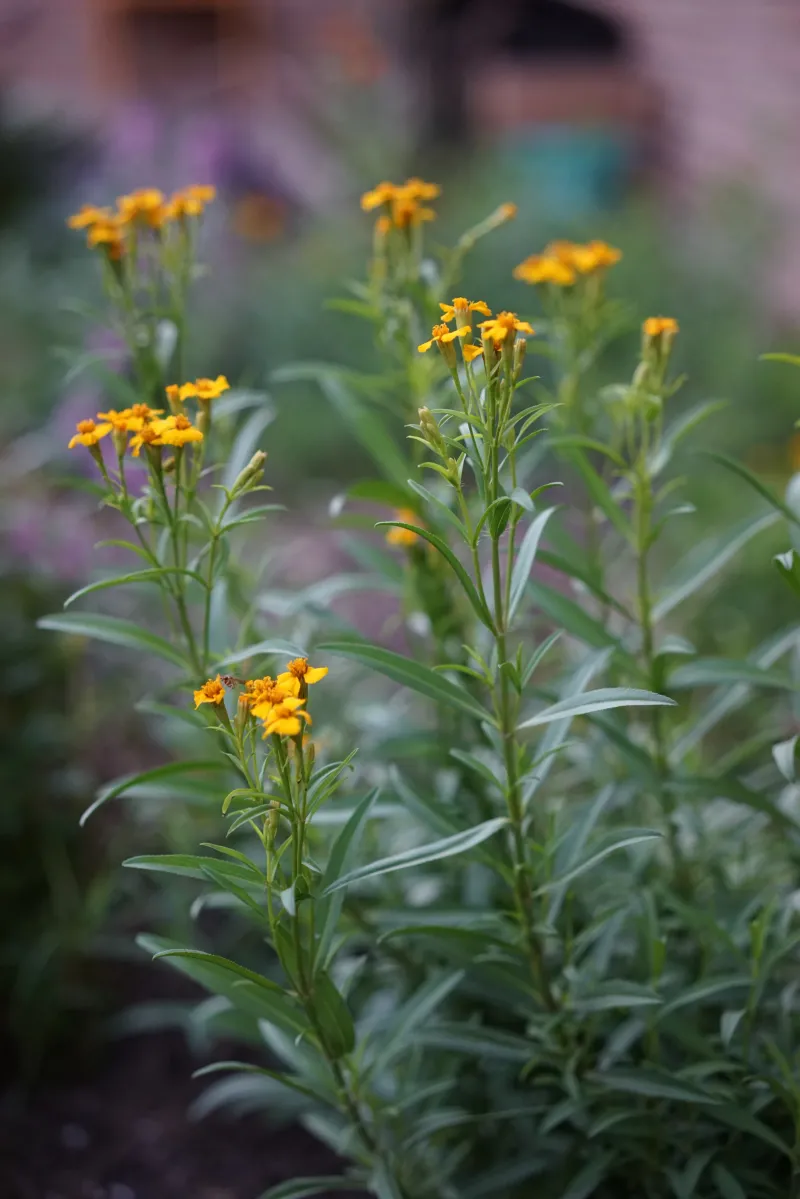
Ask any experienced California gardener about fall planting, and you will hear the same advice: get roots growing now. Early October is an excellent time to tuck a young Mexican tarragon into warm soil for a strong start.
Soil stays warm from the long summer, which helps roots spread quickly before cooler weather slows things down. Meanwhile, the air is gentler than August, so new transplants feel less stress during their first few weeks.
Choose a spot with at least six hours of direct sun, since shady corners lead to floppy, pale stems. A south-facing bed near a warm wall works wonders, especially in cooler coastal towns with foggy mornings.
Drainage matters just as much as sun, because soggy roots are one of the quickest ways to make this herb unhappy. In heavy clay, plant on a low mound or mix in a few handfuls of compost to help water drain away from the roots.
Space each plant about two feet apart, since a happy specimen can grow into a bushy mound fairly fast. Containers work well too, as long as the pot is at least twelve inches wide with drainage holes.
Plant in the late afternoon if possible, so the roots get a cool night to settle before the sun returns. Water deeply right after planting, then check the soil every few days for the first two weeks.
Nurseries often tuck these plants on back shelves this time of year, so ask staff to help you look. A small four-inch pot planted now can start flowering on your patio within a few weeks as the days shorten.
The Overwatering Trap Many Gardeners Fall Into
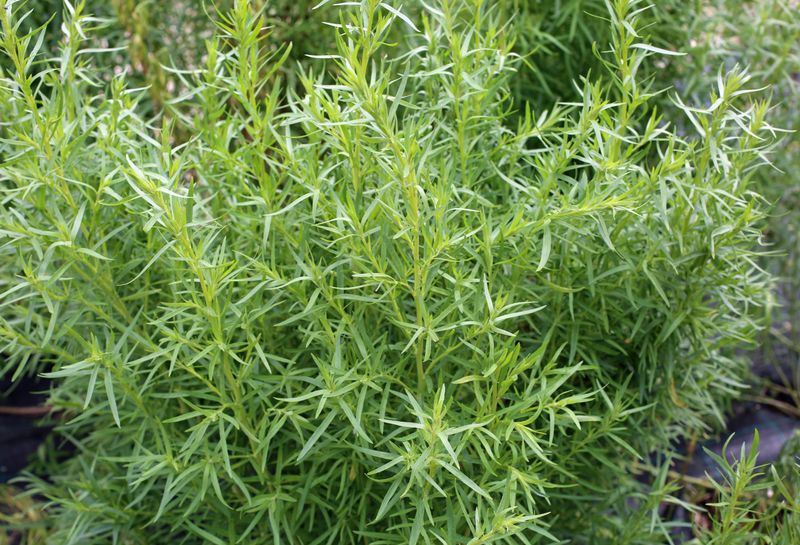
Too much care can hurt a plant, and that is exactly what happens to many Mexican tarragon plants in fall. Gardeners see hot weather, panic a little, and grab the hose far more often than the herb wants.
Soggy soil squeezes air away from the roots, and roots need air just as much as they need water. Without it, they start to rot, and the plant slowly turns yellow from the bottom leaves up.
Watch for droopy stems in the morning, which is a sneaky sign of too much water rather than too little. Plants that wilt in the cool morning are usually waterlogged, while thirsty plants mostly sag during the hot afternoon.
A simple finger test solves most of the guesswork, and it costs nothing but a little dirt under your nails. Push your finger two inches into the soil, and only water if that depth feels dry to the touch.
Drip lines on automatic timers can cause trouble too, especially when they run on the same schedule as thirsty vegetables. Give the herb its own zone if you can, or move it to a drier corner of the yard.
Rich compost piled thickly around the stems can hold too much moisture against the plant, inviting fungus. A thin layer of gravel mulch keeps the base dry while still shading the soil from harsh sun.
Think of this herb as a desert hiker rather than a swimmer who wants to float all day. Let the soil dry between waterings, and it will reward your patience with thicker stems and brighter blooms.
A Smart Harvest For Bigger Flavor
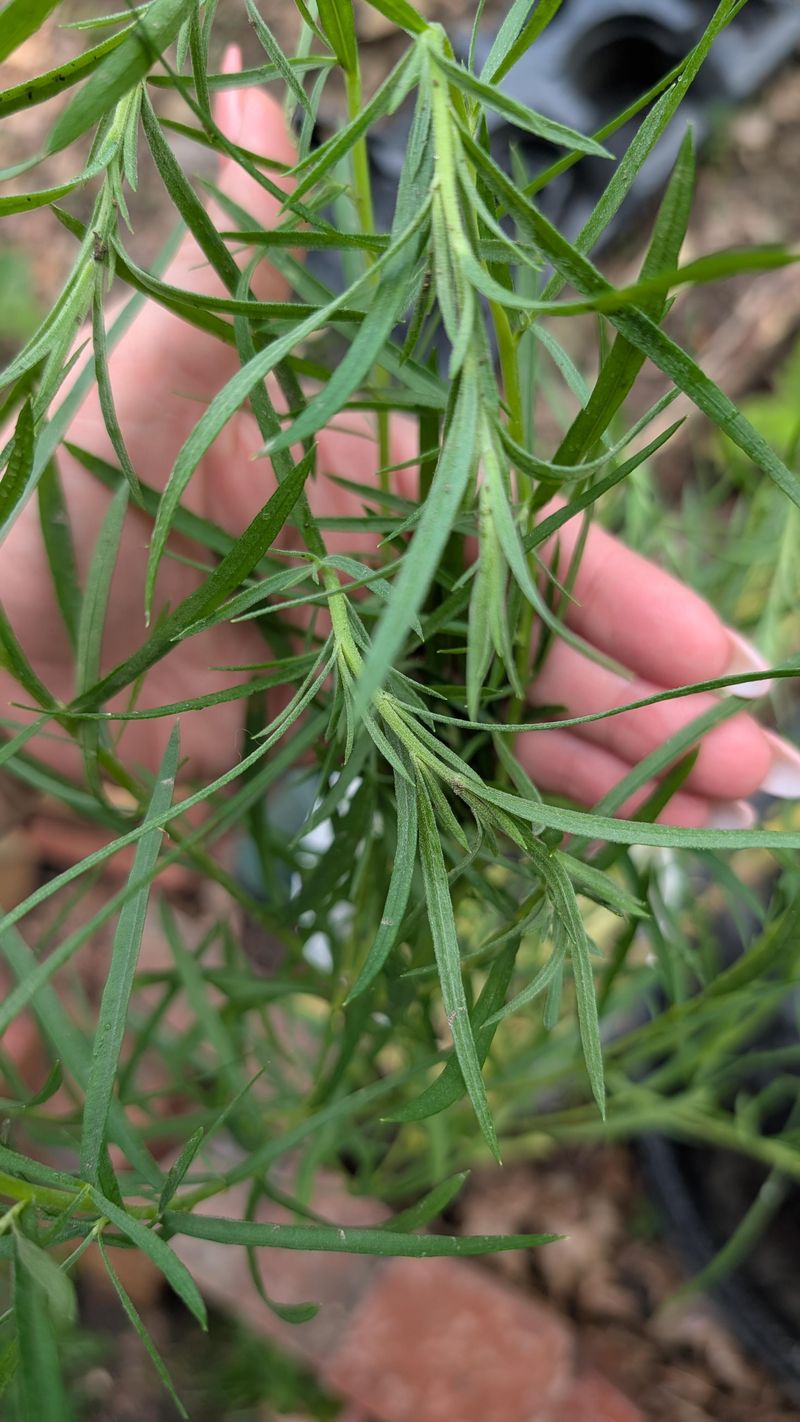
Snip, sniff, and smile, because harvesting Mexican tarragon in October feels like opening a jar of sweet spices. The leaves have plenty of flavor right now, and a fresh sprig smells like sweet spices.
Morning is the sweet spot for picking, right after the dew dries but before the afternoon sun heats things up. Oils sit at their peak during those cool hours, so your leaves will taste brighter and smell stronger.
Use clean scissors to cut stems just above a pair of leaves, taking no more than one third at once. Cutting this way encourages the plant to branch out, giving you a fuller, bushier shape over the coming weeks.
The golden flowers are edible too, and they add a pop of color sprinkled over soups or rice. Their taste is milder than the leaves, with a light anise note that works well in simple dishes.
For a quick treat, steep a handful of leaves in hot water for five minutes to make a soothing tea. This simple drink has a long tradition in Mexico, and a spoonful of honey is a popular addition.
Extra leaves dry beautifully when bundled together and hung upside down in a shady, airy spot indoors. After about a week, crumble them into a glass jar and store it away from heat and light.
Fresh sprigs also make a lovely gift, tied with twine and handed to friends who love to cook. Just warn them that one sniff might turn them into Mexican tarragon growers by the next weekend.
Winter Care For Next Year’s Golden Show
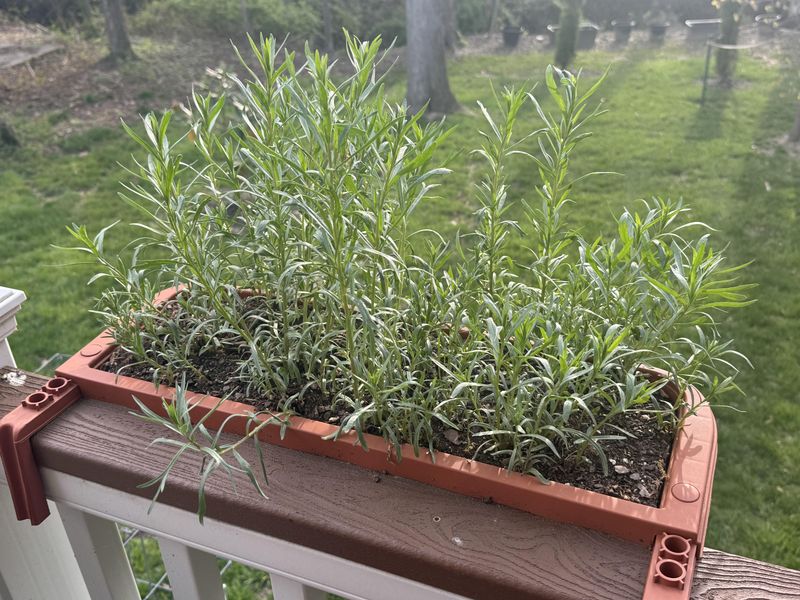
Golden blooms fade by late November, and that quiet moment is the start of next year’s success story. A little care through the cooler months keeps Mexican tarragon healthy and ready to shine again next fall.
Across most of California, the plant handles mild winters well, although stems may brown after a light frost. Inland gardeners in colder valleys can toss a frost cloth over the shrub on chilly, clear nights.
Resist the urge to prune hard right after flowering, since the old stems help protect the crown from cold. Wait until late winter, then trim the plant back by about half to encourage fresh, leafy growth.
Winter rains usually provide much of the water this herb needs, so cut back irrigation once storms begin rolling in. Potted plants may need a move under a porch roof so they do not sit in soggy soil.
Taking cuttings in early fall is a clever way to multiply your supply without spending a single extra dollar. Snip four-inch pieces, strip the lower leaves, and press them into damp potting mix on a bright windowsill.
Roots usually appear within three or four weeks, giving you sturdy little backups in case of a harsh winter. Extra starts also make thoughtful gifts for neighbors who admired your golden blooms over the garden fence.
By spring, healthy plants push out bright new shoots that fill in quickly as the weather warms up. Come next October, your patient care pays off with a bigger shrub and an even brighter golden show.