These 9 Plants Help California Gardeners Cut Back On Water Use
Water bills in California have a way of becoming a seasonal source of anxiety. The hotter the summer gets, the more the garden needs, and the more the meter runs.
A lot of gardeners have quietly accepted this as just part of the deal, something you factor in alongside the cost of soil and fertilizer.
But the gardens that have figured out how to stay beautiful on significantly less water are not doing anything radical.
They just made smarter plant choices. The right plants change the entire equation.
Not by sacrificing color or visual interest, but by doing more with less as a fundamental part of how they’re built. Deep root systems, water-storing foliage, drought-adapted growth cycles.
These are plants that slow down during dry periods instead of collapsing, and bounce back quickly when water is available. California’s landscape is full of them.
Getting them into your garden is one of the most practical and immediately rewarding changes you can make this season.
1. Bush Anemone
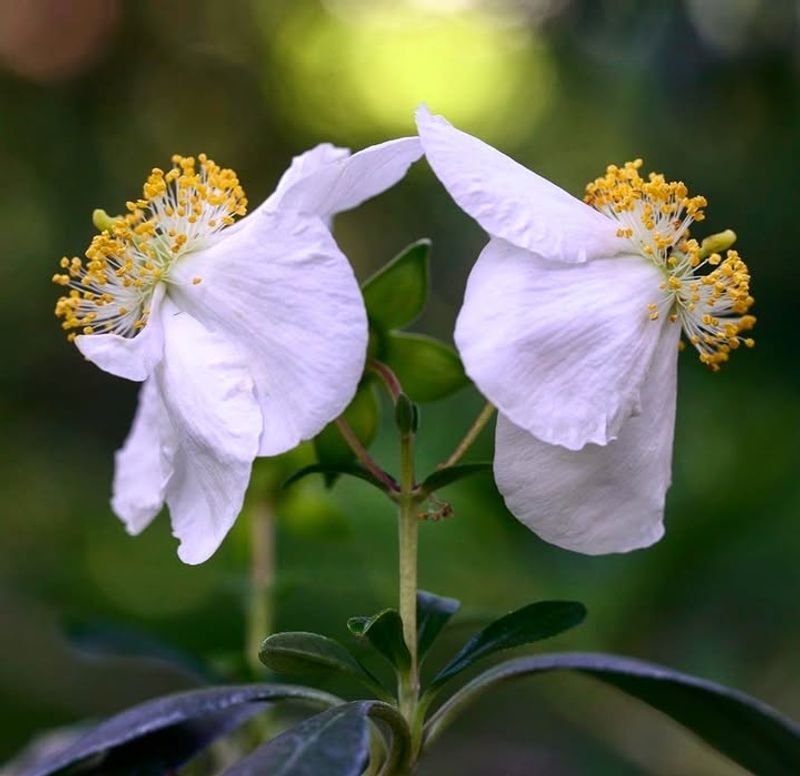
Soft white blooms and dark, velvety leaves make Bush Anemone one of the most eye-catching native shrubs in California. It grows naturally in the shaded slopes and canyon edges of the Coast Ranges, so it already knows how to handle dry summers.
Once it settles into your yard, it barely asks for anything in return.
Bush Anemone typically grows three to six feet tall, making it a great choice for garden borders or as a low hedge. It blooms from late spring into summer, filling your space with creamy flowers that pollinators absolutely love.
Bees and butterflies visit regularly, which helps the whole garden stay healthy.
Planting it in a spot with partial shade and well-draining soil gives it the best start. Water it occasionally during its first year, and then you can mostly leave it alone.
California gardeners who want beauty without the hassle will find Bush Anemone a truly rewarding choice. It stays green year-round in mild coastal areas, adding structure and life to the garden even in the driest months.
2. Island Bush Snapdragon
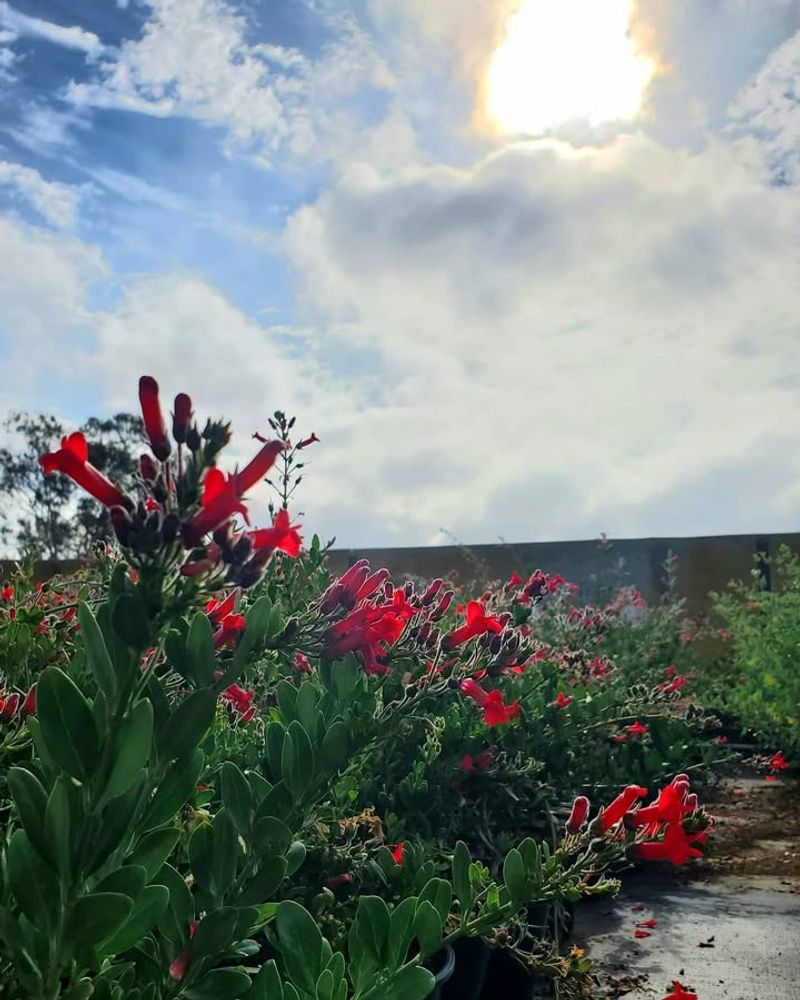
Picture a plant that practically glows in the sun with clusters of vivid orange-red flowers. That is exactly what Island Bush Snapdragon brings to a California garden.
Native to the Channel Islands off the Southern California coast, this shrub has adapted to survive with very little rainfall and still puts on a spectacular show.
It grows quickly and can reach up to six feet tall and wide, so it works beautifully as a privacy screen or colorful backdrop. The tubular flowers are a magnet for hummingbirds, which makes the garden feel alive and exciting.
Blooming from late winter through spring, it adds color during a season when many other plants are still waking up.
Plant Island Bush Snapdragon in full sun and sandy or rocky soil for best results. It handles drought like a champ once established, needing only occasional deep watering during hot stretches.
This plant is a favorite among California gardeners who want a low-maintenance shrub that delivers serious visual impact. Trim it lightly after blooming to keep it looking tidy and encourage fresh new growth the following season.
Your California Garden Changes Every Week. Your Plan Should Too.
Gardening in California changes quickly throughout the season. Every Friday you’ll receive a simple weekly plan showing exactly what to plant, prune, fertilize, harvest, and protect so you never miss the right timing.
3. Desert Mallow
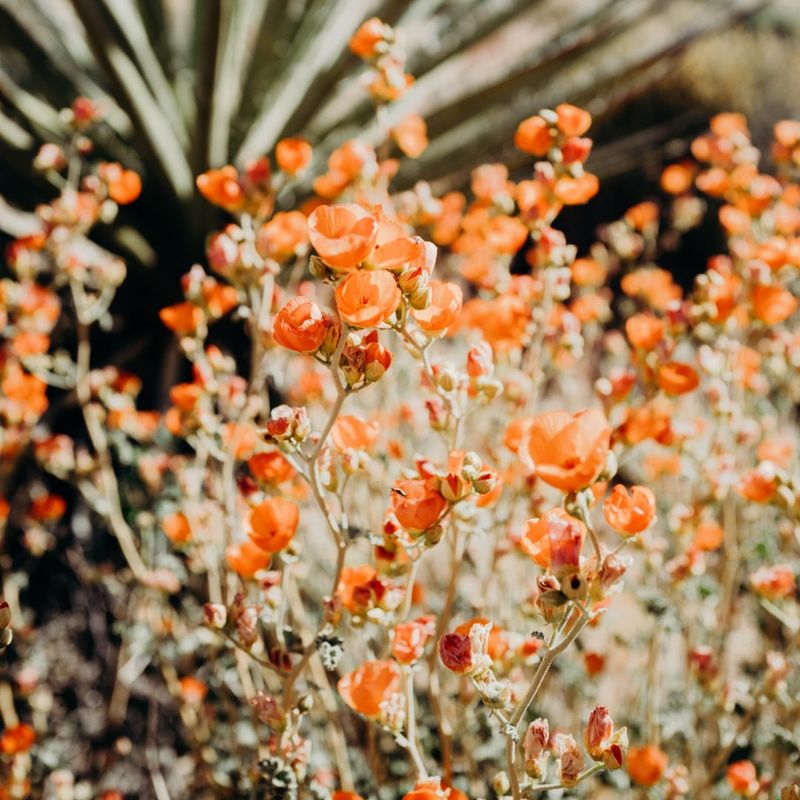
Few plants can match the cheerful energy of Desert Mallow. Its bright apricot-orange blooms pop against dusty, dry soil like little bursts of sunshine.
Found naturally across the Mojave Desert and other arid parts of California, this plant was practically built for drought conditions.
Desert Mallow is a low-growing shrub that usually stays between two and four feet tall. It blooms generously from spring through fall, which is a long season compared to many other drought-tolerant plants.
The flowers attract bees, butterflies, and even some native bee species that depend on mallow plants specifically.
It thrives in full sun and needs excellent drainage. Sandy or rocky soil suits it perfectly.
Once established, it needs almost no supplemental water, making it one of the most water-wise choices available to California gardeners. If you live in the Inland Empire, the Antelope Valley, or anywhere in the high desert, Desert Mallow will feel right at home.
Cut it back lightly in late winter to encourage a fresh flush of growth and even more blooms. It is tough, colorful, and surprisingly easy to grow for gardeners at any skill level.
4. Apache Plume
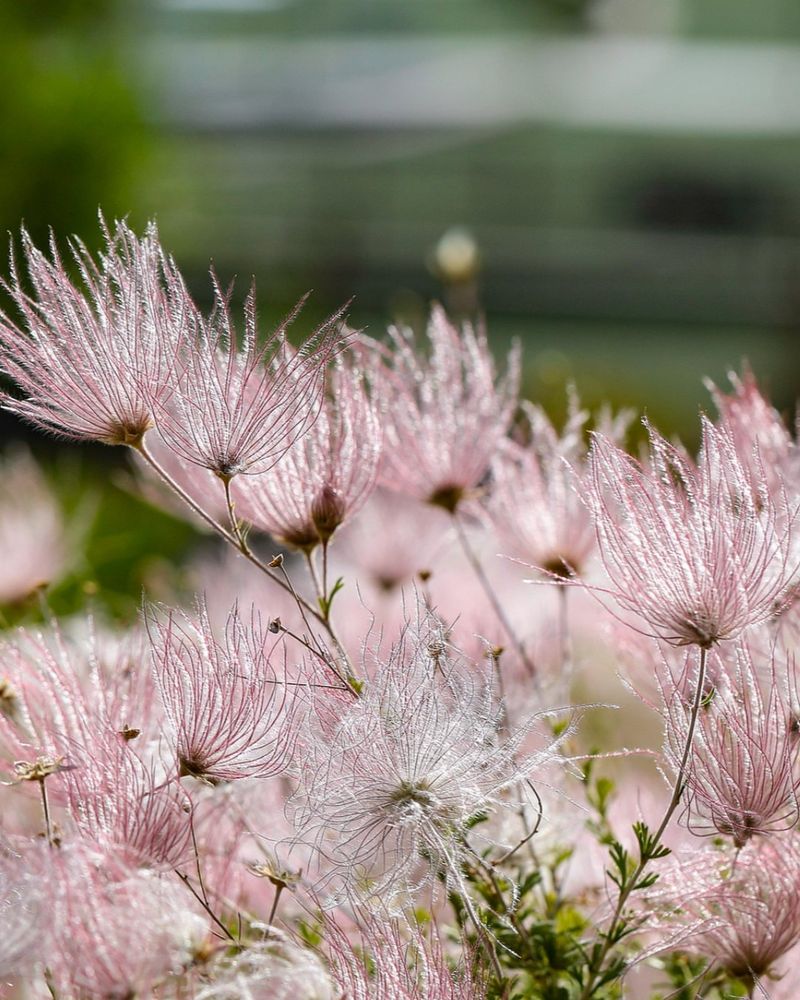
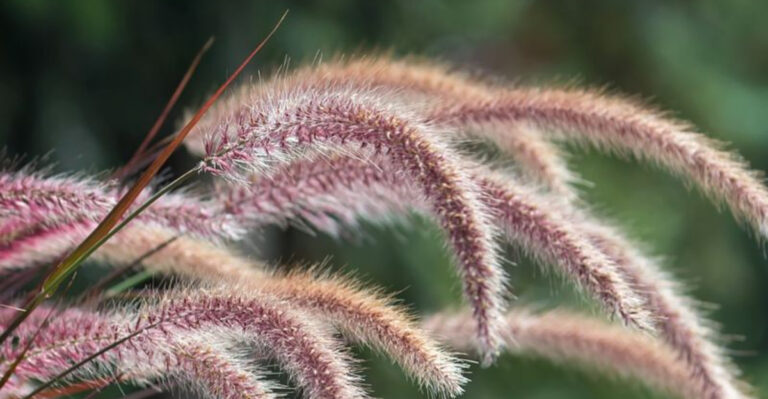
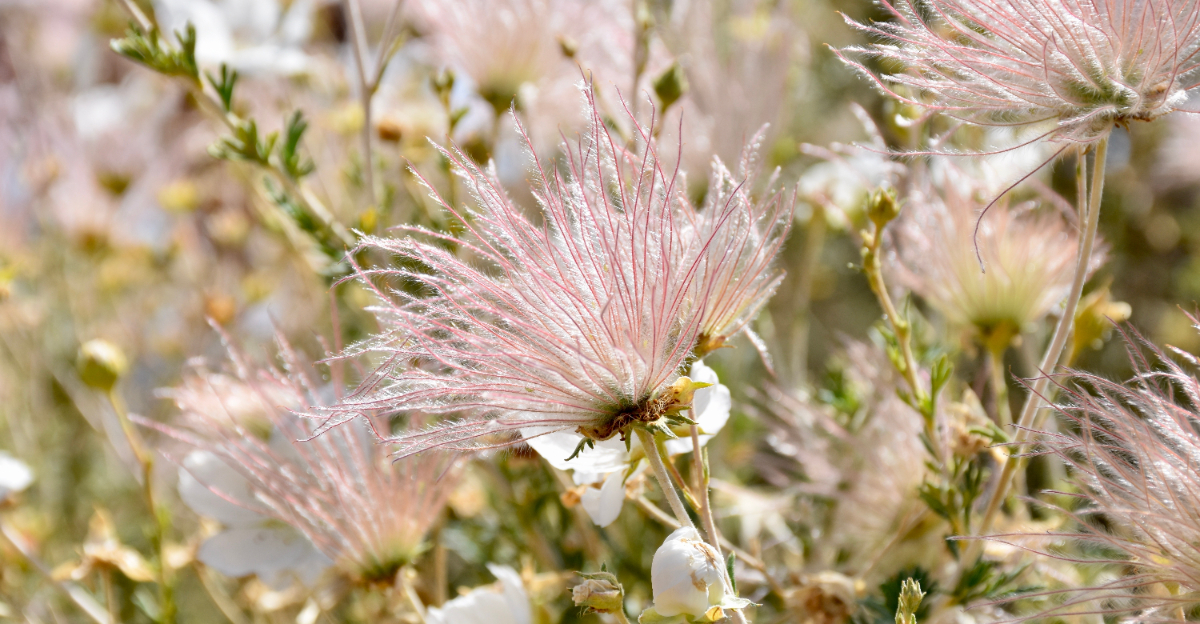
Apache Plume is the kind of plant that looks like it belongs in a painting. After its small white flowers fade, feathery pink and silver seed plumes take over, creating a soft, dreamy look that lasts for months.
It is one of the most visually interesting drought-tolerant shrubs a California gardener can grow.
Native to the arid mountain slopes and desert washes of the American Southwest, Apache Plume is right at home in dry California climates. It grows four to six feet tall and wide, making it a solid choice for slopes, dry borders, or naturalistic garden designs.
The fluffy seed heads catch the breeze and shimmer in the afternoon light, adding movement and texture to the landscape.
Full sun and rocky or sandy, well-draining soil are all it really needs. Water it a few times during the first summer to help it get established, and after that it can handle California’s dry season on its own.
Wildlife benefits too, since birds use the fluffy seeds as nesting material. California gardeners who love low-effort, high-reward plants should absolutely add Apache Plume to their list.
It is rugged, beautiful, and wonderfully self-sufficient.
5. Bladderpod
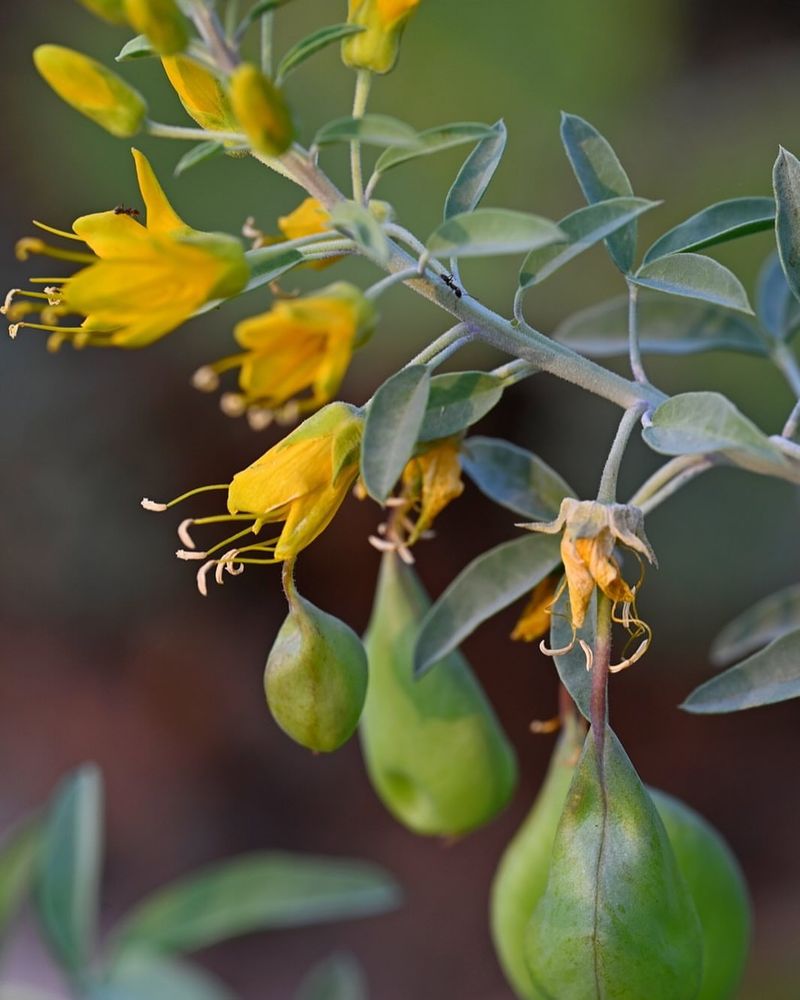
Bladderpod gets its fun name from the puffy, inflated seed pods that dangle from its branches after the flowers fade. But the real star of the show is its cheerful yellow blooms, which appear almost year-round in mild California climates.
That long bloom season makes it one of the most reliable flowering shrubs for water-conscious gardeners.
This native shrub grows naturally along the coast and in the foothills of Southern California. It reaches about four to eight feet tall and has a loose, airy structure that gives the garden a relaxed, natural feel.
Hummingbirds and butterflies visit the flowers regularly, making it a great addition to any wildlife-friendly yard.
Bladderpod loves full sun and tolerates poor, dry soil with ease. It is incredibly drought-tolerant once established and rarely needs watering after its first growing season.
California gardeners who have struggled with dry, rocky, or sandy spots in their yard will find that Bladderpod thrives exactly where other plants struggle. The seed pods add a playful, quirky detail that kids and adults both find fascinating.
Prune it lightly to shape it, and let it do the rest on its own.
6. Flannel Bush
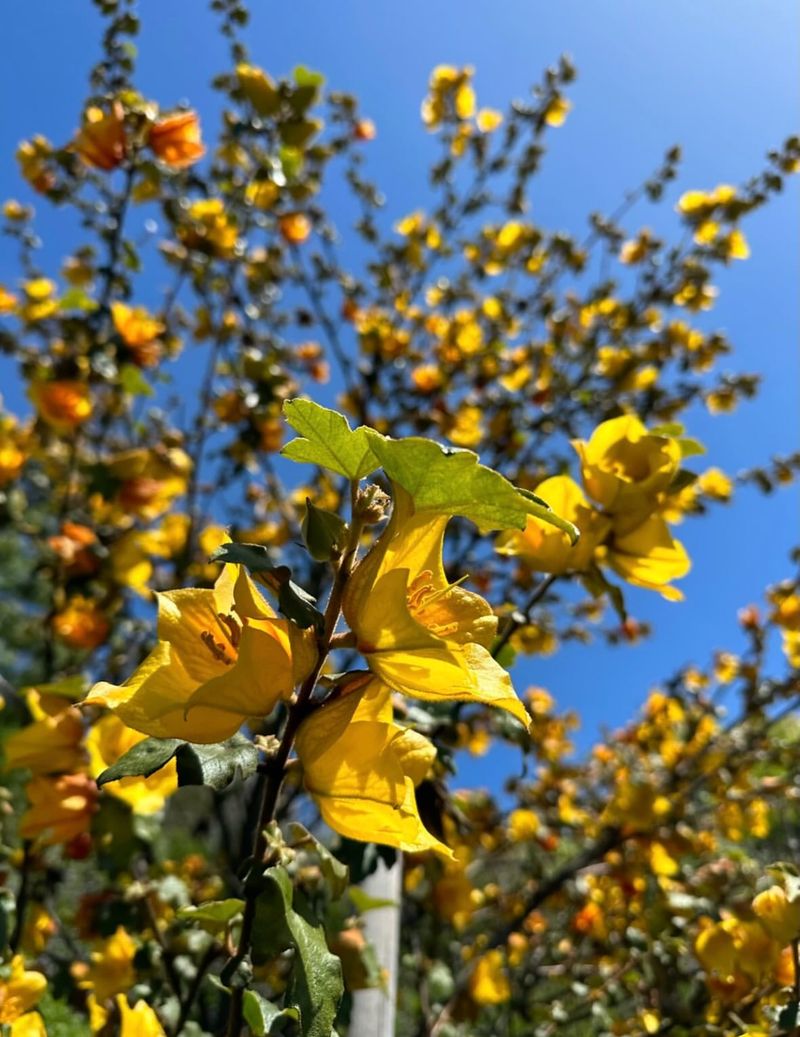
Golden-yellow flowers the size of your palm cover Flannel Bush in spring, turning it into one of the most jaw-dropping sights in the California native plant world. The blooms are bold, bright, and impossible to ignore.
This plant has a way of stopping people in their tracks when it is in full bloom.
Flannel Bush is native to the foothills and dry slopes of California and can grow quite large, sometimes reaching 20 feet tall in ideal conditions. However, many compact varieties are available that stay smaller and work well in home gardens.
The fuzzy, felt-like leaves give the plant its name and help it retain moisture in hot, dry conditions.
One important tip for California gardeners: Flannel Bush does not like summer water. Once established, it prefers to stay dry during the warm months, just like it would in its natural habitat.
Plant it on a slope or in a raised bed with excellent drainage and let the rain handle watering during winter and spring. It is one of those rare plants that actually does better when you leave it alone.
The payoff each spring is absolutely worth the hands-off approach.
7. Desert Marigold
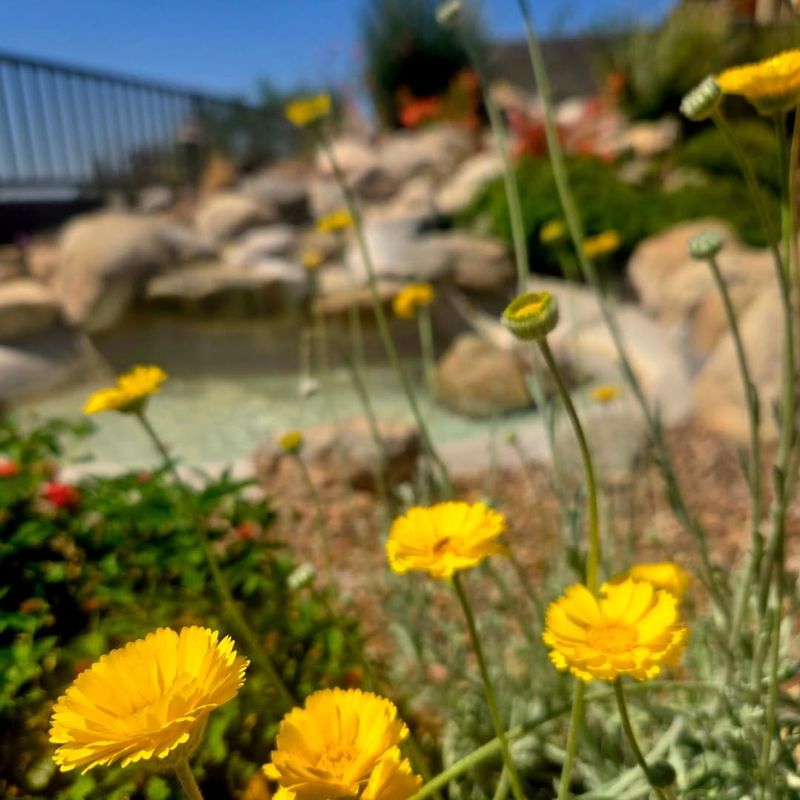
Bright, sunny, and surprisingly tough, Desert Marigold is a little wildflower that punches way above its weight. The cheerful yellow, daisy-like blooms pop up from spring all the way through fall, giving California gardeners months of color with almost no effort.
It is a real workhorse of the drought-tolerant garden.
Desert Marigold grows naturally in the Mojave Desert and Sonoran Desert regions, areas that get very little rain and baking summer heat. It stays compact, usually reaching only one to two feet tall, which makes it perfect for borders, pathways, or filling in gaps between larger shrubs.
The silvery-gray foliage is soft and woolly, which helps the plant reflect heat and hold onto moisture.
Plant it in full sun and well-draining soil, and it will practically take care of itself. It self-seeds freely, so you may find cheerful little plants popping up nearby each year.
California gardeners in the Coachella Valley, the high desert, or anywhere with hot, dry summers will find Desert Marigold a reliable and rewarding addition to the landscape. It is also a great choice for attracting native bees and butterflies throughout the long blooming season.
8. Woolly Blue Curls
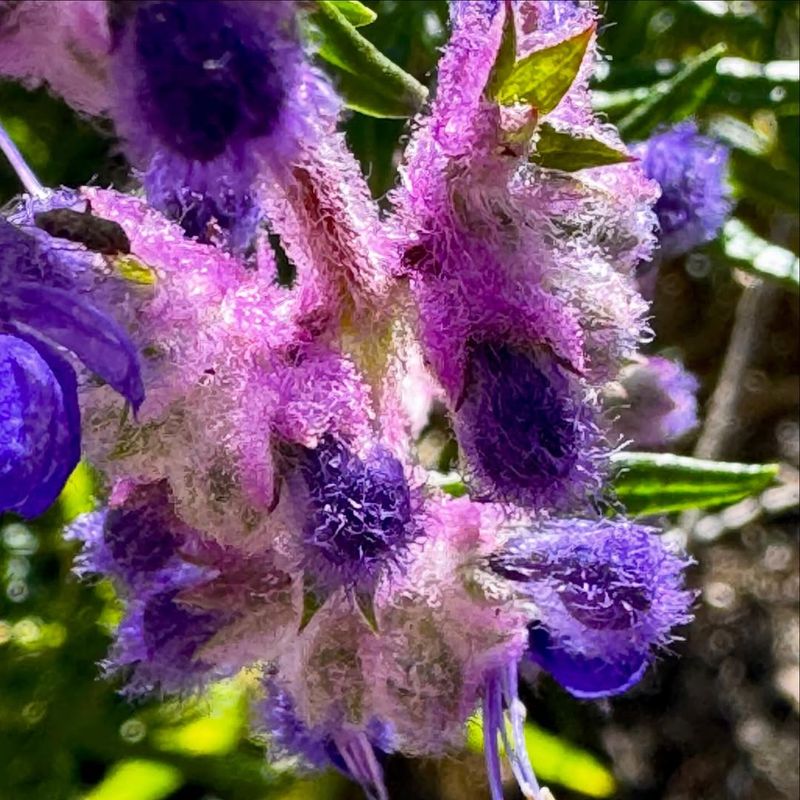
There is nothing quite like Woolly Blue Curls in the California native plant world. The electric purple-blue flower spikes are coated in fuzzy, wool-like fuzz that makes them look almost unreal.
It is one of those plants that makes visitors ask, “What is that?” every single time it blooms.
Native to the coastal sage scrub and chaparral of Southern California, Woolly Blue Curls thrives in hot, dry, sunny spots. It grows three to five feet tall and blooms from spring through summer, sometimes into fall in warm areas.
Hummingbirds and native bees are wild about the flowers, making it a fantastic choice for anyone who wants to support local pollinators.
This plant needs sharp drainage and full sun to perform its best. It actually struggles if the soil stays too wet, so raised beds or sloped areas work wonderfully.
California gardeners should avoid planting it near irrigation zones where it might get too much water. Once established, it is extremely drought-tolerant and needs only minimal care.
Lightly trim spent flower spikes to encourage more blooms and keep the plant looking tidy. For sheer wow factor in a dry garden, Woolly Blue Curls is hard to beat.
9. Dudleya
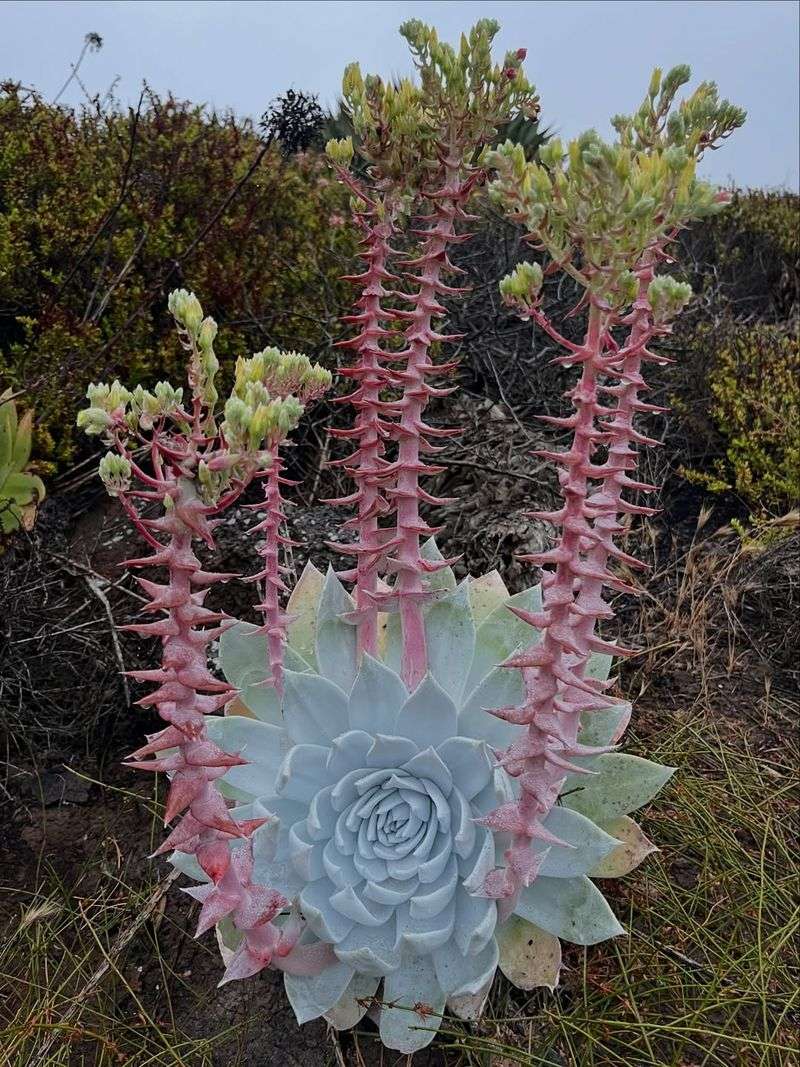
Sculptural, silver, and almost otherworldly in appearance, Dudleya is one of California’s most beloved native succulents. The thick, waxy leaves form tight rosettes that store water inside them, which is exactly how this plant survives long dry seasons without any help from a garden hose.
It is a survivor in the most elegant way possible.
Dudleya grows naturally on rocky cliffs, coastal bluffs, and dry hillsides all along the California coast. There are many species, ranging from tiny two-inch plants to larger ones that spread a foot or more across.
In spring, tall flower stalks shoot up from the rosette and produce clusters of yellow, red, or pink star-shaped blooms that hummingbirds find irresistible.
It needs very little water and does best in sandy, well-draining soil with good air circulation. Full sun to partial shade works depending on the species.
California gardeners who live near the coast will find that Dudleya is especially well-suited to their foggy, mild climate. It looks stunning in rock gardens, containers, or tucked into a dry stone wall.
Handle the leaves gently since the powdery coating protects the plant from sun damage and should not be rubbed off.