The Fall Watering Mistake That Harms Peace Lilies
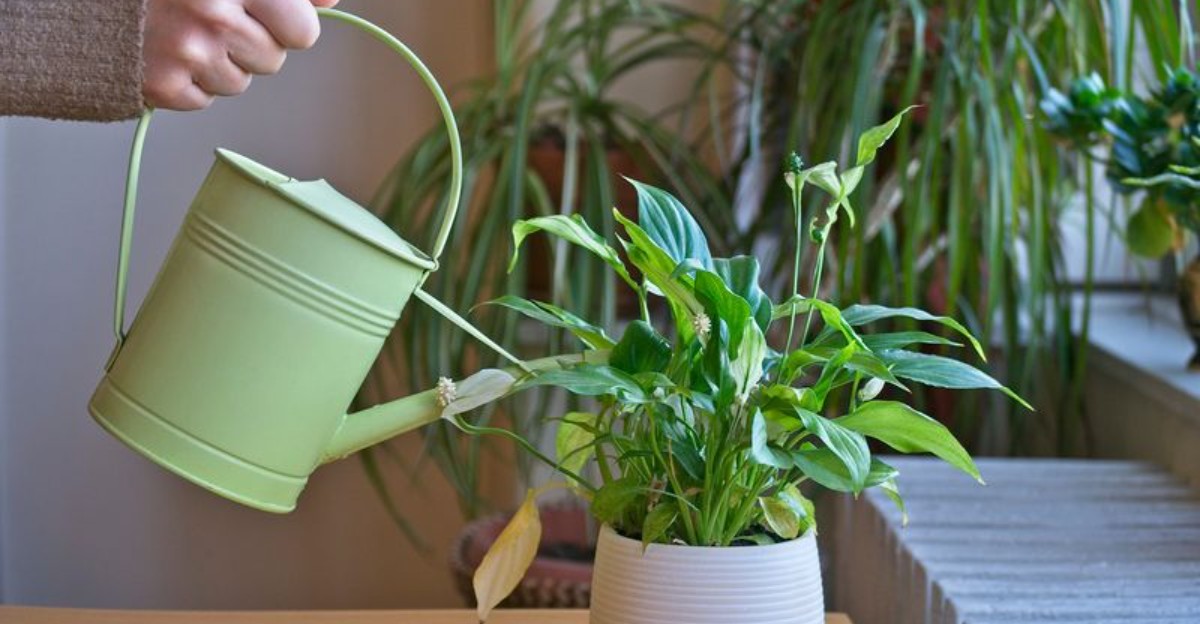
As autumn settles in, a certain leafy houseplant starts sulking in the corner like a teenager who lost phone privileges. Its glossy leaves droop, its white blooms hide, and you reach for the watering can with loving hands.
That splash of cool water feels kind, like handing a warm blanket to a shivering friend on a porch. Sadly, your plant might be sitting in too much water while you smile and wipe the drips off the windowsill.
Fall changes the rules inside our homes, even when the thermostat hums along at the same setting. Light grows weaker, air turns crisp, and thirsty roots slow down and need less water than they did in summer.
Many caring plant owners miss this shift because the soil looks fine from the top layer. Underneath, things can get swampy and sour, with a smell that reminds you of a forgotten gym bag.
Too Much Water In Cooler Weather
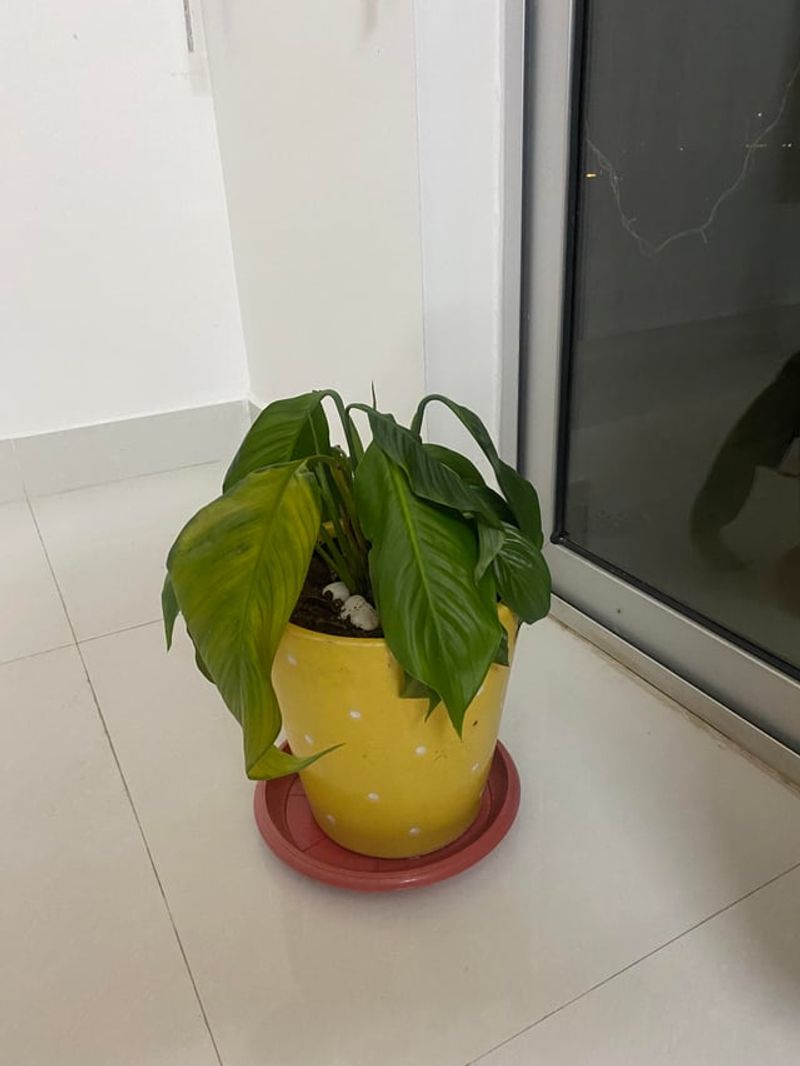
Picture a sponge sitting in a puddle for a week, slowly turning gray and smelling like an old basement. That is roughly what happens to peace lily roots when owners keep watering on a summer schedule in fall.
Overwatering is one of the most common autumn mistakes, and it sneaks up on even careful plant parents. Peace lilies love moisture, so it feels natural to keep that watering can busy all year long.
As October arrives, though, the plant uses less water because its growth slows with the shorter days. Extra water sits in the pot instead of moving up into the leaves where it can be useful.
Roots need air as much as they need water, which surprises many people who think soil is just dirt. Soggy soil squeezes out the tiny air pockets, leaving roots with too little oxygen in cold, wet conditions.
Over a few weeks, those stressed roots turn soft and brown, which opens the door to root rot. Once rot spreads, the plant struggles to drink at all, even though the pot is soaking wet.
The strange twist is that an overwatered peace lily can droop much like a thirsty one does in summer. So owners add even more water, and the cycle keeps rolling downhill like a runaway shopping cart.
Breaking that habit starts with one small step that takes about five seconds of your morning. Push a finger into the soil before watering, and only pour when the top inch feels dry.
Shorter Days Mean Slower Thirst
Did you know most peace lilies sold today trace back to the shady rainforest floors of tropical Central and South America? Down there, they grow under tall trees, soaking up dappled light and steady warmth through most of the year.
Your living room in October is a very different place, even if it feels cozy to you. Sunlight comes in at a lower angle, and each day loses a few more minutes of brightness.
Plants use light to power photosynthesis, which is the process that turns water and air into food. Less light means less food making, so the plant simply needs less water to keep things running.
Cooler air near windows plays a part too, because water evaporates more slowly from the soil surface. A pot that dried out in four days during July might now stay damp for a week or longer.
Think of it like your own appetite after a lazy afternoon on the couch watching movies. You burn less energy, so a giant dinner would feel heavy instead of satisfying and welcome.
Peace lilies go through a similar slowdown, resting more and growing fewer new leaves until spring returns. Feeding them the same amount of water as before is like serving that giant dinner every night.
A helpful habit is to stretch the time between waterings as the days get shorter each week. Many indoor growers find that watering about every seven to ten days works well from October through winter, as long as the soil check agrees.
The Soggy Soil Trap Below The Surface
The top of the pot can be misleading, looking dry and crumbly while the soil underneath stays wet. Many owners glance at that dusty surface and grab the watering can without a second thought.
Heaters can dry out the top layer of soil, while the bottom half of the pot stays cool, heavy, and wet, right where the roots live. That mismatch is why a dry-looking surface says very little about what the roots are sitting in.
Decorative pots without drainage holes make this problem much worse, even though they look lovely on a shelf. Water collects at the bottom like a tiny hidden pond, and roots sit in it day after day.
Saucers can cause trouble too when leftover water stays in them for hours after you finish watering. The soil soaks that water back up, so the pot rarely gets a chance to dry out properly.
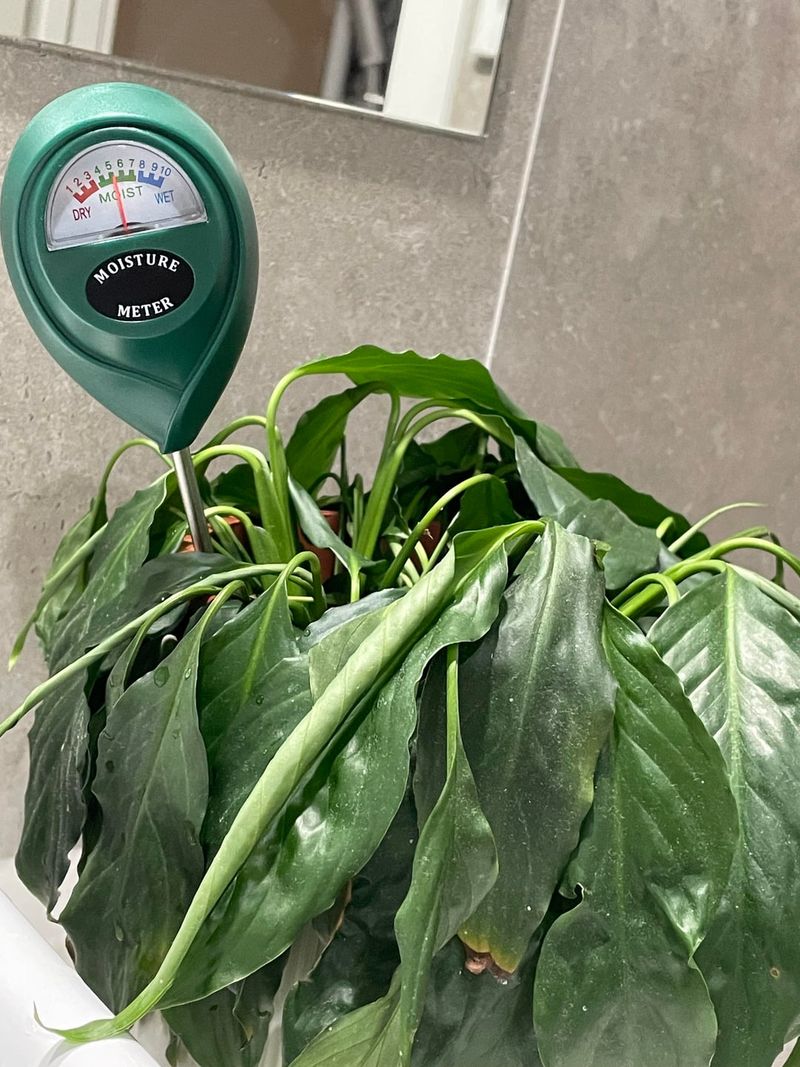
A cheap moisture meter can solve the mystery by reading how wet the soil is near the roots. Slide the probe down about two thirds of the way, then check the dial for an honest answer.
If you lack a meter, a plain wooden chopstick pushed deep into the soil works surprisingly well. Pull it out after a minute, and dark, damp wood means your plant does not need a drink yet.
Lifting the pot is another clever trick, since wet soil feels noticeably heavier than dry soil does. After a few tries, your hands will learn the difference quickly.
Warning Signs On Drooping Leaves
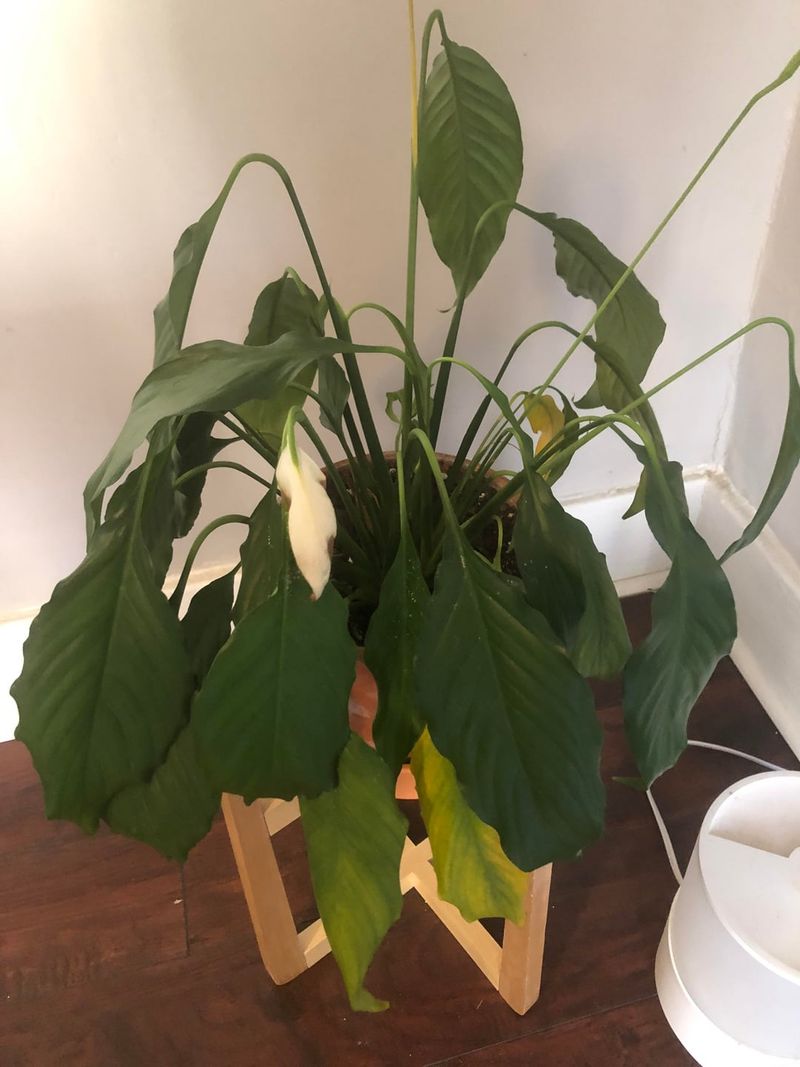
My neighbor once called me in a panic because her peace lily looked like a wilted bunch of spinach. She had watered it twice that week, and the leaves still flopped over the edge of the pot.
Drooping is the trickiest clue, because peace lilies droop from both thirst and too much water. The difference shows up in the soil, so feel it before deciding what your plant is asking for.
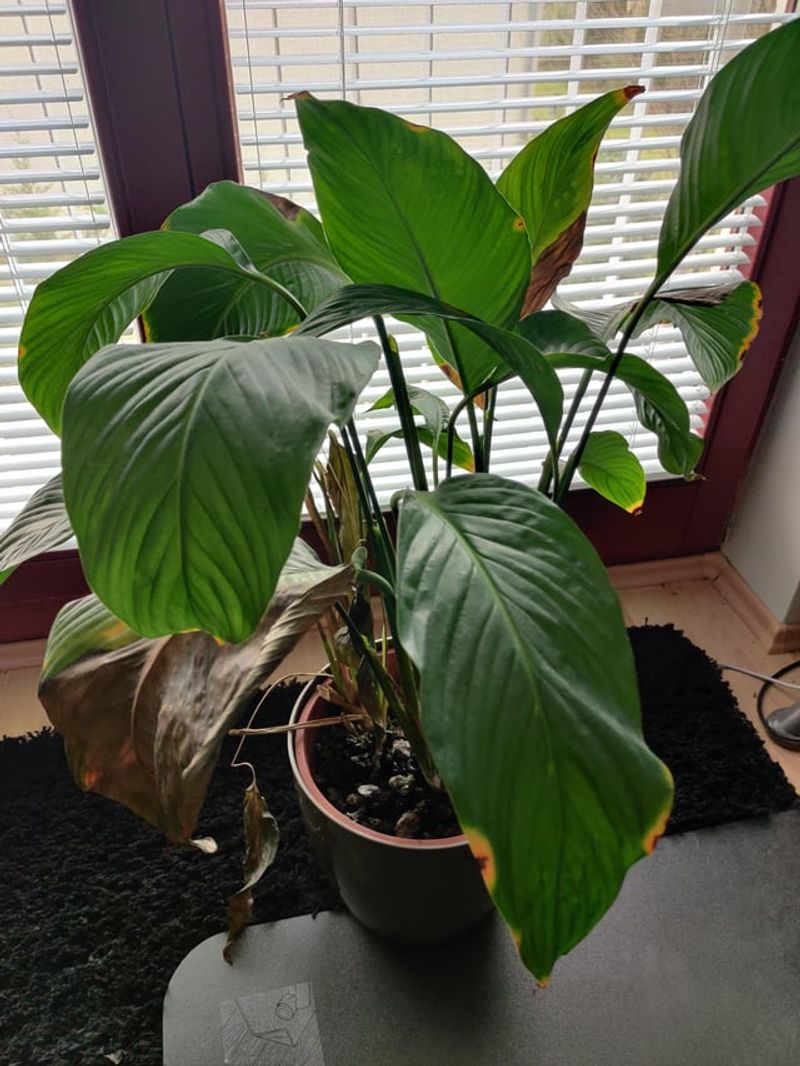
Yellow leaves near the base are another common sign, especially when several turn yellow at the same time. One old leaf fading now and then is normal, but a whole group fading points to soggy roots.
Brown, mushy spots on the stems can show up next, and they often feel soft when gently pressed. Healthy stems feel firm and springy, a bit like a fresh stalk of celery from the fridge.
Your nose can help too, since rotting roots give off a sour, musty smell from the soil. Tiny fungus gnats buzzing around the pot are another hint, because they thrive in soil that stays damp.
Brown leaf tips can appear as well, though dry indoor air from heaters sometimes causes them instead. Look at the whole picture rather than one clue, and you will usually spot the real problem.
My neighbor let her plant dry out for ten days, and it perked up again. Catching these signs early in October gives your plant the best shot at a smooth, healthy winter.
A Simple Rescue Plan For Soggy Roots
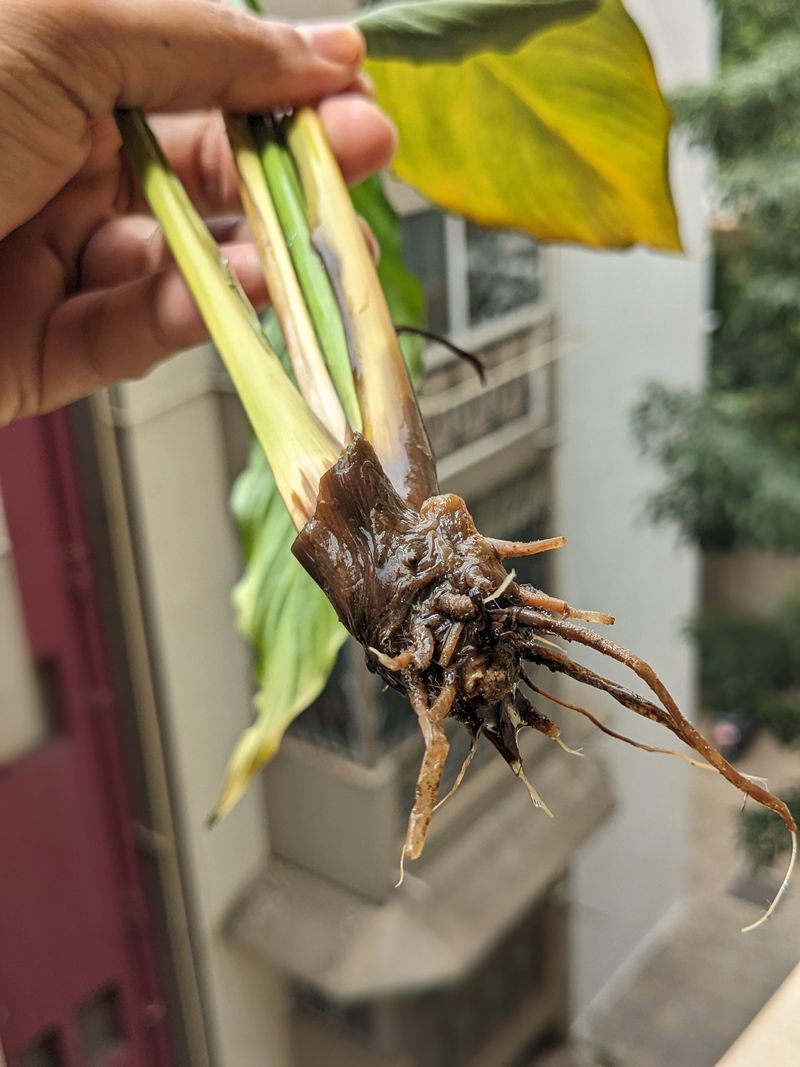
Take a deep breath, because an overwatered peace lily can often bounce back with a little quick action. These plants are tougher than they look, and their roots can regrow once conditions improve in the pot.
Start by stopping all watering and moving the plant to a bright spot away from direct, harsh sunlight. Empty any water sitting in the saucer or cover pot, and let the soil dry out for several days.
If the plant still sulks after a week, gently slide it out of its pot to check the roots. Healthy roots look white or tan and feel firm, while rotten ones look brown, slimy, and smell sour.
Grab clean scissors and trim away any mushy roots, wiping the blades with a disinfecting solution between cuts. Shake off the old, wet soil, since it may carry fungus that could spread to fresh roots.
Repot the plant in fresh, airy potting mix, ideally one with bark or perlite for better drainage. Choose a pot with drainage holes that is only slightly larger than the trimmed root ball.
Water lightly after repotting, then wait until the top inch or two feels dry before watering again. Skip fertilizer for now, because stressed roots may struggle with extra nutrients while they heal in cool weather.
Recovery takes patience, and you might see a few more yellow leaves before new growth appears. Snip those old leaves at the base, and watch for fresh green shoots peeking up within several weeks.
A Smarter Fall Watering Routine
Fall is the season of cozy sweaters, pumpkin bread, and a slower rhythm, and your peace lily agrees. A relaxed watering routine fits this time of year perfectly and keeps roots happy through the colder months.
Swap your calendar schedule for a soil check, since the plant cares about moisture, not the date. Check once or twice a week, and water only when the top inch or two feels dry.
When it is time, water slowly until a little drains from the bottom, then empty the saucer. Room temperature water works best, because icy water can shock roots that are already moving at a slower pace.
Placement matters too, so keep your plant away from heater vents, drafty doors, and chilly windows at night. Sudden temperature swings stress the plant and make it harder to judge how much water it really needs.
Dry indoor air from heating can brown the leaf tips, but extra soil water will not fix that. Try a pebble tray, a small humidifier, or a friendly cluster of plants to raise moisture in the air.
Wiping dusty leaves with a damp cloth every few weeks helps them soak up the weaker autumn light. Cleaner leaves make food more easily, which keeps the plant steady and strong until longer days return.
Some owners jot watering dates on a sticky note inside a cabinet to spot patterns over the season. With a little attention, your peace lily can stay glossy, green, and ready to bloom again next year.