Zinnia And Marigold Seeds Collected Now Can Grow Next Year’s Indiana Garden For Free
Early October in Indiana smells like crunchy leaves, warm apple donuts, and the promise of freebies. Your garden beds look a little tired, but they hide a free supply of seeds for next year.
Those brown, crispy flower heads you planned to toss are tiny treasure chests packed with color. Many gardeners walk right past them, rake in hand, without realizing what is inside.
Every spring, garden centers sell the same packets year after year, and you can skip that cost. A little patience this fall keeps those dollars in your pocket and your beds bursting with blooms.
Indiana weather gives you a short, friendly window before frost and soggy rain turn everything mushy. Grab a paper bag, a sunny afternoon, and a snack, because this job feels like a backyard scavenger hunt.
Your neighbors might wonder why you are crouched in the flower bed and chatting with brown petals. Let them stare, because next summer they will be asking you for seeds.
Free Flowers From Your Own Backyard
Picture a single zinnia flower head holding dozens of seeds, all waiting quietly for your hands. Marigolds are just as generous, tucking plenty of skinny black seeds inside each papery, faded bloom.
Both flowers grow wonderfully across Indiana, from sandy northern yards to the clay soils near the Ohio River. They tolerate Indiana’s summer heat and keep blooming from midsummer until the first hard frost.
Saving their seeds now means you can skip buying new packets next year and still enjoy a colorful yard. A few seed packets might cost ten or fifteen dollars, but your own flowers hand them over free.
Fun fact for curious gardeners, one old nickname for zinnias is youth-and-old-age, because older blooms stay bright. Marigolds have a long history too, with gardeners in Mexico growing them for hundreds of years before us.
The process takes very little skill, so kids and grandparents can both join in on a sunny afternoon. All you need is a dry day, a paper bag, and a little patience while the seeds finish drying.
Saved seeds also adapt slowly to your yard, since you pick from the plants that did best here. Over a few seasons, your flowers may grow a bit tougher against local heat, rain, and pests.
Think of every brown flower head in your yard as a coupon that pays you back next summer. Early October is a good time to start, while the weather is often dry and the blooms are fading.
The Right Moment For Ripe Seed Heads
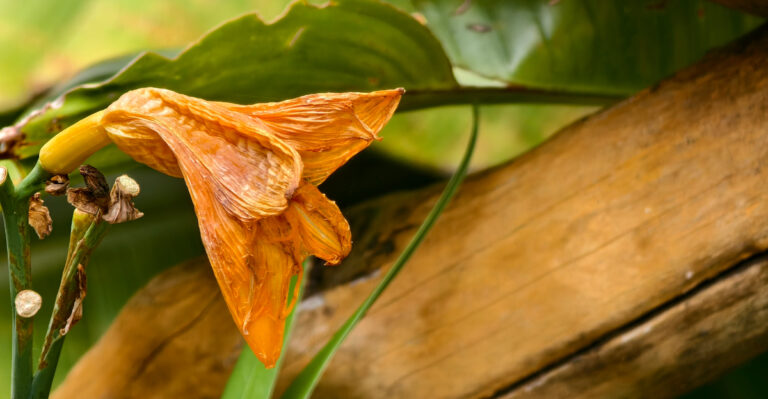
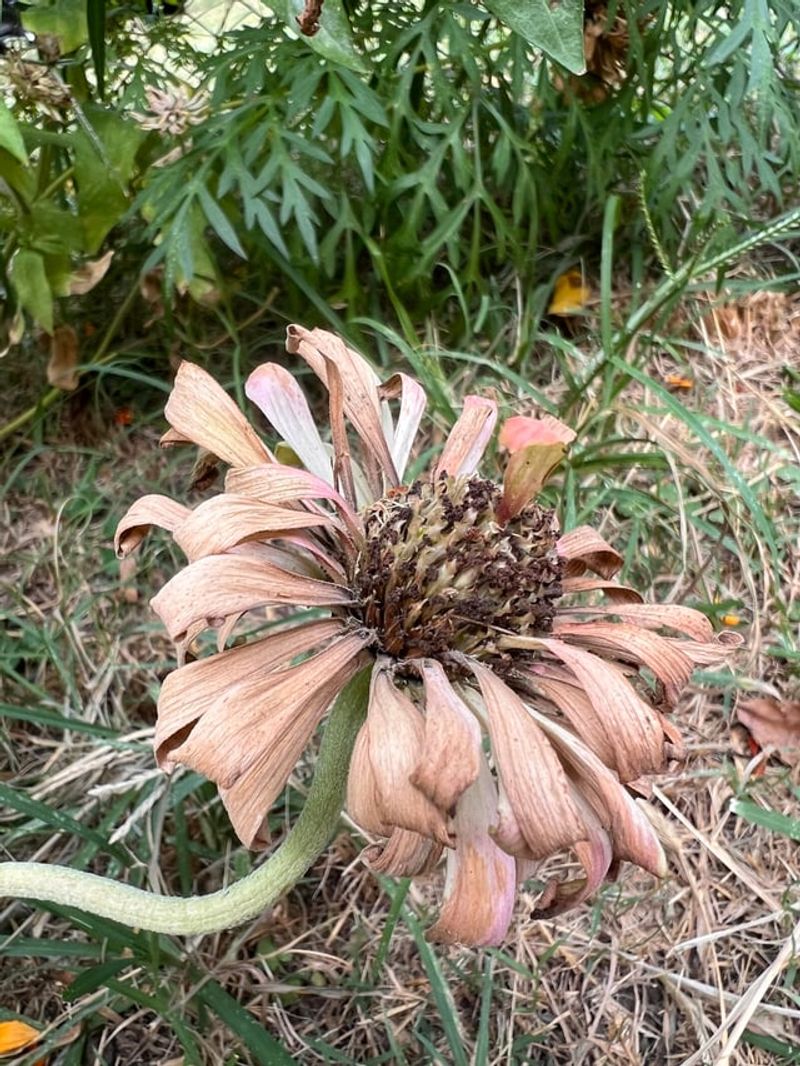
Timing matters most, and your flowers drop plenty of hints if you know where to look. A ready zinnia head turns brown, feels crispy, and loses most of its bright petal color.
Give it a gentle squeeze, and you should hear a soft crunch like stepping on dry leaves. Pull one petal loose, and look for a small heart-shaped seed attached at the very bottom end.
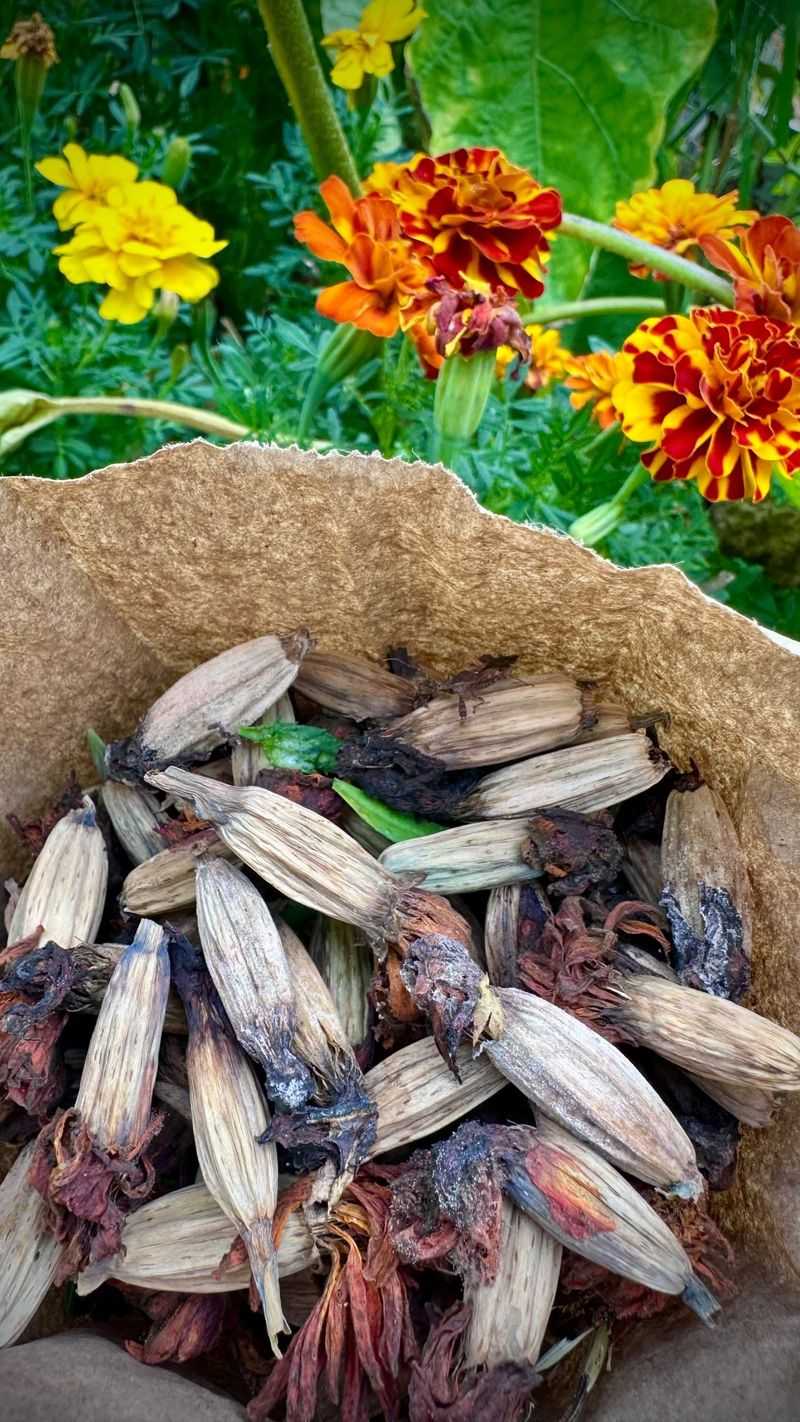
Marigolds work a little differently, since their seeds hide inside a green or tan tube under the petals. Wait until that tube turns brown and dry, then pinch it open to find skinny black seeds with tan tips.
Your Indiana Garden Changes Every Week. Your Plan Should Too.
Gardening in Indiana changes quickly throughout the season. Every Friday you’ll receive a simple weekly plan showing exactly what to plant, prune, fertilize, harvest, and protect so you never miss the right timing.
In Indiana, early October hits the sweet spot, because most summer blooms have had weeks to ripen. The first frost can arrive anytime in October depending on your part of the state, so do not wait too long.
Pick on a sunny afternoon after the morning dew has dried, because wet seed heads can turn moldy. A few dry days in a row give you the best chance at crisp, healthy seeds ready for storage.
Watch the weather app like a hawk, since a rainy week can turn crunchy heads soft and mushy fast. Hungry goldfinches love zinnia seeds too, so you may be racing a few feathered neighbors for the prize.
Leave a handful of heads standing for the birds, since sharing keeps your yard lively all winter. You will likely still have plenty of seeds, plus a front-row seat to cheerful birdwatching.
The Soggy Seed Mistake
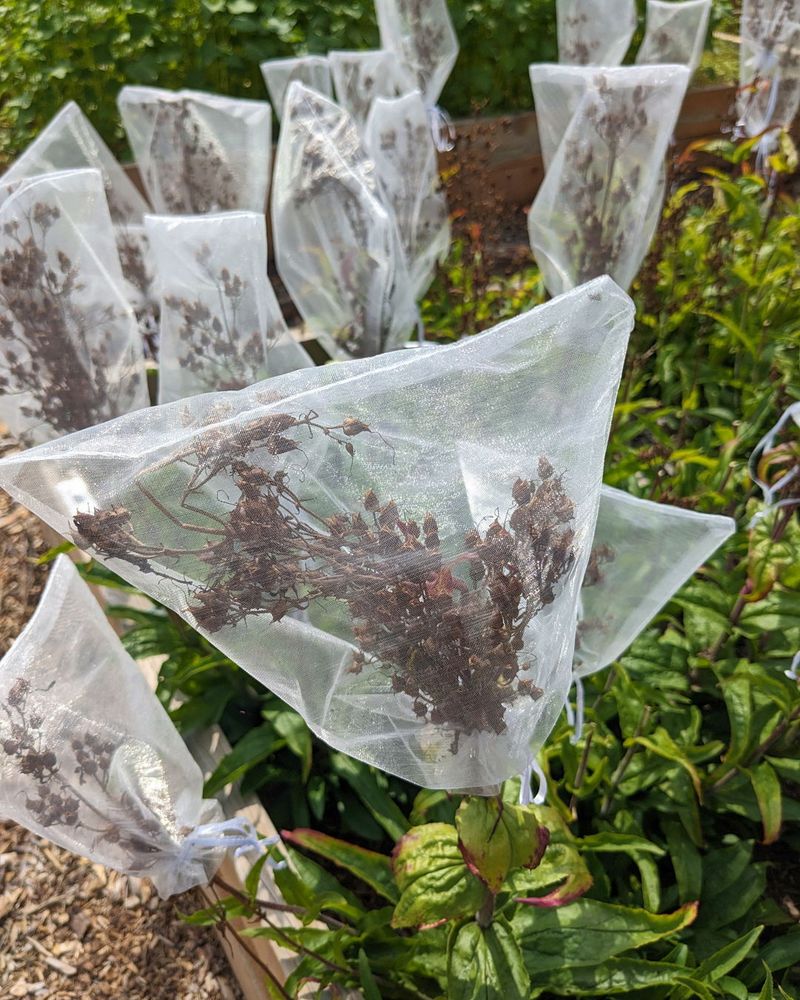
Fresh flower heads sealed in a plastic bag can turn into a fuzzy gray mess within two weeks. Trapped moisture invites mold, and the smell alone tells you the batch is ruined.
Moisture is the biggest troublemaker for saved seeds, and plastic traps it inside the bag. Even heads that look dry on the outside can hold dampness deep in the center near the stem.
Mold spreads quickly in those cozy conditions, and moldy seeds often fail to sprout when spring arrives. Some seeds may even sprout early inside the bag, which wastes them long before planting season begins.
Another common slip is picking heads that still look green or plump, hoping they will ripen indoors. Unripe seeds rarely finish growing once cut, so they stay pale, flat, and unable to grow into plants.
Indiana falls bring foggy mornings and sudden showers, which makes this mistake easier to make than you think. A damp garage or basement can also add moisture to seeds that seemed perfectly fine when you picked them.
Watch out for one sneaky problem with hybrid plants, too, since their seeds may not match the parent. Packets labeled F1 often produce surprise colors or shapes, which can be fun but rarely predictable.
Each of these slips is easy to avoid with a little extra care. Paying attention now helps you avoid a spring of seeds that never sprout.
A Simple Paper Bag Fix
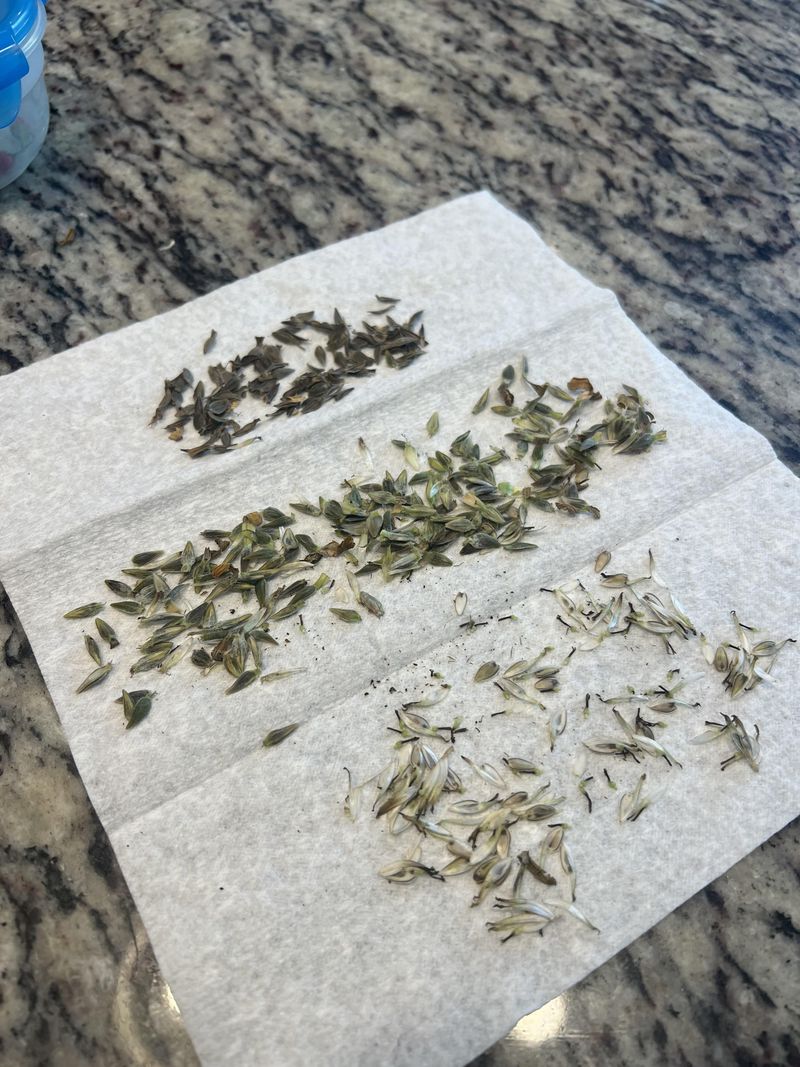
Here is the good part, because the fix costs almost nothing and uses stuff already in your kitchen. Grab a few brown paper lunch bags, a marker, and some old cookie sheets or paper plates.
Snip the crispy flower heads with a short bit of stem, then drop them gently into separate bags. Label each bag with the flower type and color, since seeds from different colors look identical once they dry.
Spread the heads out on plates or trays in a warm, dry room with good air flowing around. A spare bedroom or a sunny windowsill works nicely, while a damp basement usually causes more trouble than help.
Let them rest for one to two weeks, stirring them every few days so air reaches every side. You will know they are ready when the heads crumble easily and the seeds snap instead of bending.
Now comes the satisfying part, rubbing the heads between your palms over a bowl to free the seeds. Gently blow across the bowl to lift away the light, papery bits while the heavy seeds stay put.
Do this outside on a calm day unless you enjoy finding flower fluff in your hair for hours. Kids especially love this step, and it turns into a fun little science lesson about plant parts.
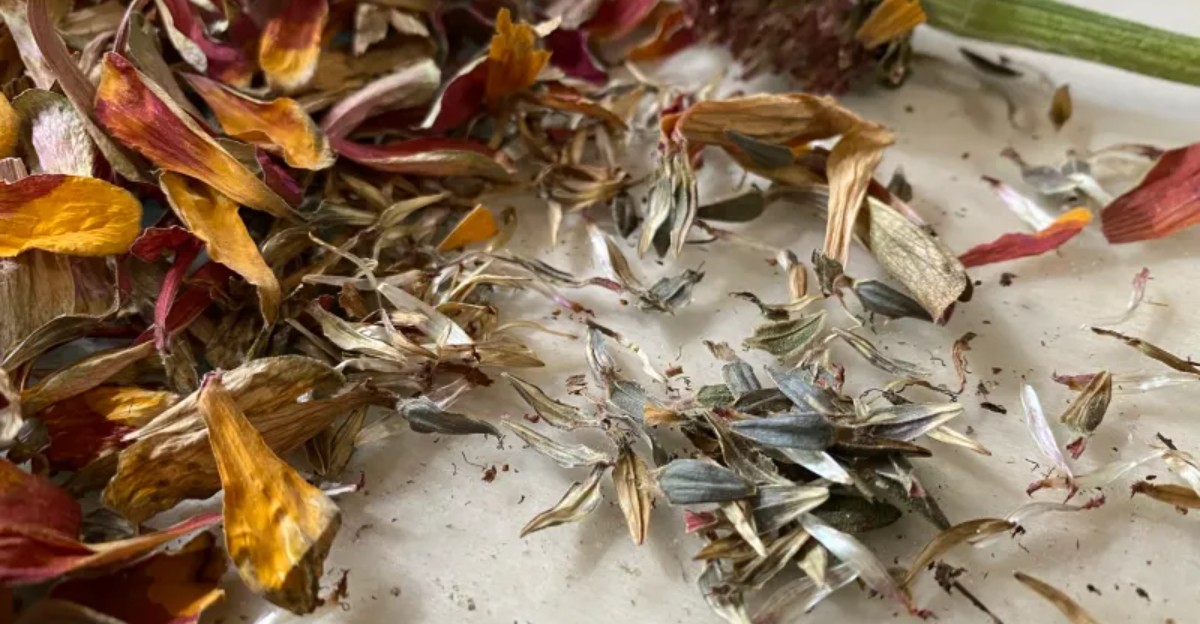
Zinnia seeds look like tiny flat gray hearts, while marigold seeds resemble skinny black needles with pale tufts. Toss out any seeds that look thin, moldy, or hollow, and keep only the plump, firm ones.
A Bright Payoff Next Summer
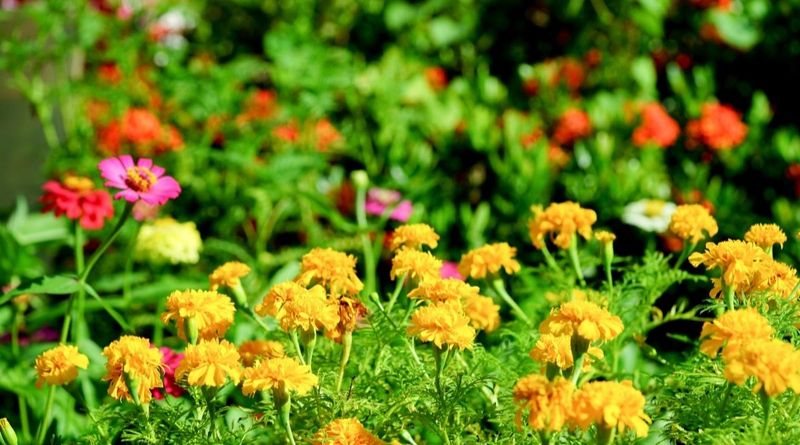
Imagine walking outside next summer and spotting a sea of hot pink, orange, and gold grown from seeds you saved yourself. That is the reward waiting inside the small envelopes you fill on this crisp October afternoon in the garden.
Both flowers rank among the easiest plants to grow from seed, even for kids planting their first garden. In Indiana, sow them outdoors in mid to late May, once the soil feels warm and frost has passed.
Seeds usually sprout within a week, and many zinnias start blooming about two months after planting day. Marigolds keep pace nicely, often showing their first frilly blooms in around seven or eight weeks.
Saved seeds also give you plenty to experiment with, so you can fill borders, pots, and empty corners. Tuck marigolds near tomatoes and peppers, since many gardeners believe their strong scent helps confuse some pests.
Zinnias bring the pollinator party, pulling in butterflies, bees, and even hummingbirds on hot, sunny afternoons. Monarchs passing through Indiana on their long trip south love a sip from bright zinnia blooms.
Cut flowers become a fun bonus too, since zinnias produce more blooms the more often you snip them. Fill a mason jar for the kitchen table, and you have a free bouquet worth bragging about.
Extra seeds make thoughtful gifts for friends, teachers, and neighbors who admired your yard this past season. Pop them in small labeled envelopes, and they are ready to hand out.
Smart Storage Over The Indiana Winter
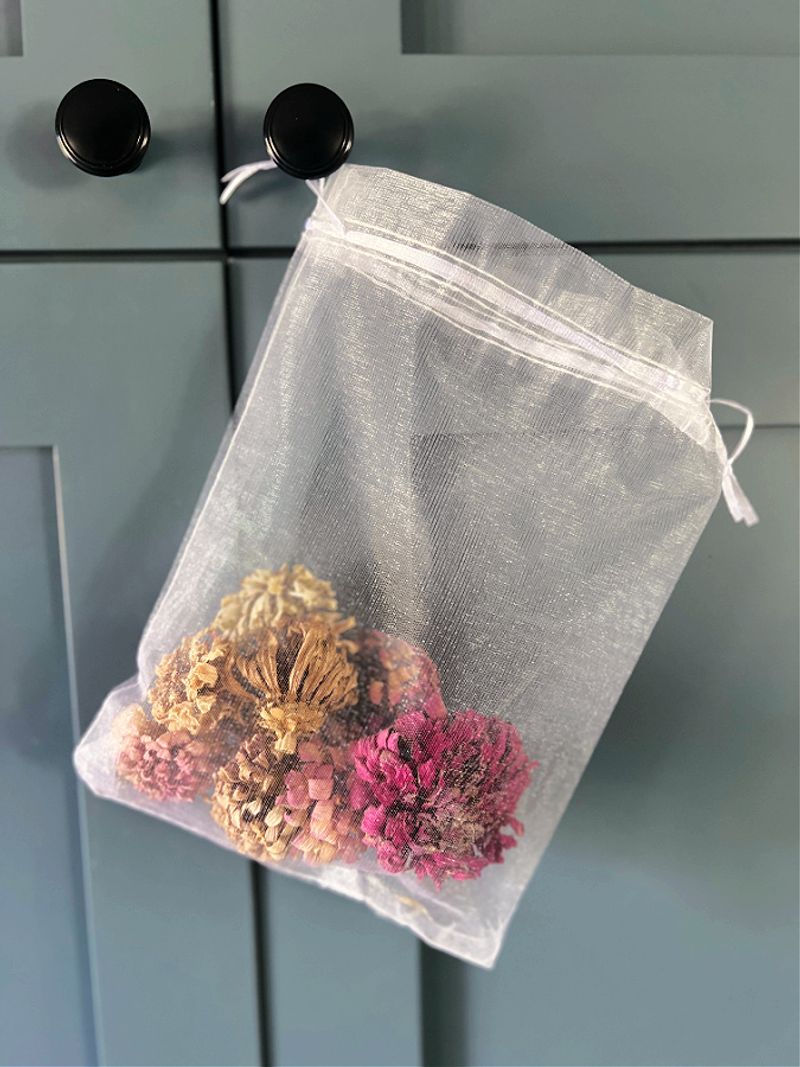
Seeds are a lot like sleepy bears in winter, resting best somewhere cool, dark, and dry. Give them the right bedroom, and they will wake up ready to grow when warm weather returns.
Paper envelopes or small glass jars work well, as long as the seeds are fully dry first. Write the flower name, color, and date on each one, because your memory fades faster than you think.
Toss a small packet of silica gel or a spoonful of dry rice into jars to soak up moisture. Those little packets from shoe boxes and vitamin bottles work great, so start saving them now.
Indiana winters swing between freezing cold and surprise warm spells, so steady temperatures matter a lot. A closet shelf or a spot in the refrigerator keeps seeds calm, while garages and sheds swing too much.
Stored this way, zinnia and marigold seeds often stay healthy for three years or even a little longer. Still, fresher seeds sprout best, so plan to use most of this batch next spring in your beds.
Around March, try a quick test by rolling ten seeds in a damp paper towel inside a baggie. Count how many sprout after a week, and you will know whether to plant thickly or thinly.
Let a few blooms finish in your yard each fall, and you can gather fresh seed again next year. It becomes a cozy tradition, much like raking leaves or carving pumpkins when October rolls around again.