These Pennsylvania Native Shrubs Recover Fastest After A Hard Summer
Pennsylvania summers aren’t supposed to feel like a desert. Yet lately, many of them have brought long heat waves, weeks without rain, and lawns that turn brown by August.
Shrubs feel that stress, too. Leaves curl, edges scorch, and some plants drop foliage early just to hang on. It’s enough to make any gardener worry about what’s left once fall arrives.
Native shrubs, however, have a big advantage. They’ve weathered dry spells and scorching summers in this region for thousands of years.
Their roots tend to spread wide and deep, and many of them know how to slow down, save energy, and wait for better conditions. When cooler weather and steady rain return, they respond quickly.
Not every native rebounds at the same pace, though. A few bounce back so fast you might forget they ever struggled.
1. Ninebark
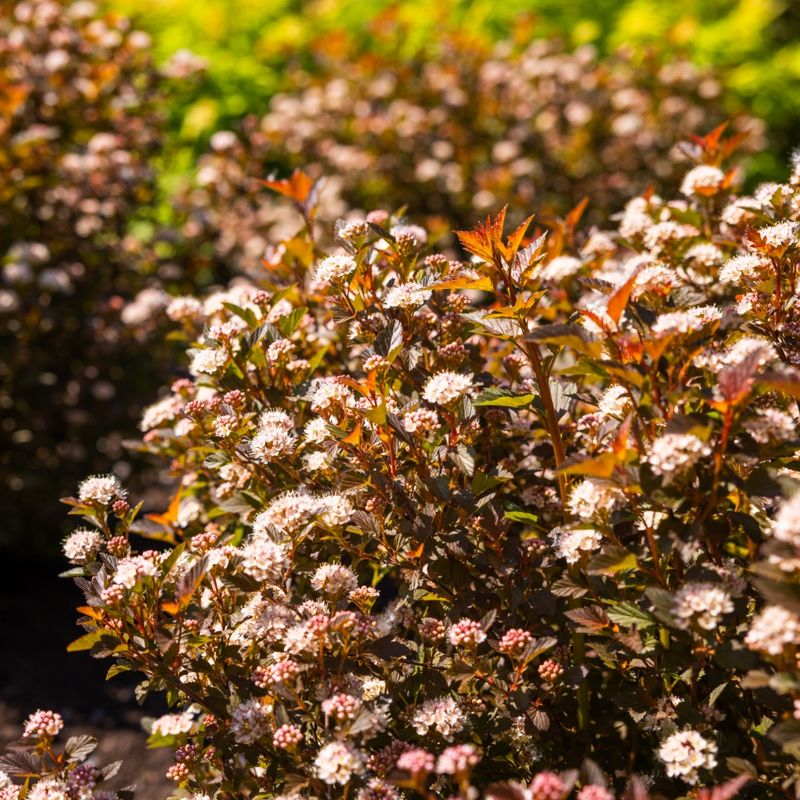
Some plants sulk after a tough season, but ninebark just shrugs and starts over. Gardeners love it for that stubborn spirit. It is one of the toughest native shrubs you can find in Pennsylvania.
The name comes from its peeling bark. Older stems shed in thin, papery strips, and people once joked that it had nine layers. That flaky bark adds nice texture in winter when the leaves are gone.
Once its roots are settled, ninebark handles heat, dry spells, and poor soil with ease. You might notice some brown edges on the leaves in a hot August. It may even drop a few leaves early. Do not panic, because that is just the plant saving energy.
Come spring, fresh green or purple leaves pop out like nothing happened. In late spring, round clusters of tiny white or pinkish flowers appear. Bees and other pollinators visit them often.
Planting ninebark is simple. Pick a spot with full sun to part shade. Water it deeply once a week during its first summer. After that, it can mostly take care of itself.
Many garden centers sell colorful types with dark red or golden leaves. Wild ninebark has plain green leaves, but it is just as tough. Both kinds work well as a hedge, a screen, or a single shrub near the house.
Pruning is easy too. Cut out a few of the oldest stems near the ground every couple of years. That keeps the shrub full and helps it push out strong new growth.
If you want a shrub that forgives your mistakes, ninebark is a smart first choice. It keeps coming back, year after year.
2. Gray Dogwood
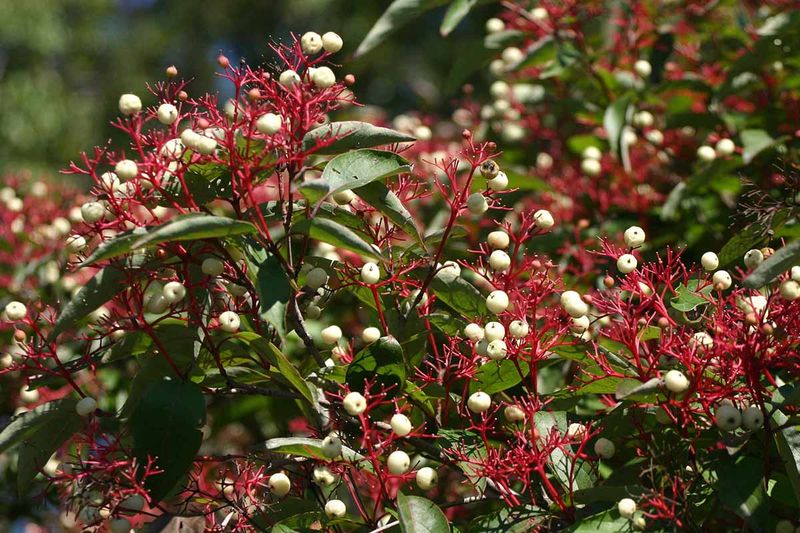
Drive past an old farm field in Pennsylvania and you have probably seen gray dogwood without knowing it. It loves fencerows, field edges, and roadsides. Nobody plants it there, yet it thrives anyway.
That alone tells you how tough it is. Gray dogwood grows in clay, rocky ground, and dry soil. It does not need rich dirt or regular watering once it is established.
After a dry summer, its leaves might curl a bit or look dusty. Still, the shrub rarely suffers lasting harm. Its roots run wide and help it find water deep in the soil.
Your Pennsylvania Garden Changes Every Week. Your Plan Should Too.
Gardening in Pennsylvania changes quickly throughout the season. Every Friday you’ll receive a simple weekly plan showing exactly what to plant, prune, fertilize, harvest, and protect so you never miss the right timing.
One fun trait is how it spreads. Gray dogwood sends up new shoots, called suckers, from its roots. Over time, one plant can become a thick clump.
Some people see that as a problem, but it can be a big plus. A dogwood thicket makes a great natural screen. It also gives birds a safe place to hide and build nests.
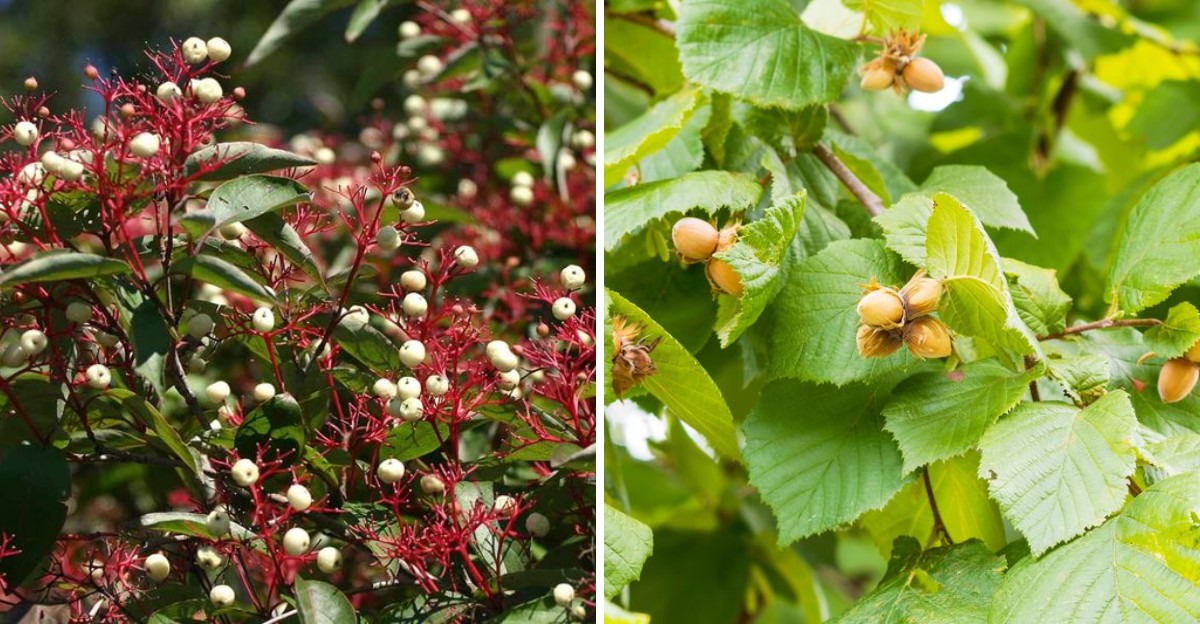
Speaking of birds, they adore this shrub. In late summer, white berries form on bright red stems. Robins, bluebirds, catbirds, and many others gobble them up before fall migration.
Gray dogwood also blooms in late spring with flat clusters of creamy flowers. Butterflies and small bees stop by for a snack. In fall, the leaves turn a soft reddish purple.
If you want to control its size, mow or clip the suckers you do not want. Plant it where it has room to roam, like a back corner or slope. Give it sun or part shade, and it will reward you for years.
3. Staghorn Sumac
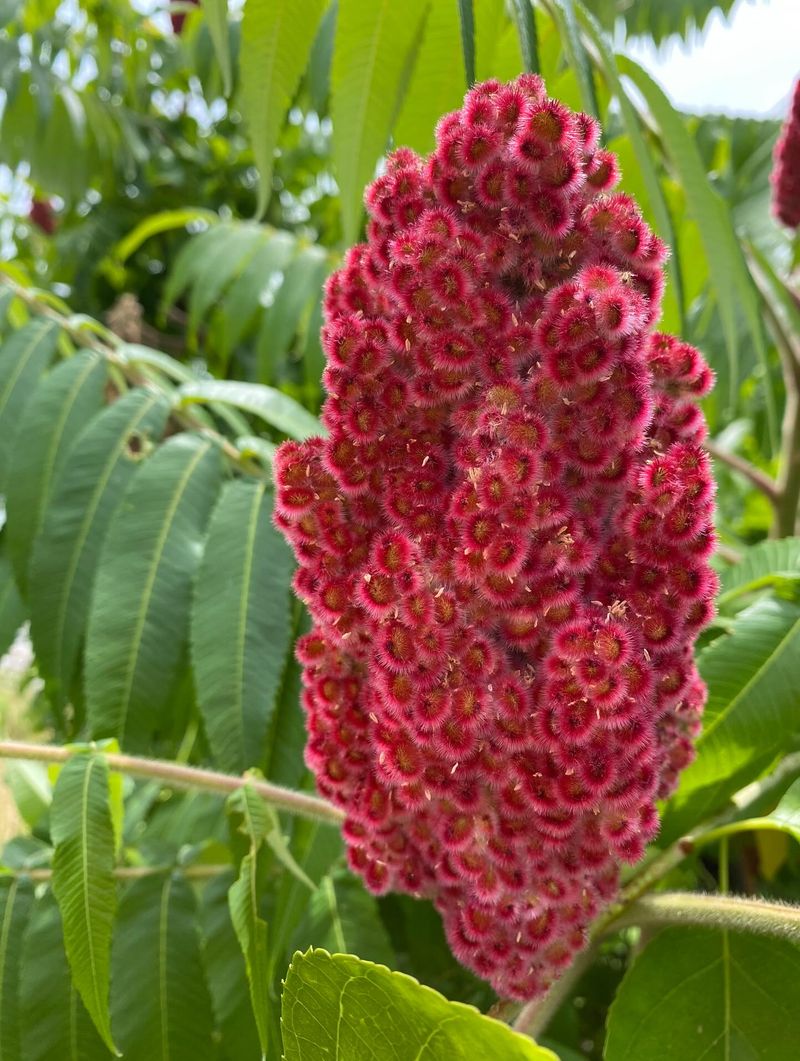
Ever tried to grow something on a dry, rocky slope and given up? Staghorn sumac would happily move in. It actually seems to enjoy places where other plants struggle.
The name comes from its fuzzy young branches. They feel soft and velvety, just like the antlers of a young deer. Kids often love running their hands along them.
Hot summers barely slow this shrub down. It grows in thin, poor soil and full sun along highways and old fields. A dry July might make its leaves droop for a day or two, but it perks right back up.
The real show starts in fall. Its long, feathery leaves turn bright red, orange, and gold. On a sunny October day, a patch of sumac almost looks like it is glowing.
Then there are the fruit clusters. They stand upright like cone-shaped torches, covered in fuzzy red berries. They stay on the branches all winter and feed birds when food gets scarce.
Here is a cool bit of history. Native Americans and early settlers soaked the berries in cold water to make a tangy pink drink. Some people still call it sumac lemonade today.
Staghorn sumac can get big and spreads by roots, so give it space. It works great for slopes, banks, and wild corners. Its roots help hold soil in place and stop erosion.
One quick tip: do not confuse it with poison sumac. Poison sumac grows in wet swamps and has white berries that hang down. Staghorn sumac has red, upright fruit and is perfectly safe to touch.
4. Fragrant Sumac
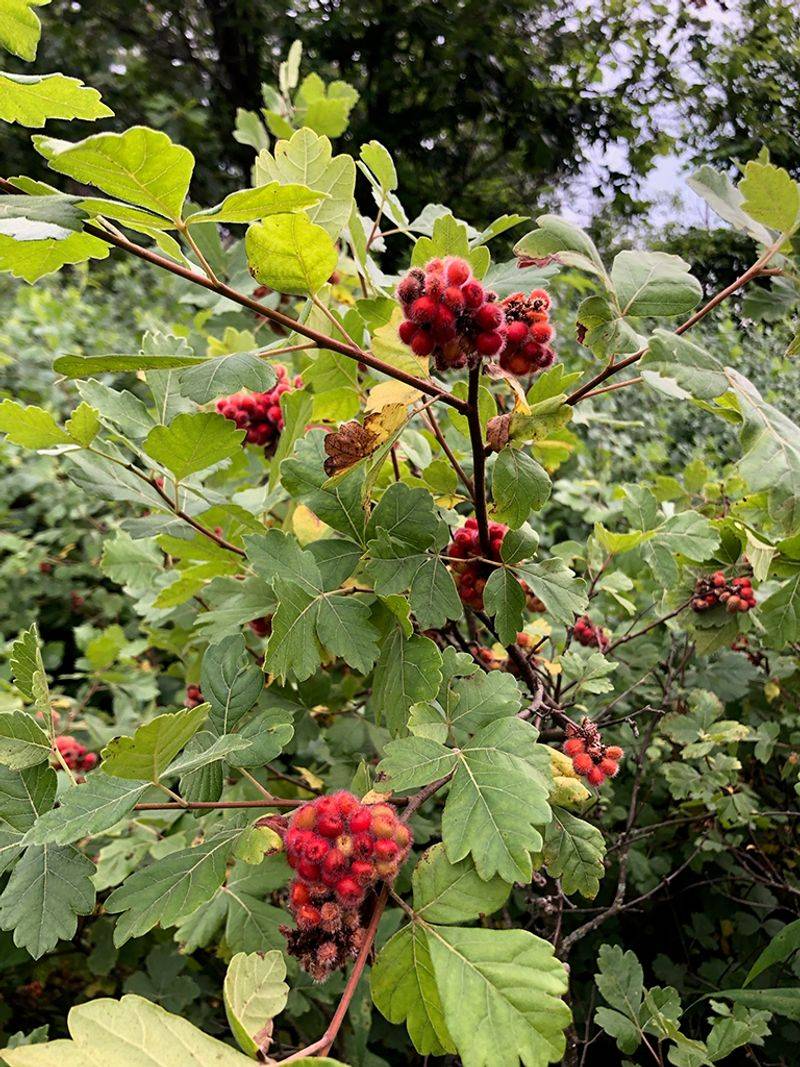
Brush your hand across fragrant sumac, and you will catch a spicy, lemony smell. That scent is the first surprise this little shrub offers. There are plenty more where that came from.
Unlike its tall cousin, fragrant sumac stays low and wide. Most plants reach about two to six feet tall. Some varieties stay under two feet and spread like a thick carpet.
That shape makes it a great pick for slopes and rocky banks. It loves dry ground and laughs off summer heat once settled. Even after weeks without rain, it usually looks fresh by early fall.
Spring starts early for this plant. Tiny yellow flowers appear before the leaves even open. They are small, but they give early bees a welcome meal.
By summer, fuzzy red berries form in small clusters. Birds like thrushes and flickers eat them. The berries also have a sour taste, and some people use them for tea.
Fall is when fragrant sumac really shines. The leaves change to orange, red, and deep purple. A big patch of it can look like a colorful quilt on the ground.
Each leaf has three leaflets, which worries some folks. It looks a little like poison ivy, but it is harmless. Poison ivy has white berries, while fragrant sumac has red ones.
To grow it, choose full sun or light shade. Water often during the first season so the roots grow deep. After that, you can mostly leave it alone, which makes it a lazy gardener’s dream.
5. American Hazelnut
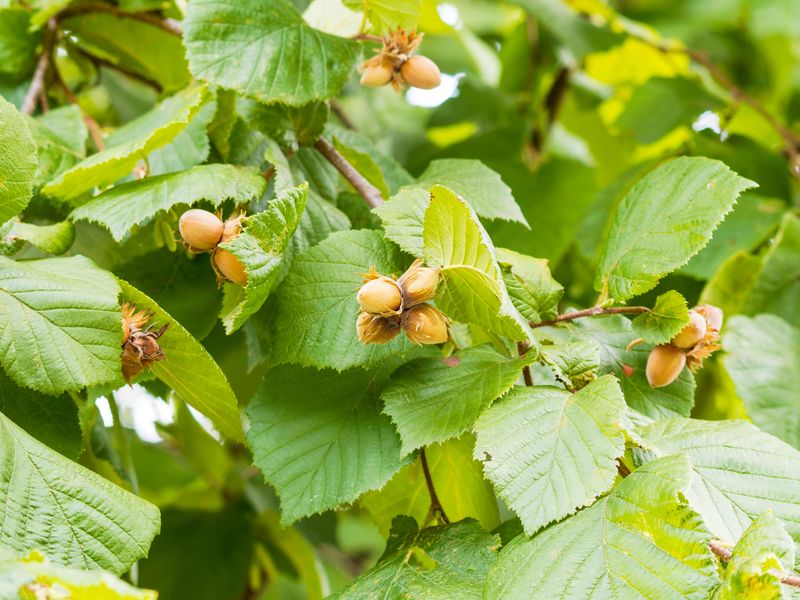
Back in colonial days, families gathered wild hazelnuts from the edges of Pennsylvania forests. The small nuts were sweet and filling. Today, the same shrub still grows wild across the state.
American hazelnut is a multi-stemmed shrub that usually grows eight to twelve feet tall. It looks full and bushy, almost like a big green fountain. It fits nicely at the edge of a yard or along a wooded border.
This plant is very adaptable. It grows in full sun or part shade and handles many soil types. After its first couple of years, it also manages dry spells well.
A hot summer may cause a few yellow leaves or early leaf drop. That is normal and nothing to worry about. Next spring, fresh leaves arrive right on schedule.
In late winter, long dangling catkins appear on the branches. These are the male flowers, and they shake pollen into the wind. Tiny red female flowers are hard to spot, but they become the nuts.
Here is a helpful tip. Plant at least two hazelnut shrubs near each other. They pollinate better that way, and you will get many more nuts.
The nuts ripen in late summer inside frilly green husks. Blue jays, squirrels, turkeys, and chipmunks race to grab them. If you want some for yourself, you may need to pick fast.
Fall brings soft shades of yellow, orange, and red to the leaves. Prune old stems every few years to keep it healthy. With very little effort, you get a shrub that feeds both people and animals.
6. New Jersey Tea
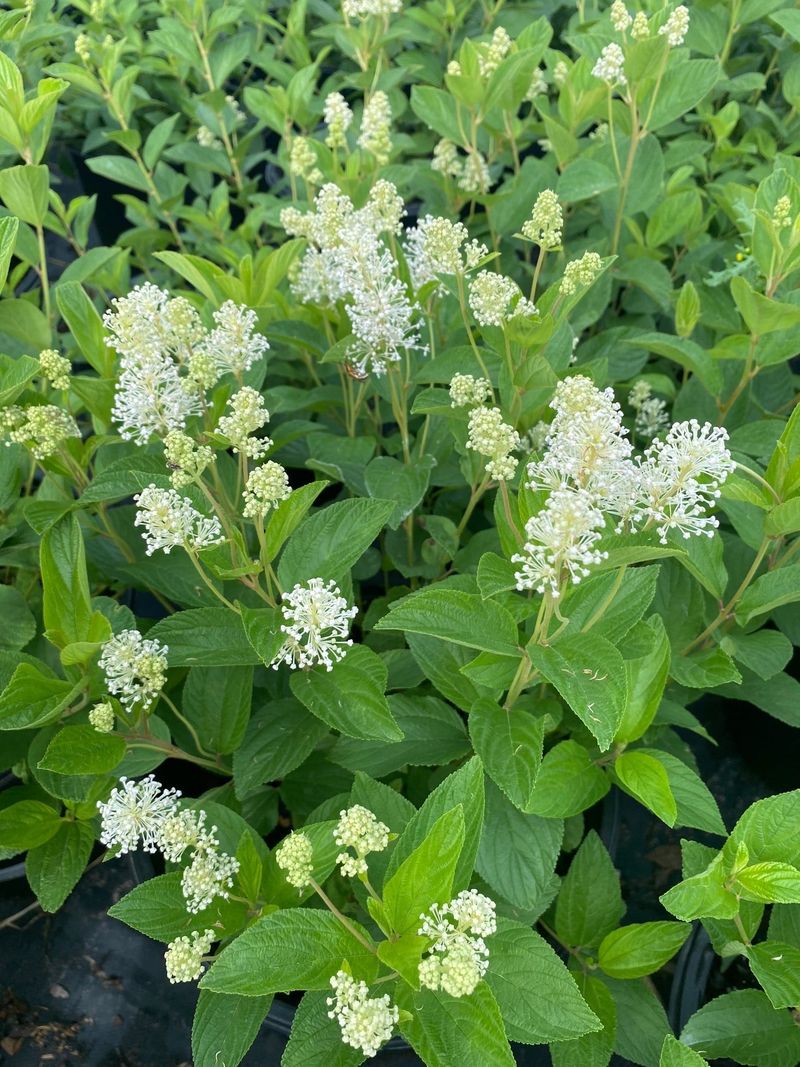
During the American Revolution, colonists refused to drink British tea. So what did they brew instead? Many of them steeped the leaves of a little native shrub called New Jersey tea.
Despite its name, this plant grows well in Pennsylvania too. It is short and tidy, usually just two to three feet tall. That makes it perfect for small yards and front garden beds.
The secret to its toughness is hidden underground. New Jersey tea grows a thick, deep root system. Some roots stretch several feet down into the soil.
Those deep roots act like a water bank during long dry periods. While other plants wilt, this one keeps going. When cooler weather returns, it settles right back into its normal routine.
In early summer, it bursts with fluffy clusters of tiny white flowers. They look like little puffs of popcorn sitting on top of the leaves. Bees, butterflies, and helpful wasps flock to them.
Gardeners who love pollinators should put this shrub at the top of their list. It supports a huge number of insects. Some small butterflies even lay their eggs on it.
There is one catch. Because of those deep roots, New Jersey tea does not like to be moved. Pick its spot carefully and plant it young.
Give it full sun or light shade and soil that drains well. Rocky or sandy ground is just fine. Water it during its first year, then step back and let it do its thing, because too much fussing can actually hold it back.
7. Shrubby St. John’s Wort
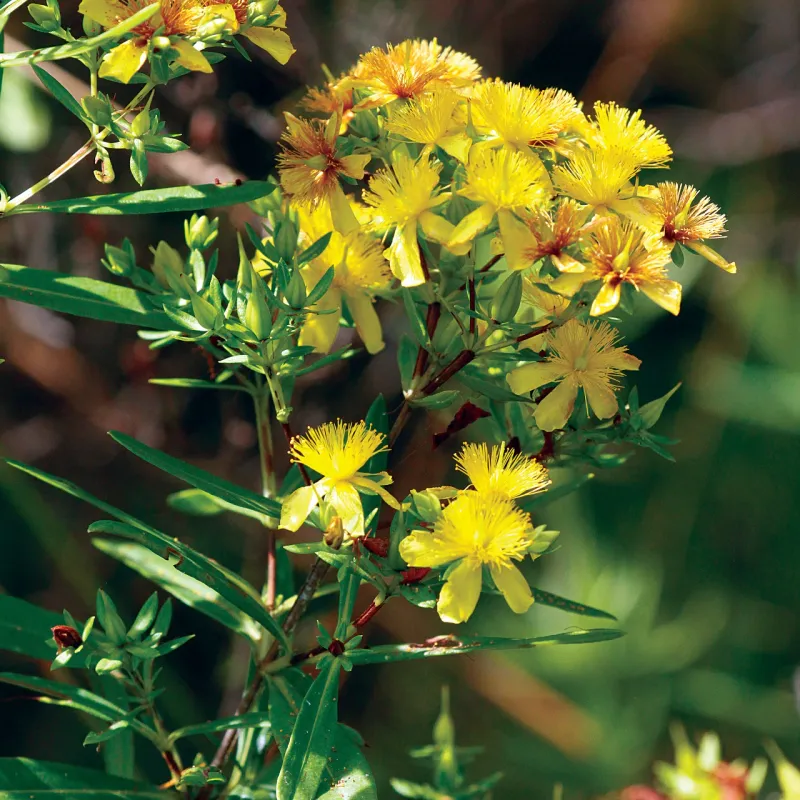
Bright yellow flowers in the middle of a scorching July? That is exactly what shrubby St. John’s wort delivers. It blooms when many other plants are taking a break.
Each flower is about an inch wide with five golden petals. The center holds a puff of long, fuzzy stamens that look like a tiny burst of fireworks. Bumblebees love to roll around in them.
This shrub is made for tough, sunny places. It grows well in dry, rocky soil and handles heat like a champ. Hot sidewalks, sunny slopes, and gravel beds are all fair game.
It also stays compact, usually about three to four feet tall and wide. You will not need to prune it often to keep it in shape. That makes it great near patios, mailboxes, and walkways.
After a hard summer, the plant may look a little scraggly. Just trim off any brown tips in late winter. Fresh growth will fill in quickly once spring arrives.
The narrow leaves have a soft blue-green color. They add a cool look even when the plant is not blooming. In winter, the reddish brown bark peels a bit and adds interest.
A fun fact: the name comes from St. John’s Day in late June. That is around the time many of these plants begin to flower. People in Europe once hung related plants over doors for good luck.
Plant this shrub in full sun for the most flowers. Make sure the soil drains well, since soggy roots cause trouble. Then sit back and enjoy a cheerful splash of yellow all summer long.