Why Mulch Gets Blamed For Scab-Infected Apple Leaves On Michigan Lawns
Each October in Michigan, the yard turns into a crunchy carpet of fallen leaves. Most of us rake a little, shrug a lot, and let the rest melt away slowly.
Some of those leaves hide tiny freeloaders that plan to spend all winter living rent free. They look harmless, just brown and curled, with a faint smell of damp earth and rain.
Gardeners often blame mulch for backyard problems, as if wood chips were the neighborhood troublemakers all along. Mulch gets side-eye, yet the real culprit sits quietly on the lawn, looking soggy and innocent.
Michigan winters are long and gray, which gives these hidden guests plenty of time to prepare. By the time snow melts, they are packed, ready, and eager to cause trouble in your trees.
Fallen Foliage Holds Far More Spores Than Mulch Does
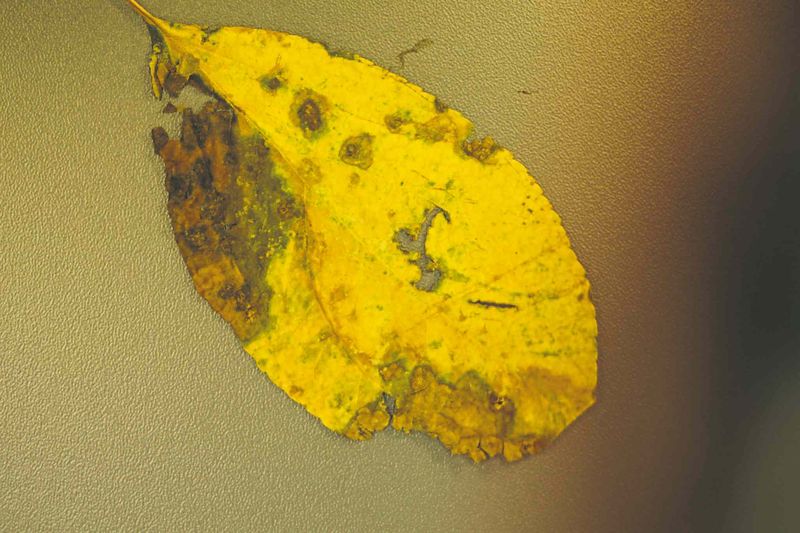
Picture a single brown leaf resting on your lawn, looking about as threatening as a wet paper napkin. If that leaf came from an apple tree with scab, it may carry thousands of tiny fungal structures.
Apple scab is caused by a fungus called Venturia inaequalis, and it mostly lives inside infected leaf tissue. Wood chip mulch, on the other hand, rarely hosts this fungus because the fungus needs apple leaves.
Many Michigan homeowners worry that mulch under trees spreads disease, so they rake it away each fall. Meanwhile, the scabby leaves stay put on the grass, which is a bit like locking the wrong door.
Research shows that infected fallen leaves are the main source of spores that start spring infections. Clean mulch usually plays a much smaller role, as long as it does not contain shredded apple foliage.
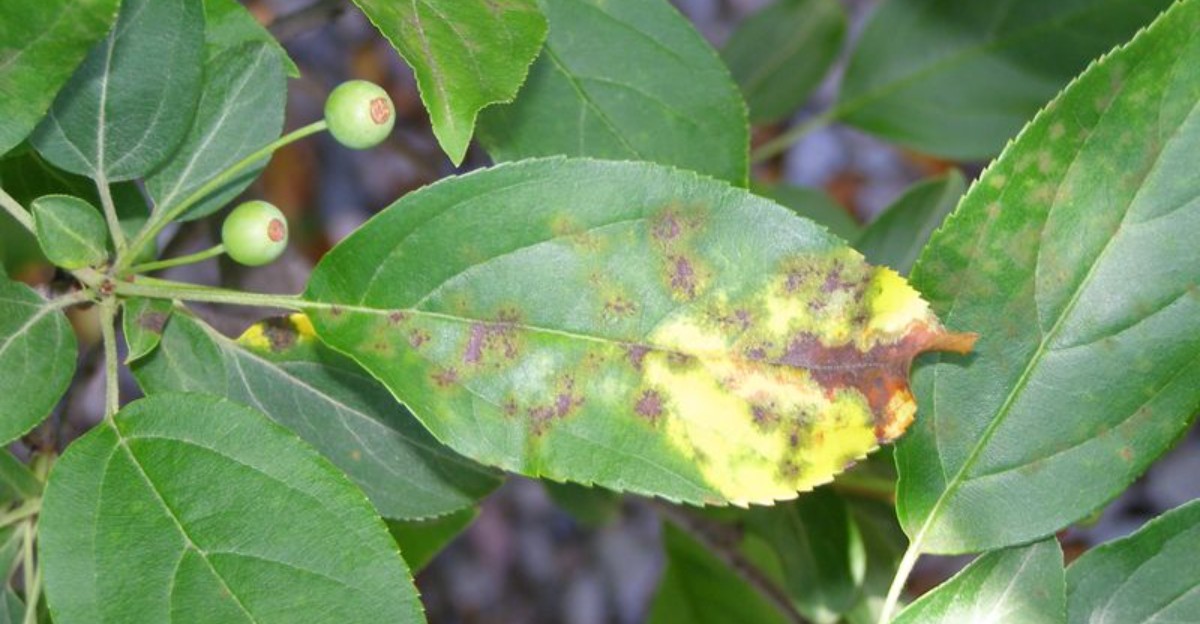
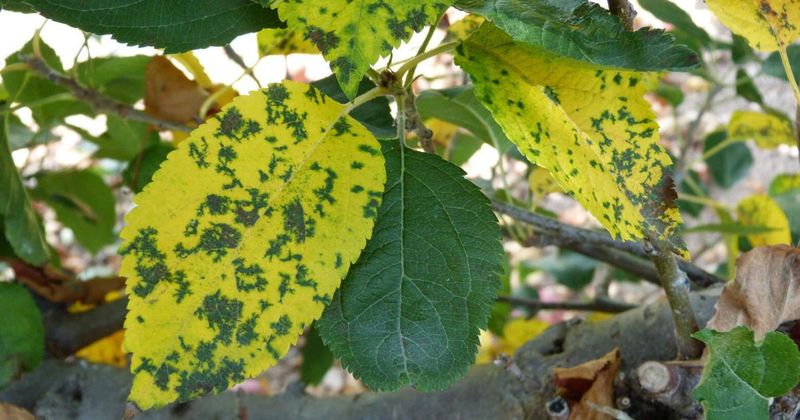
Try a simple check this week by looking closely at a few leaves under your apple tree. Olive green or dark velvety blotches on the leaf surface are classic signs that scab was present.
Those blotches may look faded by October, but the fungus inside is simply resting, not gone. Leaving them on the lawn gives the fungus a cozy bed for the long, cold months ahead.
So before you blame the mulch, give those leaves the suspicious glance they truly deserve this fall. Your trees will thank you next year with cleaner leaves and fruit that looks far more appetizing.
The Winter Survival Cycle Inside Rotting Leaves
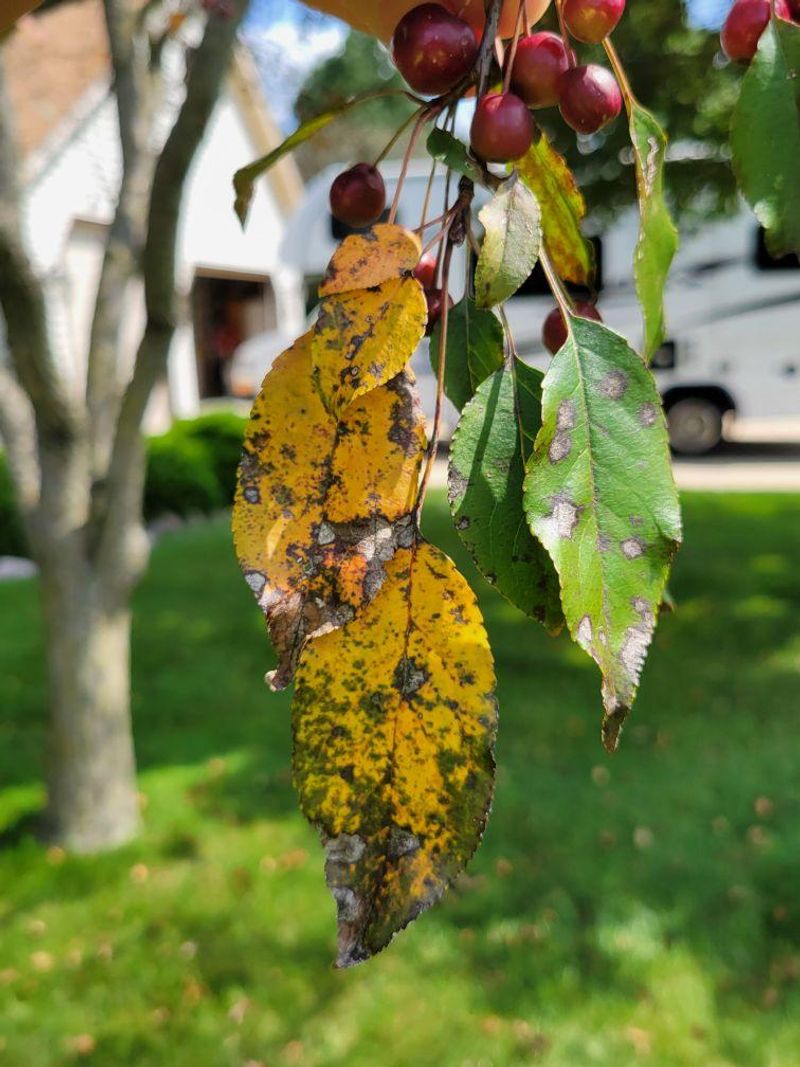
Think of a scabby leaf as a tiny winter cabin where the fungus settles in until spring arrives. Once the leaf hits the ground, the fungus switches from its summer form into a slower survival mode.
During late fall and winter, it builds small, flask-shaped structures called pseudothecia inside the leaf tissue. Each structure slowly fills with sacs of ascospores, which are the spores that start new infections later.
Snow cover can keep leaves damp and protected from drying winds, which supports spore development over winter. Michigan’s cool, damp springs favor infection, which is one reason scab is common in the state.
The fun part, if you like science, is that the fungus times its development to match apple buds. Spores often mature right when green tips appear on branches, which is a remarkably sneaky bit of timing.
Your Michigan Garden Changes Every Week. Your Plan Should Too.
Gardening in Michigan changes quickly throughout the season. Every Friday you’ll receive a simple weekly plan showing exactly what to plant, prune, fertilize, harvest, and protect so you never miss the right timing.
Leaves that break down fully before spring carry far fewer spores, because the fungus loses its home. Earthworms, microbes, and moisture all help speed up that breakdown when leaves are shredded into small pieces.
Whole leaves lying in a thick mat, though, decay slowly and keep the fungus snug for months. That slow decay is exactly what gives scab its head start when the weather turns warm again.
Breaking this cycle in October is one of the easiest ways to lower disease pressure next year. Clear the leaves now, and the fungus will have nowhere cozy to spend the long snowy months.
Michigan Spring Rains That Launch The First Infection
Imagine a cool April morning, raindrops tapping on the roof, and invisible spores shooting into the air. That scene plays out across Michigan orchards and backyards almost every year, and it starts with fallen leaves.
When spring rain soaks the old leaves, the spore sacs swell and forcefully eject ascospores upward. Wind then carries those spores to fresh, tender leaves and blossoms that have just opened on the tree.
Scientists use something called a Mills period to predict when infection is likely to happen on trees. It combines temperature with the number of hours that leaves stay wet after a rain shower.
For example, around sixty degrees, leaves may need only about nine hours of wetness for infection to begin. Michigan springs often bring drizzly days, so these infection windows open fairly often.
Every primary infection then creates new spots that release summer spores, called conidia, onto nearby leaves and fruit. Those secondary infections keep spreading through the season, which is why early spring control matters so much.
You cannot control the rain, but you can reduce how many spores are waiting when it falls. Fewer leaves on the ground in October means a weaker spore launch when those April showers arrive.
Studies suggest that good leaf sanitation can cut spore numbers by up to eighty percent in many backyard settings. That is a big win for a few hours of raking on a crisp fall afternoon.
Lawn Spots Where Infected Leaves Pile Up Fastest
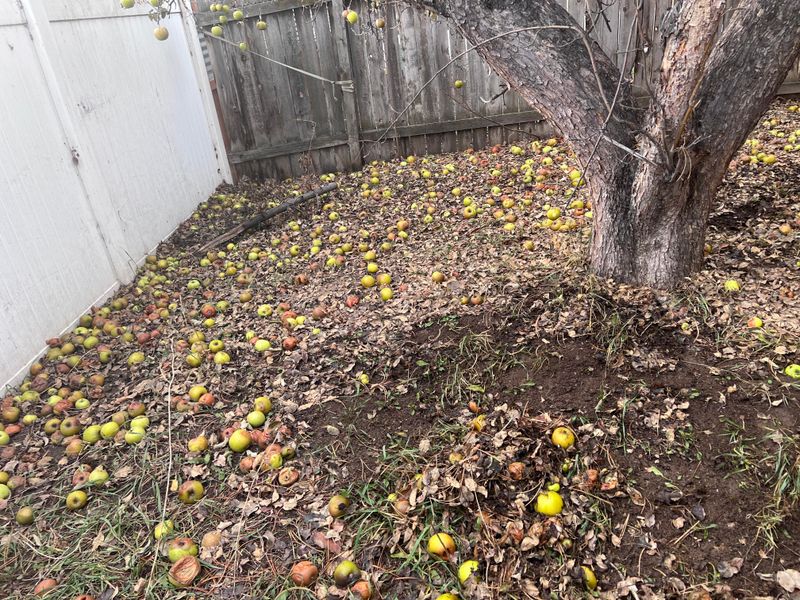
Leaves have favorite hangout spots, just like teenagers at a mall, and they rarely spread out evenly. Knowing where they gather helps you focus your cleanup effort where the fungus is most concentrated this October.
The area beneath the tree canopy, especially around the drip line, usually collects the thickest layer. Leaves land there first, and they often stay damp longer because the branches block sunlight and breezes.
Fences, garden beds, and the corners of buildings act like nets that trap blowing leaves in drifts. Michigan fall winds often push leaves from the west, so check the eastern side of these barriers.
Low spots in the yard are sneaky, too, since water pools there and keeps leaf piles soggy. Soggy leaves are exactly what the scab fungus loves while it develops spores over the cold season.
Window wells, downspout areas, and the spaces beneath shrubs can hide surprising amounts of foliage too in many yards. Walk your property slowly after a windy day and note where the crunchiest piles seem to form.
A quick sketch on paper, or a few phone photos, makes it easier to remember these zones. Next fall you can head straight to the trouble areas instead of wandering around with a rake.
Neighbors’ trees count as well, since their leaves happily cross property lines without asking permission first. A friendly chat about shared cleanup can make the whole street healthier for fruit and a lot tidier.
Cleanup Methods That Work For Michigan Lawns
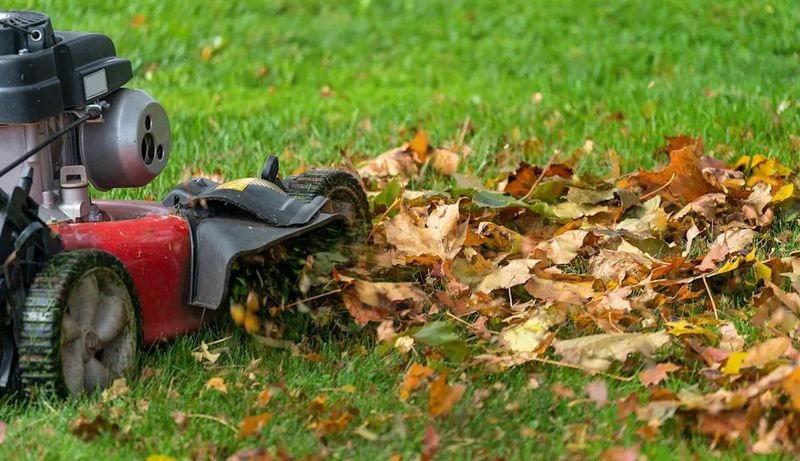
Grab your rake, mower, or leaf vacuum, because there is more than one smart way to handle scabby leaves. The best choice depends on your yard size, your energy level, and how many trees you have.
Mulching mowers are a favorite option, chopping leaves into tiny bits that break down quickly in the grass. Mow over the leaves two or three times so the pieces are about the size of a dime.
Raking and bagging works well for heavy piles, especially in spots where leaves are thick and wet. Many Michigan cities offer curbside yard waste pickup in fall, so check your local schedule for dates.
Michigan law bans yard waste from regular landfill trash, so use paper yard bags or approved bins. Composting is another solid choice, as long as the pile gets hot enough to break leaves down fast.
Turn the compost every few weeks and cover any infected leaves with a layer of fresh material. Some gardeners also spray fallen leaves with a urea solution in late fall to speed up decay.
Michigan State University Extension notes that a five percent urea spray can noticeably reduce spore production. Follow label directions carefully, and keep the spray away from ponds, streams, and storm drains nearby.
Mixing methods often works best, like mowing open lawn areas and raking the soggy corners by hand. Pick what fits your weekend, put on some music, and turn cleanup into a satisfying fall ritual.
Fall Timing Tips That Protect Next Year’s Fruit
Timing matters more than most people expect, and early October is a sweet spot for apple tree care. Leaves are starting to drop across Michigan, and the fungus has not yet built its winter spore structures.
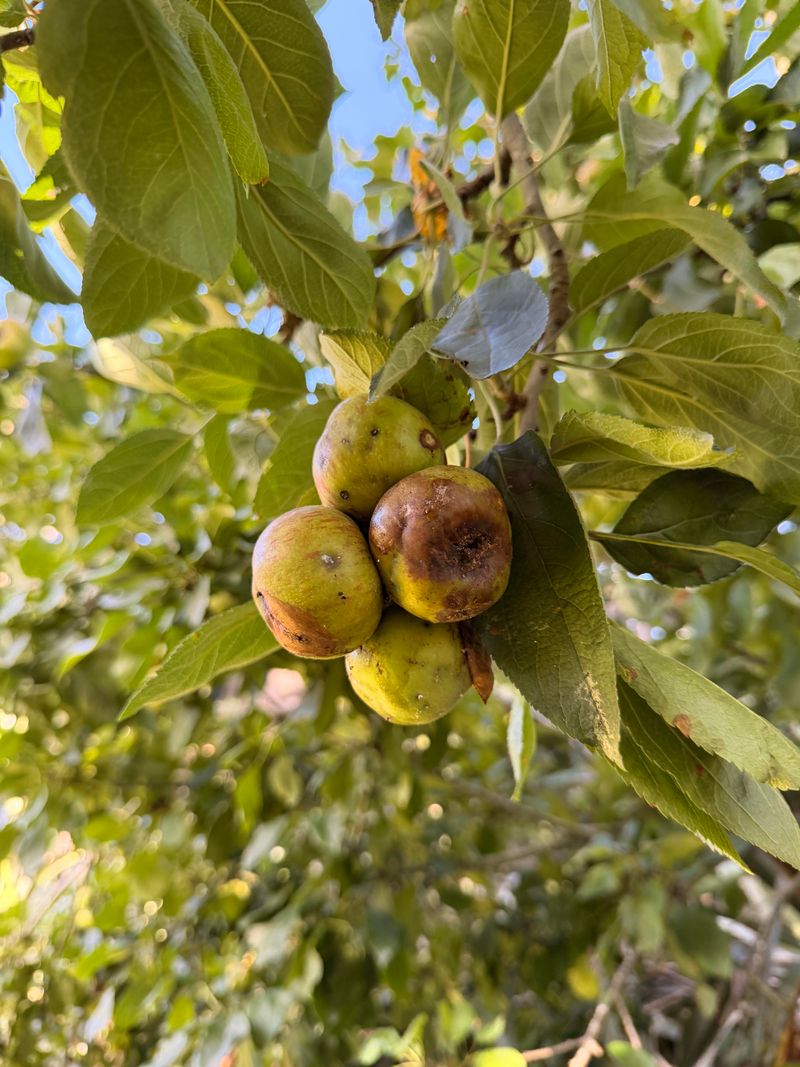
Begin by picking up any fallen fruit, especially apples with dark, cracked, or corky scab spots. Rotting fruit attracts wasps and rodents, and removing it makes later leaf cleanup much easier and cleaner.
Plan several cleanup sessions instead of one giant day, since leaves fall gradually over three or four weeks. A quick weekly pass keeps piles small, and small piles are much easier to shred or bag.
Try to finish the main cleanup before the first lasting snow, which often arrives in November up north. Leaves trapped under snow often stay moist through winter, giving the fungus a comfortable place to mature.
If you plan a urea spray, apply it soon after most leaves drop but before the ground freezes. Fall is also a great time to jot down which trees struggled most with scab this year.
If an older tree battles scab every season, consider planting resistant varieties like Liberty, Enterprise, or Freedom. Some local nurseries carry these trees in fall, and the cool weather helps roots settle in.
A little effort now pays off later with cleaner leaves, healthier branches, and prettier apples on display. Future you, biting into a crisp, spotless apple next fall, will be very glad you grabbed that rake.