The Best Low-Growing Plants For Michigan Walkways That Always Stay Tidy
A walkway border in a Michigan yard has one job. Look good, stay low, and not turn into a project that needs dealing with every other weekend.
That is not too much to ask, and yet the wrong plant choices make it feel that way constantly. Too tall and the path starts disappearing into greenery by July.
Too aggressive and suddenly the whole border is one sprawling situation that no amount of edging can fully fix. The good news is that low-growing plants can do this job beautifully when matched to the right conditions.
Sun exposure, soil moisture, and the overall look you are going for narrow the options down quickly, and Michigan gardeners actually have some genuinely great candidates to work with.
1. Creeping Thyme Keeps Sunny Paths Looking Neat
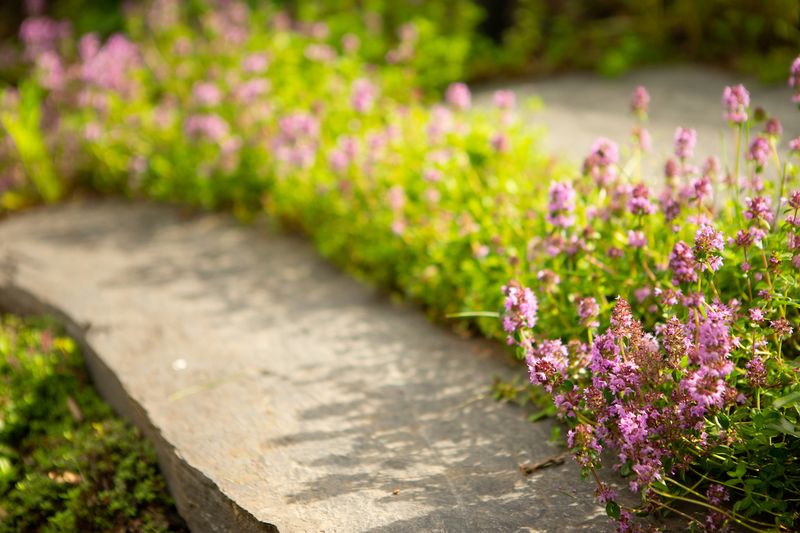
Along a sun-baked front walkway in Michigan, creeping thyme earns its place by staying low, spreading steadily, and asking for very little in return.
It rarely grows taller than three inches, which means it sits right at the edge of pavers without flopping over or crowding the path.
That naturally compact form is a big part of why it works so well in tidy residential settings.
Creeping thyme thrives in full sun and prefers well-drained soil, which makes it especially well-suited to the kind of sandy or gravelly ground that sometimes runs alongside concrete or brick paths.
It handles dry spells without much complaint, and in summers, that kind of drought tolerance is genuinely useful.
Once it settles in, it needs very little watering or feeding to stay looking good.
One of the more charming things about this plant is that it produces small clusters of pink or purple flowers in early summer, adding a soft color accent along the path edge without looking fussy or overdone.
After the blooms fade, the dense foliage continues to look tidy through the rest of the season.
Foot traffic near the edge does not seem to bother it much, and some gardeners even plant it between stepping stones where it handles light stepping surprisingly well.
For homeowners who want a sunny path border that stays manageable without constant trimming, creeping thyme is a reliable and rewarding choice.
2. Coral Bells Brighten Walkways Without Looking Messy
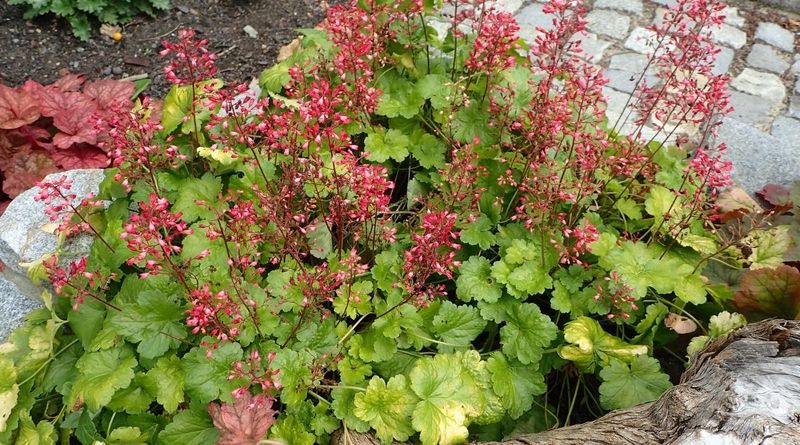
Few plants bring as much visual interest to a walkway border as coral bells, and the good news is that they do it without ever looking unruly.
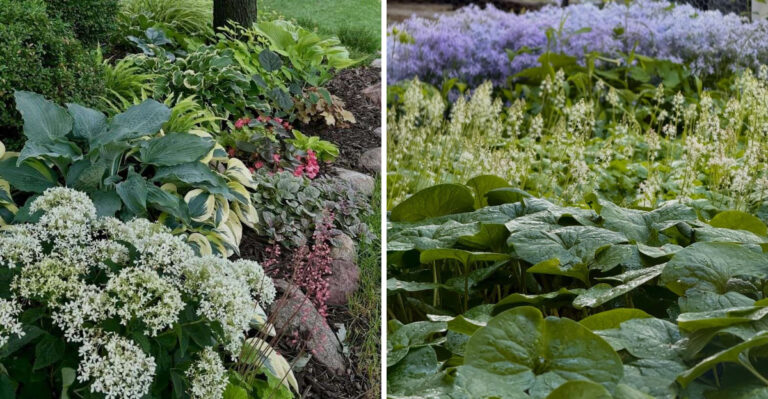
The foliage comes in an impressive range of colors, from deep burgundy and bronze to lime green and silver, so there is almost always a variety that fits the color scheme of a Michigan front yard or side-yard path.
The leaves grow in tidy mounds that stay relatively compact through the season.
Coral bells perform well in part shade to full shade, which makes them a natural fit for narrower walkways along the shaded side of a house or beneath the canopy of a large tree.
They prefer moist, well-drained soil and appreciate a light layer of mulch to keep roots cool during Michigan’s warmer summer stretches.
Your Michigan Garden Changes Every Week. Your Plan Should Too.
Gardening in Michigan changes quickly throughout the season. Every Friday you’ll receive a simple weekly plan showing exactly what to plant, prune, fertilize, harvest, and protect so you never miss the right timing.
In well-matched conditions, they hold their shape without needing much intervention.
The plant also sends up slender stems topped with tiny bell-shaped flowers in late spring and early summer, adding a delicate vertical accent above the low foliage mound.
Those flower stems are easy to trim once blooming finishes, which keeps the border looking clean without a lot of effort.
Coral bells are generally long-lived and tend to look better with each passing year as the clumps fill in. For a shaded walkway where you want reliable color, texture, and a tidy edge, coral bells are hard to overlook.
3. Foamflower Makes Shady Path Edges Feel Fuller
Shaded side-yard paths in Michigan can be tricky to plant because the combination of low light, root competition from nearby trees, and limited moisture makes it hard for many plants to look their best.
Foamflower is one of the more reliable choices for exactly these kinds of spots.
It spreads gently to fill in gaps along the path edge, creating a lush, layered look that softens the border without becoming aggressive or unmanageable.
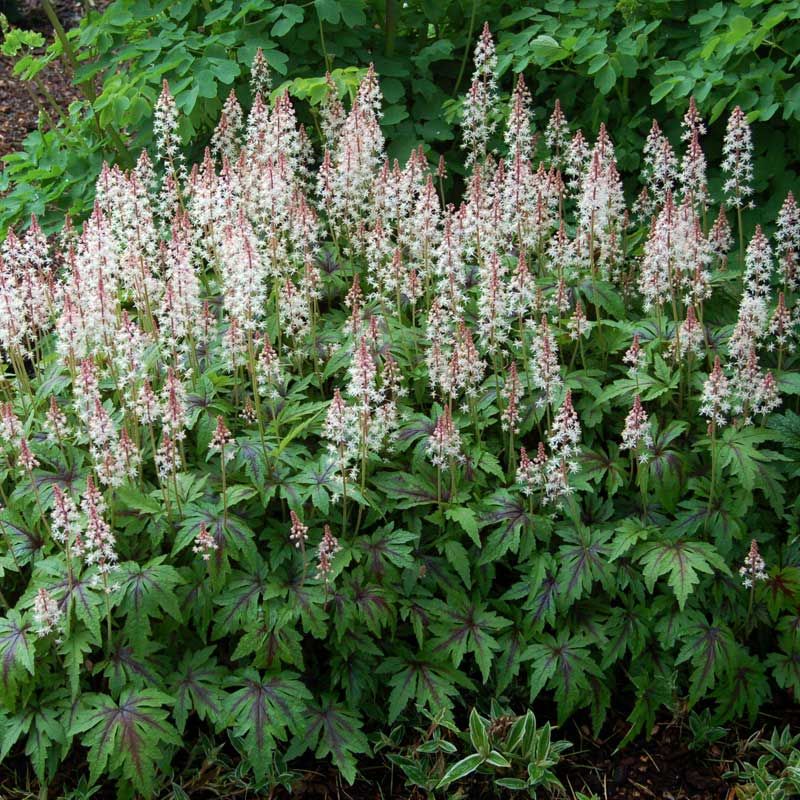
The foliage is attractive on its own, with lobed, heart-shaped leaves that often develop reddish or bronze markings as the season progresses.
In spring, the plant sends up airy spikes of small white or pale pink flowers that give the path edge a soft, frothy quality, which is exactly where the common name comes from.
After the flowers fade, the foliage continues to look full and fresh through most of the summer.
Foamflower prefers part shade to full shade and does best in moist, humus-rich soil, the kind of conditions that naturally occur along wooded paths or near the base of mature trees.
It is native to eastern North America, which means it is well-adapted to Michigan’s climate and tends to establish without a lot of fuss.
Some varieties spread by runners to gradually fill in bare spots, while others form tighter clumps that stay more contained. Either way, it keeps path edges looking full and cared-for without demanding constant attention from the gardener.
4. Native Phlox Adds Low Color Beside Walkways
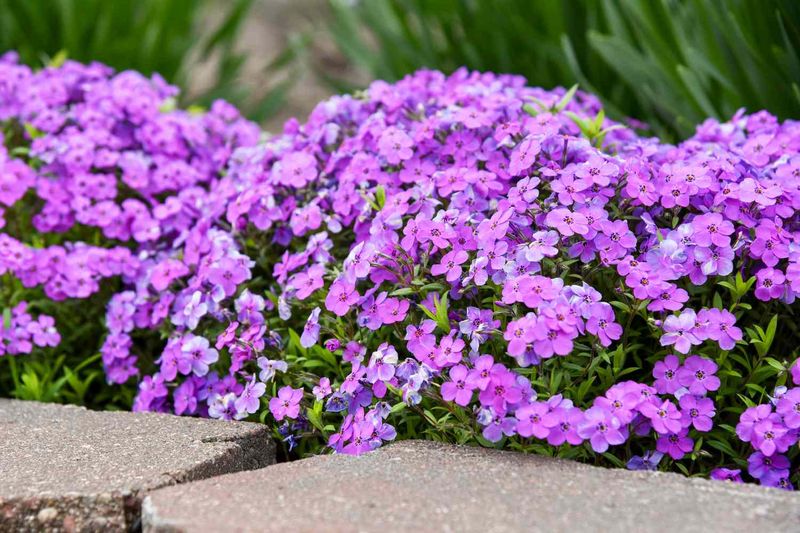
Creeping phlox is one of those plants that earns admiring glances every spring when it bursts into a solid carpet of pink, lavender, white, or magenta flowers along a path edge.
It grows only a few inches tall and spreads in a dense mat that hugs the ground closely, which gives it a naturally tidy appearance even when it is not in bloom.
Michigan gardeners have used it along sunny walkways for generations, and it continues to be a dependable performer in home landscapes.
This low native phlox thrives in full sun and well-drained soil, and it handles the kind of dry, slightly lean conditions that sometimes develop along south-facing or west-facing path borders.
The flower display in mid to late spring is genuinely striking, and even after blooming ends, the evergreen or semi-evergreen foliage stays relatively neat through the rest of the season.
A light trim after flowering can help keep the mat from getting too woody or open in the center.
One practical advantage of creeping phlox along walkways is that it spreads gradually without becoming invasive, so it fills in the border over time without taking over nearby planting areas.
It pairs well with spring-blooming bulbs planted behind it, creating a layered path edge that looks intentional and put-together.
For Michigan front walks or garden paths that get good sun exposure, creeping phlox offers reliable seasonal color and a low-maintenance border that earns its space every spring.
5. Hostas Bring Order To Wider Shady Edges
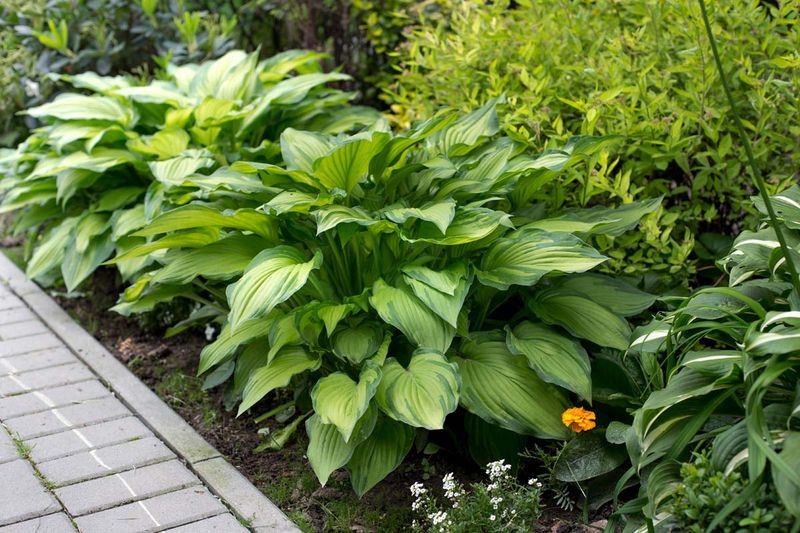
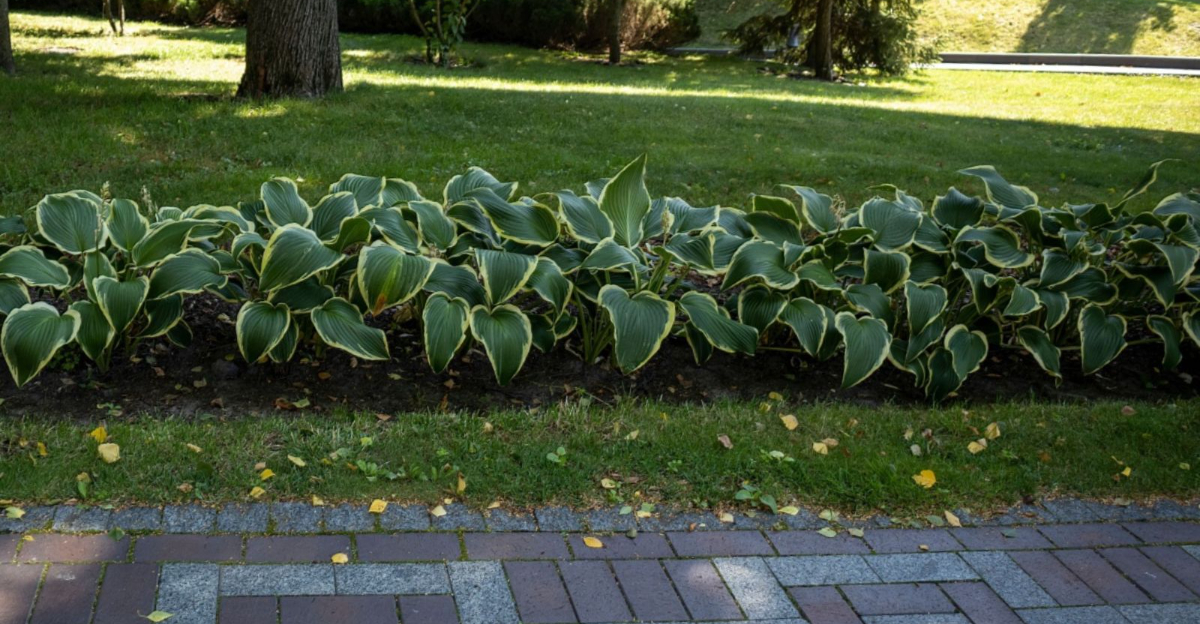
Wider shaded path edges in Michigan often need a plant with enough visual weight to anchor the border without sprawling into the walkway itself. Hostas fill that role with a kind of quiet confidence that few other shade plants can match.
Their broad, ribbed leaves form tidy, symmetrical mounds that stay well-defined through the growing season, giving even a casual path edge a sense of order and structure.
Hostas come in an enormous range of sizes, so choosing a compact or medium-sized variety is important for keeping the walkway border proportionate.
Varieties that top out at twelve to eighteen inches work especially well along residential paths where space is limited.
They perform best in part shade to full shade and appreciate consistently moist, well-drained soil enriched with organic matter, conditions that are relatively easy to create along a Michigan side-yard or backyard path.
The foliage is the main attraction, and it comes in shades ranging from deep blue-green to bright gold, with many popular variegated options that add contrast and brightness to shaded areas.
In midsummer, hostas send up tall flower spikes with pale lavender or white blooms that add a subtle vertical element above the foliage mound.
Slugs can occasionally be a nuisance in very moist spots, so choosing a thicker-leaved variety helps reduce that problem.
With minimal seasonal upkeep, hostas provide a dependable, polished-looking border that holds up well from late spring through early fall in Michigan gardens.
6. Sedum Handles Sunny Path Borders With Ease
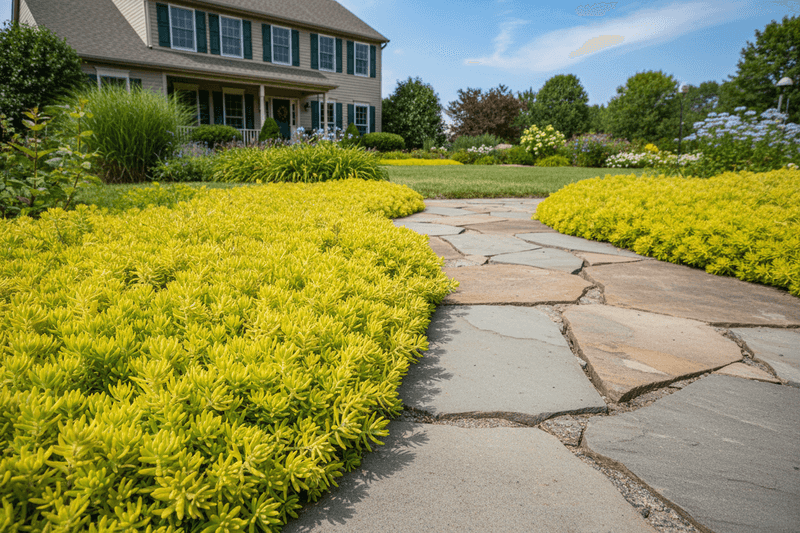
Sunny path borders can get surprisingly harsh by midsummer, with reflected heat from pavers, dry soil, and intense afternoon sun creating conditions that stress many plants.
Low-growing sedum handles all of that without skipping a beat.
Its thick, fleshy leaves store moisture efficiently, which allows it to stay looking healthy and full even during stretches of dry weather when other border plants start to look tired or wilted.
There are many low-growing sedum varieties suited to Michigan walkways, including types with green, blue-green, or reddish foliage that stays attractive from spring through fall.
Some varieties produce small star-shaped flowers in yellow, pink, or white during summer, adding a cheerful accent to the path edge without creating any visual clutter.
The plants stay low and spread gradually, forming a dense mat that keeps weeds from finding easy footholds in the border.
Sedum is not fussy about soil quality, which is actually one of its most useful qualities in a walkway setting. It performs well in lean, sandy, or gravelly soil that drains quickly, the kind of ground that often develops along the edges of paved surfaces.
It needs very little fertilizing and rarely requires trimming to stay within its allotted space.
For homeowners dealing with a hot, exposed path border where other plants have struggled, low-growing sedum offers a practical, low-maintenance solution that keeps the edge looking intentional and well-tended through most of the growing season.